Tag

3iatlas

All articles tagged with #3iatlas

Juice space camera captures interstellar comet 3I/ATLAS in vivid detail
space1 day ago

Juice space camera captures interstellar comet 3I/ATLAS in vivid detail

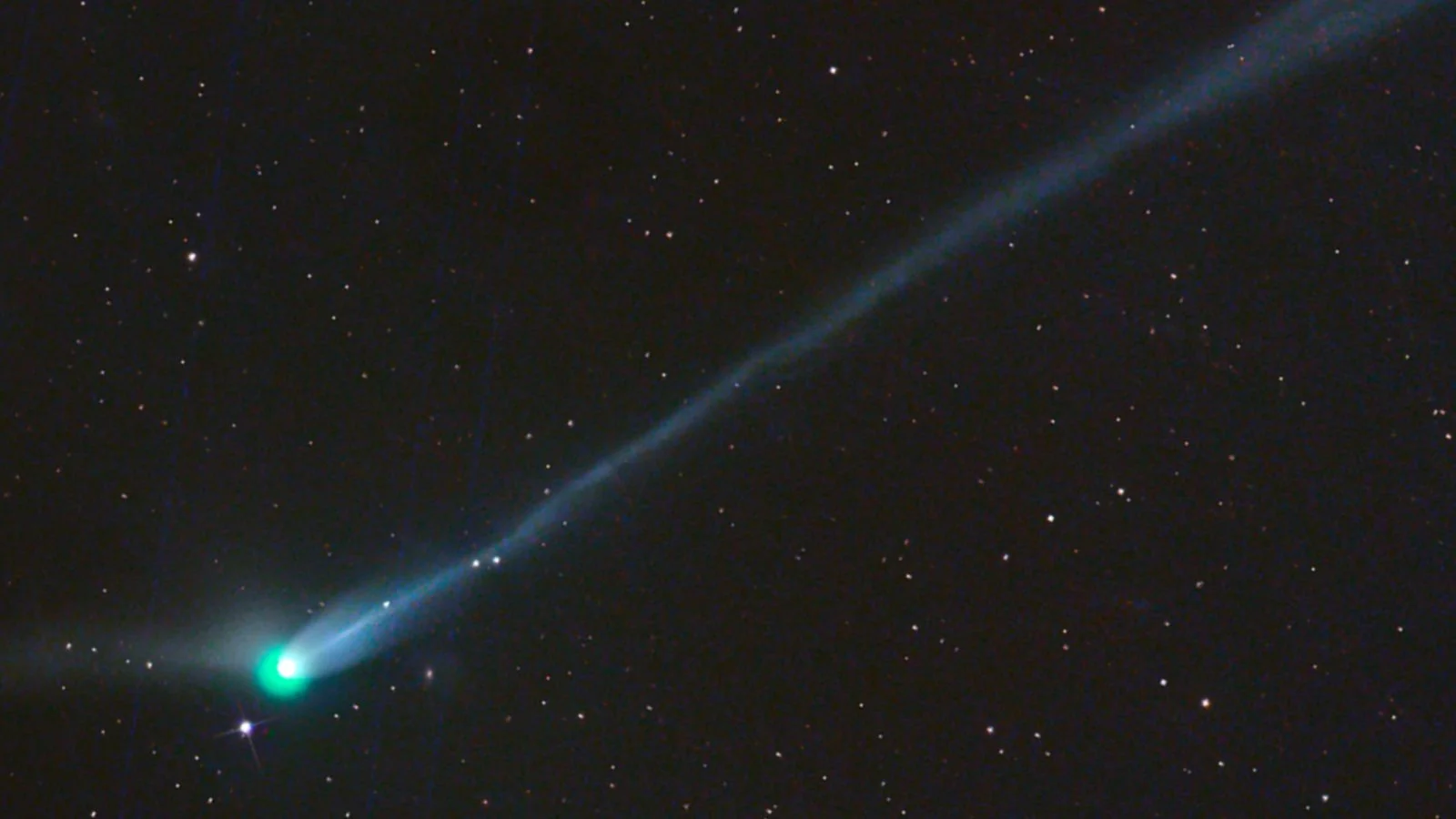
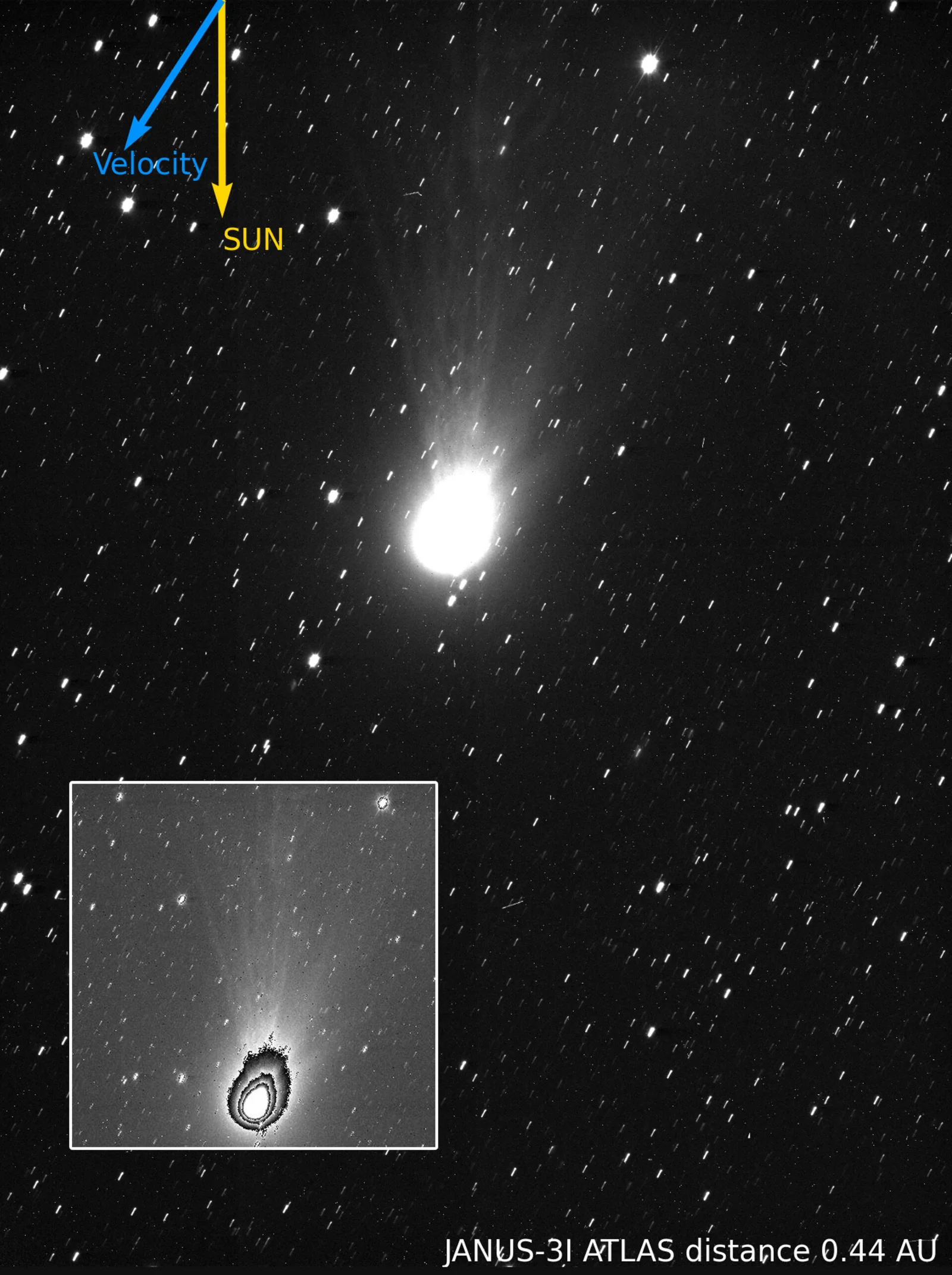
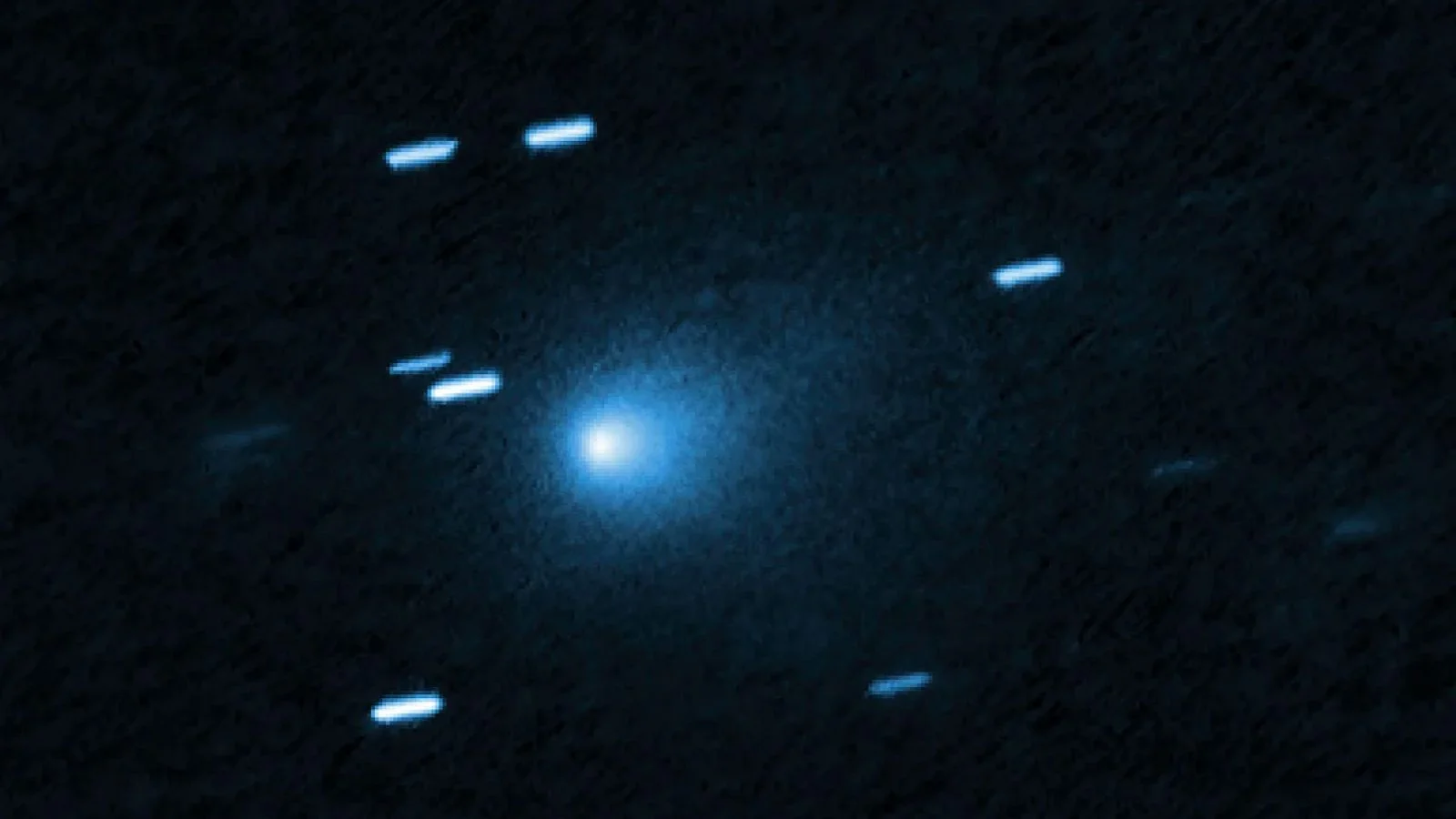
ESA's Juice mission captured the first image of interstellar comet 3I/ATLAS with its JANUS camera, showing the coma and a long tail seven days after perihelion as Juice sat about 66 million km away. Five instruments (JANUS, MAJIS, SWI, PEP, UVS) collected data to study the comet’s activity and composition, with teams now analyzing the results and planning a late-March synthesis of findings.

Solar Oberth Maneuver Could Put a Spacecraft on Track to Intercept Interstellar Comet 3I/ATLAS
astronomy6 days ago

Solar Oberth Maneuver Could Put a Spacecraft on Track to Intercept Interstellar Comet 3I/ATLAS

Space.com reports a team proposes using a solar Oberth maneuver near 3.2 solar radii to launch a ~500 kg spacecraft in 2035, aided by a Jupiter gravity assist and heavy boosters, to perform a high-speed flyby of interstellar comet 3I/ATLAS by around 2085 at about 732 AU from the Sun. The interceptor would be heat-shielded and not intended to enter orbit, making it a close-proximity encounter rather than a rendezvous. While the concept is theoretically feasible and could push the boundaries of solar-system exploration, researchers note more practical, near-term approaches (like ESA’s Comet Interceptor) could target interstellar objects sooner.

2035 Solar Oberth maneuver could intercept interstellar comet 3I/ATLAS
space7 days ago

2035 Solar Oberth maneuver could intercept interstellar comet 3I/ATLAS

Researchers from i4is propose an indirect intercept to interstellar comet 3I/ATLAS using a Solar Oberth maneuver, launching in 2035 to align Earth, Jupiter, and the comet. Direct Earth-launch missions are unlikely due to late detection and the comet’s high speed, making a flyby the most viable option. The plan could enable revolutionary science about other star systems, but propulsion readiness and long flight times (around 50 years) present major hurdles and DEP/advanced propulsion remain decades away.

Solar Oberth Route Could Intercept Interstellar Visitor 3I/ATLAS by 2035
space12 days ago

Solar Oberth Route Could Intercept Interstellar Visitor 3I/ATLAS by 2035

Researchers from the Initiative for Interstellar Studies propose an indirect mission to intercept interstellar object 3I/ATLAS using a Solar Oberth maneuver and their Optimised Interplanetary Trajectory Software (OITS); a 2035 launch could align Earth, Jupiter, and the Sun to enable a high‑speed flyby, since a direct Earth‑launched rendezvous is unlikely due to late detection and the object’s high velocity. Leveraging gravity assists and a Sun-centric burn with current tech, the mission would take about 50 years, offering revolutionary insights into another star system; directed-energy propulsion remains a long‑term possibility.

Interstellar Comet 3I/ATLAS Emerges Rich in Organics After Solar Pass
space12 days ago

Interstellar Comet 3I/ATLAS Emerges Rich in Organics After Solar Pass

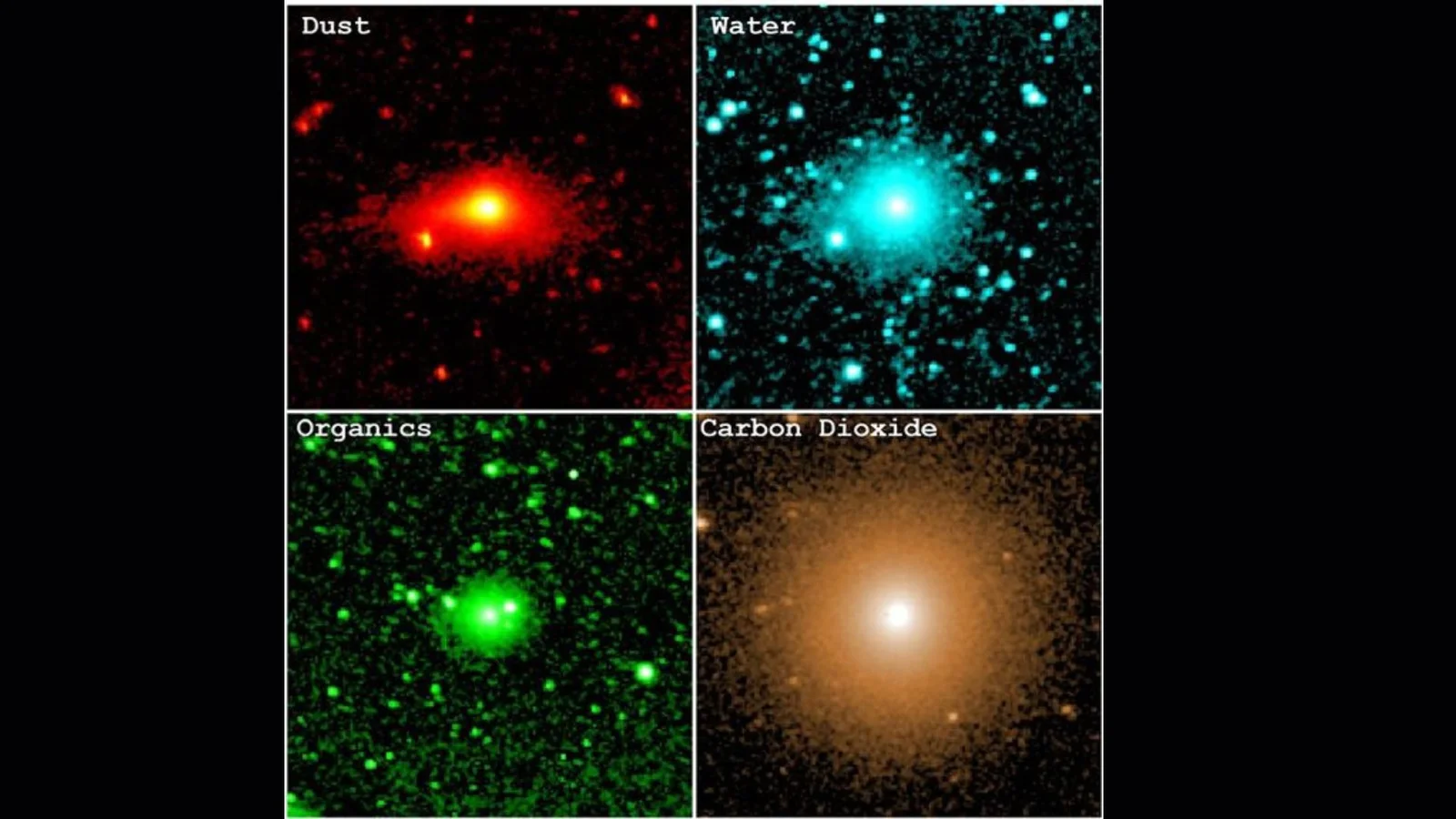
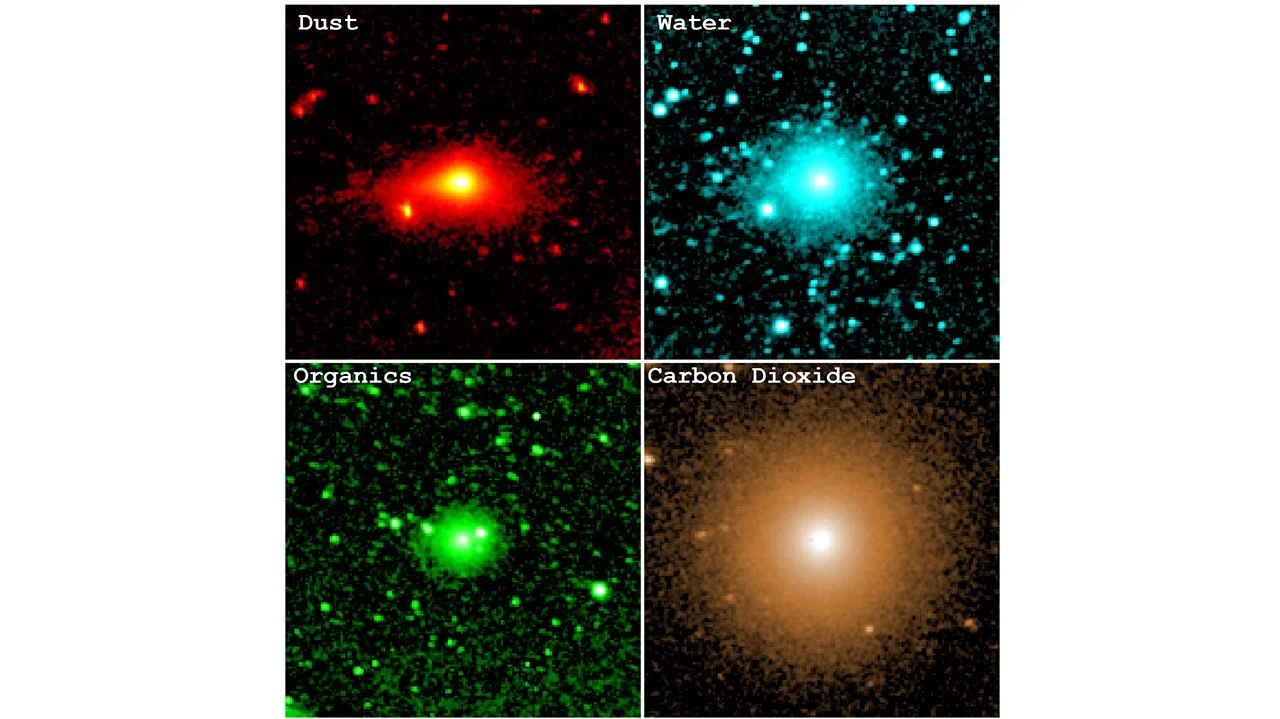
NASA’s SPHEREx telescope observed the interstellar comet 3I/ATLAS erupting after its Sun encounter, releasing abundant organic compounds such as methanol, cyanide and methane along with relatively large fragments. The data suggest a radiation-processed crust and deeper ice reserves were heated, offering a rare glimpse at material formed around another star.

City-Sized Green Comet Eyes Interstellar Exit
space14 days ago

City-Sized Green Comet Eyes Interstellar Exit

Comet C/2024 E1 (Wierzchoś) is brightening as it nears its closest approach to Earth and is on a hyperbolic trajectory that will likely eject it from the solar system, making it another interstellar visitor like 3I/ATLAS. JWST detected significant CO2 in its coma and initial estimates put the nucleus around 13.7 km, thoughSize estimates vary. It passed perihelion earlier in January and will be about 151 million km from Earth on Feb. 17; the emerald iceball will not be naked-eye visible but can be observed with a telescope. Once sent on its interstellar journey, it will drift through the Milky Way for millions to billions of years.

Interstellar Comet 3I/ATLAS unveils the building blocks of life
space14 days ago

Interstellar Comet 3I/ATLAS unveils the building blocks of life

NASA's SPHEREx infrared space telescope observed interstellar comet 3I/ATLAS during its December close approach and detected organic molecules such as methanol, cyanide, and methane, indicating that the materials associated with life can be present in cometary material. The findings, published as a Research Note of the American Astronomical Society, support the idea that comets can deliver bio-relevant compounds, though they do not imply life itself. SPHEREx scans the sky in infrared with 102 color sensors, and captured data as 3I/ATLAS passed by the Sun before heading back into interstellar space.

Interstellar Comet 3I/ATLAS Survives Solar Flyby, Revealing Planet-Building Clues
space19 days ago

Interstellar Comet 3I/ATLAS Survives Solar Flyby, Revealing Planet-Building Clues

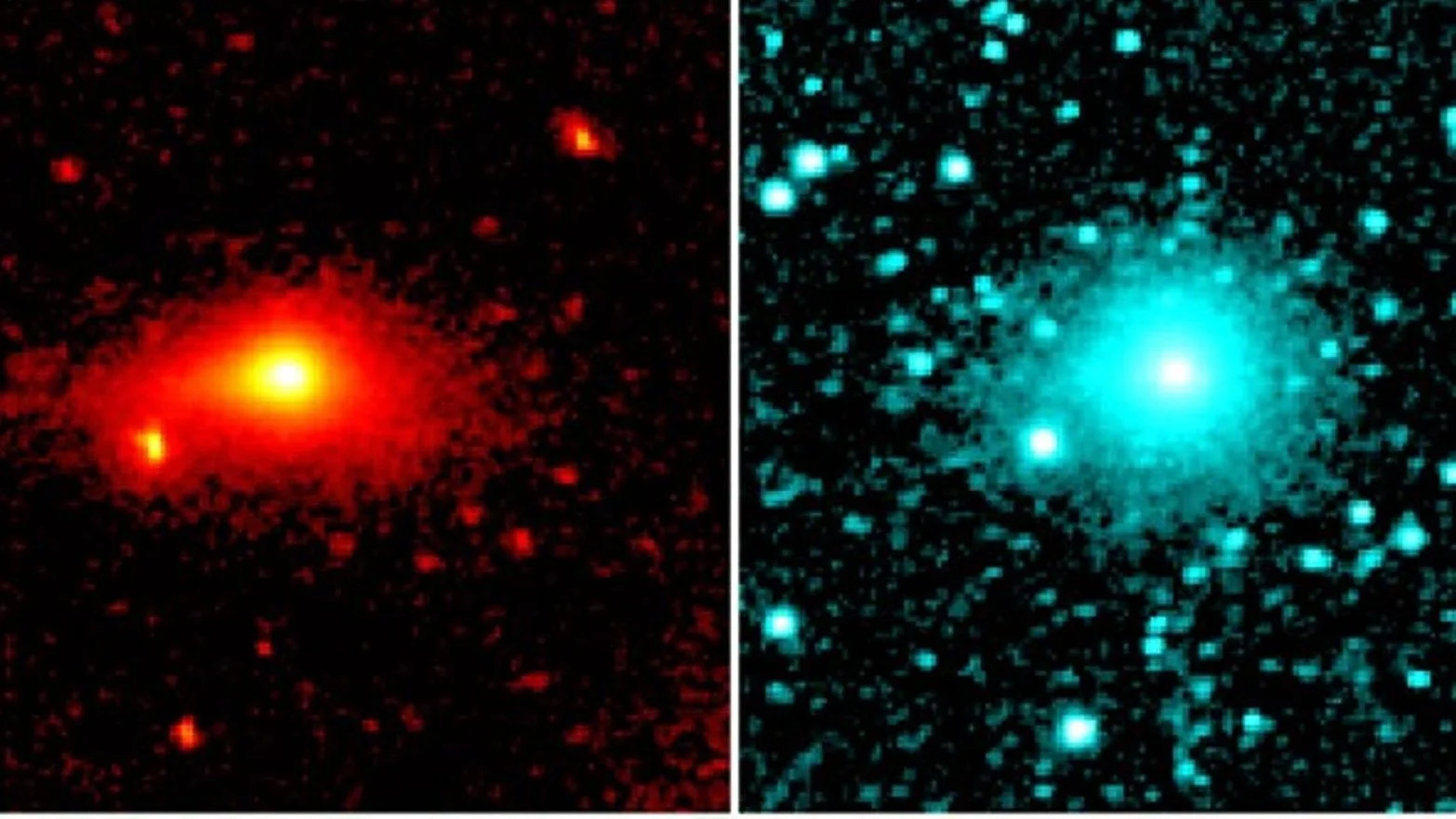
NASA’s Hubble reobserved interstellar comet 3I/ATLAS during its close solar approach, allowing scientists to track nickel and iron emissions before and after perihelion with unprecedented precision. The study found the observed outer layers are sun-baked crust rather than pristine material, complicating direct measurements of its original metallicity, but SPHEREx data showing dust, water, and organics in the coma, along with the metal measurements, provide valuable insights into how heavy elements behave in other star systems and what this implies about planet formation.

Interstellar Comet 3I/ATLAS Flare Reveals Molecules From Another Star
space22 days ago

Interstellar Comet 3I/ATLAS Flare Reveals Molecules From Another Star

NASA’s SPHEREx infrared telescope observed interstellar comet 3I/ATLAS flare up as it was exiting the solar system in December 2025, revealing a coma rich in water vapor, carbon dioxide and complex organics (including methane, methanol and cyanide) and a pear-shaped dust tail. The observations suggest sunlight penetrated buried ices, triggering a delayed release of materials formed around another star. 3I/ATLAS is only the third confirmed interstellar object, discovered in 2025, with the findings published in February 2026 in the Research Notes of the American Astronomical Society.

SPHEREx Logs Fresh Organic Signals From Interstellar Visitor 3I/ATLAS
space24 days ago

SPHEREx Logs Fresh Organic Signals From Interstellar Visitor 3I/ATLAS

NASA’s SPHEREx observed interstellar comet 3I/ATLAS brighten in December 2025, detecting organic molecules such as methanol, cyanide and methane in a increasingly active coma rich in CO2, CO and H2O. Delayed venting—driven by solar heating penetrating deep into the crust—releases pristine ices and rocky material, highlighting the comet’s processed exterior and complex chemistry, and showcasing SPHEREx’s capability to study such rare, far‑flung visitors.

TESS probes interstellar visitor 3I/ATLAS to reveal its spin
space1 month ago

TESS probes interstellar visitor 3I/ATLAS to reveal its spin

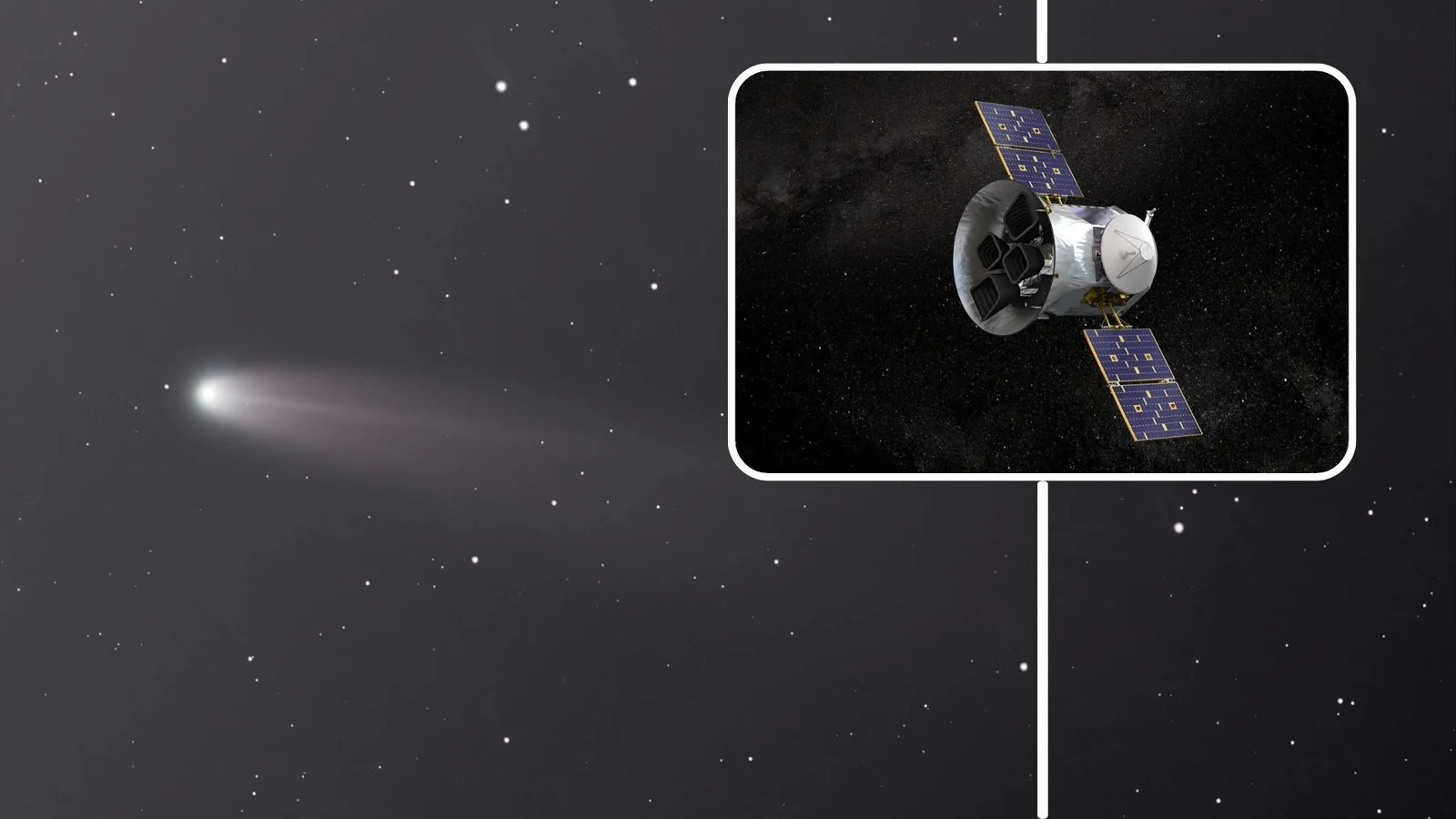
NASA's exoplanet-hunting telescope TESS observed interstellar comet 3I/ATLAS during Jan. 15–22, compiling a 28‑hour sequence to study the comet’s activity and rotation. The object appeared at about magnitude 11.5, and MIT researcher Daniel Muthukrishna stitched the observations into a video showing its trajectory as it leaves the solar system. Although TESS briefly entered safe mode, causing a time jump, the January data are publicly available, and scientists hope to infer how fast the nucleus spins and how dust and gas are shed from the comet.

science1 month ago

Hubble View of 3I/ATLAS Reveals Structured Emission Defying Random Explanation

A newly processed Hubble Space Telescope image of interstellar object 3I/ATLAS (Jan 22, 2026) shows persistent internal structures—including a pronounced anti-tail and three emission features—after applying rotational-gradient processing to remove coma glow, suggesting non-random geometry that challenges the view of 3I/ATLAS as a typical comet; the analysis comes from NASA/ESA/STScI data and was conducted for USA Herald by Toni Scarmato as a forensic-like examination.

Interstellar Comet 3I/ATLAS Heads Toward Interstellar Space in Free Livestream
space1 month ago

Interstellar Comet 3I/ATLAS Heads Toward Interstellar Space in Free Livestream

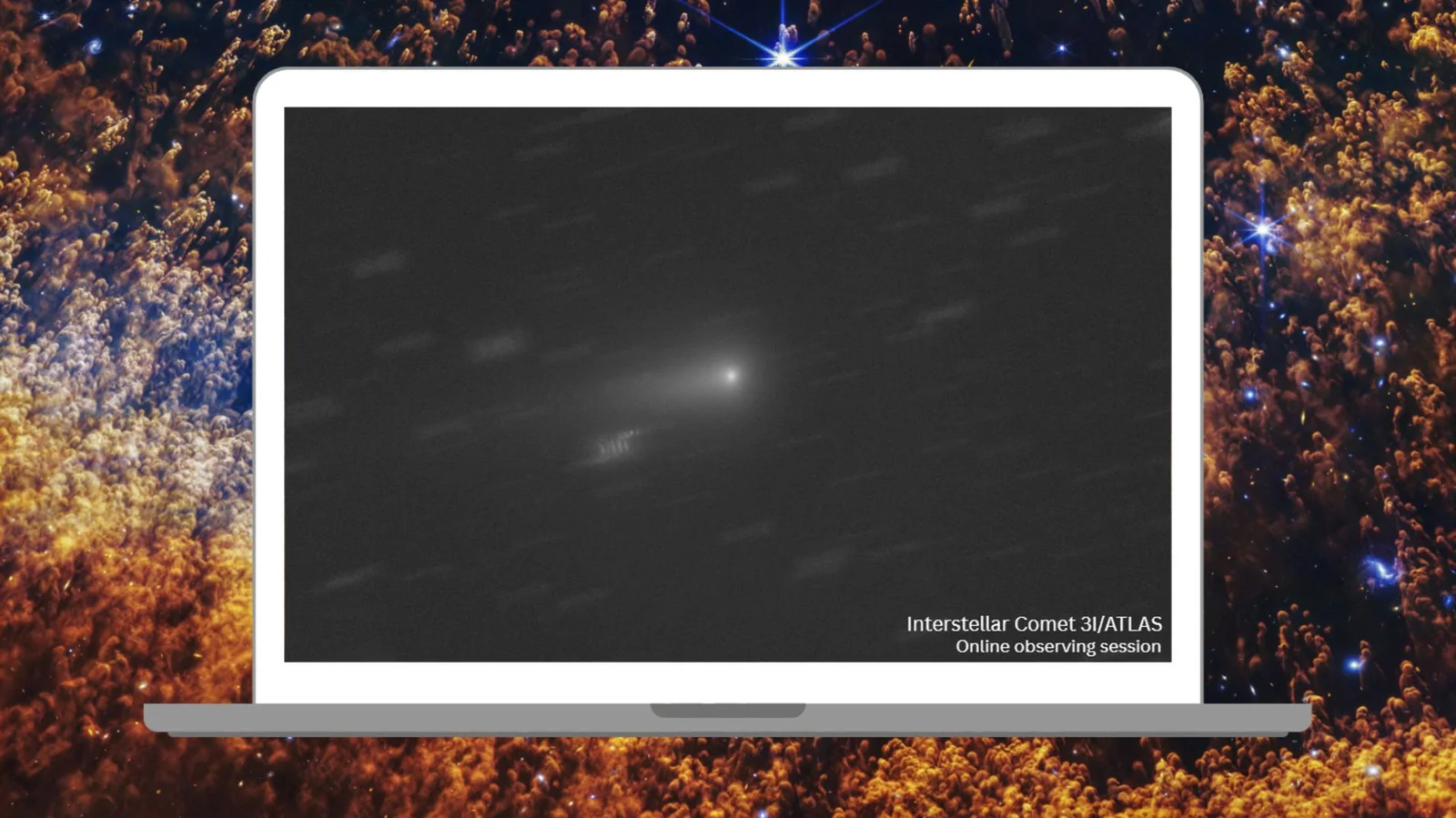
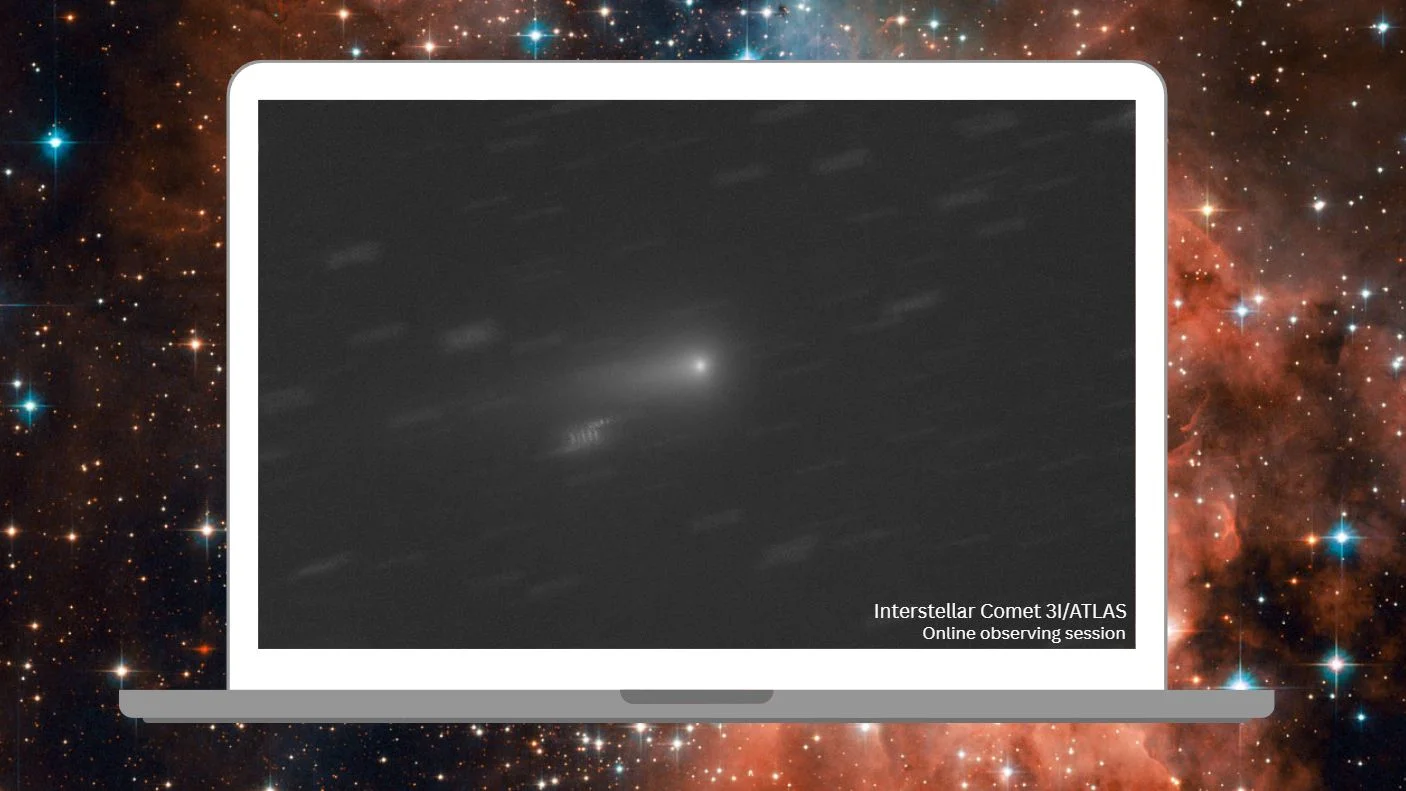
Space.com reports that interstellar comet 3I/ATLAS—the third known visitor from outside our solar system—will be visible in a free livestream tonight from Manciano, Italy’s Virtual Telescope Project, starting at 6:30 p.m. EST. At about magnitude +13.2 it won’t be visible to the naked eye; the comet will be at opposition as it races away from the Sun, following a close pass in late 2025 and a March flyby past Jupiter on its way out of the solar system.

Farewell to Interstellar Visitor 3I/ATLAS — Free Livestream Captures Its Escape
space1 month ago

Farewell to Interstellar Visitor 3I/ATLAS — Free Livestream Captures Its Escape

Space.com reports that interstellar comet 3I/ATLAS, discovered in 2025, is on an escape trajectory out of the solar system. A free livestream on Jan. 16 (5 p.m. EST) from the Virtual Telescope Project will present real-time views from a 14-inch telescope in Manciano, Italy, marking its final public observation before the comet heads into interstellar space.