Tag

Galaxy Formation

All articles tagged with #galaxy formation

Giant Rotating Cosmic Filament Rewrites How Galaxies Get Their Spin
astronomy11 days ago

Giant Rotating Cosmic Filament Rewrites How Galaxies Get Their Spin

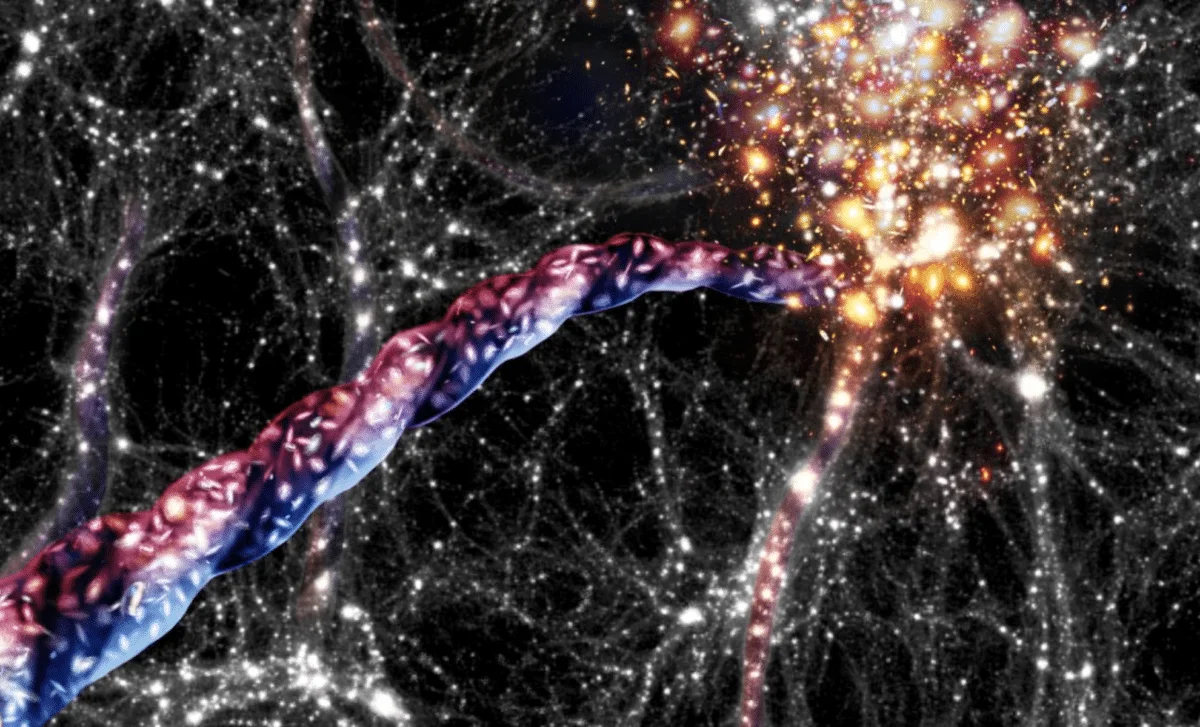
An Oxford-led team identifies a giant, razor-thin cosmic filament about 140 million light-years away that is rotating with galaxies aligned to its spin, offering new insights into how galaxies acquire angular momentum and evolve. The finding, enabled by MeerKAT’s MIGHTEE survey and complemented by DESI and SDSS data, challenges existing models of galaxy formation within the cosmic web.
Cosmic Dawn Surprise: JWST Reveals a Massive Galaxy 400 Million Years After the Big Bang
space19 days ago

Cosmic Dawn Surprise: JWST Reveals a Massive Galaxy 400 Million Years After the Big Bang

JWST observations of CEERS2-588 at redshift 11.04 (about 400 million years after the Big Bang) reveal a surprisingly massive (≈1.26 billion solar masses) and metal-rich galaxy with a high star-formation rate (~8.2 solar masses per year) and no AGN activity, implying efficient, episodic starbursts and rapid quenching that challenge current models of early galaxy formation.

Webb maps the Universe's invisible scaffolding in unprecedented detail
space-and-astronomy25 days ago

Webb maps the Universe's invisible scaffolding in unprecedented detail

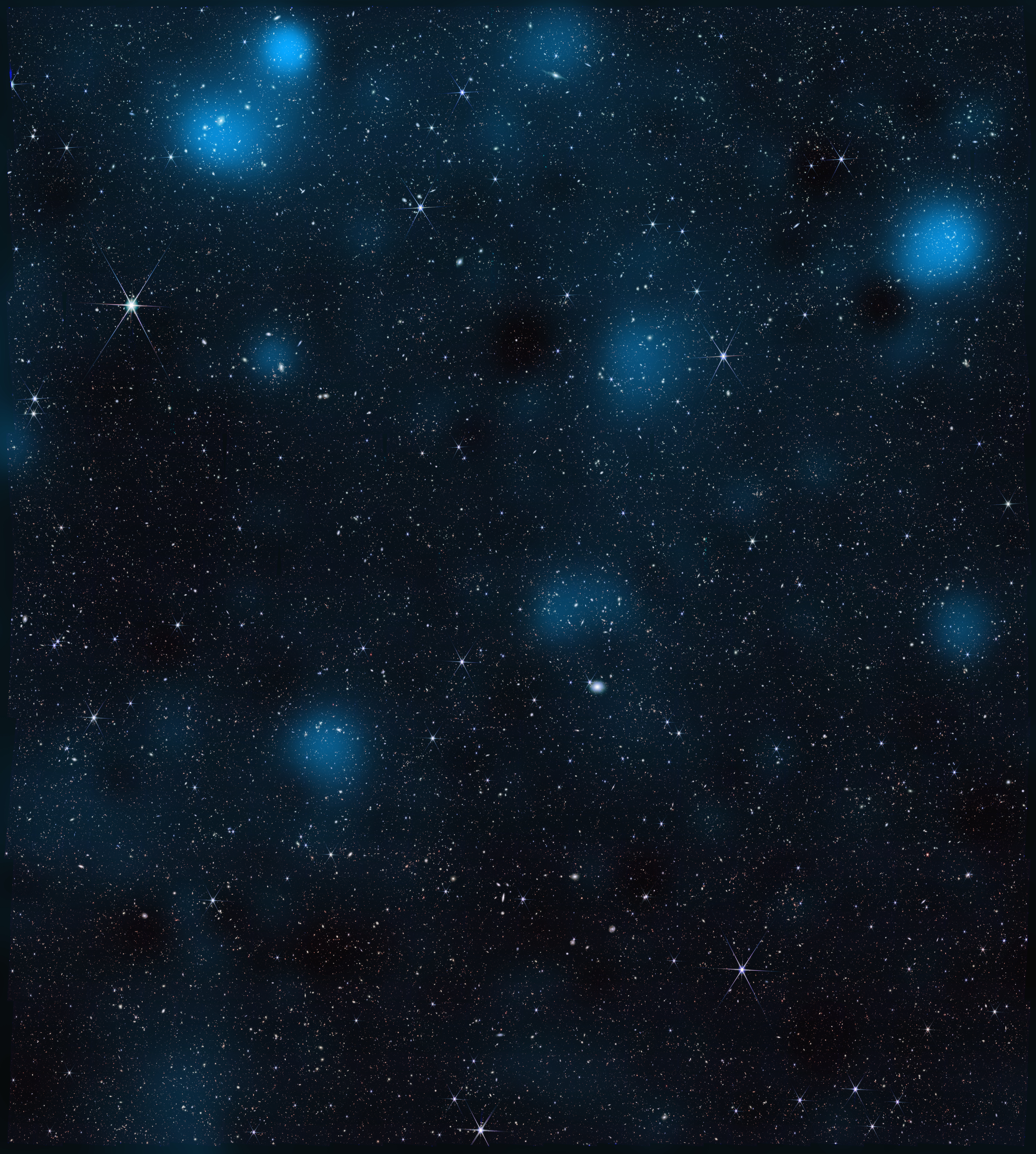
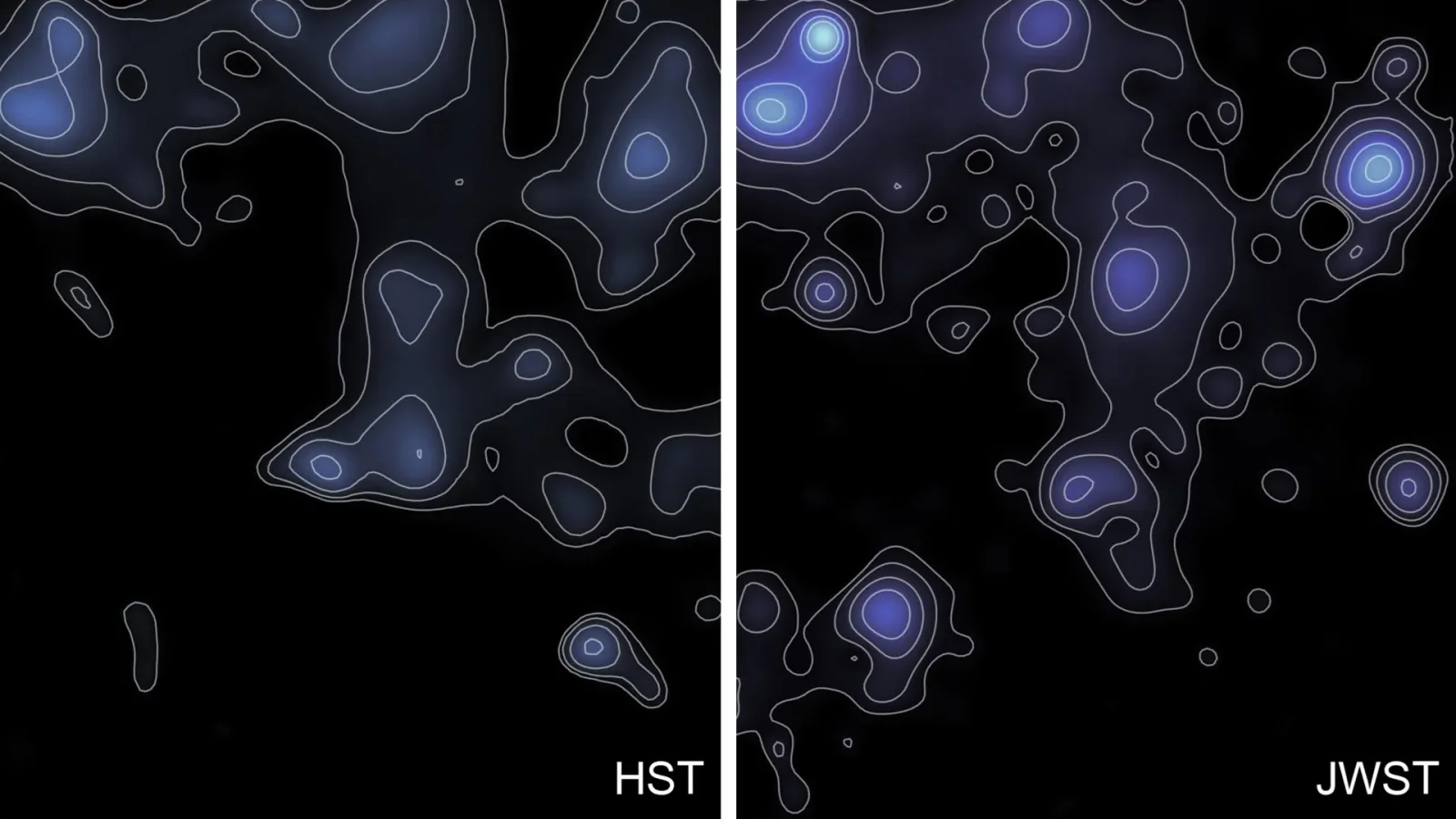
Astronomers using NASA's James Webb Space Telescope produced the most detailed map yet of dark matter, revealing how its gravity pulled ordinary matter into dense regions that formed galaxies and, eventually, planets. The map deepens understanding of the invisible structure shaping the cosmos and will guide future surveys (e.g., Euclid, Roman) to refine dark-matter properties and evolution.

Early Supermassive Black Holes Grow Inside Gas Cocoons
science26 days ago

Early Supermassive Black Holes Grow Inside Gas Cocoons

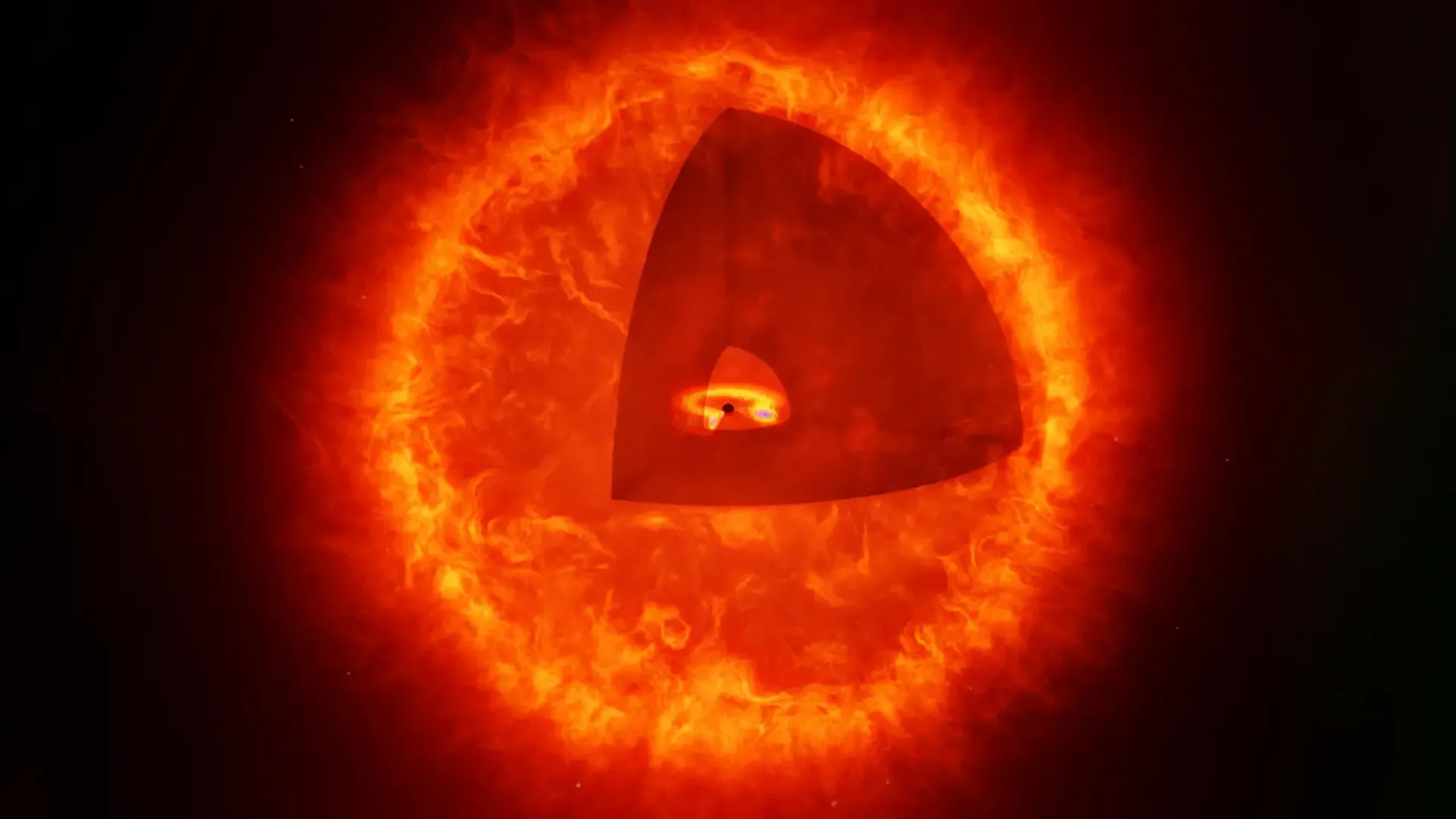
JWST observations of ultra-bright early-universe objects called Little Red Dots suggested extremely massive black holes. A new study argues their surrounding gas moves more slowly than thought, making the black holes about 100 times less massive and revealing they’re young SMBHs still cocooned in dense gas that hides X-ray emissions. This cocoon phase could represent a new early-growth stage in galaxy/black hole evolution and raises questions about whether black holes or stars form first in the young cosmos.

Webb Discovers Ultra-Early Galaxy MoM-z14 That Challenges Early-Universe Theories
space29 days ago

Webb Discovers Ultra-Early Galaxy MoM-z14 That Challenges Early-Universe Theories

NASA's James Webb Space Telescope identified the galaxy MoM-z14 as it appeared about 280 million years after the Big Bang (redshift 14.44), meaning light has traveled roughly 13.5 billion years. Its brightness and nitrogen enrichment exceed predictions for such an early object, challenging current models and hinting at new physics or star-formation pathways during the epoch of reionization; follow-up spectroscopy is needed to confirm details and refine our picture of the early Universe.

Webb Maps Dark Matter in Unprecedented Detail, Revealing the Cosmic Scaffold
space1 month ago

Webb Maps Dark Matter in Unprecedented Detail, Revealing the Cosmic Scaffold

NASA’s James Webb Space Telescope has produced the sharpest-ever map of dark matter by analyzing how its gravity bends light from nearly 800,000 galaxies in the COSMOS region, showing that dark matter’s invisible scaffolding closely aligns with regular matter and has guided galaxy and star formation—and by extension the conditions for planets like Earth—with Webb revealing finer dark-matter clumps than previous maps and setting the stage for expanded surveys with the Roman Space Telescope.

Cosmic Theorist Joel Primack Dies at 80
science1 month ago

Cosmic Theorist Joel Primack Dies at 80

Joel R. Primack, a UC Santa Cruz physicist, helped pioneer modern cosmology by coauthoring the 1984 Nature paper that linked dark matter and cosmic inflation to galaxy formation, shaping our understanding of the universe’s evolution after the Big Bang; he later expanded these ideas with computer simulations and influenced science policy, while authoring The View from the Center of the Universe with his wife, Nancy Abrams. He died on November 13, 2025, of pancreatic cancer at age 80.

Hubble Unveils 'Cloud 9', a Mysterious Dark-Matter Celestial Object
science1 month ago

Hubble Unveils 'Cloud 9', a Mysterious Dark-Matter Celestial Object

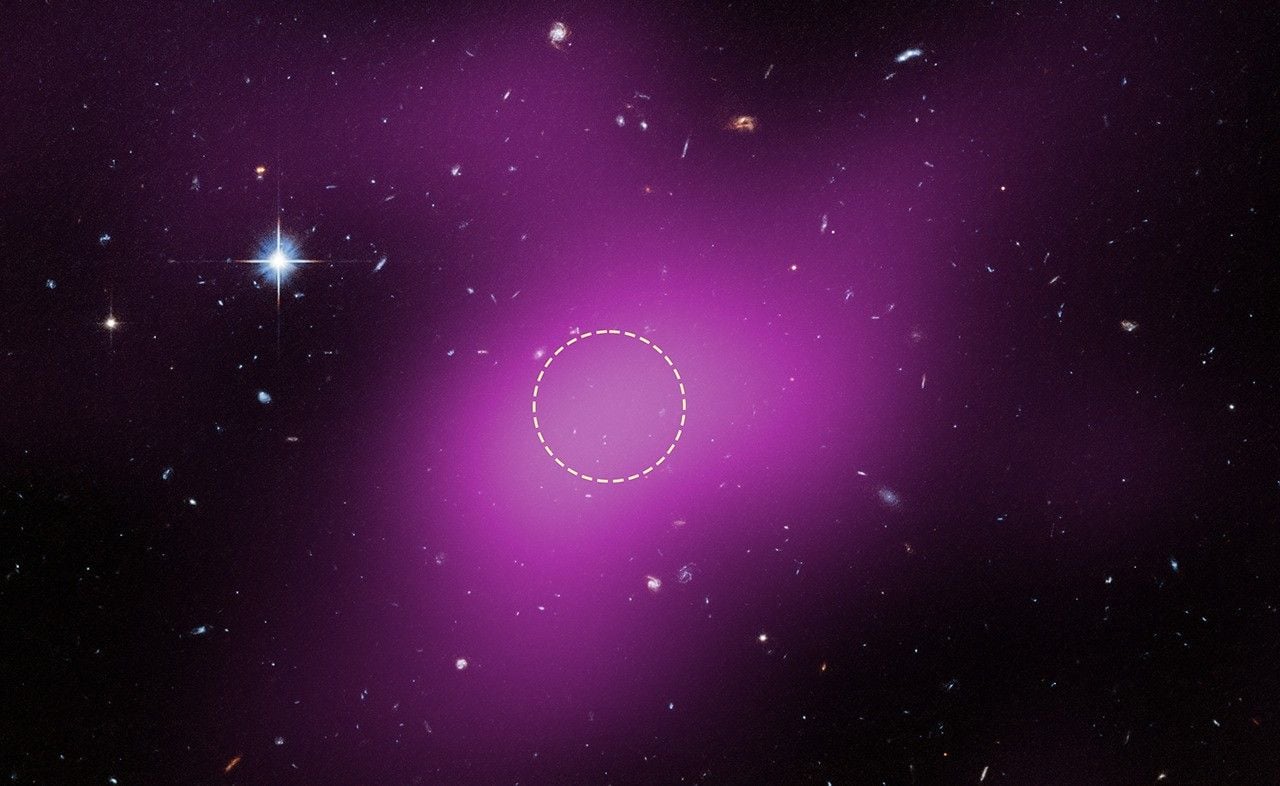
Astronomers using the Hubble Space Telescope have discovered a new type of cosmic object called Cloud 9, a dark matter and gas cloud with no stars, located near galaxy M94. This relic, known as a RELHIC, offers a rare glimpse into dark matter and galaxy formation, potentially serving as a primordial building block of galaxies, and may help scientists understand the early universe better.

Dark Matter Might Interact with Cosmic Ghost Particles, Scientists Say
science1 month ago

Dark Matter Might Interact with Cosmic Ghost Particles, Scientists Say

New research suggests dark matter may interact with neutrinos, which could explain why the universe is less 'clumpy' than expected and challenge current cosmological models. Future observations, including cosmic microwave background studies and gravitational lensing, aim to test this hypothesis, potentially leading to a major breakthrough in understanding dark matter.

Ancient Black Hole Predates Stars and Galaxies, Challenging Cosmic Origins
science1 month ago

Ancient Black Hole Predates Stars and Galaxies, Challenging Cosmic Origins

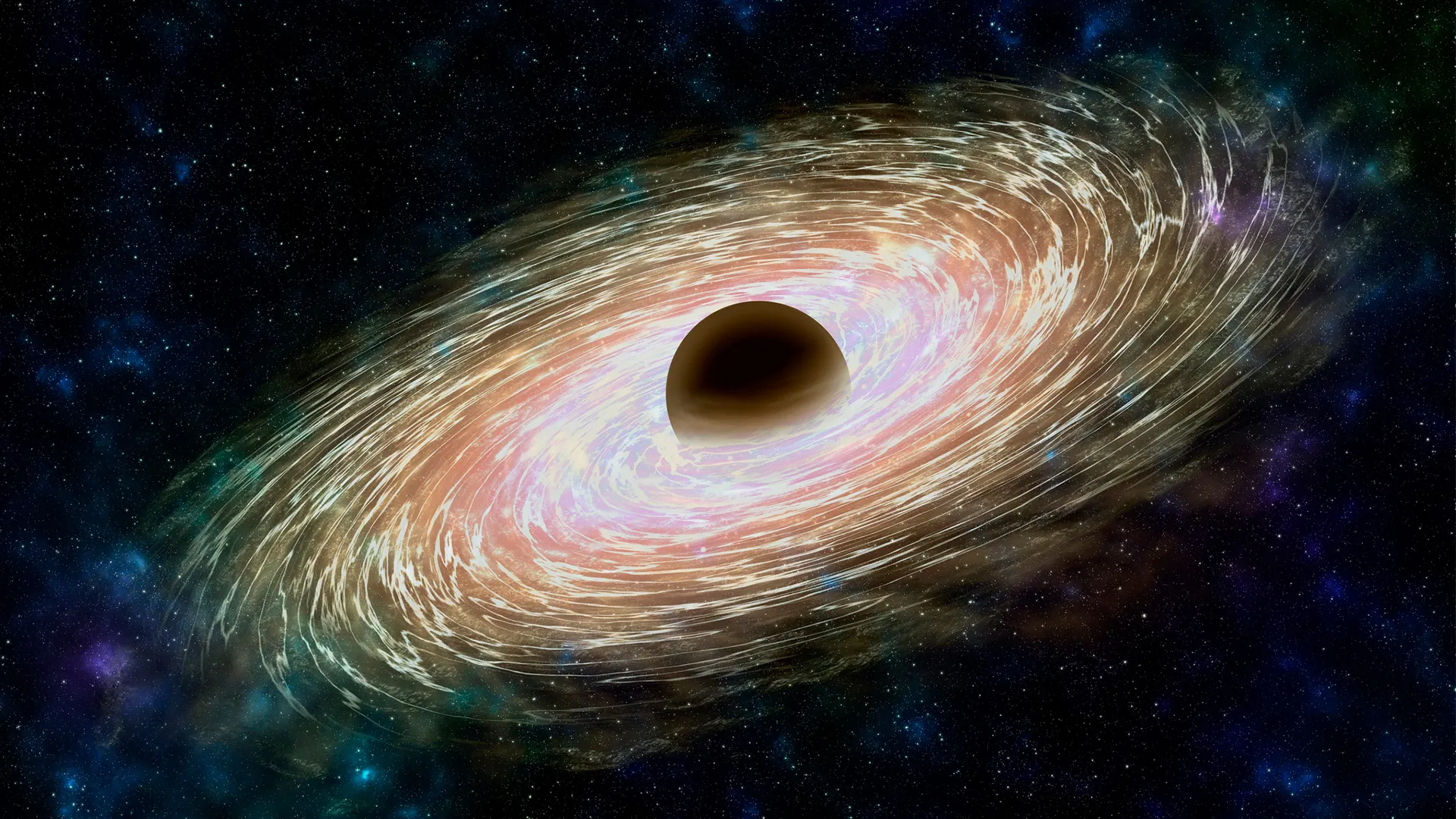
Astronomers using the James Webb Space Telescope discovered a massive black hole in a young galaxy from just 700 million years after the Big Bang, challenging traditional theories of galaxy and black hole formation. The black hole's size and the lack of surrounding stars suggest it may have originated as a primordial black hole, formed directly from density fluctuations in the early universe, rather than from star collapse. This finding opens new possibilities about the origins of supermassive black holes and the early universe, though further research is needed to confirm these theories.

JWST Uncovers Mysterious Red Dot and New Class of Extreme Celestial Objects
science3 months ago

JWST Uncovers Mysterious Red Dot and New Class of Extreme Celestial Objects

Astronomers using the James Webb Space Telescope discovered numerous mysterious red dots in distant galaxies, with one particularly extreme object called 'The Cliff' challenging existing models. New theories propose these could be 'black hole stars'—active galactic nuclei enshrouded in dense gas—potentially explaining rapid early galaxy growth and black hole formation. Further observations are needed to confirm these groundbreaking ideas.