Tag

Venus

All articles tagged with #venus

Hidden Lava Tubes Hint at a Subsurface Network Beneath Venus
space-and-spaceflight11 days ago

Hidden Lava Tubes Hint at a Subsurface Network Beneath Venus

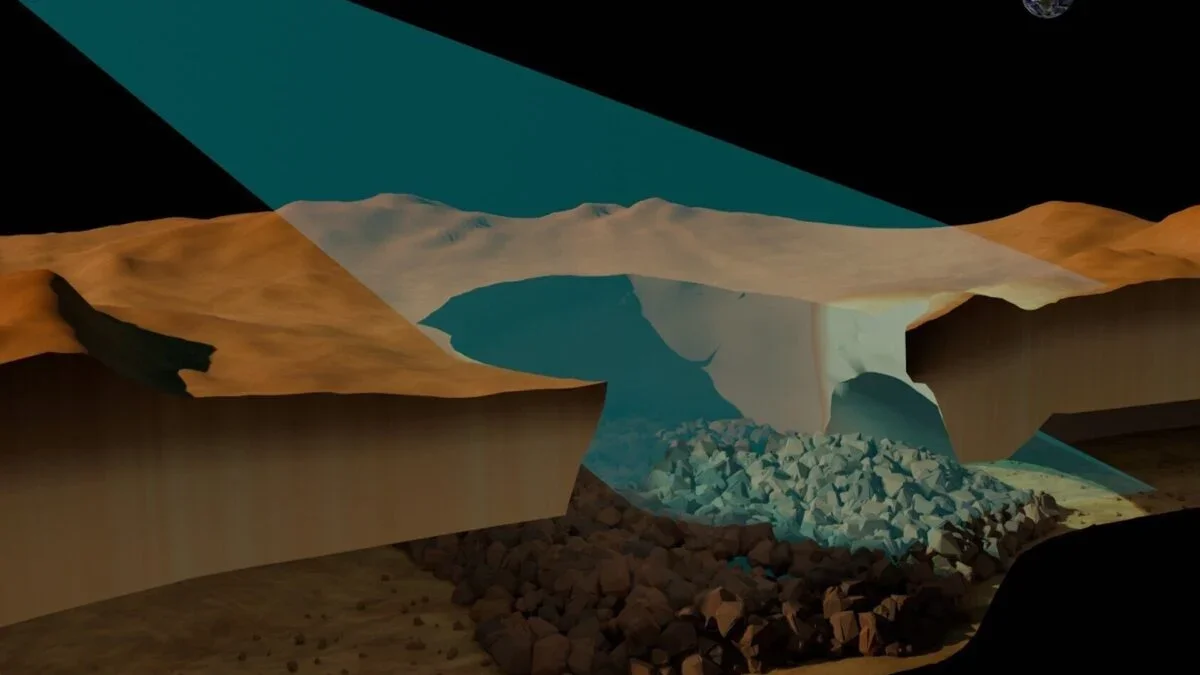
Researchers analyzing radar data from the Magellan mission detected what appears to be a large underground lava tube beneath Venus, near the Nux Mons region. The tube is about 1 kilometer wide, with a roof around 150 meters thick and a hollow cavity at least 375 meters high, marking the first confirmed subsurface feature on Venus and supporting long-held ideas about the planet’s volcanic activity. If confirmed, there may be more tubes beneath Venus’ surface, a task for upcoming radar-focused missions VERITAS and EnVision, planned to launch around 2031.
Venus Unveils Its Largest Known Lava Tube
science13 days ago

Venus Unveils Its Largest Known Lava Tube

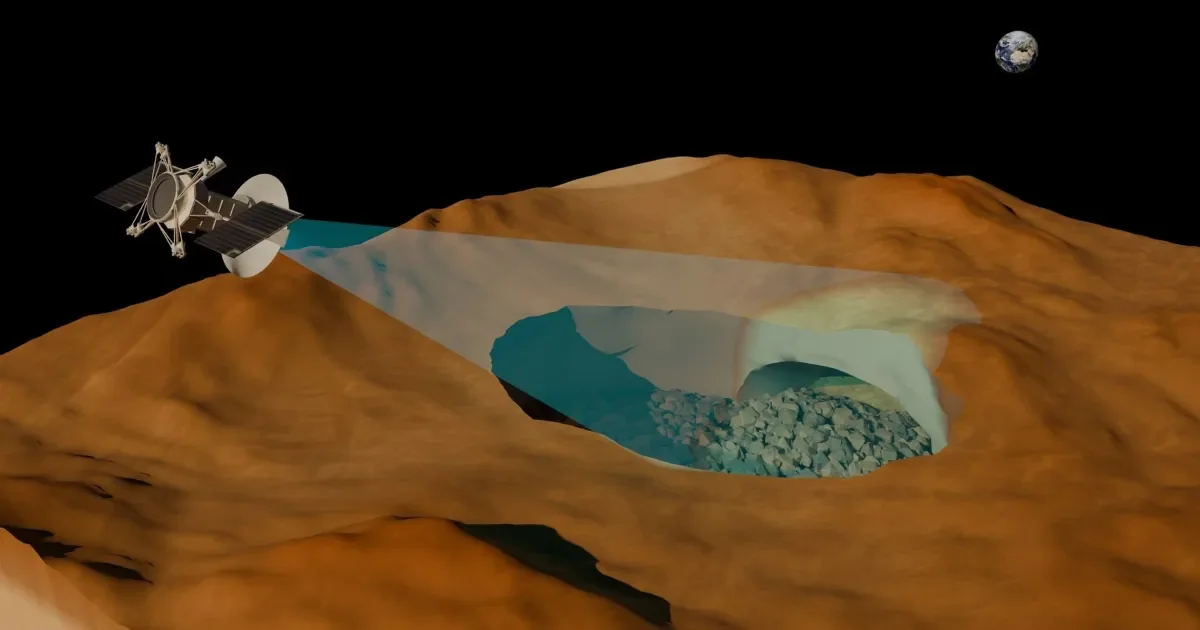
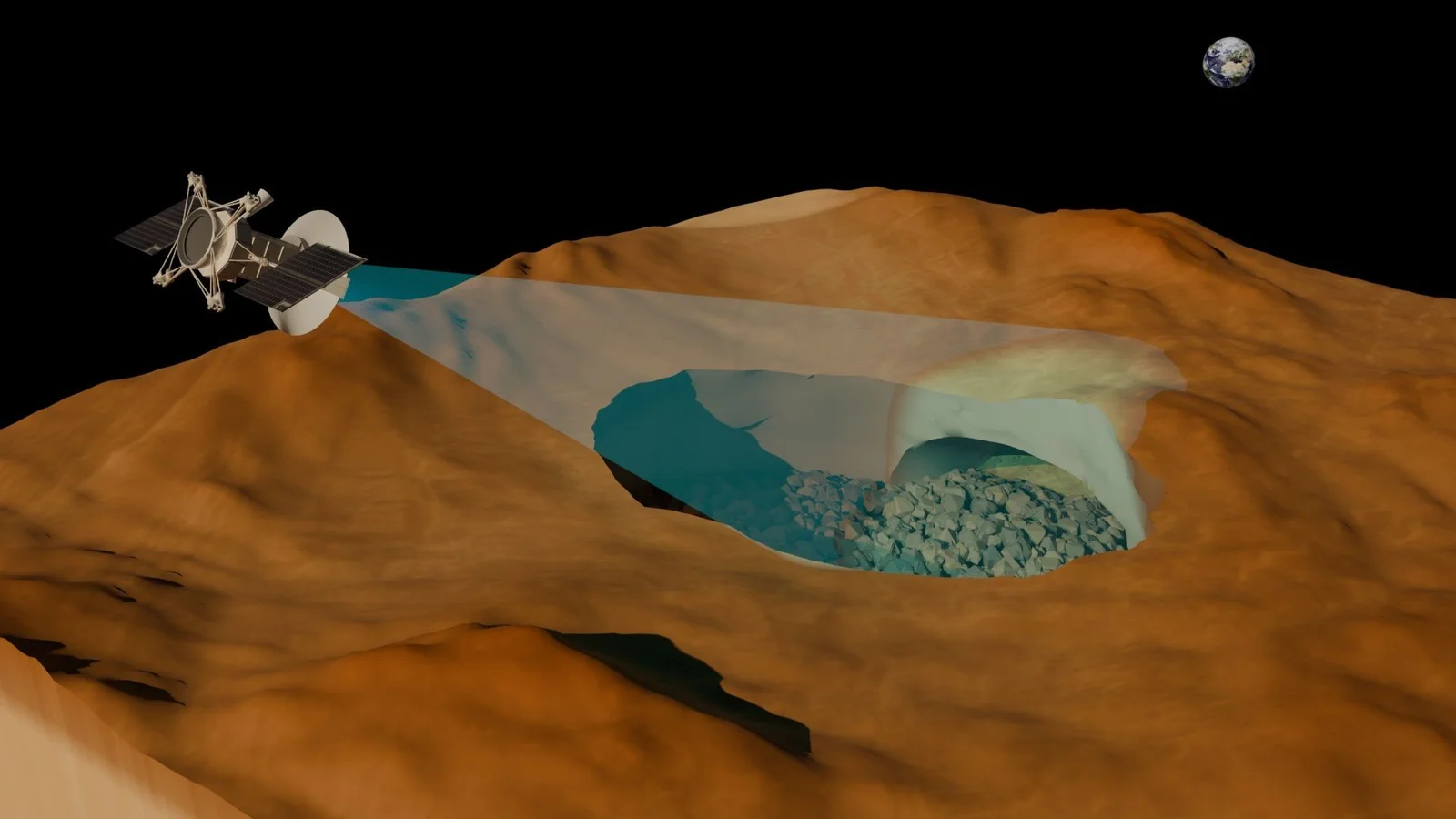
A Nature Communications study using NASA’s Magellan radar data finds a giant subsurface lava tube beneath Venus’ Nyx Mons, about 1 kilometer in diameter and potentially extending at least 45 kilometers, providing the strongest direct evidence yet of Venusian lava tubes; confirming the full extent will require higher-resolution radar data.

Venus may conceal a giant underground lava tube
space19 days ago

Venus may conceal a giant underground lava tube

Analysis of NASA's Magellan radar data suggests Venus may host a large underground lava tube on Nyx Mons, potentially stretching tens of kilometers. If confirmed, it would be only the second lava tube found on Venus and would support the view that the planet is geologically active; confirming its full size will require higher-resolution radar from future missions like ESA's EnVision with the Subsurface Radar Sounder.

Venus Might Harbor Enormous Subsurface Lava Tubes, Study Indicates
space20 days ago

Venus Might Harbor Enormous Subsurface Lava Tubes, Study Indicates

Using Finite Element Limit Analysis, researchers estimate Venus could host giant lava tubes hundreds of meters wide—up to about 1 kilometer (0.62 miles)—beneath its harsh surface, forming large subsurface channels; confirming them would require future missions like NASA's DAVINCI and VERITAS to image and probe the subsurface, though extreme conditions and funding debates may delay verification.

Planetary parade in February: Jupiter dominates the night sky as Mercury makes its best evening appearance
stargazing25 days ago

Planetary parade in February: Jupiter dominates the night sky as Mercury makes its best evening appearance

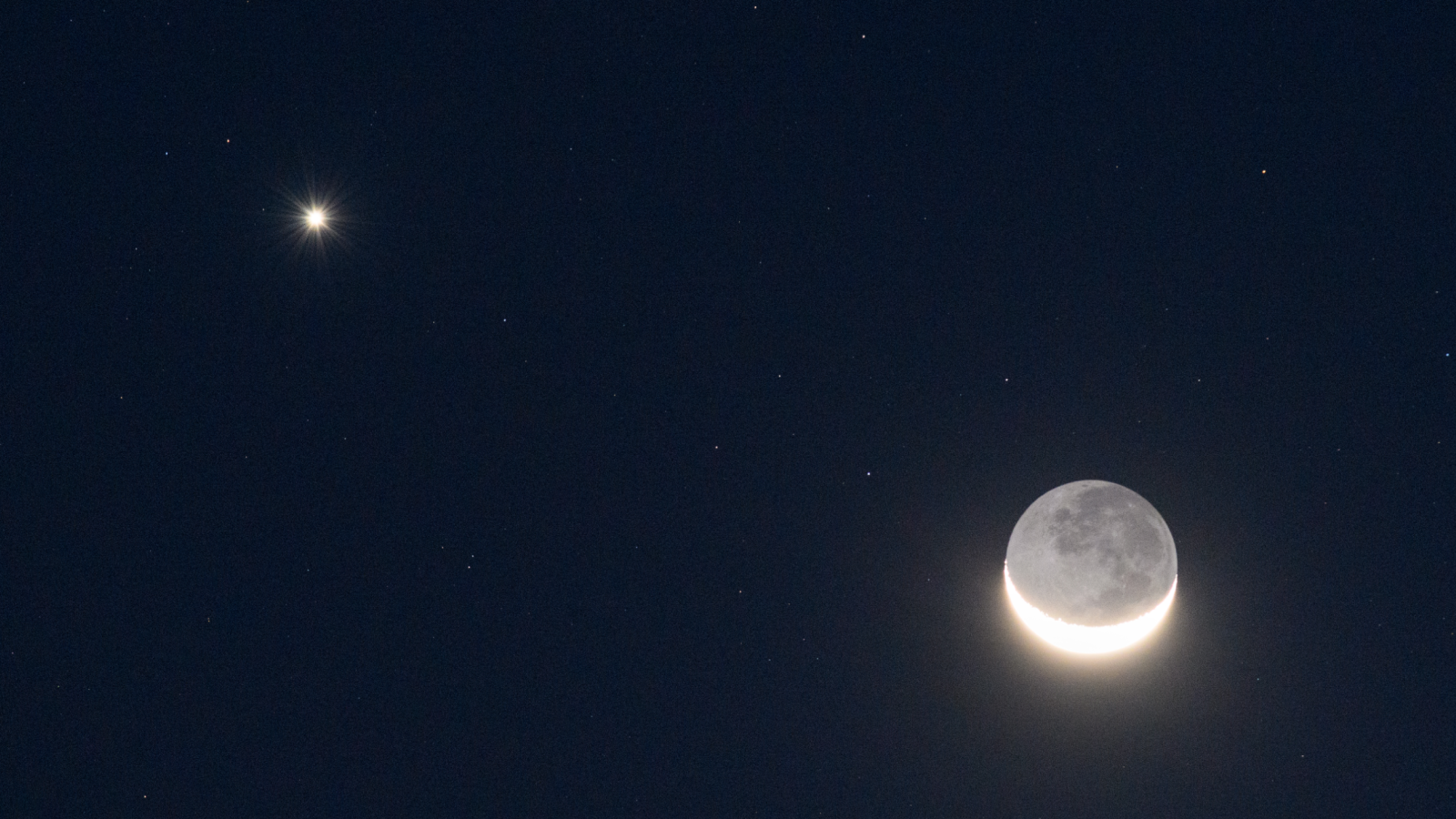
February 2026 offers one of the year’s best planetary lineups: Jupiter shines high in the eastern sky after sunset, Mercury appears for a three‑week window low in the west‑southwest starting Feb. 6, Venus becomes more visible toward month’s end, Mars remains hidden near the Sun, and Saturn sinks lower in the sky; the piece provides viewing tips and timing, including Mercury’s Feb. 18–19 Crescent Moon pairing and its greatest elongation around Feb. 19.

Venus May Hide Kilometer-Wide Lava Tubes Beneath the Surface
space27 days ago

Venus May Hide Kilometer-Wide Lava Tubes Beneath the Surface

New modeling suggests Venus could harbor underground lava tubes up to about 1 kilometer wide, implying a vast subsurface network. Surface radar observations hint at ongoing volcanism, especially at Maat Mons and Idunn Mons, while simulations indicate explosive plumes could reach tens of kilometers into the atmosphere, informing future missions to study Venus's geology and atmospheric chemistry.

Venus set for a July meteor show from an ancient asteroid breakup
space1 month ago

Venus set for a July meteor show from an ancient asteroid breakup

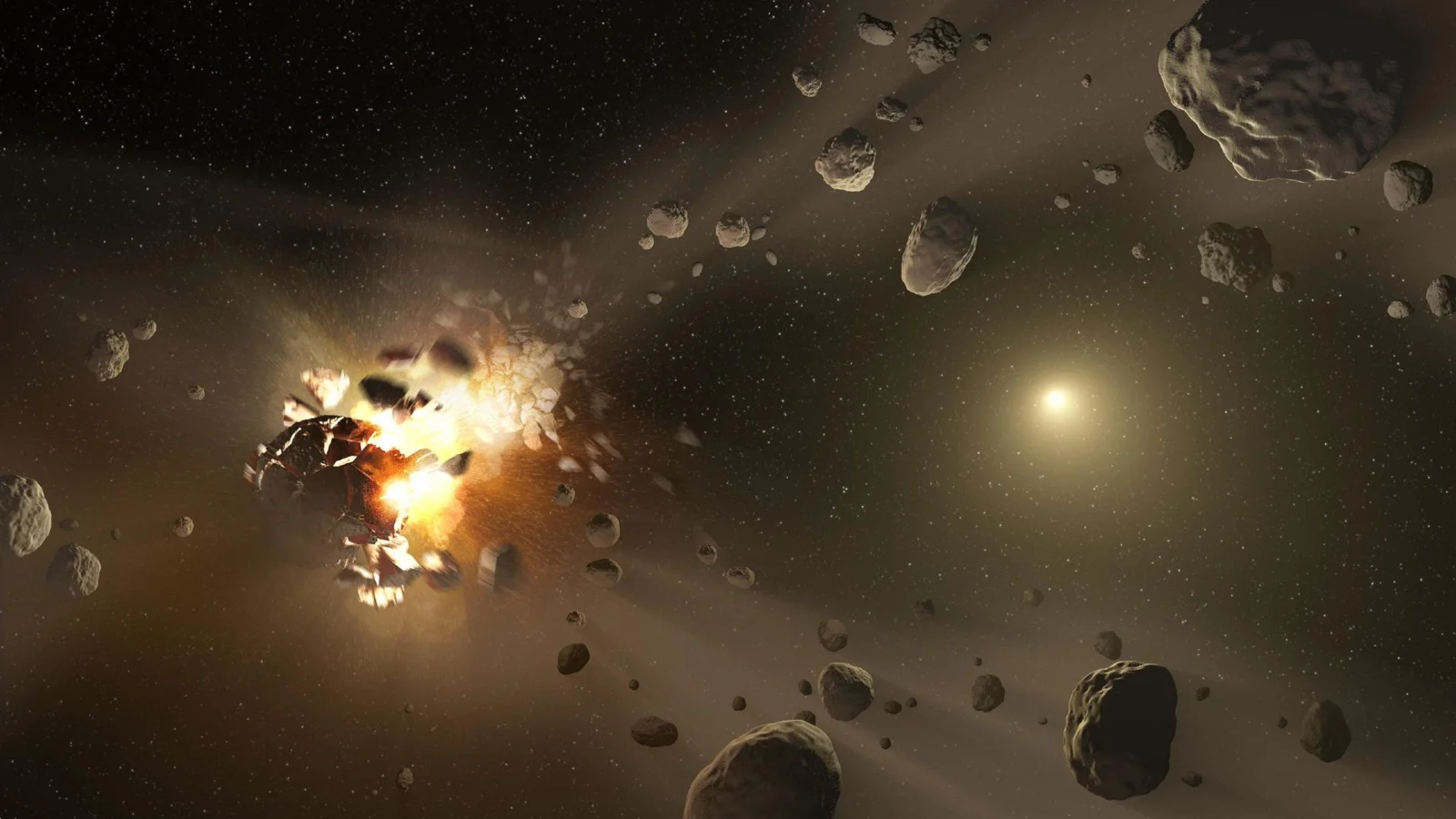
Venus may experience a dramatic meteor shower this July due to dust from a pair of asteroids that likely split after a close solar approach 17,000–21,000 years ago. The dust remains in solar orbit inside Earth’s path, and Venus could intercept it, though observing the event from Earth would be extremely difficult; a spacecraft in Venus orbit or future missions such as EnVision, DAVINCI and VERITAS could potentially detect it. The finding is based on simulations published in Icarus.

Japan’s Akatsuki Venus Orbiter Quieted After 15-Year Mission, Revealing the Solar System’s Largest Gravity Wave
science1 month ago

Japan’s Akatsuki Venus Orbiter Quieted After 15-Year Mission, Revealing the Solar System’s Largest Gravity Wave

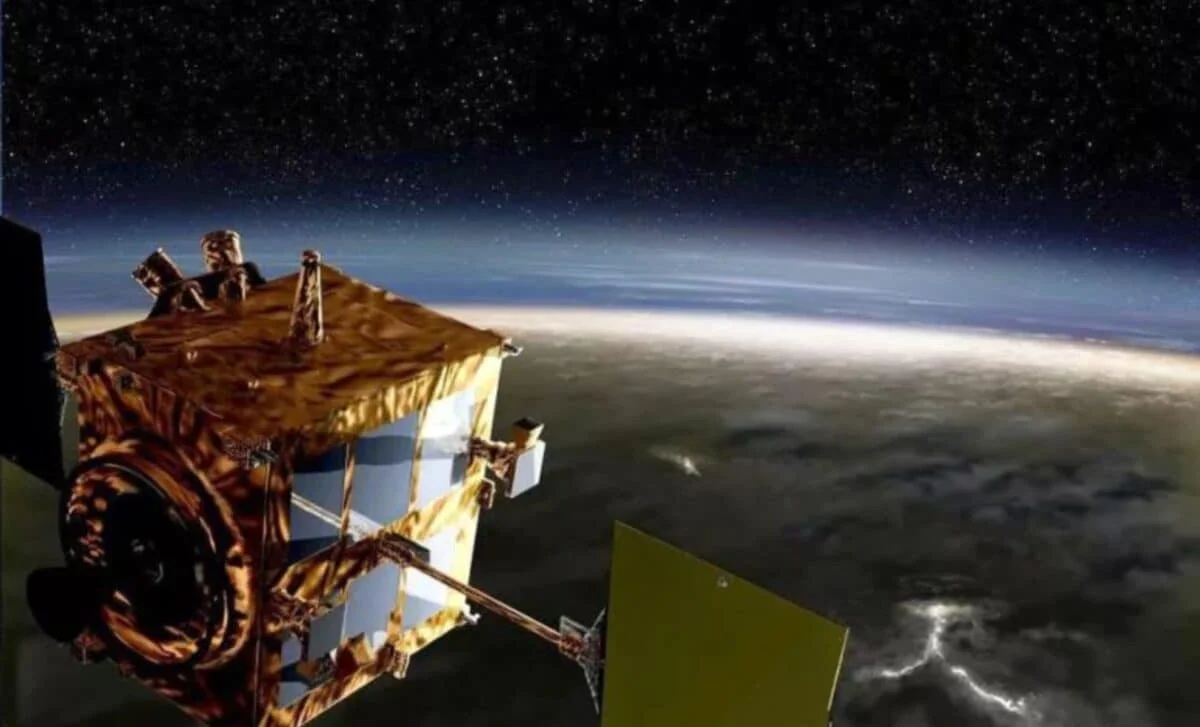
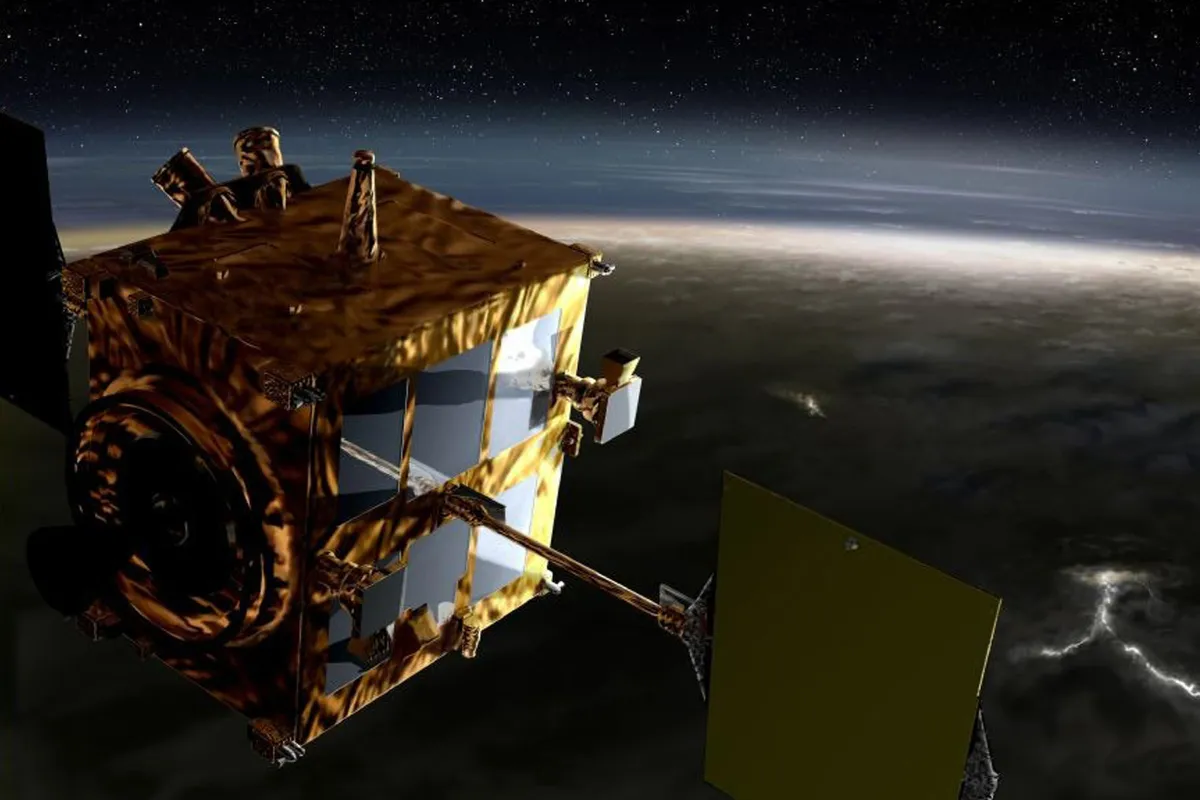
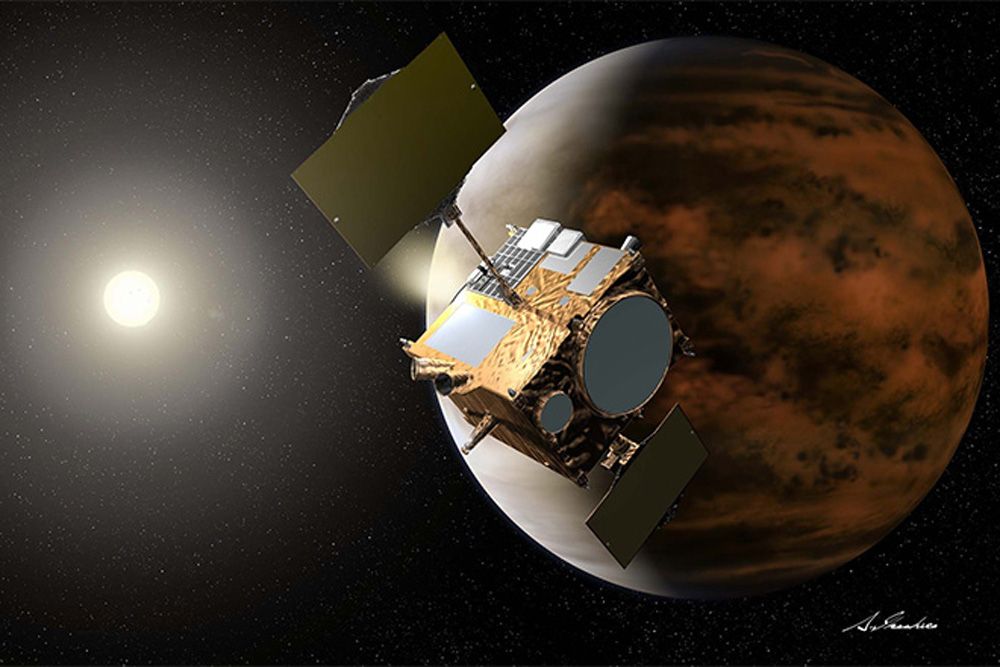
Japan’s Akatsuki Venus orbiter, launched in 2010, ended operations in September 2025 after a dramatic comeback from a failed entry and a five-year drift. During more than a decade in Venus orbit it mapped the atmosphere in UV and IR, advanced understanding of super-rotation, and documented a 6,200-mile-long stationary gravity wave—the largest in the Solar System—before mission control shut down and archived the data for future study.

The Brightness of Venus Explained
science2 months ago

The Brightness of Venus Explained

Venus appears so bright in the night sky primarily due to its high albedo, reflecting about 76% of sunlight because of its thick cloud cover of sulfuric acid droplets, and its proximity to Earth, making it the second-brightest object after the Moon. Its brightness varies with its phase, distance from Earth, and the scattering of sunlight by its clouds, sometimes making it visible during the day.

New Insights into Planetary Tectonics and Habitability
science3 months ago

New Insights into Planetary Tectonics and Habitability

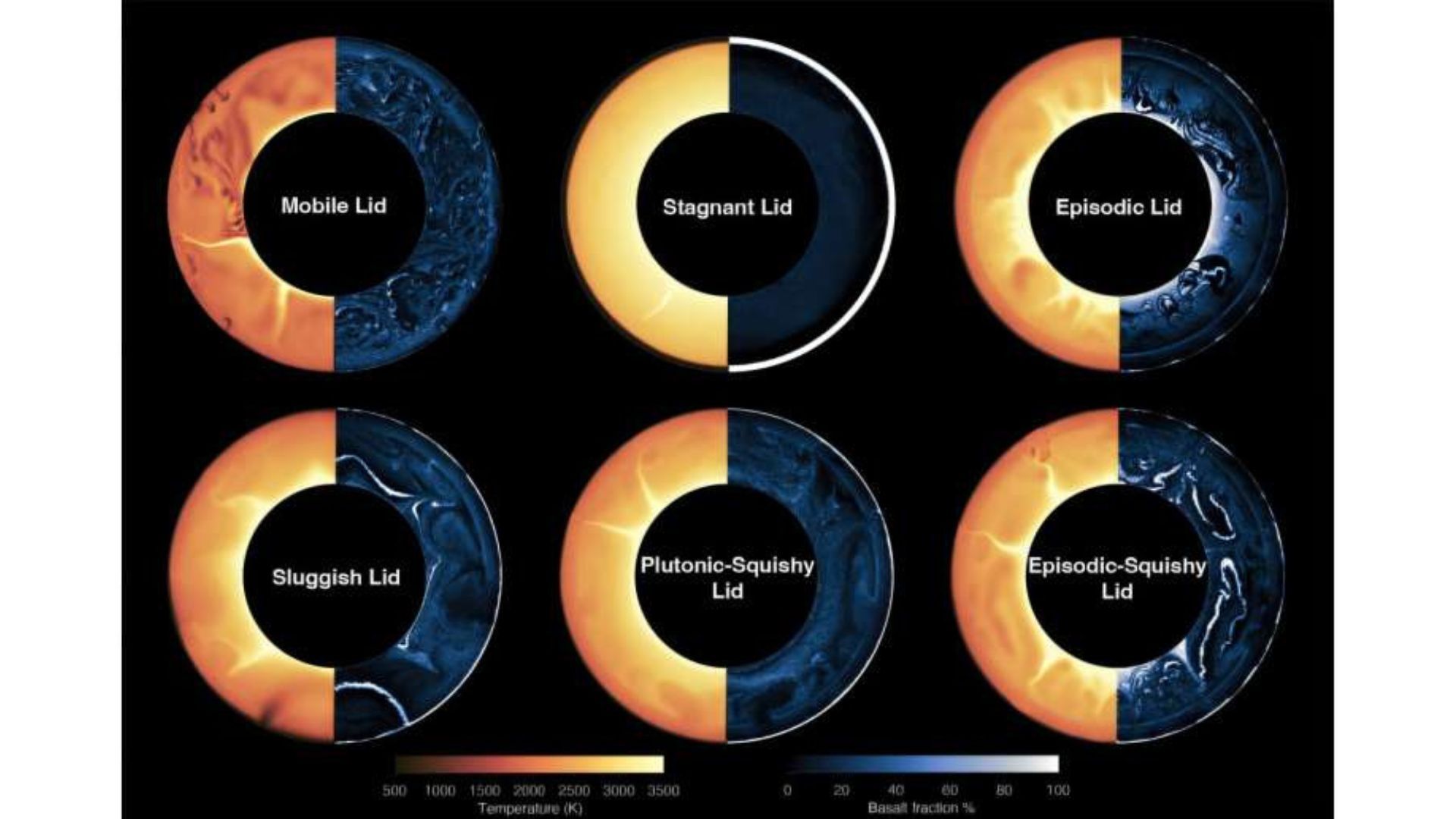
Scientists have identified a new tectonic regime called the 'episodic-squishy lid' that could explain how planets like Earth and Venus evolve differently, impacting their habitability. This regime describes a planet's outer shell cycling between quiet and active phases, which may have played a role in Earth's development of plate tectonics and could help identify potentially habitable exoplanets. The findings, published in Nature Communications, offer new insights into planetary geology and the conditions that support life.

Venus Loses Its Last Active Spacecraft, Ending Human Presence
science3 months ago

Venus Loses Its Last Active Spacecraft, Ending Human Presence

The Japanese spacecraft Akatsuki, which studied Venus since 2010 and provided valuable data, has been officially declared dead after losing contact in 2024, marking Japan's first successful planetary exploration. Despite setbacks, it exceeded its expected lifespan, and future missions by NASA and ESA are planned to continue Venus research. Until then, Earth’s connection to Venus is temporarily severed.