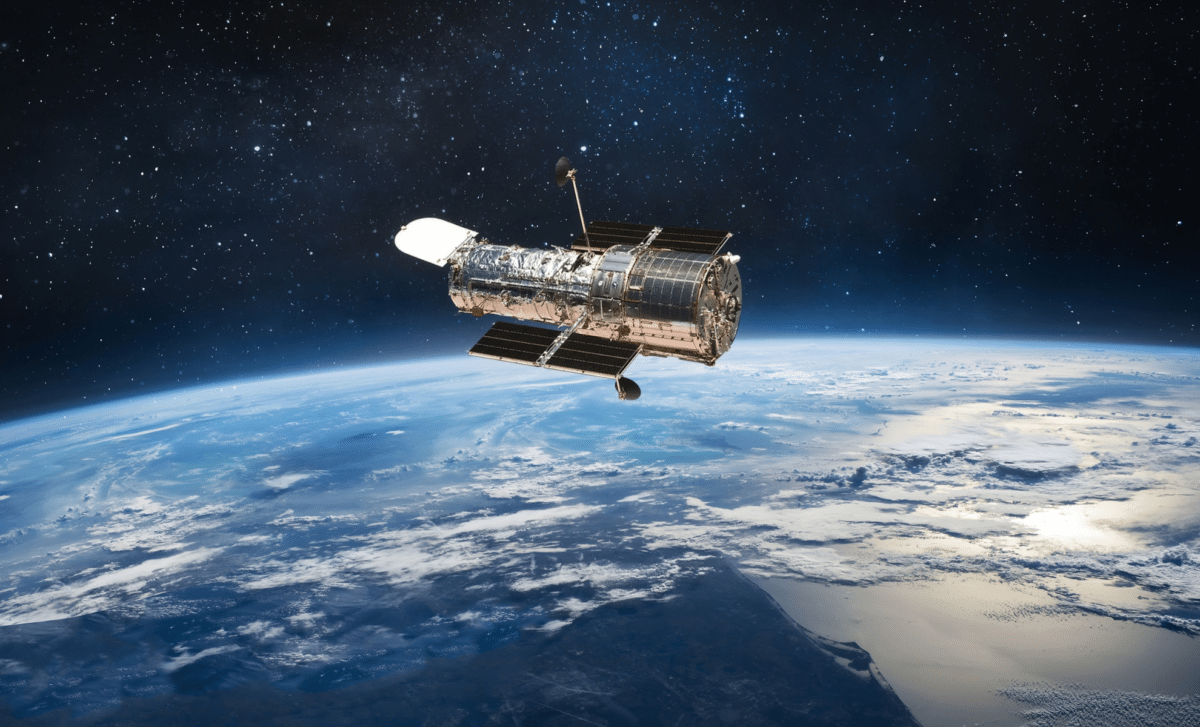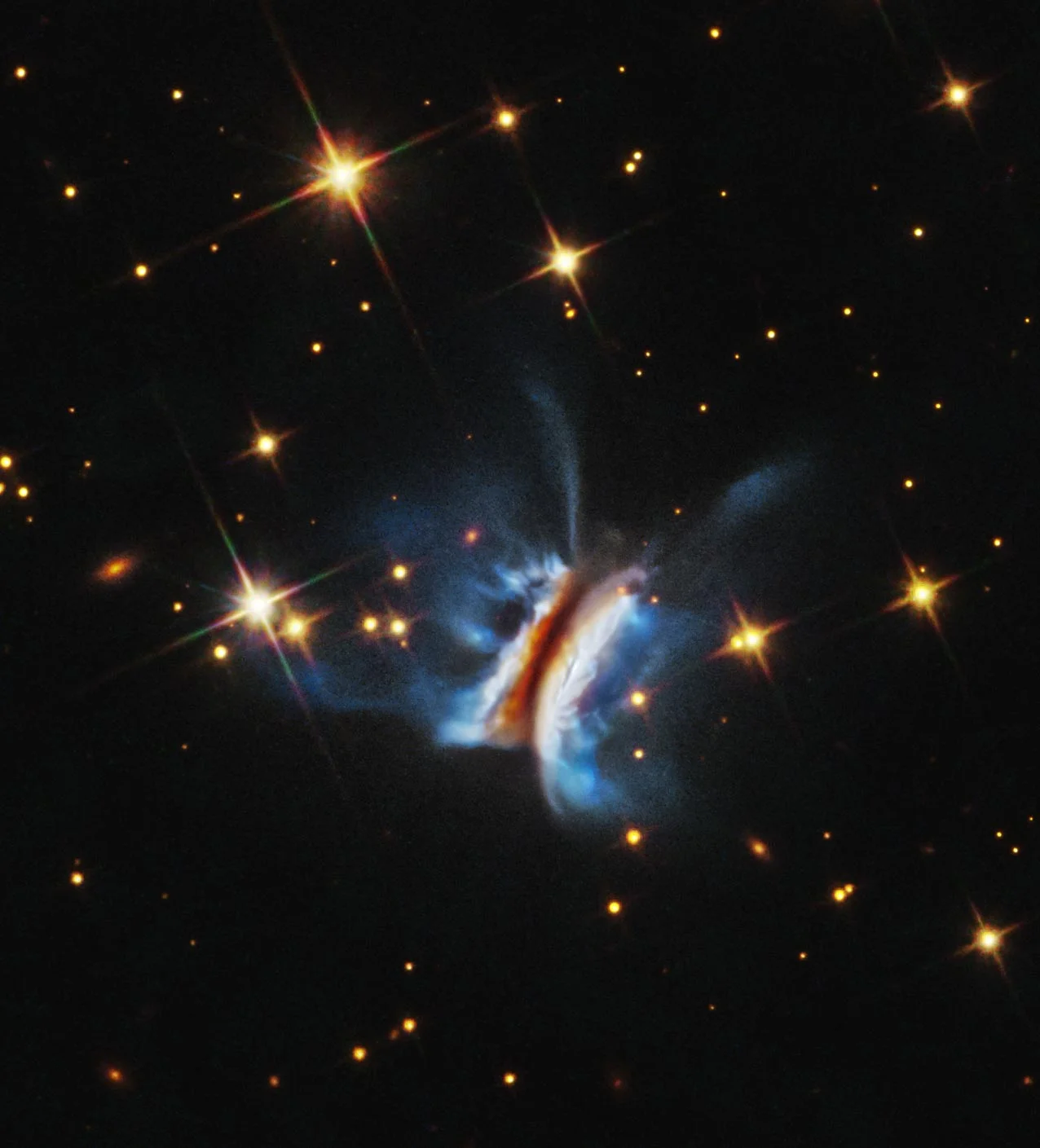
The Hubble Space Telescope, launched in 1990, is nearing the end of its operational life due to orbital decay accelerated by solar activity, with potential reentry as early as 2029. NASA has attempted to extend its lifespan, but without intervention, Hubble may soon be lost, creating a gap in space observation. However, the upcoming Lazuli telescope, funded by private sources and planned for launch in 2028, aims to succeed Hubble with advanced capabilities.
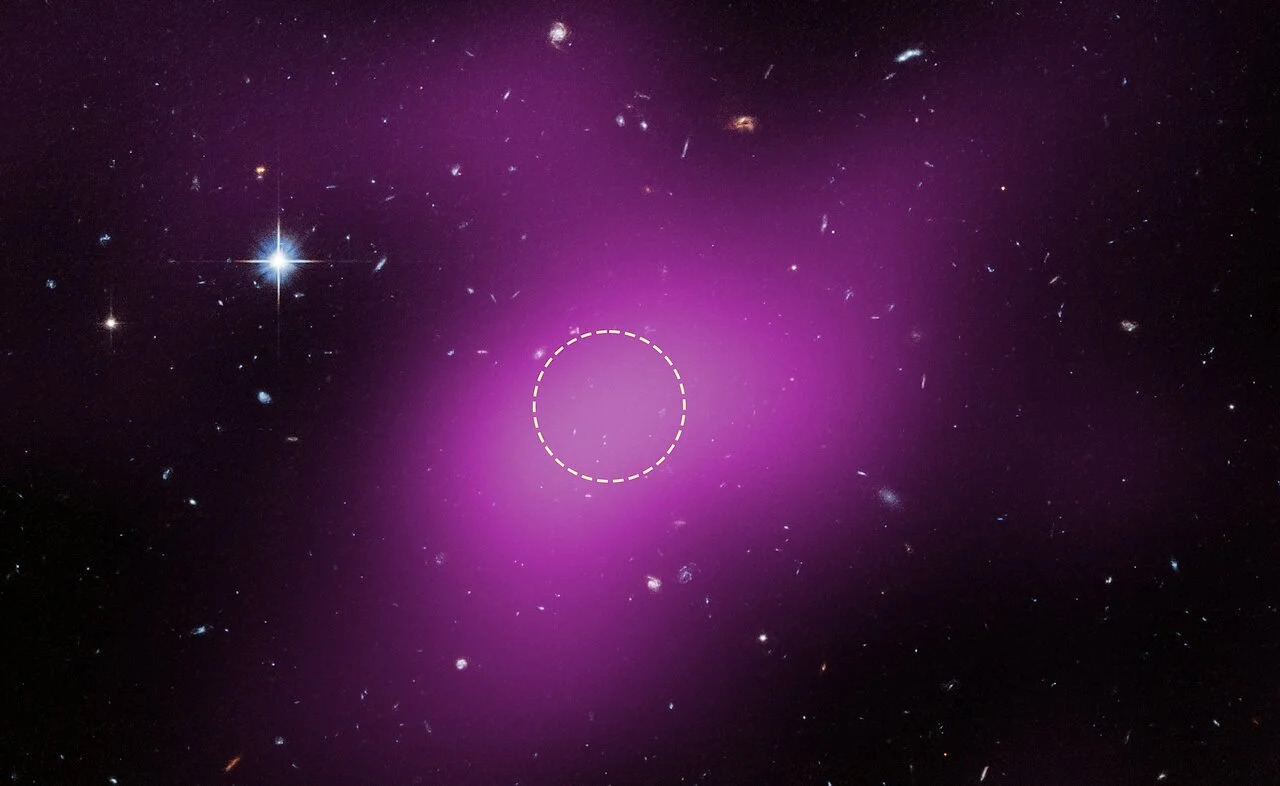
Astronomers using the Hubble Space Telescope discovered 'Cloud-9,' a starless, gas-rich dark matter cloud that is a relic of early galaxy formation, providing new insights into dark matter and the universe's primordial structures.
New Hubble data reveals that interstellar object 3I/ATLAS is exhibiting unexpected organized behavior, including a stable anti-tail and emerging jet structures, challenging typical comet explanations and suggesting a more complex system.
Hubble images from December 2025 reveal that the interstellar object 3I/ATLAS is emitting two stable, narrow jets in different directions, challenging simple explanations and suggesting complex internal activity or delayed heating effects as it exits the solar system, raising questions about its rotation, structure, and behavior beyond typical comet models.
A comparison of images of Halley's Comet from 1986 and the interstellar object 3I/ATLAS from 2025 reveals that despite technological advances, the newer Hubble image of 3I/ATLAS appears less detailed and more diffuse, raising questions about resolution and transparency in space imaging.
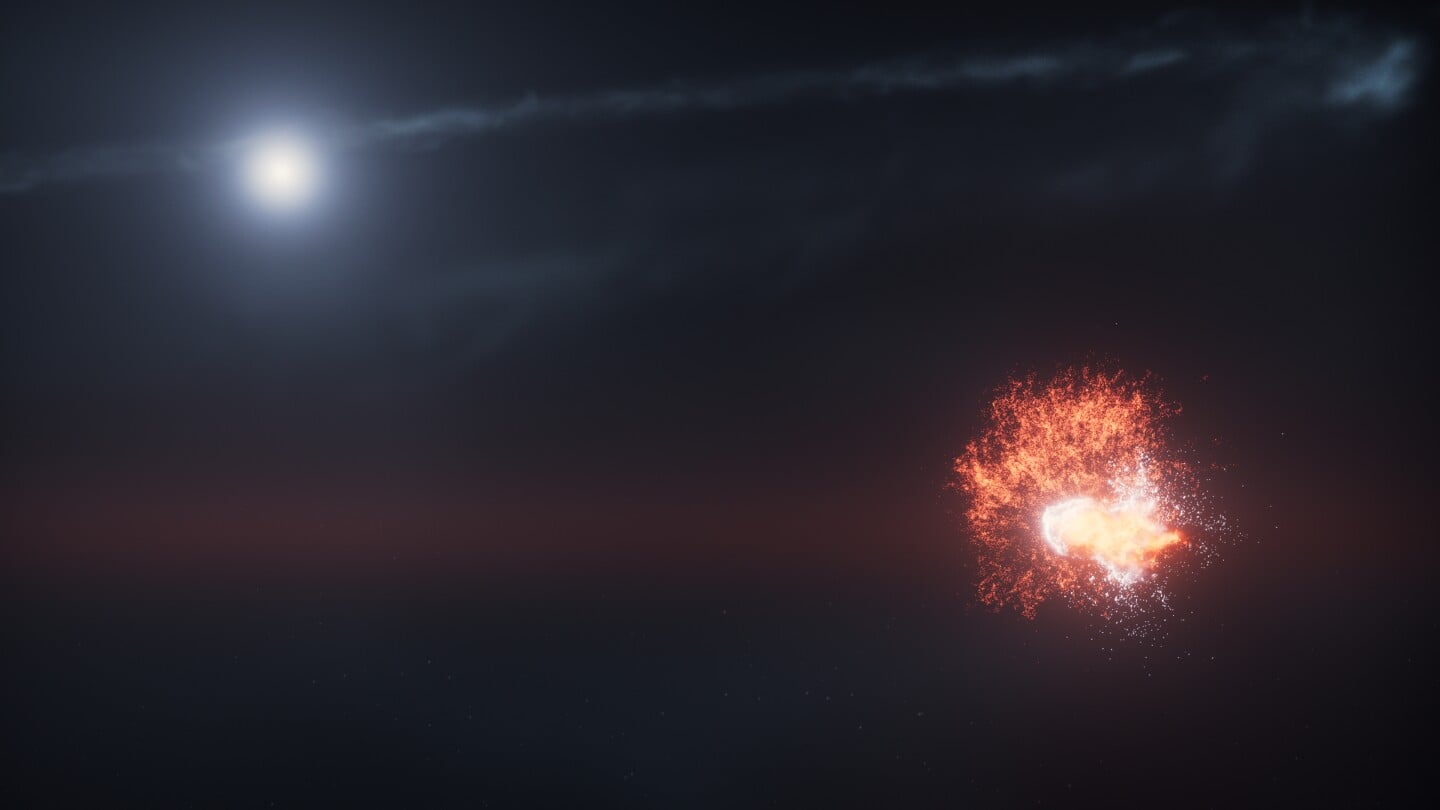
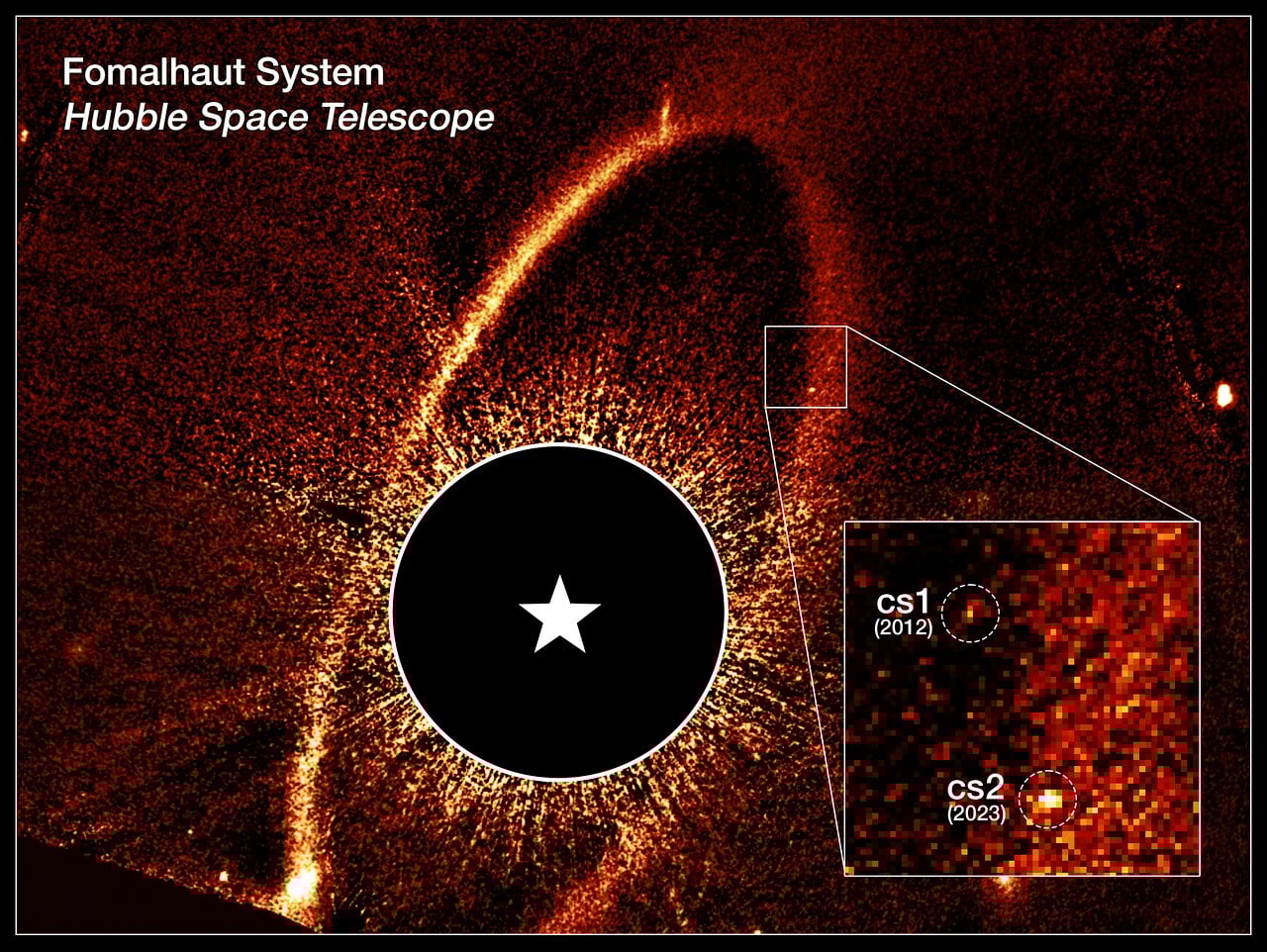
NASA's Hubble Space Telescope captured images of two massive cosmic collisions near the star Fomalhaut, revealing dust clouds from space rocks at least 37 miles wide. These rare observations suggest such collisions may be more common than previously thought, providing valuable insights into planet formation processes.
Astronomers using the Hubble Space Telescope observed the first direct evidence of asteroid collisions in a nearby star system, Fomalhaut, revealing dynamic planetary activity and raising caution for future exoplanet imaging efforts.
NASA's Hubble Space Telescope has captured the first direct images of asteroid collisions in a nearby star system, Fomalhaut, revealing rapid and violent planetary system evolution, with debris clouds that could be mistaken for planets, providing valuable insights into planetary formation and the dynamics of planetesimals.
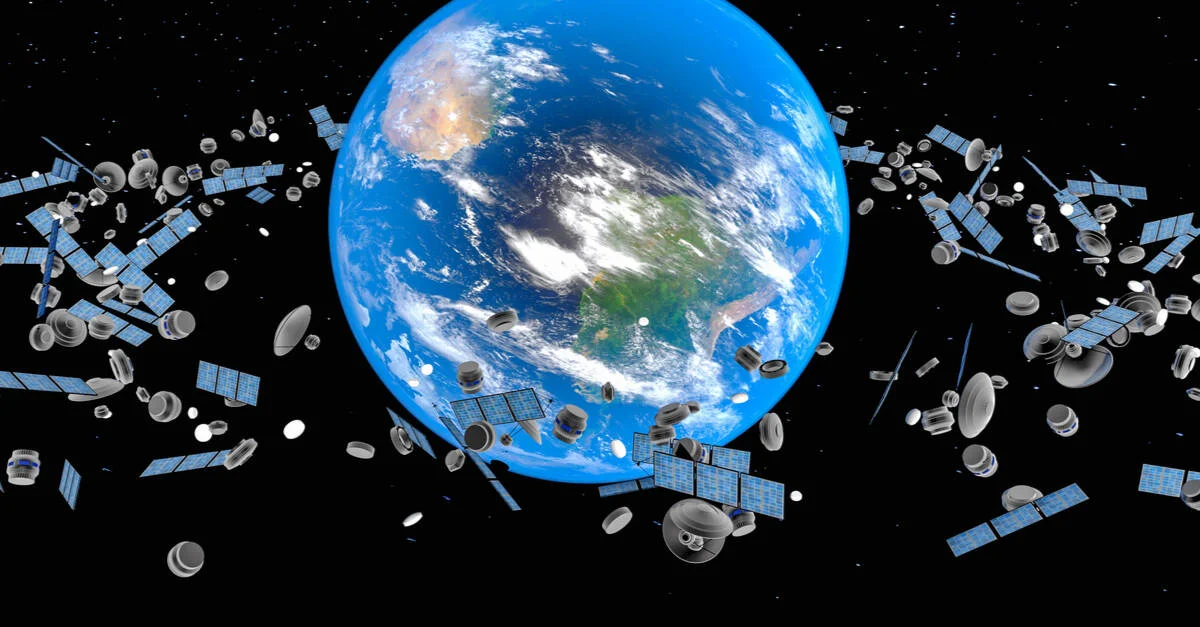
The increasing number of satellites, especially from megaconstellations like Starlink, is significantly impairing the ability of space telescopes like Hubble to capture clear images, with projections indicating a worsening problem that could hinder astronomical research and space safety. Solutions such as designing less reflective satellites and better coordination are urgently needed to ensure sustainable coexistence in space.
A new NASA-led study warns that the increasing number of communication satellites in low Earth orbit could significantly interfere with space telescopes like Hubble, with nearly 40% of Hubble's images and up to 96% of other telescopes' images potentially affected by satellite light pollution, prompting calls for mitigation strategies.
A tiny star in the Andromeda galaxy, V1, played a crucial role in transforming our understanding of the universe by helping establish that Andromeda is a separate galaxy and by contributing to the development of the cosmic distance ladder, which has enabled measurements of the universe's expansion and age. This discovery, along with subsequent observations, has led to insights about the universe's accelerating expansion driven by dark energy, and ongoing efforts aim to resolve discrepancies in the Hubble constant.
To celebrate the 35th anniversary of the Hubble Space Telescope, a gallery of its most iconic images is showcased, highlighting its contributions to astronomy, including detailed views of galaxies, nebulae, and cosmic phenomena, as well as its technological evolution and discoveries over the decades.
Comet 3I/ATLAS, the third confirmed interstellar object to pass through our solar system, reached its closest point to the sun and is traveling at the highest speed ever recorded for such an object, but it is not visible to the naked eye and poses no threat to Earth.
The Hubble Space Telescope captured an image of the spiral galaxy NGC 6951 in Cepheus, highlighting its star-forming circumnuclear ring and the galaxy's dynamic features, providing insights into galaxy evolution and star formation processes.
Hubble telescope captured images of the spiral galaxy NGC 6000 while searching for supernovae, and unexpectedly recorded the path of an asteroid crossing its field of view, revealing details about the galaxy's star populations and an asteroid's trajectory.