Scientists are exploring exoplanet atmospheres beyond the habitable zone to find clues about potential habitability and life, using upcoming advanced telescopes like NASA's Habitable Worlds Observatory to analyze atmospheric gases and planetary processes that could support life.
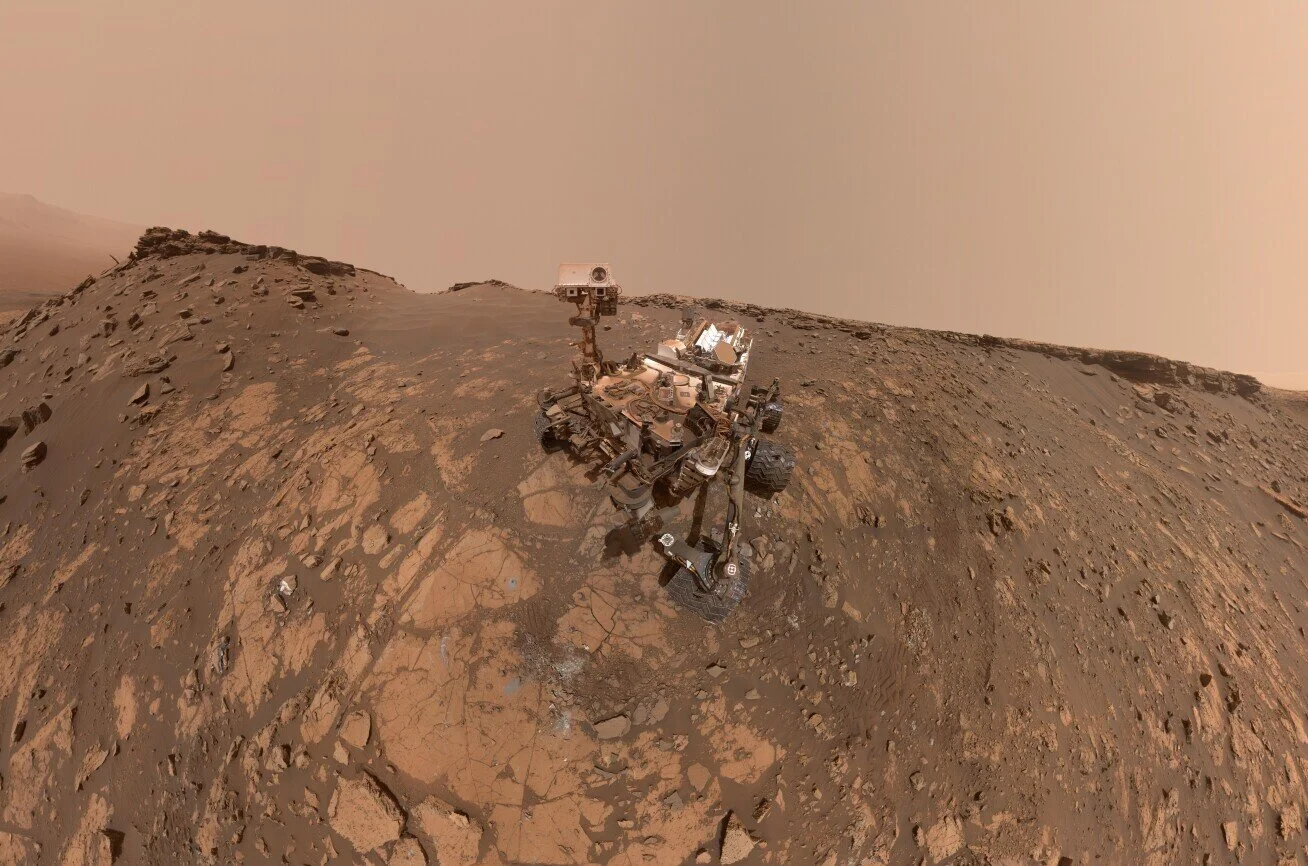
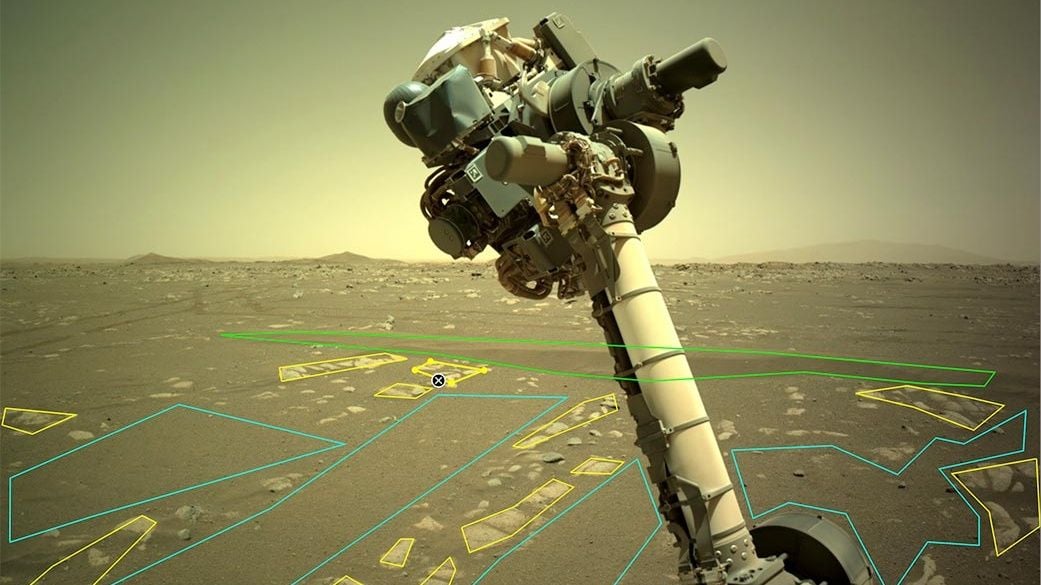
NASA's Perseverance rover has found potential signs of past microbial life on Mars, which could confirm the planet once harbored life. This discovery may reignite debates over human colonization and planetary protection, with implications for future missions and the ethics of exploring Mars. The findings highlight the importance of sample return missions to verify the presence of life and influence plans for human settlement on the Red Planet.
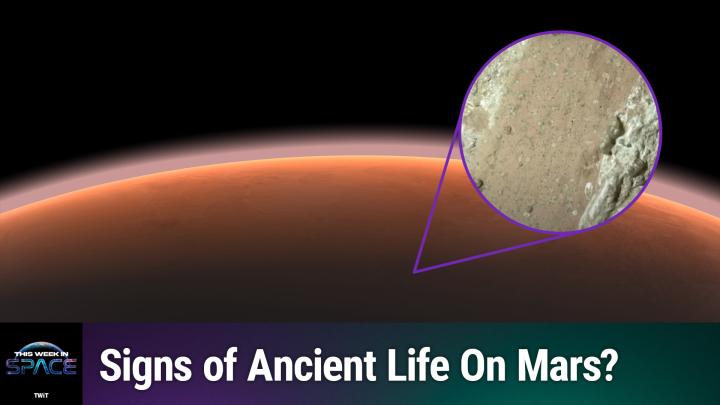
This Week In Space episode 177 discusses a potential discovery of ancient life on Mars, based on recent findings from the Perseverance rover's drill samples, with insights from Dr. Michael Tice, highlighting the significance of the research and future prospects in Mars exploration.
Researchers have developed a simple method using existing Mars rover equipment to detect signs of active life on Mars by identifying specific chemical bonds in cell membrane molecules, which could help determine if life is currently present on the planet.
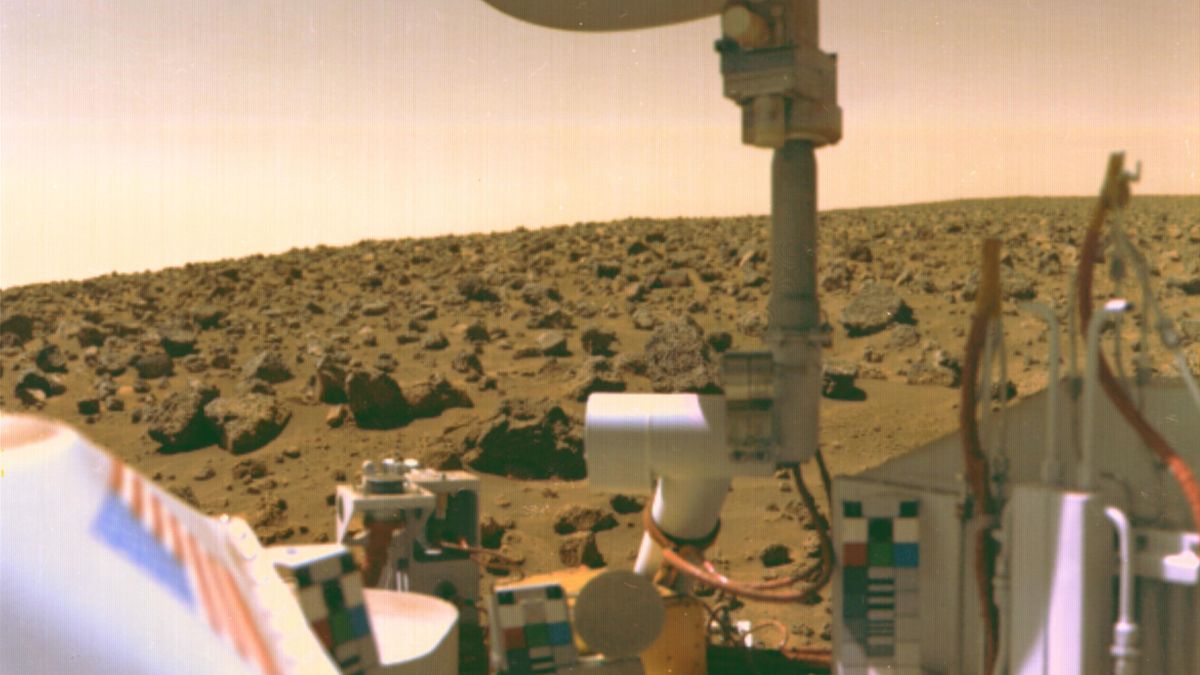
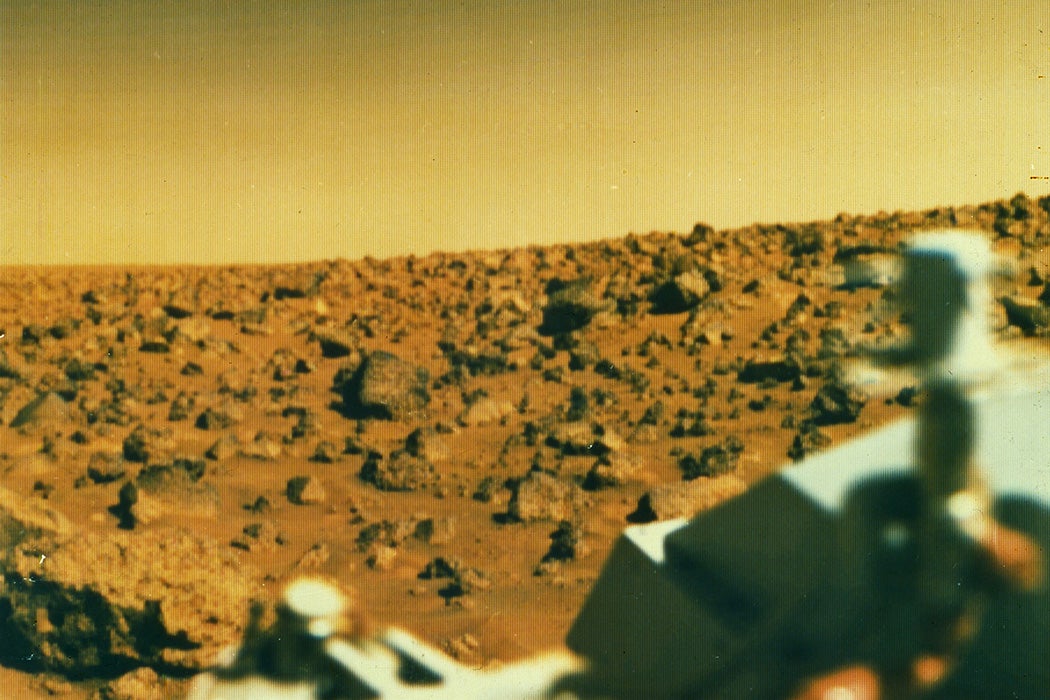
A scientist suggests that NASA's Viking landers may have discovered microbial life on Mars 50 years ago, but the experiments likely killed the microbes due to the water added during testing, and the findings could indicate that life existed there but was destroyed by the experiment itself.
The James Webb Space Telescope (JWST) is on the brink of potentially detecting signs of life outside our solar system by 2025. Since its launch in 2021, the JWST has observed rocky exoplanets in the habitable zone of the TRAPPIST-1 star system, 40 light-years away. The telescope's next challenge is to identify molecular signatures in these planets' atmospheres, which could indicate the presence of life. Additionally, the JWST has detected possible signs of carbon dioxide and methane on K2-18b, a gas giant with a water ocean, suggesting diverse possibilities for extraterrestrial life.
Astrobiologist Dirk Schulze-Makuch suggests that experiments conducted by NASA's Viking landers in the 1970s may have inadvertently destroyed potential evidence of life on Mars. The methods used, such as heating samples and adding water, could have been harmful to any dry-adapted Martian microbes. Schulze-Makuch advocates for future missions to consider Mars' unique ecology and to focus on detecting life that thrives in dry conditions, potentially using hydrated and hygroscopic compounds as indicators.
Astrobiologist Dirk Schulze-Makuch suggests that NASA's Viking landers may have inadvertently killed potential Martian life by using water-based experiments, which could have been harmful to any life forms adapted to Mars' hyperarid conditions. He proposes that future missions should adopt a "follow the salts" strategy instead of the traditional "follow the water" approach, as Martian organisms might extract moisture from the atmosphere through salts, similar to extremophiles in Earth's Atacama Desert.
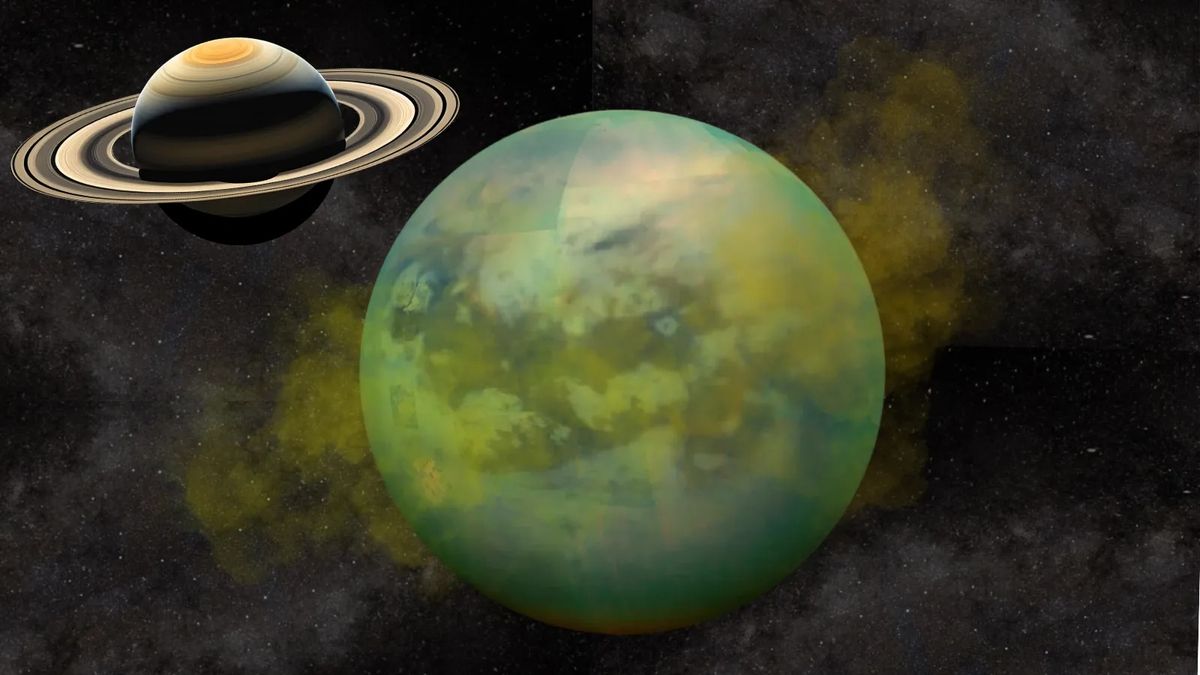
Scientists have found that Saturn's moon Titan may have a six-mile-thick crust of methane ice, which could facilitate the detection of life signs from its subsurface ocean. This methane layer might also explain Titan's methane-rich atmosphere and provide insights into Earth's climate processes. The discovery, based on shallow impact craters and computer modeling, suggests Titan's interior is warmer and more flexible than previously thought. This research could guide future missions like NASA's Dragonfly, set to explore Titan in the 2030s.
Scientists are debating the effectiveness of sample-return missions from Mars in the search for life. While sample-return missions could provide valuable data for studying past life on Mars, on-the-spot probes using instruments and techniques sent to the Red Planet may be more suitable for detecting present-day life. The debate is fueled by the challenges of interpreting organic remnants of possible life from soil samples and the potential biological risks associated with bringing samples back to Earth. Various instruments and technologies are being developed to conduct life screening on Mars, and the search for life on Mars remains a complex and uncertain endeavor.
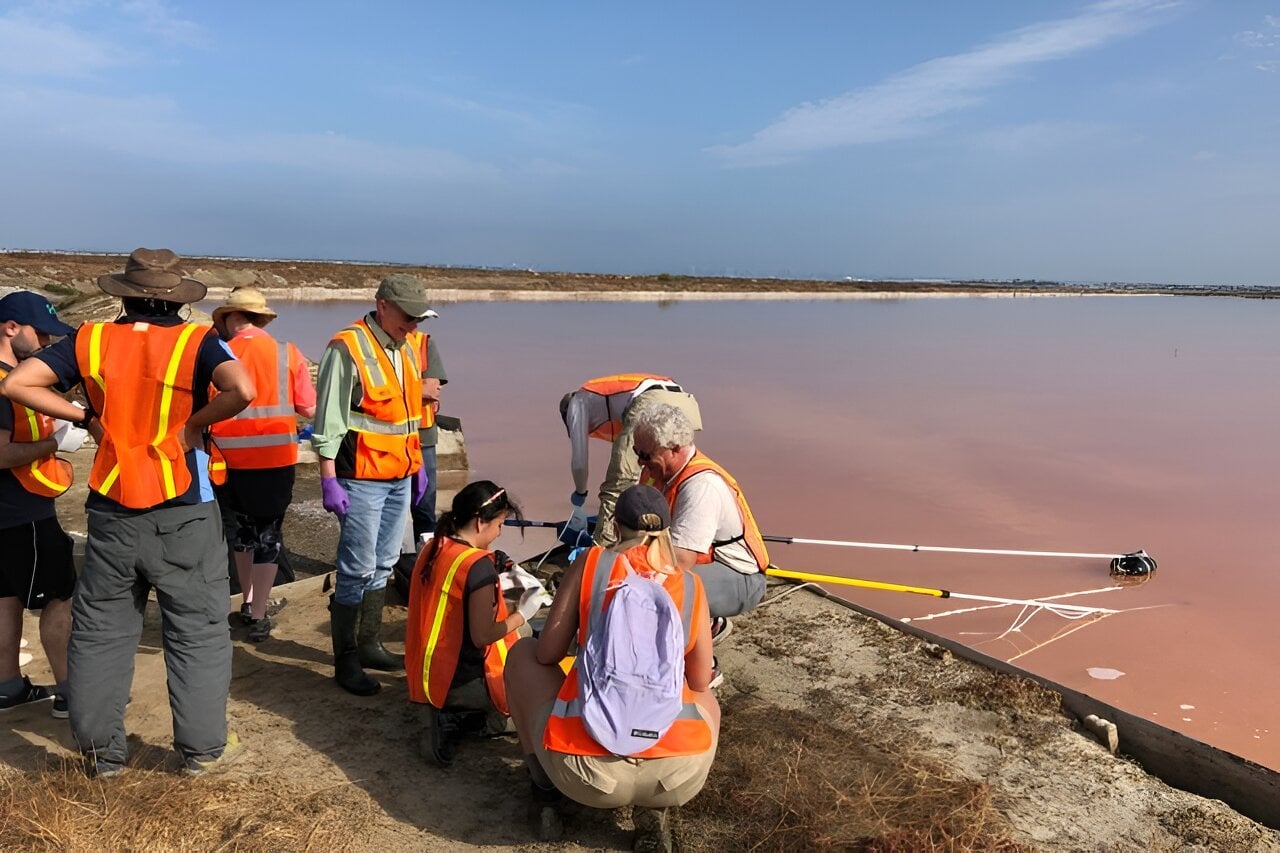
New research led by Stanford University scientists has expanded the known limits for life on Earth and beyond by studying metabolic activity in extremely salty environments. The study, published in Science Advances, suggests that life can persist in environments with lower water activity levels than previously thought possible. The findings have implications for understanding habitable spaces in our solar system and the impact of increasing salinity on Earth's ecosystems. The research also aims to improve the detection of biological activity, which could aid in the search for life beyond our planet.
Scientists have developed an AI algorithm capable of detecting subtle differences in molecular patterns that indicate biological signals, even in samples hundreds of millions of years old, with 90% accuracy. The AI system could be embedded in sensors on robotic space explorers to detect signs of life on other planets, such as Mars and moons like Enceladus and Europa. The algorithm was trained using biotic and abiotic samples, successfully identifying both living and non-living substances. This method could be used to study ancient rocks on Earth and potentially confirm the presence of early life.
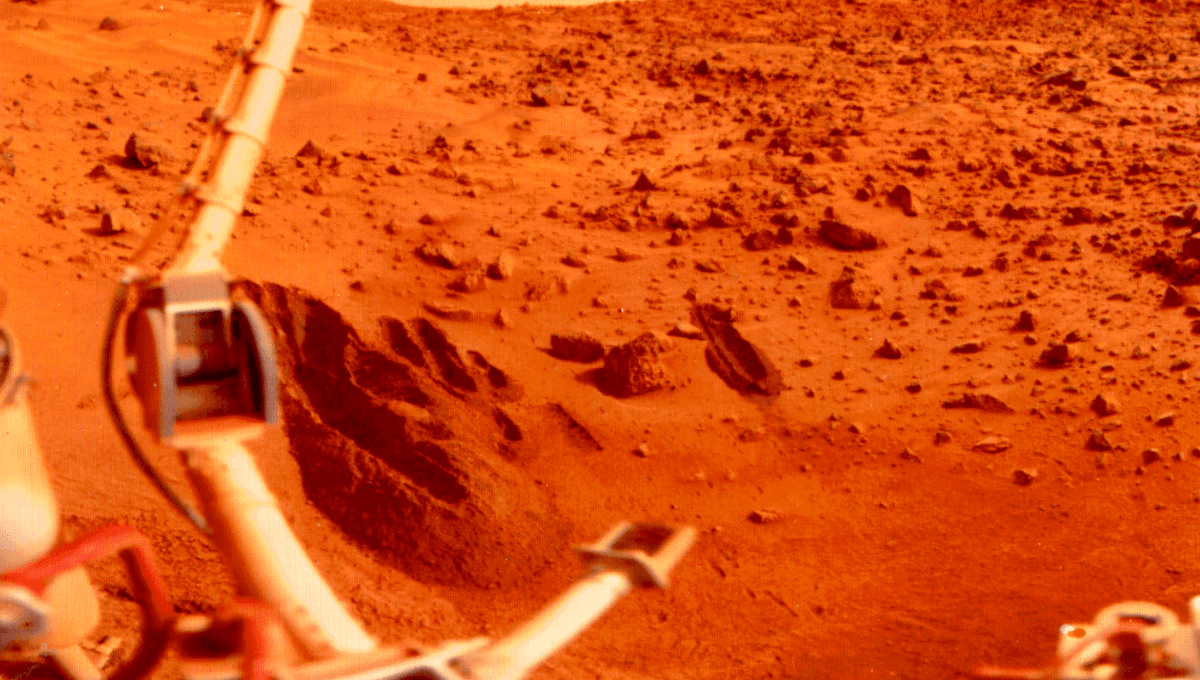
The Viking landers, sent to Mars in the 1970s, conducted the only life detection experiments on another planet. The results were initially confusing, with some tests suggesting the presence of life while others did not. Recent discoveries have shown that indigenous organic compounds do exist on Mars, but in a different form than expected. A new hypothesis suggests that the Viking experiments may have inadvertently killed Martian life by applying water to the soil samples, overwhelming the microbes. The presence of hygroscopic salts and hydrogen peroxide in Martian soil could explain the puzzling results. A new mission dedicated to life detection on Mars is needed to further investigate this hypothesis.
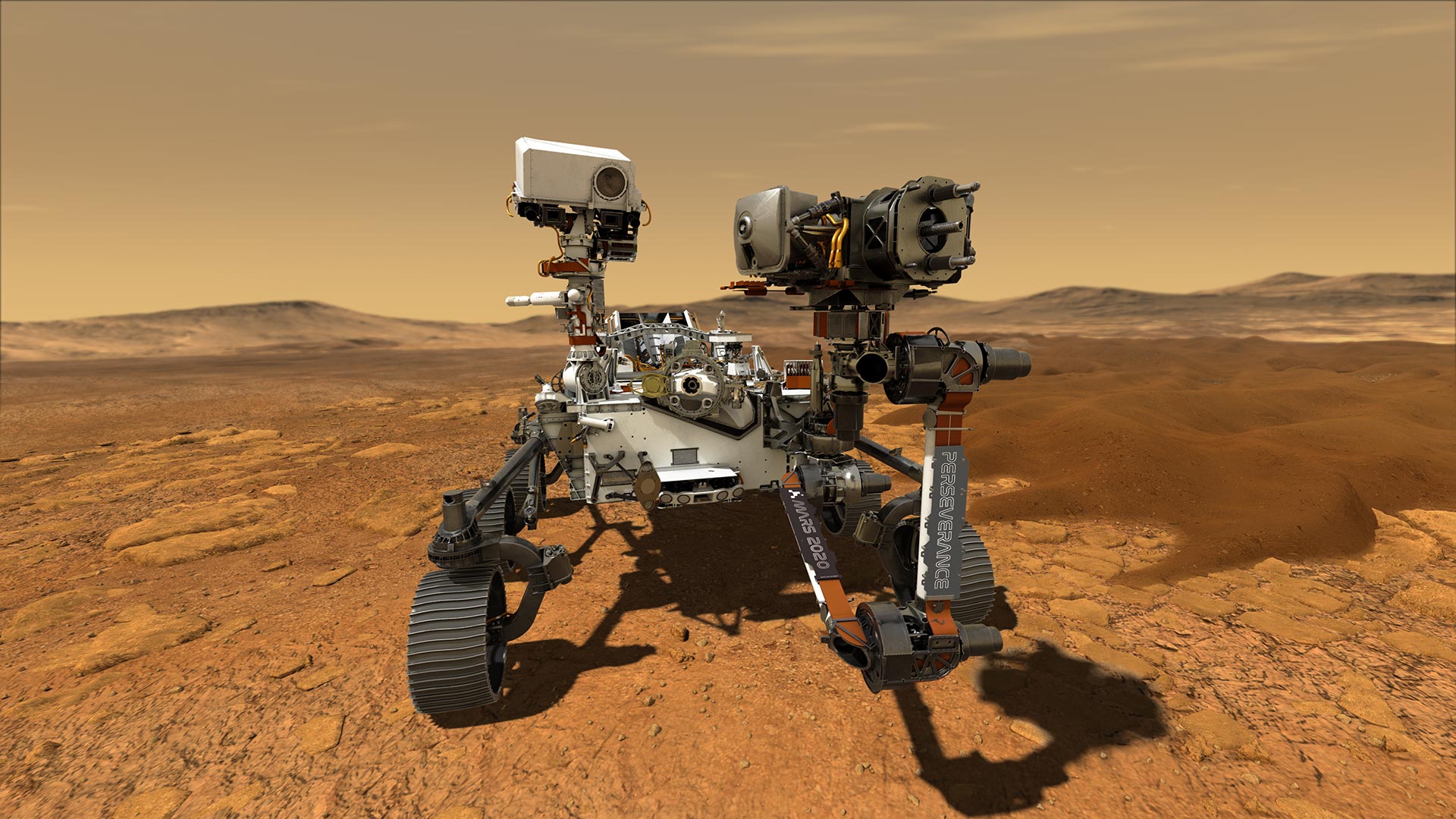
NASA's search for life on Mars, led by the Perseverance rover, is on the verge of yielding promising results. While previous missions did not definitively prove the existence of life, they have informed current investigation techniques and expanded our understanding of non-biological processes that can mimic life. The search for life on Mars serves as a foundation for future exploration of habitable places in the solar system, including the icy moons of Saturn and Jupiter. The Perseverance rover is currently exploring an ancient Martian crater, collecting samples for eventual return to Earth. The search for life in the solar system is guided by the principles of finding basic requirements like nutrients, water, and energy, which are believed to exist in many environments yet to be explored.
The Viking landers sent to Mars in the 1970s conducted the only life detection experiments ever conducted on another planet. While some of the experiments were initially positive for life, the gas exchange experiment was not. However, recent discoveries of indigenous organic compounds on Mars have led some scientists to believe that the Viking landers may have inadvertently killed Martian life by adding water to the soil samples. A new mission to Mars dedicated primarily to life detection is needed to test this hypothesis and explore potential habitats where life could persist.