Tag

Supernova

All articles tagged with #supernova

Cosmic giant on the brink: a star may be primed for a supernova
science2 days ago

Cosmic giant on the brink: a star may be primed for a supernova

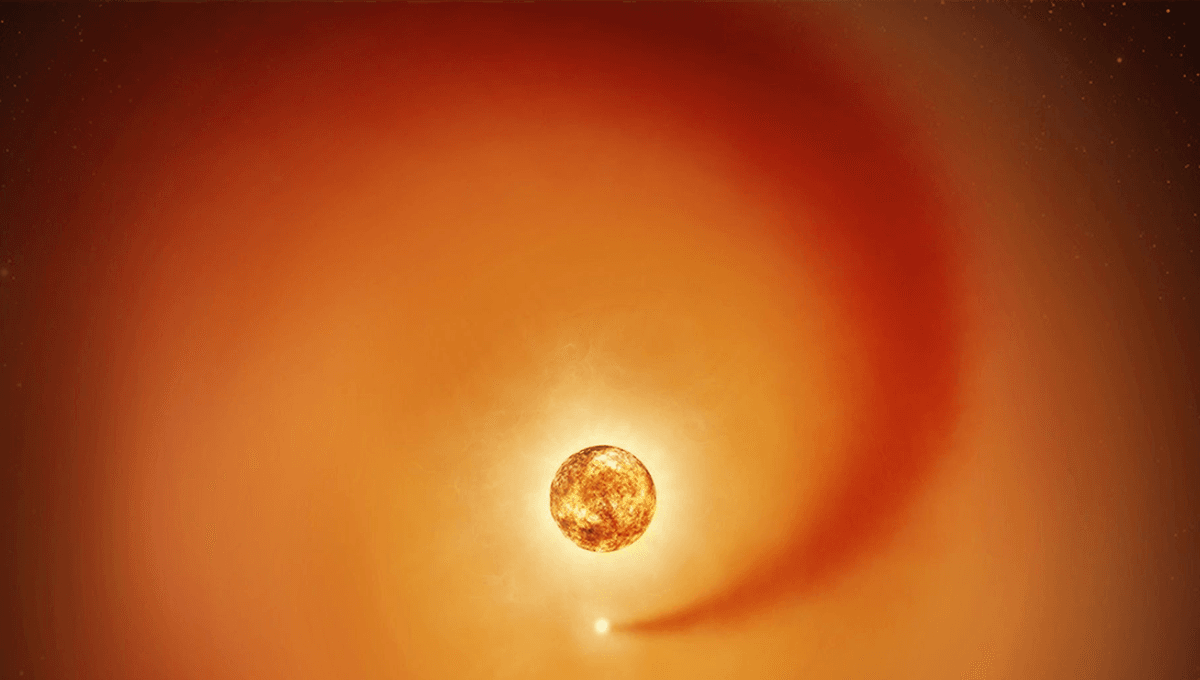
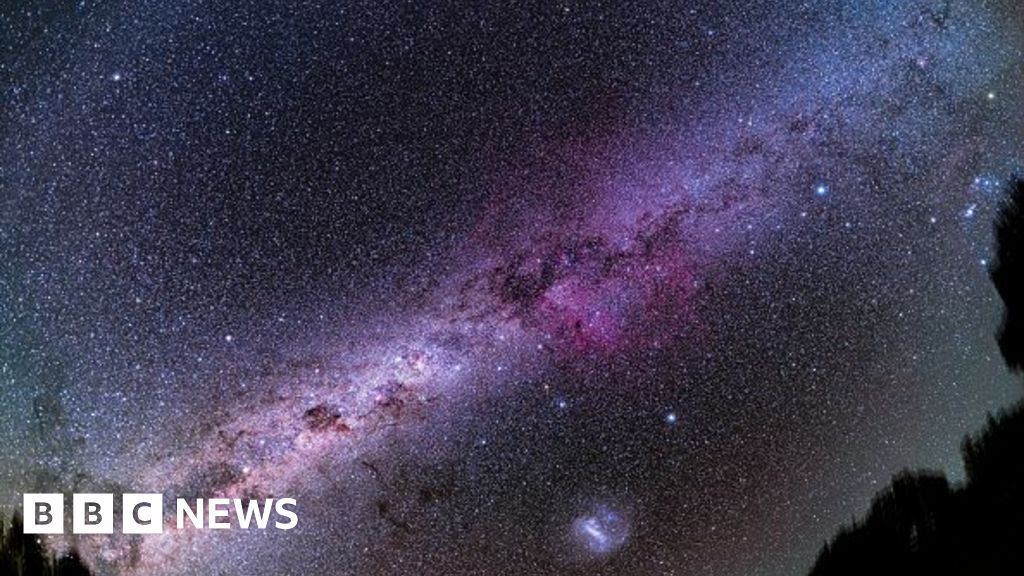
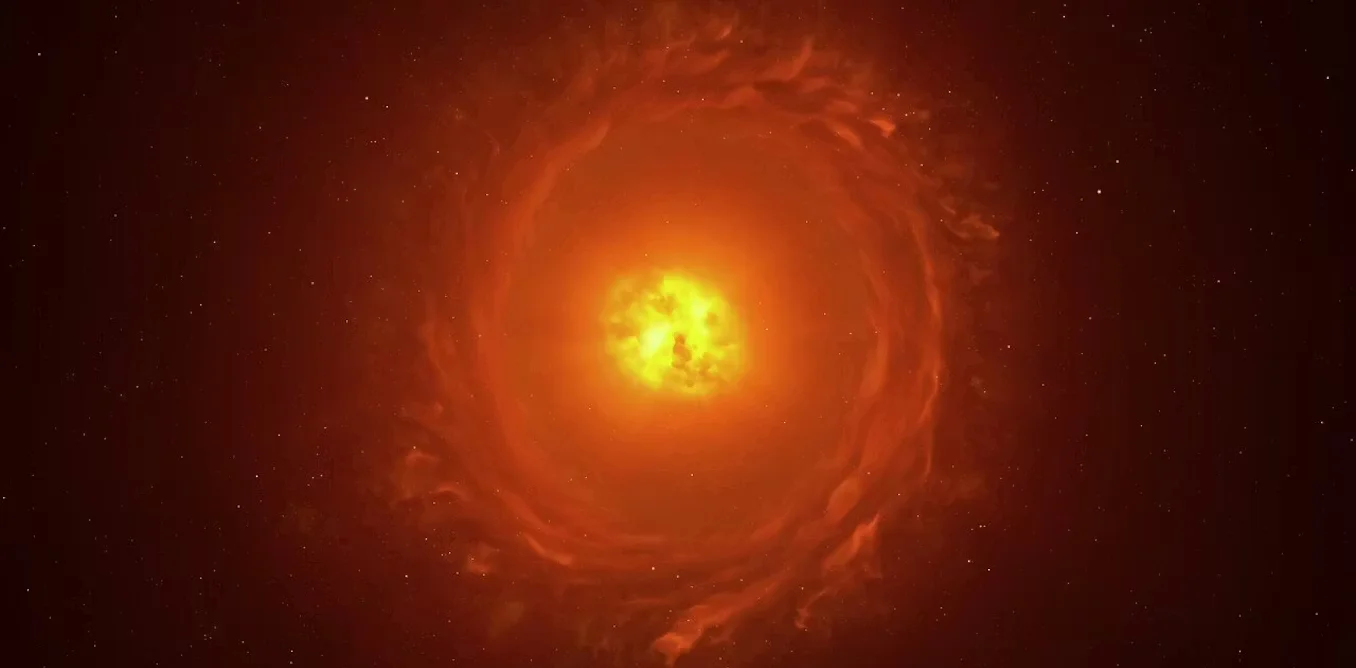
New research finds that WOH G64, one of the universe’s largest stars in the Large Magellanic Cloud, shifted from a red supergiant to a yellow hypergiant around 2014, likely shedding mass as its core contracts and heats. If confirmed, this rapid evolution could herald an imminent supernova, offering a rare chance to observe a star dying in real time.
Cosmic time-delay twins could settle the universe’s expansion rate
space25 days ago

Cosmic time-delay twins could settle the universe’s expansion rate

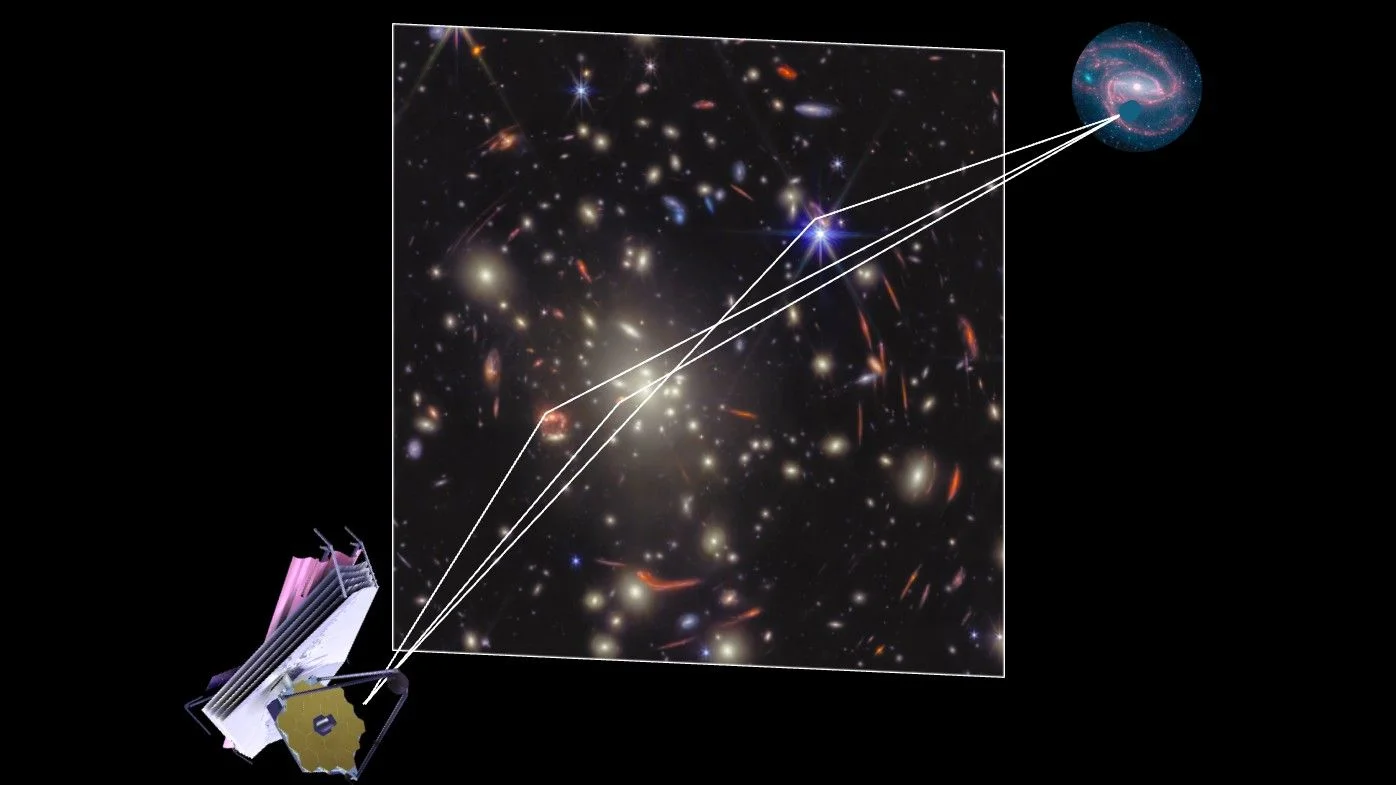
Astronomers using the James Webb Space Telescope under the VENUS program have identified two gravitationally lensed supernovas, SN Ares and SN Athena. The foreground galaxy cluster MJ0308 splits their light into multiple images; the delayed images will reach Earth in the future—Ares in about 60 years and Athena within the next 1–2 years—providing a rare, self-consistent way to measure cosmic distances and constrain the Hubble constant, potentially helping resolve the ongoing disagreement over the universe’s expansion rate.

Andromeda’s Vanished Star Triggers Black Hole or Merger Theories
space1 month ago

Andromeda’s Vanished Star Triggers Black Hole or Merger Theories

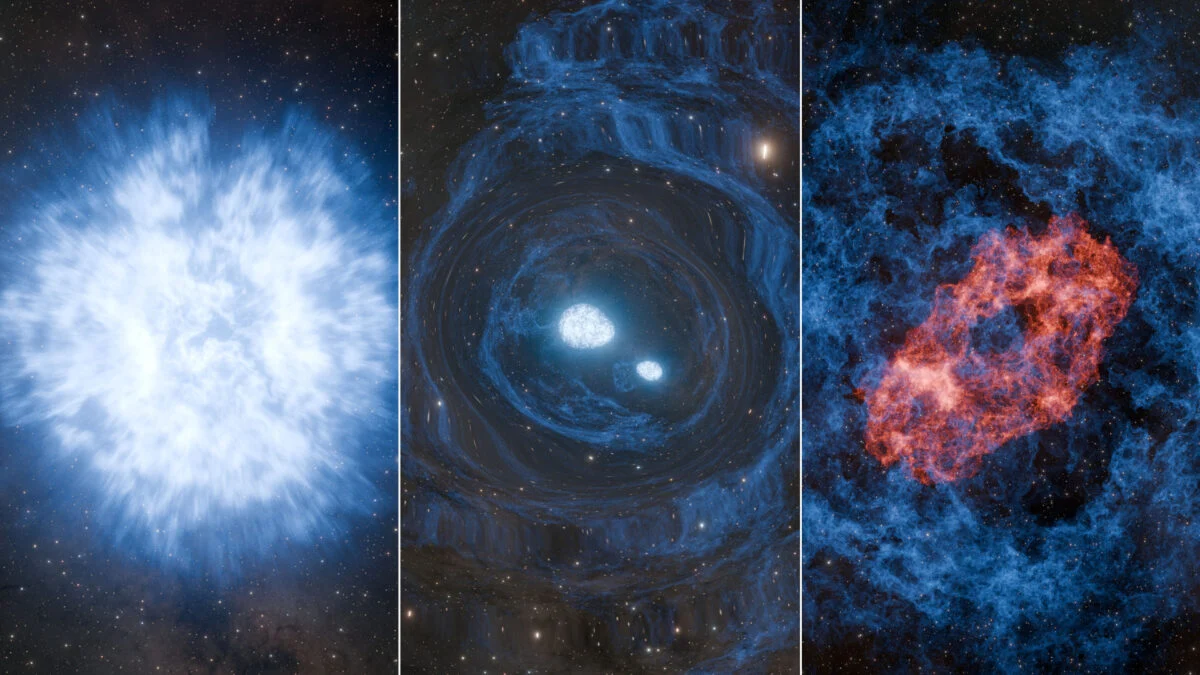
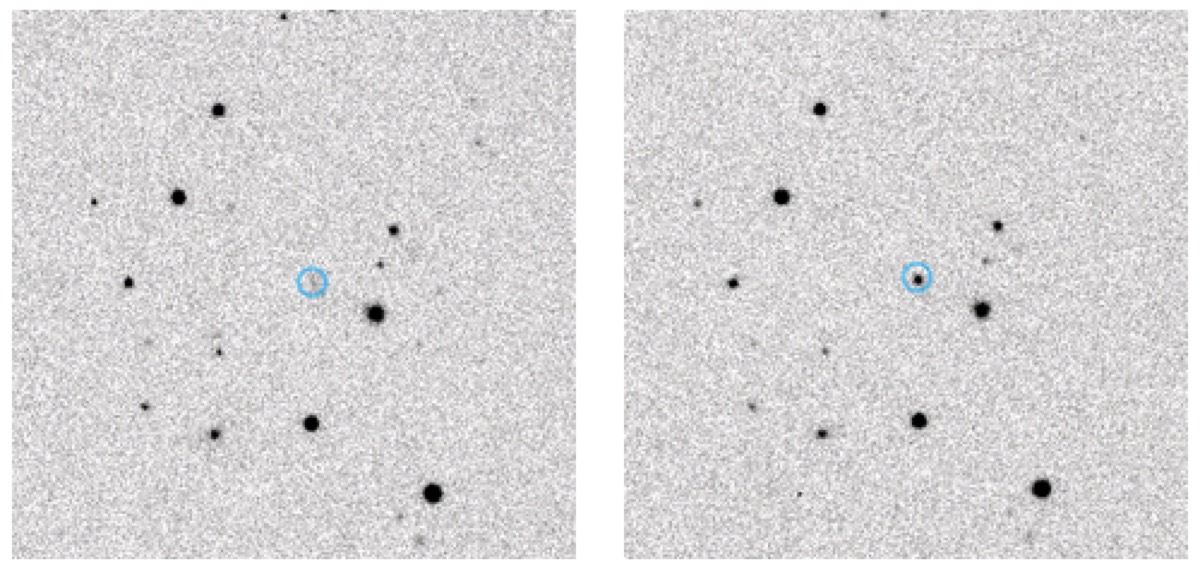
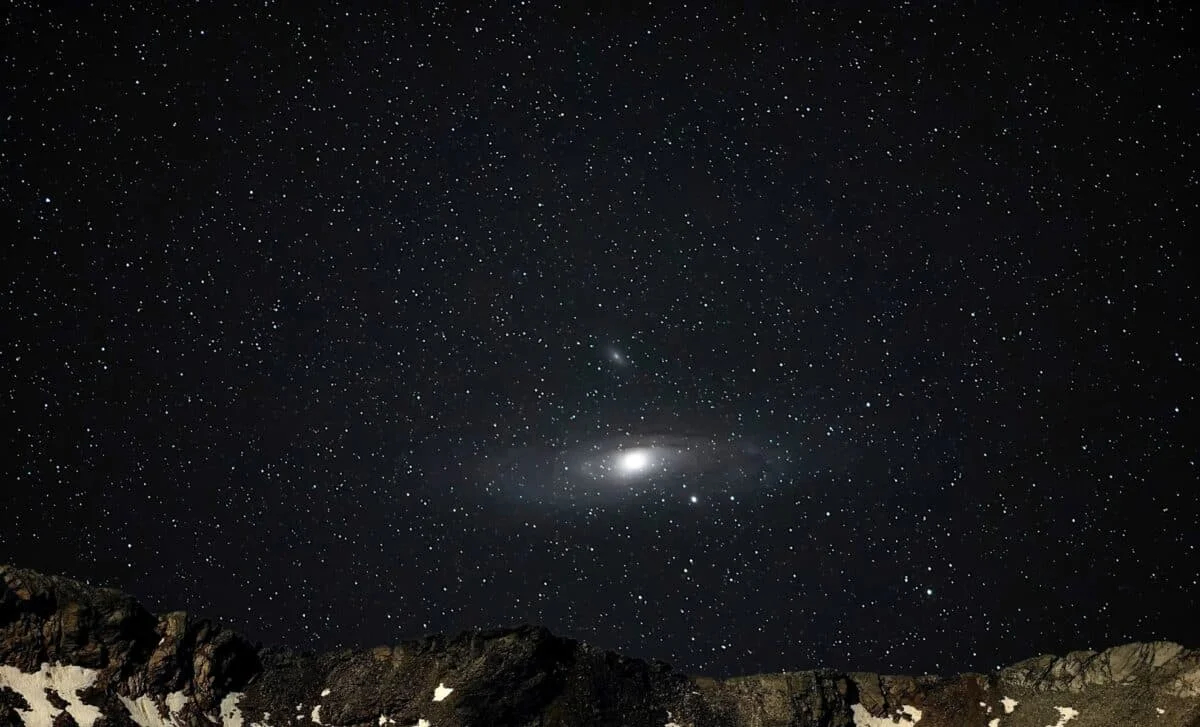
A 13-solar-mass yellow supergiant in the Andromeda Galaxy (M31-2014-DS1) brightened in 2014 but faded by 2018 without a canonical supernova. Two studies offer competing explanations: one proposes a failed supernova—a direct collapse into a black hole shrouded in dust that hides X‑ray emissions—leaving a faint red source surrounded by a dust shell. A second team questions this, noting no X‑ray activity and suggesting a stellar merger could produce the observed infrared glow and dust, with the central source possibly reappearing as the dust dissipates. Ongoing JWST observations and further monitoring are needed to confirm whether the star collapsed invisibly, merged, or will brighten again.

Astronomers Encounter Unexplained Deep-Space Gamma-Ray Bursts and Signals
science1 month ago

Astronomers Encounter Unexplained Deep-Space Gamma-Ray Bursts and Signals

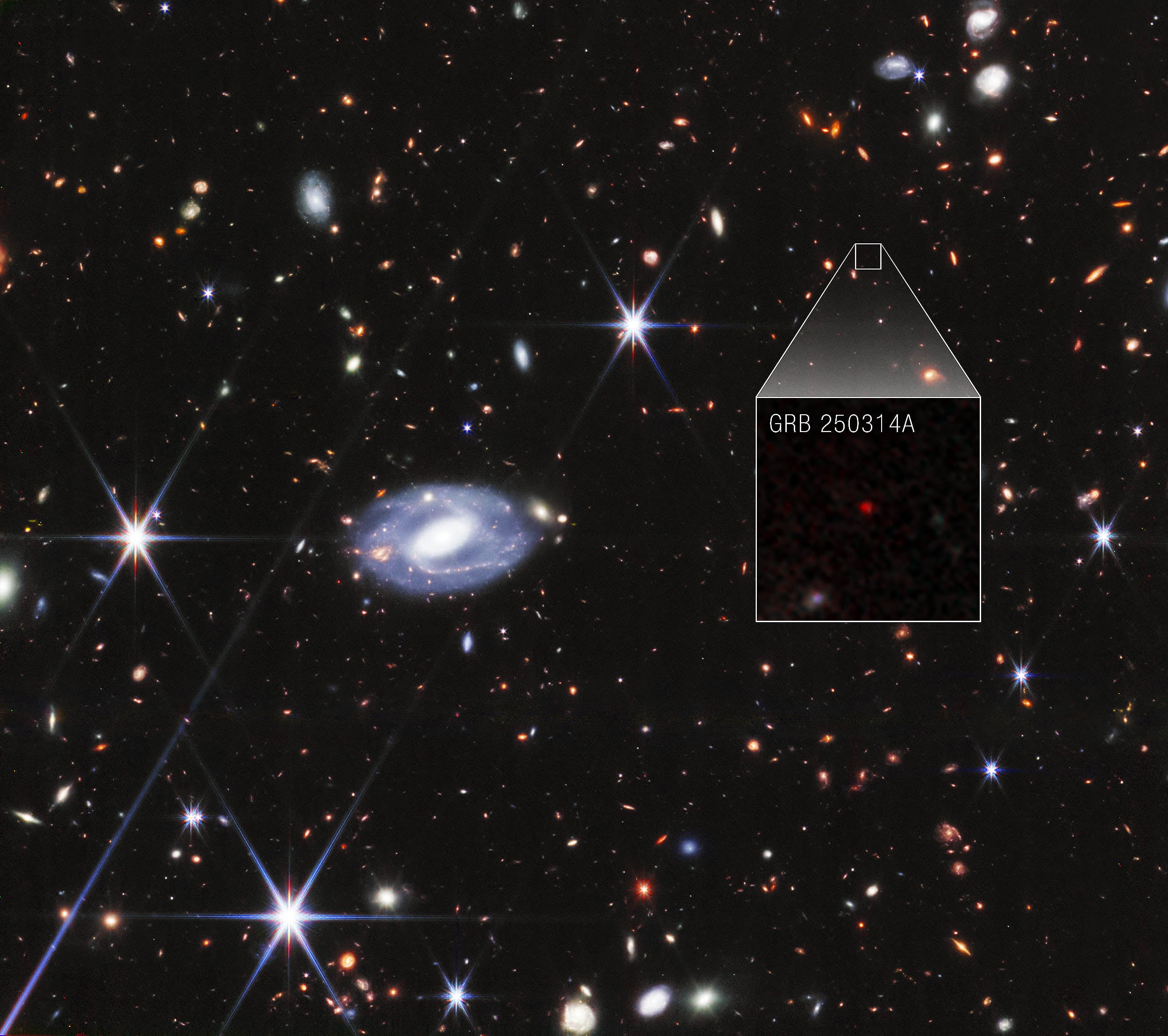
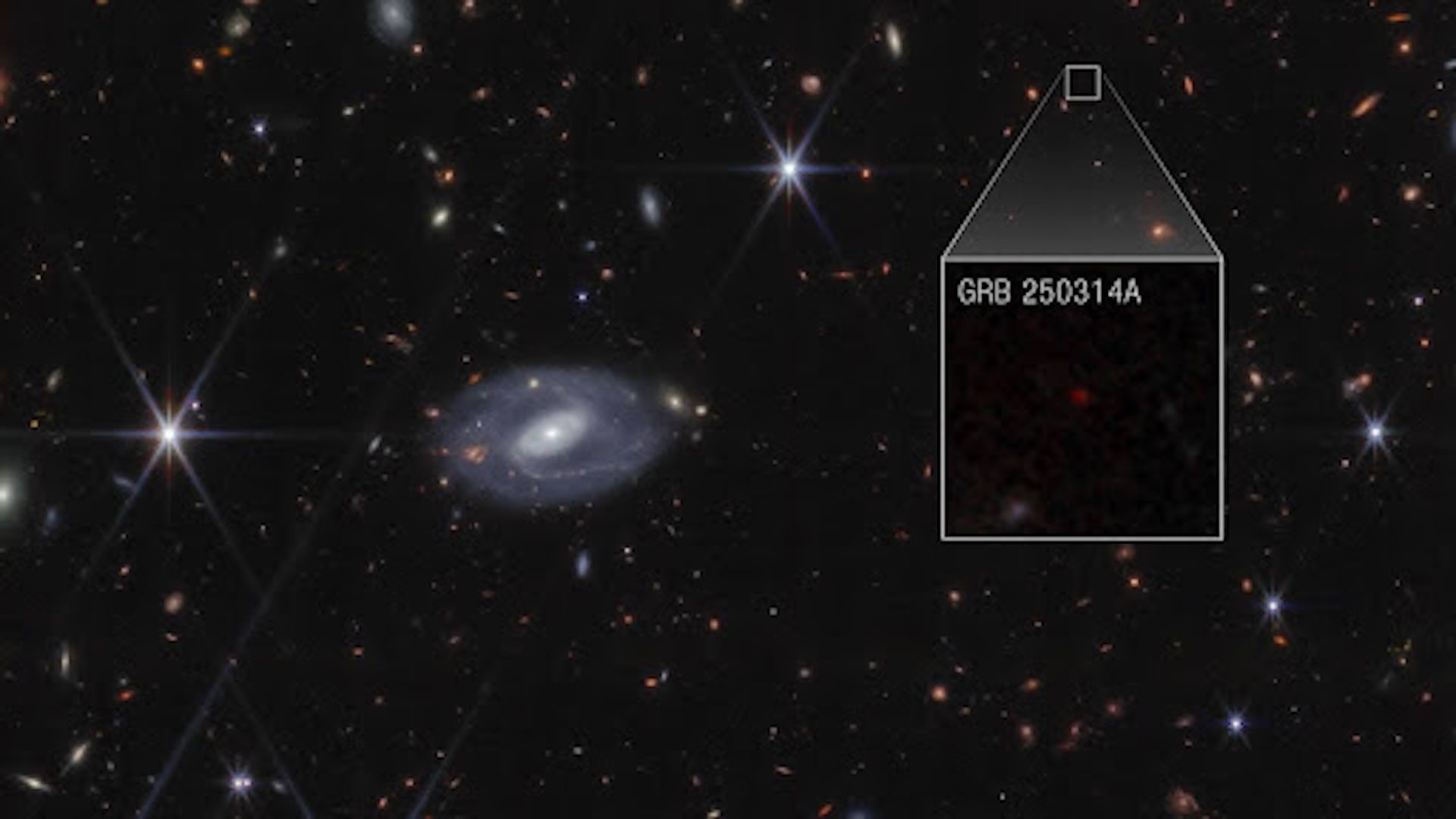
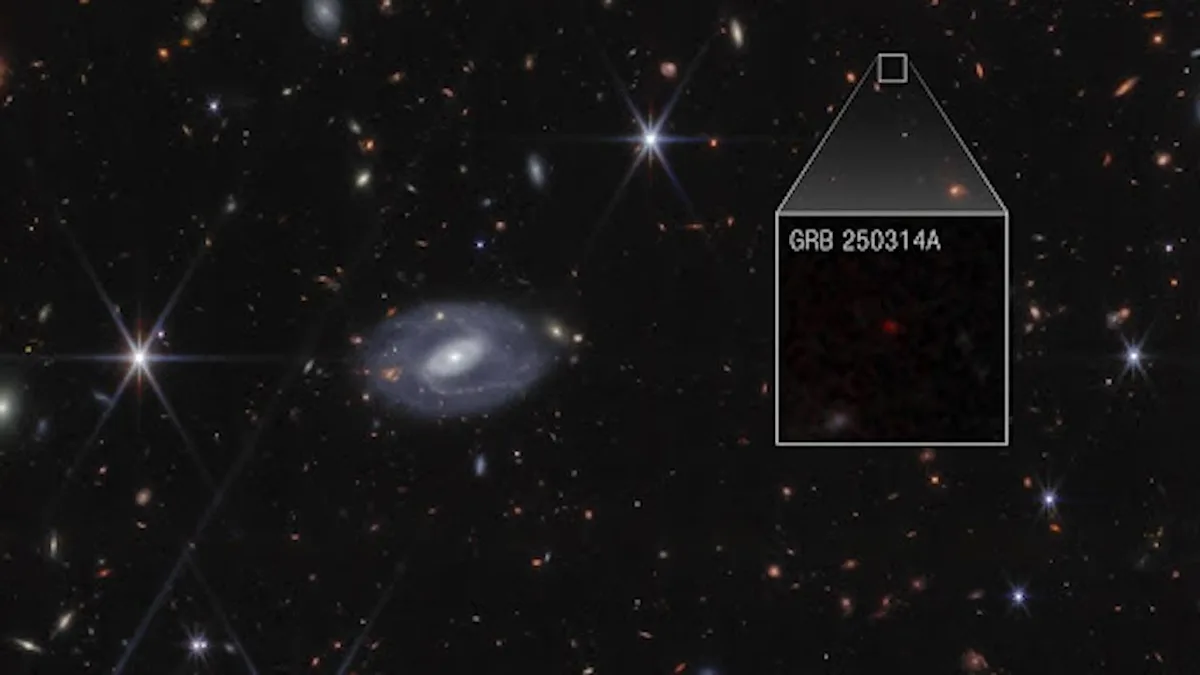
Scientists detected a powerful gamma-ray burst from a supernova that exploded when the universe was only 730 million years old, making it the most distant such event ever observed. The discovery, confirmed by multiple telescopes including JWST, challenges previous assumptions about early star formation, showing that even in the universe's infancy, stars could undergo processes similar to those seen today.

Scientists baffled by recurrent star explosion
science2 months ago

Scientists baffled by recurrent star explosion

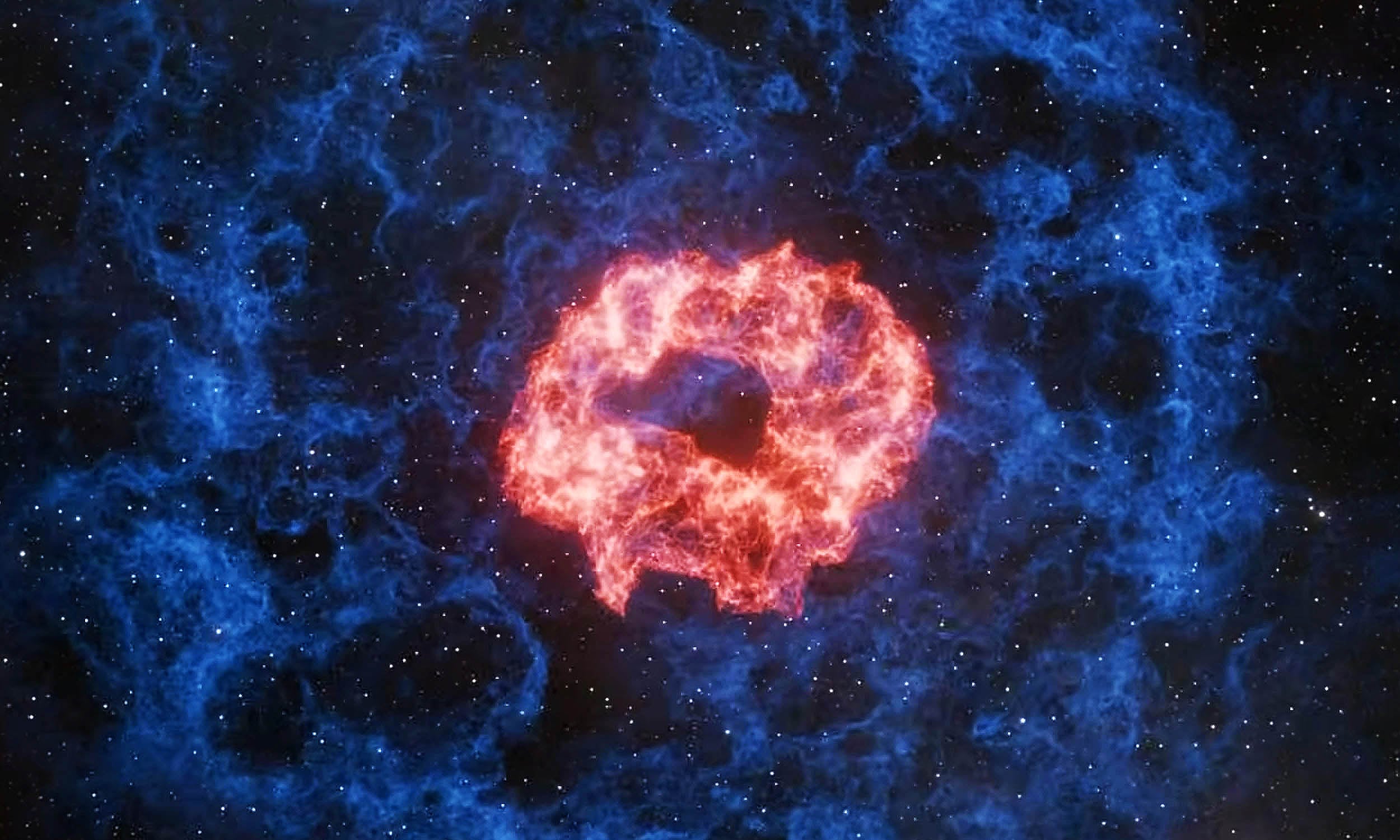
Scientists are puzzled by iPTF14hls, a star that has repeatedly exploded over decades, defying current supernova models. The star, located 509 million light-years away, has exploded at least six times, with debris expanding unusually slowly and retaining hydrogen, which contradicts existing theories. Various hypotheses, including antimatter reactions and 'zombie star' scenarios, are being considered as explanations, but no consensus has been reached.