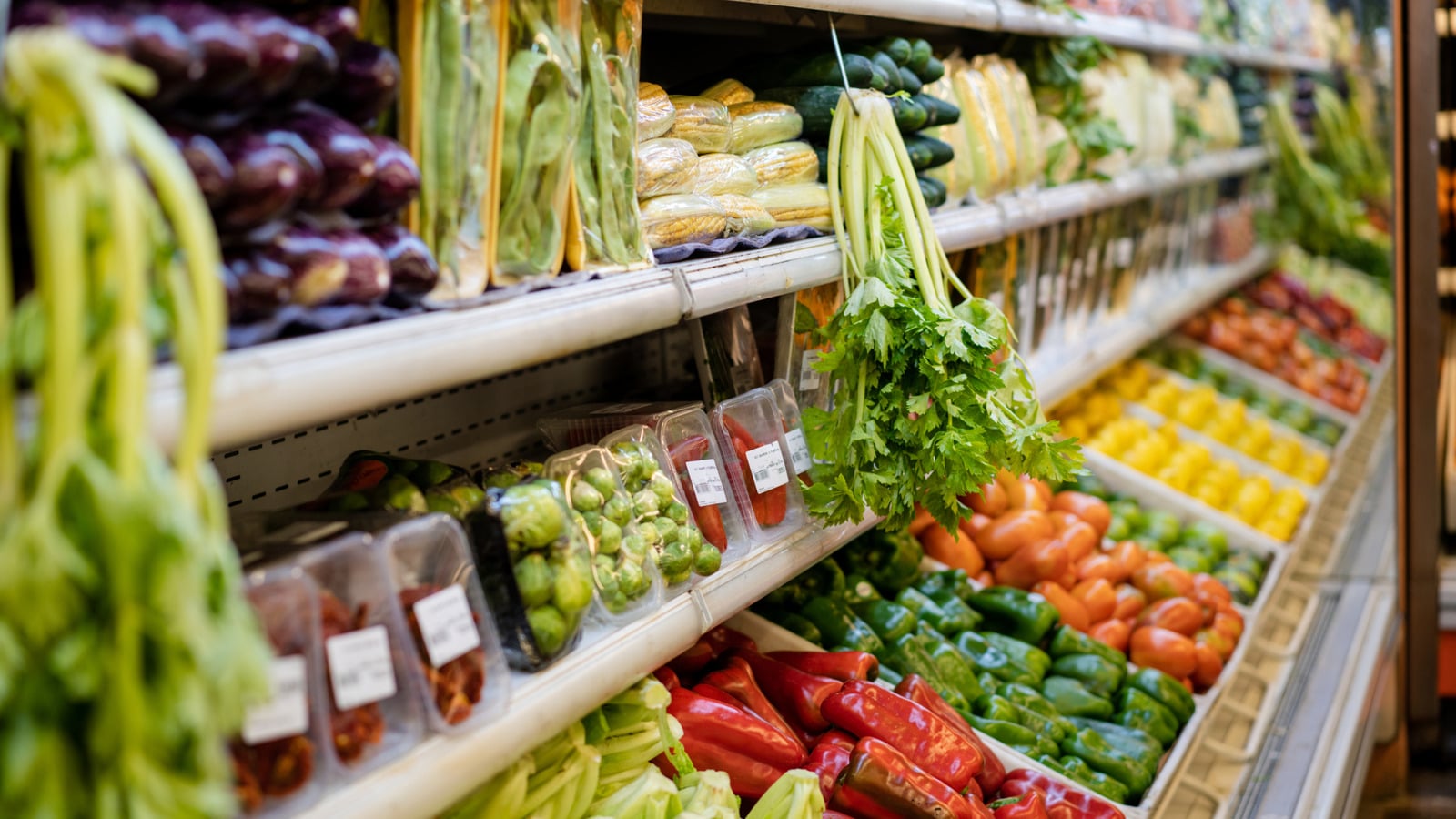
Watercress, a tiny, often overlooked vegetable, is one of the most nutritious foods in the world, offering a perfect score on the CDC's Powerhouse Fruits and Vegetables list due to its high nutrient density and rich phytochemicals that support health and disease prevention.
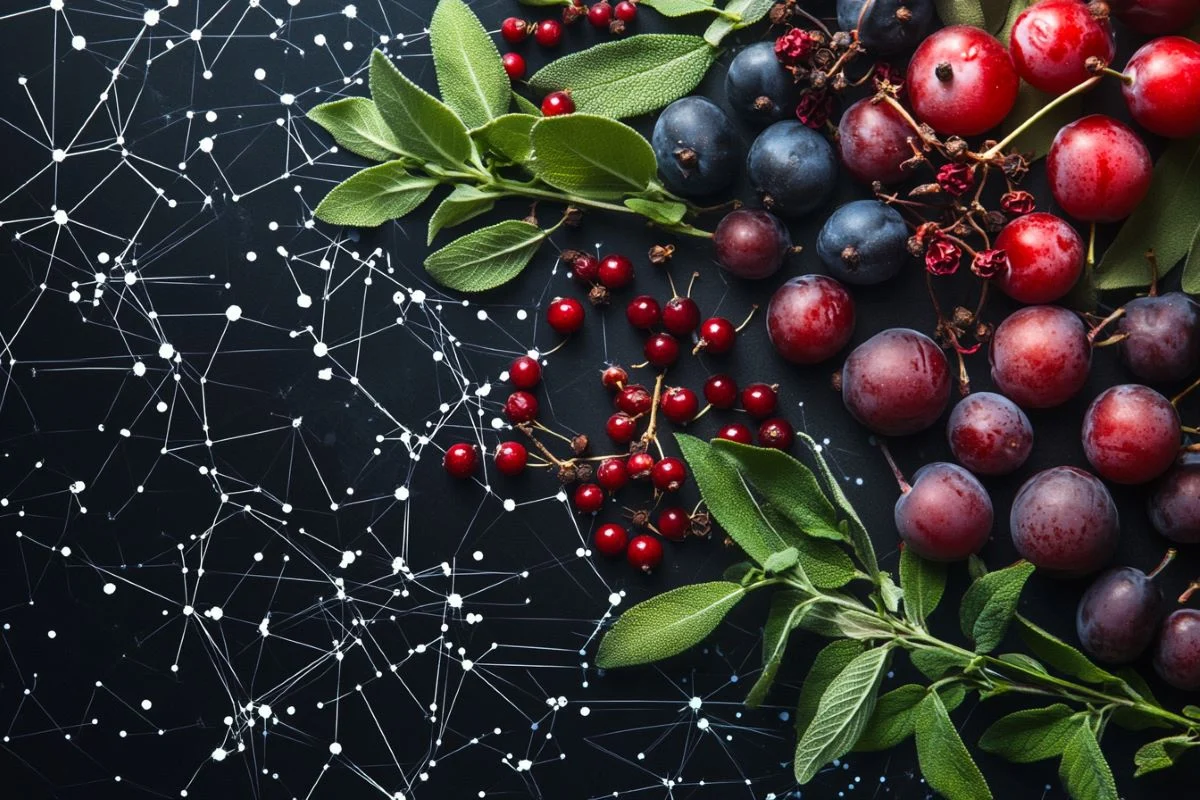
A study by the University of Wollongong highlights the neuroprotective and antioxidant benefits of certain plant-based compounds, such as phenolics and terpenes, found in foods like lemon balm, sage, and elderberry. These compounds help reduce oxidative stress and protect neuron-like cells, suggesting that plant-based diets and supplements could support brain health and manage neuroinflammation-related conditions.
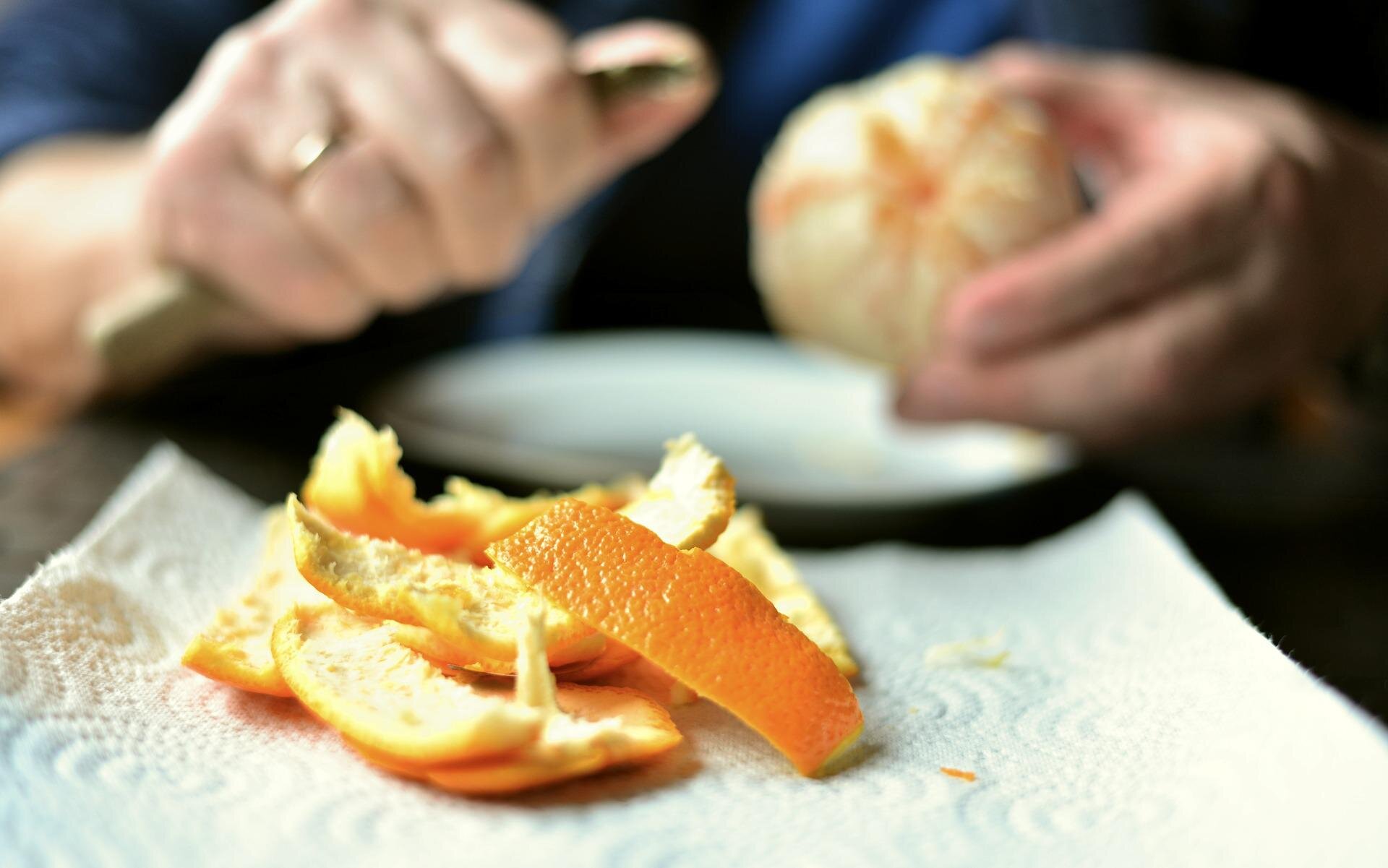
A University of Florida-led study published in the Journal of Agricultural and Food Chemistry reveals that orange peel extracts, particularly the non-polar fraction, can inhibit the production of harmful chemicals linked to cardiovascular disease. The research highlights the potential of repurposing orange peels, often discarded as waste, into valuable health-promoting ingredients.
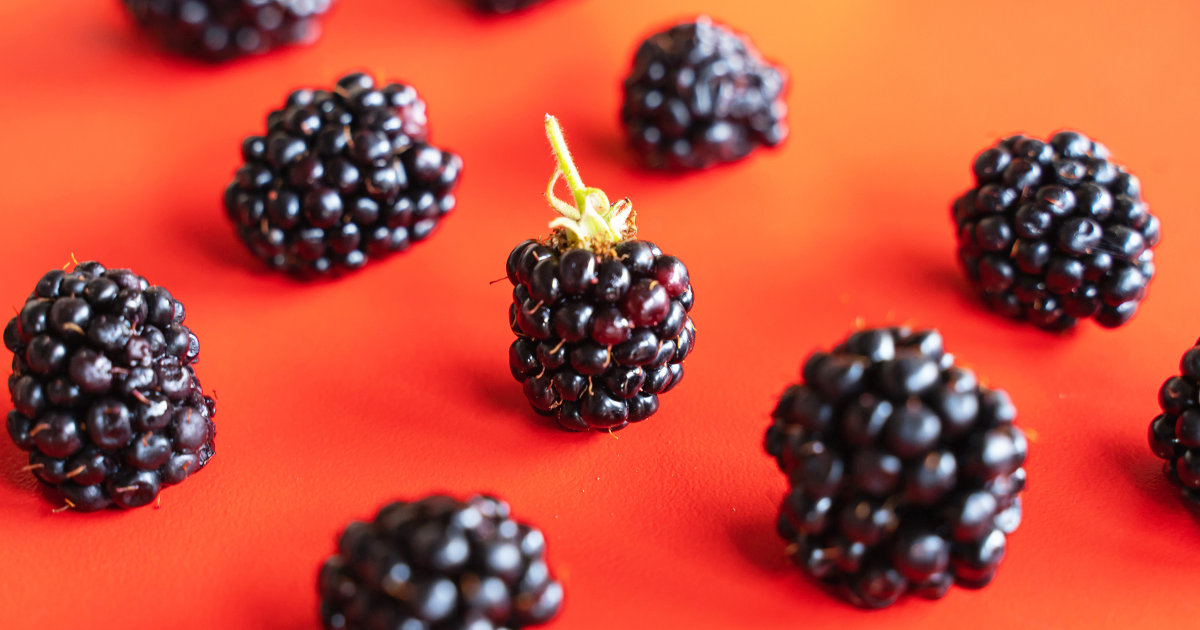
Blackberries are packed with antioxidants, fiber, and essential nutrients, making them a nutritional powerhouse. They contain phytochemicals such as polyphenols, which have antioxidant and anti-inflammatory properties, and are rich in vitamins and minerals. Consuming blackberries may help reduce inflammation, support gut and cardiovascular health, promote insulin sensitivity, and protect against obesity. Additionally, they may contribute to brain health by decreasing oxidative stress and inflammation. While blackberries contain more antioxidants than other berries, all berries offer similar health benefits, so it's recommended to consume whichever ones are accessible and preferred.
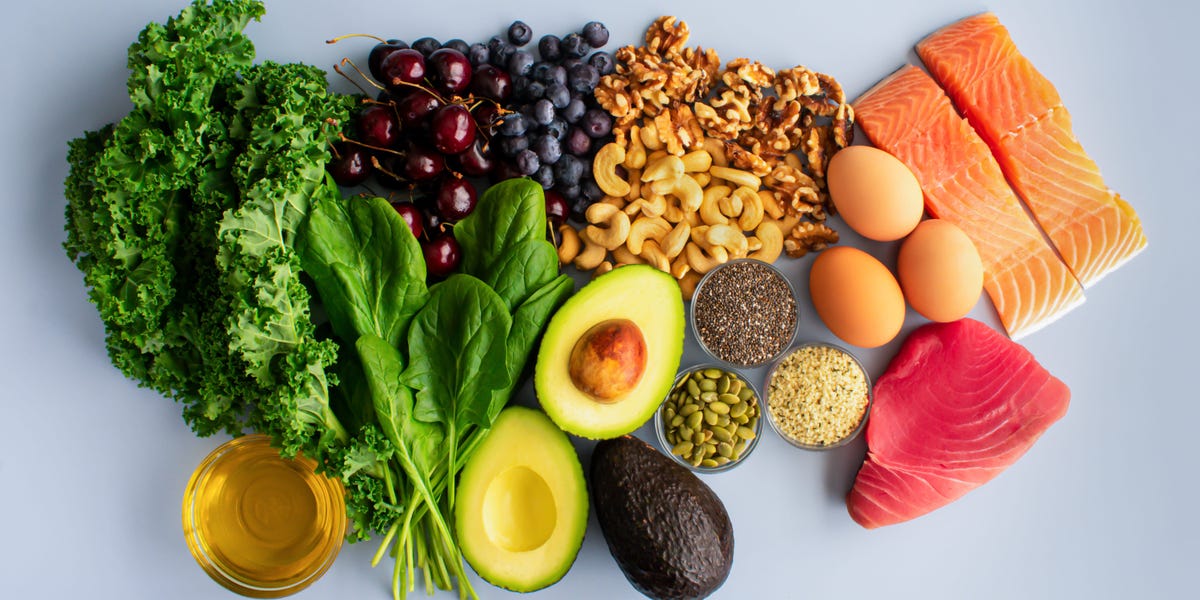
Chronic inflammation can lead to various health conditions, but incorporating anti-inflammatory foods into your diet can help prevent and reduce inflammation. The Dietary Inflammatory Index (DII) tracks which diets cause the most inflammation, and the creator of the DII recommends six anti-inflammatory foods: fatty fish like salmon, nuts, spices such as garlic and turmeric, leafy green vegetables like kale and spinach, pigmented fruits like blueberries and grapes, and extra virgin olive oil. These foods are rich in omega-3 fatty acids, antioxidants, and phytochemicals, which have excellent anti-inflammatory properties.
Chronic inflammatory conditions are common and can be managed by specialist treatments, but experts suggest that inflammation can be managed by the food and drinks we consume. An anti-inflammatory diet can help manage symptoms, and foods such as tomatoes, olive oil, leafy greens, nuts, fatty fish, berries, dark chocolate, avocado, and green tea have anti-inflammatory properties. These foods contain antioxidants, phytochemicals, and Omega-3 fatty acids that reduce inflammation throughout the body.
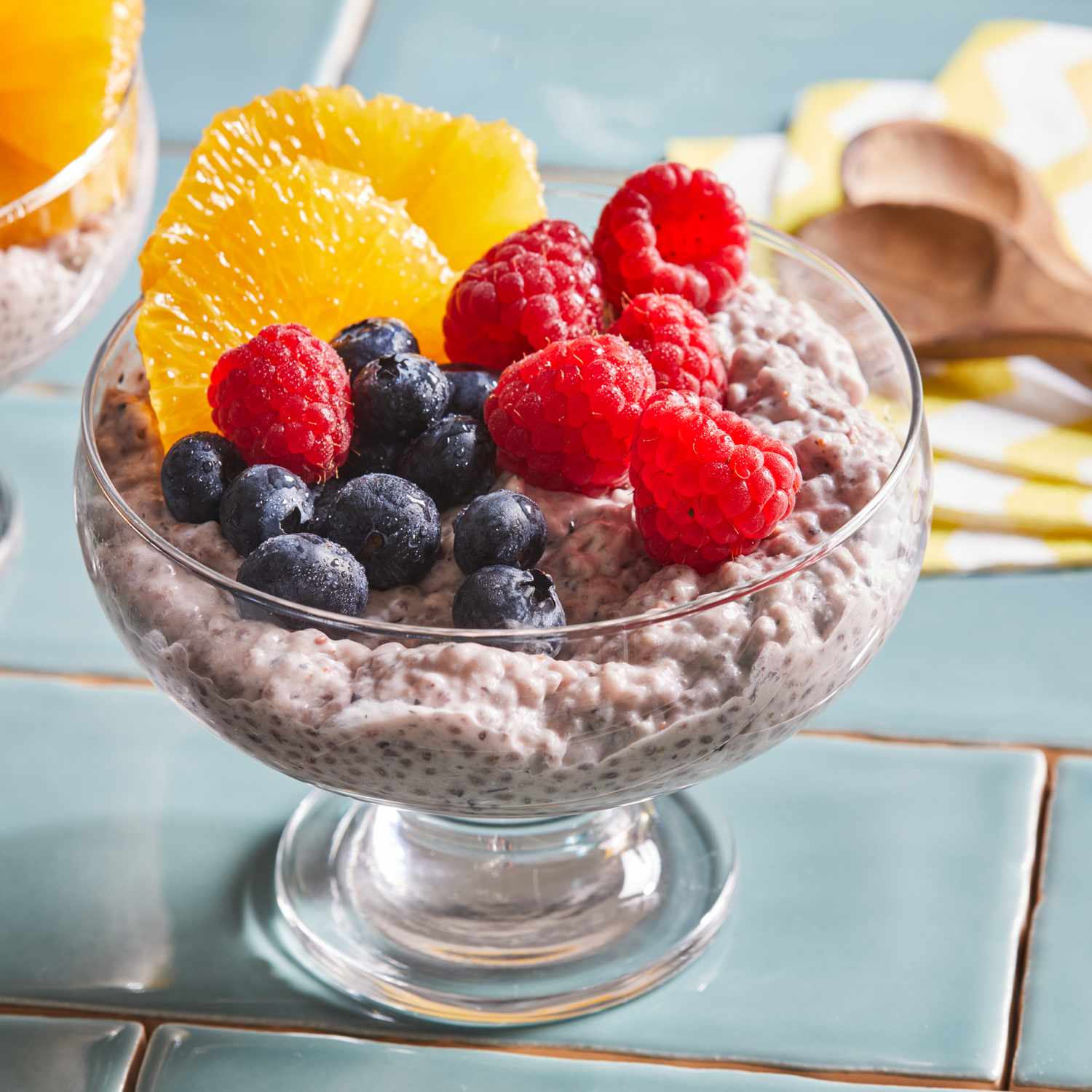
Consuming anti-inflammatory snacks can help manage joint pain and arthritis. Nutrients such as omega-3 fatty acids, phytochemicals, vitamins, and minerals are essential for maintaining healthy bones, joints, and cartilage. Nuts, fresh fruit, fish on whole-grain crackers, berry chia seed pudding, veggies and bean dip, dark chocolate, and matcha or green teas are some of the best anti-inflammatory snacks for joint pain. Additionally, limiting processed foods, staying active, stretching joints, and using heat and cold therapies can also help alleviate inflammation and joint pain.
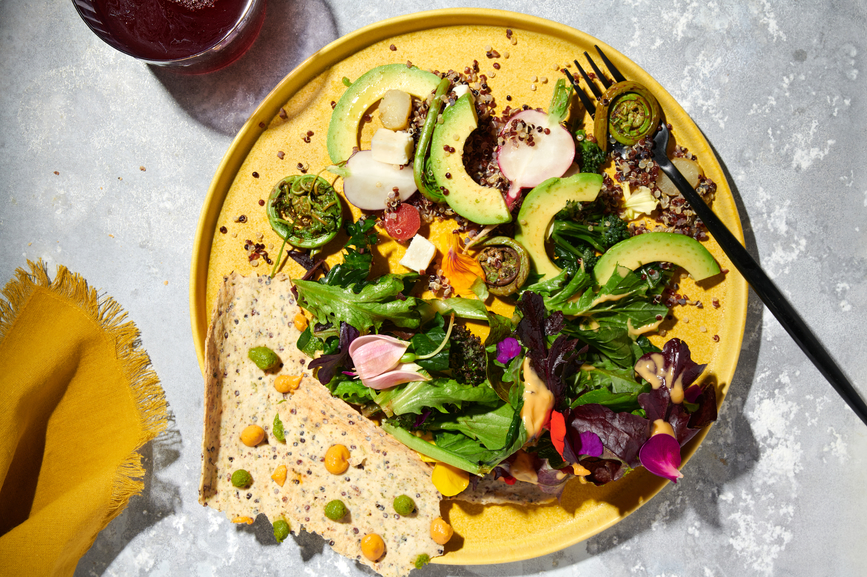
Jeffrey Bland, PhD, the “father of functional medicine,” recommends consuming a wide variety of plants regularly as the number one tip for eating for longevity. Plants contain phytochemicals and fibers that are not found in animal products, which have been found to have positive impacts on the body’s immune system, health of the intestinal microbiome, and brain inflammation. Dr. Bland encourages folks to include as many different types of plants as possible, opting for plants in lesser-processed forms, and the more colorful, the better. A well-balanced diet featuring many different plants also provides various types of prebiotic fiber to help nourish the microbiome.