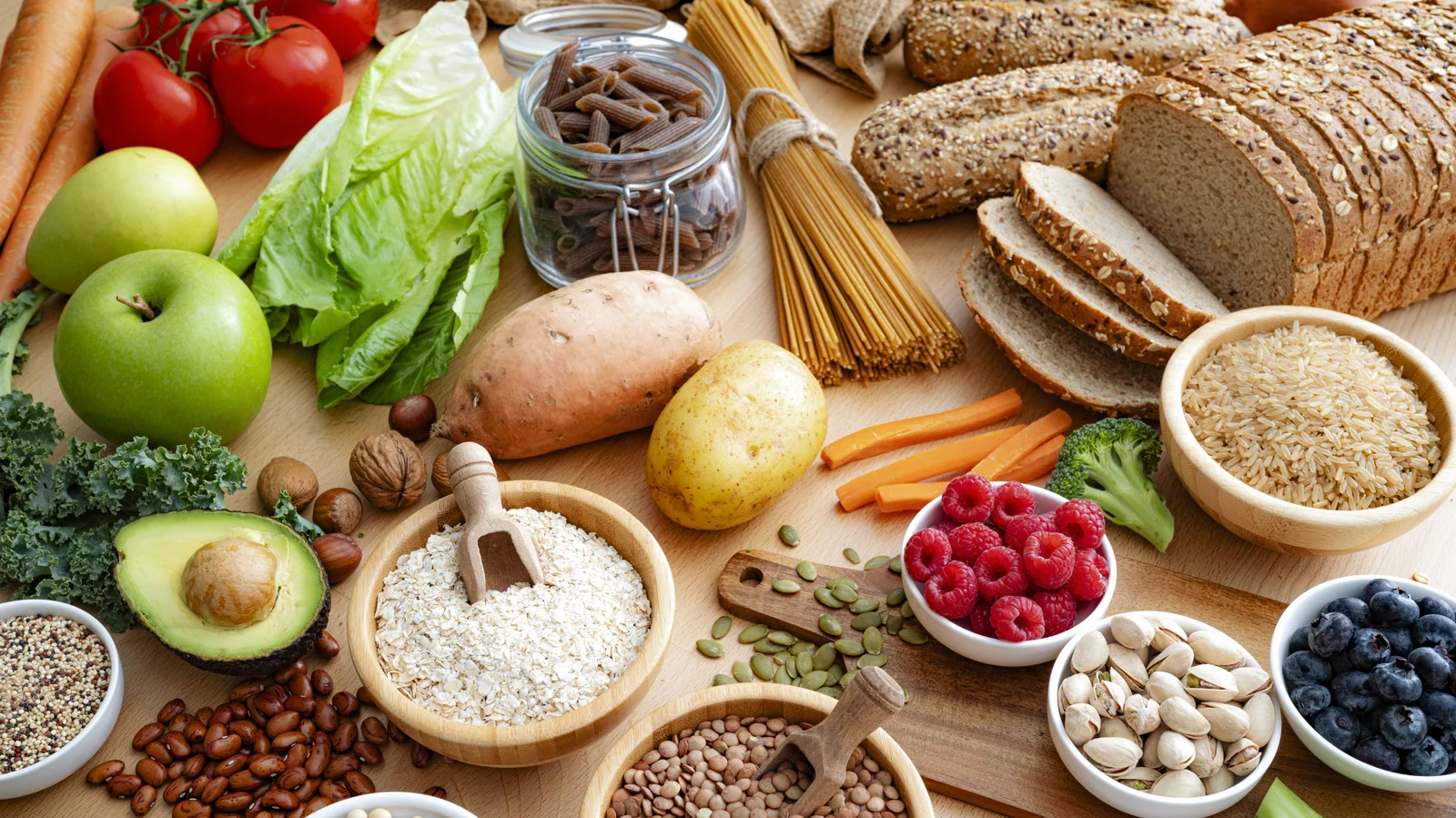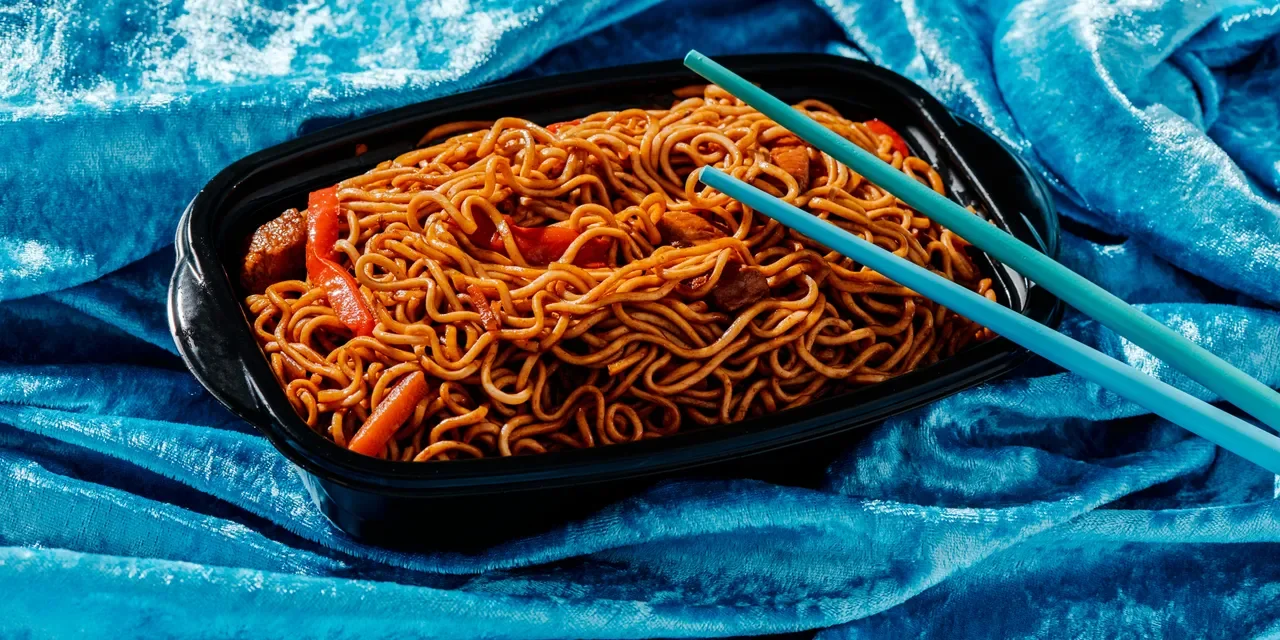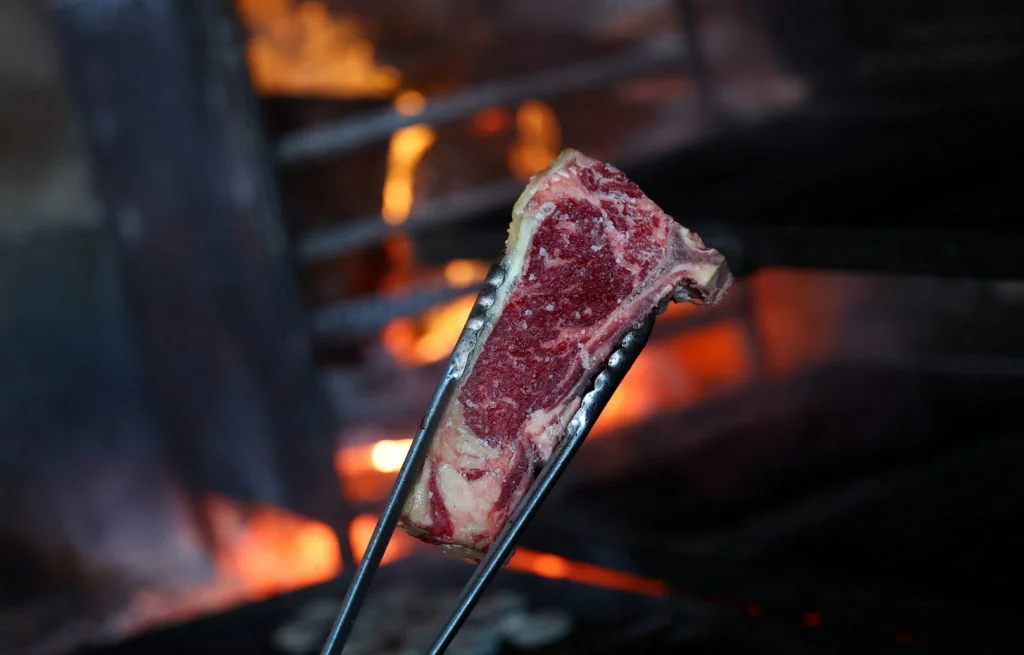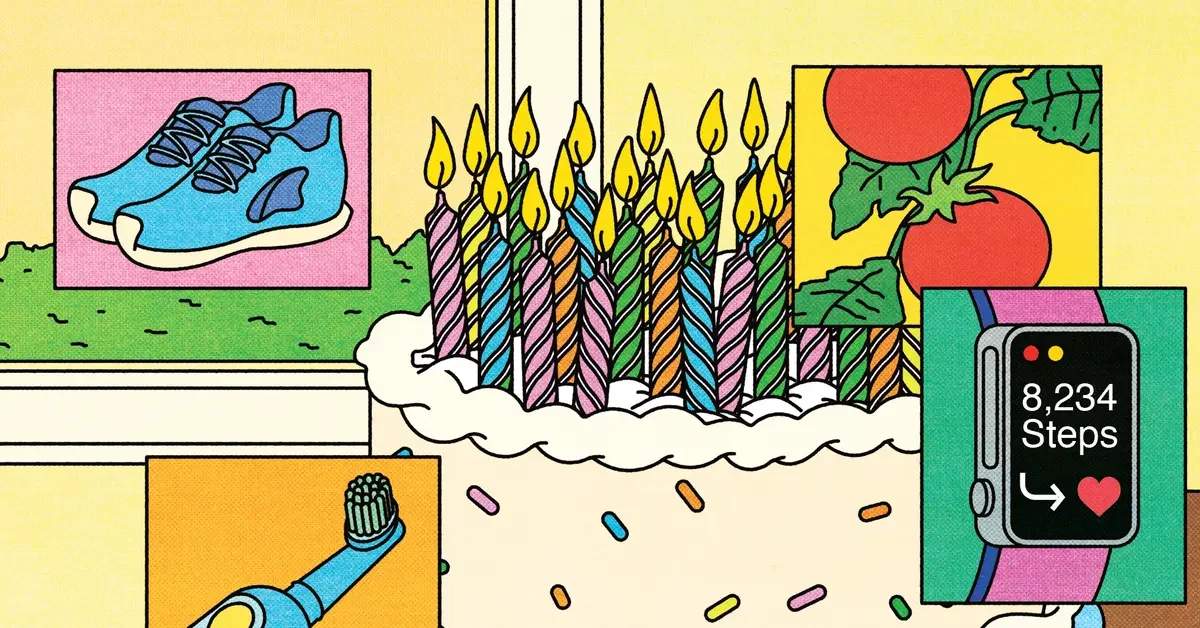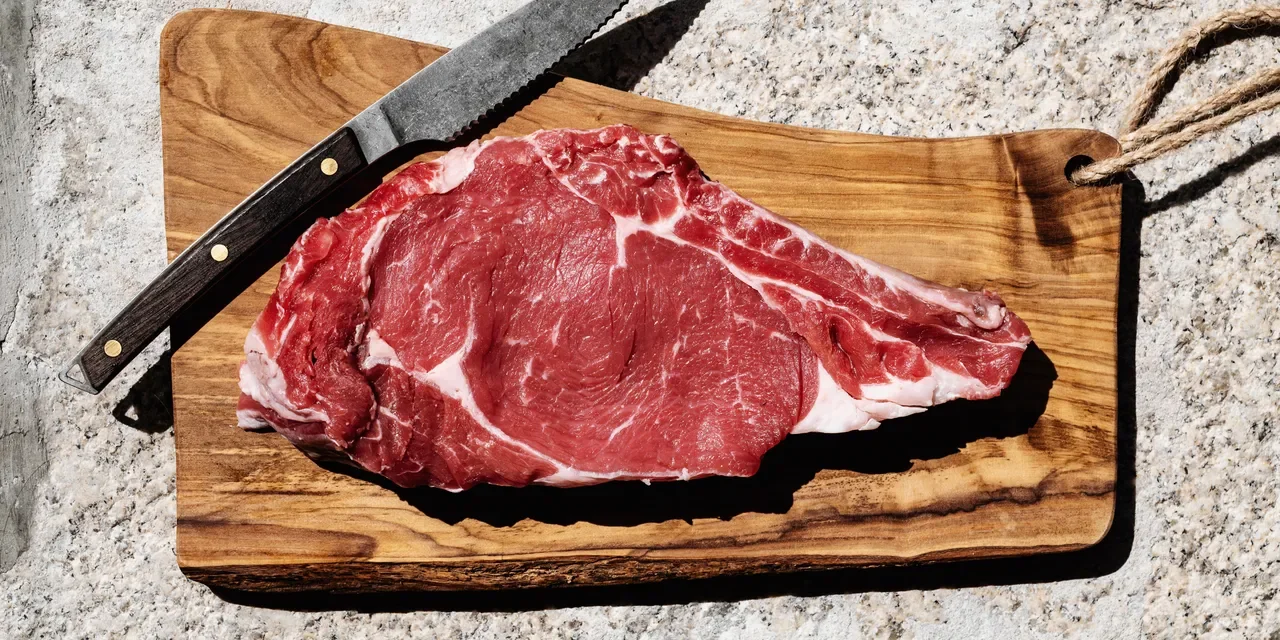
Healthline highlights that diet can influence aging: the Mediterranean eating pattern is linked to about a 25% reduction in overall mortality and heart benefits due to high fiber, healthy fats, and plant-based foods; coffee (about three to five cups daily) may also support longevity via antioxidants and metabolic effects. Conversely, red meat, sugary beverages, and ultra-processed foods are tied to faster aging and higher disease risk. Adopting a diet focused on whole, minimally processed foods such as fruits, vegetables, legumes, nuts, whole grains, fish, and olive oil—while cutting ultra-processed foods and added sugars—may promote longer, healthier lives.
A HuffPost piece notes that protein-packed meat sticks are popular but processed meats are classified as carcinogens by the WHO, raising cancer and other health concerns. Experts recommend meeting protein needs through whole foods rather than relying on processed snacks.
Beef tallow, once widely discouraged by health authorities, has gained new approval in the latest U.S. dietary guidelines, reflecting its growing popularity among consumers for cooking, skincare, and high-fat diets, despite longstanding warnings from doctors.
The American Society for Nutrition (ASN) supports the dietary recommendations in the 2025-2030 Dietary Guidelines for Americans but raises concerns about the lack of transparency and scientific rigor in the process of developing these guidelines, emphasizing the importance of evidence-based, transparent review processes to maintain public trust and improve health outcomes.
The updated federal dietary guidelines emphasize red meat and full-fat dairy, sparking debate among health experts who caution about potential increased risks of cardiovascular disease due to saturated fats, while also highlighting industry influence concerns and the need for balanced, evidence-based nutrition advice.
U.S. Agriculture Secretary Brooke Rollins announced new dietary guidelines emphasizing whole foods, healthy fats, and reducing processed foods and sugars to combat obesity, marking a significant shift from previous recommendations and focusing on real, nutrient-dense foods.
Eggs can help support weight maintenance after stopping GLP-1 drugs like Wegovy by promoting satiety, preserving muscle, and addressing nutritional deficiencies, making them a simple, affordable aid in managing weight regain.
The article introduces the 5-Day Brain Health Challenge, focusing on the MIND diet, which emphasizes foods like berries, leafy greens, nuts, fish, and whole grains to support brain health, reduce cognitive decline, and lower dementia risk, supported by scientific studies.
Andrew Huberman, a Stanford professor and health advocate, has collaborated with Goop Kitchen to create a protein-rich turkey chili, emphasizing the importance of meat-to-bean ratios for a nutritious meal, available in select locations for $16.95.
Garmin has added food and nutrition logging to its paid platform, Connect+, replacing some features of MyFitnessPal, with integration directly within Garmin devices and app, offering barcode scanning, photo recognition, and customizable meal tracking, making it a compelling option for users already invested in Garmin's ecosystem.
The best breakfast for fat loss is not a one-size-fits-all but should focus on maintaining a calorie deficit while emphasizing high-protein and high-fiber foods to promote satiety, blood sugar control, and overall nutrition. Incorporating variety and eating earlier in the day can further support weight loss efforts, with the key being sustainable, balanced choices rather than strict restrictions.
Most people don't consume enough fiber, which is vital for digestive health and disease prevention. The article emphasizes increasing intake through a variety of plant-based foods like fruits, vegetables, beans, nuts, and whole grains, while cautioning against excessive consumption, especially from supplements, to avoid negative side effects. Gradually increasing fiber and drinking plenty of water are recommended to safely boost intake.
Oatzempic, a fad involving oats blended into a drink, is not supported by scientific evidence as a weight-loss alternative like Ozempic. While oats can promote fullness due to their fiber content, they do not have the powerful hormonal effects of medication and should be part of a balanced diet rather than a standalone solution. Long-term weight management requires comprehensive lifestyle changes, not reliance on fad drinks.
While desi ghee and garlic are nutritious and have some health benefits, scientific evidence does not support the claims that consuming them on an empty stomach can prevent cancer, promote weight loss, or improve skin, hair, and sexual health. Overall lifestyle and dietary habits play a more significant role in disease prevention and health.
The article discusses effective methods to incorporate more fiber into your diet, emphasizing the health benefits of increased fiber intake and suggesting practical ways to achieve this through food choices.