The article discusses various plant-based milks like soy, oat, almond, coconut, and rice, highlighting their nutritional profiles, health benefits, and considerations for choosing the right one based on individual needs, with emphasis on checking labels, nutrient content, and potential concerns like seed oils and arsenic.
The article debunks common misconceptions about protein, explaining its role in the body, sources, and optimal intake, emphasizing that most people do not need excessive protein and that a diverse diet can provide all essential amino acids without relying solely on meat or supplements.
A study shows that following a true Mediterranean diet, which emphasizes plant-based foods and healthy fats like olive oil, reduces the risk of gum disease and systemic inflammation, thereby potentially lowering the risk of chronic diseases such as cardiovascular issues, diabetes, and dementia. The diet's focus on vegetables, fruits, whole grains, and healthy fats, along with social and lifestyle factors, contributes to better overall health and oral health.
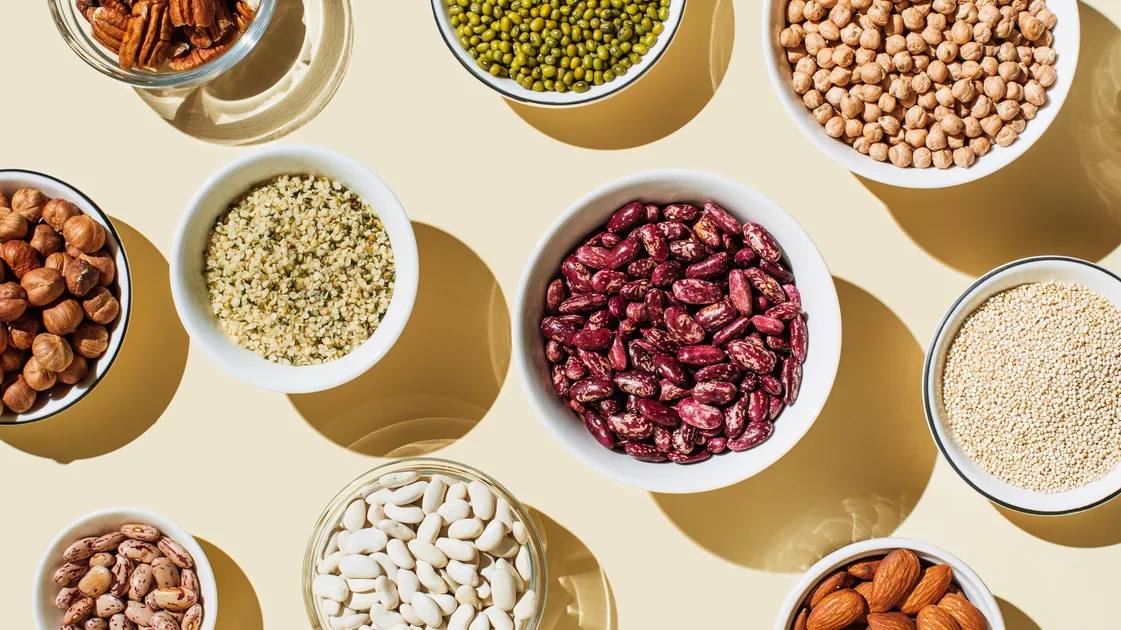
Eating beans, especially soybeans, edamame, kidney beans, red beans, and chickpeas, can significantly contribute to a longer, healthier life by reducing risks of chronic diseases, supporting heart and gut health, and providing essential nutrients. Incorporating a variety of beans into your diet is recommended for optimal health benefits.
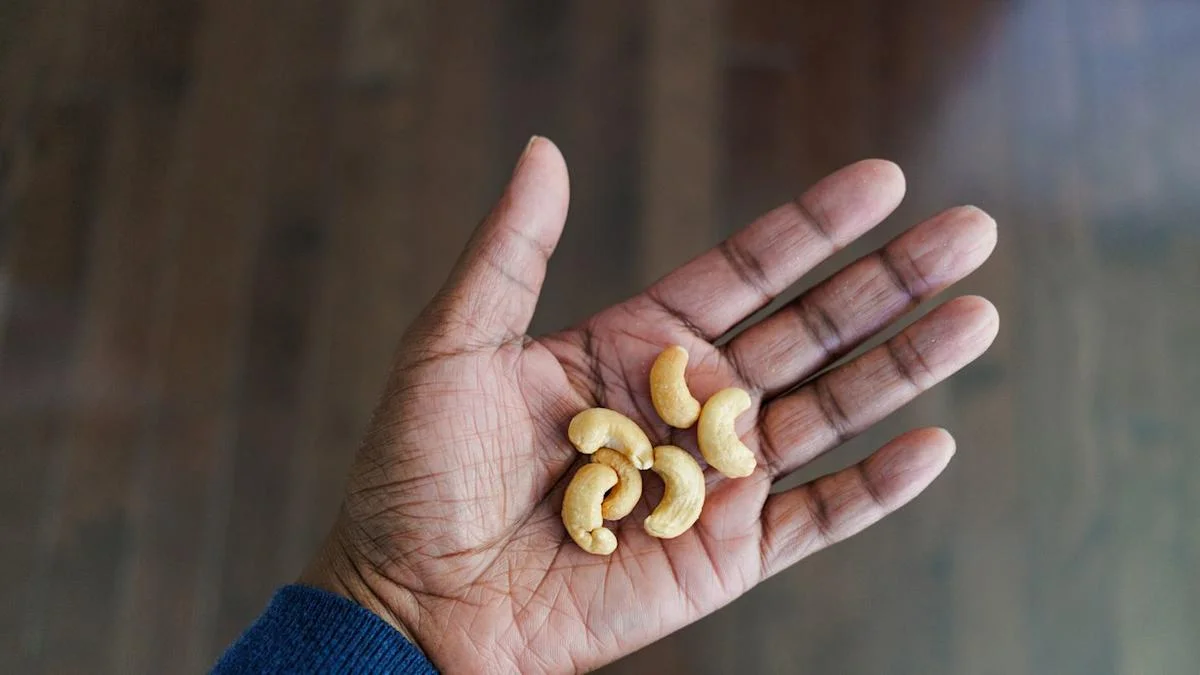
Cashews are nutrient-dense nuts rich in healthy fats, protein, vitamins, and minerals, offering various health benefits such as supporting heart health, bone health, and energy levels. However, they are high in fats and calories, so portion control is important, and they may cause digestive issues for some. They can be enjoyed in many ways, including as a snack or in recipes, with attention to added salt and individual dietary needs.
Eating a diet rich in plant-based foods, whole grains, dairy, lean proteins, and foods high in tryptophan and magnesium can improve sleep quality, especially when combined with proper meal timing and lifestyle factors. Foods like tart cherry juice, kiwifruit, warm milk, and tryptophan-rich foods may help, but overall diet and consistent eating patterns are key for better sleep.
Protein is essential for health, supporting tissue repair, immune function, and hormone production. The recommended daily intake is 0.8 grams per kilogram of body weight, but needs vary based on age, activity, and health conditions. Consuming more than two grams per kilogram offers little benefit and is generally safe. The timing of protein intake is flexible, and both animal and plant sources can provide quality protein, with a varied diet being most beneficial.
The article highlights seven vegan juice recipes rich in nutrients like beta-carotene, vitamin C, and antioxidants that support skin health from within, emphasizing the importance of diet alongside topical skincare for a radiant complexion and overall well-being.
A review of Puracy's plant-based, hypoallergenic laundry spray that effectively removes various stains, including tough ones like blood, with a portion of proceeds supporting local families, available on Amazon for $9.99+.
A comprehensive guide highlighting 14 plant-based foods that effectively support muscle growth, emphasizing that with proper planning and sufficient protein intake, vegan athletes can achieve strength and muscle gains comparable to those consuming animal products, while also benefiting from improved long-term health and recovery.
Eating foods rich in soluble fiber, healthy fats, and plant sterols, such as oats, beans, fatty fish, nuts, and fruits, can naturally lower LDL cholesterol and improve heart health, especially when combined with a balanced, plant-based diet and regular exercise.
Lab-grown cheese is emerging as a potential alternative to traditional dairy cheese, with companies like Better Dairy and others developing products using genetically modified yeast and fermentation techniques. Despite current challenges related to taste, price, and consumer acceptance, these innovations aim to offer healthier, more sustainable cheese options, though market success remains uncertain amid declining vegan cheese sales and consumer concerns about ultra-processed foods.
Eating a cup of chickpeas daily for 12 weeks can significantly lower cholesterol levels, thanks to their high phytosterol content, making them a heart-healthy food. The article provides easy recipes like roasted chickpeas, chickpea salads, and more to incorporate into your diet for cholesterol management.
The Summer Fancy Food Show showcased emerging food trends including upgraded condiments like infused olive oils and innovative mustards, a shift towards taste-focused plant-based products, chef-led at-home food brands, the evolution of sweet and spicy ('swicy') flavors, and a resurgence of beef tallow as a cooking fat, reflecting evolving consumer preferences and culinary creativity.
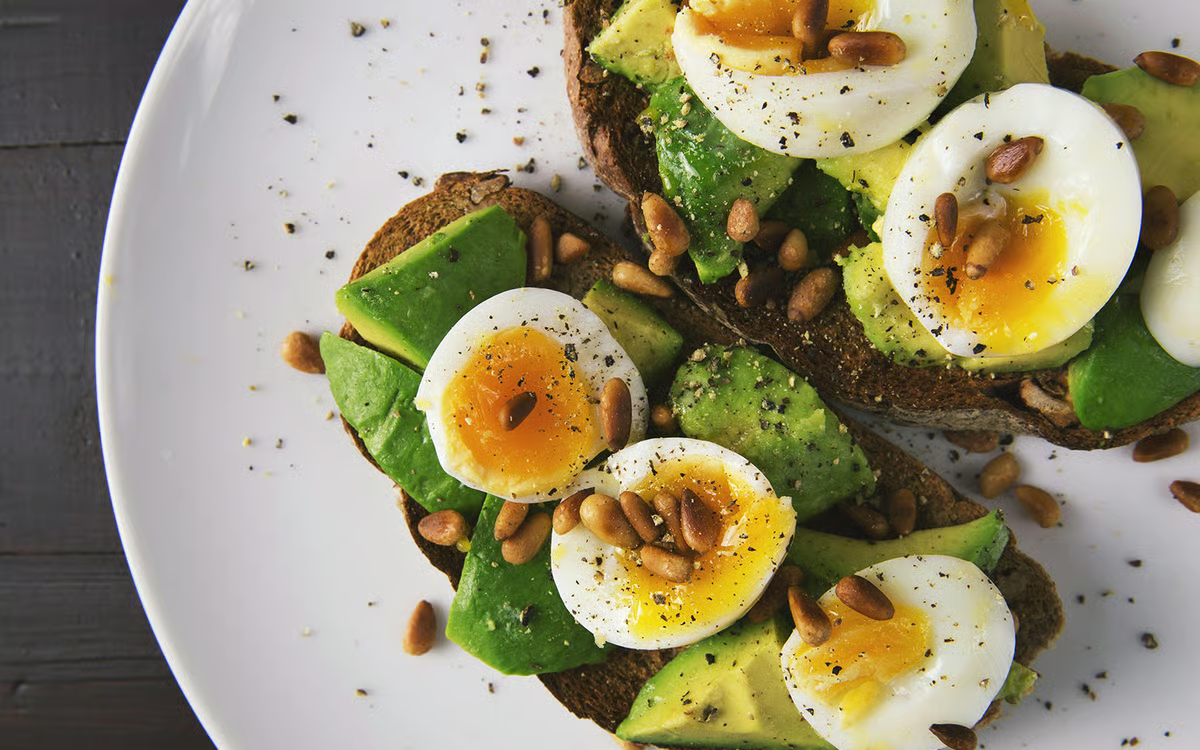
A lifelong vegetarian shares her top eight high-protein foods—such as Greek yogurt, tofu, beans, nuts, eggs, cheese, whole grains, and legume-based pastas—that help her build satisfying, balanced meals with 20-30 grams of protein, supporting blood sugar stability and overall health.