Winter can exacerbate arthritis symptoms due to muscle tightening and inactivity; simple routines like gentle stretching, yoga, warm compresses, and wearing warm clothing can help manage pain and maintain joint mobility.
High uric acid levels, which can cause gout and joint pain, are often triggered by certain foods rich in purines. To manage and prevent symptoms, it is recommended to avoid red meats, organ meats, certain seafood, processed foods, alcohol, excessive lentils, sugary drinks, and high-fat dairy products. Making dietary and lifestyle changes can significantly reduce flare-ups and long-term health risks.
Gout, a painful joint condition often linked to lifestyle factors, is becoming more common, but stigma around it can prevent sufferers from seeking treatment, as illustrated by a personal story of recurring severe foot pain.
A South Korean clinical trial found that low-dose radiation therapy (LDRT) can significantly reduce pain and improve function in patients with mild to moderate knee osteoarthritis, offering a potential alternative to pain medications and surgery, with minimal side effects.
A Pilates instructor recommends dynamic stretching exercises, such as leg circles, saws, lunges, swan to child's pose, and mermaid stretches, to help alleviate joint pain and improve mobility, emphasizing the importance of consulting a healthcare professional before starting any new exercise routine.
Experts emphasize that regular movement and exercise are the most effective treatments for joint pain and osteoarthritis, yet many patients are not receiving this guidance, leading to unnecessary surgeries and worsening conditions. Exercise helps protect joint cartilage, strengthen muscles, reduce inflammation, and improve overall joint health, making it a crucial, non-invasive approach to managing and preventing osteoarthritis.
While walking 10,000 steps daily is popular for health benefits, it is not suitable for everyone. Individuals with unstable heart conditions, advanced peripheral artery disease, severe musculoskeletal pain, recent surgery, or acute injuries should avoid this target, as it can worsen their health. Instead, personalized, moderate activity levels are recommended for these groups.
After using acetaminophen for pain relief following a fall, Matt Smith experienced unexpected side effects including loss of appetite, prompting medical tests to investigate potential liver issues.
The WHO has issued a warning about the resurgence of chikungunya, a mosquito-borne virus causing severe joint pain that can last years, with risks increasing globally due to climate change. Prevention focuses on eliminating stagnant water, using repellents, and community efforts, as there is no vaccine yet. The virus spreads through Aedes mosquitoes, not person-to-person contact, and vulnerable groups include the elderly and those with weakened immune systems.
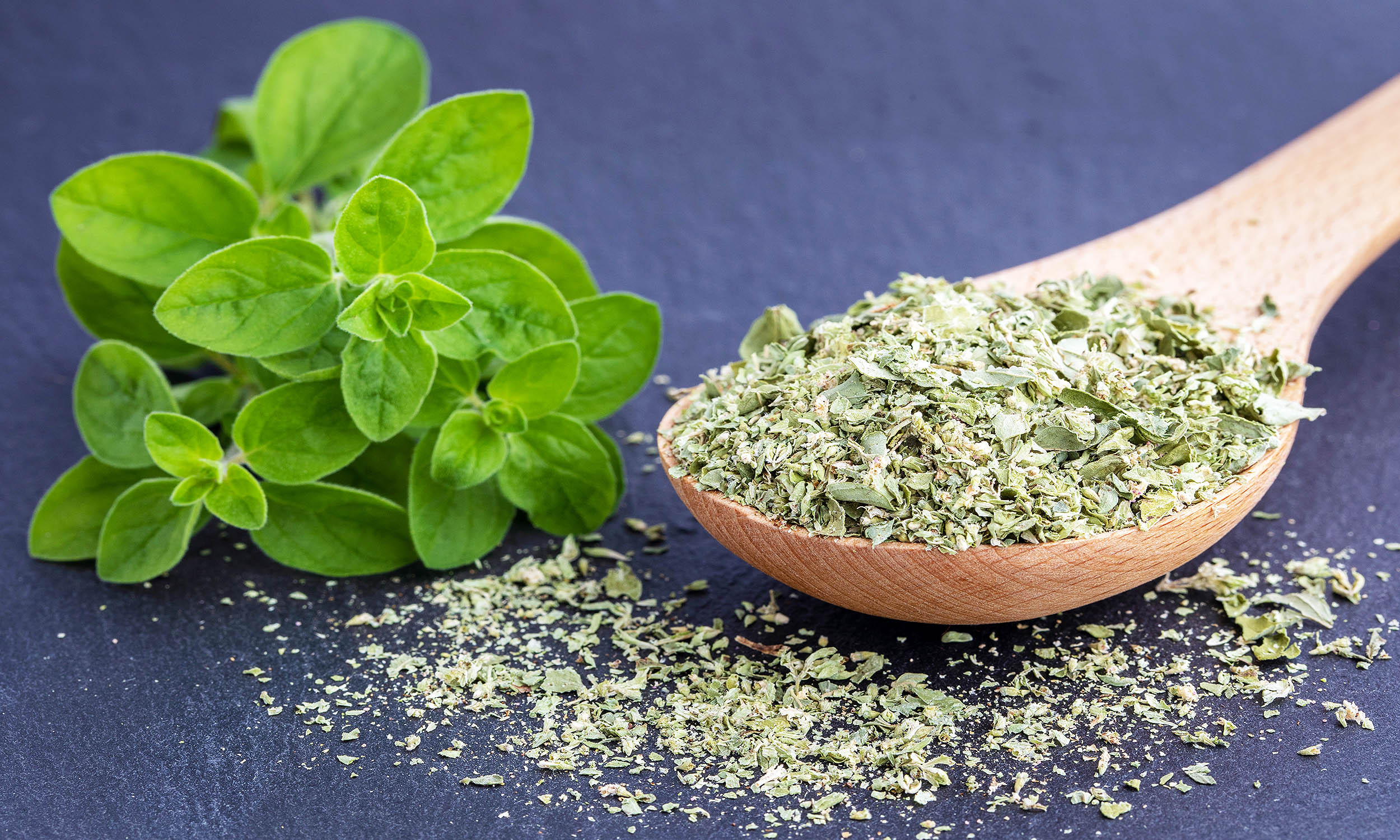
Oregano, a common kitchen herb, contains beta-caryophyllene, which has been shown to reduce joint pain and inflammation, making it a potential dietary aid for those with osteoarthritis. While not a cure-all, incorporating oregano into meals may offer subtle health benefits alongside traditional treatments. This highlights the broader potential of everyday foods in managing chronic conditions.
Collagen supplements are gaining popularity for their potential benefits in improving skin elasticity, reducing joint pain, and promoting bone and hair health. As a key protein in the body, collagen production declines with age, leading to wrinkles and joint issues. While supplements can help counteract these effects, they may contain animal products and allergens, and their regulation and effectiveness are not fully established. A balanced diet with collagen-rich foods is recommended alongside supplements for optimal health benefits.
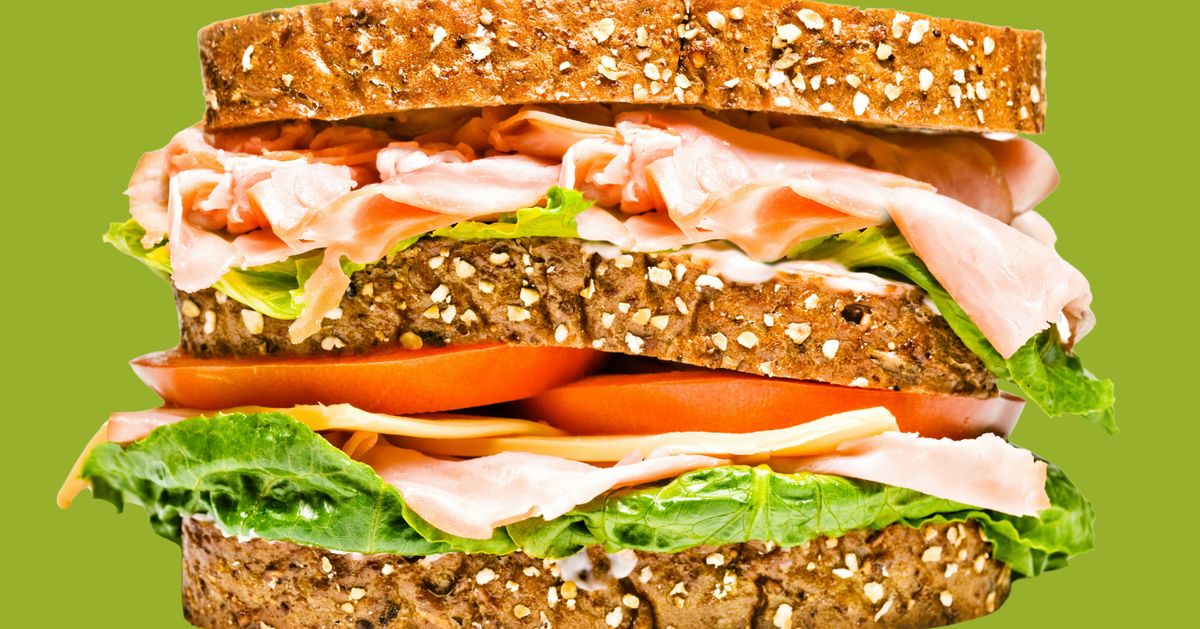
Doctors recommend minimizing ultra-processed foods, cured or processed meat, fried food, gluten, and alcohol to reduce joint pain caused by inflammation. Instead, they suggest an anti-inflammatory diet rich in leafy green vegetables, nuts, fatty fish, fruits, and whole grains, such as the Mediterranean diet, which has been shown to improve rheumatoid arthritis symptoms. This way of eating is beneficial not only for managing joint pain but also for overall health and preventing other chronic diseases.
Doctors recommend minimizing ultra-processed foods, cured or processed meat, fried food, gluten, and alcohol to reduce joint pain caused by inflammation. Instead, they suggest an anti-inflammatory diet rich in leafy green vegetables, nuts, fatty fish, fruits, and whole grains, such as the Mediterranean diet, which has been shown to improve rheumatoid arthritis symptoms. An anti-inflammatory diet is beneficial not only for managing joint pain but also for overall health and preventing other chronic diseases.
Joint pain can be caused by various types of arthritis, with symptoms including persistent pain, stiffness, tenderness, swelling, and reduced range of motion. While diet changes may not help all forms of arthritis, they can play a significant role in reducing symptoms for rheumatoid arthritis and gout arthritis. Foods to minimize include ultra-processed foods and drinks, cured or processed meat, fried food, and possibly gluten and alcohol. Instead, an anti-inflammatory diet rich in leafy green vegetables, nuts, fatty fish, fruits, and whole grains is recommended for managing joint pain and promoting overall health.
Changes in weather, particularly drops in barometric pressure, have been linked to increased symptoms in patients with migraines, joint pain, and cardiovascular disease. While the exact biological mechanisms are not fully understood, experts recommend maintaining consistent sleep and eating schedules, staying warm and dry, and exercising caution when traveling to areas with higher altitudes to mitigate the impact of weather-related health effects.