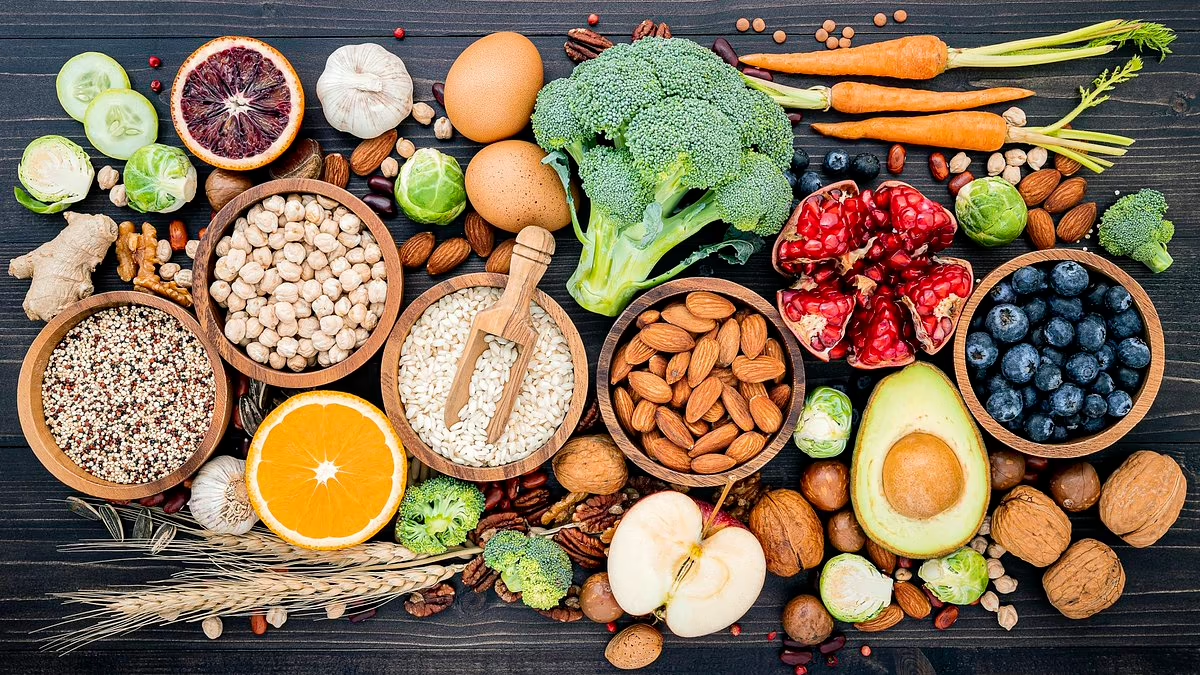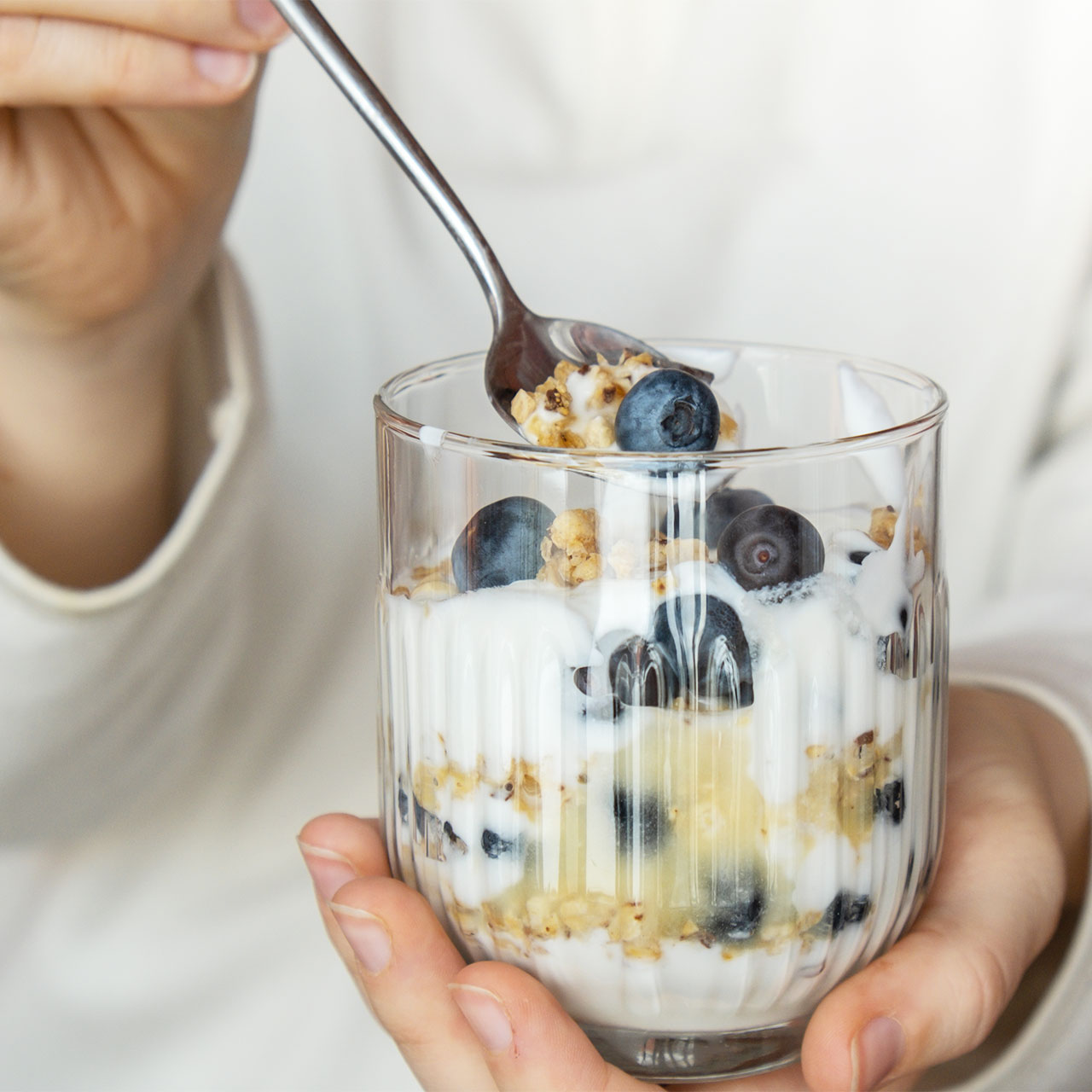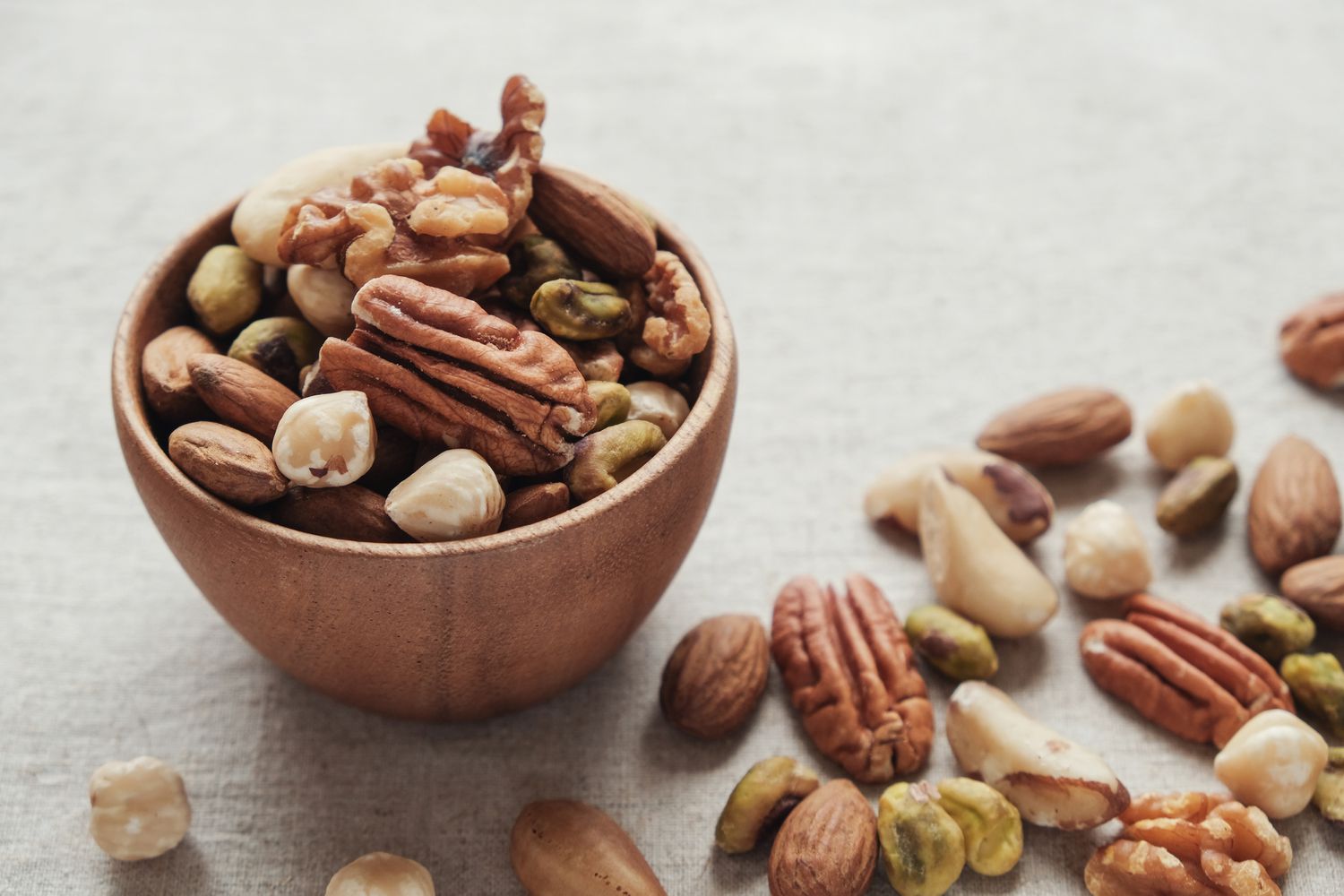
Eating a balanced diet rich in vitamins A, C, and E, healthy fats, and antioxidants can significantly improve skin health and promote a glowing complexion. Key foods include avocados, salmon, eggs, berries, nuts, and water-rich vegetables, which support collagen production, hydration, and protection against environmental stressors. Incorporating these foods into your diet alongside a good skincare routine can enhance skin appearance from the inside out.

Eating a balanced diet rich in vitamins A, C, and E, healthy fats like omega-3s, and antioxidants from fruits, vegetables, and whole grains can significantly improve skin health and promote a glowing complexion, alongside a good skincare routine.
Eating a balanced diet rich in vitamins A, C, E, healthy fats, and antioxidants—such as avocados, salmon, berries, and nuts—can significantly improve skin health, support collagen production, and protect against environmental damage, complementing skincare routines for a glowing complexion.
Amy Buckley, a gut health dietitian, emphasizes the importance of incorporating foods like extra virgin olive oil, kefir or live yogurt, and oily fish into a weekly diet to reduce inflammation and support overall health, while avoiding processed foods and saturated fats.
A study suggests that a diet high in omega-3 fatty acids, including fish, olive oil, and walnuts, while reducing omega-6 intake, can slow the growth of early-stage prostate cancer. This dietary approach, combined with fish oil supplements, was shown to decrease cancer cell growth rates in men under active surveillance, potentially delaying the need for aggressive treatments like surgery or radiation. The research highlights the potential of dietary changes in managing prostate cancer progression, although further studies are needed to confirm these findings.
A new study from the University of South Florida and Tampa General Hospital Cancer Institute links ultra-processed foods to increased inflammation in colon cancer tumors, highlighting the role of diet in cancer risk. Researchers found that chronic inflammation, exacerbated by diets high in sugars, salt, and unhealthy fats, can promote cancer growth. The study suggests shifting towards a diet rich in omega-3 fatty acids, found in foods like salmon and walnuts, to reduce inflammation and cancer risk. Avoiding ultra-processed foods such as ice cream and deli meats is recommended to support cancer prevention.
A study by the University of South Florida Health and Tampa General Hospital Cancer Institute suggests that ultra-processed foods may contribute to the growth of cancerous colon tumors by increasing inflammation through an imbalance of lipids. The research highlights the potential of using natural products rich in omega-3 fatty acids as a treatment to promote healing and reduce inflammation, rather than relying on synthetic drugs. The study underscores the importance of reducing processed food consumption to improve health outcomes.
Dietitians recommend canned sardines with whole-grain crackers as the top high-protein snack for cognitive health due to their rich omega-3 fatty acids and protein content. These nutrients, along with antioxidants and vitamins, are crucial for maintaining brain health and preventing cognitive decline. A balanced diet, including these nutrients, along with lifestyle factors like exercise and sleep, supports optimal cognitive function.
The article explores the use of dietary supplements for symptom relief in rheumatologic diseases, highlighting the popularity and mixed efficacy of various supplements like vitamin D, omega-3 fatty acids, and plant-derived antioxidants such as turmeric and ginger. While some supplements show potential benefits, the article emphasizes the need for more high-quality research and advises consulting healthcare providers to avoid drug-supplement interactions. It also notes the importance of selecting verified products due to the lack of regulation by the FDA.
Healthcare professionals recommend incorporating omega-3 fatty acids, antioxidant-rich foods, and fermented foods into your daily diet to enhance brain health, boost focus, and delay cognitive decline. These foods help reduce inflammation, combat oxidative stress, and support gut health, which in turn benefits cognitive function.
A study published in BMJ Medicine suggests that regular use of fish oil supplements may increase the risk of heart disease and stroke in individuals with no preexisting cardiovascular conditions, while potentially benefiting those with existing heart issues. Researchers found a 13% higher risk of atrial fibrillation and a 5% higher risk of stroke among heart-healthy individuals taking fish oil. Experts recommend that fish oil supplementation should be more selectively tailored to individual health profiles.
Arthritis affects about 1 in 5 U.S. adults and can be managed with supplements such as omega-3 fatty acids, curcumin, glucosamine and chondroitin, SAMe, and vitamin D, which may help reduce inflammation and alleviate joint pain. It's important to discuss taking supplements with a healthcare provider and ensure the products are third-party tested for purity and quality.
Seed oils, including canola, corn, soybean, and others, have been criticized for their potential health impacts, but nutrition experts argue that there isn't enough research to blame them entirely. While they are high in omega-6 fatty acids, the bigger issue is the imbalance with omega-3 fatty acids in the diet. High-oleic sunflower oil is recommended as a higher-quality option, and incorporating omega-3 sources like fatty fish and nuts is advised. Olive oil is considered the healthiest oil, but overall, nutrition choices should be balanced and varied for optimal health.
Neuroscientists emphasize the importance of consuming fish, particularly fatty fish like herring, mackerel, salmon, sardines, and tuna, to support brain health due to their high levels of omega-3 fatty acids, EPA, and DHA. These nutrients play a crucial role in cognitive health, and incorporating these fish into the diet can help improve brain function. Tips for purchasing fish include looking for country of origin labeling, sustainability certifications, and considering frozen or canned options for affordability and nutrition.
Nuts, particularly walnuts, are a great source of heart-healthy fats, plant protein, fiber, and micronutrients, and have been found to reduce total cholesterol, LDL cholesterol, and triglyceride levels, thus lowering the risk of heart disease. Walnuts, in particular, are rich in omega-3 fatty acids, making them especially beneficial for heart health. Other nuts like pistachios, almonds, hazelnuts, and peanuts also offer heart-healthy benefits, making nuts a valuable addition to a heart-healthy diet.