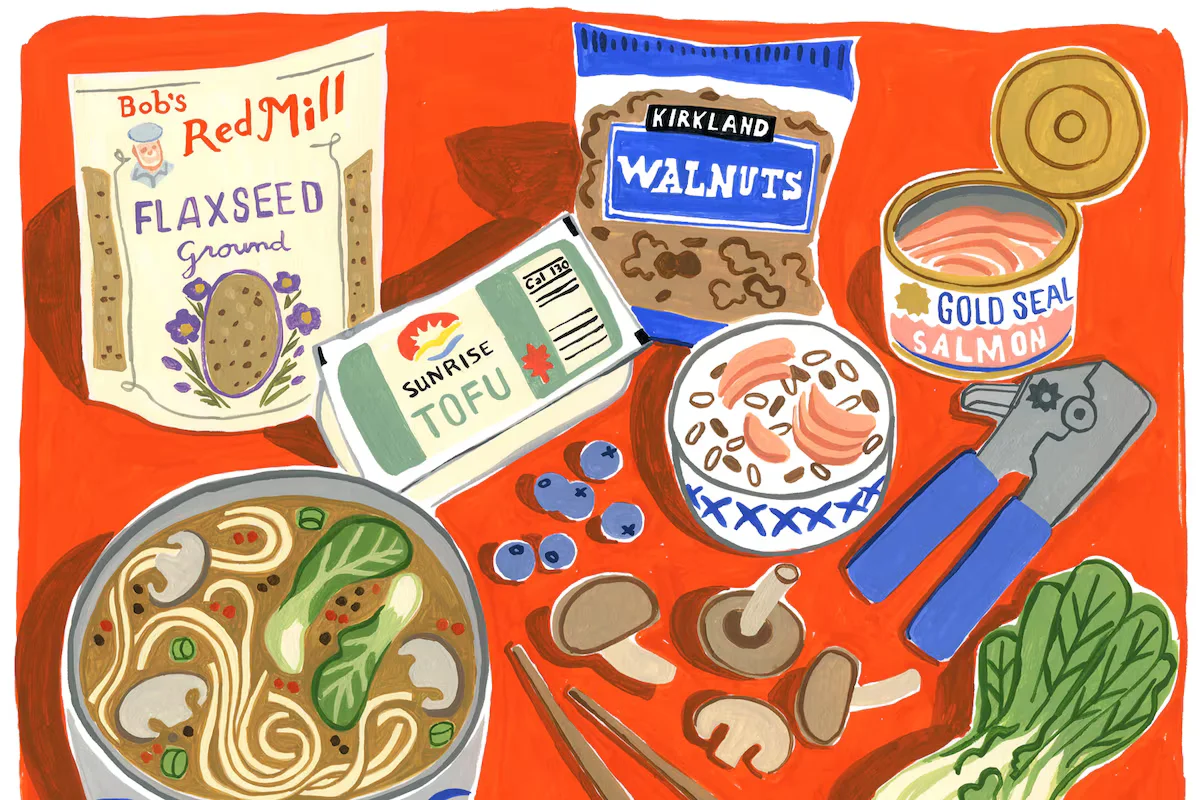
Amy Buckley, a gut health dietitian, emphasizes the importance of incorporating foods like extra virgin olive oil, kefir or live yogurt, and oily fish into a weekly diet to reduce inflammation and support overall health, while avoiding processed foods and saturated fats.
Focusing on maintaining bone and joint strength through proper diet, including adequate calcium intake and anti-inflammatory foods, along with resistance and impact exercises, is crucial for healthy aging and independence. Starting these habits early or later in life can significantly reduce the risk of fractures and joint issues, emphasizing that it's never too late to improve bone and joint health.
Focusing on maintaining bone and joint health through proper diet, strength training, and light-impact exercises is crucial for aging with independence and dignity. Key strategies include ensuring adequate calcium intake from foods like dairy and leafy greens, engaging in resistance and impact exercises, and following an anti-inflammatory diet rich in lean proteins, healthy fats, and fiber. It's never too late to start improving bone and joint health, and small, consistent changes can significantly reduce the risk of fractures and mobility issues in later years.
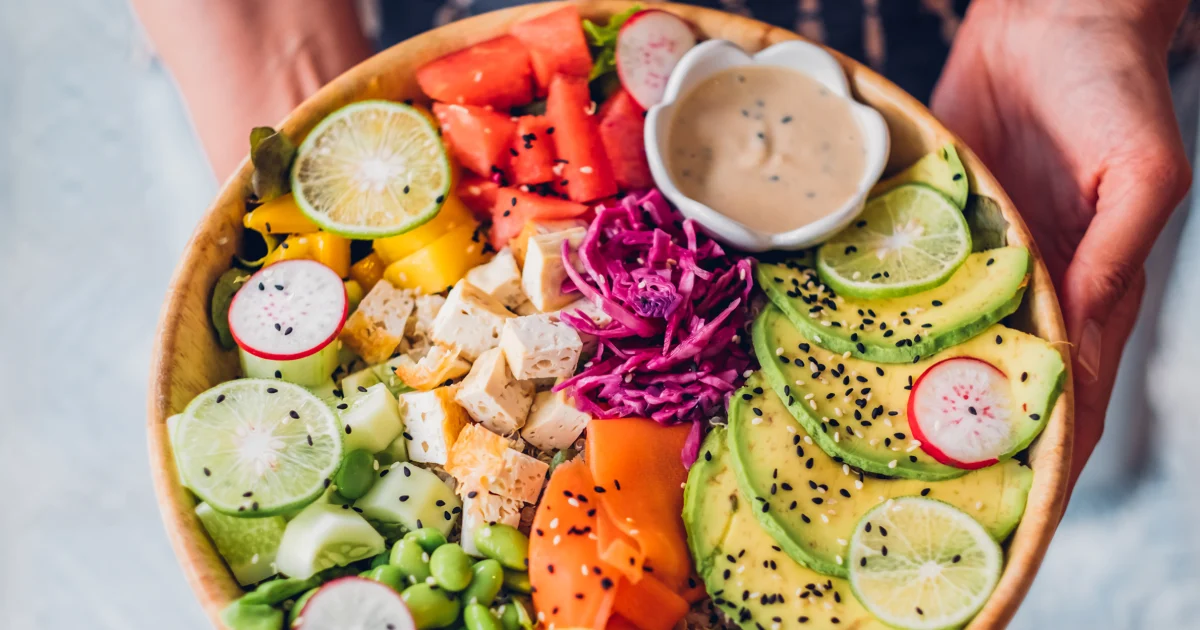
Eating a more colorful diet rich in fruits, vegetables, herbs, and spices is an effective and simple way to adopt an anti-inflammatory diet, which can help reduce chronic disease risk, improve gut health, and boost nutrient intake by incorporating a variety of phytonutrients like anthocyanins and carotenoids.
A study presented at ASCO suggests that an anti-inflammatory, plant-focused diet and regular exercise may significantly improve survival rates for advanced colon cancer patients by reducing inflammation and boosting overall health.
An anti-inflammatory diet, rich in fruits, vegetables, whole grains, and healthy fats, can help reduce chronic inflammation linked to stress and improve both physical and mental health. Foods like Greek yogurt, avocados, and turmeric can aid in managing stress hormones and promoting gut health. While diet alone isn't a quick fix, consistent anti-inflammatory eating can lead to significant health benefits over time.
A 7-day meal plan is designed to aid weight loss and reduce inflammation by incorporating anti-inflammatory ingredients like turmeric, ginger, leafy greens, nuts, and omega-3-rich foods. The plan emphasizes whole grains, lean proteins, healthy fats, and fiber-rich vegetables, structured around Indian culinary traditions. It includes balanced meals and snacks, such as oats with turmeric, grilled fish curry, and vegetable stew, to support a healthy lifestyle. Consultation with a healthcare provider is recommended before following this plan.
The article explores the experience of following an anti-inflammatory diet for a week, highlighting its focus on whole grains, vegetables, and healthy fats, akin to the Mediterranean diet. Chronic inflammation, linked to various diseases, can be influenced by diet, with processed foods, sugar, and unhealthy fats being inflammatory. The diet emphasizes fiber, probiotics, omega-3s, and antioxidants, while avoiding excessive salt, red meat, and processed foods. The author finds the diet manageable with some challenges, suggesting an 80/20 rule for balance.
A dietitian has created a 7-day no-sugar, high-protein, anti-inflammatory meal plan designed to help manage and improve blood sugar levels, particularly for those with type 2 diabetes or prediabetes. The plan includes balanced meals with moderate carbohydrates, high protein, and plenty of fiber, aiming for 1,500 calories per day with modifications for 1,200 and 2,000 calories. The meal plan emphasizes whole grains, fiber-rich carbs, and anti-inflammatory foods like fruits, vegetables, nuts, seeds, and healthy fats.
A dietitian has created a 7-day meal plan designed to reduce inflammation and increase fiber intake, which can help improve heart health, promote satiety, and manage blood sugar levels. The plan includes anti-inflammatory ingredients like berries, leafy greens, and healthy fats, while avoiding added sugars. Each day provides around 34 grams of fiber and is set at 1,500 calories, with modifications for 1,200 and 2,000 calories. The plan encourages home-cooked meals and reducing processed foods.
A 7-day no-sugar anti-inflammatory meal plan designed by a dietitian aims to improve cholesterol levels and reduce inflammation, targeting high cholesterol, which affects 10% of US adults. The plan includes heart-healthy, anti-inflammatory meals and snacks rich in ingredients like fish, nuts, olive oil, and antioxidant-rich produce. Research suggests that an anti-inflammatory diet may help lower cholesterol and reduce the risk of heart disease. The plan is set at 1,500 calories per day, with modifications for 1,200 and 2,000 calories, and includes meal-prep tips and daily menus.
Insulin resistance can lead to various health issues, but a proactive approach involving an anti-inflammatory diet and lifestyle changes can help reduce the risk. This 7-day meal plan, designed by a dietitian, focuses on inflammation-boosting nutrients, fiber, and protein to promote stable blood sugar levels. The plan excludes added sugars and is set at 1,500 calories per day, with modifications for different calorie needs. Emphasizing nutrient-dense foods, the plan includes recipes and meal-prep tips, along with anti-inflammatory foods to focus on. Making healthy choices and managing inflammation through diet and lifestyle can help reduce the risk of insulin resistance and related health conditions.
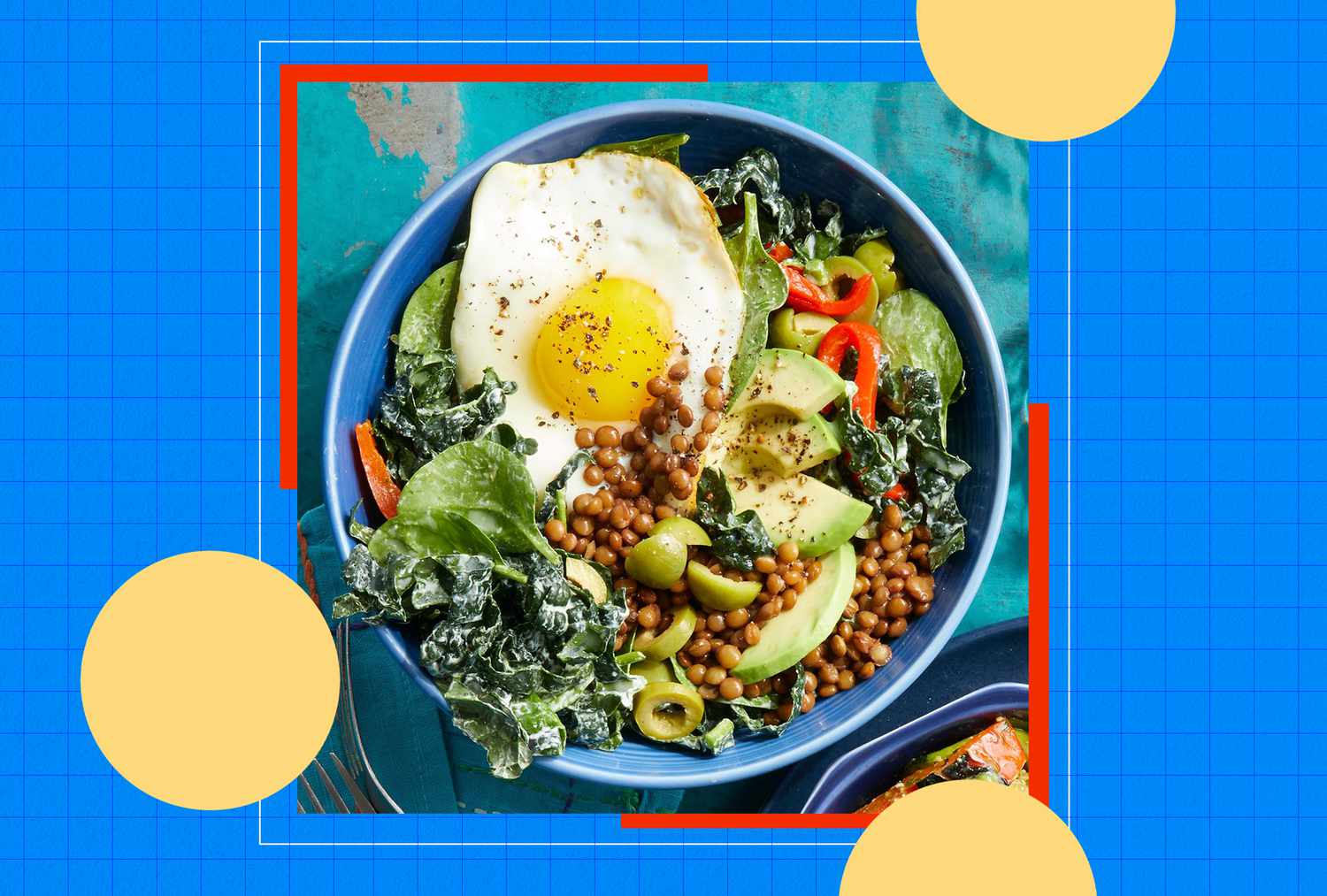
Dietitian Nancy Mazarin emphasizes the importance of an anti-inflammatory diet in combating chronic medical conditions linked to inflammation. She recommends incorporating beans, fatty fish, lentils, and nuts into one's diet due to their anti-inflammatory properties and high protein content. These foods, which are part of eating patterns like the Mediterranean, DASH, or MIND diets, can help reduce the risk of diseases such as heart disease, diabetes, and obesity while promoting a healthy gut and overall well-being.
The foods we eat can contribute to chronic inflammation, which can lead to or worsen conditions like diabetes, heart disease, and arthritis. Foods that cause inflammation include red and processed meats, refined carbohydrates, sugar-sweetened foods and beverages, processed foods, and fried foods. On the other hand, foods that don't cause inflammation include onions, garlic, dark leafy greens, fruits, nuts, dark chocolate, and those rich in omega-3 fatty acids. People with a family history or existing conditions like type 2 diabetes, heart disease, obesity, and arthritis should consider adopting an anti-inflammatory diet, such as the Mediterranean diet.
Researchers at the University of Southern California (USC) are conducting a first-of-its-kind clinical trial to investigate the potential of an anti-inflammatory diet in treating long Covid symptoms. Long Covid, which affects millions of Americans, is characterized by persistent symptoms such as shortness of breath, brain fog, fatigue, and depression. The trial will enroll 50 long Covid patients and assess the impact of a 30-day anti-inflammatory diet plan on their inflammatory markers and symptoms. If successful, the trial may lead to effective treatments for long Covid and improve patients' quality of life. Foods such as fatty fish, berries, spices like turmeric, and aromatics like ginger and garlic are known for their anti-inflammatory properties and may play a role in reducing inflammation and alleviating symptoms.