Scientists highlight Brazil's unique genetic diversity and long-lived individuals as key to understanding extreme human longevity, emphasizing the importance of studying admixed populations and resilience traits to uncover biological mechanisms that promote healthy aging.
A large-scale study finds that preventing reproduction in mammals, through methods like sterilization or contraception, is associated with increased lifespan, highlighting the biological costs of reproduction and its impact on aging across species, including potential insights for humans.
Scientists discovered that sensory signals like touch can influence lifespan by regulating a key longevity gene, fmo-2, in worms, revealing potential pathways to extend life without extreme lifestyle changes.
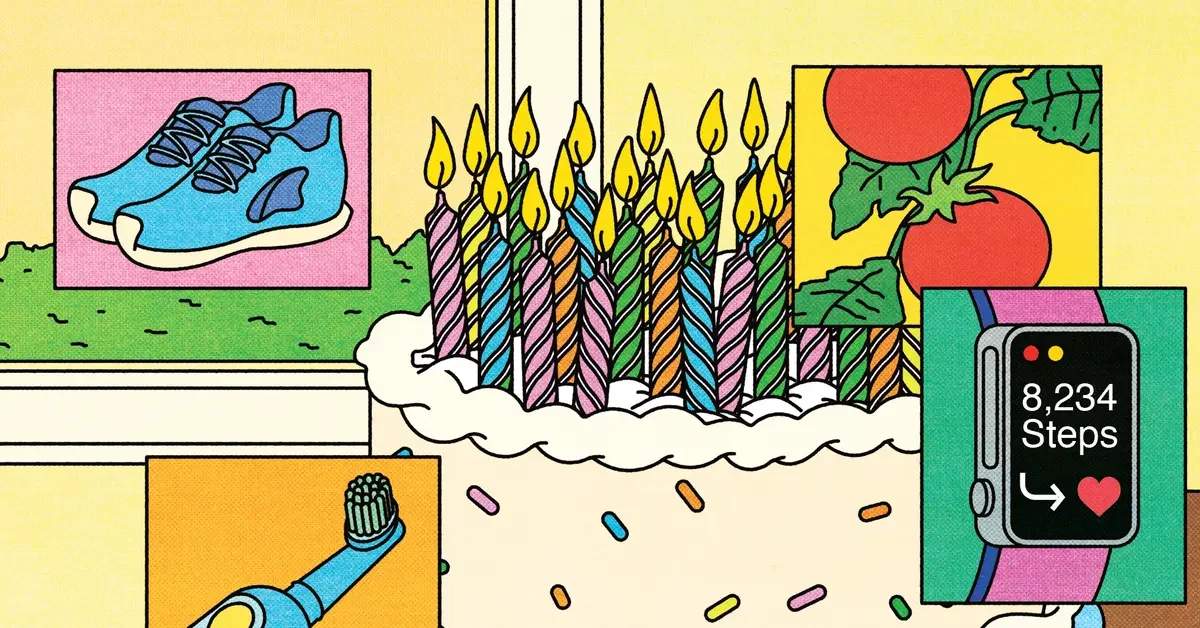
Anahad O’Connor and Gretchen Reynolds are offering a seven-day course through a newsletter that provides exclusive advice on how to live a long and healthy life, based on scientific research.
The Greenland shark, the longest-living vertebrate with an estimated lifespan of up to 400 years, retains a functional rod-based visual system adapted for deep-sea, low-light environments, supported by genomic, histological, and spectrophotometric evidence, despite parasitism and extreme longevity.
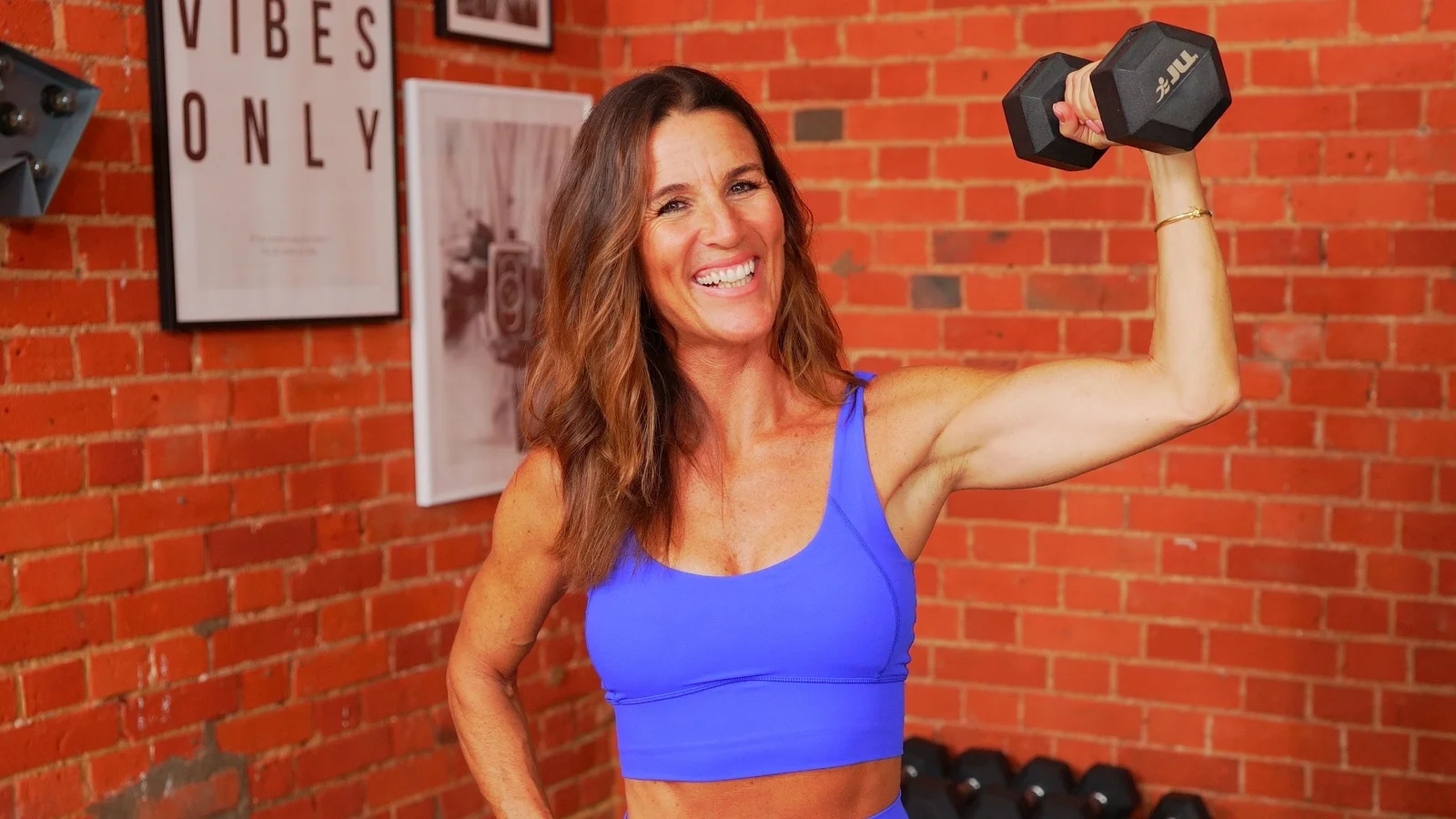
Grip strength is a powerful indicator of overall health, aging, and longevity, reflecting the functioning of multiple body systems and predicting risks of chronic disease, disability, and death. It can be improved through regular resistance exercises, proper nutrition, and daily activities that challenge hand and arm muscles, making it a simple yet comprehensive health marker.
The article emphasizes that small, consistent lifestyle changes such as regular exercise, social engagement, and cognitive activities can significantly improve health and extend lifespan, with expert insights and research supporting the benefits of these habits at any age.
Research shows that walking around 8,000 steps daily for adults under 60 and 6,000-8,000 for those over 60 optimizes health benefits, significantly reducing risks of mortality, cardiovascular issues, and chronic diseases, with benefits starting at as low as 2,500 steps.
Withings unveils the Body Scan 2, a smart scale designed as a 'longevity station' that tracks over 60 health biomarkers noninvasively, including metabolic health and cardiovascular metrics, aiming to provide users with a comprehensive view of their healthspan. The device features advanced electrodes, bioimpedance spectroscopy, and foot sweat analysis, and offers a simplified health score to encourage regular use, with plans for FDA clearance and a release expected in Q2 2026.
Withings has introduced the Body Scan 2, a $600 smart scale that measures over 60 health biomarkers in 90 seconds to assess aging and chronic disease risks, aiming to provide a comprehensive at-home health monitoring tool that can detect early warning signs and guide lifestyle changes for improved long-term health.
The article discusses the science behind living a longer, healthier life, highlighting studies of super-agers like María Branyas Morera and Emma Mazzenga. It emphasizes that genetics and lifestyle factors such as regular exercise, a balanced diet including yogurt, social connections, vitamin D, walking, moderate coffee intake, and avoiding unnecessary supplements and alcohol are key to extending healthspan. The article also debunks myths about supplements and red wine, advocating for consistent physical activity and social engagement as the most effective strategies for aging well.
Health coach Alejandra Ruff shares five science-backed strategies to support long-term brain health and reduce Alzheimer's risk, including prioritizing omega-3s, ensuring quality sleep, avoiding blood sugar spikes, staying active every 2-3 hours, and eating anti-inflammatory foods.
The JoyScore Experiment at a rave aims to quantify happiness and social connection through biometric signals like brain activity, blood biomarkers, and self-reports, exploring whether dance and music can be scientifically measured to promote longevity and well-being.
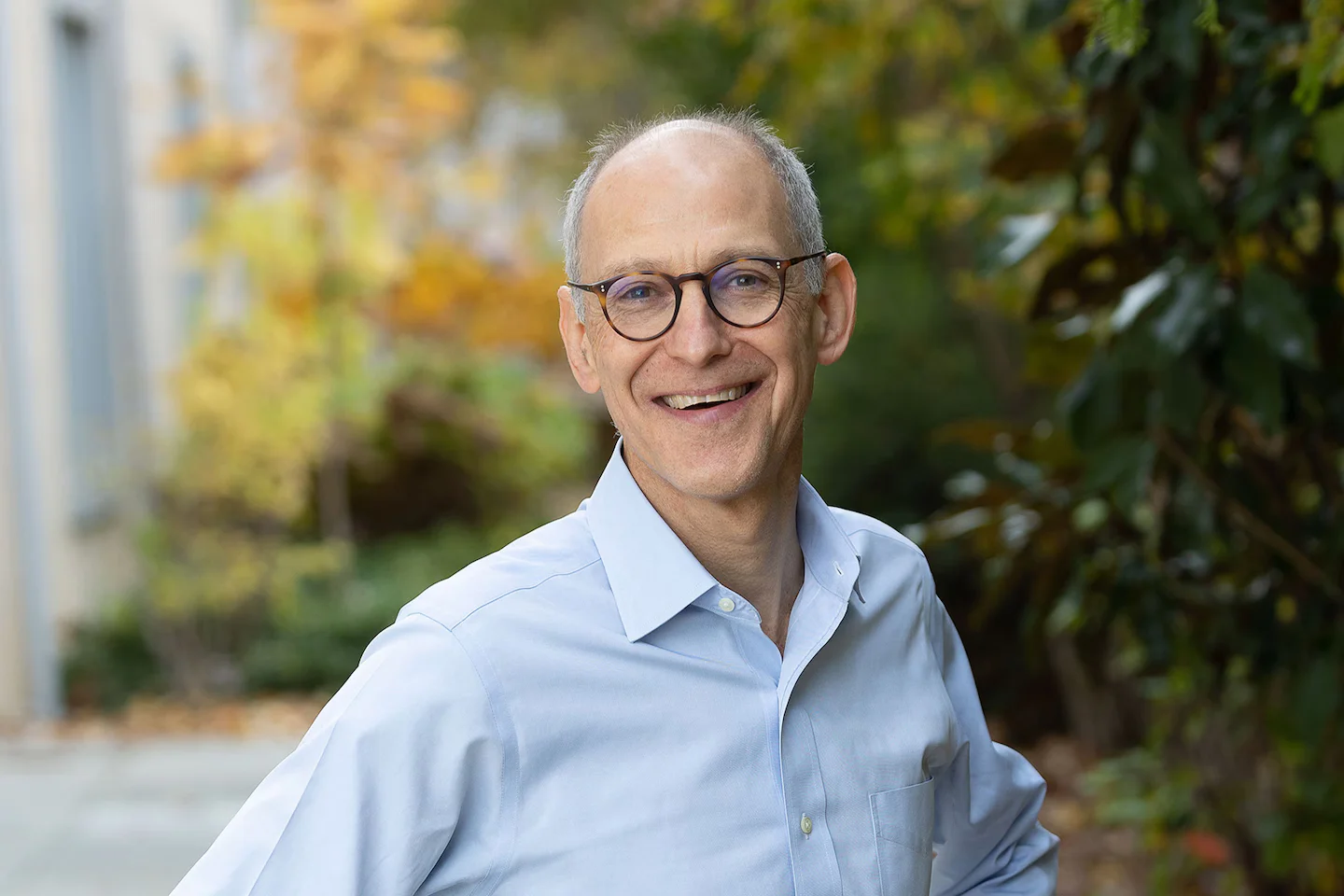
Ezekiel Emanuel's book 'Eat Your Ice Cream' warns against the overwhelming and often misleading health and longevity advice online, emphasizing the importance of focusing on quality of life rather than chasing unproven miracle cures or extreme longevity strategies.