Gold Hidden in Unexpected Places Beyond Mines
Gold is more widespread than commonly thought, found in the human body, oceans, space, and even plants, revealing its surprising presence in various natural and extraterrestrial environments.
All articles tagged with #plants

Gold is more widespread than commonly thought, found in the human body, oceans, space, and even plants, revealing its surprising presence in various natural and extraterrestrial environments.
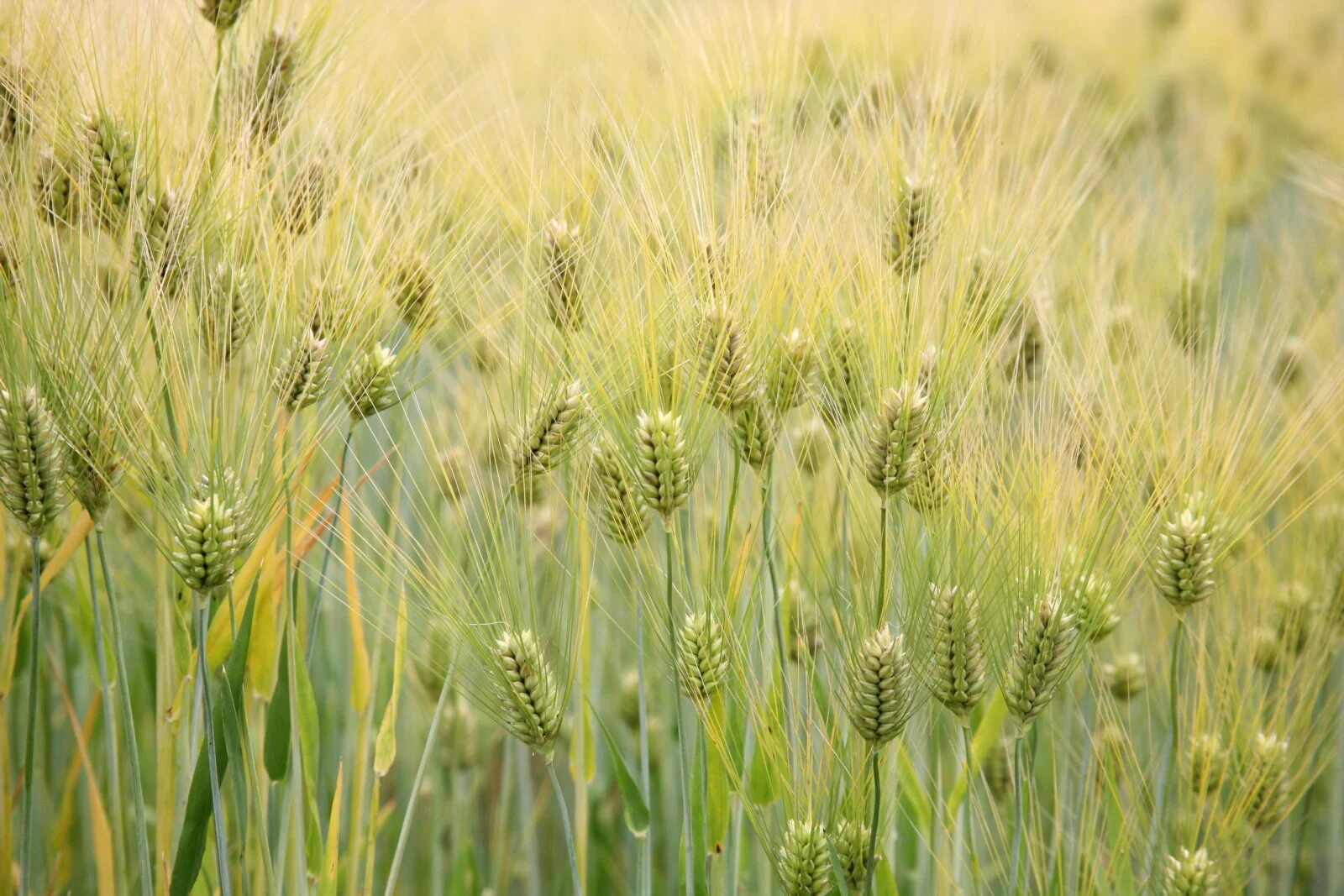
Researchers have identified a genetic switch in plants that can be modified to enable crops like barley to fix nitrogen from the air through symbiosis with bacteria, potentially reducing the need for artificial fertilizers and making agriculture more sustainable.
Research shows Neanderthals primarily ate meat and bone marrow but also consumed plants like pistachios, lentils, and grasses, and relied on fat sources such as marrow and brains, indicating a varied diet rather than meat-only consumption.

Scientists have discovered a widespread 'hidden order' in drylands worldwide, where plants self-organize into a disordered hyperuniform pattern that optimizes resource use and enhances survival in extreme conditions, with implications for ecosystem resilience and early warning signs of environmental stress.

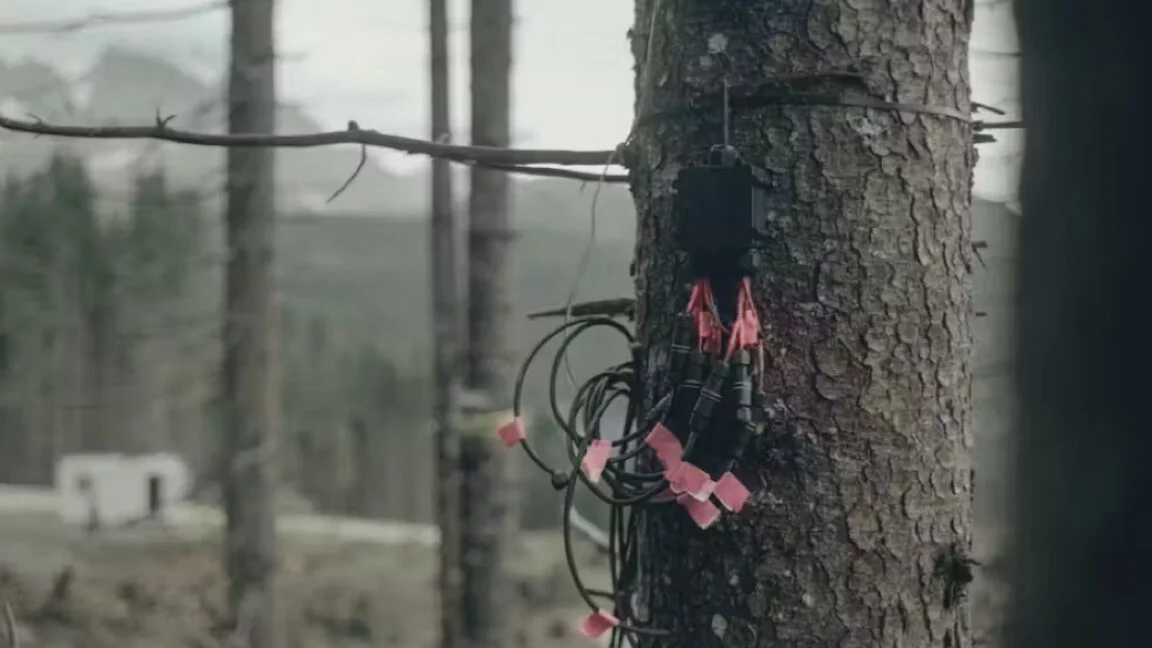
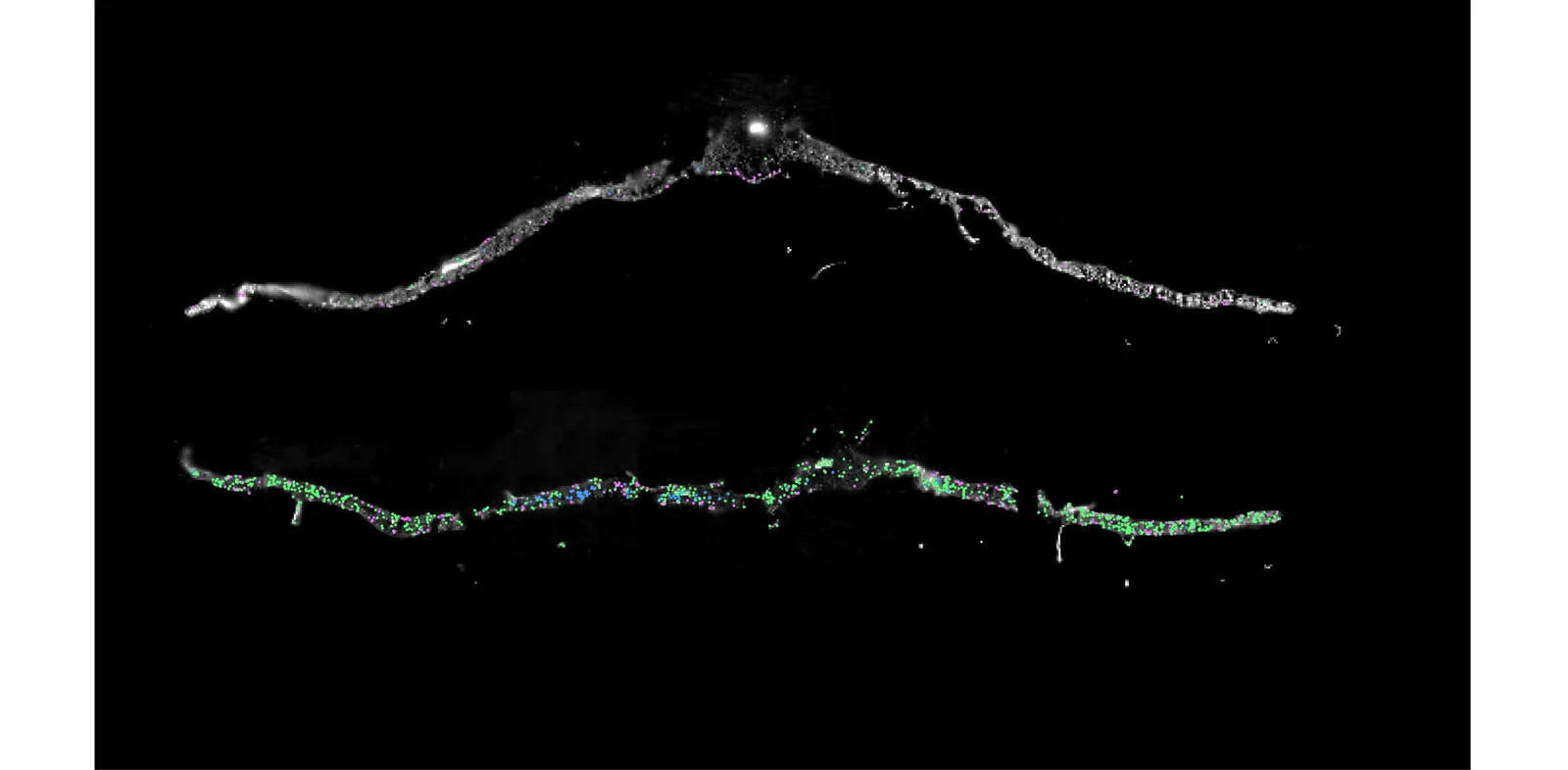
Scientists have discovered that microbes inside Norway spruce needles may help transform soluble gold into solid nanoparticles, suggesting a microbial role in gold accumulation in trees and potential new methods for mineral exploration and water metal removal.

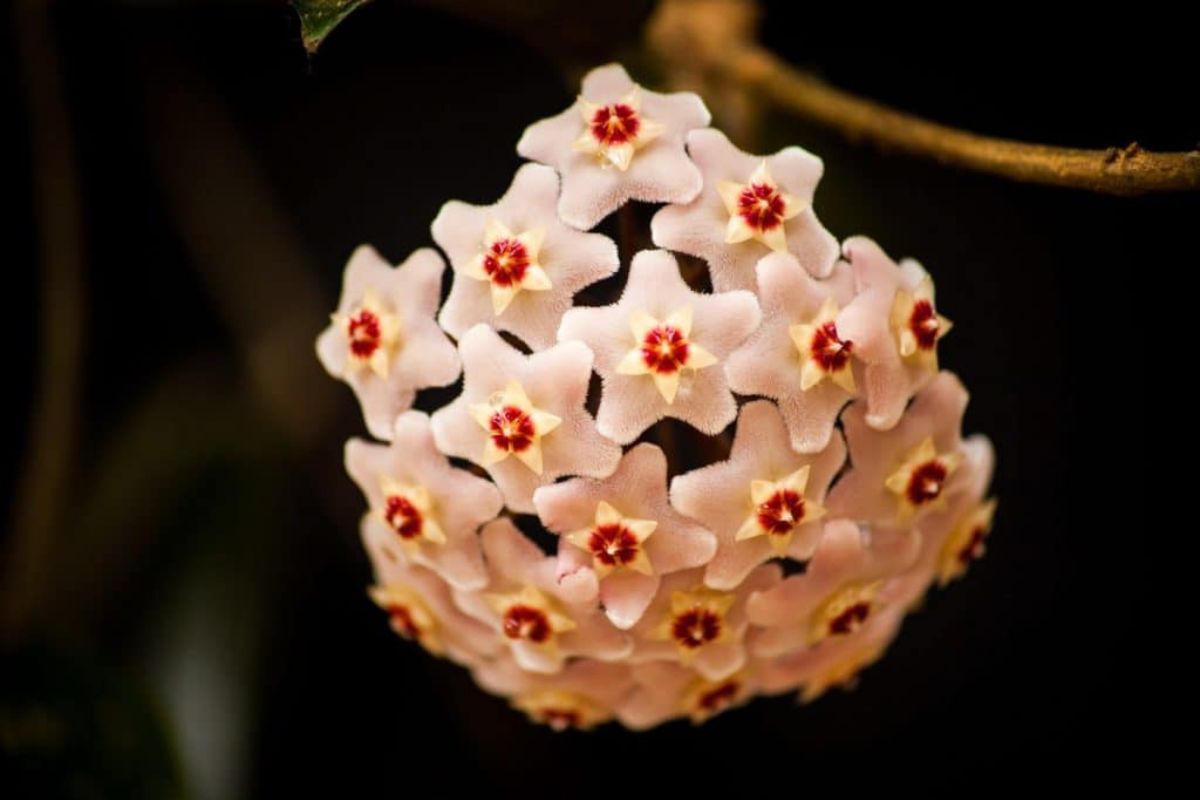
The porcelain flower, or hoya, is a popular indoor plant in 2025 known for its delicate, fragrant, and beautiful star-shaped flowers, easy care, and air-purifying qualities, making it an ideal exotic addition to home interiors.

Pocket Scion is an affordable, portable synthesizer that uses biofeedback from plants or skin to generate sound and MIDI data, allowing users to create music and control external devices without expensive setups, and includes advanced features like MIDI out and a sound design app.

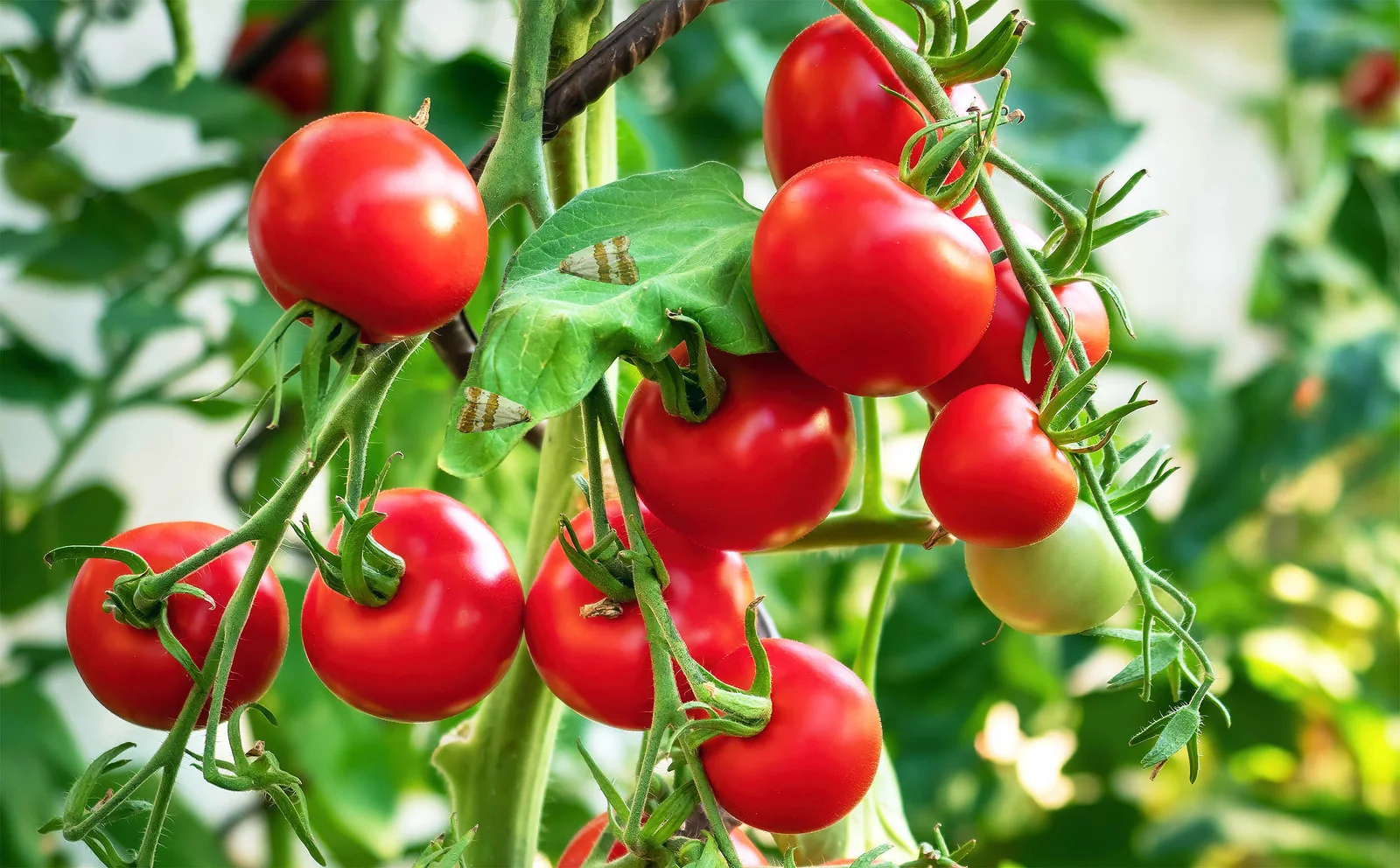
Research shows that during drought recovery, Arabidopsis plants prioritize activating immune responses over growth, a process called Drought Recovery-Induced Immunity (DRII), which is also observed in tomatoes, suggesting a conserved mechanism that could inform crop resilience strategies.

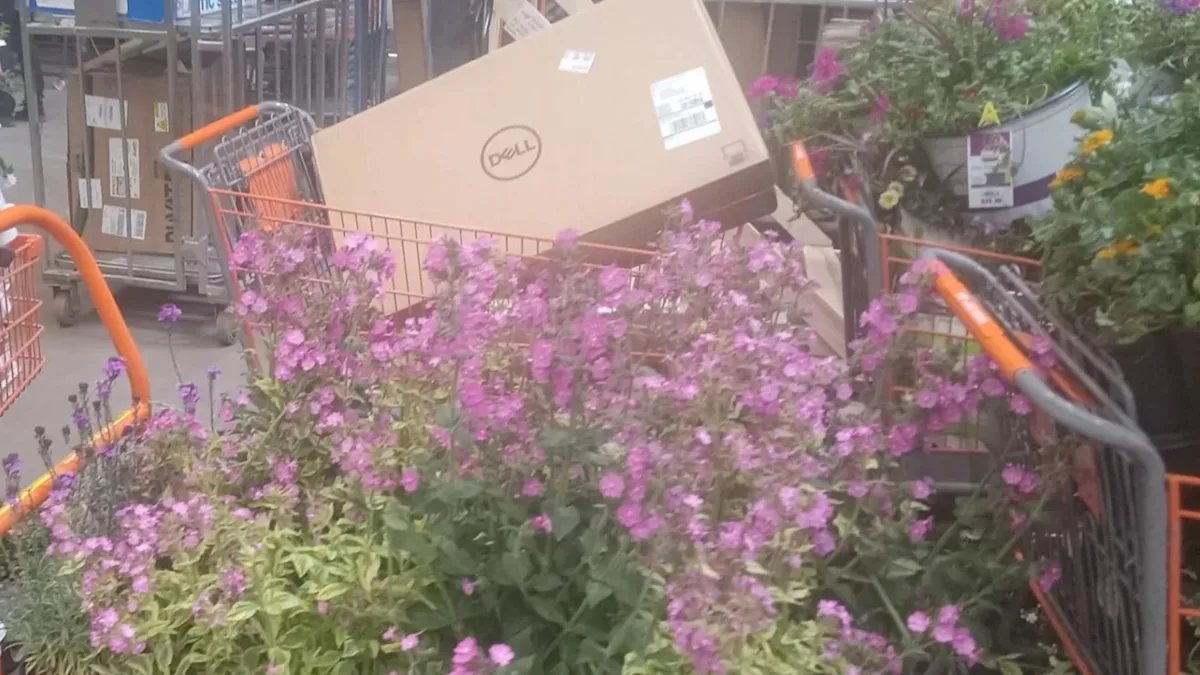
A Home Depot employee shared photos of numerous plants being discarded, highlighting concerns about waste and environmental impact, with the company citing vendor decisions as the cause. The incident raises broader issues about resource overuse, plastic pollution, and sustainable practices in retail and gardening.
The article discusses seven plants—marigolds, lavender, geraniums, painted daisies, milkweed, garlic, and peppermint—that can help prevent or control grub infestations in gardens by repelling or attracting pests, promoting soil health, and maintaining ecological balance.

New research reveals that about 20% of plants have a second, deeper set of roots extending over a meter underground, which could significantly impact our understanding of plant nutrient access and underground carbon storage, with potential implications for climate change mitigation.

Research from Michigan State University reveals that while isoprene helps plants like soybeans defend against pests and stress, its release may worsen air pollution, raising questions about balancing agricultural benefits with environmental health.

Planting specific plants like daffodils, alliums, garlic, marigolds, and mint can naturally deter moles from damaging flowerbeds by emitting strong scents or chemicals that irritate or confuse these underground critters, providing an effective and eco-friendly pest control method.

Gardeners are advised to stop planting hydrangeas due to their vulnerability to drought and heat caused by climate change, and to consider drought-resistant alternatives like lavender and Russian sage to maintain vibrant gardens with less water.

Researchers discovered that galls formed on plants by parasitic insects can protect insect larvae from the heat and flames of wildfires, acting as natural flameproof nurseries, as observed during a fire in Brazil's Cerrado region.