Tag

Neuroprotection

All articles tagged with #neuroprotection

Microdosing Cannabis Shows Promise in Slowing Alzheimer's Progress

Originally Published 24 days ago — by ScienceAlert

Featured image for Microdosing Cannabis Shows Promise in Slowing Alzheimer's Progress
Source: ScienceAlert

A small Brazilian study found that microdoses of cannabis extract may help stabilize cognitive decline in patients with mild Alzheimer's disease, showing potential for a new therapeutic approach without psychoactive effects. Further research with larger samples is needed to confirm these findings.

Switch Reprograms Brain Defenses to Combat Alzheimer's

Originally Published 1 month ago — by ScienceAlert

Featured image for Switch Reprograms Brain Defenses to Combat Alzheimer's
Source: ScienceAlert

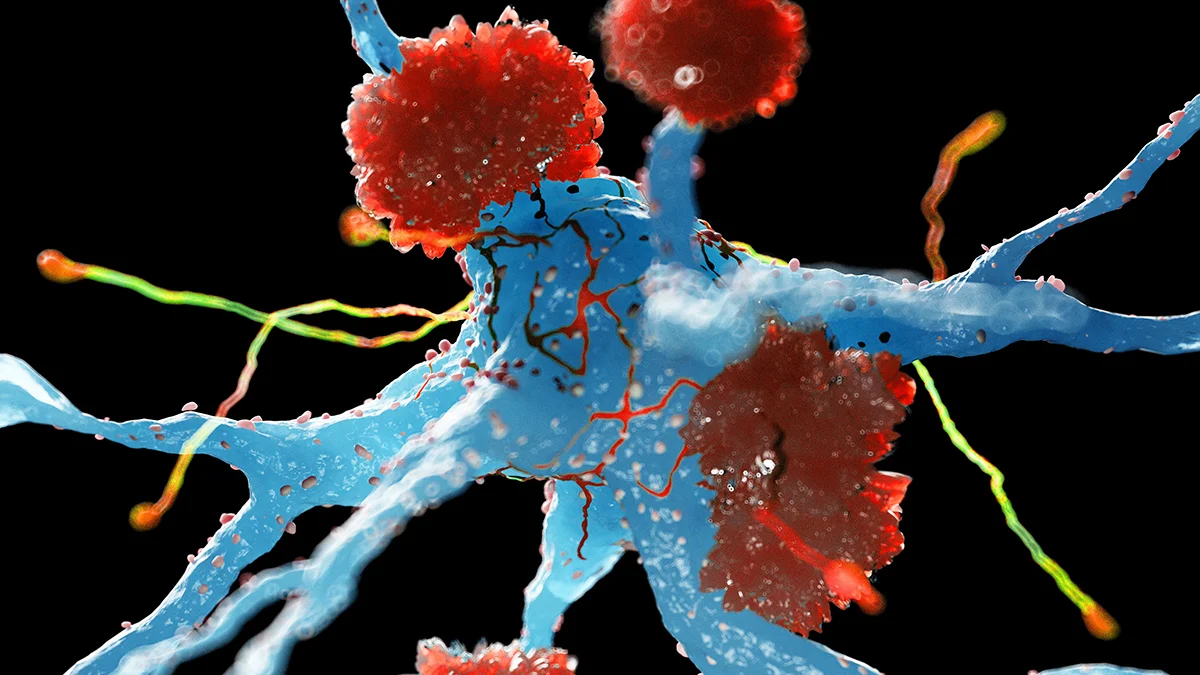
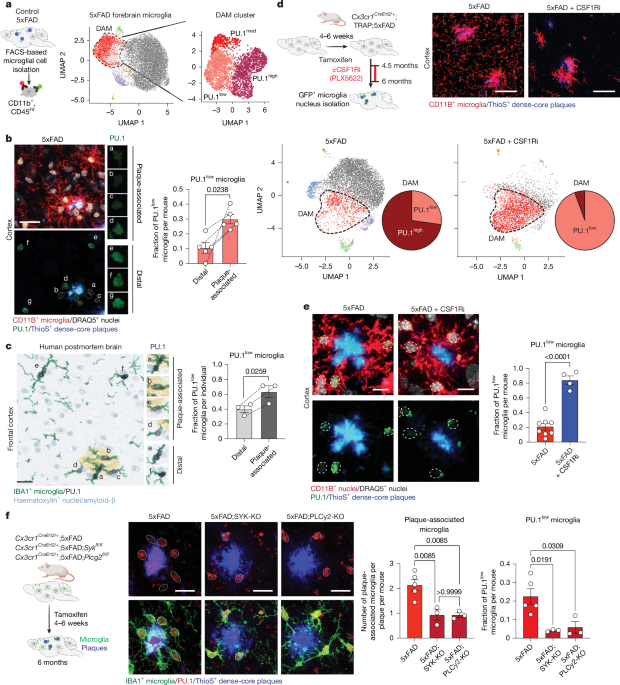
A new study suggests that specific immune cells in the brain called microglia can switch to a protective state that may prevent or slow Alzheimer's disease progression, opening potential avenues for immunotherapy. The research highlights the importance of microglia's plasticity and their role in combating harmful protein buildup associated with Alzheimer's, with implications for future treatments targeting immune cell states.

Microglia and Immune Cells as Protective Agents in Alzheimer's Disease

Originally Published 2 months ago — by Nature

Featured image for Microglia and Immune Cells as Protective Agents in Alzheimer's Disease
Source: Nature

The study investigates how lymphoid gene expression supports neuroprotective functions of microglia in the human brain, particularly in the context of Alzheimer's disease, using post-mortem samples, induced pluripotent stem cells, and mouse models to explore microglial roles and gene regulation.

New Insights into Brain Blood Flow and Protein Complexes in Alzheimer's Treatment

Originally Published 4 months ago — by Neuroscience News

Featured image for New Insights into Brain Blood Flow and Protein Complexes in Alzheimer's Treatment
Source: Neuroscience News

Scientists discovered that disrupting the toxic NMDAR/TRPM4 protein complex with the molecule FP802 in mice can slow Alzheimer's progression, preserve cognitive functions, and reduce amyloid buildup, offering a promising new therapeutic approach for neurodegenerative diseases.

Neurologist Recommends Vitamin B Complex for Brain Health

Originally Published 4 months ago — by Times of India

Featured image for Neurologist Recommends Vitamin B Complex for Brain Health
Source: Times of India

Emerging research highlights the importance of the full vitamin B complex, including B1, B2, B3, B5, B7, and B9, in supporting brain energy, neurotransmitter synthesis, and potentially slowing cognitive decline. Incorporating B-rich foods like whole grains, leafy greens, nuts, and eggs into your diet can help maintain brain health without supplements, but always consult a healthcare professional before making dietary changes.

Lithium Deficiency Linked to Alzheimer’s and Its Potential as a Treatment

Originally Published 5 months ago — by Medical News Today

Featured image for Lithium Deficiency Linked to Alzheimer’s and Its Potential as a Treatment
Source: Medical News Today

A new study suggests that low levels of lithium in the brain are linked to Alzheimer's disease, with findings indicating that lithium naturally occurs in the brain and plays a crucial role in its function. Reduced lithium levels may serve as an early warning sign and a potential target for treatment, as supplementing lithium in animal models reversed brain damage and improved memory, highlighting a promising new approach for Alzheimer's prevention and therapy.

Cannabis Use in Older Adults Linked to Improved Brain Health and Cognition

Originally Published 5 months ago — by Marijuana Moment

Featured image for Cannabis Use in Older Adults Linked to Improved Brain Health and Cognition
Source: Marijuana Moment

A large-scale U.S. government-funded study suggests that marijuana use may be linked to enhanced cognitive abilities and brain health in older adults, potentially slowing neural aging processes and preserving cognitive function, though more research is needed to understand the mechanisms involved.

GLP-1s and Semaglutide May Reduce Dementia and Stroke Risks in Diabetes Patients

Originally Published 5 months ago — by Medical News Today

Featured image for GLP-1s and Semaglutide May Reduce Dementia and Stroke Risks in Diabetes Patients
Source: Medical News Today

A recent study suggests that GLP-1 agonists may offer better protection against dementia in people with type 2 diabetes compared to metformin, with findings indicating a significantly lower risk of developing dementia and Alzheimer’s disease among GLP-1 users. The research highlights the potential neuroprotective benefits of GLP-1 medications, which could influence future treatment strategies for diabetes and cognitive decline.

Creatine's Potential Benefits for Brain Health and Safety

Originally Published 5 months ago — by News-Medical

Featured image for Creatine's Potential Benefits for Brain Health and Safety
Source: News-Medical

Recent research suggests that creatine may enhance brain resilience and cognitive function by supporting energy pathways and promoting the release of myokines through the muscle-brain axis, potentially offering neuroprotective benefits beyond its traditional role in muscle building.

Miracle Molecule Prevents Stroke Damage and Shows Promise for Alzheimer’s

Originally Published 5 months ago — by SciTechDaily

Featured image for Miracle Molecule Prevents Stroke Damage and Shows Promise for Alzheimer’s
Source: SciTechDaily

A new drug called GAI-17 developed in Japan can protect mouse brains from stroke damage even when administered up to six hours after the event, by inhibiting a protein involved in neuron death, with potential applications for other neurological diseases like Alzheimer's, and showing no significant side effects.

Creatine's Potential Beyond Fitness: Slowing Brain Aging and Combating Alzheimer's

Originally Published 6 months ago — by PsyPost

Featured image for Creatine's Potential Beyond Fitness: Slowing Brain Aging and Combating Alzheimer's
Source: PsyPost

A mouse study suggests that creatine supplementation may help slow brain aging and improve memory by increasing the activity of the brain enzyme CK-BB, which supports energy metabolism, and could potentially be a nutritional strategy to preserve cognitive function in aging.