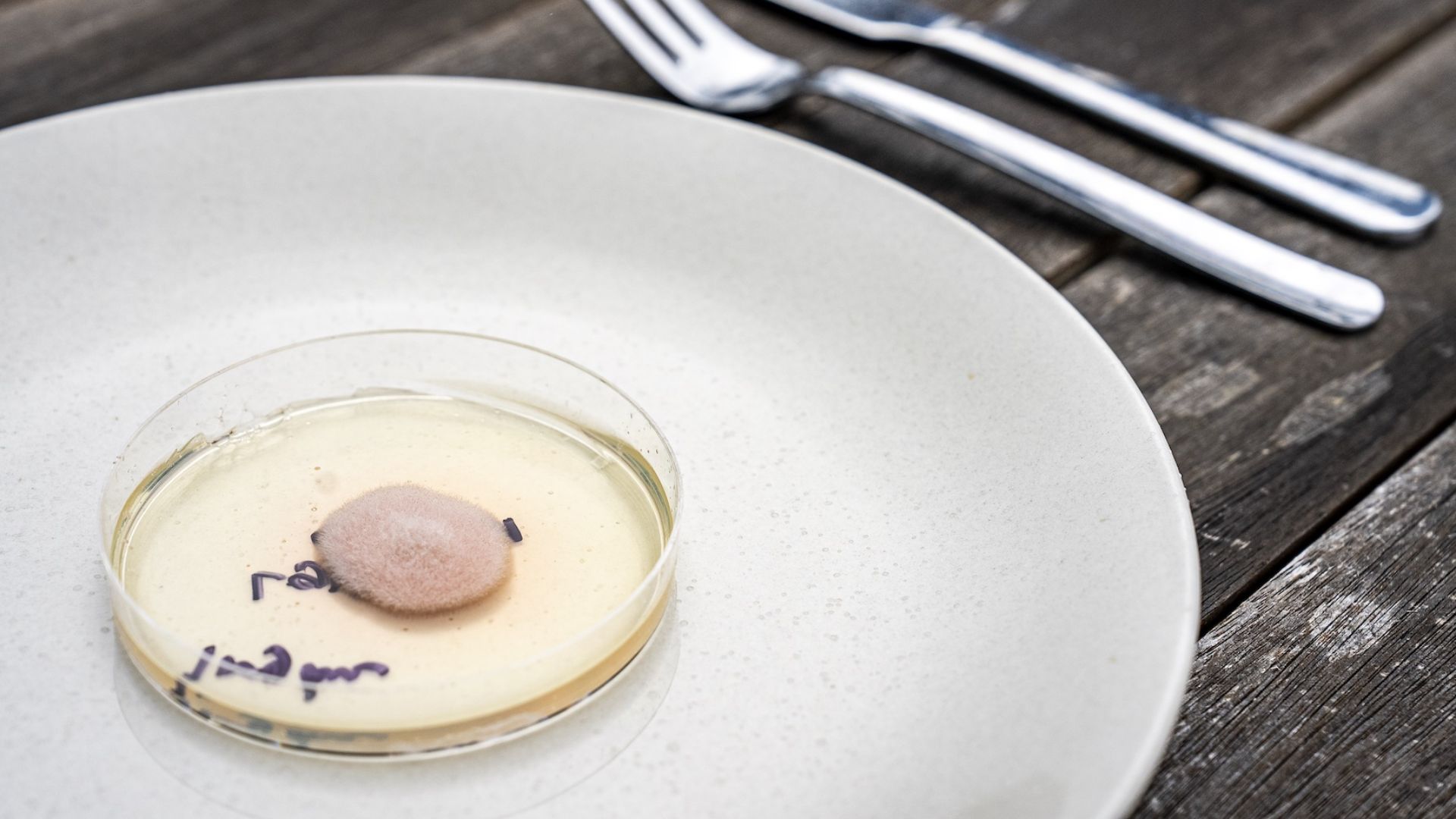
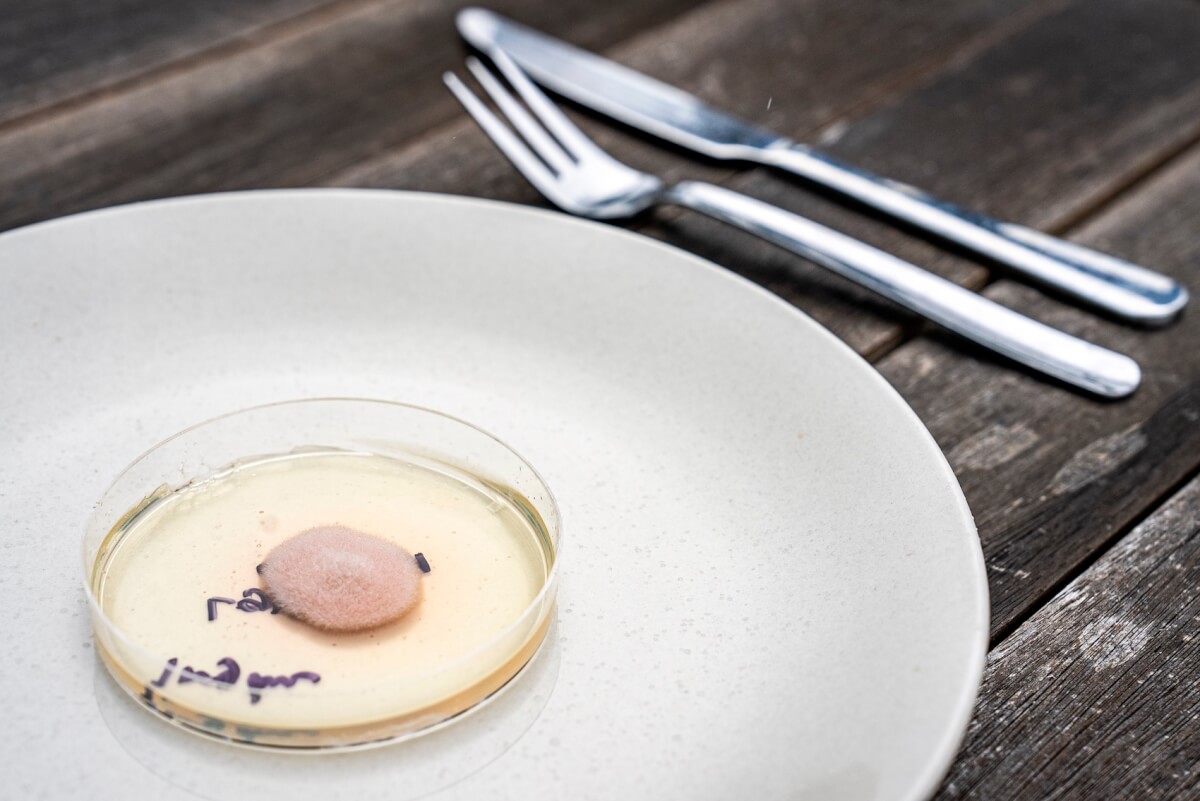
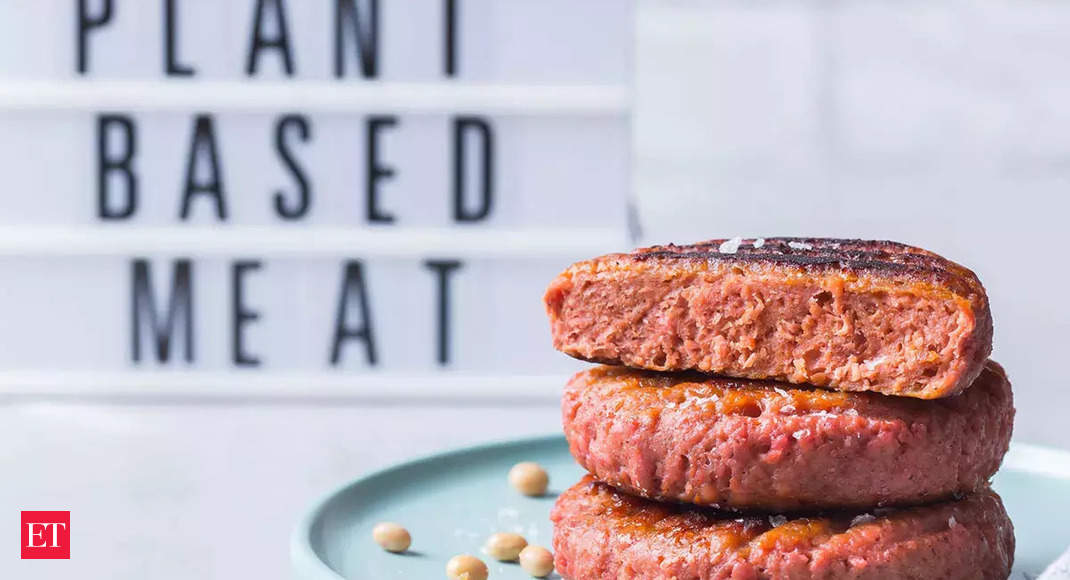
Scientists have developed a new sustainable protein source by growing edible fungi on carrot processing leftovers, which was preferred in taste tests over traditional plant-based proteins in vegan burgers and sausages, offering a promising solution for food security and environmental sustainability.
Finnish company Solar Foods is developing Solein, a microbial protein made from microbes, air, and electricity, as a sustainable food source for long-duration space missions, with plans to test its production in space aboard the ISS to improve astronaut autonomy and resilience.
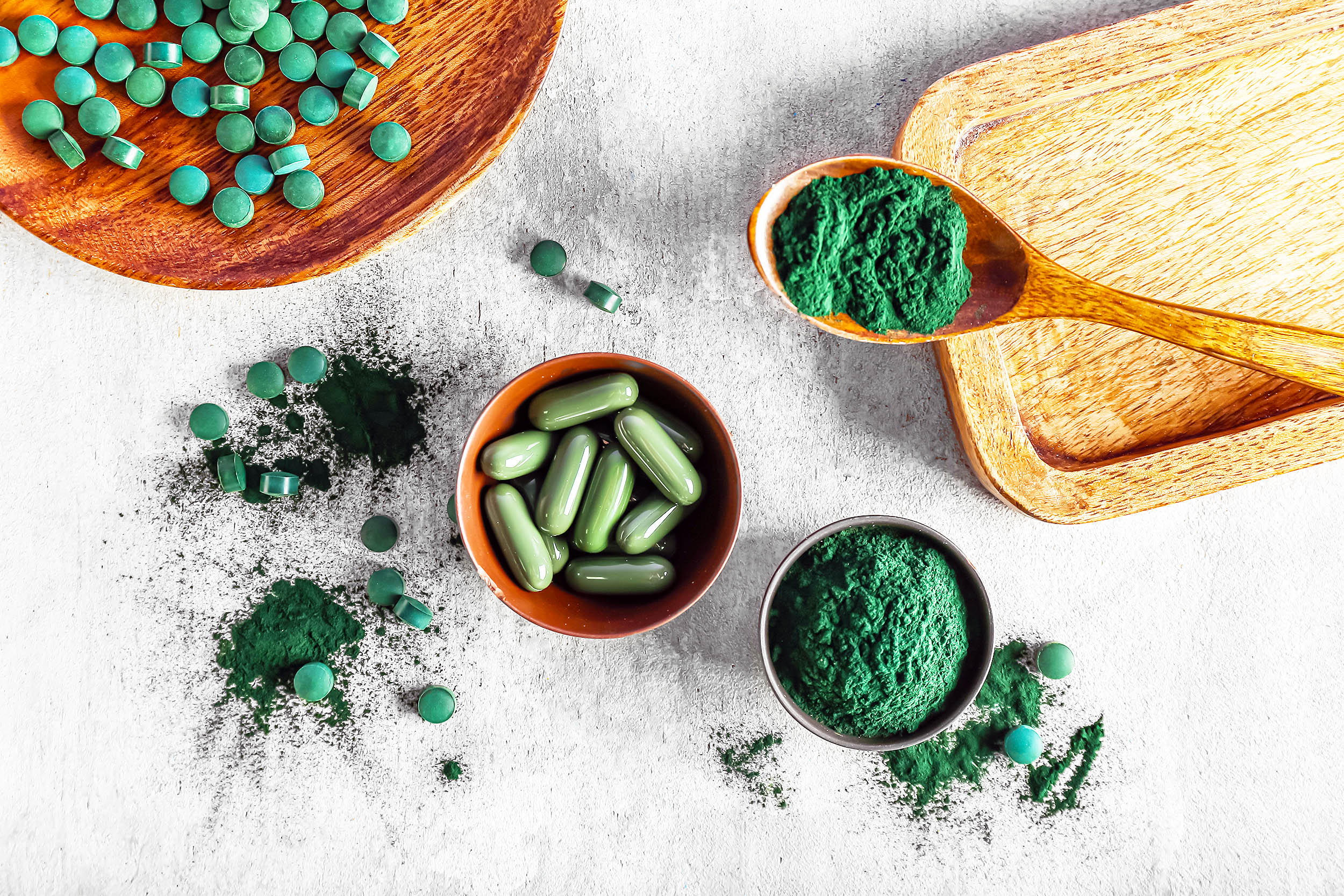
Researchers have developed a bioengineered form of Spirulina microalgae that naturally produces active vitamin B12, offering a sustainable, plant-based alternative to animal products for addressing B12 deficiency, with potential benefits for global nutrition and environmental impact.
Scientists at Lawrence Berkeley National Laboratory have genetically modified fungi to produce compounds that mimic the taste and texture of meat, offering a new approach to sustainable and cruelty-free food options.
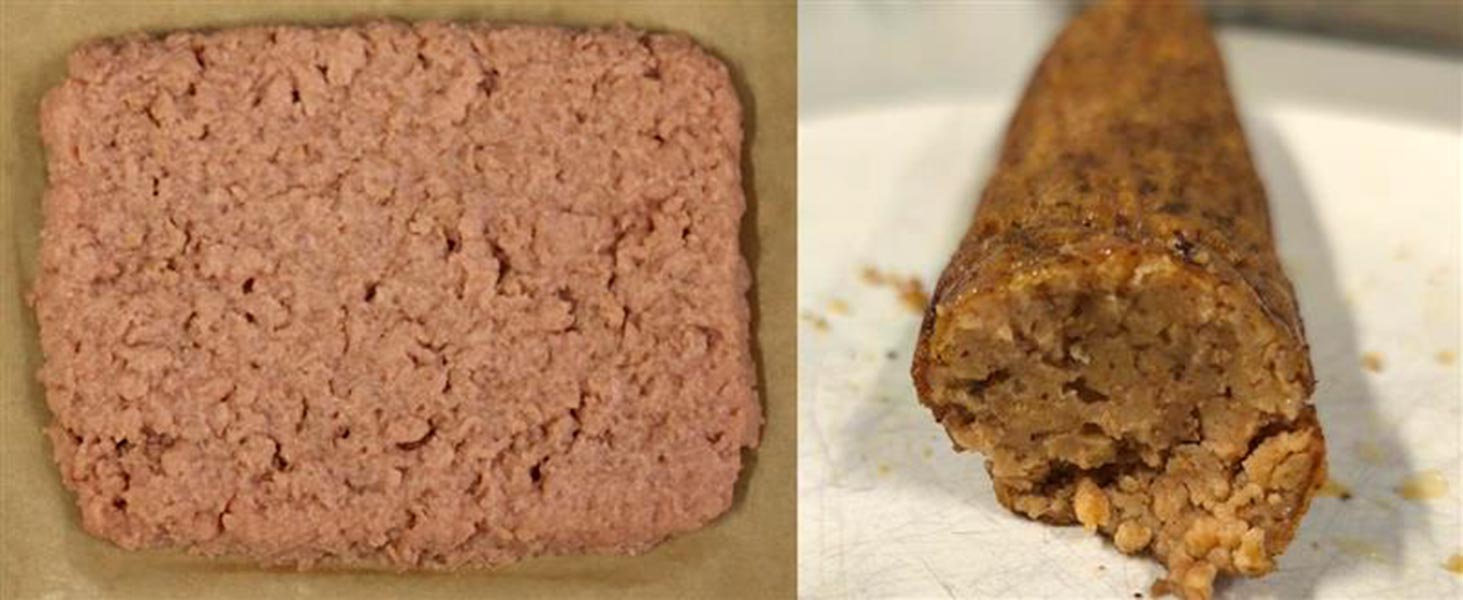
Scientists at Lawrence Berkeley National Laboratory and the University of California-Berkeley have used gene editing to create a sustainable and flavorful meat alternative made from fungi, specifically the koji mold. By altering the mold's genes, they increased its iron content, resulting in a burger patty with a meat-like texture and color. This research not only offers a new environmentally friendly and cruelty-free food source but also represents a significant advancement in synthetic biology, unlocking the potential of fungi for producing foods, biofuels, and medicines.
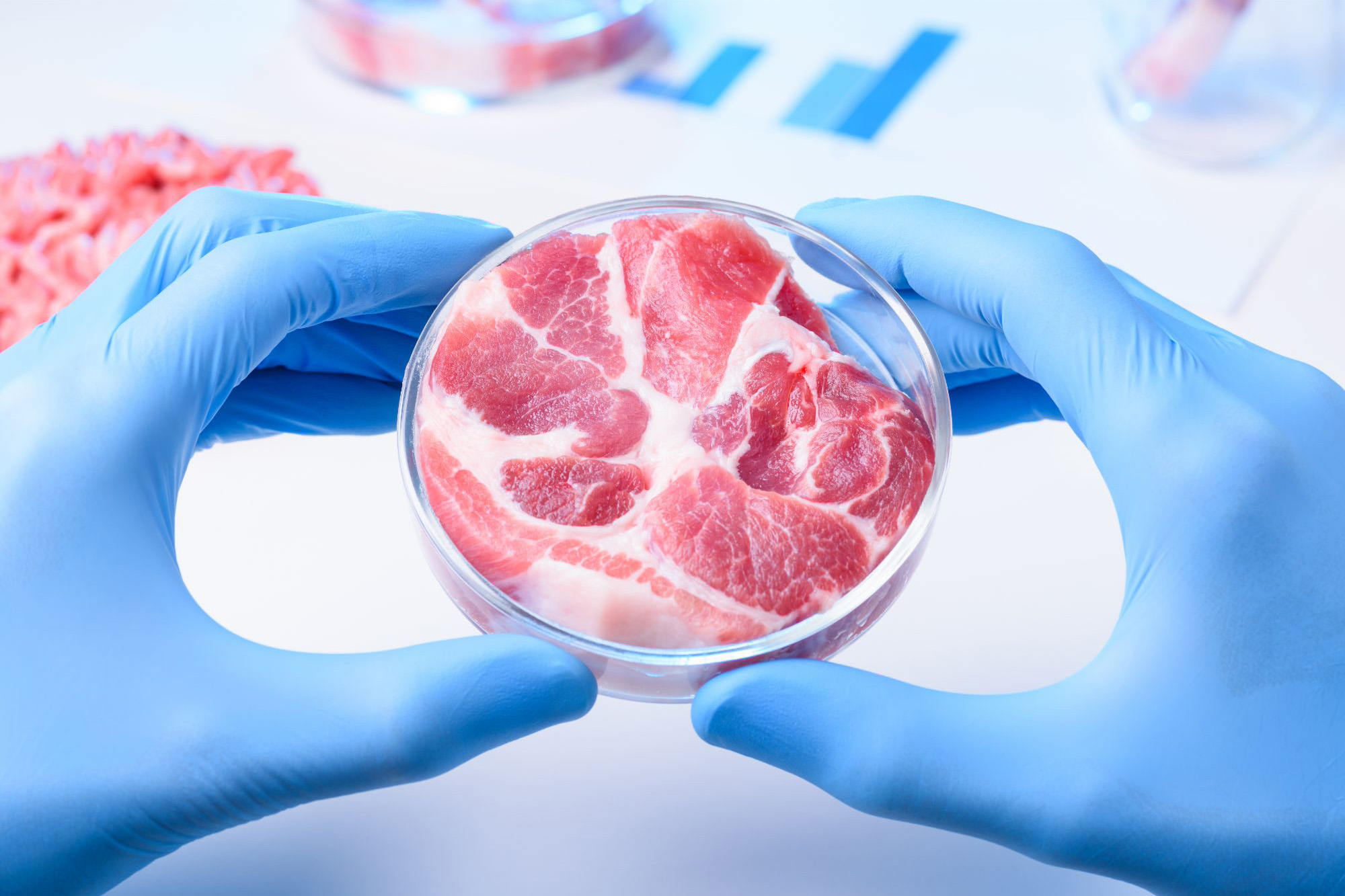
A breakthrough in cellular agriculture at Tufts University has led to bovine muscle cells that produce their own growth factors, potentially reducing cultivated meat production costs by up to 90%. This advancement could make sustainable meat alternatives more affordable and available in supermarkets. The research aims to optimize the process for commercial use and regulatory approval, with potential applications for other types of meat. The strategy involves engineering cells to produce their own growth factors, eliminating the need for expensive components in the production process and paving the way for affordable cultivated meat in the near future.
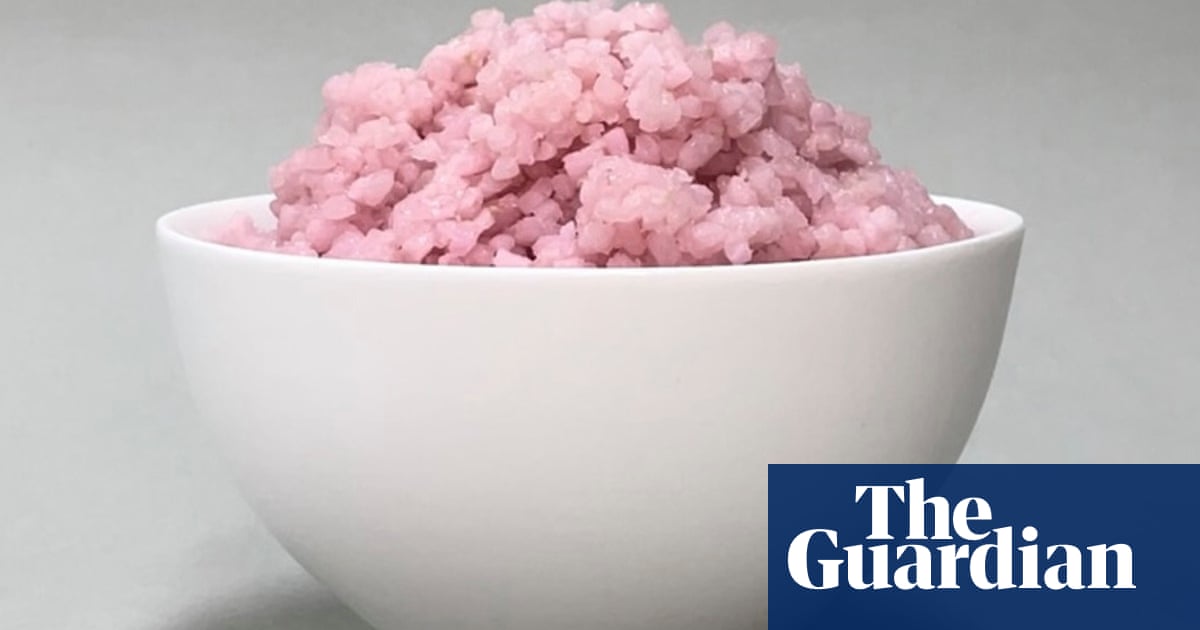
Researchers have developed rice grains with beef and cow fat cells grown inside them, creating a potential sustainable and affordable protein source. The hybrid rice, made by covering traditional rice grains in fish gelatin and seeding them with muscle and fat stem cells, could offer a nutritious and flavourful alternative to traditional beef with a smaller carbon footprint. While some experts are skeptical about its impact, others see promise in providing animal nutrients with significantly lower greenhouse gas emissions and at a fraction of the cost.
Scientists in Korea have developed a new "Frankenfood" by growing meat cells inside rice grains to create an all-in-one ready meal, claiming it to be affordable, tasty, and environmentally friendly. The process involves coating rice with fish gelatin, seeding cow muscle and fat stem cells into the rice, and culturing them for nine to 11 days. The resulting product is described as mushy pink rice with a firm bite and a creamy, beefy taste, with potential applications in food relief, military rations, and space food. The hybrid rice releases significantly less CO2 compared to beef and could cost much less, offering a promising solution to the environmental impact of traditional meat production.
Two climate activists threw soup at the glass protecting the "Mona Lisa" at the Louvre Museum in Paris, advocating for a sustainable food system and better conditions for farmers. The activists, associated with the "FOOD RIPOSTE" group, called for a state-sponsored health care system equivalent for healthy food access and farmer income. The incident led to the arrest of two individuals and prompted Louvre employees to evacuate the room. This action comes amid ongoing protests by French farmers seeking better remuneration and protection against cheap imports.
Two climate activists threw soup at the glass protecting the Mona Lisa at the Louvre Museum in Paris, advocating for a sustainable food system amid protests by French farmers over low wages and other issues. The activists called for a state-sponsored health care system for healthy food access and better farmer income. French farmers have been using tractors to block roads and slow traffic, demanding better remuneration, less red tape, and protection against cheap imports, while the government announced measures that some farmers feel do not fully address their demands. The Prime Minister acknowledged the farmers' difficulties and promised additional measures to address their concerns.
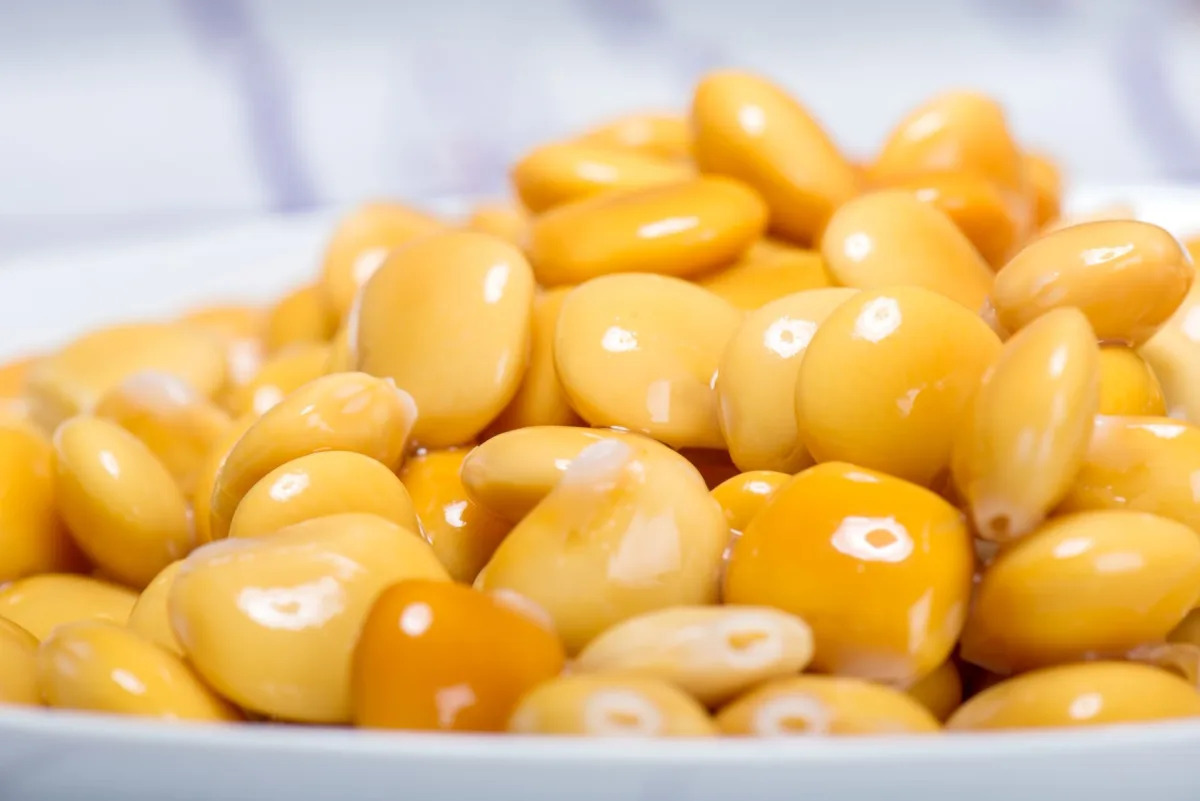
Lupini beans, a nutrient-rich legume popular in the Mediterranean, are gaining worldwide popularity for their savory flavor and health benefits. These beans are a good source of protein, fiber, and essential nutrients, and are considered a sustainable food due to their ability to replenish soil nutrients and their low environmental impact. They can help improve digestion, control blood sugar levels, and reduce the risk of heart disease and some forms of cancer. Lupini beans can be added to salads, eaten as a snack, or used in products like snack bars and pasta, making them a versatile and nutritious addition to a plant-based diet.
Scientists at Texas A&M University are investigating the potential of using black soldier fly larvae and their waste, known as frass, to help astronauts grow food and manage waste on Mars. The larvae could consume organic waste and process it into frass, which can be used as fertilizer to grow plants in Martian soil. The researchers found that a 10% mixture of frass with simulated Martian soil produced optimal plant growth. This research aligns with NASA's goal of developing bioregenerative life support systems for long-duration space missions.
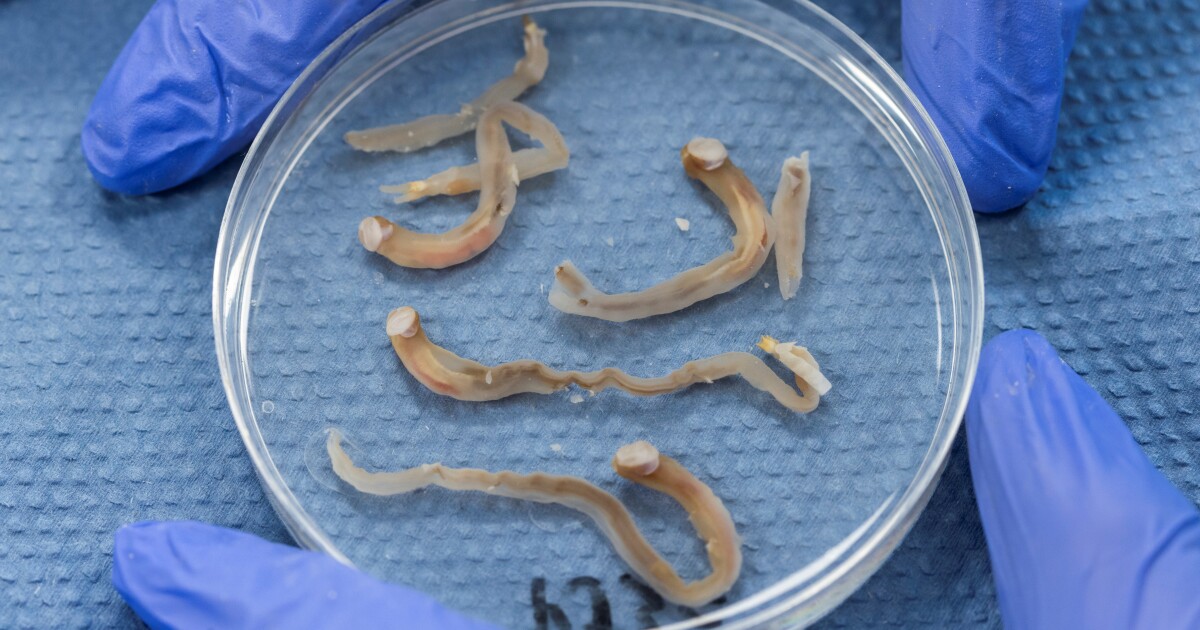
Shipworms, a type of bivalve mollusk known for damaging wooden ships, have been successfully farmed for the first time. Shipworms are already consumed as a delicacy in the Philippines and are said to taste like oysters. They grow faster than other bivalves and contain high levels of vitamin B12. A team of scientists has developed a modular aquaculture system for growing shipworms in locations far from the sea, reducing environmental concerns associated with marine fish farms. The harvested shipworms may be marketed as "Naked Clams" and could be used as a fish substitute in processed products. This sustainable alternative protein source offers a way to reduce carbon footprint while providing essential nutrients.
A team of scientists, led by a UK-based researcher of Indian origin, has developed a new method to improve the texture and appeal of plant-based meat alternatives. By creating plant protein microgels through a process called microgeletion, the researchers were able to transform dry and rough plant proteins into a hydrated and juicy texture that mimics the mouthfeel of fats. The microgels, made up of tiny particles, trap water around the plant proteins, resulting in a lubricity similar to single cream. This breakthrough could revitalize consumer interest in plant-based proteins, potentially reducing reliance on animal products and helping to meet global climate change targets. The protein microgels offer a platform for designing healthier, palatable, and sustainable foods, and could also be used to replace fat in other food processing applications.
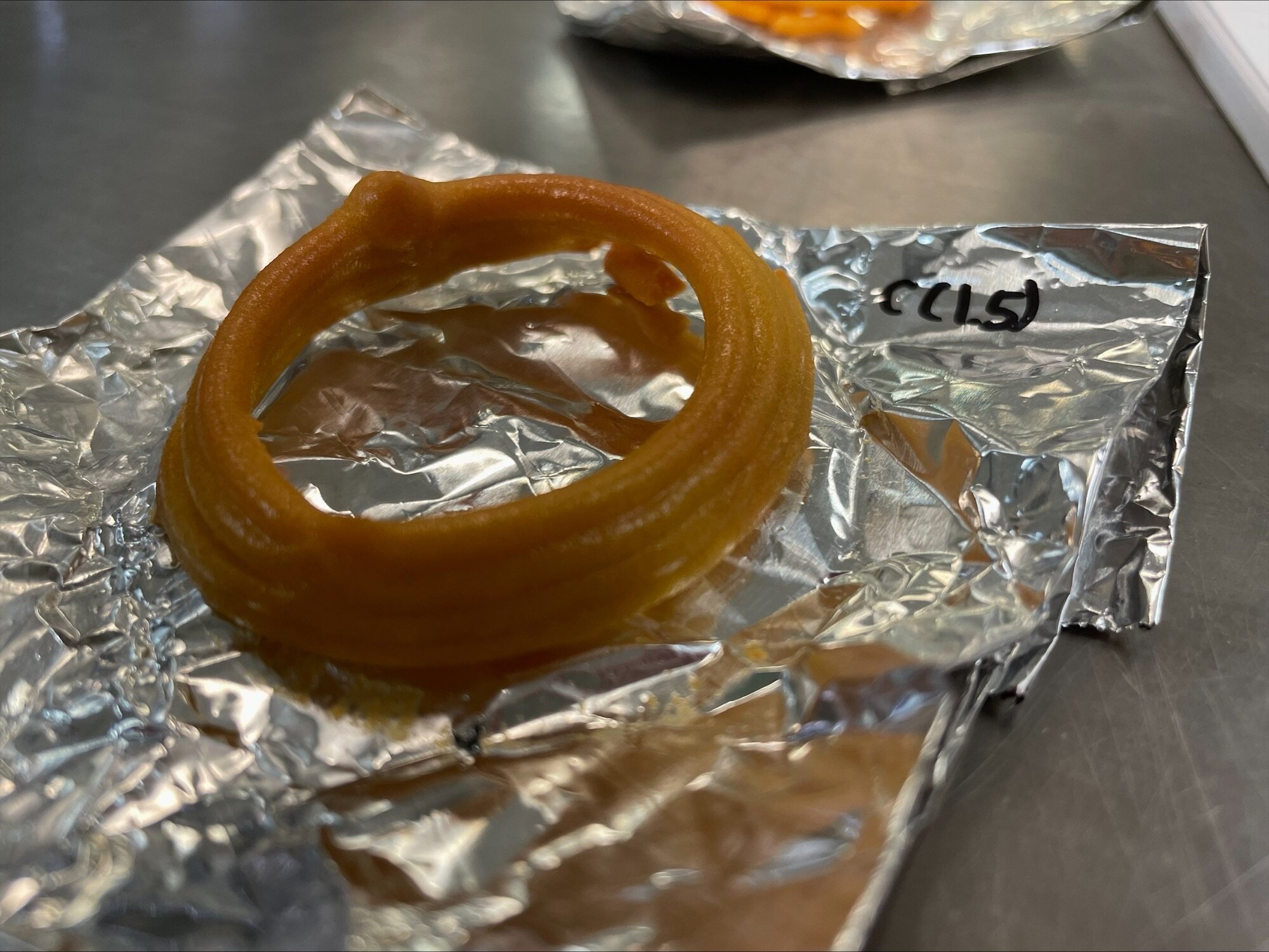
Researchers have developed a new approach for creating vegan seafood alternatives using 3D printing technology. The team used a protein-based ink made from microalgae and mung bean protein to create plant-based calamari rings that can be air-fried for a quick snack. The goal is to address the sustainability issues associated with traditional seafood production and provide a viable alternative for seafood lovers. The researchers plan to optimize the product and assess its potential for large-scale food manufacturing in the future.