Tag

Food Technology

All articles tagged with #food technology

health-and-wellness1 year ago

"Sugar Elimination: Finding the Sweet Spot for Health and Happiness"

Bio-based startups in San Francisco are developing innovative ways to counteract sugar consumption, including a plant fibre-based drink mix that soaks up sugar in the stomach and enzymes that convert sugar into fibre in the gut. These technologies offer the potential to make sugar a healthier, less guilty pleasure, but further studies are needed to evaluate their safety and benefits. While proponents see these innovations as valuable tools in addressing sugar consumption, critics warn that they may encourage continued consumption of unhelpful foods and emphasize the importance of focusing on whole foods and reducing intake of ultra-processed products.


health-and-nutrition1 year ago

"Startup Transforms Sugar into Fiber for Healthier Eating"

Zya, a startup, is developing an enzyme that can convert sugar into fiber in the gut, aiming to address the low fiber intake in the American diet. The enzyme, called Convero, has shown promise in lab and animal tests, with plans for human trials and potential use in food products. While Zya faces regulatory hurdles, experts see the technology as a potential tool to improve public health by making everyday foods healthier.

technology1 year ago

"3D-Printed Chocolate: A Tasty Innovation"

The Cocoa Press, a 3D printer designed to print chocolate, has finally been released after a decade of development. Priced at $3,995 for a prebuilt version, the printer allows users to create intricate chocolate designs, but it comes with challenges such as controlling heat and managing the flow of chocolate. While it offers the ability to print unique chocolate creations, it may be more suitable for experienced 3D printing enthusiasts rather than newcomers.

food-technology1 year ago

"Lab-Grown Beef-Infused Rice: A Sustainable Hybrid Protein Source"

South Korean researchers have developed a hybrid rice variant infused with cow muscle and fat cells, offering a potential sustainable and cheaper source of protein with a lower carbon footprint than actual beef. The rice grains, coated in fish gelatin, provide a housing for the meat cells to grow and thrive, resulting in a product that tastes like beef sushi. The team aims to eliminate livestock from the process entirely and refine the growth process to produce rice grains with more nutritional value, envisioning potential uses in food relief, military rations, and space food. This innovation is part of a global effort to address the ecological impact of meat production, with other initiatives including lab-grown meat and the rise of insects as a protein source.

food-technology1 year ago

"Lab-Grown Beef-Infused Rice: A New Frontier in Food Technology"

Scientists in South Korea have developed a beef-rice hybrid grown in a lab, combining cow muscle and fat stem cells with rice grains to create a protein-rich food source with a significantly lower carbon footprint than traditional beef farming. The hybrid has more protein and fat than regular rice, is cheaper than natural meat, and has a lower risk of foodborne illnesses. Researchers aim to commercialize the product as a low-cost and nutritious food source with potential applications in addressing famine, natural disasters, and long-term space travel.

food-technology1 year ago

"Beef-Infused Rice: A Sustainable Protein Source Created by Scientists"

Researchers have developed rice grains with beef and cow fat cells grown inside them, creating a potential sustainable and affordable protein source. The hybrid rice, made by covering traditional rice grains in fish gelatin and seeding them with muscle and fat stem cells, could offer a nutritious and flavourful alternative to traditional beef with a smaller carbon footprint. While some experts are skeptical about its impact, others see promise in providing animal nutrients with significantly lower greenhouse gas emissions and at a fraction of the cost.

food-technology1 year ago

"Rice-Grown Beef: A Sustainable Protein Source?"

Researchers in Korea have developed a novel food called "microbeef," which is rice infused with muscle and fat cells from cows. The hybrid grain contains more protein and fat than typical rice and is intended to be cheaper and more environmentally friendly to produce than beef and rice combined. The team coated rice with fish gelatin and microbial transglutaminase to enhance its stickiness to the cells, resulting in a product with a rich flavor reminiscent of beef and almond for the protein-rich rice and cream, butter, and coconut oil for the fat-rich rice. The researchers believe that their hybrid food, and others like it, could provide food relief in underdeveloped countries, during war, and even in space.

food-technology1 year ago

"Rice Meets Beef: The Rise of Hybrid Food Innovation"

Scientists at Yonsei University have developed a new hybrid food by growing beef cells inside grains of rice, creating a meaty-rice combination rich in nutrition and potentially easing food production strain. The beef-infused rice, with higher protein and fat content than regular rice, could be a more sustainable and cost-effective source of protein compared to traditional beef, emitting significantly less carbon dioxide. The team aims to refine the production process and explore potential applications such as food relief for famine, military rations, and space food.

food-technology1 year ago

"Beef-Infused Rice: The Latest Sustainable Protein Innovation"

Scientists in Korea have developed a new "Frankenfood" by growing meat cells inside rice grains to create an all-in-one ready meal, claiming it to be affordable, tasty, and environmentally friendly. The process involves coating rice with fish gelatin, seeding cow muscle and fat stem cells into the rice, and culturing them for nine to 11 days. The resulting product is described as mushy pink rice with a firm bite and a creamy, beefy taste, with potential applications in food relief, military rations, and space food. The hybrid rice releases significantly less CO2 compared to beef and could cost much less, offering a promising solution to the environmental impact of traditional meat production.

food-and-religion2 years ago

Halal Guidelines for Lab-Grown Meat Set by Islamic Scholars

Islamic scholars have issued rulings on the permissibility of consuming lab-grown meat, stating that it can be considered halal (permissible) as long as it meets certain conditions. These conditions include ensuring that the cells used to produce the meat are sourced from halal animals, that the process does not involve any haram (forbidden) substances, and that the final product does not pose any health risks. The rulings aim to provide guidance to Muslims who may have concerns about the religious acceptability of lab-grown meat.

food-technology2 years ago

Lab-Grown Meat: A Sustainable Solution for Future Food Demands

Restaurants in San Francisco and Washington D.C. are now offering lab-grown chicken on their menus, sparking discussions about its potential as a more climate-friendly alternative. While it is still too early to determine the full advantages of lab-grown meat for the planet, this culinary innovation is gaining attention as a potential future of dining.

food-science2 years ago

"Indian-origin Scientist-Led Team Revolutionizes Palatable Plant-Based Meat Alternatives"

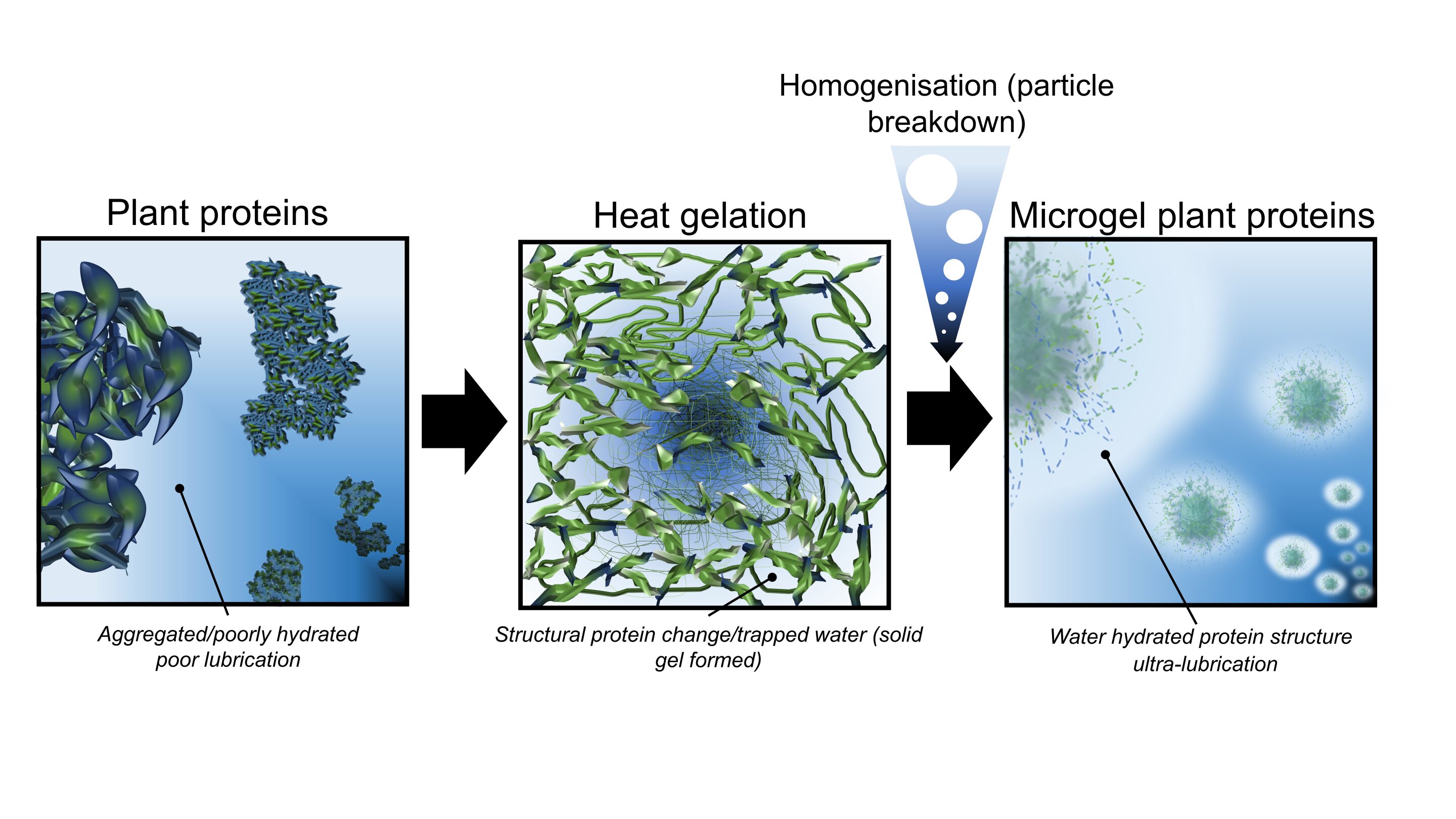
A team of scientists, led by a UK-based researcher of Indian origin, has developed a new method to improve the texture and appeal of plant-based meat alternatives. By creating plant protein microgels through a process called microgeletion, the researchers were able to transform dry and rough plant proteins into a hydrated and juicy texture that mimics the mouthfeel of fats. The microgels, made up of tiny particles, trap water around the plant proteins, resulting in a lubricity similar to single cream. This breakthrough could revitalize consumer interest in plant-based proteins, potentially reducing reliance on animal products and helping to meet global climate change targets. The protein microgels offer a platform for designing healthier, palatable, and sustainable foods, and could also be used to replace fat in other food processing applications.

food-technology2 years ago

"Revolutionizing Plant-Based Meat: Scientists Enhance Taste, Texture, and Juiciness"

Scientists have developed a method to improve the texture of plant-based foods by turning plant proteins into plant protein microgels, resulting in a moist and fatty texture similar to meat. The study, published in Nature Communications, aims to address the drawbacks of plant-based meat alternatives and reduce the environmental impact of the meat industry, which is responsible for over half of food-related carbon emissions. The process involves heating dry plant proteins in water to create a gel that retains water around the protein, providing a more meat-like texture without the need for added fat.

food-science2 years ago

Enhancing the Taste of Plant-Based Meat Alternatives with Protein Microgels

Scientists at the University of Leeds have developed a technique to improve the texture and palatability of plant-based meat alternatives by creating plant protein microgels. By subjecting plant proteins to heating and water, the proteins form a gel that traps water around them. The gel is then broken down into microgels, which provide a juicy and fat-like sensation when eaten. This breakthrough could revitalize consumer interest in plant-based proteins and help reduce reliance on animal products for protein intake, contributing to meeting global climate change targets. The protein microgels also offer potential applications in developing healthier food options by replacing fat in food processing.

food-technology2 years ago

The Future of Lab-Grown Chicken: From Restaurants to Stores

Lab-grown chicken, cultivated from chicken cells, is making its way to restaurant tables at chef José Andrés' Washington, D.C., restaurant. Good Meat, a California-based company, supplies the lab-grown poultry, which is considered more sustainable than traditional livestock farming. While some researchers caution that the environmental impacts of cultivating meat need monitoring, many people are open to trying it. The cultivated chicken will eventually be available in stores once production is scaled up, with the company's next target being lab-grown beef.