food-science4.185 min read
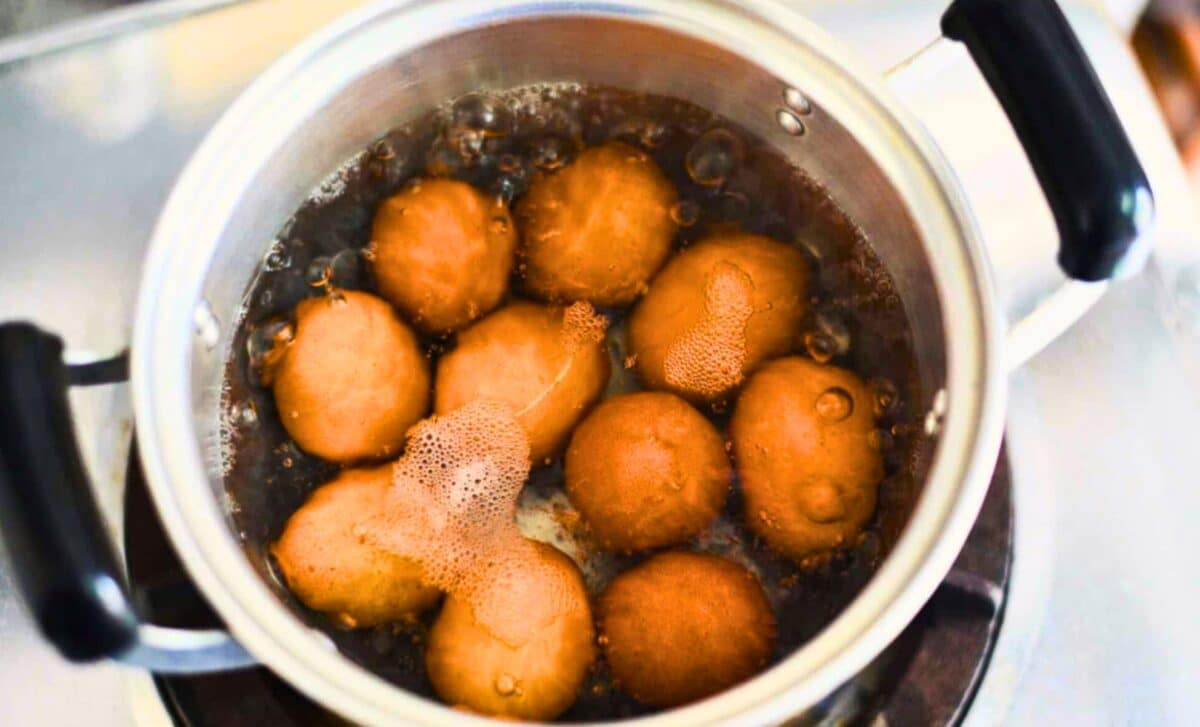
The Hidden Benefits of Adding Salt When Boiling Eggs
3 months ago•Source: The Daily Galaxy

The latest food science stories, summarized by AI

Researchers explore the traditional and scientific aspects of making ant yoghurt, a fermented treat from Bulgaria and Turkey, revealing that ants contribute microbes and formic acid to ferment milk into yoghurt. While promising for food innovation, ethical and sustainability concerns prevent DIY attempts, but the research opens possibilities for novel flavors and plant-based alternatives.
The Takeout•2 years ago
Daily Mail•2 years ago
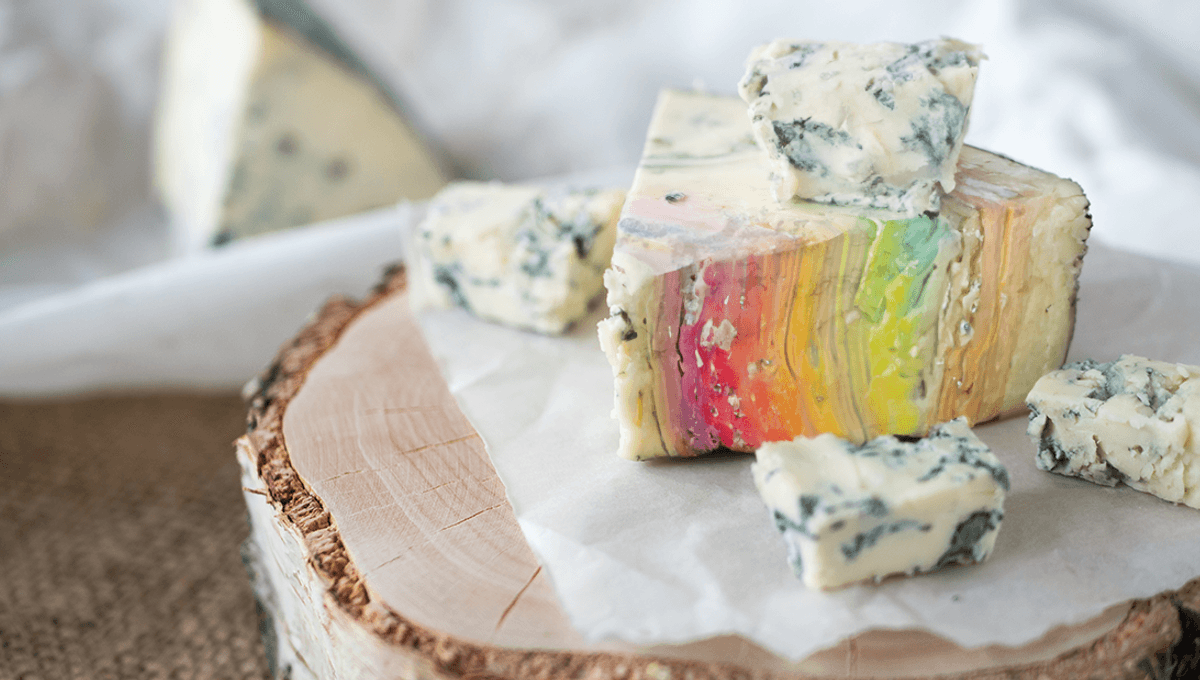
Scientists at the University of Nottingham have discovered a way to create blue cheese in a variety of new colors by inducing sexual reproduction in the fungus used to make blue cheese, resulting in new strains with novel flavors and appearances. By mutating genes within the biochemical pathway that forms the blue pigment, they were able to produce different color variants without compromising safety. Taste trials revealed that people perceived the taste of the new colored cheeses differently based on their appearance, showing that people perceive taste not only from what they taste but also by what they see. The researchers are working with a company called Myconeos to potentially bring multicolored cheese to the market.
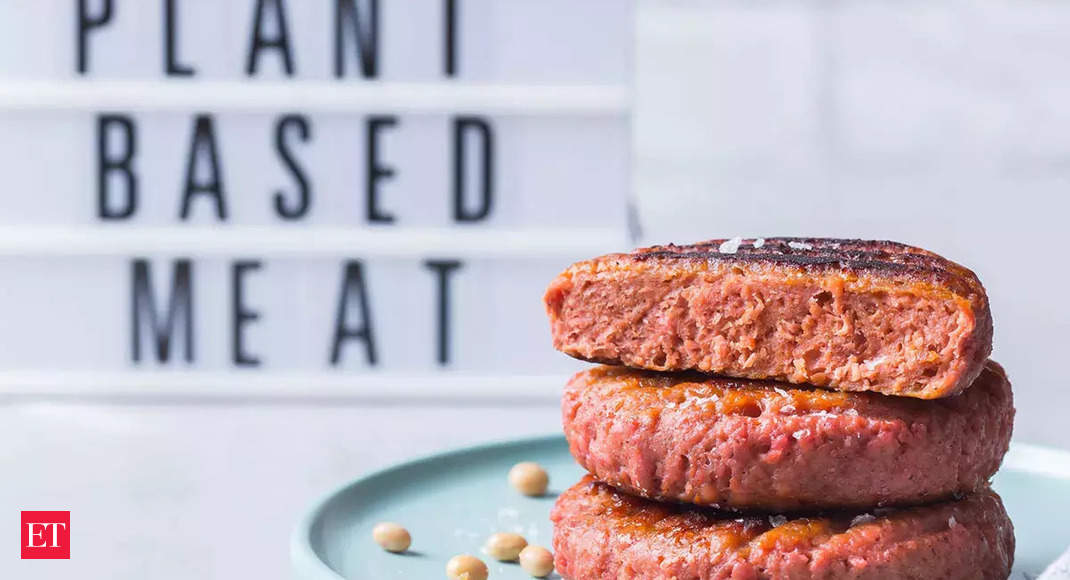
A team of scientists, led by a UK-based researcher of Indian origin, has developed a new method to improve the texture and appeal of plant-based meat alternatives. By creating plant protein microgels through a process called microgeletion, the researchers were able to transform dry and rough plant proteins into a hydrated and juicy texture that mimics the mouthfeel of fats. The microgels, made up of tiny particles, trap water around the plant proteins, resulting in a lubricity similar to single cream. This breakthrough could revitalize consumer interest in plant-based proteins, potentially reducing reliance on animal products and helping to meet global climate change targets. The protein microgels offer a platform for designing healthier, palatable, and sustainable foods, and could also be used to replace fat in other food processing applications.
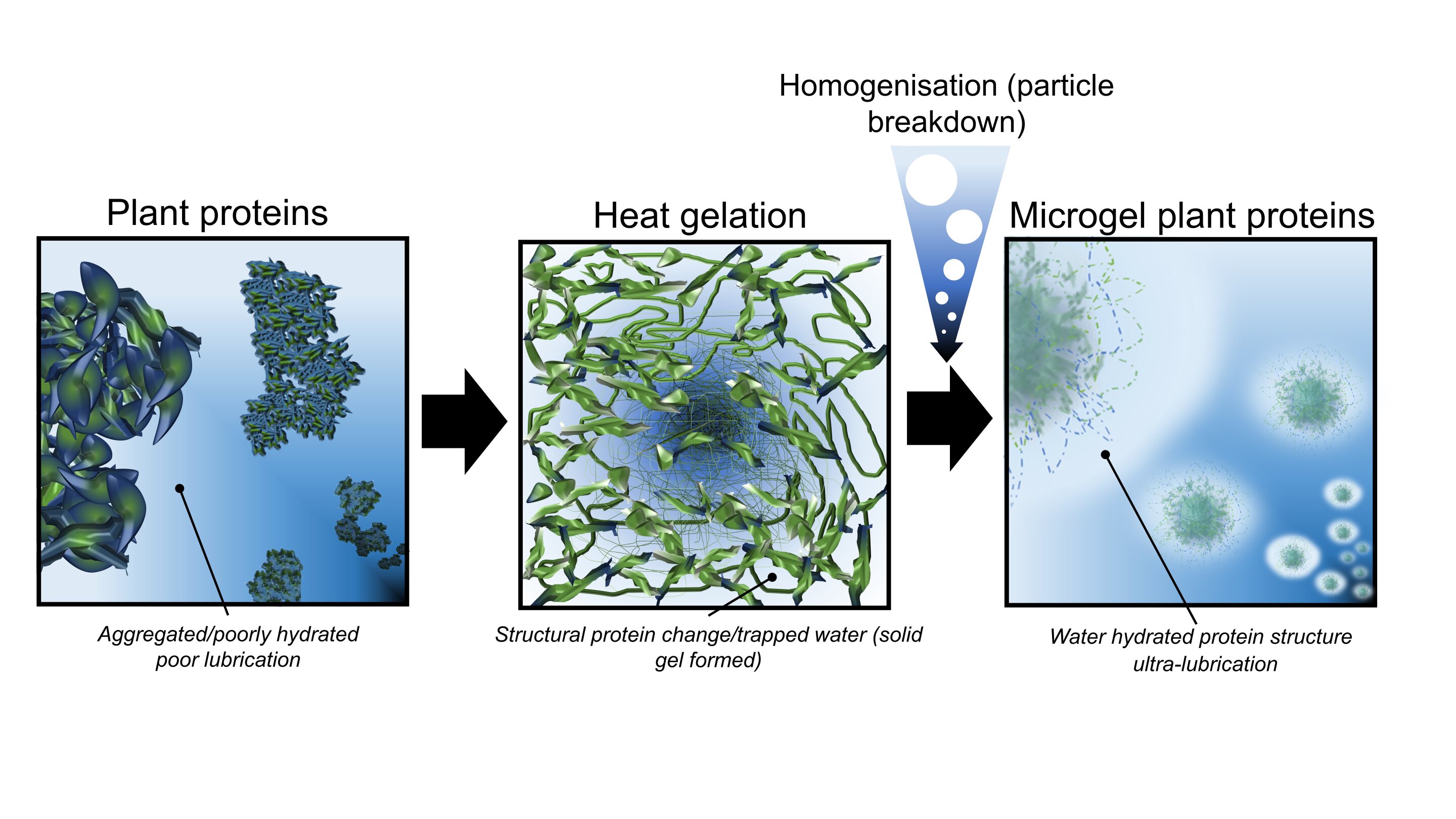
Scientists at the University of Leeds have developed a technique to improve the texture and palatability of plant-based meat alternatives by creating plant protein microgels. By subjecting plant proteins to heating and water, the proteins form a gel that traps water around them. The gel is then broken down into microgels, which provide a juicy and fat-like sensation when eaten. This breakthrough could revitalize consumer interest in plant-based proteins and help reduce reliance on animal products for protein intake, contributing to meeting global climate change targets. The protein microgels also offer potential applications in developing healthier food options by replacing fat in food processing.
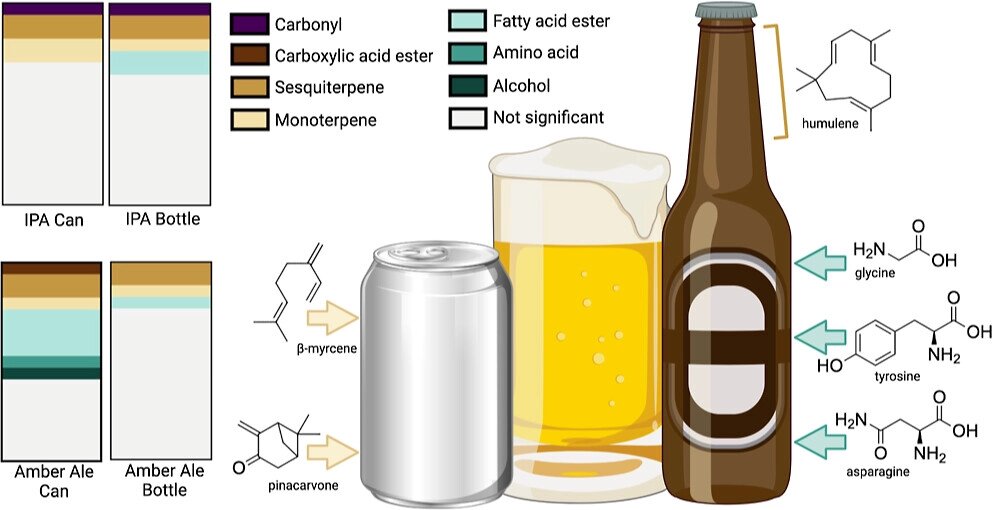
The choice between cans and bottles for beer packaging depends on the type of beer. Researchers found that an amber ale stayed fresher in bottles, while container choice made little difference to the stability of an India Pale Ale (IPA). The metabolic profile of both amber ale and IPA changed over time, whether packaged in a can or bottle. However, amber ale in cans showed the greatest variation during aging. The study will help brewers make more informed decisions about the best type of packaging for their particular type of beer.