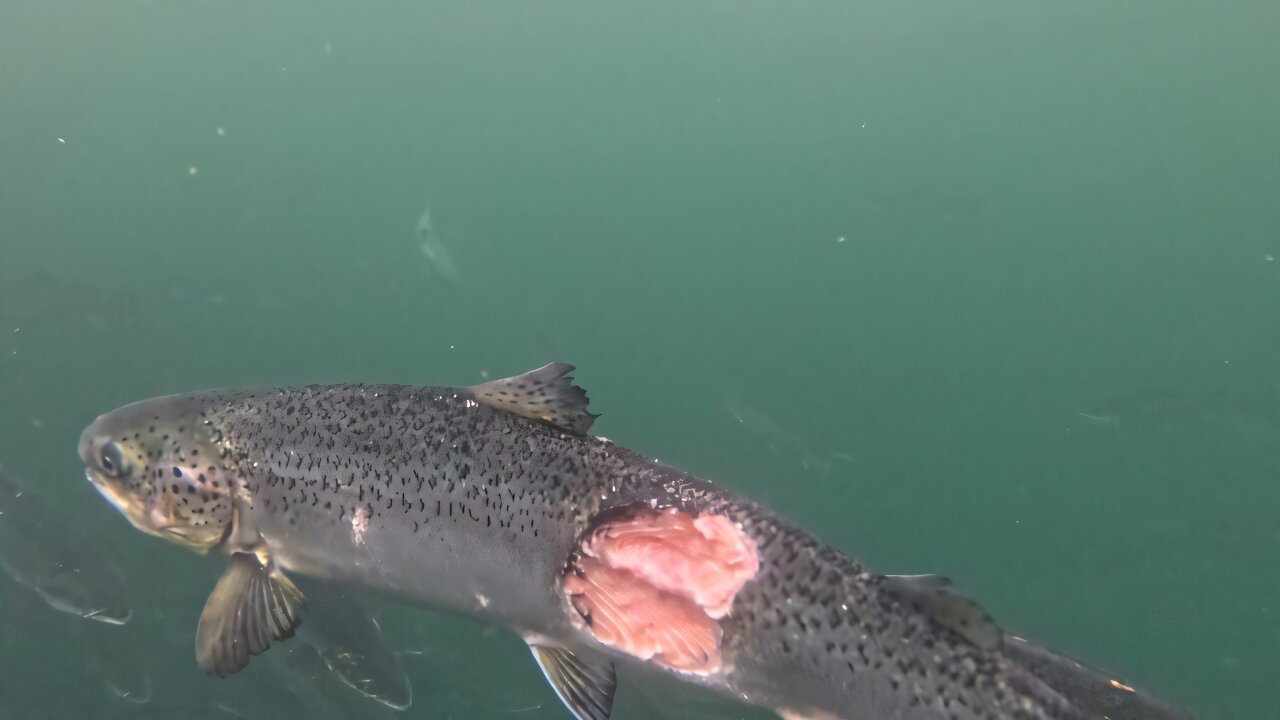
The article discusses the environmental and ethical concerns surrounding salmon farming, highlighting recent fish die-offs in Tasmania, the impact on wild salmon populations, and the debate over the sustainability of farmed salmon, with some advocating for improved regulations and certifications.
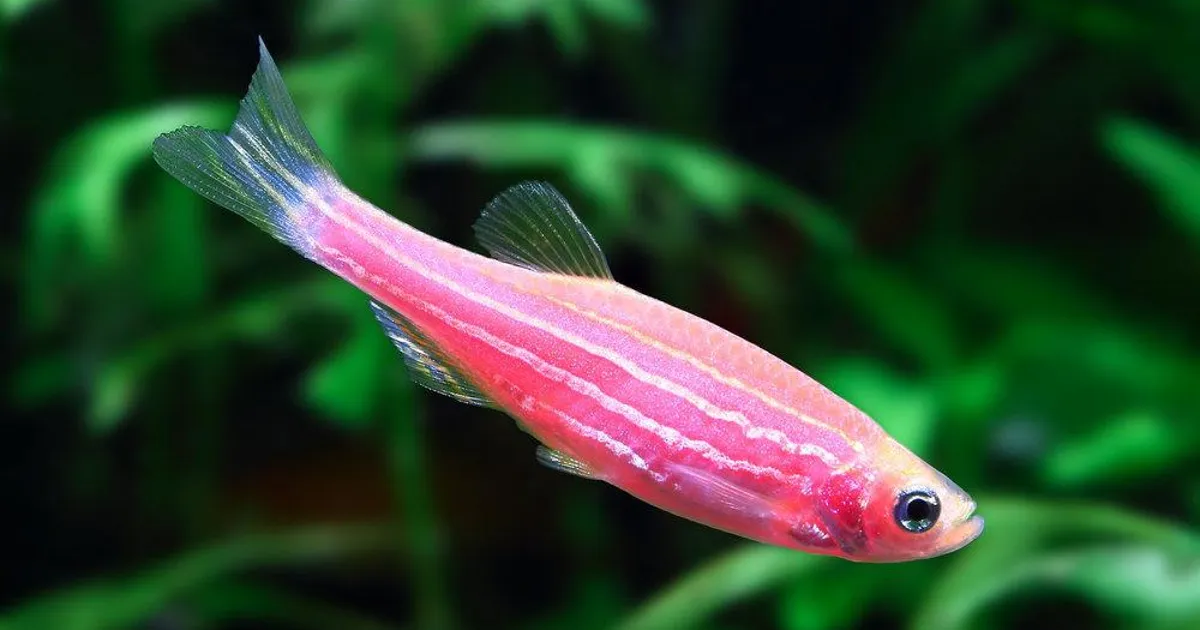
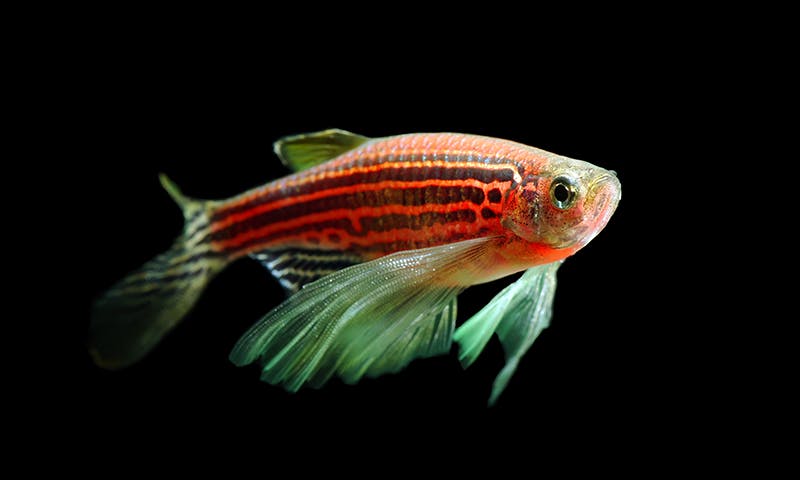
Israeli scientists have discovered the biological mechanism behind the 'hatching decision' in zebrafish, revealing that a transient brain structure releases a hormone, TRH, to trigger hatching. This hormone, known for thyroid regulation in humans, plays a different role in fish, controlling the timing of hatching based on environmental and developmental cues. The discovery could have implications for improving fish survival rates in aquaculture and understanding similar mechanisms in other species.
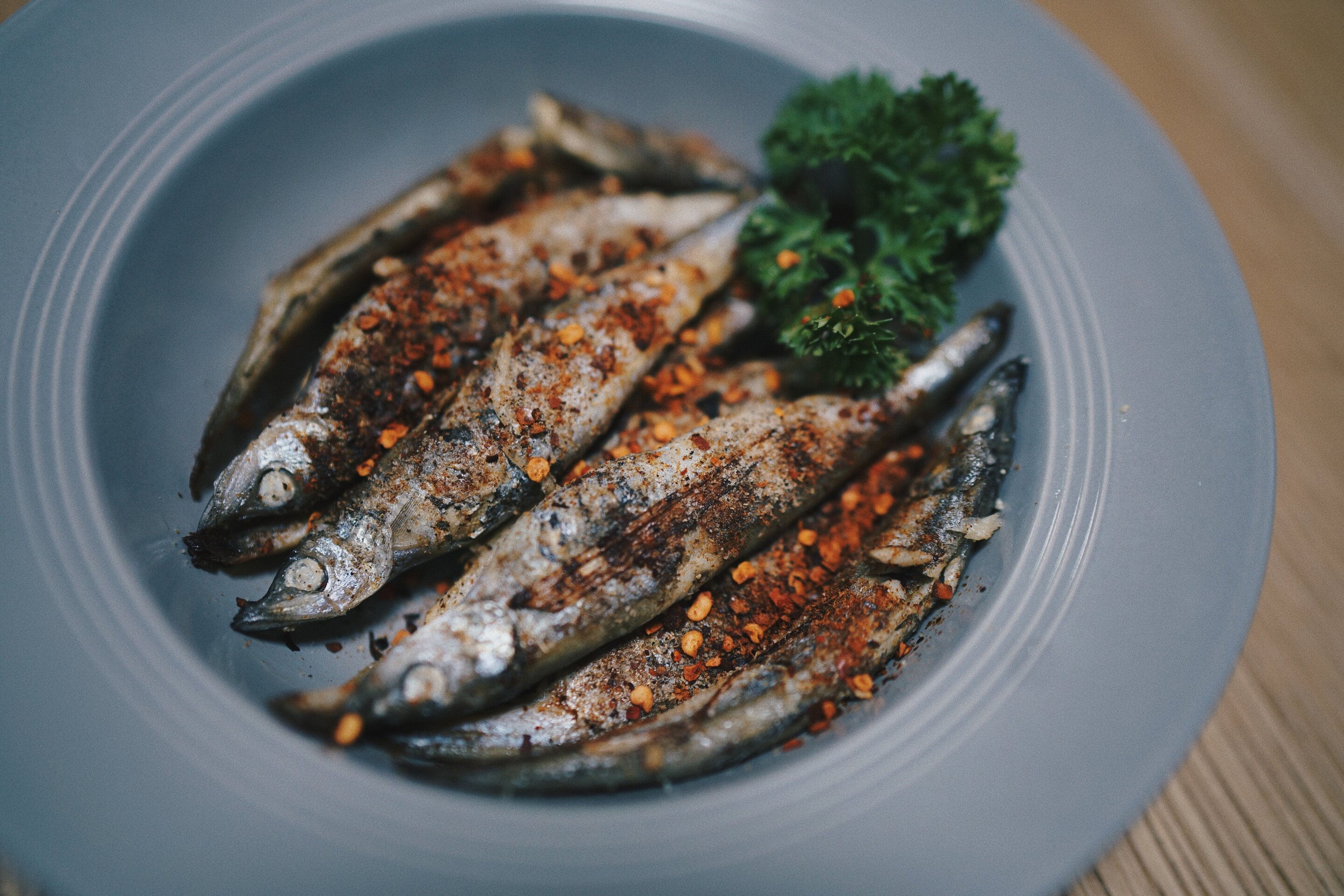
A study suggests that consuming wild fish, such as mackerel, anchovies, and herring, which are used in farmed salmon feeds, could provide essential nutrients like calcium, B12, and omega-3 that are lost when only eating salmon filets. Researchers found that farmed salmon production leads to a decrease in essential dietary nutrients, and promoting the consumption of wild feed species directly could benefit both human health and reduce the demand for finite marine resources in aquaculture. The study emphasizes the need for a greater variety of affordable and appealing products made from wild feed fish and salmon by-products for direct human consumption.
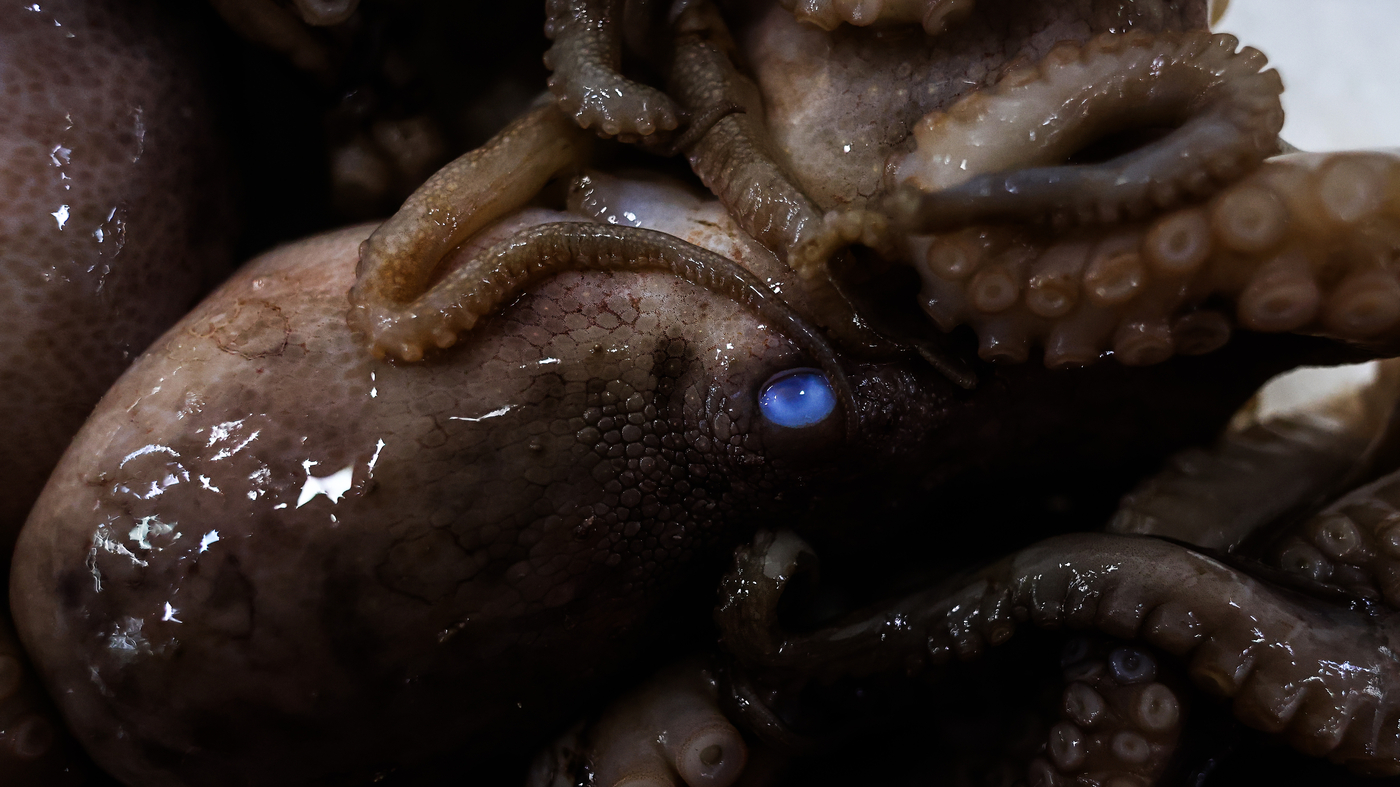
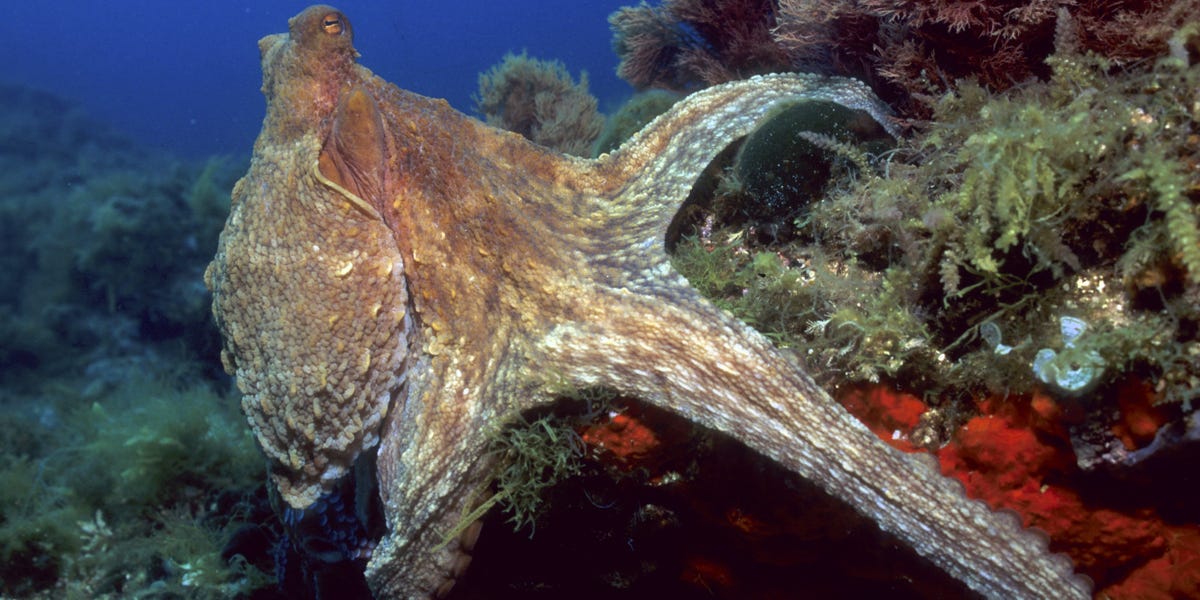
A Spanish seafood company plans to commercially farm octopuses for food, citing rising demand and the need to ease fishing pressure on wild populations. However, the proposal has sparked opposition from animal welfare groups and octopus enthusiasts who believe the farm is motivated by profit rather than conservation. Critics argue that farming octopuses could lead to environmental problems and threaten wild populations. The company claims its breeding program and feeding plan are sustainable, but opponents remain concerned about the impact on the ocean and wild octopus populations.
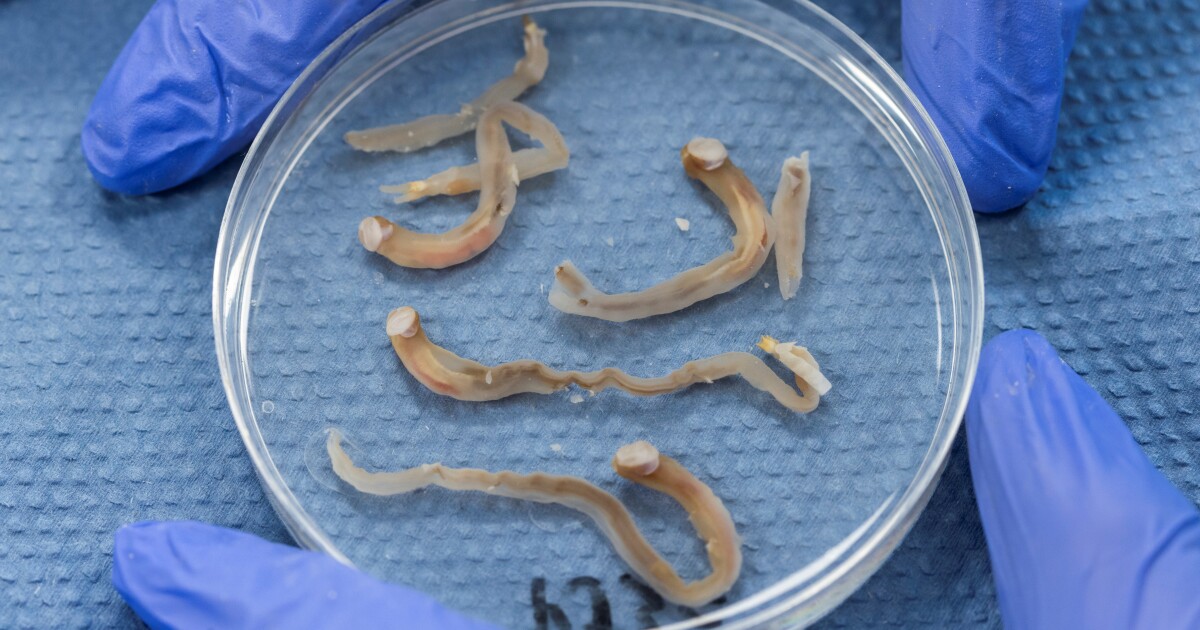
Shipworms, a type of bivalve mollusk known for damaging wooden ships, have been successfully farmed for the first time. Shipworms are already consumed as a delicacy in the Philippines and are said to taste like oysters. They grow faster than other bivalves and contain high levels of vitamin B12. A team of scientists has developed a modular aquaculture system for growing shipworms in locations far from the sea, reducing environmental concerns associated with marine fish farms. The harvested shipworms may be marketed as "Naked Clams" and could be used as a fish substitute in processed products. This sustainable alternative protein source offers a way to reduce carbon footprint while providing essential nutrients.
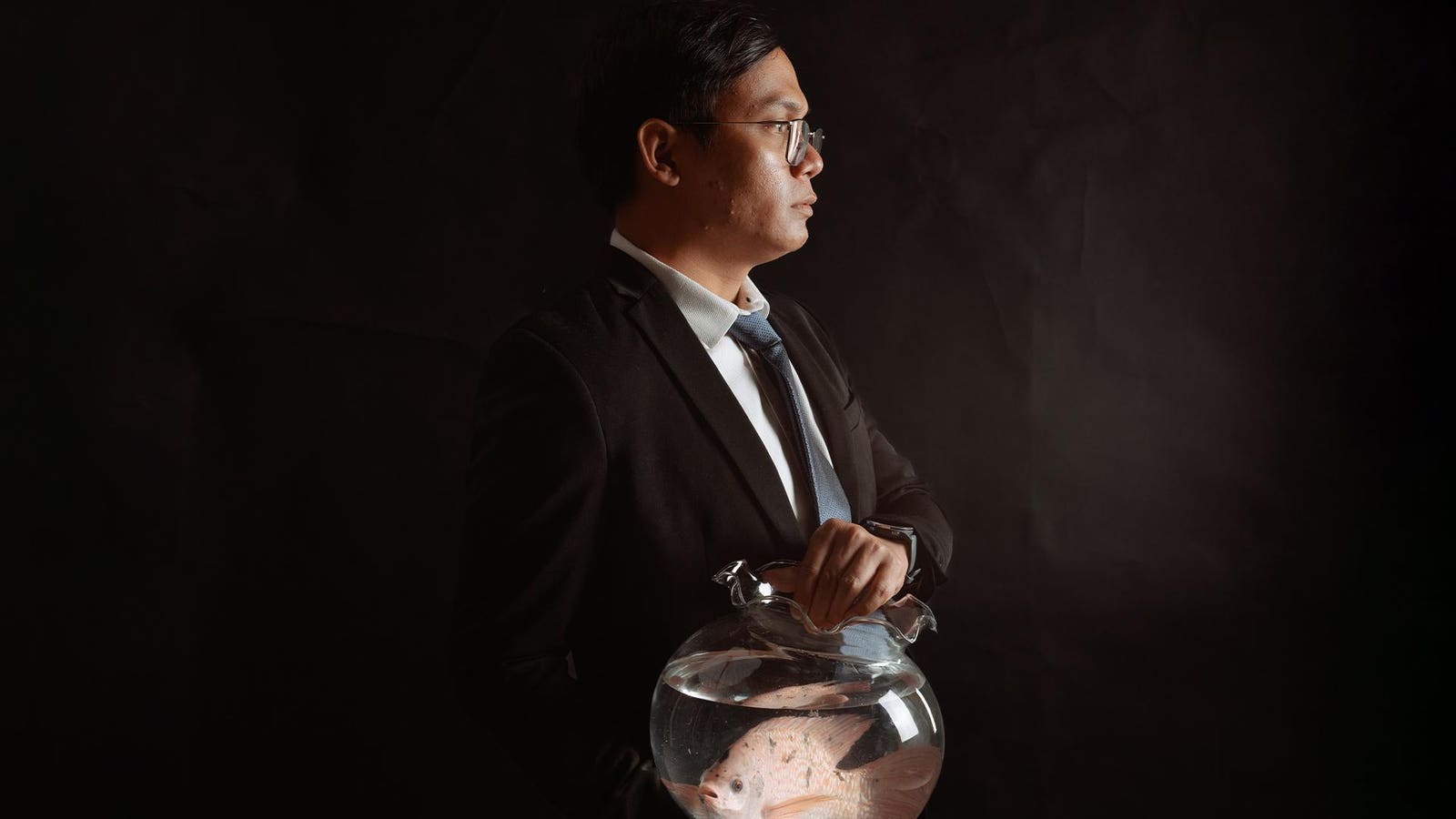
Indonesian entrepreneur Gibran Huzaifah has turned his aquaculture startup, eFishery, into a rare unicorn with a valuation of over $1 billion. Huzaifah's company provides fish breeders with an Internet of Things device that automates fish feeding and reduces costs. eFishery has expanded to work with around 300,000 fishponds and is now an end-to-end aquaculture value-chain company, offering financing and offtake services in addition to the feeding tool. The company aims to reach 1 million ponds by 2025 and expand internationally, with pilot projects already underway in Bangladesh, Thailand, and Vietnam. Huzaifah also plans to take eFishery public in the U.S.
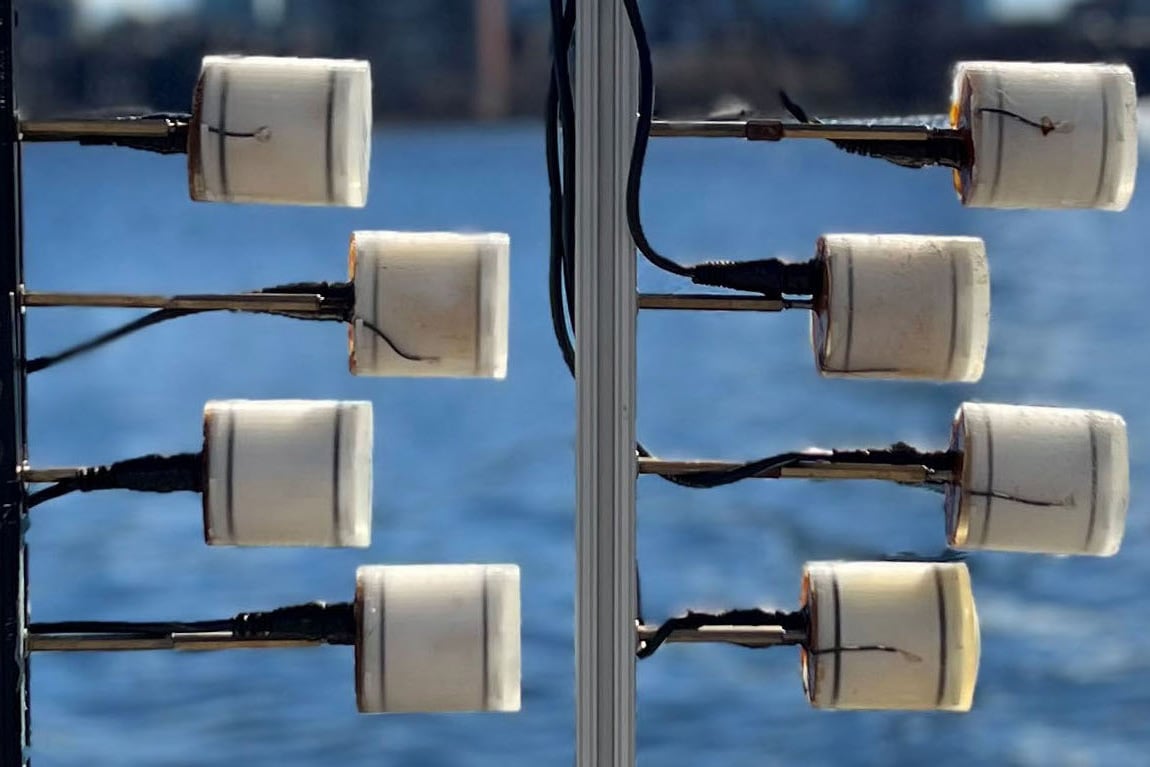
Researchers at MIT have developed a system for ultra-low-power underwater networking and communication that can transmit signals across kilometer-scale distances. The technique, which uses about one-millionth the power of existing methods, has potential applications in aquaculture, coastal hurricane prediction, and climate change modeling. The system utilizes underwater backscatter communication, encoding data in sound waves that are reflected back towards a receiver. By leveraging a Van Atta array and cross-polarity switching, the researchers achieved longer communication ranges and developed an analytical model to predict the technology's maximum range. The researchers plan to continue studying and commercializing this technology.
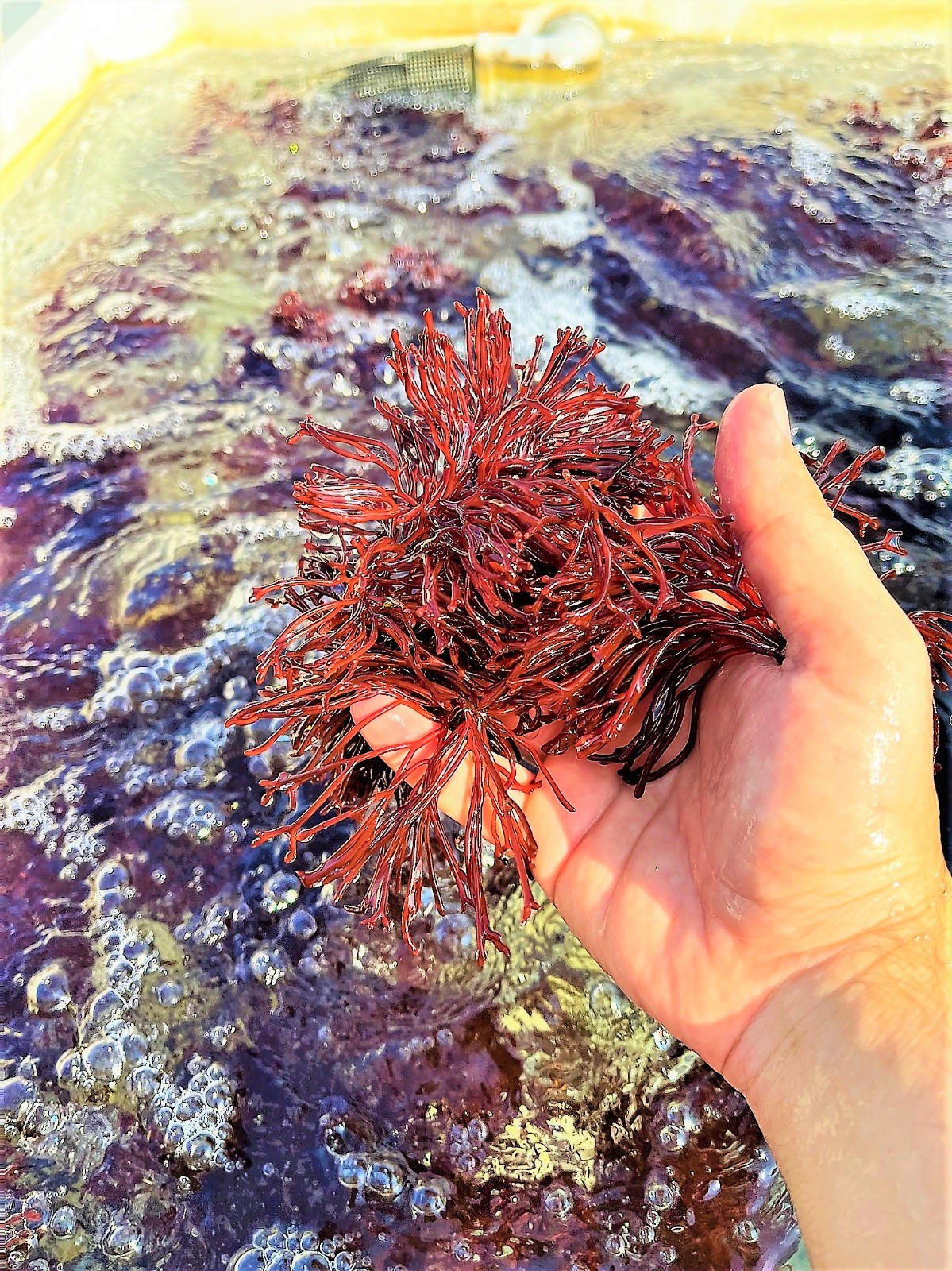
Scientists from Tel Aviv University and the Israel Oceanographic and Limnological Research Institute have developed a sustainable aquaculture method to enhance the production of bioactive compounds in seaweed, including antioxidants, natural sunscreens, and protective pigments. The concentration of these compounds has been increased twofold, threefold, and tenfold, respectively, which may benefit the pharmaceutical, cosmetics, food, and nutritional supplement industries. The cultivation approach is environmentally-friendly and can help reduce environmental risks, such as pollution and habitat loss, while promoting the sound use of natural resources. The researchers believe that the methodology has the potential to be applied in the seaweed global aquaculture industry and can help promote the State of Israel as a leading power in seaweed biotechnology.
Research suggests that better, more stimulating environments for captive fish could improve scientific research and commercial yields as well as the lives of the fish themselves. A rising tide of research suggests that better, more stimulating environments for captive fish could improve scientific research and commercial yields as well as the lives of the fish themselves. A stimulating, safe environment is perhaps no less integral to the well-being of such complex creatures than nourishing diets or clean water.
The cultivation of pokkali rice, an ancient grain that helps combat climate change, is in doubt due to a trend towards prawn farming in southern India. Environmental experts warn that this shift is upending a delicate ecosystem, making it difficult for farmers who want to continue with pokkali. Pokkali rice is grown in low lying wetlands that are inundated with rain water, requiring no groundwater for irrigation. It also produces two kinds of crops and maintains natural barriers to rising seas and sequesters carbon in the soil.
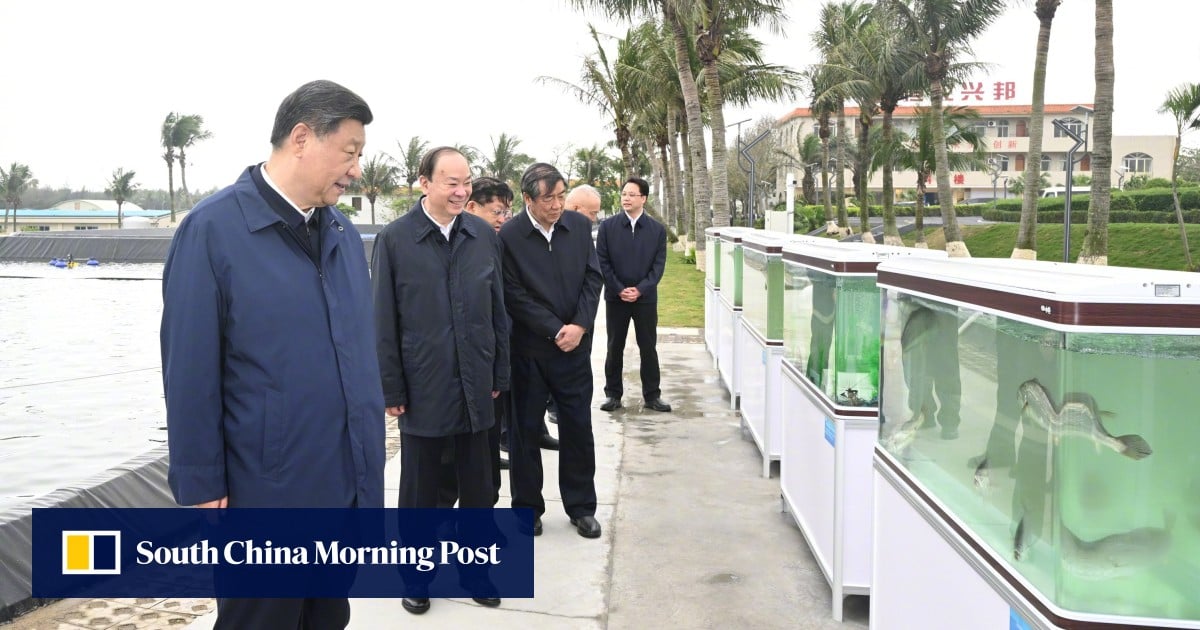
Chinese President Xi Jinping toured Guangdong province, a southern economic powerhouse, after meeting with French President Emmanuel Macron in the provincial capital Guangzhou. His itinerary included visits to a port, a fisheries project, and a mangrove forest.
Researchers at Tel Aviv University and the Israel Oceanographic and Limnological Research Institute have developed an innovative and sustainable approach to seaweed cultivation that significantly increases its ability to produce beneficial natural compounds and materials. The technique, called "sustainable integrated aquaculture," combines seaweed with fish cultivation, upgrading the seaweed while at the same time helping to purify the seawater and minimizing negative environmental impacts. The enhanced seaweed has potential applications in the superfood, pharmaceutical, and cosmetic industries, and could be used to produce anti-cancer, anti-diabetic, anti-inflammatory, anti-viral, and antibiotic substances.
A proposed commercial octopus farm in Spain has sparked outrage among experts and animal rights campaigners. The farm would slaughter roughly one million octopuses each year by submerging them in icy water. Critics argue that the creatures are far too smart and capable of feeling pain to be raised for food in confined quarters. The proposed factory would subject octopuses to torturous conditions and a long, painful death. Nueva Pescanova, the seafood company behind the farm, claims to have high standards that ensure "the correct handling of the animals."