Tag

Food Innovation

All articles tagged with #food innovation

Fermentation Enthusiast's Delight: Crafting Creamy Ant Yoghurt
food-science4 months ago

Fermentation Enthusiast's Delight: Crafting Creamy Ant Yoghurt

Researchers explore the traditional and scientific aspects of making ant yoghurt, a fermented treat from Bulgaria and Turkey, revealing that ants contribute microbes and formic acid to ferment milk into yoghurt. While promising for food innovation, ethical and sustainability concerns prevent DIY attempts, but the research opens possibilities for novel flavors and plant-based alternatives.
Lab-Grown Cheese: The Future of Dairy or a Tasty Controversy?
technology7 months ago

Lab-Grown Cheese: The Future of Dairy or a Tasty Controversy?

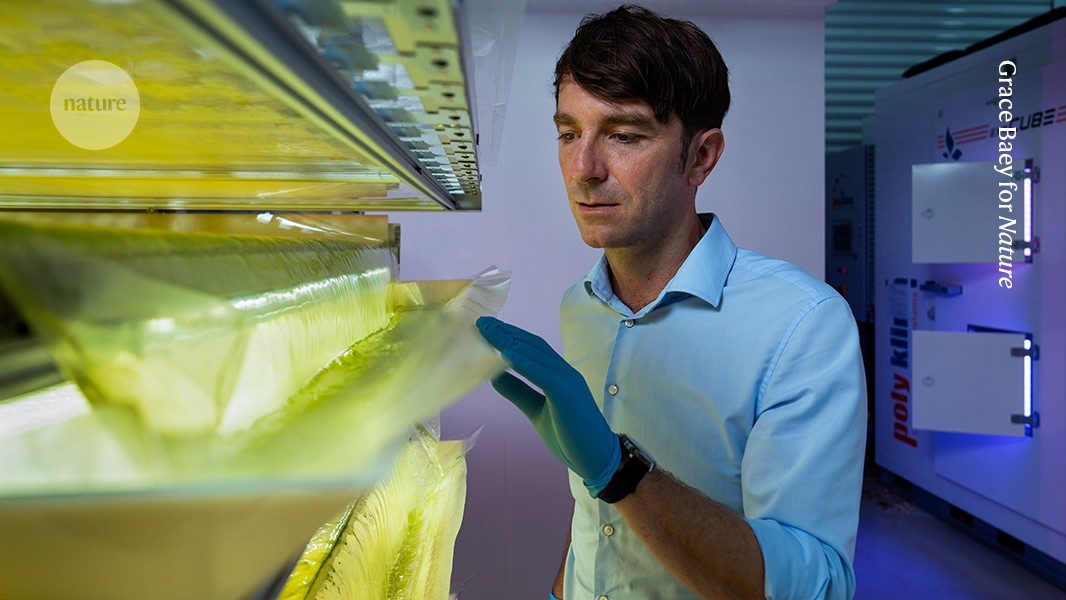
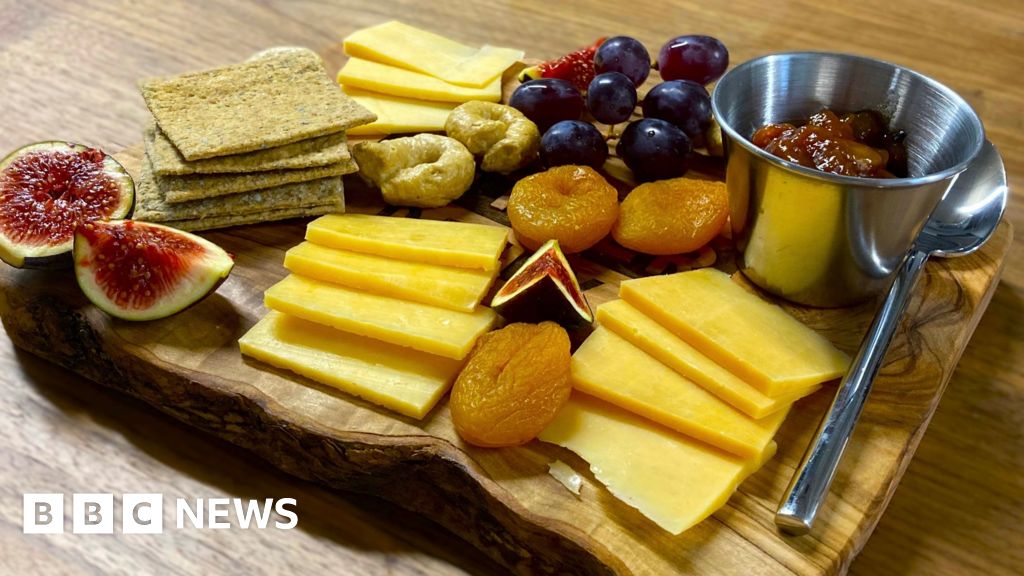
Lab-grown cheese is emerging as a potential alternative to traditional dairy cheese, with companies like Better Dairy and others developing products using genetically modified yeast and fermentation techniques. Despite current challenges related to taste, price, and consumer acceptance, these innovations aim to offer healthier, more sustainable cheese options, though market success remains uncertain amid declining vegan cheese sales and consumer concerns about ultra-processed foods.

"Lab-Grown Mold Burger: The Surprising New Meat Replacement"
science-and-technology1 year ago

"Lab-Grown Mold Burger: The Surprising New Meat Replacement"

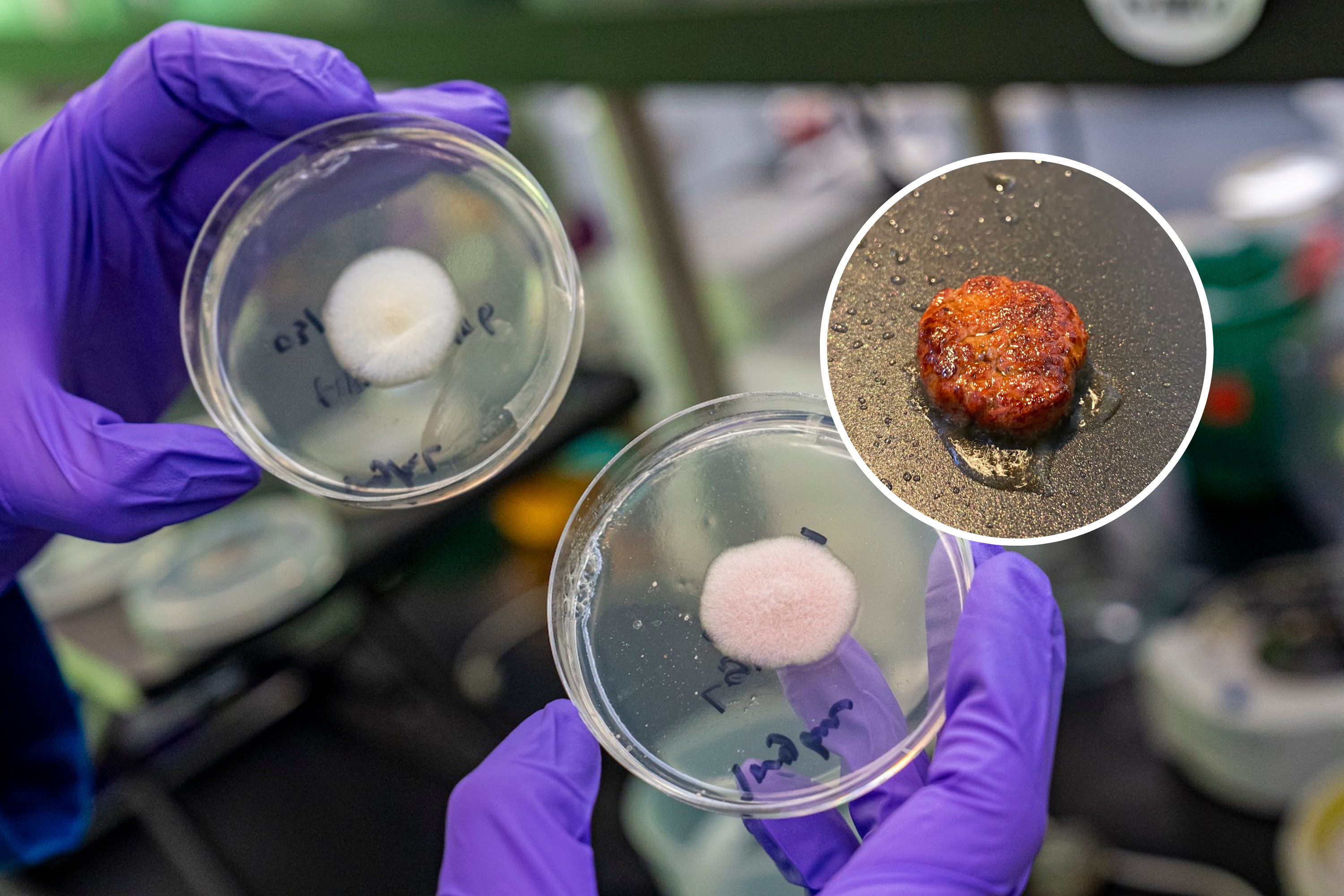
Scientists have created a burger from genetically modified Koji mold, a type of fungi, in an effort to provide a meat-like alternative for vegan diets. By genetically modifying the mold's genome and enhancing its properties, such as color and antioxidant production, researchers were able to produce a patty that resembles meat. The next step is to further alter the mold's genes to improve its texture and nutritional value, aiming to create a more appealing and meat-like experience.

"Exploring the Delights of Pond Plant Cuisine"
food-and-agriculture1 year ago

"Exploring the Delights of Pond Plant Cuisine"

Azolla, a fast-growing aquatic fern, has the potential to become a widely cultivated crop for human and livestock consumption, fertilizer, and biofuel production. Research has identified a species, Carolina azolla, with lower levels of polyphenols, making it more suitable for consumption. With further study and potential breeding, azolla could offer high levels of nutrients such as protein, zinc, manganese, iron, calcium, and potassium. However, extensive research is needed to ensure its safety and potential as a food source.

"Plant-Based Meat Startups Enhance Products with Real Animal Fat for Authentic Flavor and Texture"
food-and-technology2 years ago

"Plant-Based Meat Startups Enhance Products with Real Animal Fat for Authentic Flavor and Texture"

Startups in the plant-based meat industry are incorporating animal fats, collagen, and broth into their products to improve taste and texture, addressing the shortcomings of traditional plant-based alternatives. This shift comes after a decline in funding and consumer interest in purely plant-based meats, as well as challenges with taste, cost, and health perceptions. The addition of animal fats aims to enhance flavor and mouthfeel, potentially appealing to a broader consumer base and offering a more flexible approach to reducing meat consumption in the future.
"Lab-Grown Beef-Infused Rice: The New Frontier in Sustainable Protein"
food-and-science2 years ago

"Lab-Grown Beef-Infused Rice: The New Frontier in Sustainable Protein"

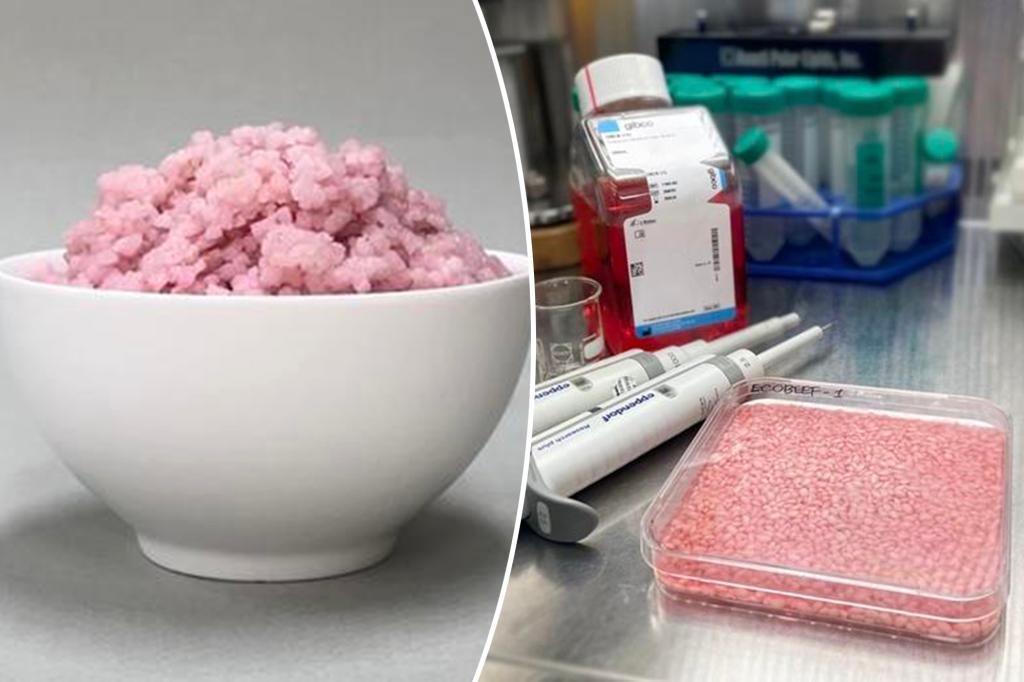
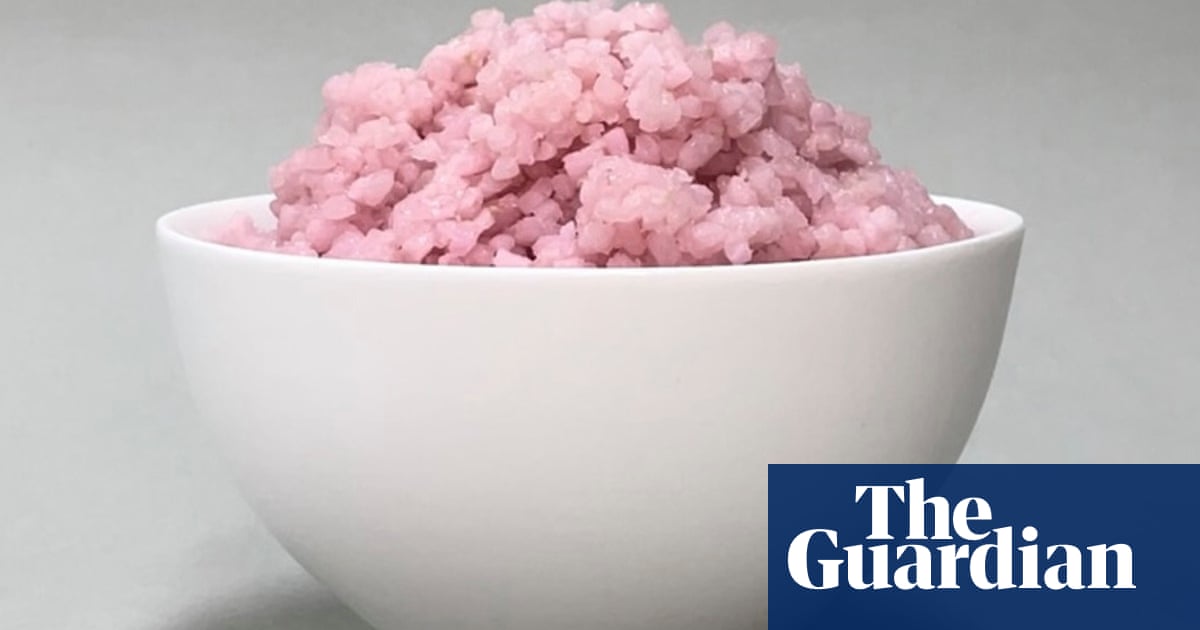
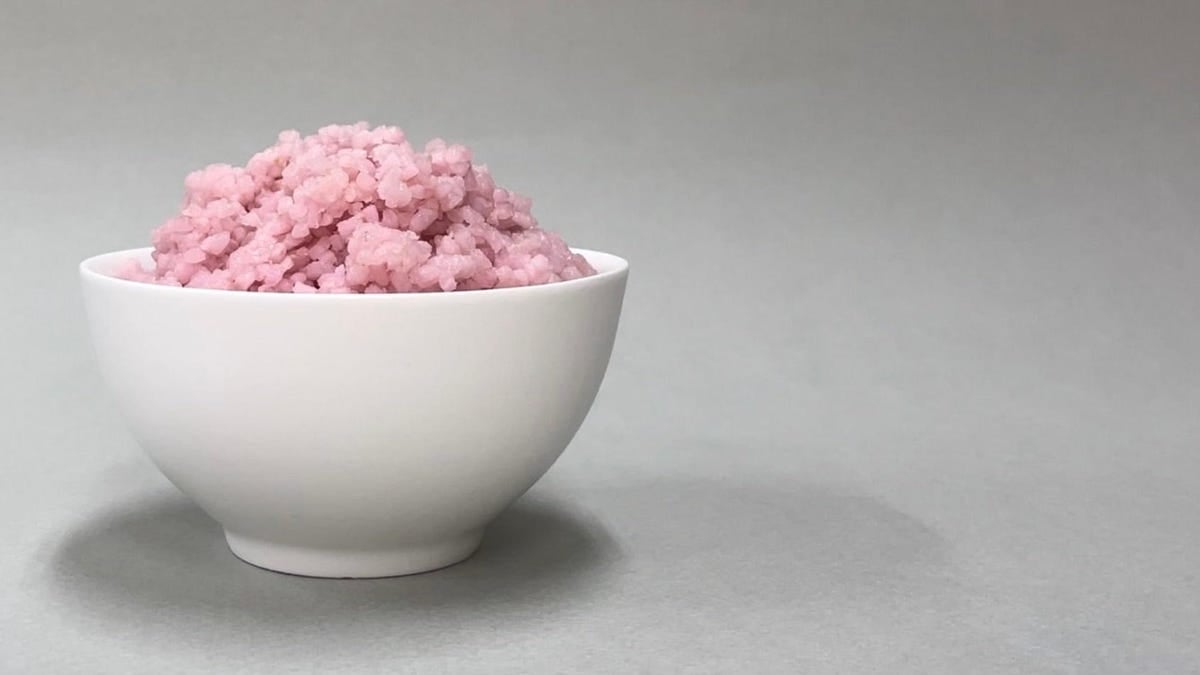
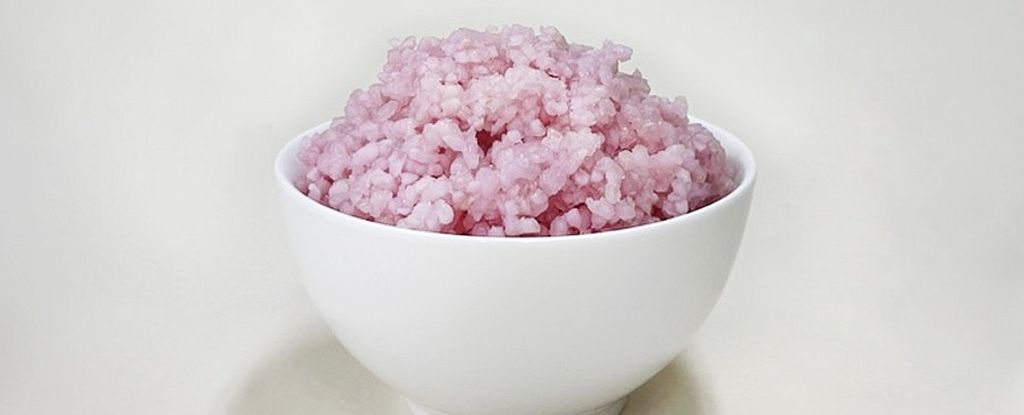
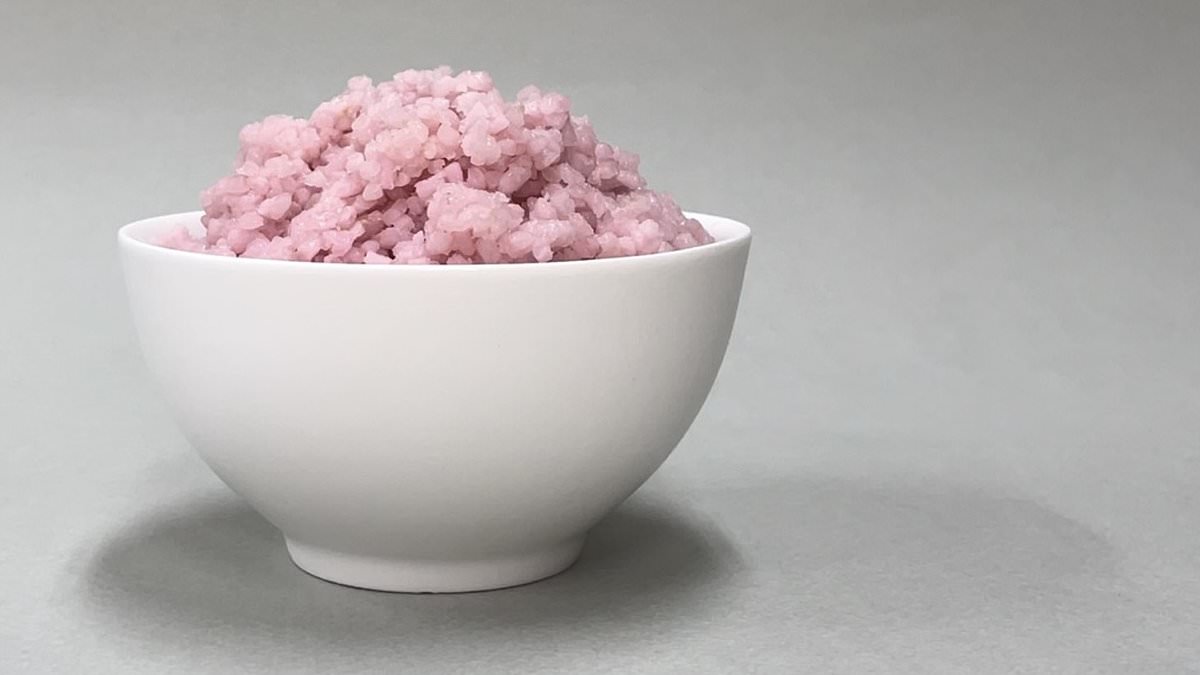
South Korean scientists have developed lab-grown rice infused with beef and cow fat cells, creating a more nutritious and flavorsome dish with a tiny carbon footprint. While some experts are skeptical about its potential as a meat substitute due to its low meat content, others see promise in its potential to provide animal nutrients with significantly fewer greenhouse gas emissions and at a fraction of the cost of traditional meat. The rice, which retains a unique blend of aromas characteristic of meat, could offer a more affordable source of nutrition as traditional beef becomes more expensive, and future versions could incorporate other types of meat and fish protein.

"Lab-Grown Beef-Infused Rice: A Sustainable Hybrid Protein Source"
food-technology2 years ago

"Lab-Grown Beef-Infused Rice: A Sustainable Hybrid Protein Source"

South Korean researchers have developed a hybrid rice variant infused with cow muscle and fat cells, offering a potential sustainable and cheaper source of protein with a lower carbon footprint than actual beef. The rice grains, coated in fish gelatin, provide a housing for the meat cells to grow and thrive, resulting in a product that tastes like beef sushi. The team aims to eliminate livestock from the process entirely and refine the growth process to produce rice grains with more nutritional value, envisioning potential uses in food relief, military rations, and space food. This innovation is part of a global effort to address the ecological impact of meat production, with other initiatives including lab-grown meat and the rise of insects as a protein source.

"Lab-Grown Beef-Infused Rice: A New Frontier in Food Technology"
food-technology2 years ago

"Lab-Grown Beef-Infused Rice: A New Frontier in Food Technology"

Scientists in South Korea have developed a beef-rice hybrid grown in a lab, combining cow muscle and fat stem cells with rice grains to create a protein-rich food source with a significantly lower carbon footprint than traditional beef farming. The hybrid has more protein and fat than regular rice, is cheaper than natural meat, and has a lower risk of foodborne illnesses. Researchers aim to commercialize the product as a low-cost and nutritious food source with potential applications in addressing famine, natural disasters, and long-term space travel.

"Beef-Infused Rice: A Sustainable Protein Source Created by Scientists"
food-technology2 years ago

"Beef-Infused Rice: A Sustainable Protein Source Created by Scientists"

Researchers have developed rice grains with beef and cow fat cells grown inside them, creating a potential sustainable and affordable protein source. The hybrid rice, made by covering traditional rice grains in fish gelatin and seeding them with muscle and fat stem cells, could offer a nutritious and flavourful alternative to traditional beef with a smaller carbon footprint. While some experts are skeptical about its impact, others see promise in providing animal nutrients with significantly lower greenhouse gas emissions and at a fraction of the cost.

"Rice-Grown Beef: A Sustainable Protein Source?"
food-technology2 years ago

"Rice-Grown Beef: A Sustainable Protein Source?"

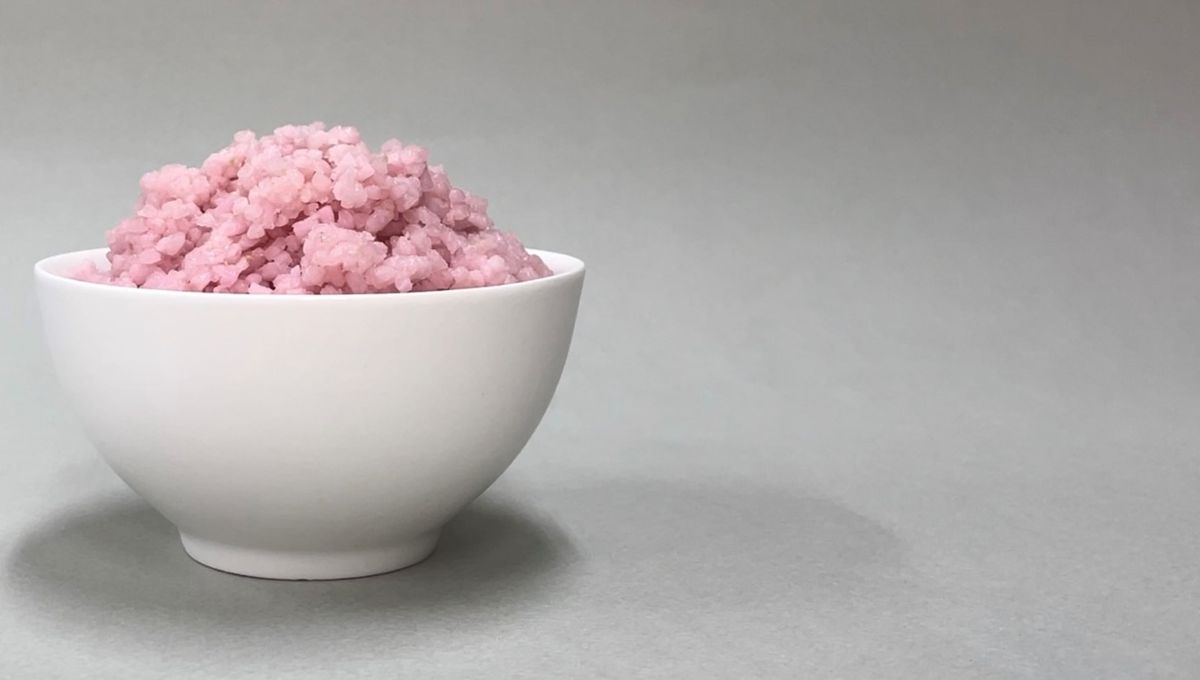
Researchers in Korea have developed a novel food called "microbeef," which is rice infused with muscle and fat cells from cows. The hybrid grain contains more protein and fat than typical rice and is intended to be cheaper and more environmentally friendly to produce than beef and rice combined. The team coated rice with fish gelatin and microbial transglutaminase to enhance its stickiness to the cells, resulting in a product with a rich flavor reminiscent of beef and almond for the protein-rich rice and cream, butter, and coconut oil for the fat-rich rice. The researchers believe that their hybrid food, and others like it, could provide food relief in underdeveloped countries, during war, and even in space.

"Rice Meets Beef: The Rise of Hybrid Food Innovation"
food-technology2 years ago

"Rice Meets Beef: The Rise of Hybrid Food Innovation"

Scientists at Yonsei University have developed a new hybrid food by growing beef cells inside grains of rice, creating a meaty-rice combination rich in nutrition and potentially easing food production strain. The beef-infused rice, with higher protein and fat content than regular rice, could be a more sustainable and cost-effective source of protein compared to traditional beef, emitting significantly less carbon dioxide. The team aims to refine the production process and explore potential applications such as food relief for famine, military rations, and space food.

"Beef-Infused Rice: The Latest Sustainable Protein Innovation"
food-technology2 years ago

"Beef-Infused Rice: The Latest Sustainable Protein Innovation"

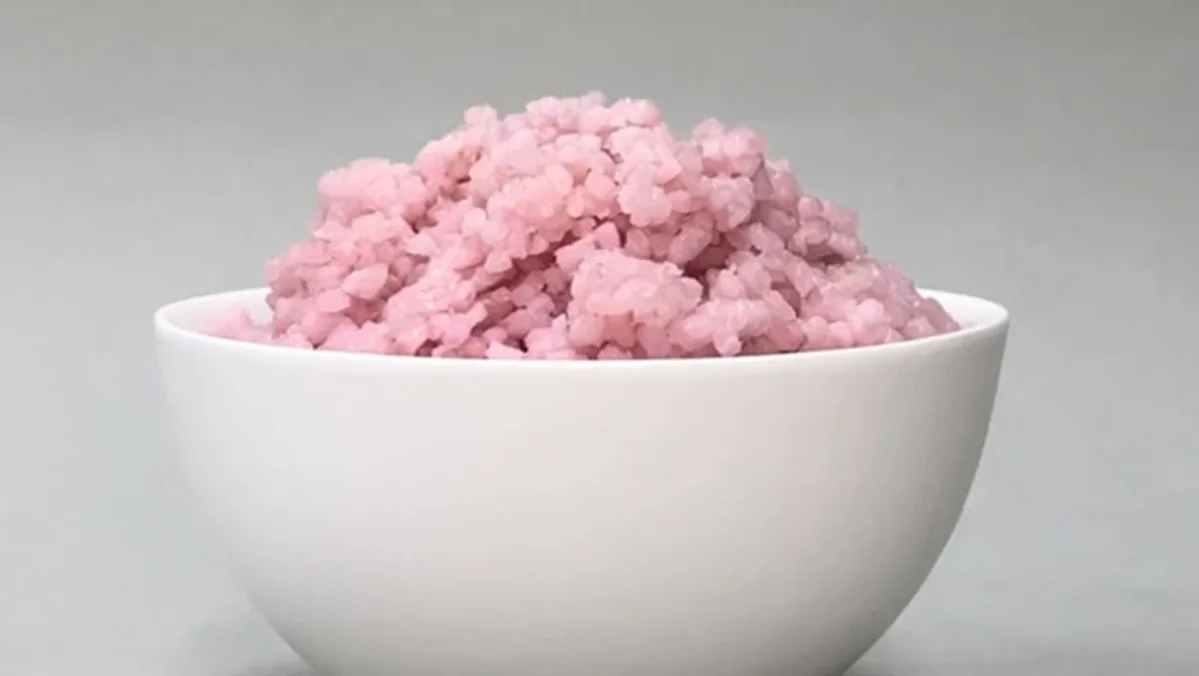
Scientists in Korea have developed a new "Frankenfood" by growing meat cells inside rice grains to create an all-in-one ready meal, claiming it to be affordable, tasty, and environmentally friendly. The process involves coating rice with fish gelatin, seeding cow muscle and fat stem cells into the rice, and culturing them for nine to 11 days. The resulting product is described as mushy pink rice with a firm bite and a creamy, beefy taste, with potential applications in food relief, military rations, and space food. The hybrid rice releases significantly less CO2 compared to beef and could cost much less, offering a promising solution to the environmental impact of traditional meat production.

"Taco Bell Unveils 2024 Menu with Chicken Nuggets and Baja Blast Gelato"
food-and-beverage2 years ago

"Taco Bell Unveils 2024 Menu with Chicken Nuggets and Baja Blast Gelato"

Taco Bell unveiled over a dozen new menu items and partnerships at its Live Más Live event, including a Cantina Chicken Menu, Cheesy Chicken Crispanada, Crispy Chicken Nuggets, Cheesy Street Chalupas, Mtn Dew Baja Blast Gelato, Cheesy Enchilada Dipping Taco, Dulce de Leche Cinnabon Delights, Cheez-It Crunchwrap, Tajín menu, Nacho Fries, Disha Hot sauce packets, Coffee & Churro Chillers, Mexi Melt or Caramel Apple Empanada, Taco Bell x Salt & Straw Ice Cream Chocolate Taco, and Beekeeper Coffee Horchata Cold Brew Latte. These new offerings range from revamped classics to brand-new concepts and are set to debut at various times throughout 2024, with some available for a limited time only.

"Cheesy Breakthrough: Scientists Expand Blue Cheese Palette with Vibrant New Colors"
food-science2 years ago

"Cheesy Breakthrough: Scientists Expand Blue Cheese Palette with Vibrant New Colors"

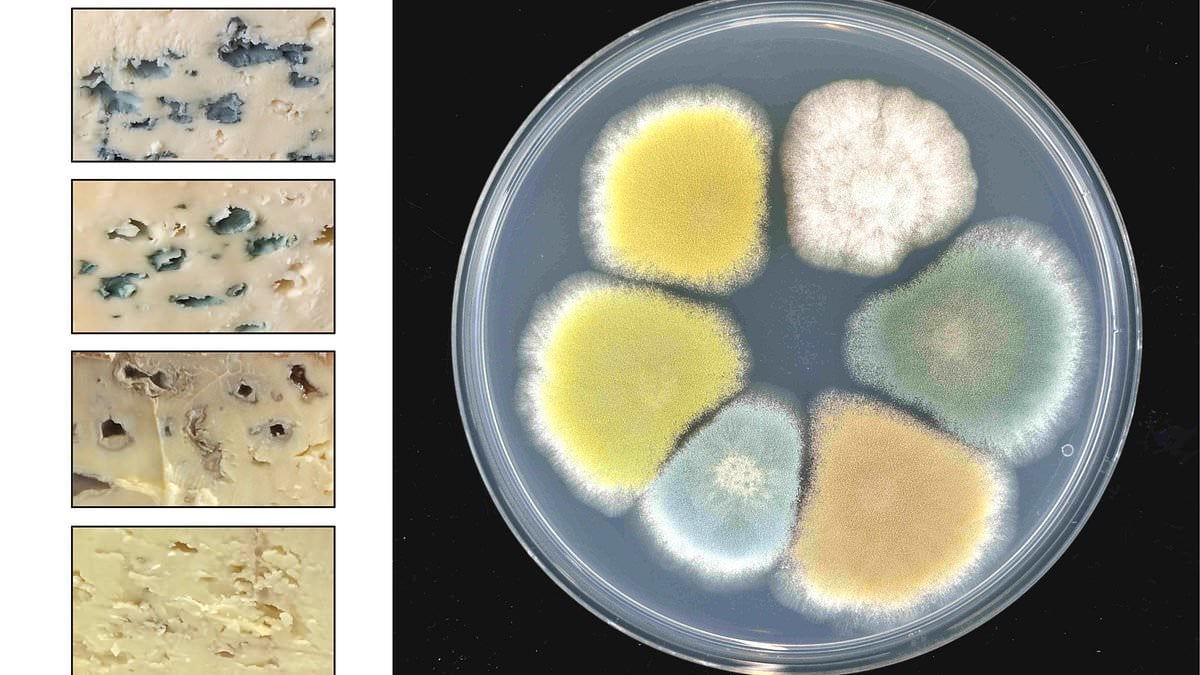
Scientists from the University of Nottingham have developed a method to create different colors of blue cheese by manipulating the biochemical pathway that forms the blue pigments in the cheese. The new color variations taste similar to traditional blue cheese, with subtle differences in flavor perception based on the cheese's color. This innovation could attract new consumers to the market and may lead to the creation of new color varieties of blue cheese in collaboration with cheesemakers.