Tag

Food Science

All articles tagged with #food science

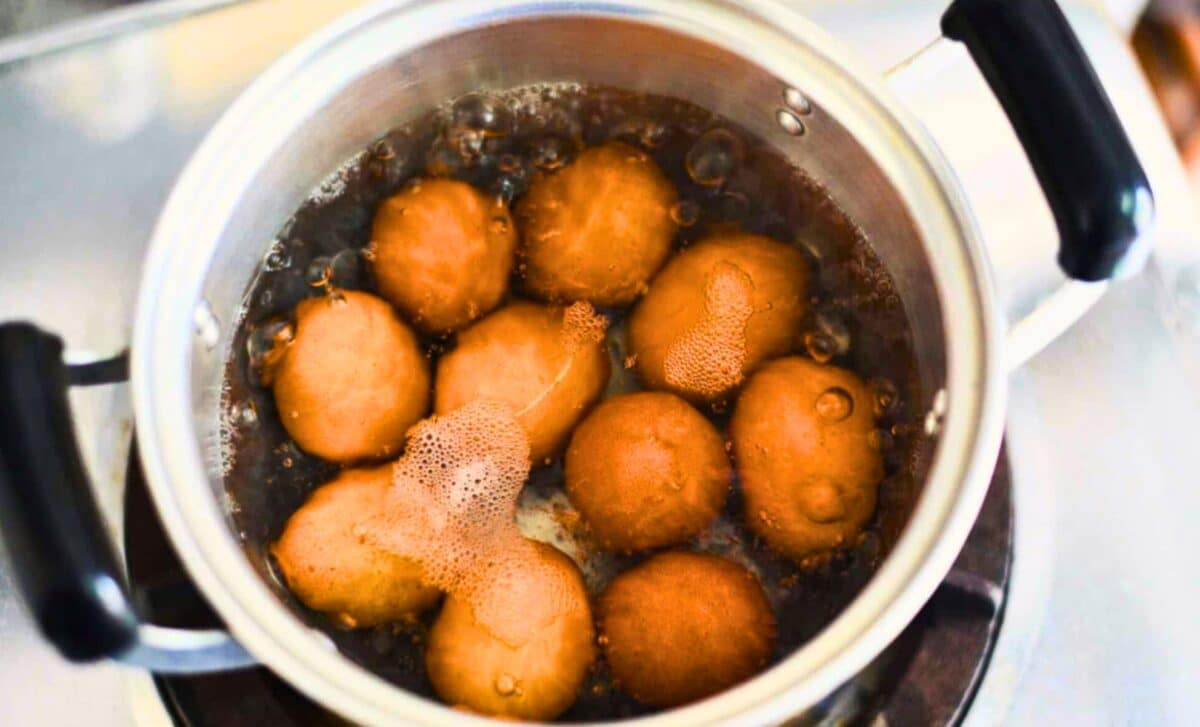
The Hidden Benefits of Adding Salt When Boiling Eggs

Originally Published 2 months ago — by The Daily Galaxy

Featured image for The Hidden Benefits of Adding Salt When Boiling Eggs
Source: The Daily Galaxy

Adding salt to boiling water for eggs doesn't make peeling easier but helps prevent egg whites from leaking out if the shell cracks, by speeding up protein coagulation and forming a protective seal, according to recent scientific research. The real factors influencing peelability are egg age, cooking method, and immediate cooling, not salt. Salt's role is primarily as a safeguard during cooking, not a shortcut for peeling.
Michelin-Starred Restaurant Serves 'Ant-Wich' Made from Centuries-Old Ant Yogurt Recipe

Originally Published 3 months ago — by Live Science

Featured image for Michelin-Starred Restaurant Serves 'Ant-Wich' Made from Centuries-Old Ant Yogurt Recipe
Source: Live Science

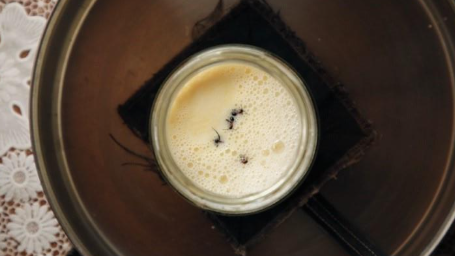
Anthropologists and food scientists recreated 'ant yogurt' using a centuries-old Balkan recipe involving live wood ants and warm milk, discovering that the fermentation process involves bacteria similar to those used in sourdough bread, and showcasing traditional food practices with modern culinary applications.

Fermentation Enthusiast's Delight: Crafting Creamy Ant Yoghurt

Originally Published 3 months ago — by The Guardian

Featured image for Fermentation Enthusiast's Delight: Crafting Creamy Ant Yoghurt
Source: The Guardian

Researchers explore the traditional and scientific aspects of making ant yoghurt, a fermented treat from Bulgaria and Turkey, revealing that ants contribute microbes and formic acid to ferment milk into yoghurt. While promising for food innovation, ethical and sustainability concerns prevent DIY attempts, but the research opens possibilities for novel flavors and plant-based alternatives.

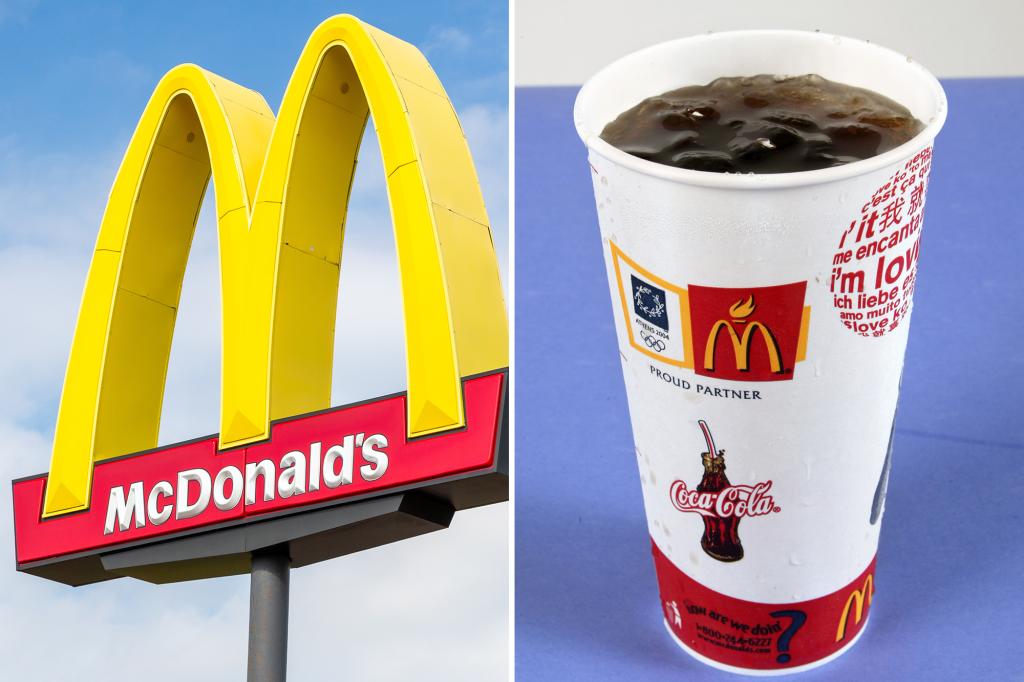
"The Science Behind Why Coke Tastes Better at McDonald's"

Originally Published 1 year ago — by New York Post

Featured image for "The Science Behind Why Coke Tastes Better at McDonald's"
Source: New York Post

Food scientist Abbey Thiel explains that McDonald's Coke tastes better due to the filtration of water, pre-chilling of water and Coke syrup, special straw design, and the use of stainless steel tanks for syrup delivery, all contributing to a superior flavor and carbonation level.

"Uncover the Health Benefits of Onions and How to Avoid Tears While Cutting"

Originally Published 1 year ago — by CNN

Featured image for "Uncover the Health Benefits of Onions and How to Avoid Tears While Cutting"
Source: CNN

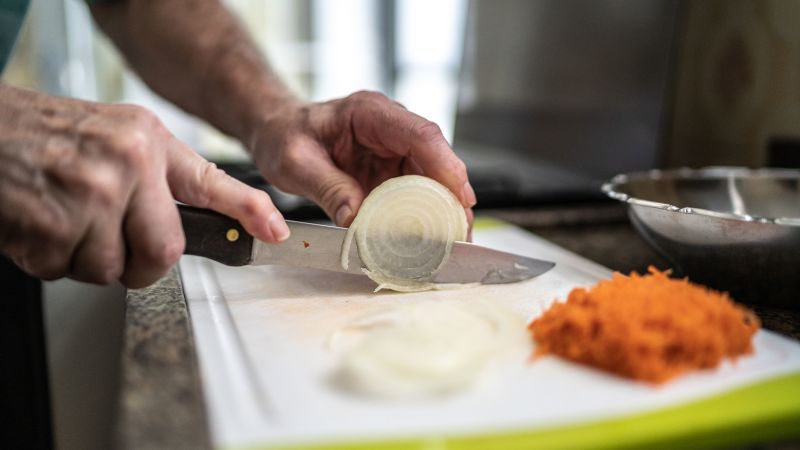
Experts explain that the stinging sensation when cutting onions is a defense mechanism of the plant, and offer various methods to reduce tears, such as using a fan, wearing goggles, chilling the onion, microwaving it, adding acids, and even lighting a candle. While some methods may work for some people, there is no guaranteed way to completely avoid tearing up while cutting onions.

"Lab-Grown Mold: The Surprising New Meat Replacement"

Originally Published 1 year ago — by Study Finds

Featured image for "Lab-Grown Mold: The Surprising New Meat Replacement"
Source: Study Finds

Scientists at Lawrence Berkeley National Laboratory and the University of California-Berkeley have used gene editing to create a sustainable and flavorful meat alternative made from fungi, specifically the koji mold. By altering the mold's genes, they increased its iron content, resulting in a burger patty with a meat-like texture and color. This research not only offers a new environmentally friendly and cruelty-free food source but also represents a significant advancement in synthetic biology, unlocking the potential of fungi for producing foods, biofuels, and medicines.

"Dietitians' Top Picks: Why Orange Juice is Out"

Originally Published 1 year ago — by Daily Mail

Featured image for "Dietitians' Top Picks: Why Orange Juice is Out"
Source: Daily Mail

Top gut health experts, including Professor Tim Spector, Rob Hobson, Professor Gunter Kuhnle, Kim Pearson, and Rhiannon Lambert, share their daily eating habits and emphasize the importance of gut health. They advocate for a diet rich in plants, fermented foods, and fiber, while avoiding excessive blood sugar spikes. Their meals include a variety of nutritious foods such as porridge, salads, one-pan fish dishes, and homemade protein bars, with a focus on balancing macronutrients and prioritizing hydration.

"Unveiling the Breakthrough for Healthier Potato Chips and French Fries"

Originally Published 1 year ago — by New York Post

Featured image for "Unveiling the Breakthrough for Healthier Potato Chips and French Fries"
Source: New York Post

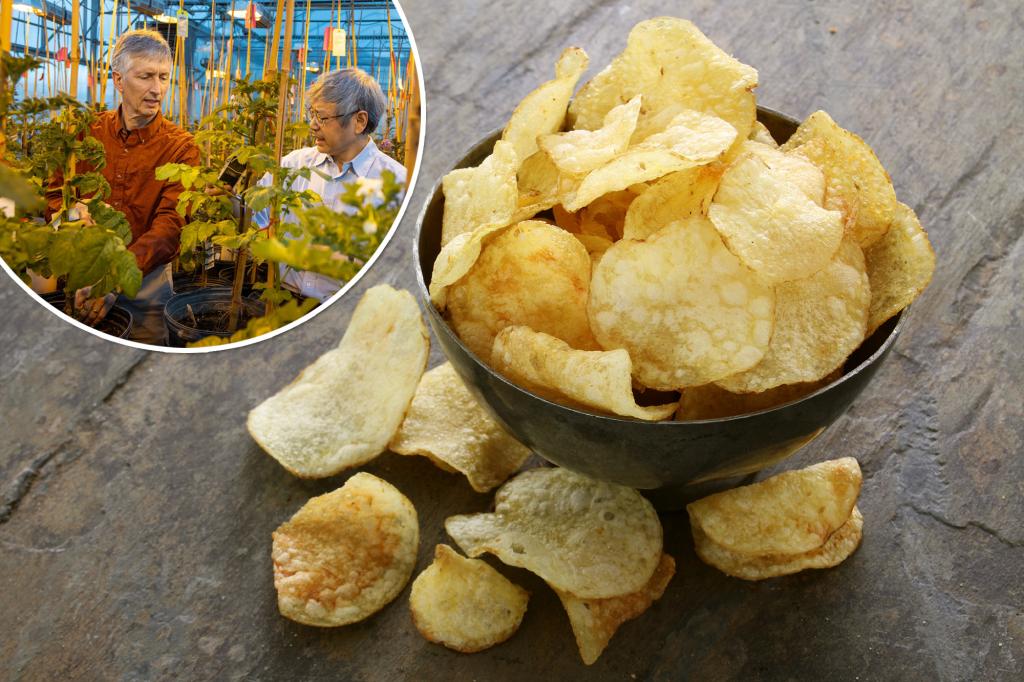
A breakthrough study by scientists at Michigan State University has uncovered a mechanism to produce healthier and tastier potato varieties, including chips and fries, even when stored in cold conditions. The study identified a gene responsible for cold-induced sweetening (CIS) in potatoes, which leads to the formation of acrylamide, a carcinogenic compound, when cooked at high temperatures. By halting this process, the researchers aim to develop CIS-resistant potatoes that could lead to healthier and more appealing potato-based products, potentially impacting food quality and health worldwide.

"Gene Manipulation Unlocks Healthier Potato Chips and Fries"

Originally Published 1 year ago — by Newsweek

Featured image for "Gene Manipulation Unlocks Healthier Potato Chips and Fries"
Source: Newsweek

Scientists have discovered a way to develop cold-resistant potatoes that do not undergo cold-induced sweetening (CIS), which can lead to the production of toxic compounds like acrylamide in potato products such as chips and fries. By identifying and modifying the gene responsible for CIS, researchers hope to create healthier potato snacks that are resistant to the cold, reducing the risk of toxic compound production during processing. This breakthrough could also lead to more effective storage and transportation of potatoes, potentially reducing food waste and costs.

"Researchers Uncover Method to Transform Blue Cheese into Pink Delicacy"

Originally Published 1 year ago — by The Takeout

Featured image for "Researchers Uncover Method to Transform Blue Cheese into Pink Delicacy"
Source: The Takeout

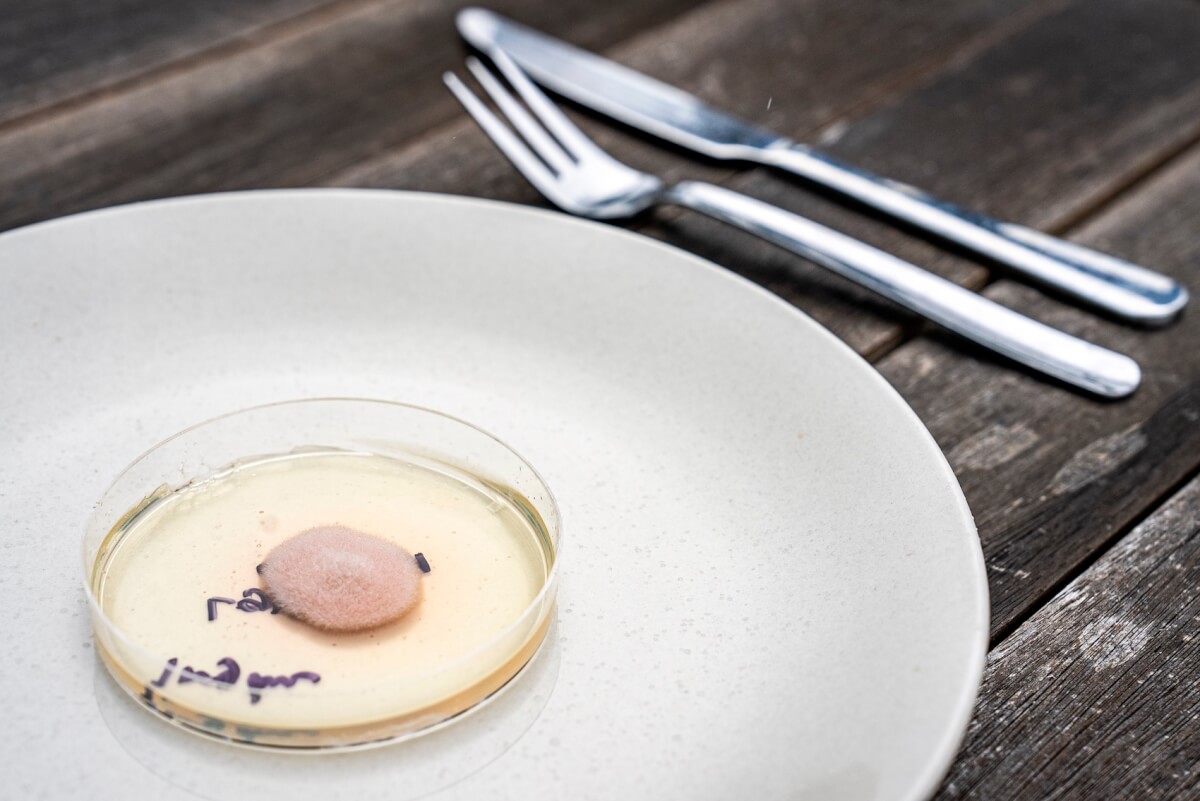
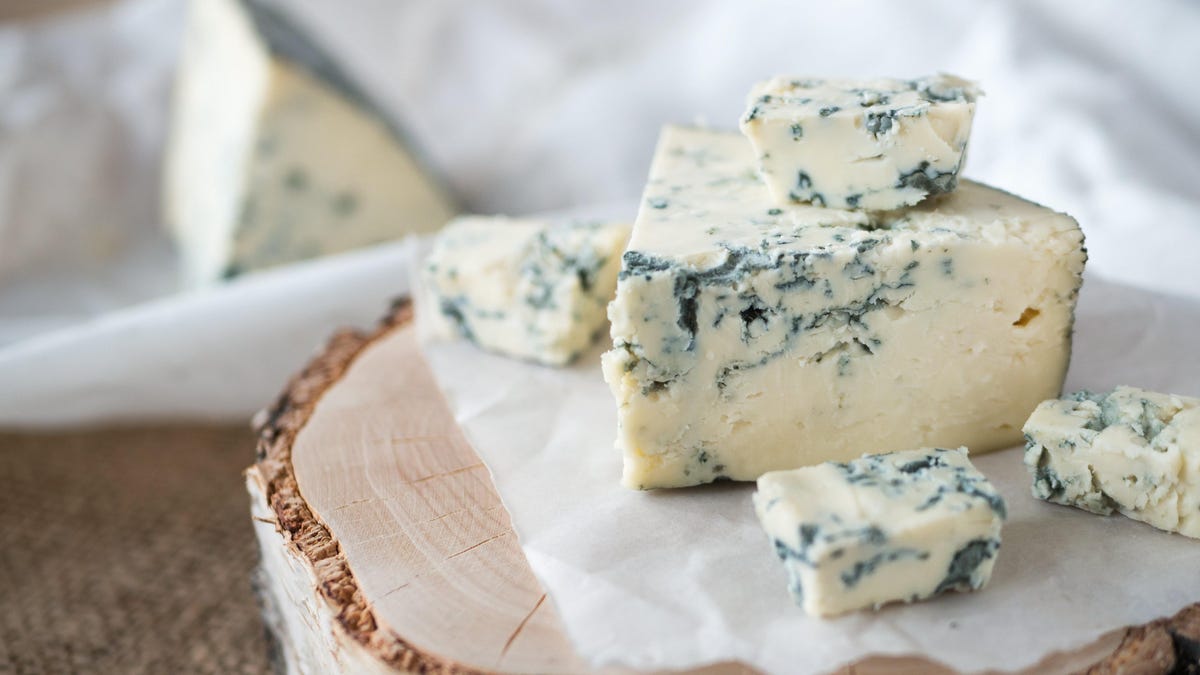
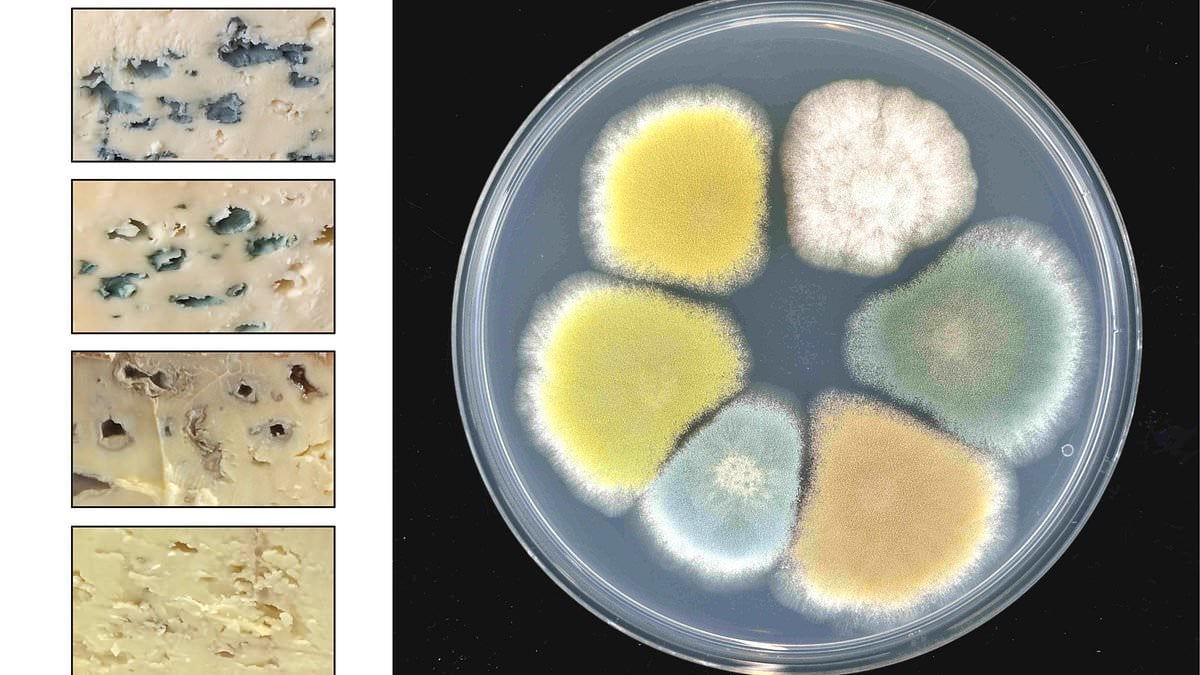
Scientists at the University of Nottingham have discovered a way to manipulate the color of blue cheese, ranging from white to pink, by altering the pigmentation process of the fungus Penicillium roqueforti. Despite the color changes, the taste of the cheese remains similar to the original blue strains, with volunteers noting differences in perceived fruitiness and tanginess based on color. This breakthrough in color manipulation raises questions about the impact on flavor perception and challenges traditional associations with food colors.

"The Surprising Science Behind Blueberries' Blue Hue and Potential Health Benefits"

Originally Published 1 year ago — by Mentalfloss

Featured image for "The Surprising Science Behind Blueberries' Blue Hue and Potential Health Benefits"
Source: Mentalfloss

Blueberries are not actually blue in the true sense of the word; their color comes from a unique structural mechanism involving nanostructures in their waxy coating that scatter blue and ultraviolet light while absorbing other wavelengths. This "structural color" is also responsible for the blue and indigo hues in other fruits and natural elements. The discovery could lead to new types of blue paints and dyes in the future. The scarcity of true blue pigments in nature is due to the high-energy nature of the color, which plants typically absorb rather than reflect. Fruits and flowers that appear blue use various mechanisms, such as mixing non-blue pigments or relying on special colorants in their coatings.

"Cheesy Breakthrough: Scientists Expand Blue Cheese Palette with Vibrant New Colors"

Originally Published 1 year ago — by Daily Mail

Featured image for "Cheesy Breakthrough: Scientists Expand Blue Cheese Palette with Vibrant New Colors"
Source: Daily Mail

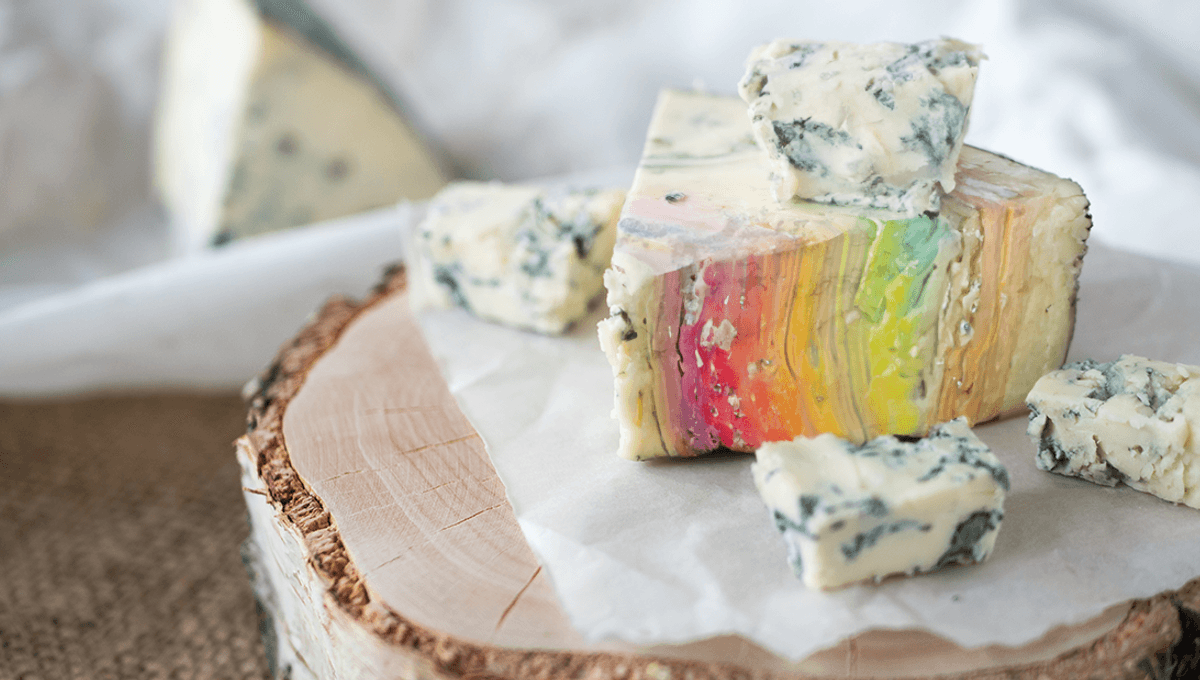
Scientists from the University of Nottingham have developed a method to create different colors of blue cheese by manipulating the biochemical pathway that forms the blue pigments in the cheese. The new color variations taste similar to traditional blue cheese, with subtle differences in flavor perception based on the cheese's color. This innovation could attract new consumers to the market and may lead to the creation of new color varieties of blue cheese in collaboration with cheesemakers.

"Cheesy Breakthrough: Scientists Create Rainbow of Blue Cheese Colors"

Originally Published 1 year ago — by IFLScience

Featured image for "Cheesy Breakthrough: Scientists Create Rainbow of Blue Cheese Colors"
Source: IFLScience

Scientists at the University of Nottingham have discovered a way to create blue cheese in a variety of new colors by inducing sexual reproduction in the fungus used to make blue cheese, resulting in new strains with novel flavors and appearances. By mutating genes within the biochemical pathway that forms the blue pigment, they were able to produce different color variants without compromising safety. Taste trials revealed that people perceived the taste of the new colored cheeses differently based on their appearance, showing that people perceive taste not only from what they taste but also by what they see. The researchers are working with a company called Myconeos to potentially bring multicolored cheese to the market.