The death of Craig, a renowned Super Tusker elephant in Kenya, highlights the rarity and conservation challenges of these giant elephants with massive tusks, emphasizing ongoing efforts to protect the species and raise awareness about their plight.
In 2025, Earth's oceans reached a record-high heat content, absorbing 23 Zetta Joules of energy, which accelerates climate change impacts such as stronger storms, rising sea levels, and more extreme weather events, with uneven warming across regions fueling unpredictable weather patterns.
The world's oceans experienced record-breaking heat for the ninth consecutive year in 2025, driven by rising greenhouse gas emissions, leading to severe weather events, melting ice sheets, and threats to marine life, with no end in sight unless global emissions are drastically reduced.
A dangerous invasive beetle, the goldspotted oak borer, has reached Ventura County, California, threatening local oak ecosystems with significant tree mortality. The beetle, native to Arizona, spreads mainly through firewood and has already killed around 200,000 oak trees in the state. Efforts are underway to contain its spread through tree removal, insecticides, and public education, but eradication remains unlikely.
The Louisiana Department of Wildlife and Fisheries declared an emergency after detecting chronic wasting disease in a deer in Concordia Parish, affecting multiple parishes with restrictions on baiting, feeding, and carcass transport to prevent the spread of this fatal disease.
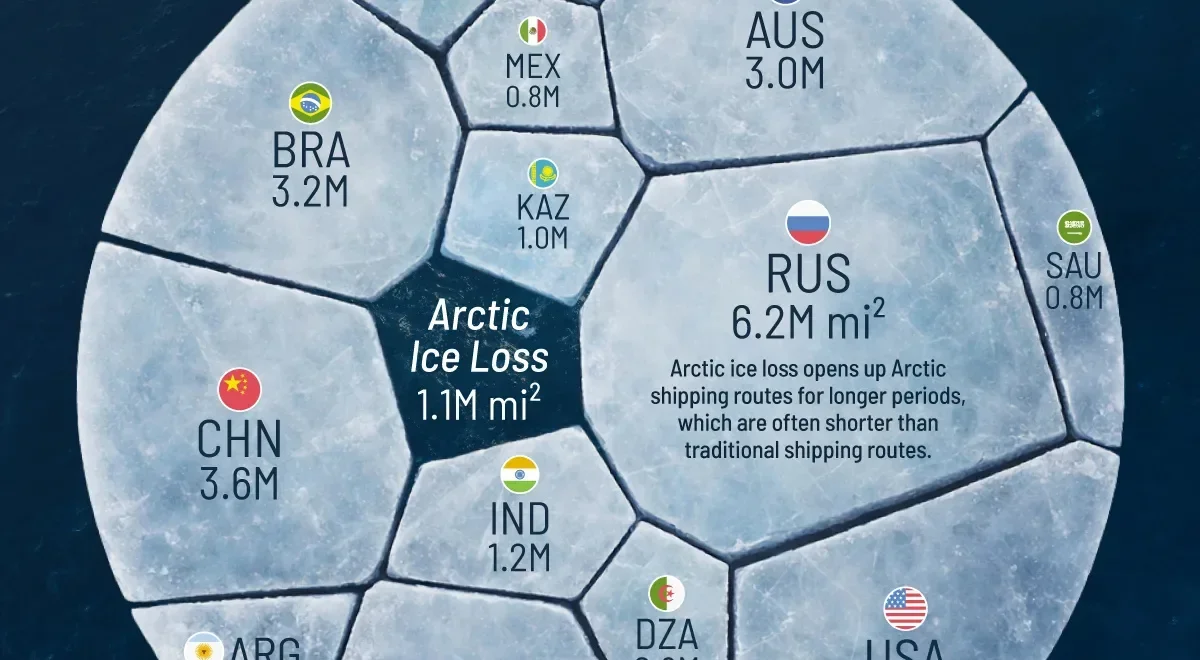
Scientists warn that the 'Doomsday Glacier' in Antarctica is nearing a critical breaking point, which could significantly raise sea levels by about 65 centimeters if it collapses. The glacier's structural integrity has been compromised due to ongoing fracturing, and its potential collapse could accelerate sea level rise, impacting global communities and ecosystems. Arctic ice is melting at an alarming rate, driven by human activities and climate change, with efforts underway to monitor and mitigate these effects through satellite data and behavioral changes.
California is officially drought-free for the first time in 25 years due to recent heavy rainfall and winter storms, filling reservoirs and alleviating drought conditions, though snowpack levels remain below average, leaving some uncertainty about future water supply.
California has experienced a rare period of no abnormal dryness for the first time in 25 years, thanks to recent heavy rains and atmospheric rivers, reducing wildfire risk and water supply concerns, though climate change is expected to cause more extreme weather swings in the future.
The Earth's oceans have warmed for the ninth consecutive year in 2025, absorbing vast amounts of heat that contribute to climate change, extreme weather, and threats to marine ecosystems like coral reefs, with the warming penetrating as deep as 2,000 meters and likely to persist for centuries. Immediate action to reduce greenhouse gases could stabilize or reverse this trend.
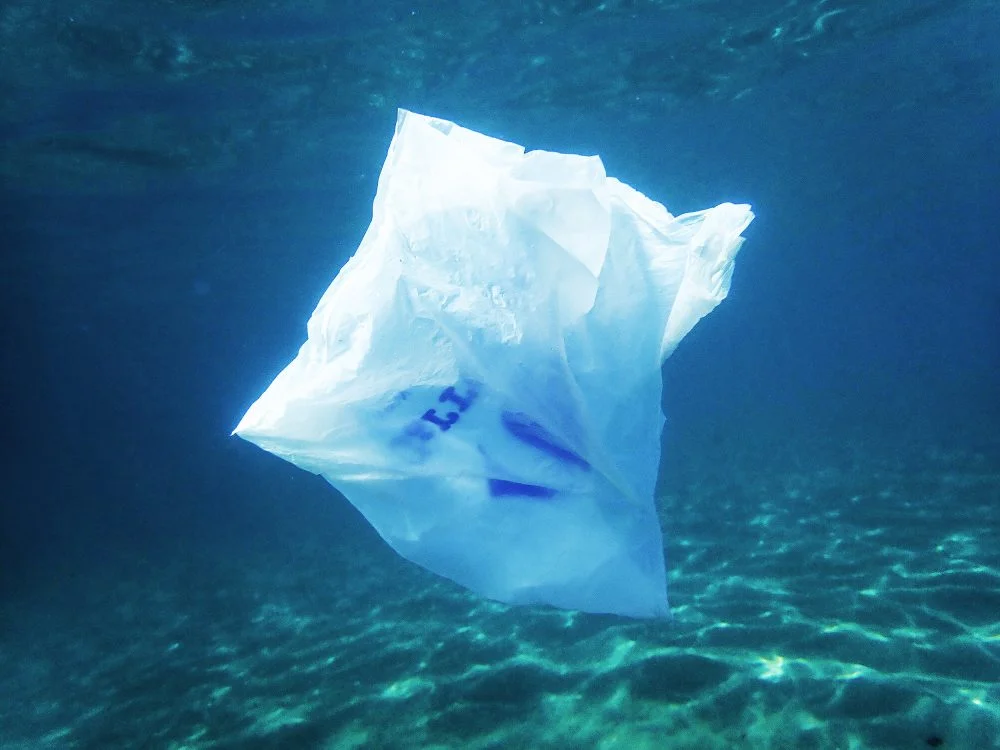
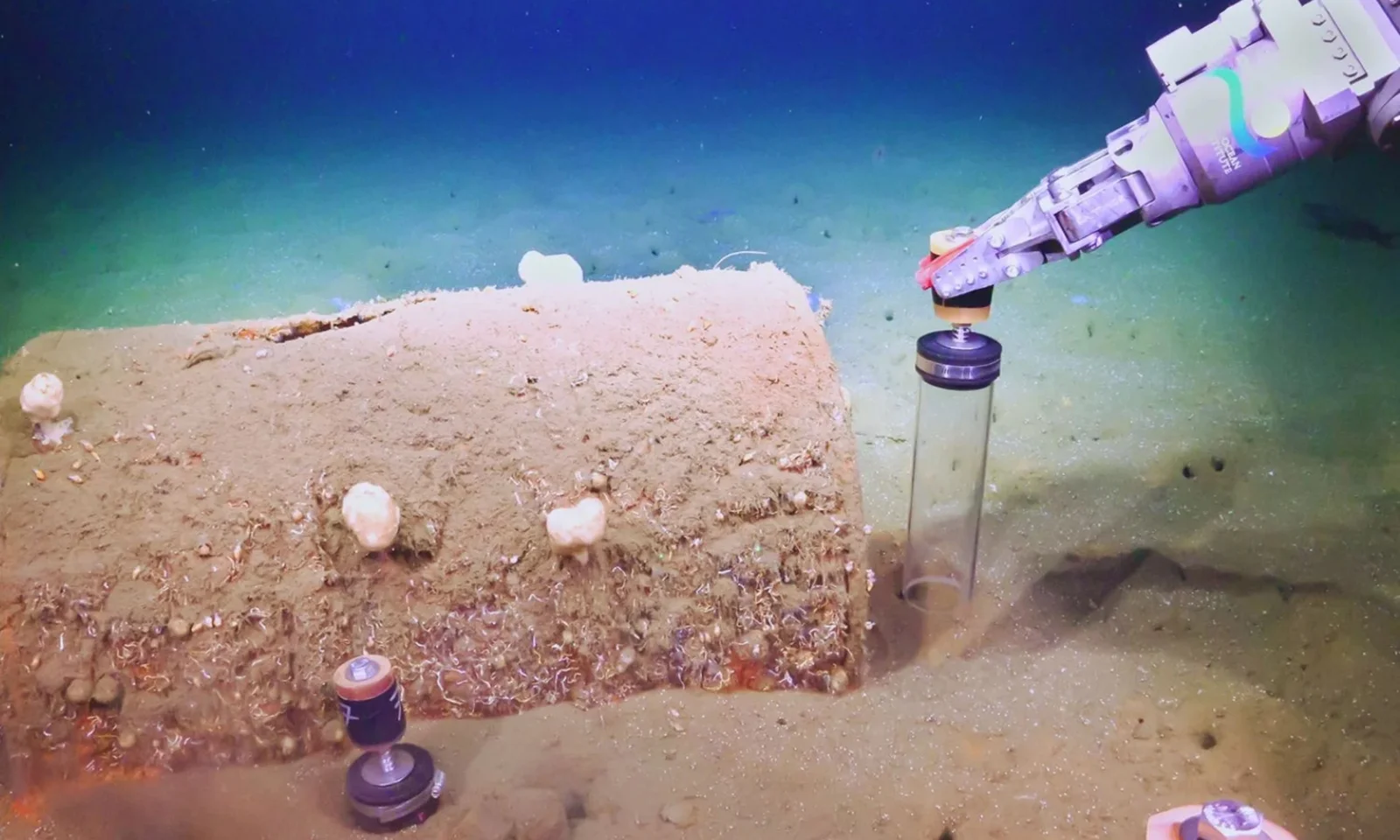
The Great Pacific Garbage Patch, once seen solely as pollution, is now hosting diverse marine communities, including species typically found near coastlines, which are reproducing and thriving on plastic debris, transforming it into a new habitat in the open ocean.
The western US is experiencing a severe snow drought due to record-high temperatures and lack of snowfall, threatening water supplies, increasing wildfire risks, and impacting outdoor industries, with experts warning that ongoing climate shifts could worsen long-term drought conditions and affect future events like the 2034 Winter Olympics in Utah.
Bushfires can generate their own weather systems, including powerful thunderstorms called pyrocumulonimbus clouds, which can intensify fires, cause lightning, and spread embers over large distances. These fire-induced weather phenomena are becoming more common due to climate change, posing significant challenges for fire prediction and management. Understanding these processes is crucial for improving emergency responses and mitigating risks.
The icebreaker Araon has arrived at the Thwaites Glacier in Antarctica, where it is now surrounded by the rapidly melting glacier, highlighting concerns about climate change and ice loss in the region.
The western US is experiencing a snow drought in 2026, worsened by atmospheric river storms that caused heavy rainfall and melting of snowpack, which is critical for regional water supplies. Warmer temperatures have led to more rain instead of snow, exacerbating water shortages and increasing risks of flooding and landslides. Scientists are working to improve predictions and understand storm impacts to better manage water resources amid climate change.
A rare North Atlantic right whale, first spotted off Donegal in Ireland, was later confirmed to have been sighted in Massachusetts Bay, US, highlighting its remarkable travel ability and the importance of international cooperation for its conservation.