The article explores various high-protein snack options beyond eggs, including meat, fish, and plant-based sources like Icelandic dried fish, biltong, seitan, edamame, pumpkin seeds, hemp seeds, lupin beans, cottage cheese, and hummus with pita, highlighting their protein content and health benefits.
A materials scientist at TUMCREATE in Singapore is developing plant-based meat alternatives using microalgae and soybeans, focusing on extracting proteins from microalgae, which are high in protein content and suitable for urban cultivation, to improve texture and mouthfeel in plant-based meats.
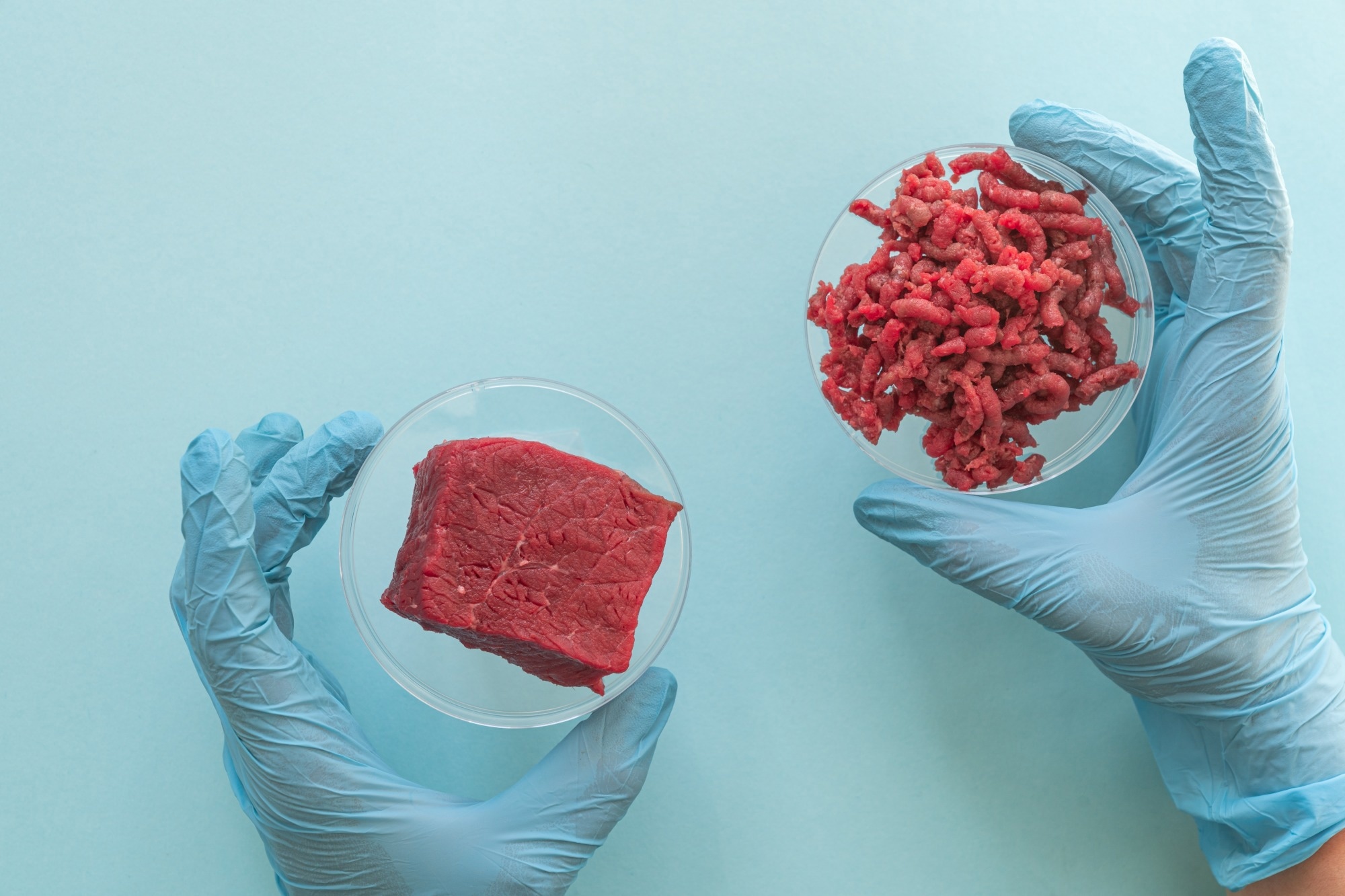
Scientists at Lawrence Berkeley National Laboratory have genetically modified fungi to produce compounds that mimic the taste and texture of meat, offering a new approach to sustainable and cruelty-free food options.
A recent study analyzing 1,868 meals from fast food chains across five countries found no significant health benefits in choosing plant-based options over traditional meat-based meals. The plant-based meals were not lower in calories and had less protein and sodium but more carbohydrates and sugar. The research suggests that consumers may be under the illusion that plant-based fast food options are a healthier choice, highlighting the importance of informed decisions when it comes to diet, especially for individuals with metabolic disorders like Type 2 diabetes.
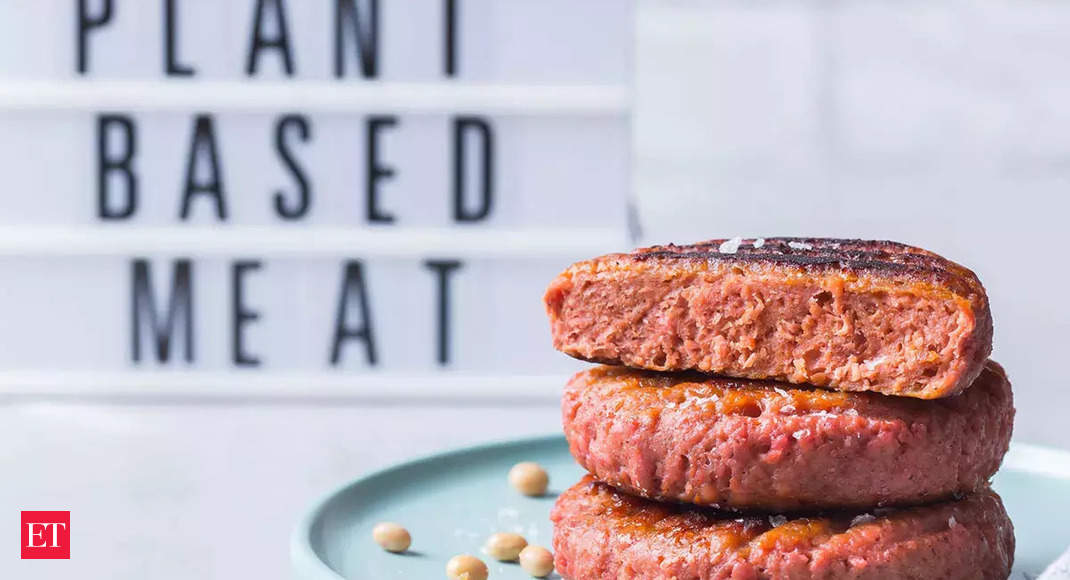
A team of scientists, led by a UK-based researcher of Indian origin, has developed a new method to improve the texture and appeal of plant-based meat alternatives. By creating plant protein microgels through a process called microgeletion, the researchers were able to transform dry and rough plant proteins into a hydrated and juicy texture that mimics the mouthfeel of fats. The microgels, made up of tiny particles, trap water around the plant proteins, resulting in a lubricity similar to single cream. This breakthrough could revitalize consumer interest in plant-based proteins, potentially reducing reliance on animal products and helping to meet global climate change targets. The protein microgels offer a platform for designing healthier, palatable, and sustainable foods, and could also be used to replace fat in other food processing applications.
Nutritionists recommend avoiding traditional or ballpark-labeled hot dogs due to high sodium and additives. Healthier options include hot dogs made from whole beef, turkey, or chicken, with less than 400mg of sodium per serving. Uncured and nitrate/nitrite-free hot dogs with minimal ingredients are preferred. Organic Valley Uncured 100% Beef Hot Dogs and Applegate Naturals Do Good Dog Uncured Beef Hot Dogs are among the healthier beef options. Applegate Naturals Natural Stadium Beef and Pork Hot Dogs and Seemore La Dolce Beet-a Pork Sausages are recommended pork blends. Organic Valley Uncured Pasture-Raised Turkey Hot Dogs and Applegate Natural Uncured Turkey Hot Dogs are healthier turkey options. Applegate Organics Great Organic Uncured Chicken Hot Dog and Bilinski’s Mild Italian Chicken Sausage with Bell Peppers are recommended chicken options. Upton Naturals Updog Vegan Hot Dog and Jack & Annie’s Jackfruit Sausages are healthier vegetarian options. Unhealthy options to avoid include Ball Park Brand Prime Uncured Beef Franks, Kayem Beef & Pork Hot Dogs, Ball Park Brand White Meat Smoked Turkey Franks, Gwaltney Original Chicken Hot Dogs, and Lightlife Smart Dogs.
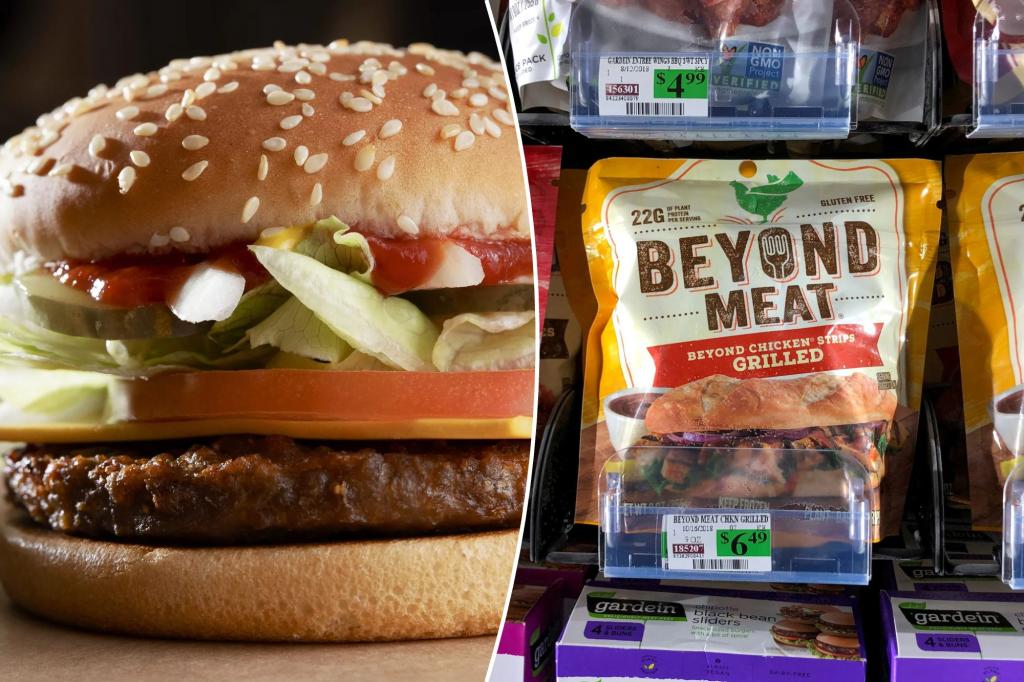
India has the highest rate of vegetarians, with nearly 24% of the population following a vegetarian diet, followed by Mexico, Brazil, and Taiwan. Vegetarianism is influenced by cultural beliefs, such as non-violence towards animals, and health-conscious choices. Countries like Croatia and Chad have significant differences in vegetable consumption per capita, reflecting efforts to maintain health standards and agricultural abundance. Vegetarianism is considered a sustainable food choice, but it is still not as popular globally, with 86% of respondents surveyed in 21 countries stating that their diet contains meat. Several companies, including Beyond Meat, Kellogg Company, and Tyson Foods, are innovating to create meat alternatives and cater to the growing demand for vegetarian products.
A recent study in the Netherlands found that consumers generally perceive plant-based meat alternatives as healthier than meat, but are less willing to buy them due to lower palatability and higher prices. Participants also overestimated the protein content of meat alternatives compared to meat. The study highlights the need for a transparent and fair environment regarding the nutritional value of meat alternatives for consumers to create a sustainable food system.
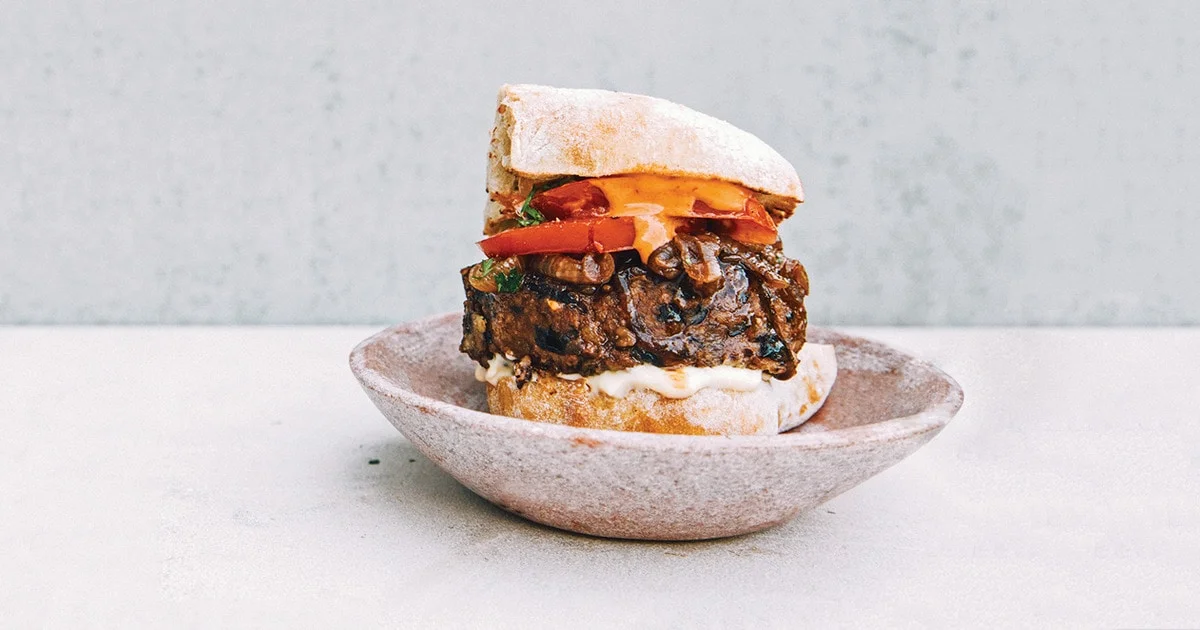
You don't need to rely on plant-based meat products to enjoy a meaty texture in your meals. There are plenty of nutritious, whole food, plant-based ingredients that can be prepared and cooked to taste like meat, such as tempeh, jackfruit, tofu, beans, seitan, mushrooms, and cauliflower. These ingredients are not only tasty but also healthier and more sustainable than animal products. Try out these affordable and versatile vegan meat alternatives in your next meal plan.