
food-technology2.46 min read
"Lab-Grown Beef-Infused Rice: A Sustainable Hybrid Protein Source"
2 years ago•Source: Engadget

The latest food technology stories, summarized by AI

Scientists in South Korea have developed a beef-rice hybrid grown in a lab, combining cow muscle and fat stem cells with rice grains to create a protein-rich food source with a significantly lower carbon footprint than traditional beef farming. The hybrid has more protein and fat than regular rice, is cheaper than natural meat, and has a lower risk of foodborne illnesses. Researchers aim to commercialize the product as a low-cost and nutritious food source with potential applications in addressing famine, natural disasters, and long-term space travel.

Gizmodo•2 years ago
ScienceAlert•2 years ago

Scientists in Korea have developed a new "Frankenfood" by growing meat cells inside rice grains to create an all-in-one ready meal, claiming it to be affordable, tasty, and environmentally friendly. The process involves coating rice with fish gelatin, seeding cow muscle and fat stem cells into the rice, and culturing them for nine to 11 days. The resulting product is described as mushy pink rice with a firm bite and a creamy, beefy taste, with potential applications in food relief, military rations, and space food. The hybrid rice releases significantly less CO2 compared to beef and could cost much less, offering a promising solution to the environmental impact of traditional meat production.
Restaurants in San Francisco and Washington D.C. are now offering lab-grown chicken on their menus, sparking discussions about its potential as a more climate-friendly alternative. While it is still too early to determine the full advantages of lab-grown meat for the planet, this culinary innovation is gaining attention as a potential future of dining.
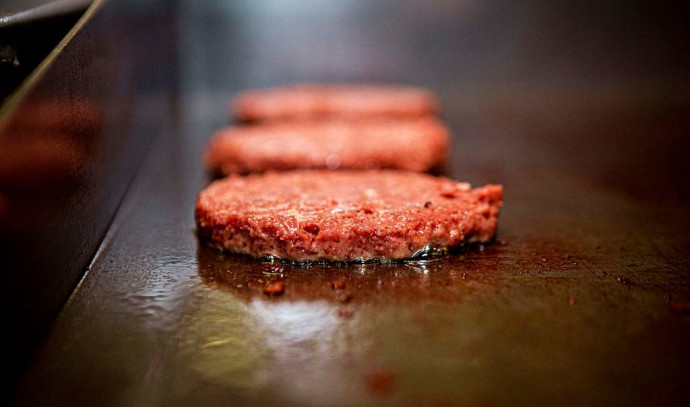
Scientists have developed a method to improve the texture of plant-based foods by turning plant proteins into plant protein microgels, resulting in a moist and fatty texture similar to meat. The study, published in Nature Communications, aims to address the drawbacks of plant-based meat alternatives and reduce the environmental impact of the meat industry, which is responsible for over half of food-related carbon emissions. The process involves heating dry plant proteins in water to create a gel that retains water around the protein, providing a more meat-like texture without the need for added fat.

Lab-grown chicken, cultivated from chicken cells, is making its way to restaurant tables at chef José Andrés' Washington, D.C., restaurant. Good Meat, a California-based company, supplies the lab-grown poultry, which is considered more sustainable than traditional livestock farming. While some researchers caution that the environmental impacts of cultivating meat need monitoring, many people are open to trying it. The cultivated chicken will eventually be available in stores once production is scaled up, with the company's next target being lab-grown beef.

The U.S. Agriculture Department has approved the sale of lab-grown meat from animal cells, marking a significant milestone for the alternative protein industry. California-based companies Upside Foods and Good Meat are the first in the country to receive federal clearance to sell meat cultivated from stem cells. Lab-grown meat is produced by multiplying animal cells in a bioreactor and feeding them a nutrient-rich broth to develop muscle, fat, or connective tissue. While supporters believe it offers environmental benefits and reduces animal suffering, opponents raise concerns about potential risks and labeling.
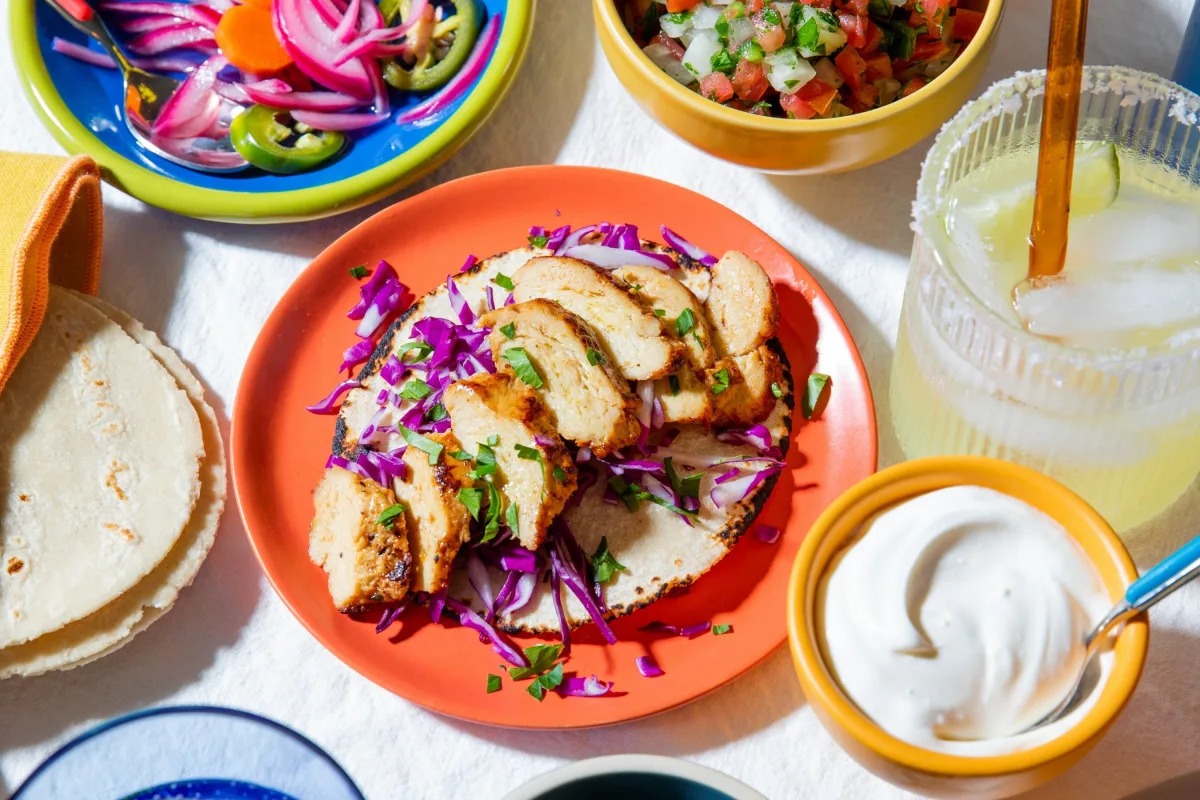
Upside Foods and Eat Just have received full approvals from the U.S. Department of Agriculture to sell their lab-grown chicken products, following confirmation from the Food and Drug Administration that their cell-cultivated meat is safe for human consumption. While the initial impact on the meat industry may be small, lab-grown meat could potentially compete with plant-based alternatives in the long term. The taste and nutrition of lab-grown meat are said to be similar to traditional meat, and it will be labeled as "cell-cultivated" in stores. While lab-grown meat may appeal to those concerned about animal welfare, it is unlikely to be embraced by vegetarians and vegans who avoid consuming animal products altogether. The potential for lab-grown meat to address world hunger or environmental issues is uncertain, as it is currently geared towards an upscale niche market and the energy and emissions associated with its production are still being evaluated.

The USDA has approved the sale of lab-grown chicken, allowing companies like UPSIDE Foods and Eat Just to begin producing and selling the product. While it may take years before lab-grown chicken is available in regional grocery chains due to price competition with conventionally raised livestock, the companies are working to increase production. The approval involves a rigorous process, including assessing a firm's food-safety system. Lab-grown meat is grown in steel tanks using cells from a living animal, making it real meat, not "fake meat." Advocates describe it as clean, safe, and humane compared to conventional ways of raising livestock.

The USDA has granted UPSIDE Foods permission to sell its lab-grown poultry to Americans, making it the first company to sell cell-cultured meat in the US. The process involves taking cells from the desired animal and isolating them in a lab, feeding them a blend of minerals, salt, vitamins, sugars, water, and amino acids, and then molding them into the familiar shape of poultry. The product can be seasoned, breaded, fried, and more. At first, the lab-grown chicken will be available in a limited number of restaurants, including chef Dominique Crenn's San Francisco eatery Bar Crenn.

The US Department of Agriculture has ruled that cultured chicken is safe to eat and legal to sell. Two California-based companies, Upside Foods and Good Meat, have received FDA approval for their lab-grown chicken. Upside Foods plans to produce 50,000 pounds of meat per year, while Good Meat is building a demonstration plant in Singapore and plans to build a large-scale facility in the US with an annual production capacity of 30 million pounds of meat. Educating consumers on how cultured meat is made could help overcome skepticism, but the industry still faces challenges related to cost, scalability, and environmental impact.
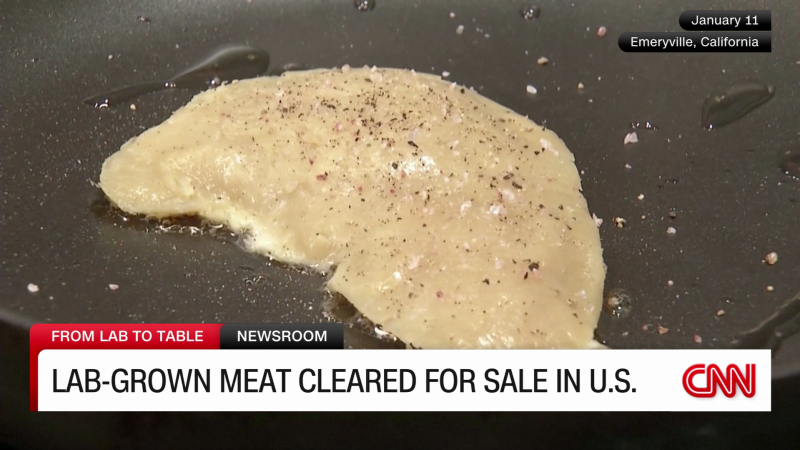
The USDA has approved the sale of lab-grown meat in the United States, with two companies planning to start selling it. Bruce Friedlich, who promotes plant- and cell-based alternatives to animal products, discusses the positive global environmental impact this could have.