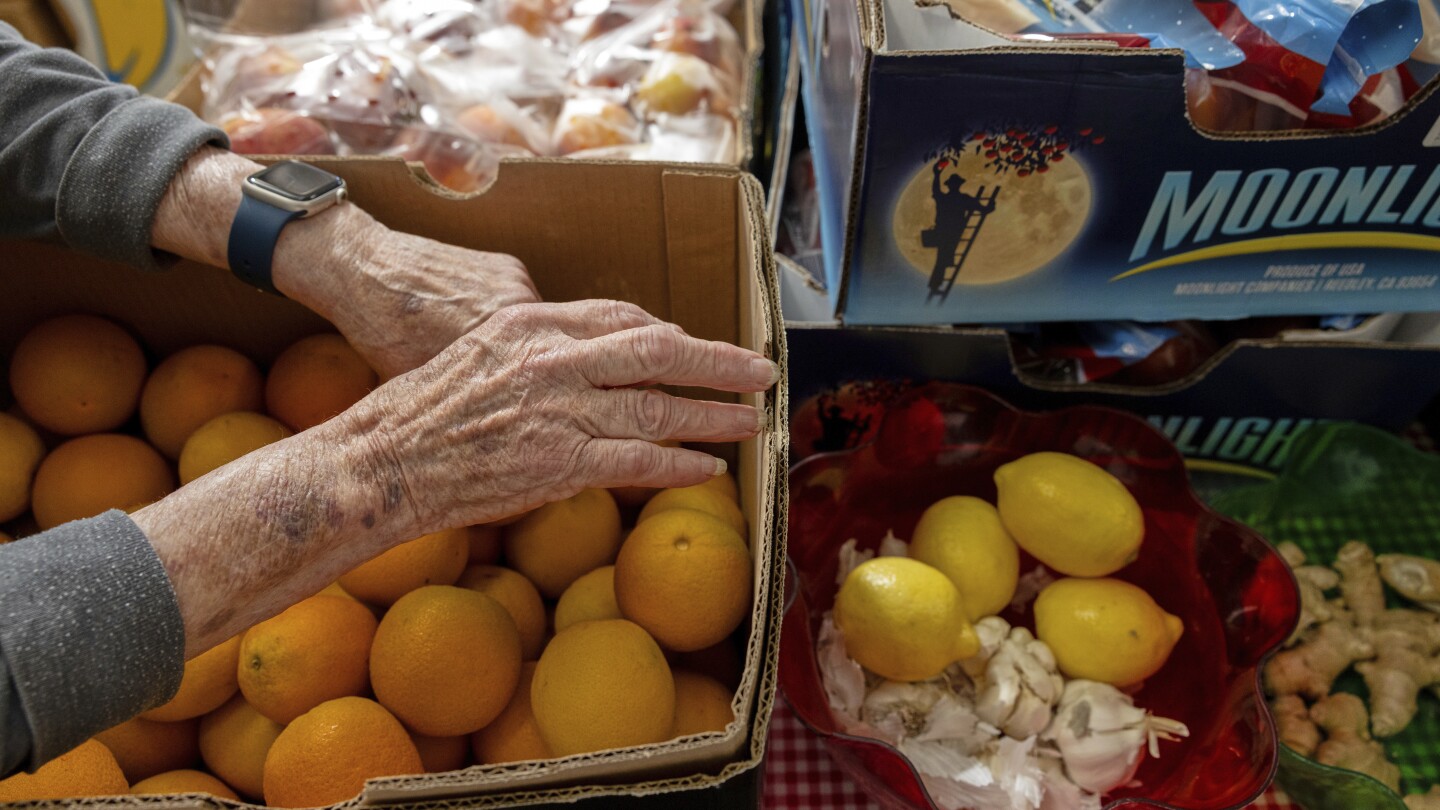
Kroger has launched the Verified Savings Program offering 20% discounts on fruits and vegetables for eligible customers receiving government assistance, with additional benefits like half-off Boost memberships, aiming to improve food access and security. The program is valid through January 31, 2026.
Russia launched drone attacks on Ukrainian Black Sea ports, hitting civilian ships and infrastructure, raising concerns over global food security, while Ukraine and its allies prepare for diplomatic talks to resolve the conflict. Meanwhile, Russia faces Ukrainian attacks on its Black Sea port of Tuapse, and international sanctions issues continue involving Russian figures.
The climate crisis is intensifying crop pests, threatening global food security by increasing damage to key crops like wheat, rice, and maize, with potential losses rising significantly as temperatures rise. Experts emphasize the need for diversified and resilient agricultural systems, restoring natural habitats, and leveraging technology like AI to mitigate these impacts.
A study finds that increased atmospheric CO2 makes food more caloric but less nutritious and potentially more toxic, with significant drops in essential nutrients like zinc and iron, raising concerns about future food quality and health impacts.
Scientists have developed a new sustainable protein source by growing edible fungi on carrot processing leftovers, which was preferred in taste tests over traditional plant-based proteins in vegan burgers and sausages, offering a promising solution for food security and environmental sustainability.
A federal judge ordered the Trump administration to fully fund SNAP benefits by Friday, criticizing the administration for partial payments and for threatening to defy court orders, highlighting the risk of hunger for millions of children and families.
As SNAP benefits expire amid a government shutdown, mayors and governors across the US are stepping in to cover the shortfall, with the Trump administration refusing to release contingency funds, risking food insecurity for millions of vulnerable Americans.
The Trump administration has ended the annual report on hunger in America, citing inaccuracies and politicization, amid ongoing food aid cuts and a declining poverty rate, leading critics to accuse the administration of hiding rising hunger levels.
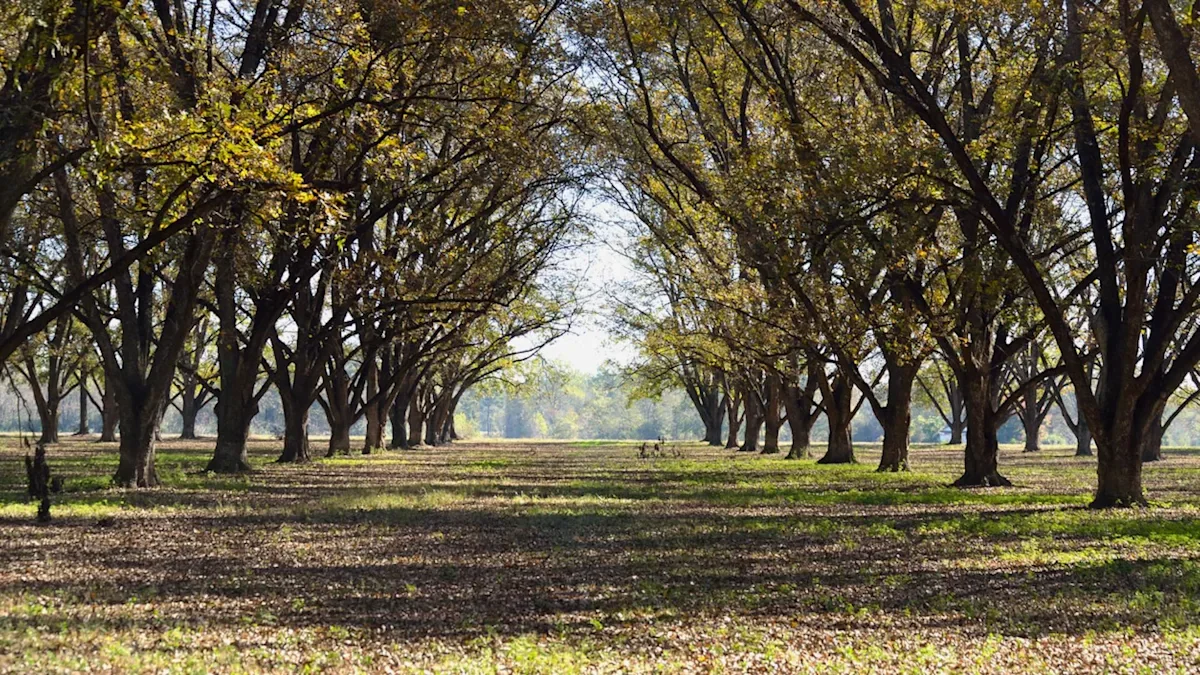
Texas pecan farmers face total crop failure due to severe drought and weather events linked to climate change, highlighting global issues with staple crop shortages and the need for resilient agricultural practices and climate action.
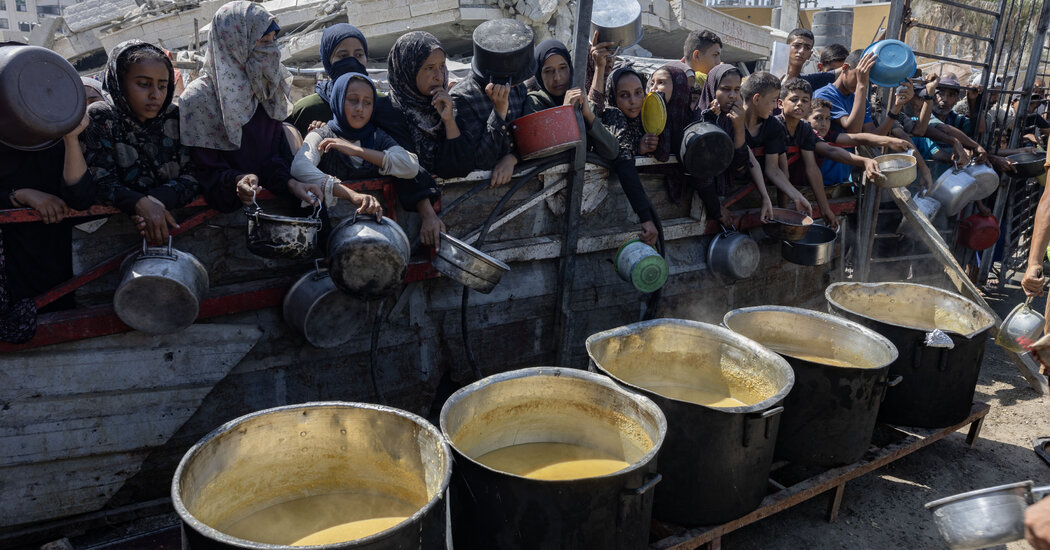
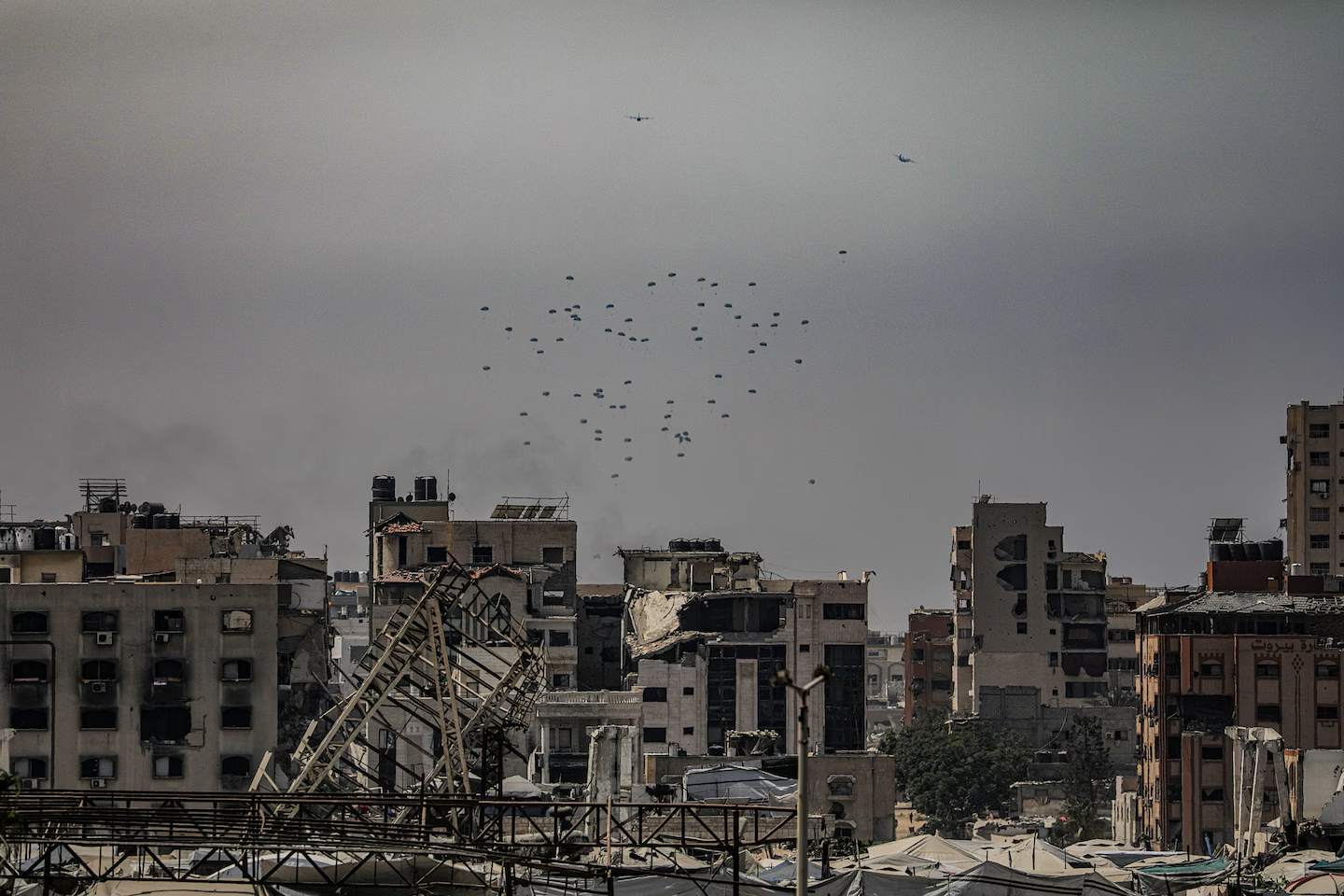
A UN-backed panel has confirmed that parts of Gaza, including Gaza City, are experiencing famine due to Israel's blockade of food and aid, with fears that the crisis could worsen and spread within weeks.
Famine has been officially confirmed in Gaza City, with over half a million people facing catastrophic food shortages due to war, restrictions, and aid collapse, marking the most severe deterioration in food security since monitoring began in 2023. The situation is expected to worsen, with potential spread to other regions, unless immediate international action, including a ceasefire, is taken to prevent further deaths and suffering.
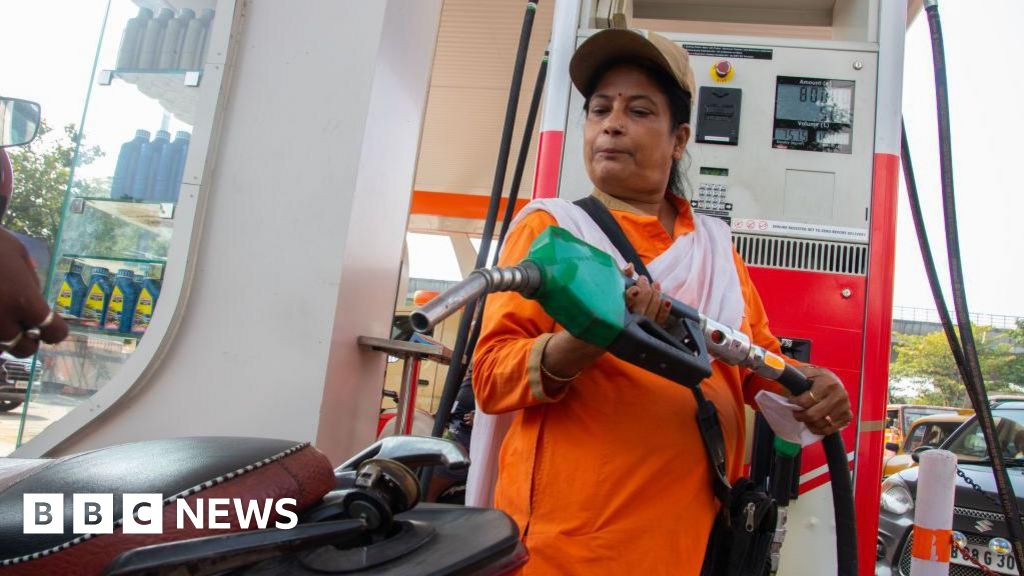
India's push to blend 20% ethanol with petrol (E20) has significantly reduced carbon emissions and saved foreign exchange, but raises concerns about vehicle compatibility, fuel efficiency, and the impact on food security due to crop diversion for ethanol production. The government aims to further increase ethanol blending, which could exacerbate agricultural and food supply challenges.
The article discusses the history and recent revival of FEWS NET, a U.S.-funded famine early warning system created in 1985, which was halted under President Trump but is now being restored, highlighting its importance in preventing food crises and the challenges posed by aid cuts.
Climate change is increasing food prices and threatening global food security, but shifting towards plant-rich diets and sustainable farming practices can mitigate these impacts, support farmers, and promote environmental health.
The Gaza Humanitarian Foundation (GHF) distributes aid boxes in Gaza containing mainly dried foods like pasta, chickpeas, and lentils, designed to feed 5.5 people for 3.5 days with 42,500 calories per box. Experts criticize these boxes for lacking essential nutrients and foods for vulnerable groups, raising concerns about long-term health impacts amid a severe water and fuel crisis that complicates food preparation. The aid effort aims to address immediate hunger but faces scrutiny over nutritional adequacy and logistical challenges.