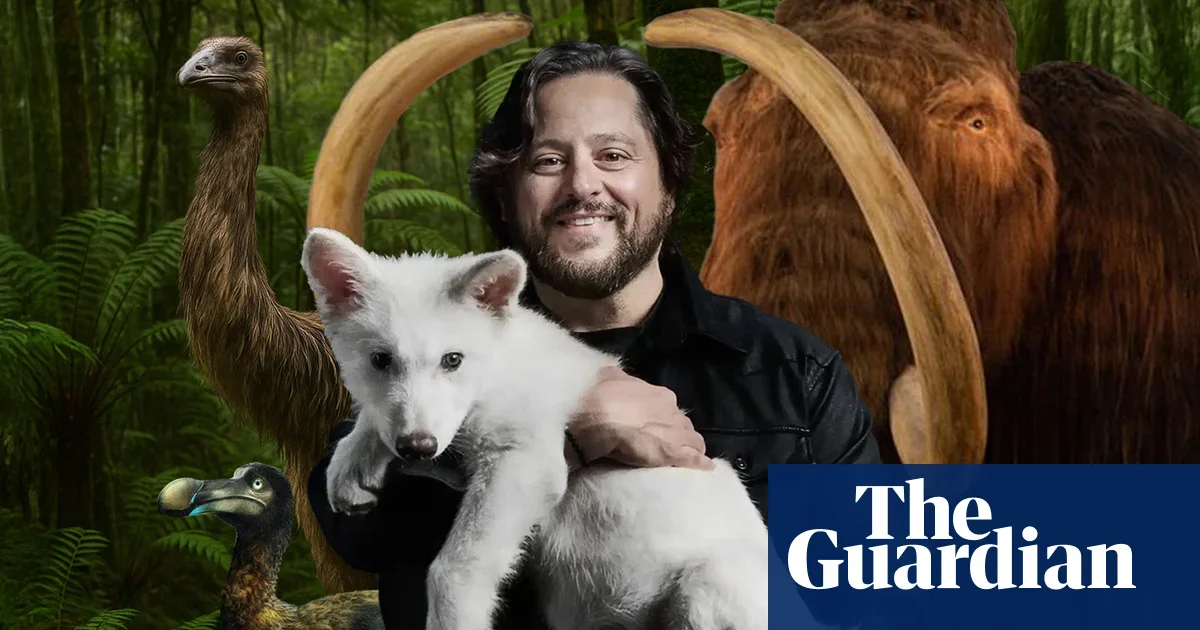
Colossal Biosciences, led by Ben Lamm, claims to have made progress in de-extincting species like the dire wolf and woolly mammoth through genetic engineering, but scientists remain skeptical, arguing that these are not true resurrected species but genetically edited animals that do not fully replicate the original extinct species. Critics warn that overhyping such claims can undermine scientific trust and emphasize that traditional conservation efforts remain essential.
The article discusses the ongoing development of gene editing technologies, highlighting the excitement and competition among scientists to discover the most effective and final form of gene editing tools.
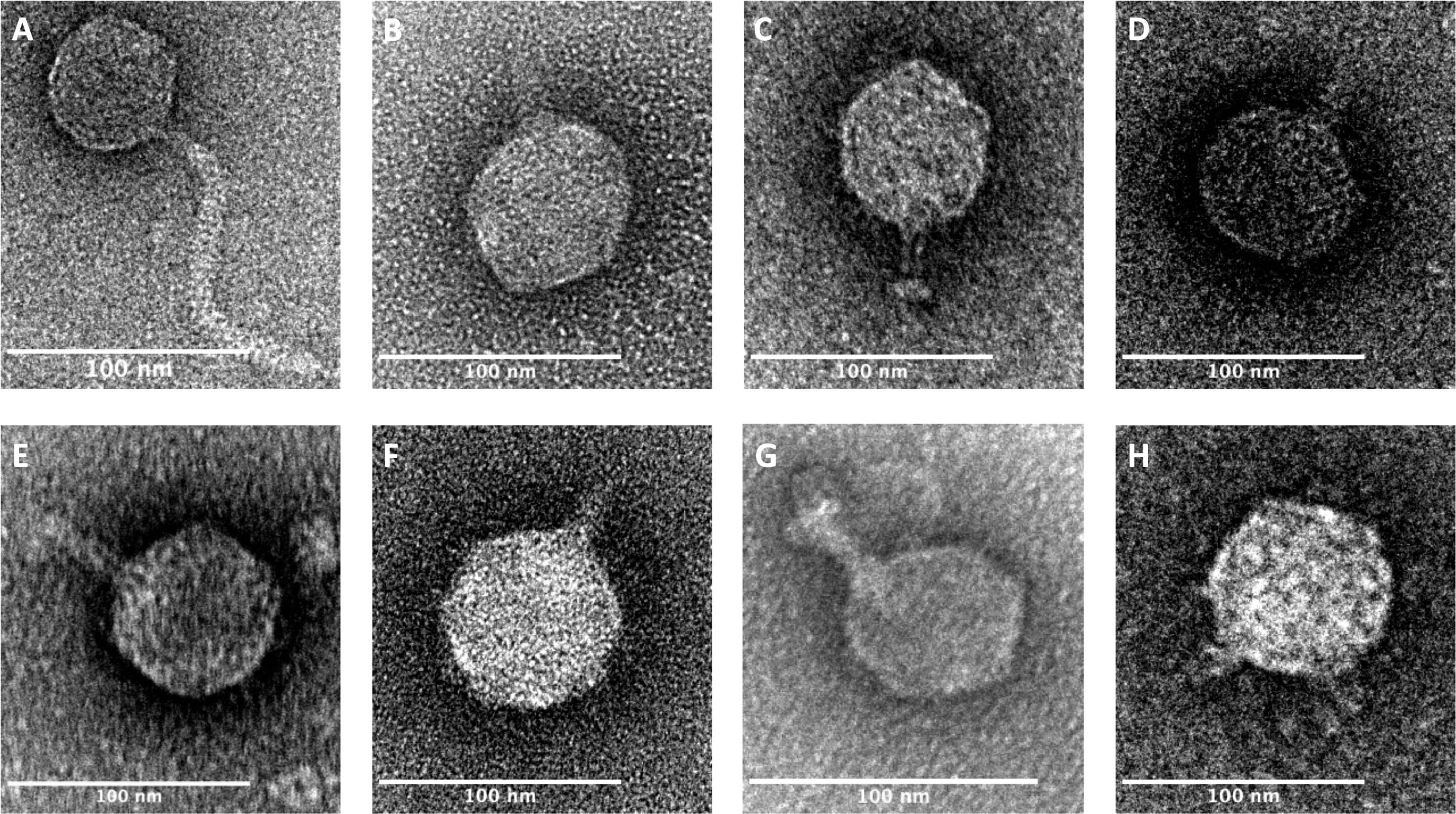
Researchers at VUB have developed genetically modified bacteriophages that deliver bacterial toxins to specifically target and kill multidrug-resistant E. coli, offering a promising alternative to traditional antibiotics in combating resistant bacterial infections.
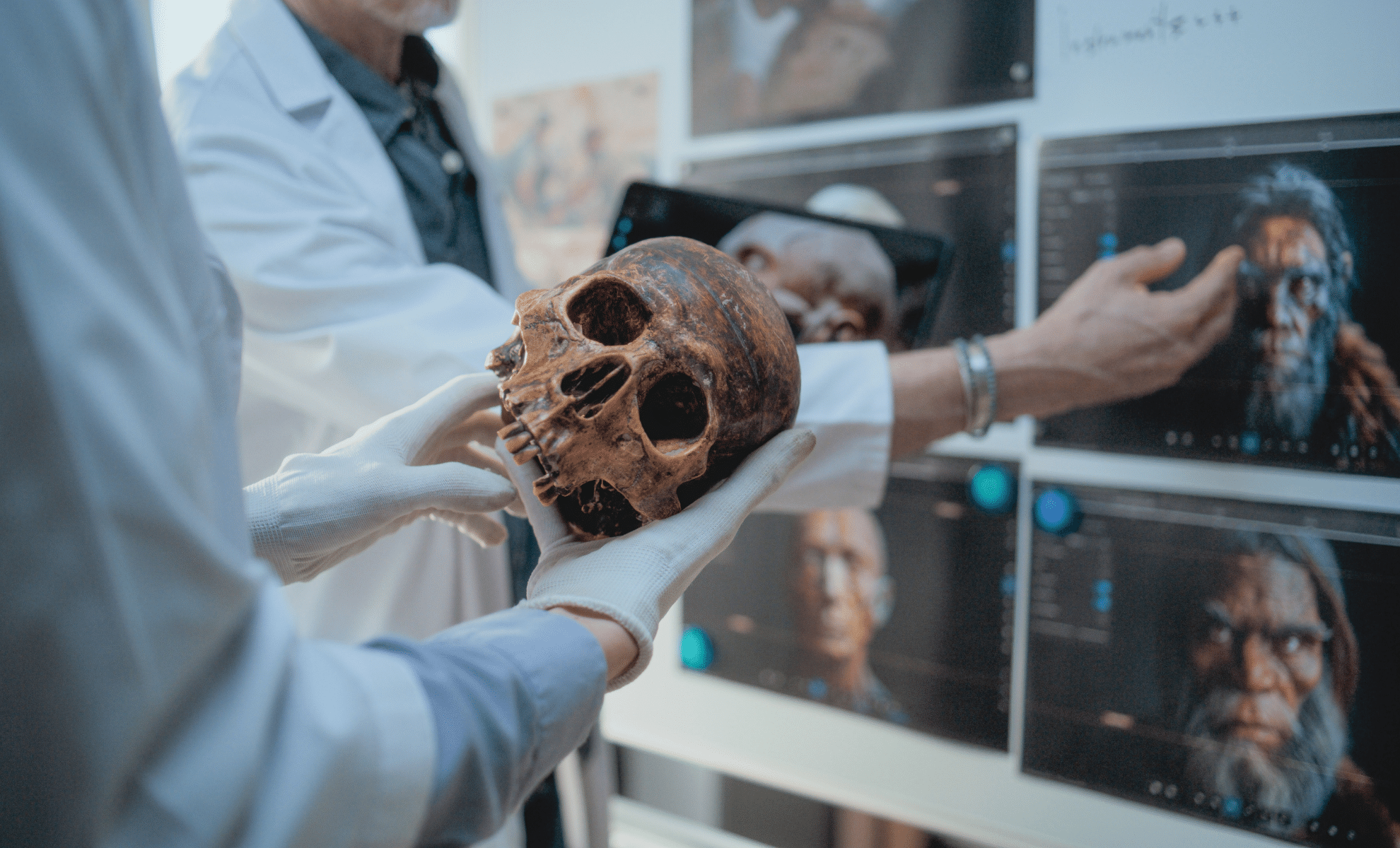
Scientists believe it may be possible to bring back Neanderthals within 20 years using advanced genetic engineering, but this raises significant ethical, scientific, and legal concerns, including the potential for unregulated private ventures and the moral implications of creating a new human-like species.
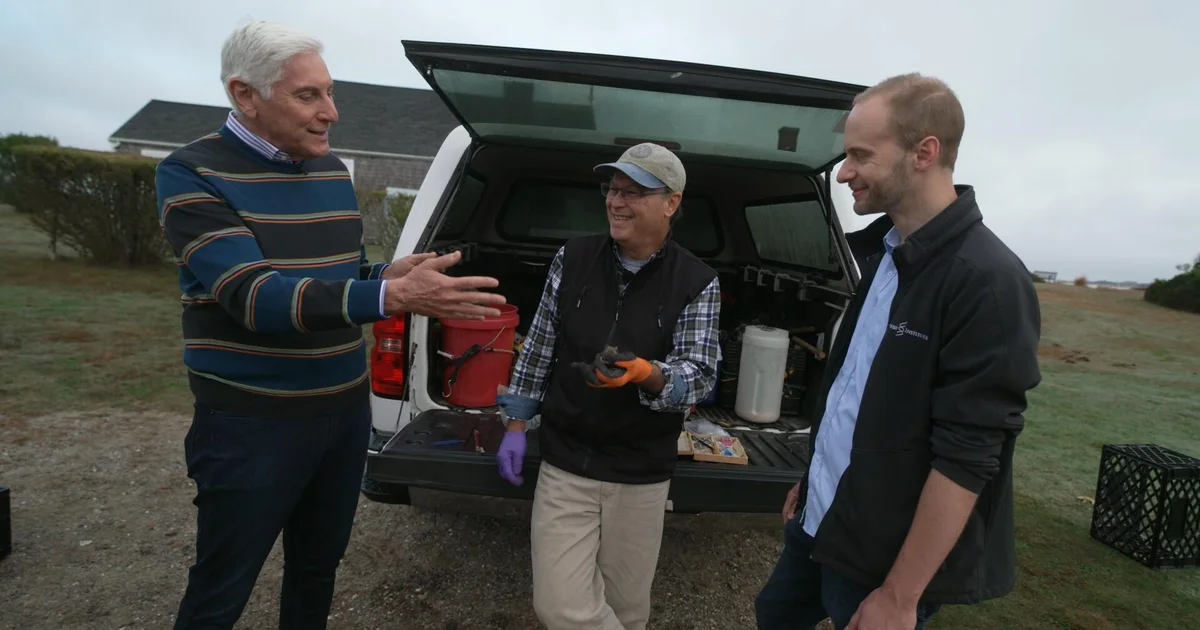
Scientists are exploring the use of genetically engineered mice immune to Lyme disease, created using CRISPR technology, to reduce the spread of Lyme on Nantucket by targeting the mice that are primary hosts for the bacteria, though ecological and ethical concerns remain.
Scientists in Taiwan have developed a new biochemical pathway called the McG Cycle that significantly enhances plant growth and carbon fixation, with potential applications in forestry, agriculture, and climate change mitigation, though it raises ecological and ethical concerns.
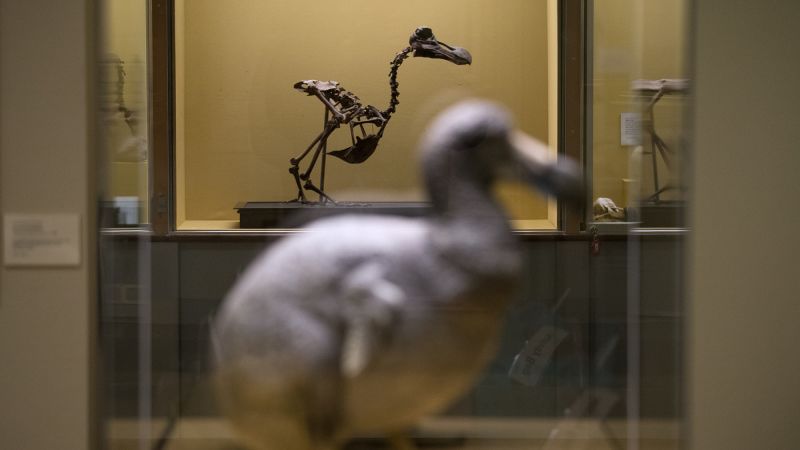
Colossal Biosciences has made a significant breakthrough in their effort to genetically engineer a dodo-like bird by successfully culturing primordial germ cells from pigeons, a key step towards potentially recreating the extinct species, though experts caution that true de-extinction remains scientifically complex and controversial.
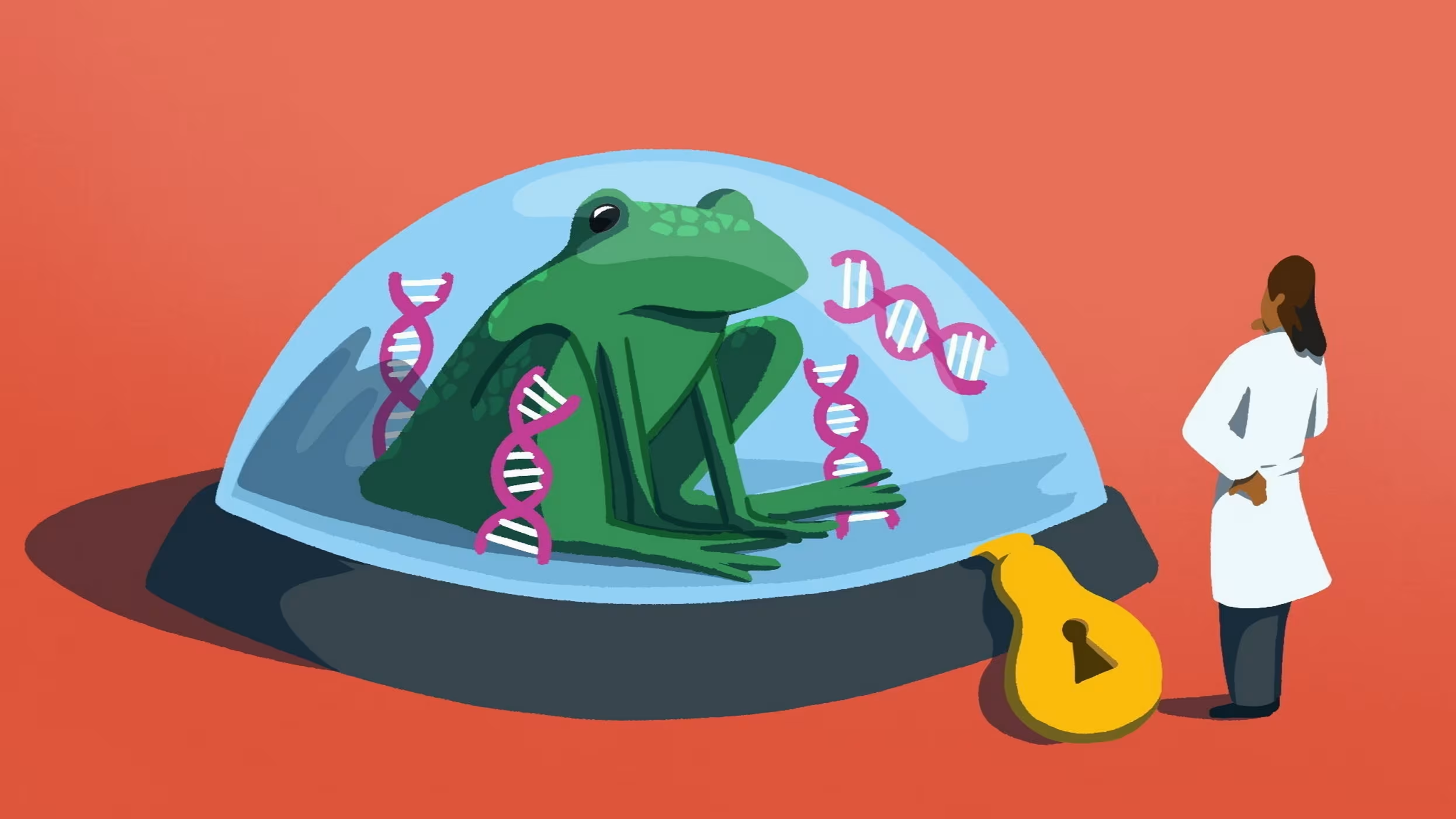
The article discusses the role of genetic engineering in conservation efforts, exploring the ethical and environmental implications of using biotechnology to preserve biodiversity and combat species extinction.
David Baltimore, a Nobel laureate and former Caltech president renowned for his groundbreaking work in virology and genetic engineering, passed away at 87. His career was marked by significant scientific discoveries, leadership in bioethics, and influential roles in academia and industry, leaving a lasting legacy in biology and medicine.
Scientists warn that creating 'mirror life,' synthetic organisms with reversed DNA structures, could pose catastrophic risks to all life on Earth, prompting calls for a ban before such technology becomes feasible, due to potential ecological and health dangers.
Scientists warn that creating 'mirror life,' synthetic organisms with reversed DNA structures, could pose catastrophic risks to all life on Earth, prompting calls for a ban before the technology becomes feasible, due to potential ecological and health dangers.
Scientists warn that the development of 'mirror life,' synthetic organisms with reversed DNA structures, could pose catastrophic risks to all life on Earth, prompting calls for a ban before the technology becomes feasible, due to potential ecological and health dangers.
Scientists at the Medical Research Council have engineered a new bacteria, Syn57, with a more efficient genetic code using only 57 codons, reducing redundancy in the genetic code and demonstrating that life can function with fewer genetic instructions than previously thought.
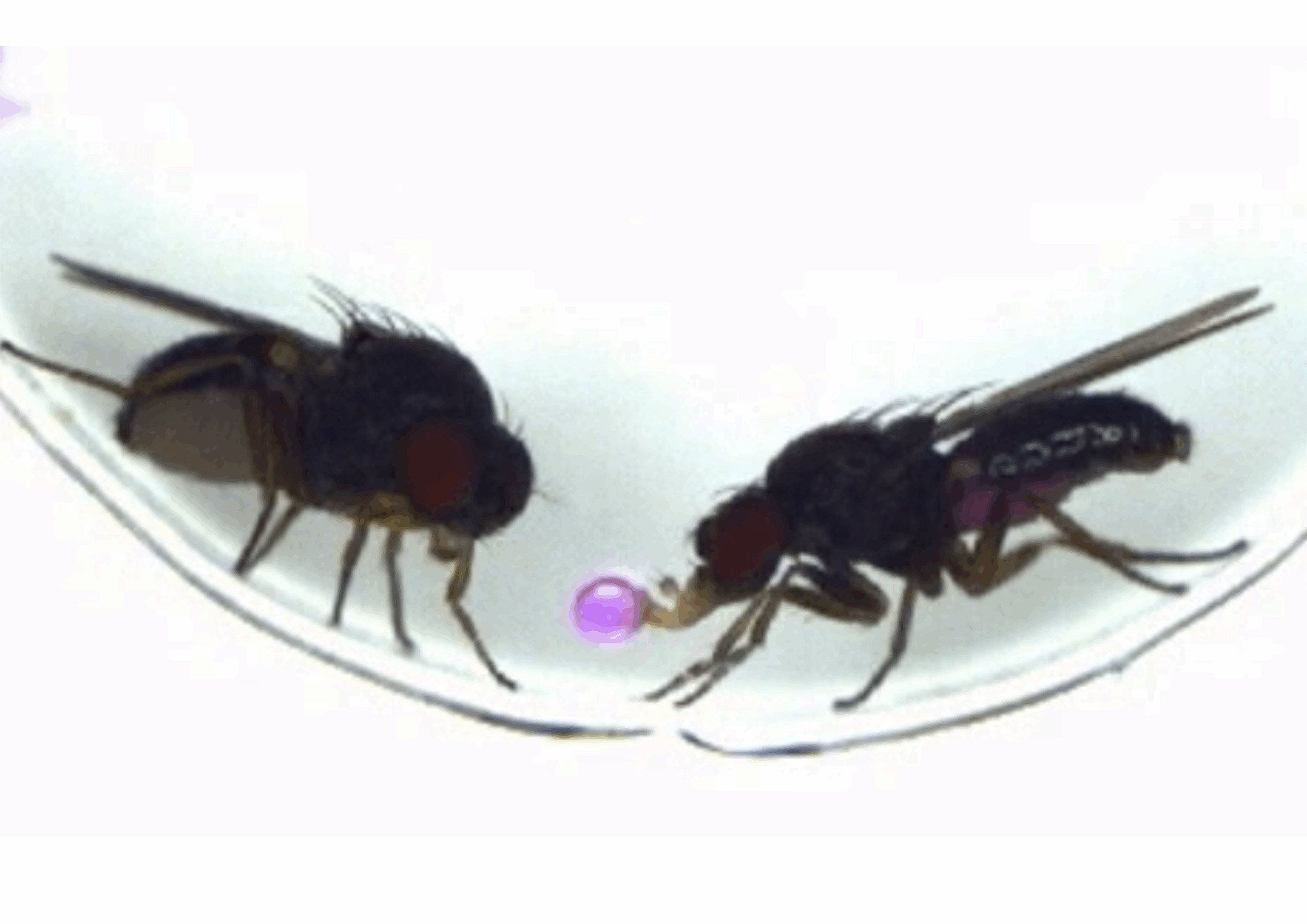
Scientists successfully transferred a nuptial gift-giving behavior from Drosophila subobscura to Drosophila melanogaster by manipulating a single gene, FruM, in insulin-producing brain cells, revealing how small genetic changes can repurpose existing neural circuits to create new social behaviors and offering insights into evolution and behavior modification.
Scientists have engineered a bacterium to encode and recite poetry by embedding a poem into its DNA, which also causes the bacterium to glow red when activated. This innovation aims to preserve cultural messages across geological timescales and has potential applications in long-term data storage and synthetic biology.