Scientists at the American Museum of Natural History discovered over 70 new species this year, including dinosaurs, mammals, insects, and minerals, highlighting Earth's rich biodiversity and the value of natural history collections for ongoing scientific insights.
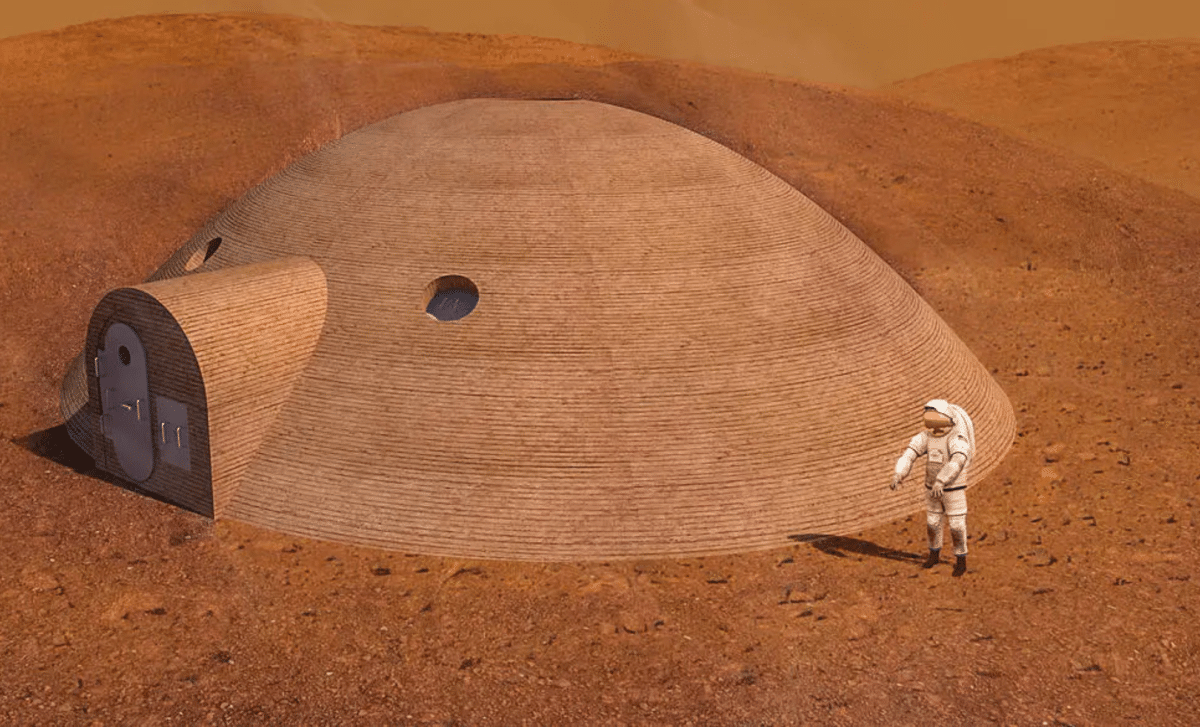
NASA is exploring the use of insects like fruit flies, bumblebees, and larvae to support sustainable life on the Moon and Mars by aiding in pollination, waste management, and soil health, potentially making them vital partners in off-world habitats.
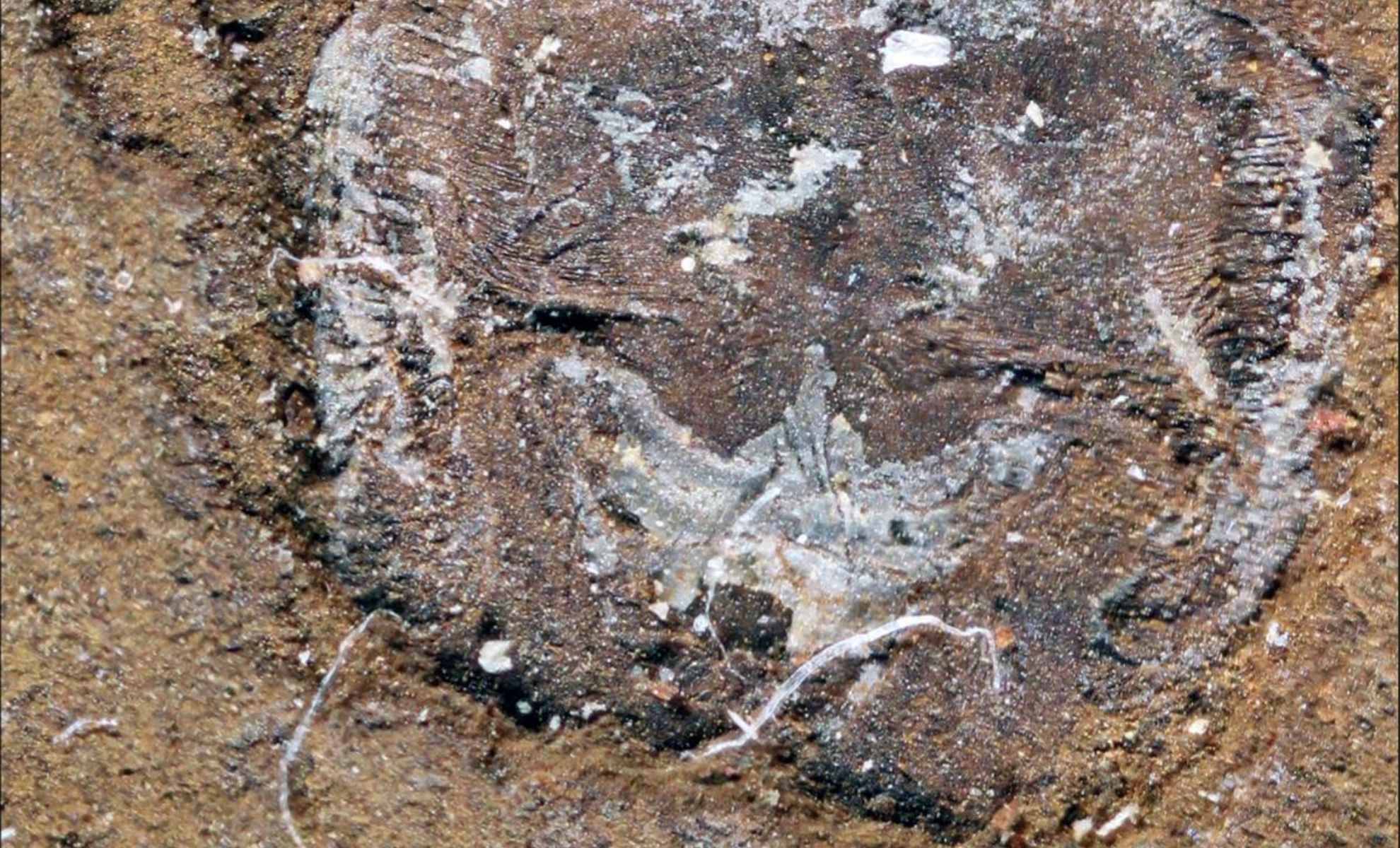
The discovery of the fossil Telmatomyia talbragarica in Australia challenges previous beliefs that certain freshwater midges originated in Laurasia, suggesting instead a Gondwanan origin and providing new insights into insect evolution and the breakup of Gondwana.
Retired Australian teacher and fossil enthusiast Robert Beattie discovered the oldest fossil of its kind in the southern hemisphere, a new species of non-biting midge from the Jurassic period, challenging previous assumptions about insect evolution and origins, which were thought to be primarily from the northern supercontinent Laurasia. The find suggests a Gondwanan origin for these insects, highlighting the importance of southern hemisphere fossil research.
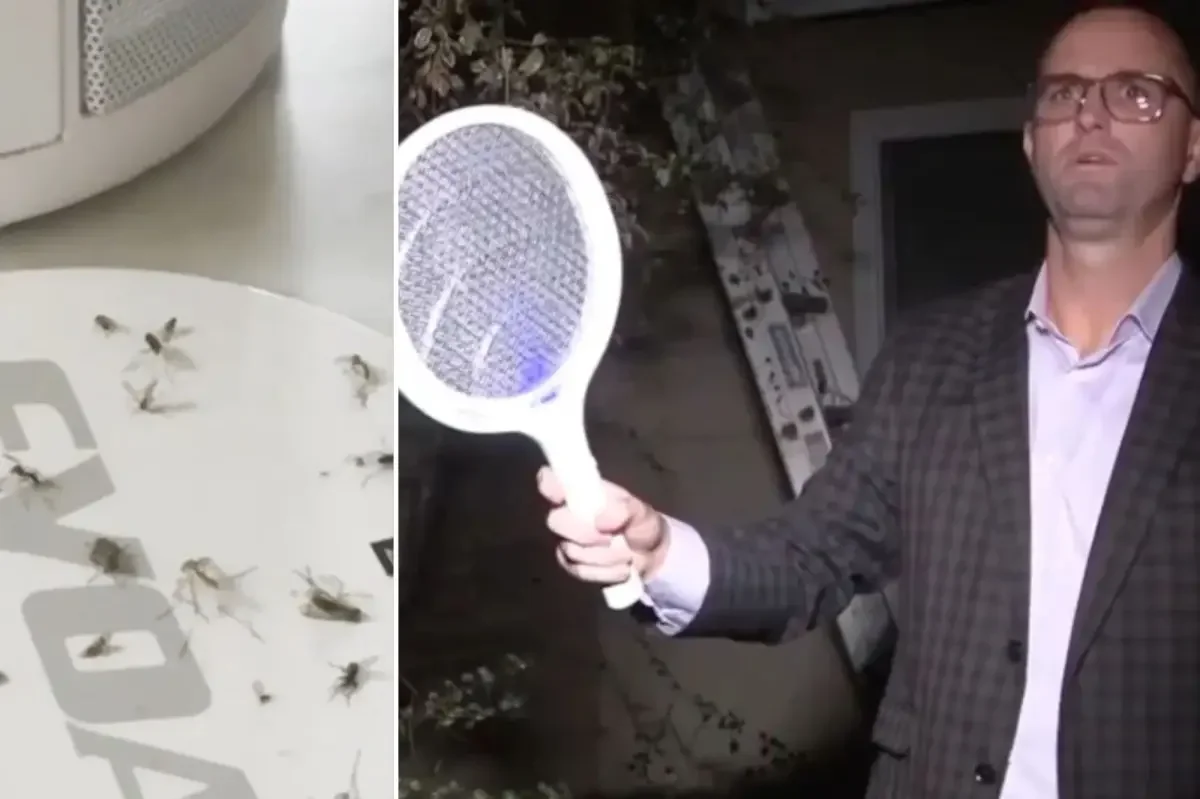
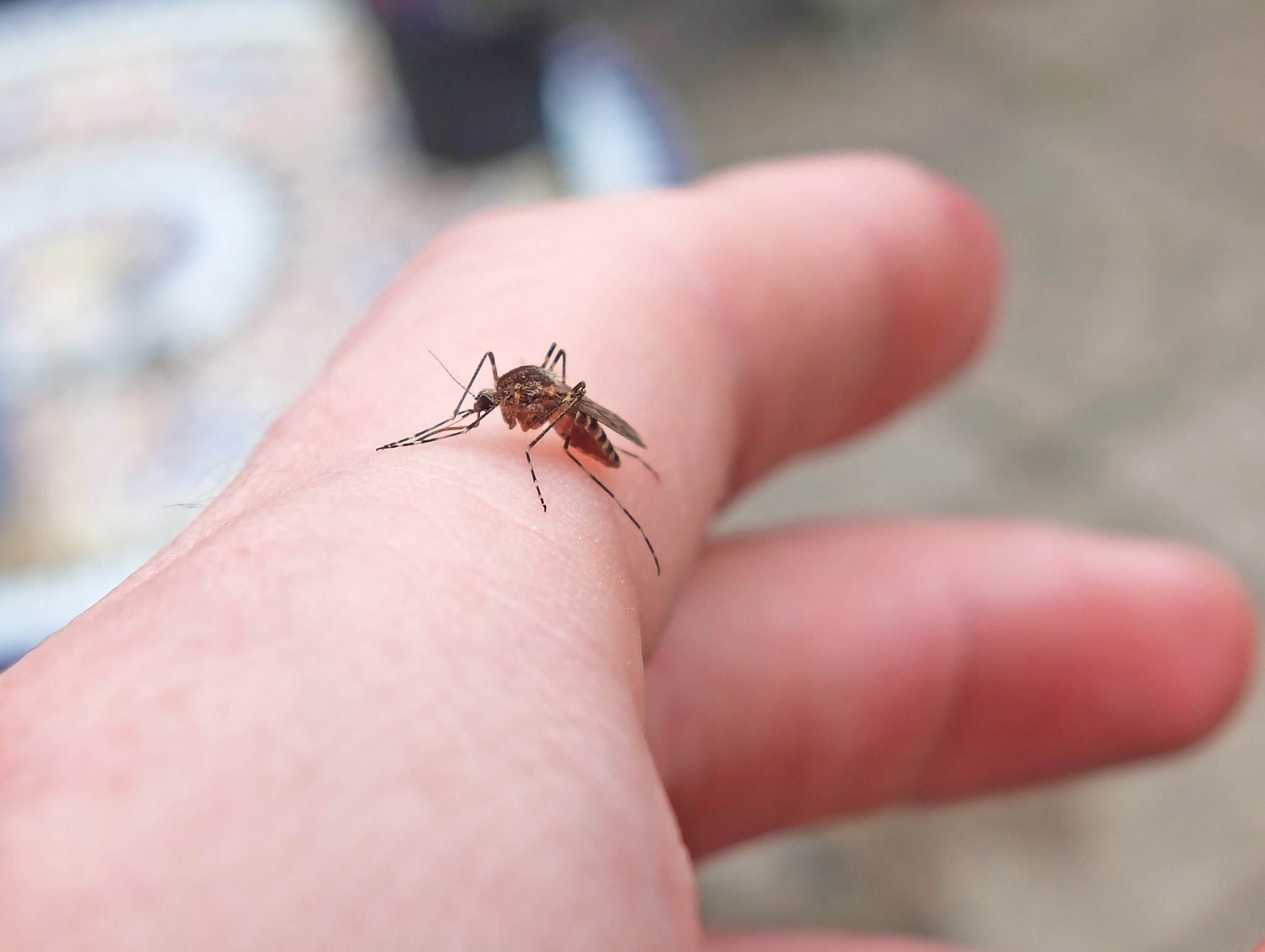
Scientists confirmed the first outdoor discovery of mosquitoes in Iceland, with three specimens of the species Culiseta annulata found in West Iceland, raising concerns about potential establishment due to climate conditions.
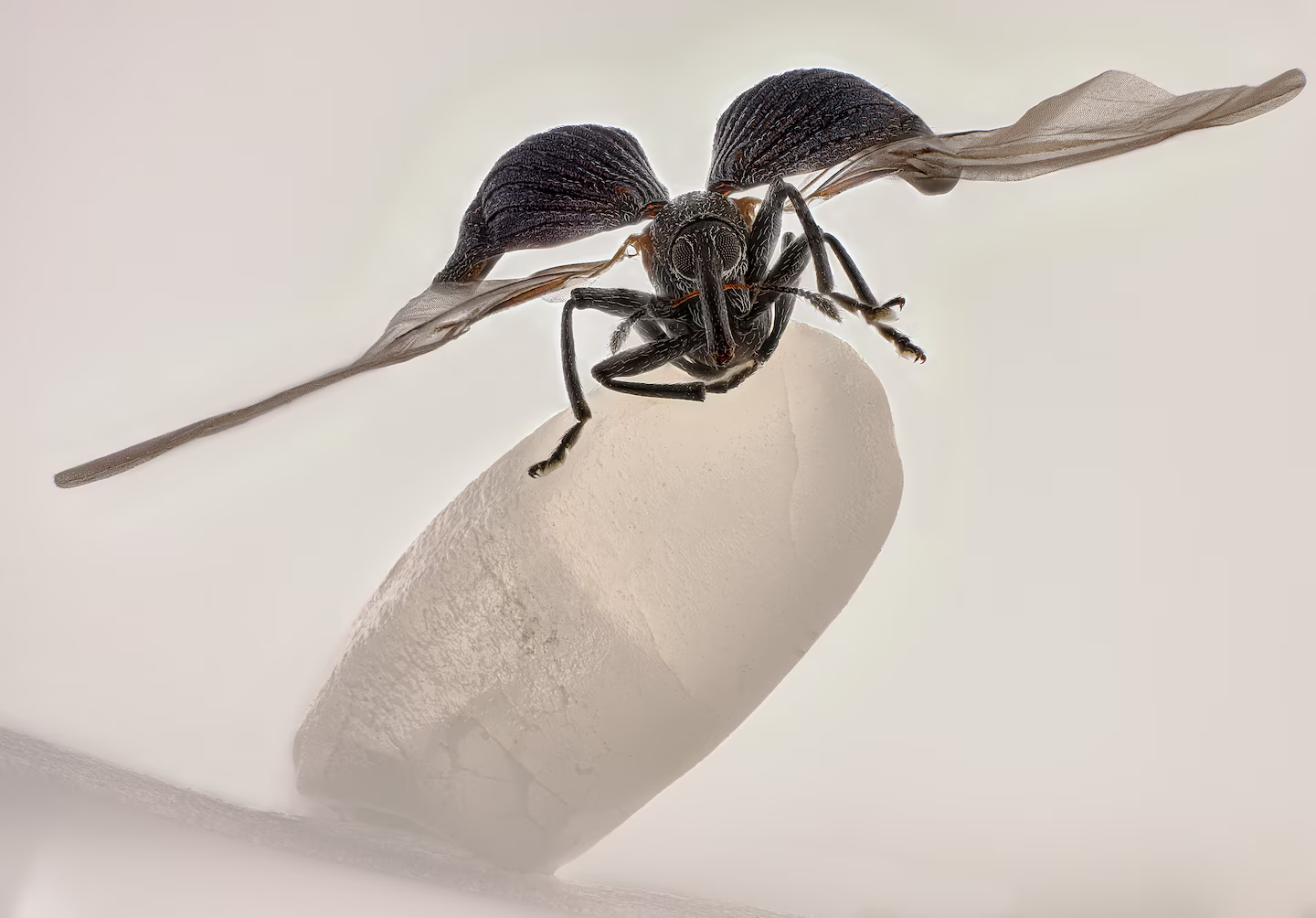
The 51st Nikon Small World Photomicrography Competition recognized 71 outstanding images captured through microscopy, with China's Zhang You winning first place for his detailed photo of a rice weevil on rice, highlighting the intricate world of insects and their ecological roles.
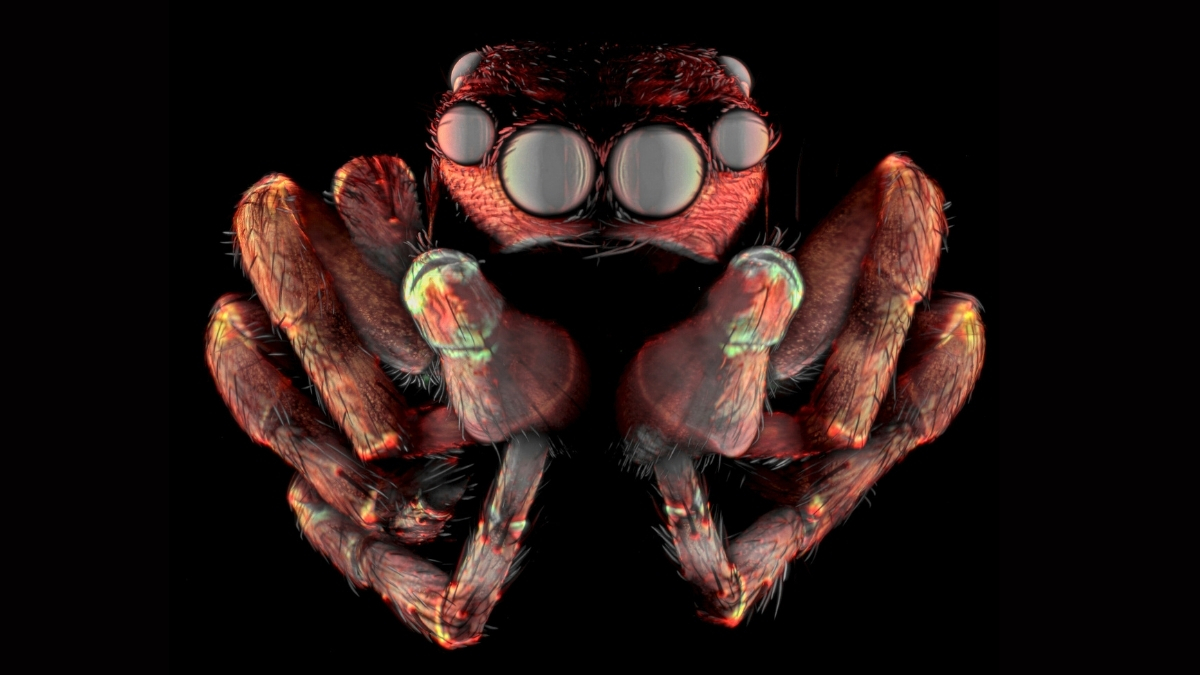
The article highlights award-winning microscopic images from the 2025 Nikon Small World competition, showcasing intricate details of tiny life forms like insects, cells, and microorganisms, emphasizing the importance of understanding and appreciating the complexity of microscopic worlds.
Every fig contains a hidden insect, a wasp, involved in a mutualistic relationship with the plant, where the wasp pollinates the fig and is then digested by an enzyme in the fruit, making figs a fascinating example of natural cooperation and complexity.
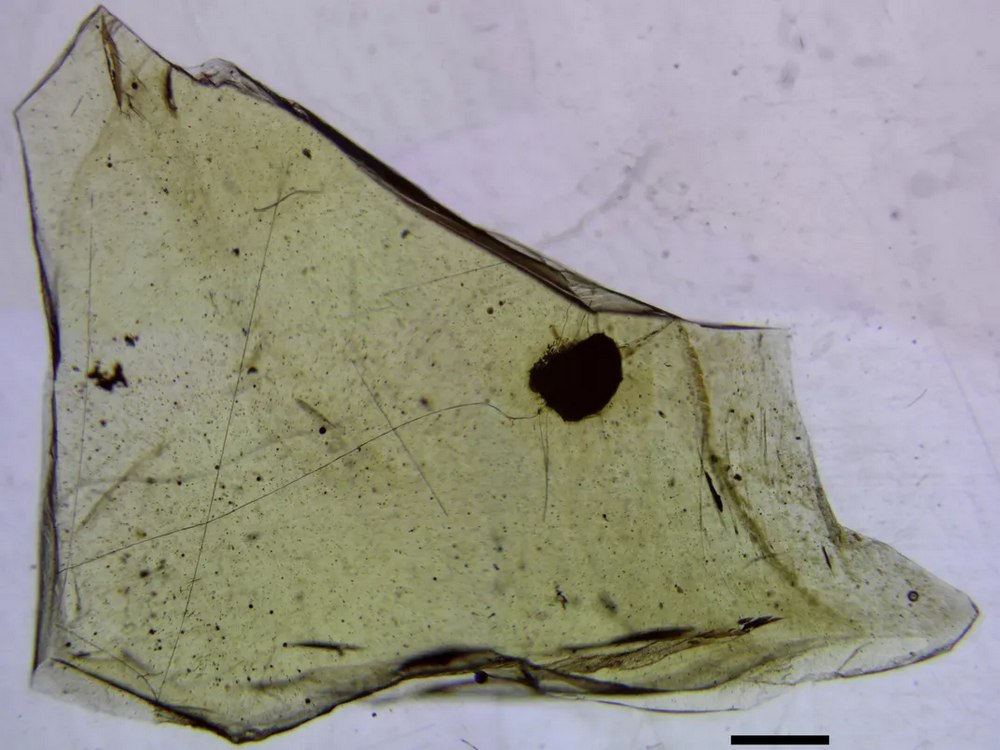
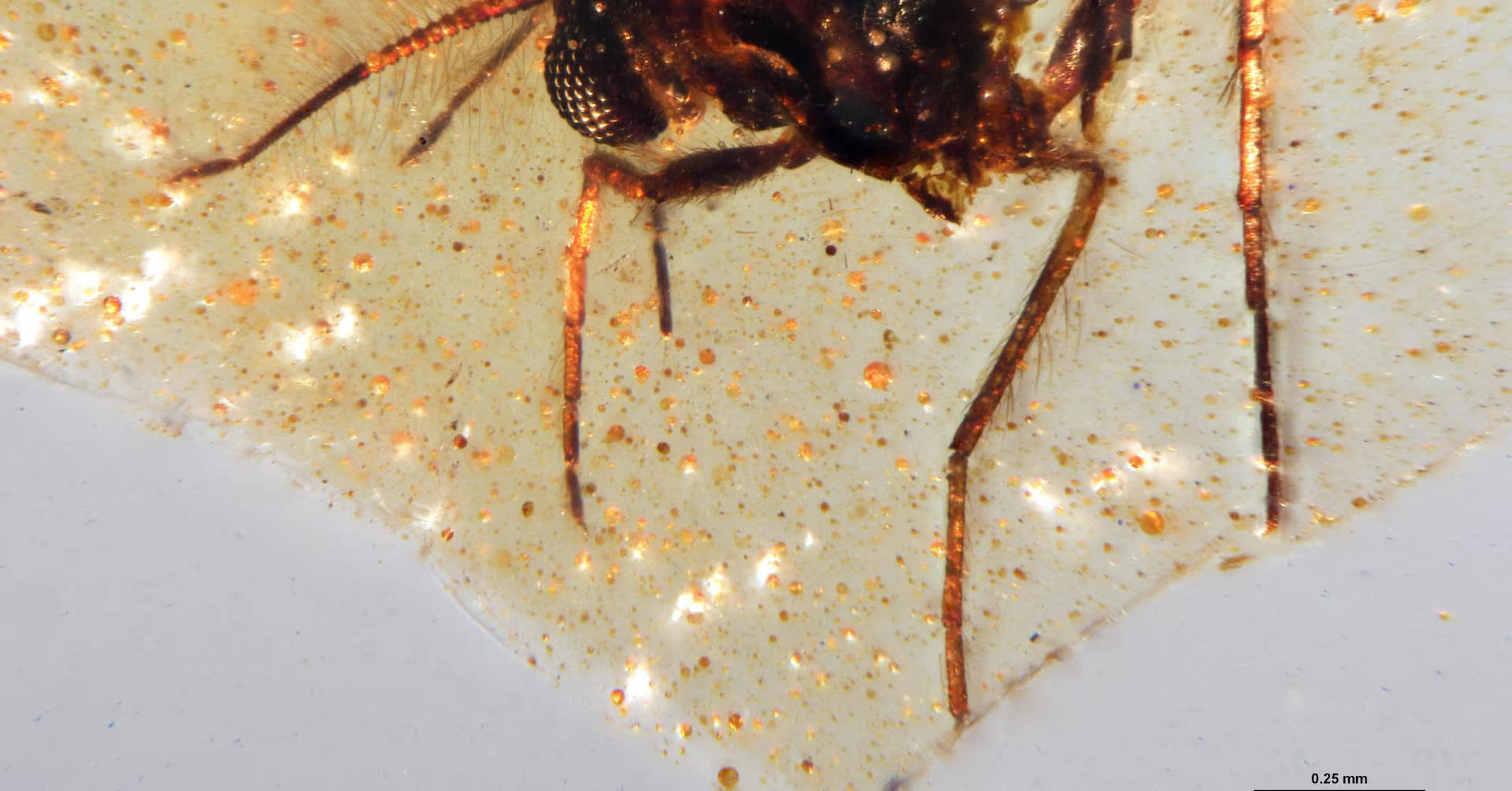
Scientists have discovered 112-million-year-old amber samples from Ecuador that contain well-preserved 3D snapshots of ancient insects, including beetles, flies, and spiders, providing valuable insights into prehistoric life and the early relationship between flowers and pollinating insects. These bio-inclusions are rare and help scientists understand the biodiversity of the Gondwana supercontinent era.
In the Democratic Republic of Congo, edible insects like maggots and caterpillars are traditional, nutritious, and valued food sources, especially in Kinshasa, where they are sold in markets and considered beneficial for health and longevity, despite some cultural hesitations.
Researchers discovered 112-million-year-old amber in Ecuador containing well-preserved fossils of insects and plant remains, providing valuable insights into a Cretaceous ecosystem in South America during the age of dinosaurs, including details about insect diversity and plant transition from gymnosperms to angiosperms.
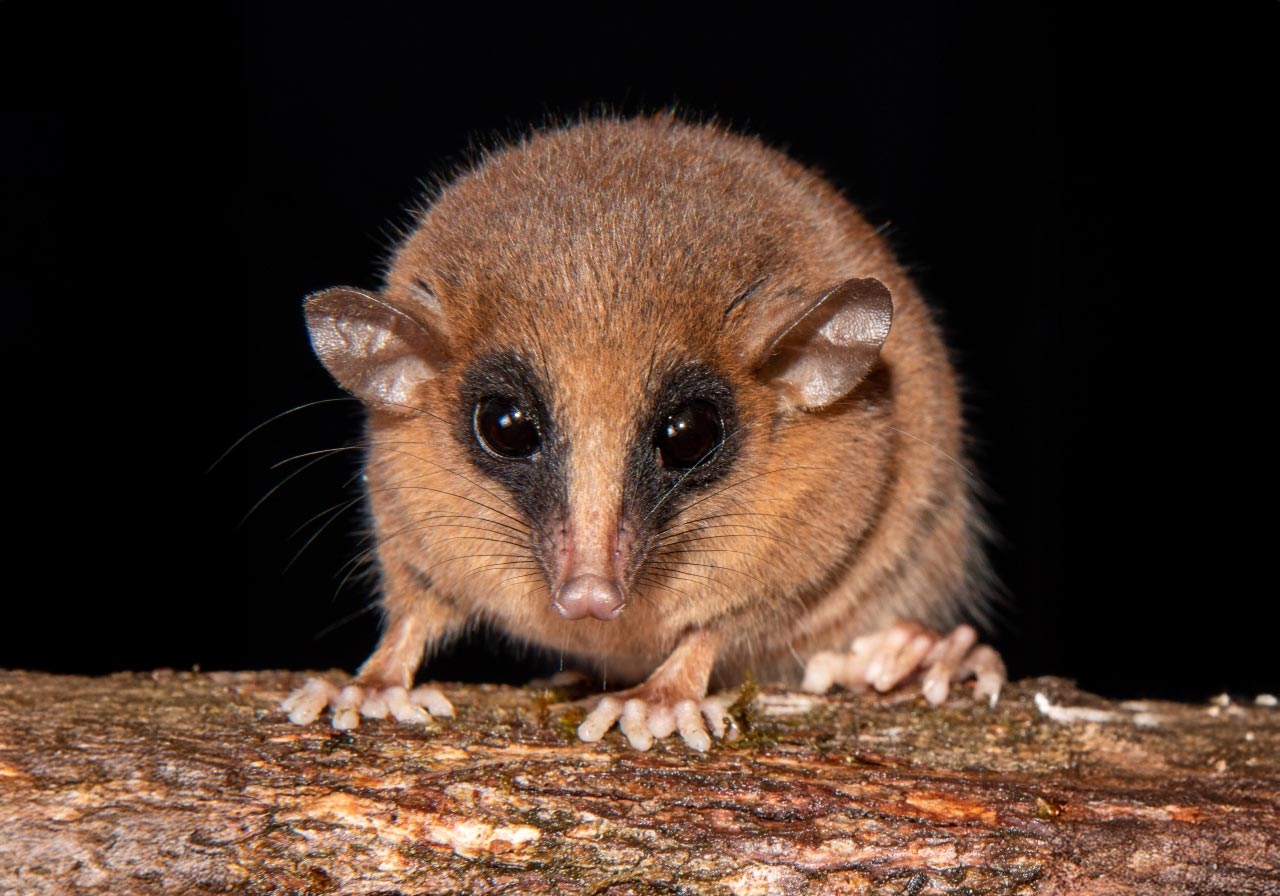
A study highlights the significant evolutionary influence of social insects like ants and termites over the past 50 million years, especially on mammals that have adapted to feed on them, though such specialized diets may pose risks if insect populations decline. The research underscores the powerful role of social insects in shaping biodiversity and environmental change, with ongoing exploration into their impact using natural history as an archive.
A 75-million-year-old dragonfly species, Cordualadensa acorni, was discovered in Alberta's Dinosaur Provincial Park, filling a significant gap in the evolutionary history of dragonflies and representing the first dinosaur-era dragonfly found in Canada. The fossil, found in 2023 by a McGill University student, led to the creation of a new family, Cordualadensidae, and provides insights into insect diversity and ecological dynamics during the Cretaceous period.
Research shows that dung beetles and Bogong moths can navigate using the stars, with dung beetles orienting by the Milky Way and moths flying up to 1,000 km by star positions, demonstrating complex celestial navigation in insects.
The article provides expert advice on how to prevent and treat insect bites, emphasizing the importance of avoiding certain bugs like wasps, mosquitoes, and ticks through protective clothing, repellents, and environmental management, as well as proper first aid and when to seek medical help for bites and stings.