
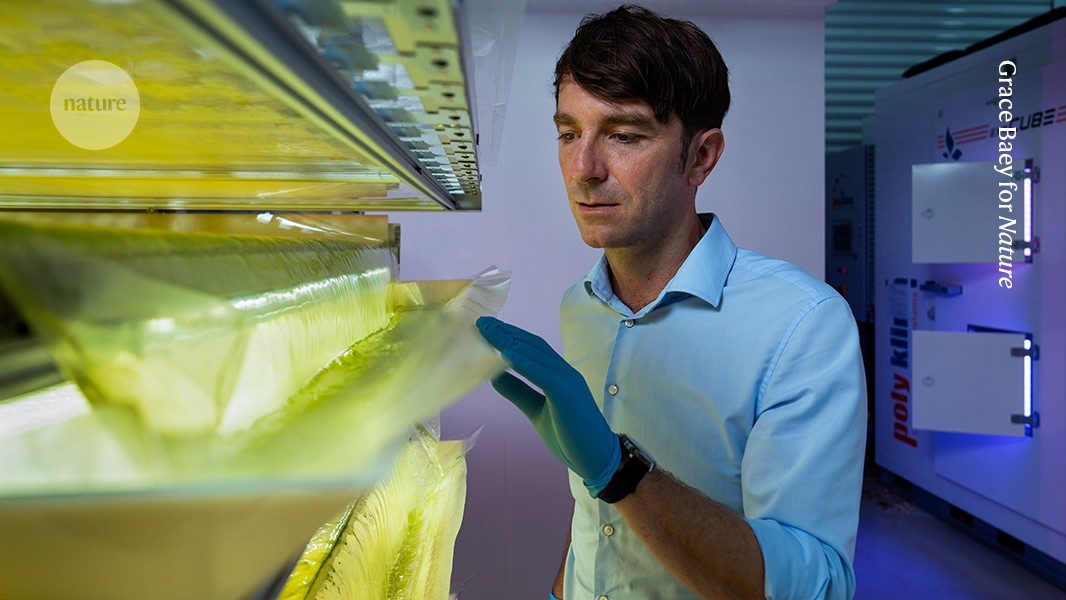
A materials scientist at TUMCREATE in Singapore is developing plant-based meat alternatives using microalgae and soybeans, focusing on extracting proteins from microalgae, which are high in protein content and suitable for urban cultivation, to improve texture and mouthfeel in plant-based meats.
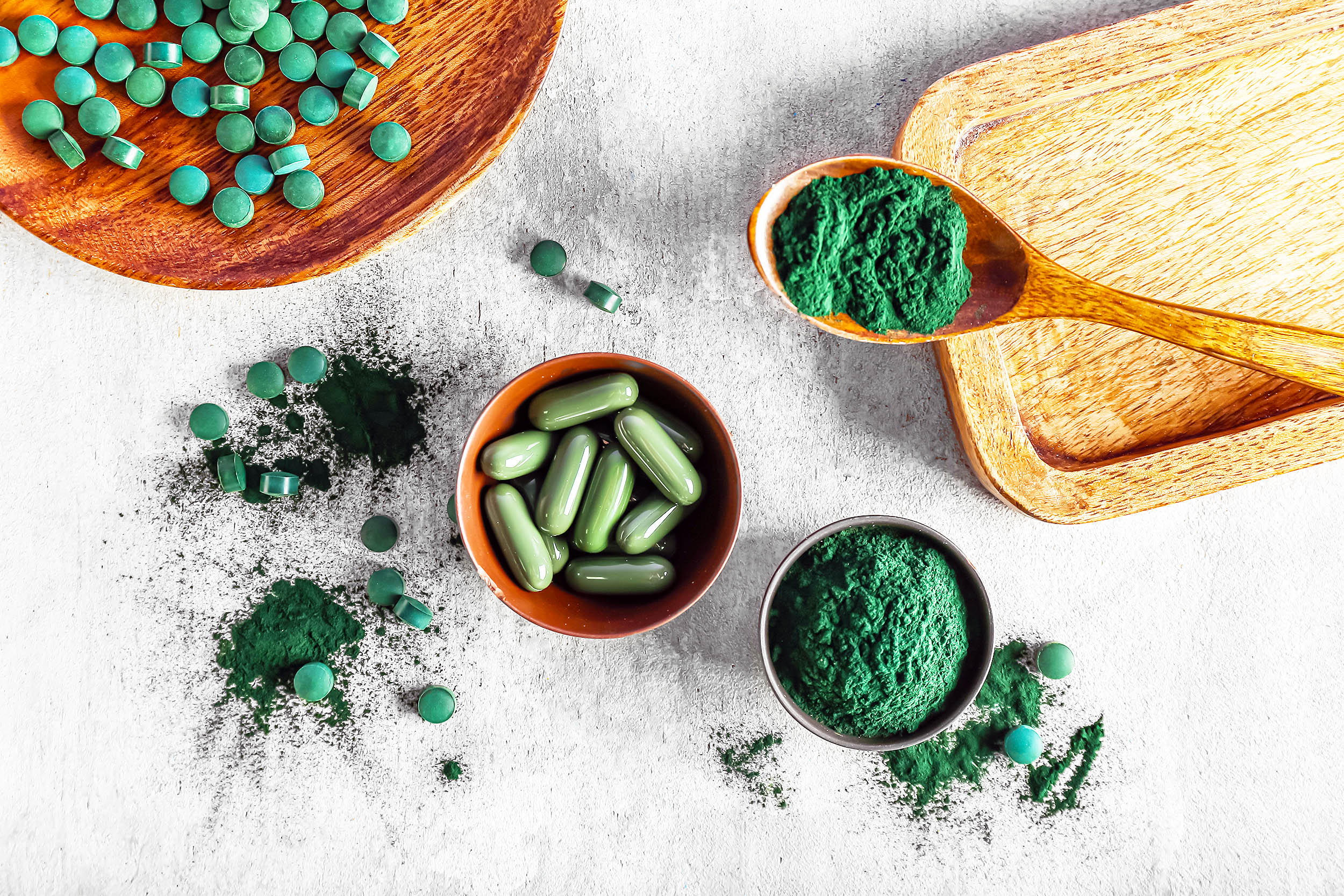
Researchers have developed a bioengineered form of Spirulina microalgae that naturally produces active vitamin B12, offering a sustainable, plant-based alternative to animal products for addressing B12 deficiency, with potential benefits for global nutrition and environmental impact.
Scientists at Oak Ridge National Laboratory have discovered that certain forms of phytoplankton, specifically microalgae, have the ability to break down the neurotoxin methylmercury in water. Phytoplankton are known to accumulate methylmercury and introduce it into the food chain, posing risks to human health. This finding provides new insights into the complex global mercury cycle and could help improve models for assessing the environmental and health risks associated with mercury pollution.