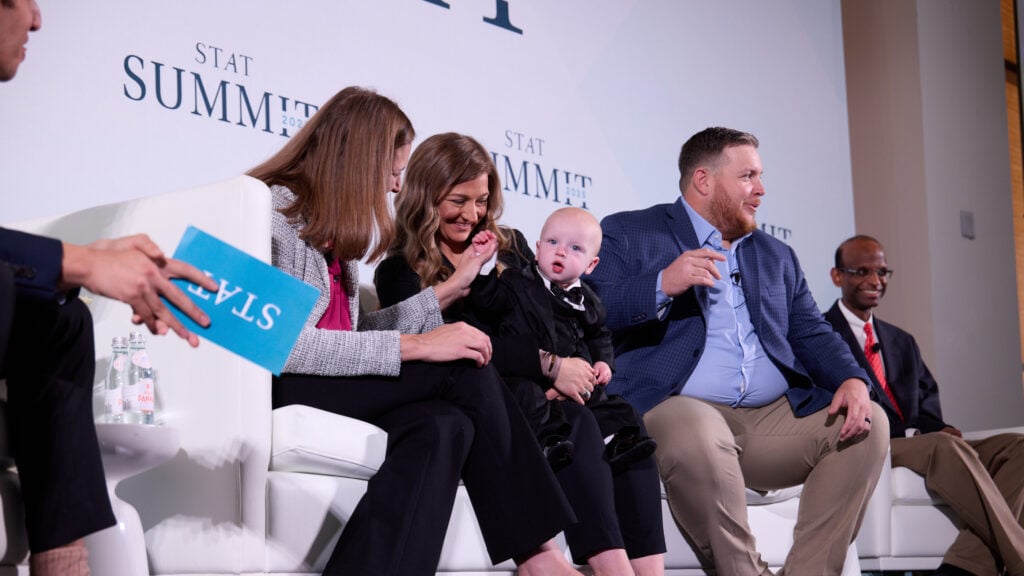
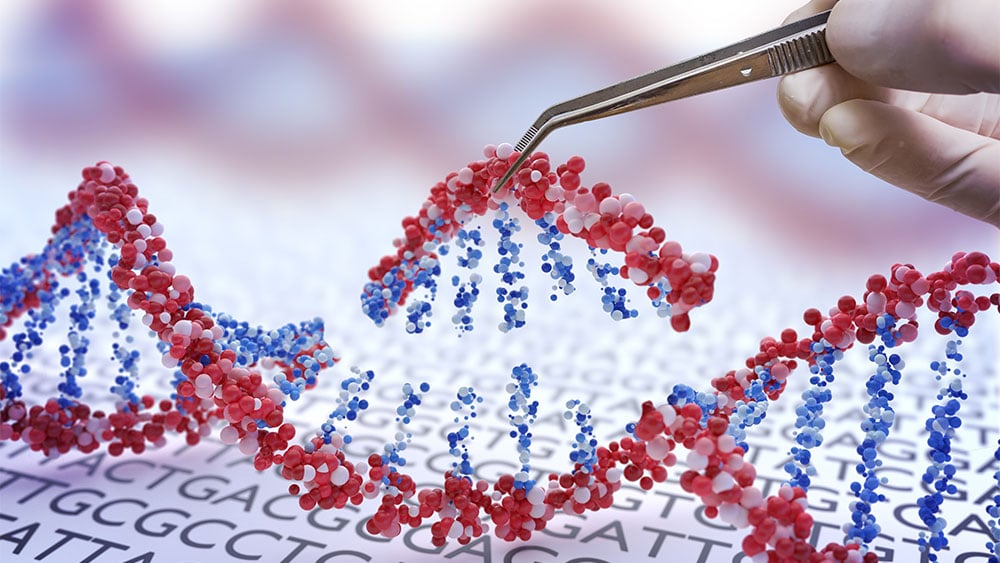
The FDA unveiled a new plausible mechanism pathway to approve medicines crafted for patients’ individual mutations, moving the idea from preview into formal policy and potentially enabling gene-editing–based and other targeted therapies for rare diseases.
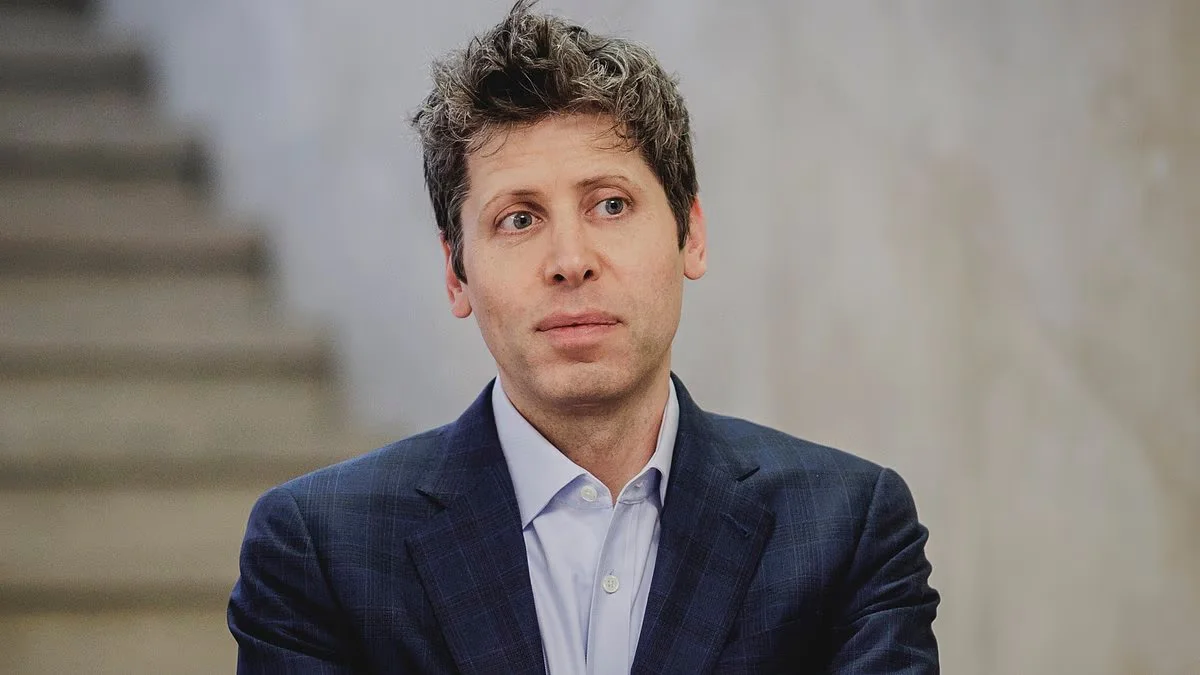
Silicon Valley-backed startups are marketing embryo screening and editing services that claim to predict or enhance traits such as IQ and height for around $50,000. Backers include OpenAI’s Sam Altman, Peter Thiel and Brian Armstrong, while critics warn these efforts could create a privileged class of genetically enhanced humans and raise profound ethical and safety concerns. The piece cites experts who question the science, legal bans on human embryo editing in the US, and pioneers like He Jiankui as cautionary precedents, highlighting the tension between autonomy and potential inequality as the race to ‘accelerate evolution’ faces moral scrutiny.
Jennifer Doudna's startup Aurora Therapeutics aims to scale personalized gene-editing treatments for rare diseases like PKU using CRISPR technology and a new FDA pathway that expedites approval for bespoke therapies based on limited patient data.
A prominent gene editing researcher from UC Berkeley, Fyodor Urnov, and venture capitalist Johnny Hu are launching a startup to scale personalized CRISPR medicines, aiming to treat ultra-rare genetic mutations and overcome regulatory and commercial challenges.
Scientists at the University of Kentucky developed a mouse model that can switch the APOE gene from a high-risk to a protective form in adults, leading to improvements in Alzheimer’s disease markers and cognitive function, highlighting potential gene-based therapies for the future.
The article discusses upcoming scientific developments in 2026, including advancements in AI, human gene editing, space missions, and the impact of US policy changes on science, highlighting key events to watch for this year.
Despite political challenges, 2025 saw significant medical advances including a groundbreaking gene edit for a baby, approval of 44 new drugs, progress in cancer treatments, improved vaccines, and innovative biotech research, highlighting biology's pivotal role in this century of medicine.
2025 has seen major medical breakthroughs including remote robotic surgery, a blood test for Alzheimer's, brain implants for ALS, advances in organ transplants, and gene editing treatments, transforming healthcare and patient outcomes.
The article discusses the ongoing development of gene editing technologies, highlighting the excitement and competition among scientists to discover the most effective and final form of gene editing tools.
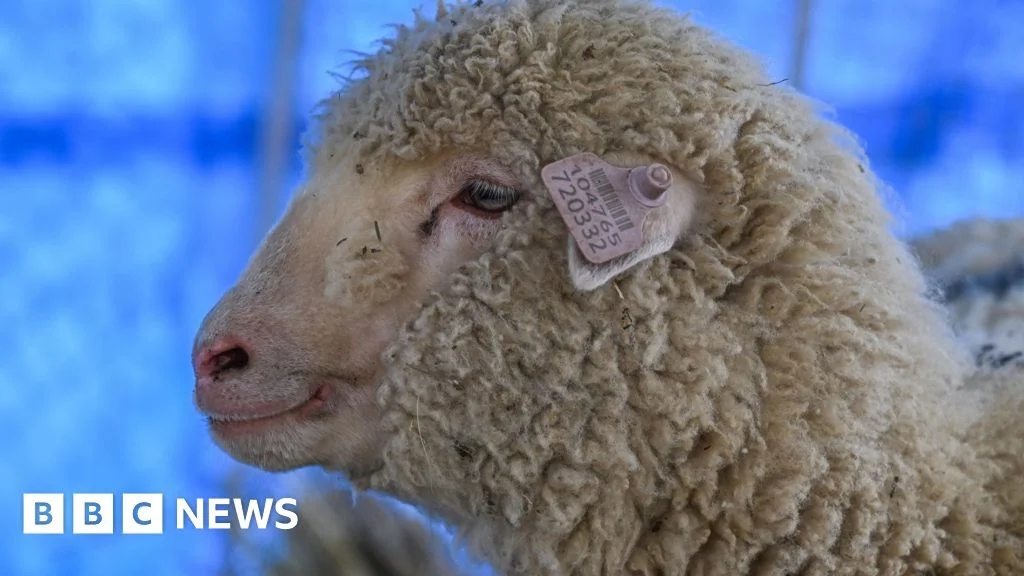
India's first gene-edited sheep, Tarmeem, has turned one year old and is thriving, showing increased muscle growth due to CRISPR technology targeting the myostatin gene. Researchers aim to use this technology to enhance meat production sustainably in Kashmir, potentially revolutionizing local agriculture and addressing food security issues. The project marks a significant step in applying gene editing in livestock within India, though regulatory and ethical considerations remain.
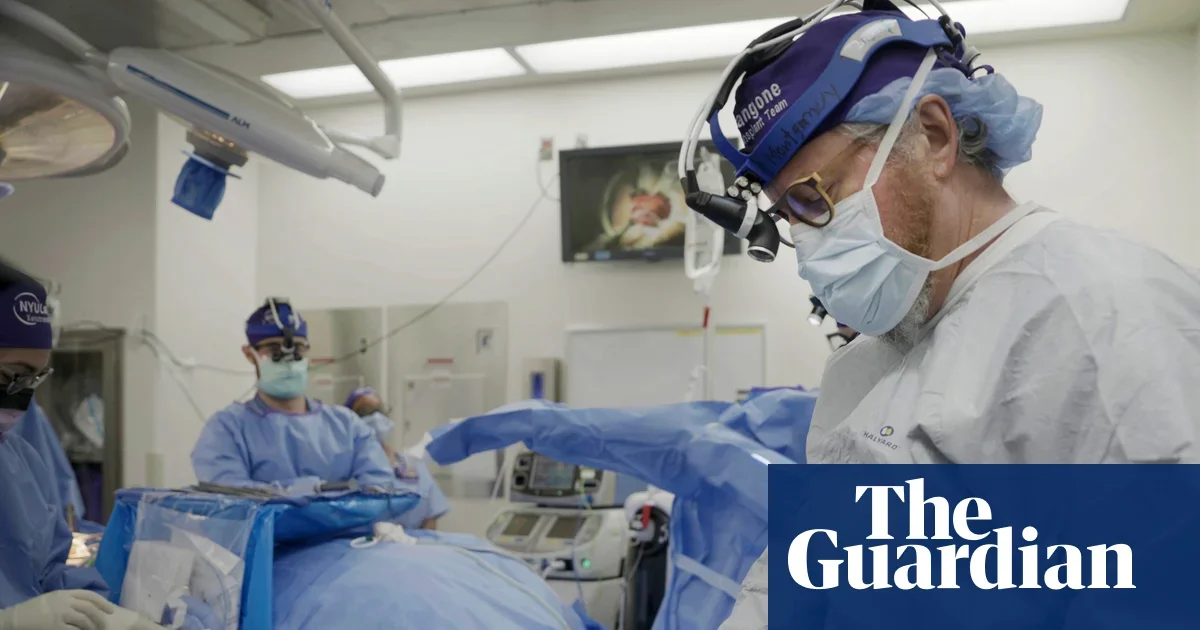
A leading surgeon, Dr. Robert Montgomery, discusses the potential of pig organ transplants, which have been gene-edited to reduce rejection, as a promising solution to the organ shortage crisis, with initial trials showing positive results and the possibility of future improvements making pig organs potentially superior to human ones.
2026 is set to be a significant year for science with advancements in AI, clinical trials for gene therapies, a major cancer detection trial in the UK, increased lunar exploration including NASA's Artemis II and China's Chang’e-7, and space missions targeting Mars, the Moon, and exoplanets, alongside new ocean drilling initiatives in China.
In 2025, despite political challenges in the US, positive scientific developments included the recovery of endangered species, shrinking of the Antarctic ozone hole, breakthroughs in gene therapy for diseases like Huntington's, and a significant boost in renewable energy adoption, notably in China, marking hopeful progress in environmental and medical sciences.
Crispr and Intellia stocks surged following promising updates on their gene-editing therapies, with Crispr showing potential for a one-time cholesterol treatment and Intellia demonstrating a near-cure for hereditary angioedema, leading to significant stock gains despite recent setbacks in the sector.
A small group with high cholesterol experienced significant risk reduction after a single high-dose gene-editing treatment, offering a potential new approach to lowering heart disease risk.