French farmers protested in Paris against the EU-Mercosur trade deal, fearing it will harm local agriculture by allowing cheaper imports from South America. Despite opposition from France and some other EU countries, the deal is expected to be approved by the EU, with support from Italy and other nations, after negotiations and concessions.
The article discusses how the decline in winter cold and frost days due to climate change disrupts key biological processes in plants and pests, affecting agriculture and ecosystems. Cold is essential for plant vernalization, pest control, and ecological balance, but warming winters threaten these functions, leading to potential crop failures and ecological shifts. Scientists are exploring ways to mimic or stabilize cold responses in plants through genetic and epigenetic techniques to adapt to a changing climate.
Indian farmers are increasingly cultivating butterfly pea flowers, which are gaining global demand as natural colorants and health supplements, transforming local livelihoods and creating new business opportunities despite regulatory and quality challenges.
Two preserved farms totaling approximately 193 acres in Plumsted Township, Ocean County, New Jersey, will be auctioned separately on February 12, offering opportunities for agricultural, residential, or equestrian use, with online bidding available.
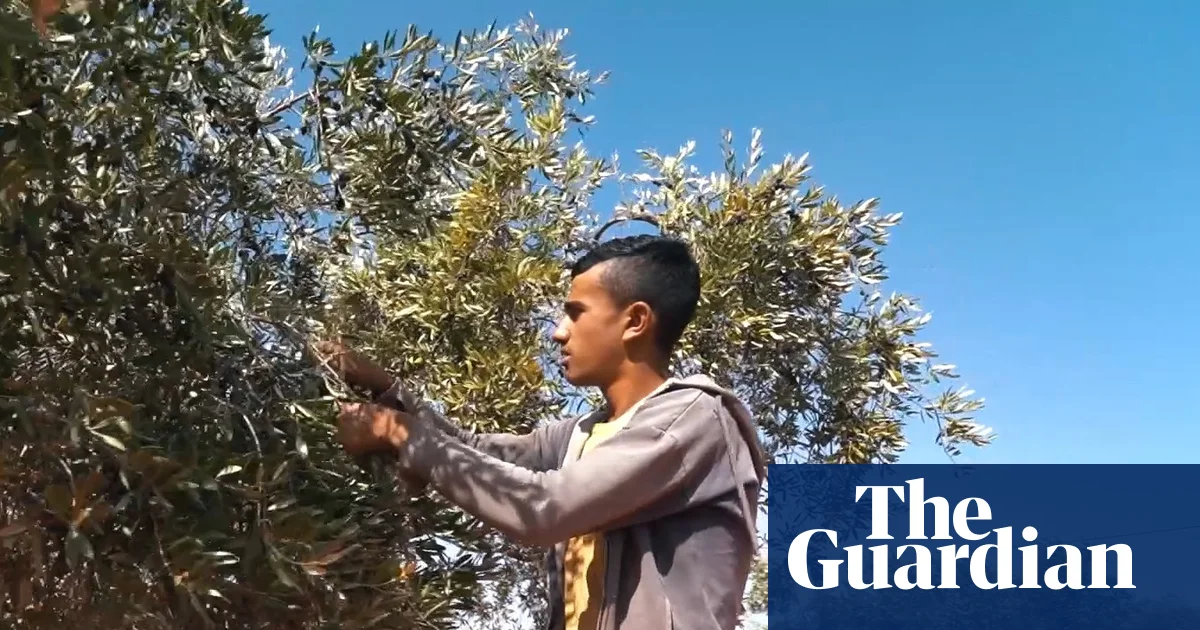
Jordan's ancient olive harvest is severely impacted by record-breaking heat and drought, leading to a 70% decline in production, threatening the country's agricultural sector and traditional way of life.
The USDA announced the Farmer Bridge Assistance program rates for 2025, with rice and cotton receiving the highest per-acre payments, as part of an $11 billion effort to support farmers affected by trade disruptions. The payments aim to bridge the economic gap for farmers, but critics view them as insufficient and temporary solutions amidst ongoing agricultural challenges.
The USDA announced the next phase of the Farmer Bridge Assistance Program, providing $12 billion in payments to American farmers in 2026, with $11 billion as one-time payments based on 2025 crop data, to support farmers amid economic challenges. Payments vary by commodity, and the program aims to offer relief and stability for farmers planning for the upcoming planting season.
China will impose quotas and tariffs on beef imports starting January 1, 2026, aiming to protect domestic farmers, which will likely reduce beef imports from major exporters like Brazil and Australia, potentially benefiting global consumers with lower prices but impacting international producers.
Argentina is experiencing an exceptional wheat season, with harvests expected to surpass previous records by up to 25% due to ideal weather conditions, and only 13% of the wheat area remaining unharvested nationwide. The country's agricultural sector is also optimistic about soybeans and corn prospects, pending January rains.
The climate crisis is intensifying crop pests, threatening global food security by increasing damage to key crops like wheat, rice, and maize, with potential losses rising significantly as temperatures rise. Experts emphasize the need for diversified and resilient agricultural systems, restoring natural habitats, and leveraging technology like AI to mitigate these impacts.
US Christmas tree growers have benefited from tariffs imposed during the Trump administration, which likely made imported trees more expensive and boosted domestic sales.
EU delays signing a 25-year negotiations trade deal with Mercosur countries until January to address concerns from European farmers and ensure safeguards, with key leaders like Macron demanding more guarantees before proceeding.
The signing of the EU-Mercosur trade deal has been delayed to January due to Italy's request for more time to address agricultural concerns, amid political debates, protests, and opposition from some EU countries. The deal, which aims to boost exports and reduce reliance on China, faces hurdles from farmers and governments worried about cheap imports and agricultural impacts.
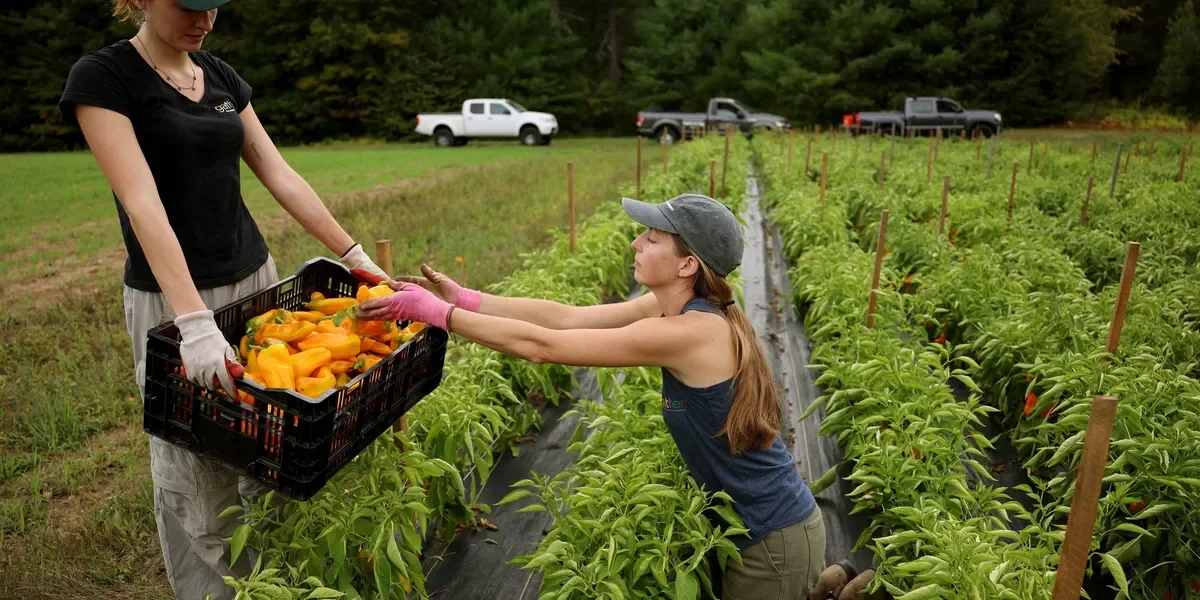
The article discusses the persistent exploitation of farmworkers in the U.S. and highlights the potential of the Fair Food Program, which has improved conditions for workers on participating farms like Pacific Tomato Growers. Despite its success, most farms resist joining due to costs and industry opposition, limiting the program's reach and impact on farmworker rights.
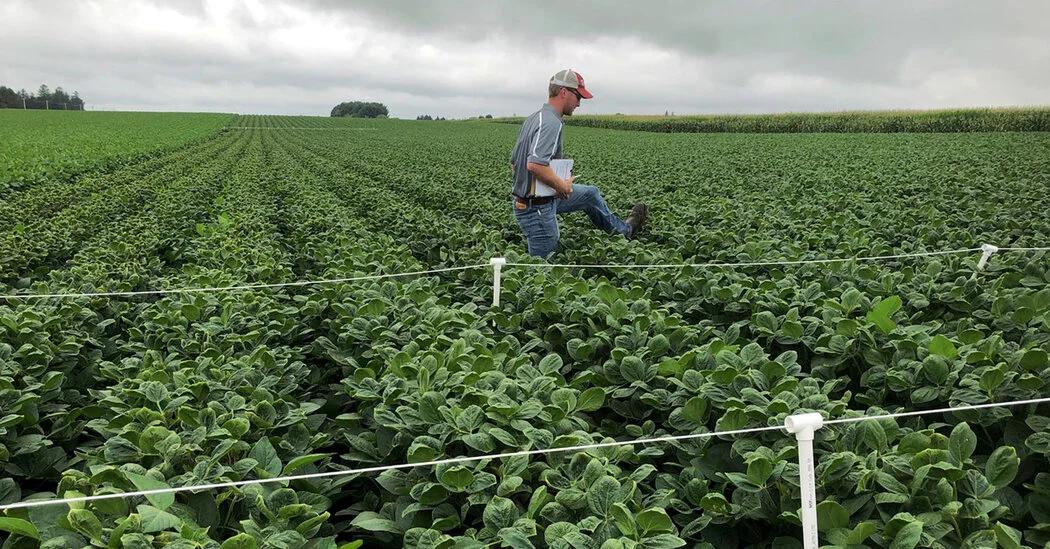
Ohio farmers have experienced a 74% decline in Chinese exports this year, losing nearly $76 million, primarily due to tariffs imposed during Trump's administration, which have disrupted trade relations and increased costs, especially impacting soybean farmers and contributing to broader economic challenges in agriculture.