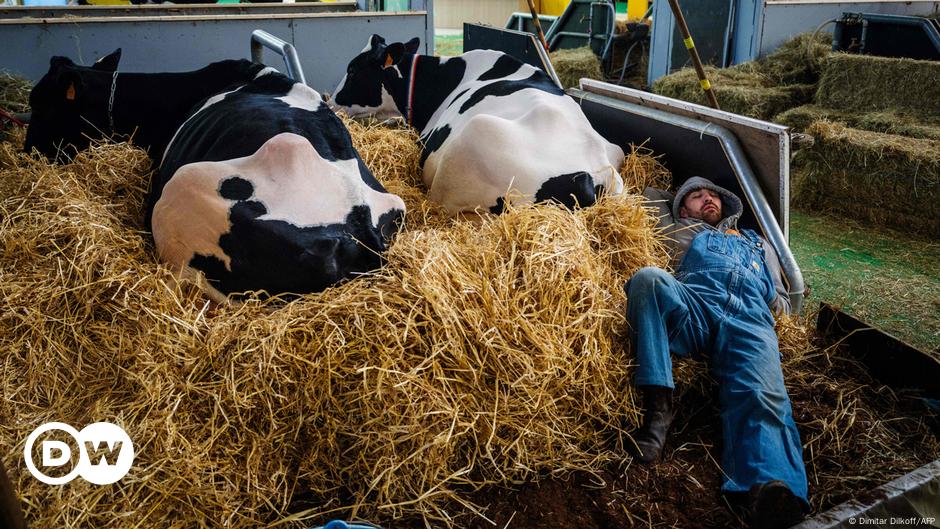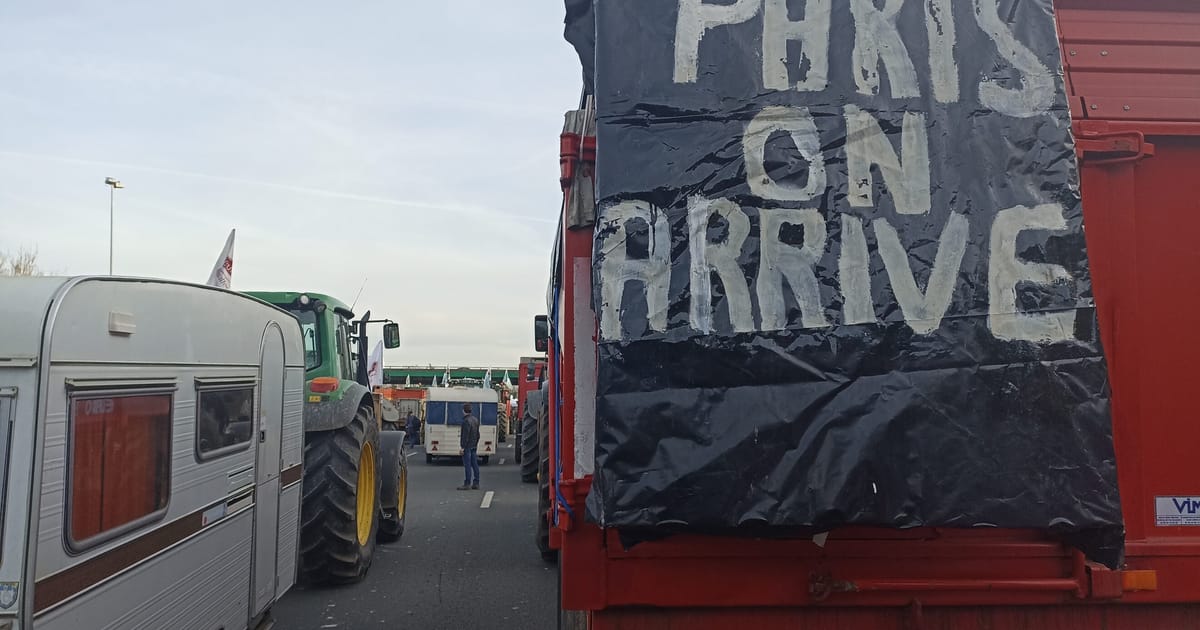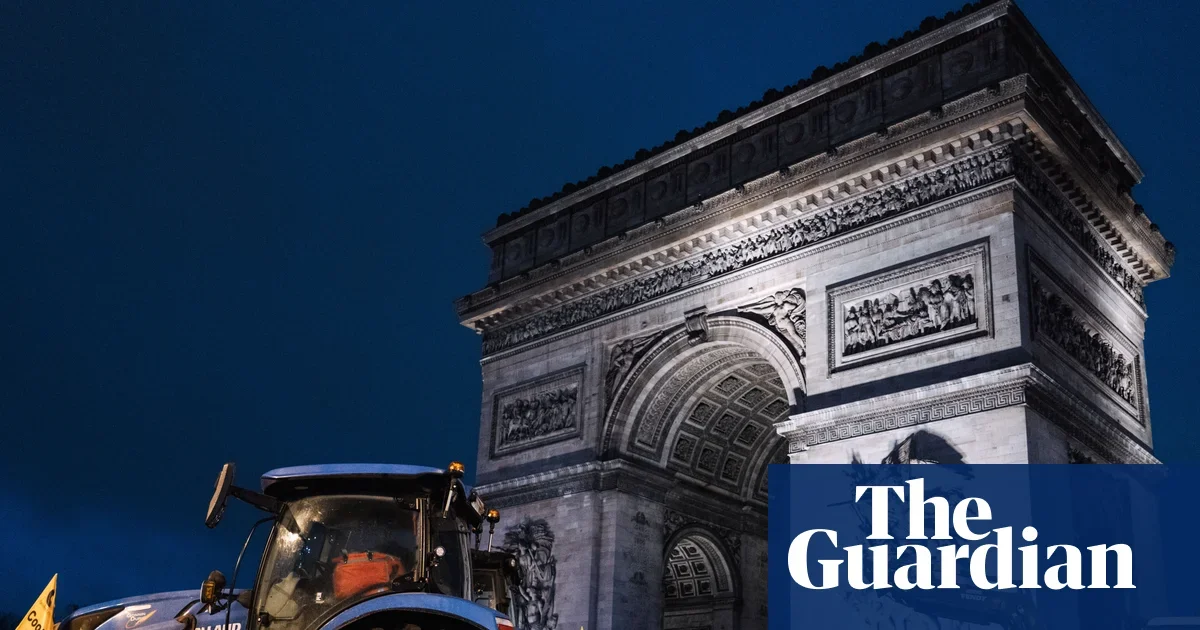
French farmers protested in Paris against the EU-Mercosur trade deal, fearing it will harm local agriculture by allowing cheaper imports from South America. Despite opposition from France and some other EU countries, the deal is expected to be approved by the EU, with support from Italy and other nations, after negotiations and concessions.
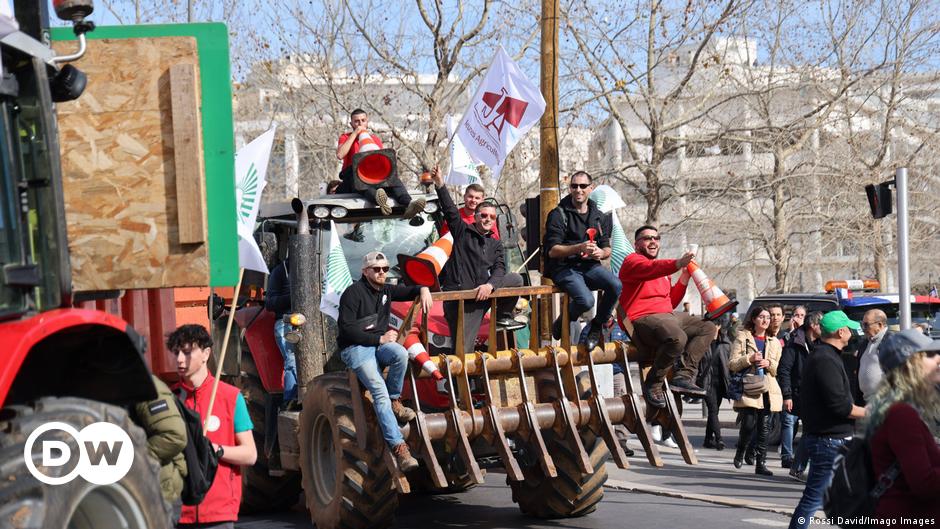
French farmers are exerting significant political influence through protests and pressure on the government, demanding more support amid falling incomes and bureaucratic red tape. The government's historical collaboration with the farmers' union and recent concessions reflect the sector's entrenched power. The farmers' opposition to EU trade deals and environmental regulations has raised concerns about the influence of anti-EU sentiment and the need for a more sustainable agricultural system.
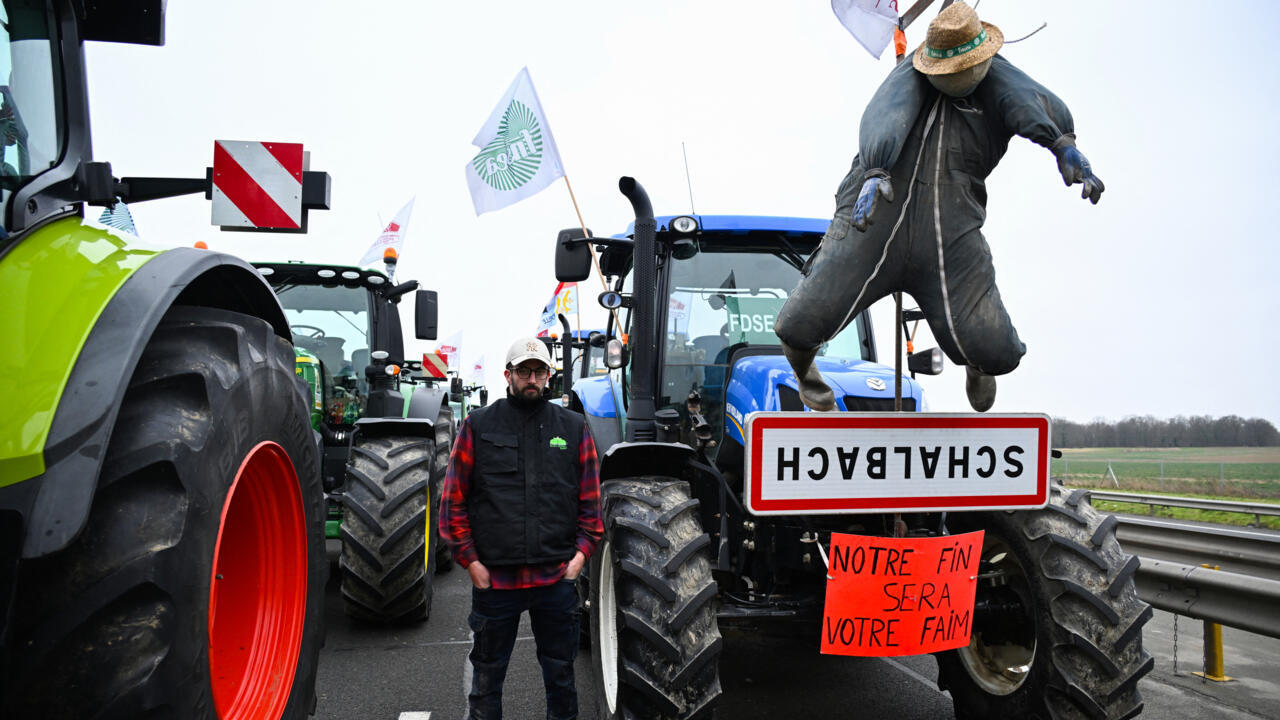
French farmers are protesting against falling incomes and excessive red tape, demonstrating their political power and influence on agricultural policies. The government has made concessions, including less red tape, extra subsidies, and opposition to a trade deal with Mercosur. However, experts warn that giving in to farmers' demands for fewer environmental regulations may hinder the transition to a more sustainable agricultural sector, despite the farmers' significant influence on EU policies.
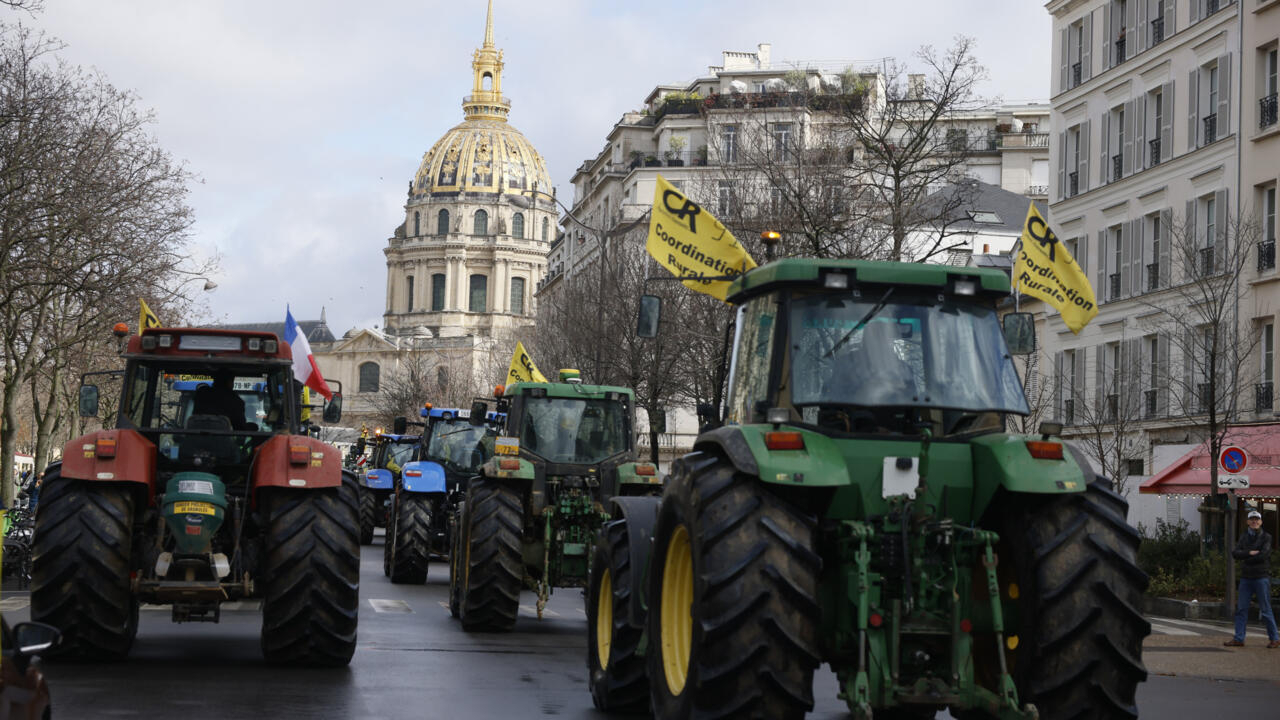
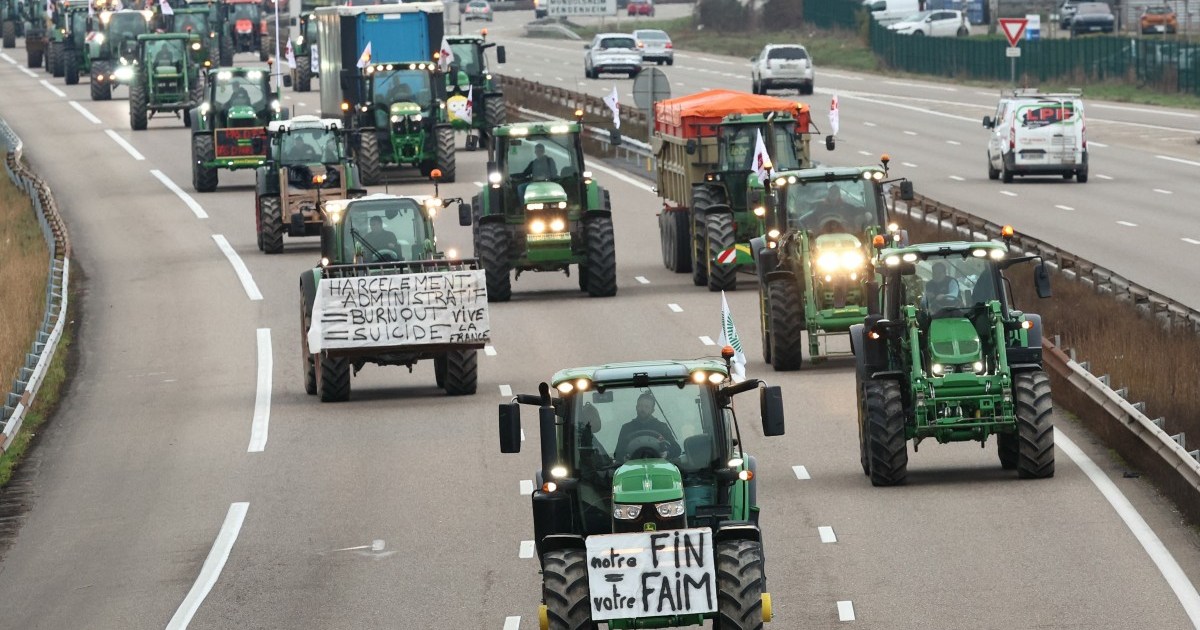
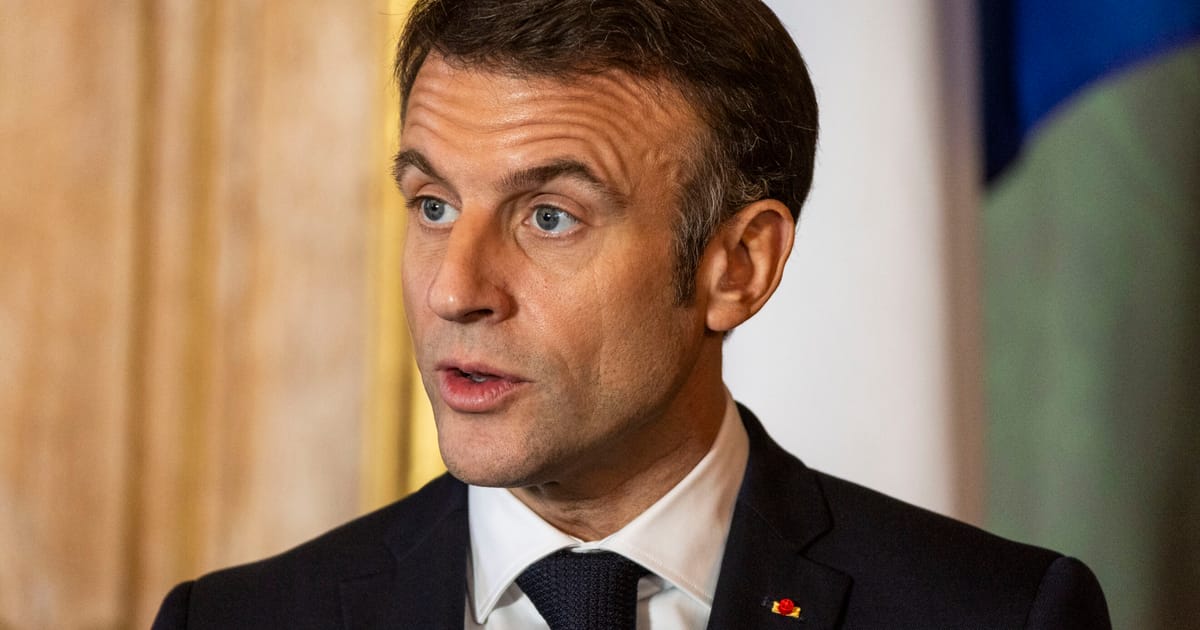
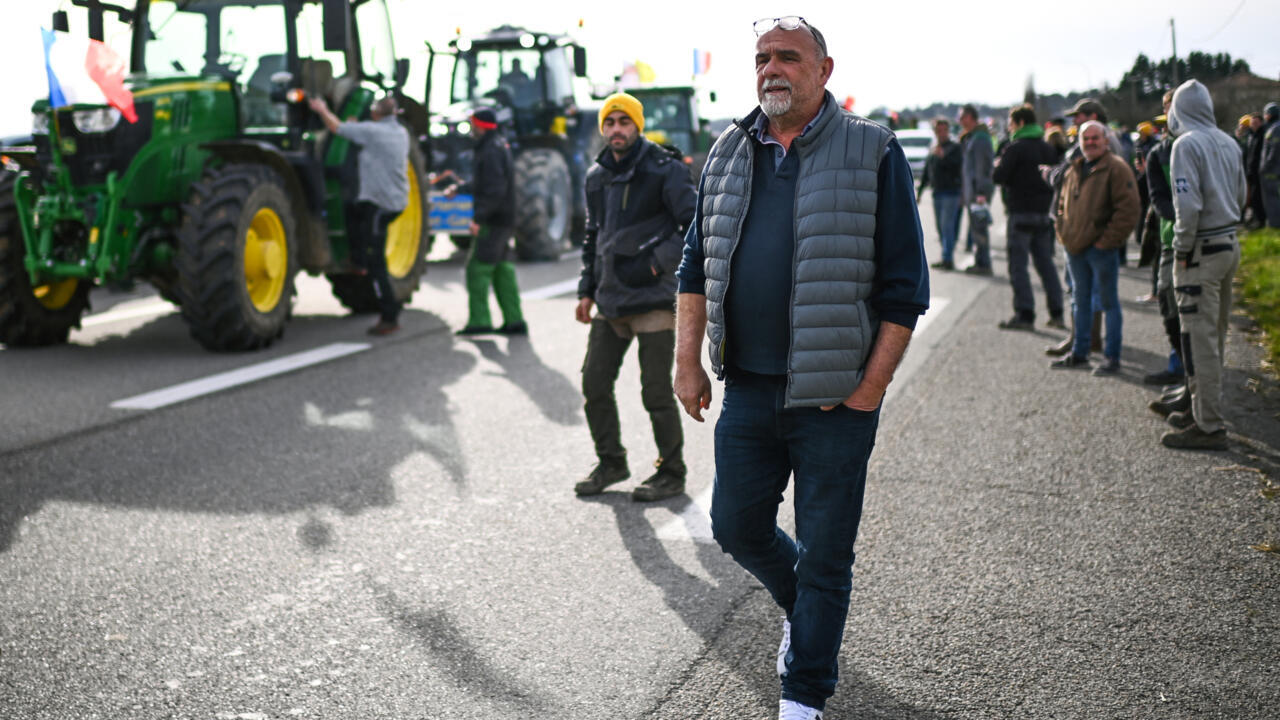
French farmers drove their tractors into Paris in a fresh protest, demanding more government support and simpler regulations ahead of a major agricultural fair. The protest, organized by the Rural Coordination union, aimed to address grievances over low earnings, heavy regulation, and unfair competition from abroad. President Emmanuel Macron cancelled a planned debate with farmers at the Paris Agricultural Fair after a controversy over an invitation extended to an ecology group, leading to criticism and a boycott call from farming unions.
French farmers' protests have led to concessions from the government, including a halt to imports of agricultural products that use banned pesticides and new financial subsidies. The protests reflect concerns about income, competition, and free trade agreements, particularly the pending EU-Mercosur trade deal. The protests have revealed political frustration throughout Europe, with French President Emmanuel Macron struggling to balance environmental concerns and the needs of rural farmers. The protests have put agricultural issues on the EU summit's agenda, highlighting the complexity of the situation and the influence of the agricultural sector in France.
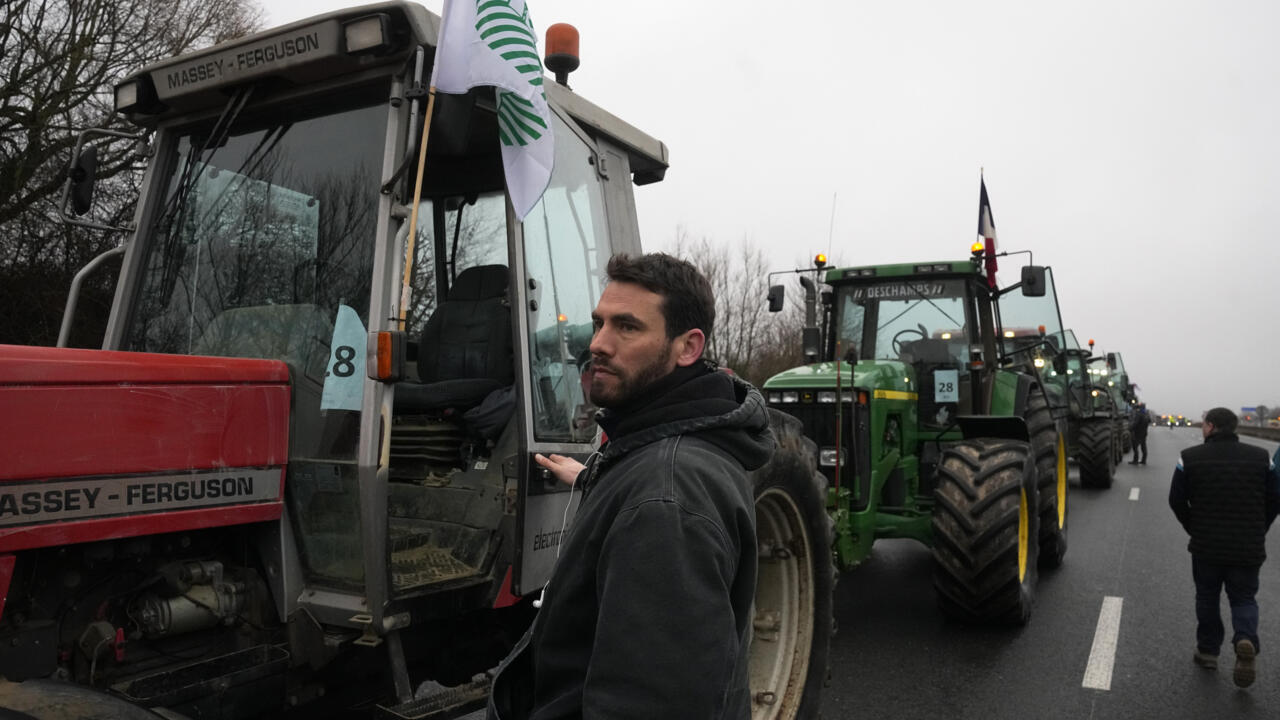
French farmers have begun lifting roadblocks after the government promised financial aid and eased regulations in response to their protests over issues such as environmental rules and cheap imports. The agriculture minister stated that the worst of the crisis was over, but some blockades remain as farmers continue to express concerns about their income and unfair competition. The protests have spread across Europe, with farmers in multiple countries participating in demonstrations.
French farmers unions have called for an end to nationwide roadblocks after securing promises of government assistance, including cash, eased regulations, and protection against unfair competition. Prime Minister Gabriel Attal unveiled new measures, including a ban on imports of certain fruits and vegetables treated with a banned insecticide, opposition to a free-trade deal with the Mercosur trade group, and financial aid for livestock farmers and new farmers. The government aims to boost farmers' income, protect them against unfair competition, and simplify their daily lives, while also imposing fines on food industrial groups and supermarkets that do not pay a fair price to farmers.
French farming unions are protesting against EU free-trade agreements, claiming they lead to unfair competition from overseas products and undermine their livelihoods. They fear an influx of Chilean apples, Brazilian grains, and Canadian beef flooding the European market, posing challenges to their sustainability efforts. The EU has signed various free-trade agreements, with the Mercosur deal causing the most concern due to potential impacts on agriculture. While some sectors benefit from these agreements, others, like livestock farming, face challenges. The agreements also serve as bargaining chips for strategic minerals and industrial sectors, prompting ongoing debates and negotiations.
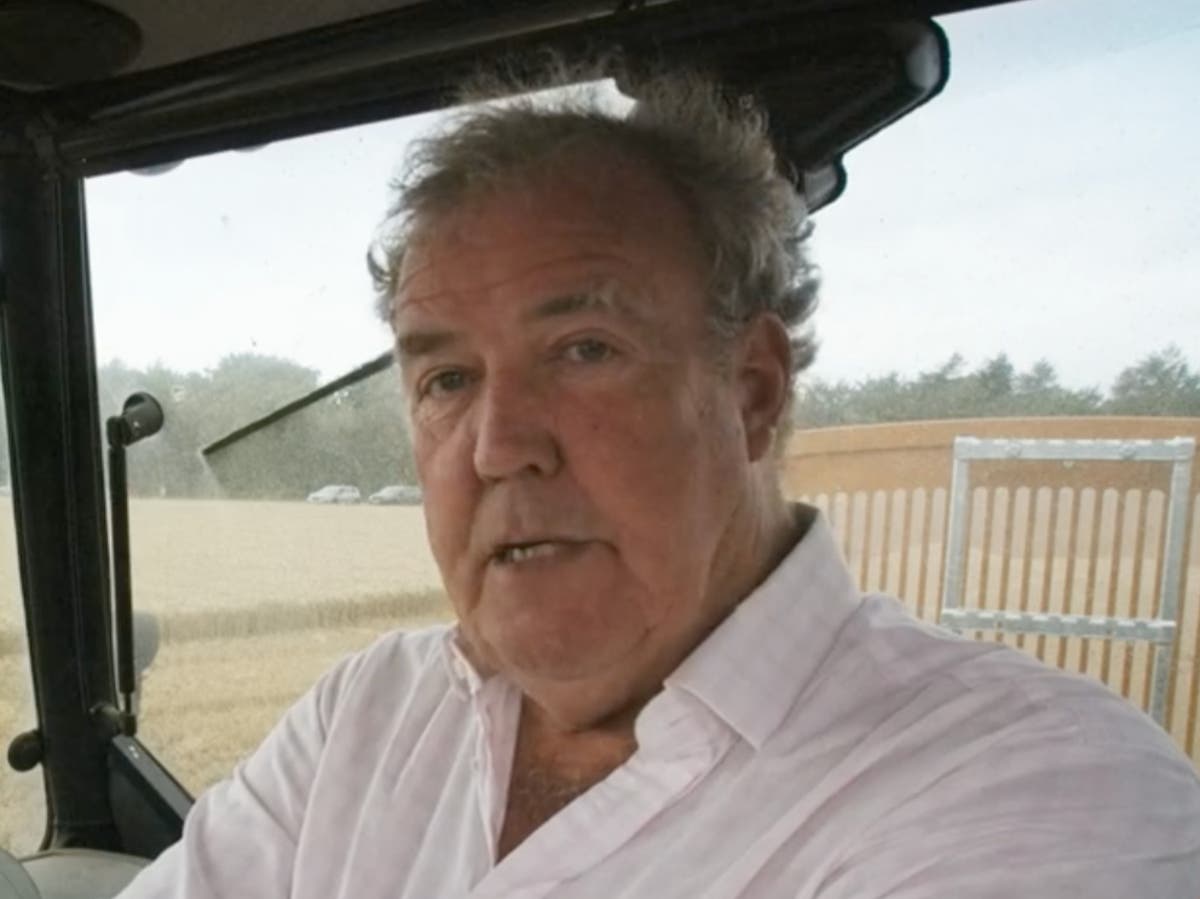
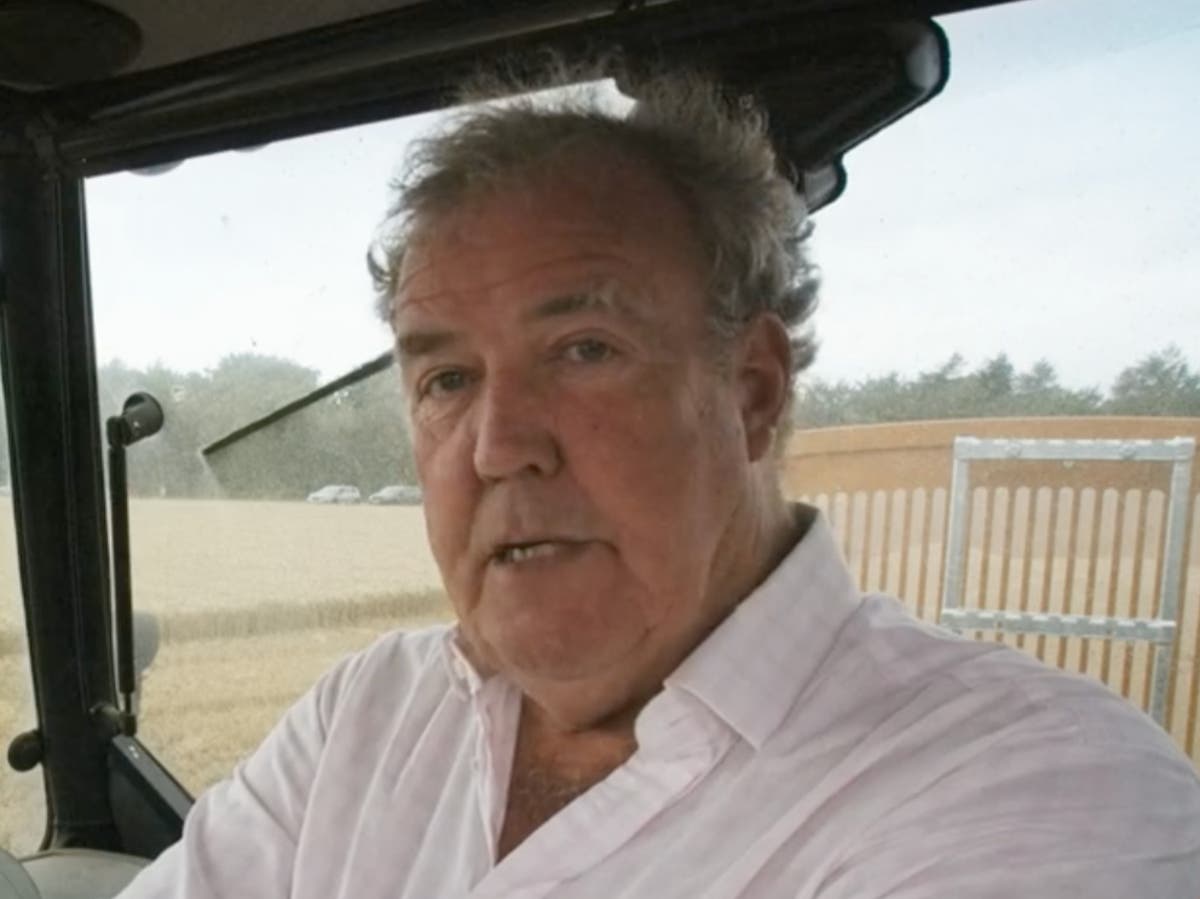
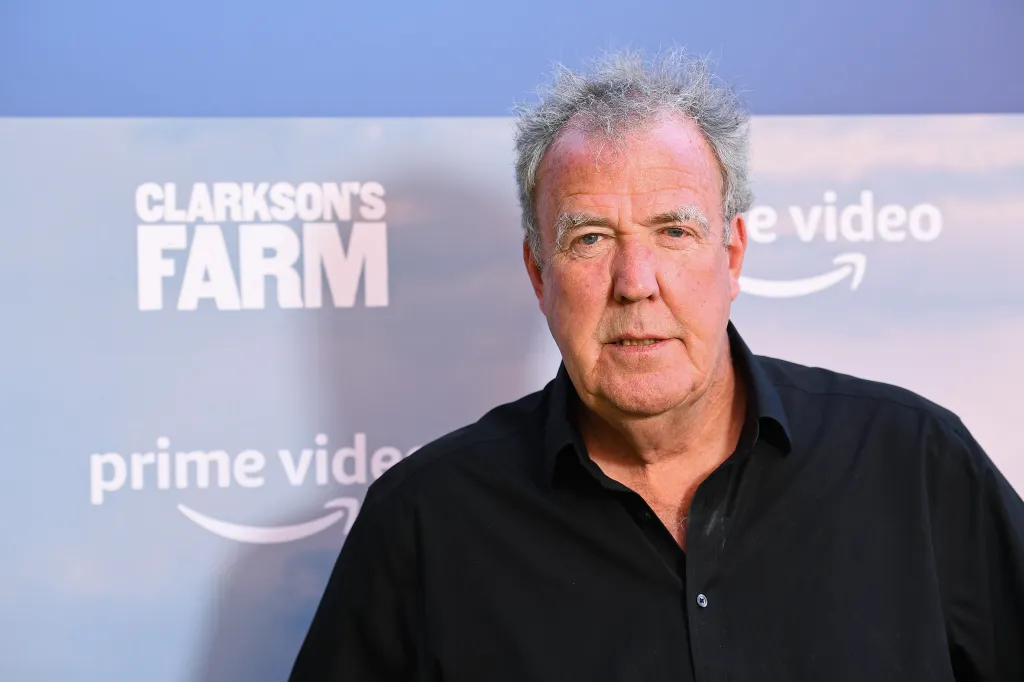
Jeremy Clarkson has unexpectedly become a hero for protesting French farmers, with one tractor driver praising his show "Clarkson’s Farm" as an inspiration for their own demonstrations. The farmers are protesting for better remuneration, less red tape, and protection against cheap imports. Clarkson, known for his controversial persona, has used his platform to highlight the challenges faced by farmers, advocating for higher food prices and sharing a message of support for the French farmers on Twitter. The protests in France have also sparked solidarity from farmers in Belgium and Spain.
Jeremy Clarkson has unexpectedly become a hero for protesting French farmers, with one tractor driver praising his show "Clarkson’s Farm" as an inspiration for their own demonstrations. The farmers are protesting for better remuneration, less red tape, and protection against cheap imports. Clarkson, known for his controversial persona, has used his platform to highlight the challenges faced by farmers and has expressed support for the French farmers on social media. The protests in France have also sparked solidarity from farmers in Belgium and Spain.
French President Macron's text message to European Commission President von der Leyen threatens to derail the EU-Mercosur trade deal as France halts talks and farmer protests intensify, with Macron's anti-EU stance potentially aiding his political position but also carrying the risk of backlash. Meanwhile, French Prime Minister Attal seeks to defuse the crisis by canceling a planned tractor fuel hike and reducing bureaucratic hurdles for farmers, as protests spread across the country.
French farmers are protesting against rising costs, EU regulations, and globalized markets, using tractors and blockades to demand better remuneration and protectionism for their industry. The Rural Coordination union, representing 20% of French farmers, is leading the protests, citing issues such as falling product prices, EU regulations on insecticides, and free trade agreements. They seek an "agricultural exception" akin to the French cultural protectionism and warn of potential political repercussions as European elections approach.
French farmers protesting the economic crisis in their agricultural sector have praised Jeremy Clarkson and his show "Clarkson’s Farm" as they blockade Paris with tractors, citing his support for British farming and his portrayal of similar issues faced by French farmers. Despite Clarkson's history of ridiculing France, the protestors appreciate his insights and are calling for a French celebrity to emulate his efforts. The farmers are protesting against falling incomes, rising environmental regulations, red tape, and competition from cheaper imports, with similar blockades occurring in other key French cities.
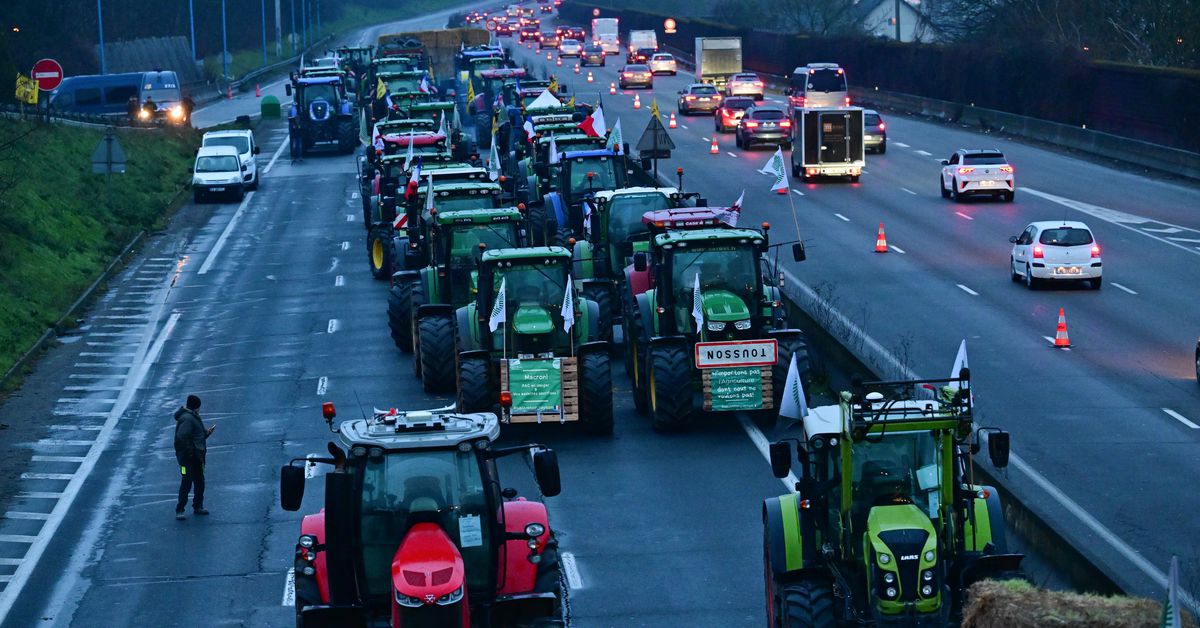
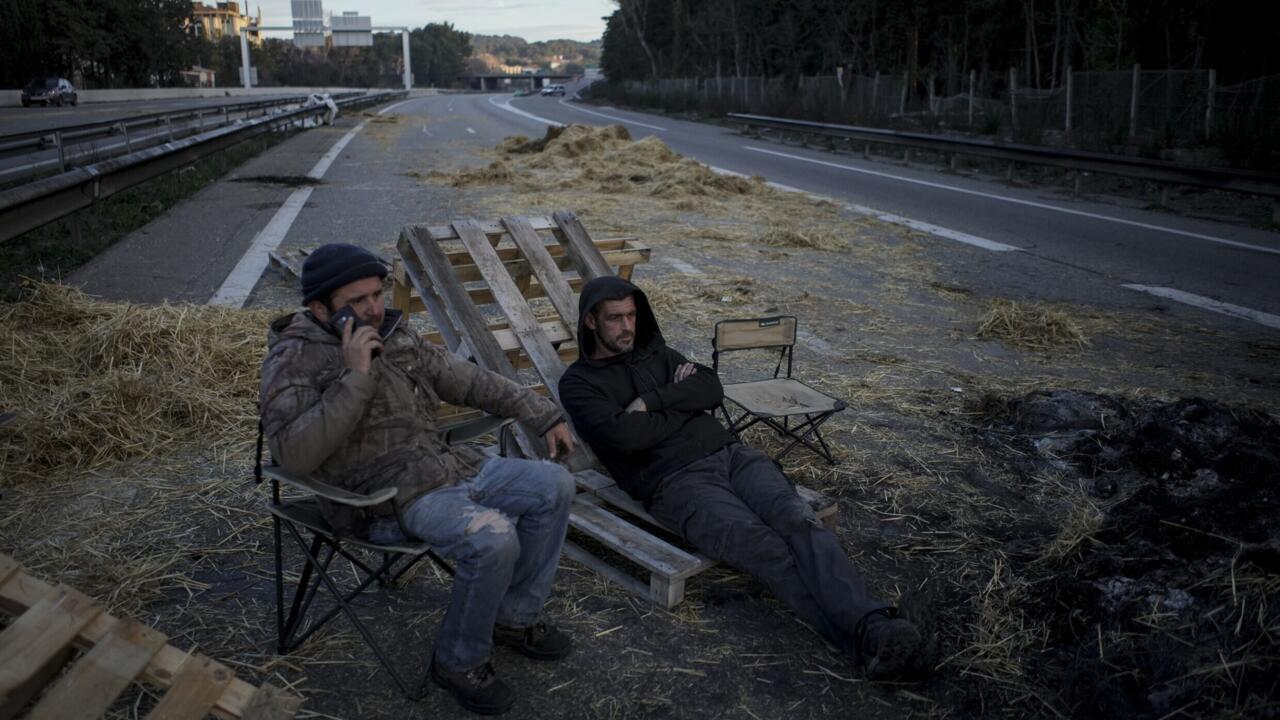
French farmers continue to block highways around Paris with tractors and hay bales in protest of the government's handling of the agricultural industry, demanding more support and fairer conditions. The protests come amid concerns over the impact of the Ukraine war on the industry, with farmers arguing that rising costs and regulations are squeezing their incomes. The demonstrations have caused traffic chaos and highlighted the divide between urban and rural areas, with farmers vowing to continue protesting until their demands are met.
French farmers have launched a "siege of Paris" as they protest against fuel hikes and red tape, with the Prime Minister seeking a resolution to the crisis. The protests come amid a backdrop of widespread support for the farmers and hopes of sparking a larger movement, while a French court has also struck down key provisions of an immigration bill, including a visa deal for wealthy Brits.