environment2.735 min read
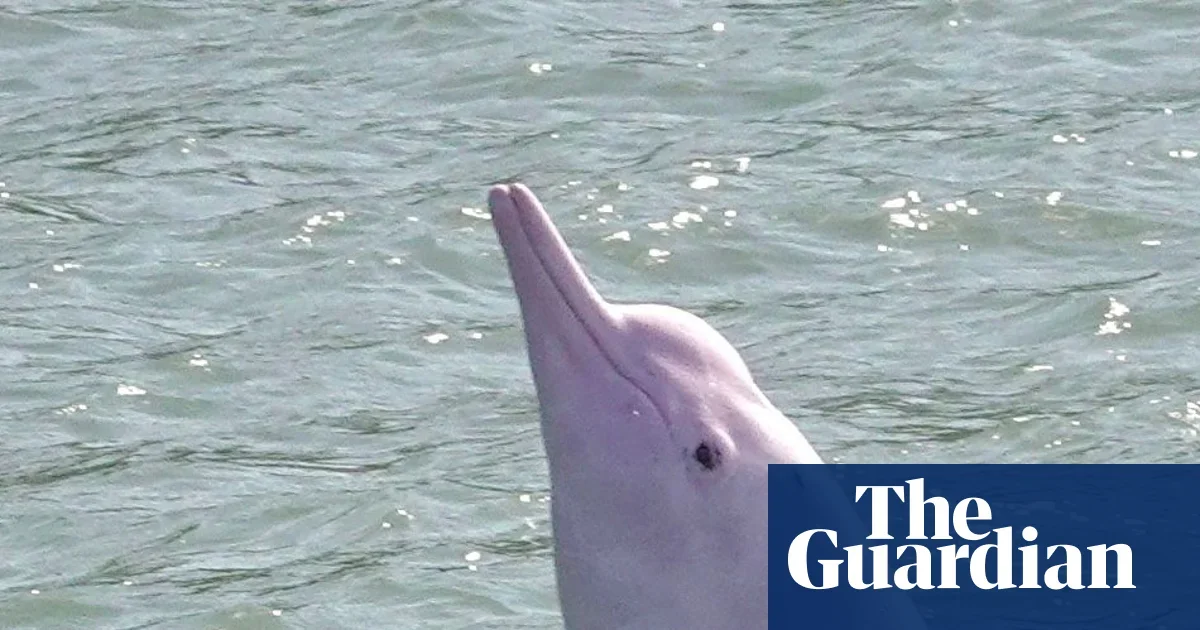
Dolphins’ brains show stubborn screen chemicals from e-waste, study finds
13 hours ago•Source: The Guardian

The latest environment stories, summarized by AI
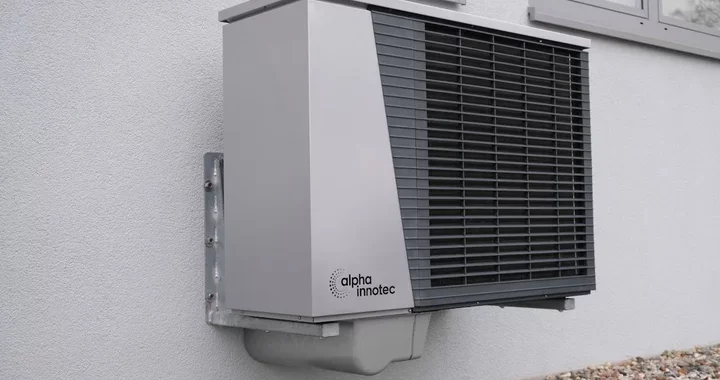
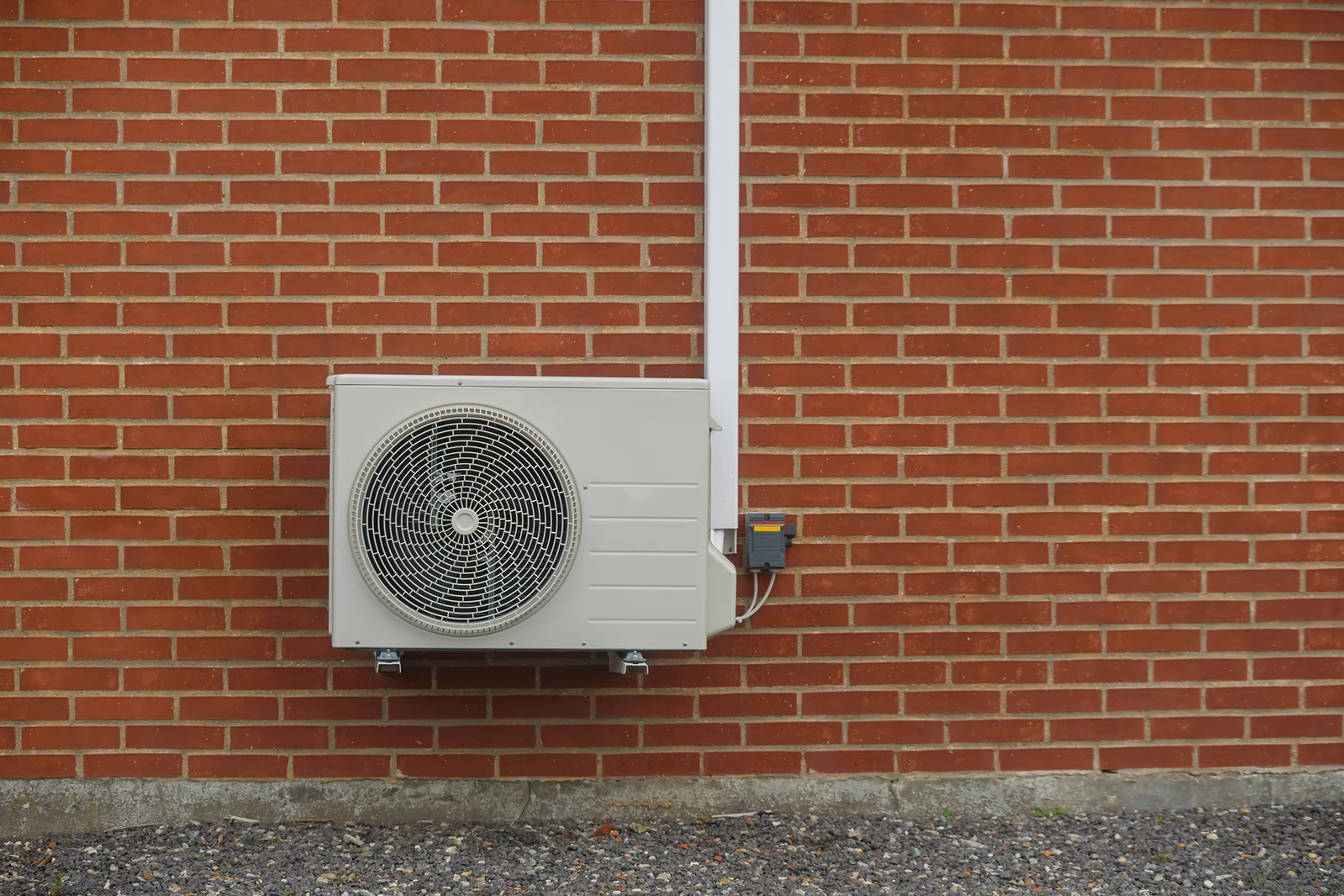
California is pushing to electrify home heating with heat pumps (aiming for six million installations by 2030), backed by rebates and easier permitting, but high electricity prices complicate the economics. A Harvard study finds regional differences: savings tend to occur in the South and Pacific Northwest, while the northern Midwest could see higher bills. In California, coastally favorable conditions are tempered by costly rates, larger or colder homes, and required electrical upgrades; solar can help, but upfront costs and rate plans largely determine whether heat pumps save money.
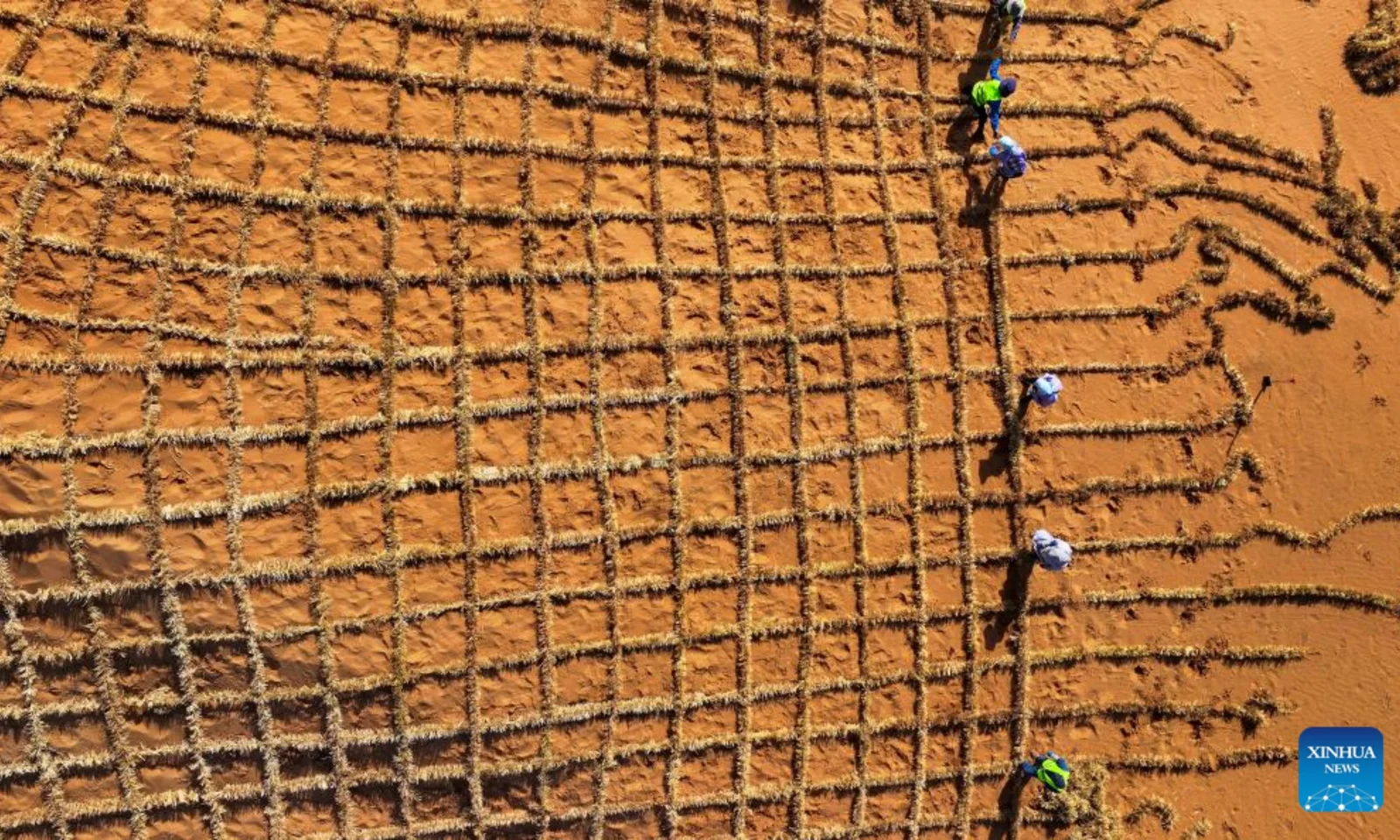
Scientists in China used lab-grown cyanobacteria to bind loose desert sand into a thin, stable crust within about 10–16 months, creating a surface that holds moisture and nutrients and supports seedling growth. This speeds desert restoration from decades to years and could reduce wind-driven erosion, but scaling the method beyond test plots faces challenges such as site selection, local microbe suitability, and protection from traffic; long-term monitoring is needed and crusts cannot solve problems like overgrazing or water mismanagement.

New findings backed by WestRock for the American Forest & Paper Association show greasy pizza boxes are recyclable; grease is typically only 1–2% by weight and does not significantly affect recycled cardboard, with cheese and tape best removed. Local guidelines vary, so check your area and consider advocating for updated rules; to maximize recycling, split the box or use a liner to reduce grease exposure.
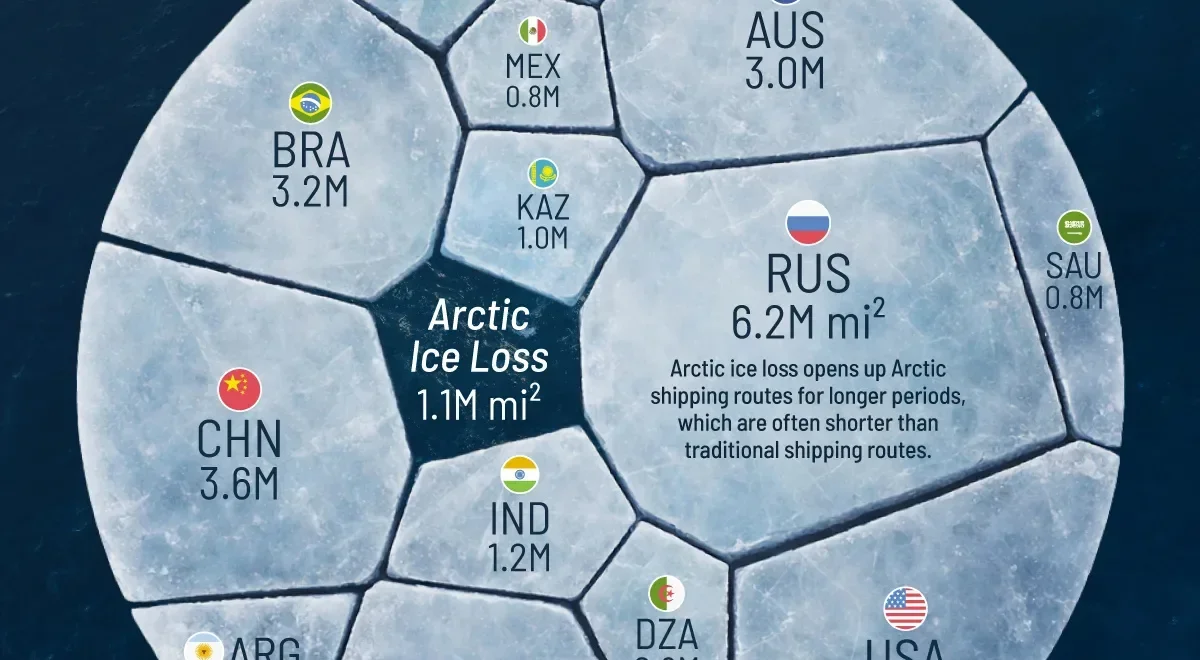
Since 1980, the Arctic’s minimum sea ice has shrunk by about 1.1 million square miles (roughly the size of Argentina), at a rate of about 12.2% per decade, with projections of ice-free summers by around 2050. The visualization (NASA/World Bank data) maps ice loss against country land areas, highlighting geopolitical and shipping shifts as Arctic routes open up. Global powers, including China with its Polar Silk Road and the Northern Sea Route, are preparing for a more accessible Arctic, while the region also holds significant oil potential (~412 billion barrels) and Greenland’s rare-earth reserves (~1.5 million metric tons).
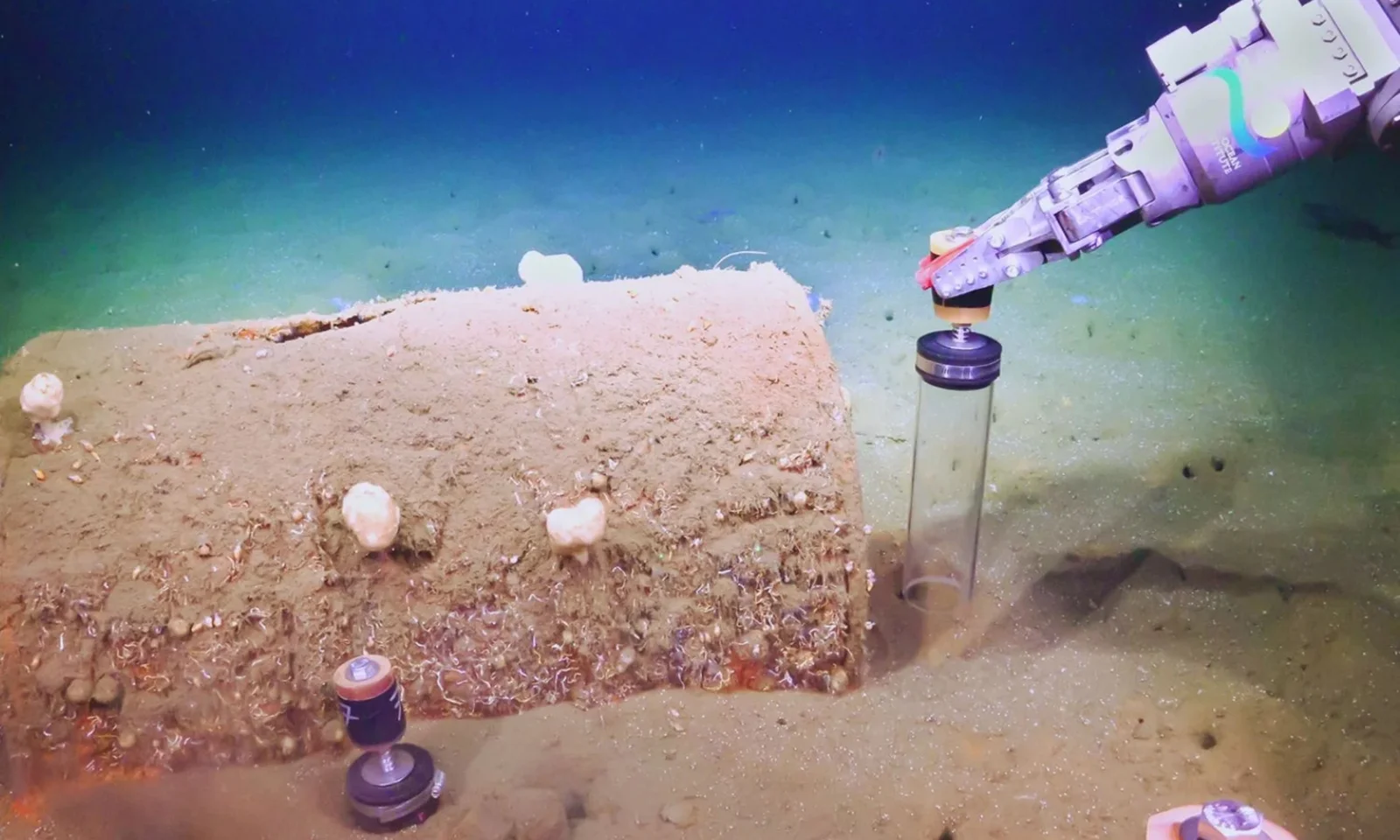
Decades after the U.S. dumped thousands of barrels of toxic waste into the Pacific, new findings show leaks are still altering the San Pedro Basin’s deep-sea sediment chemistry and microbial life. A 58-square-mile survey identified around 74,000 debris targets, including ~27,000 barrels, with halos of hardened minerals indicating alkaline leakage. The resulting high pH and altered microbial communities could affect deep-sea ecosystems for thousands of years, complicating cleanup and policy decisions; the study appears in PNAS Nexus.
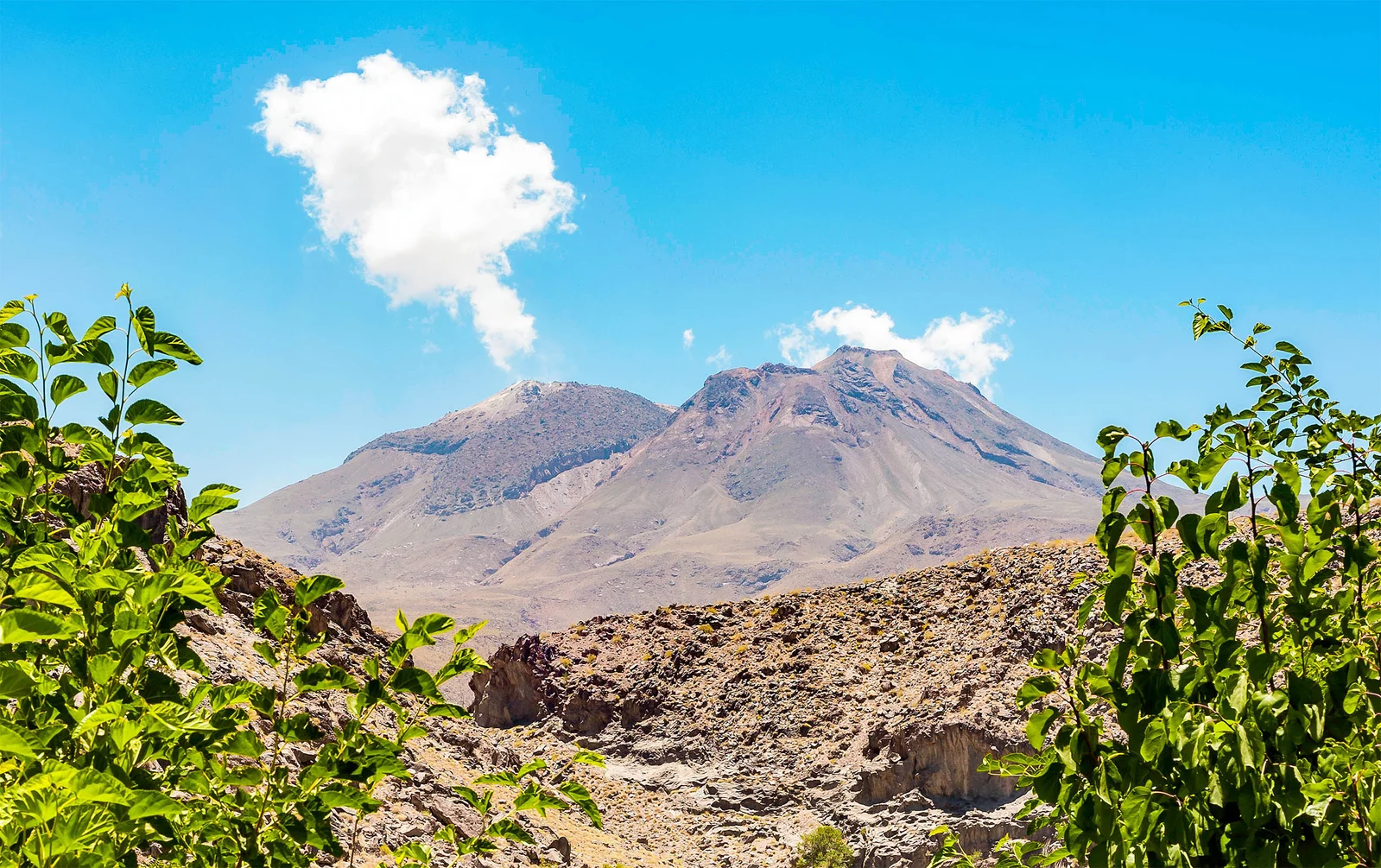
Satellite data show the Taftan volcano in southeastern Iran rising about 9 cm (3.5 inches) over 10 months, signaling pressure building in a shallow hydrothermal system near the summit rather than a magma-driven eruption. Researchers say the uplift, detected by InSAR from Sentinel-1, warrants ongoing monitoring (gas emissions, seismometers, GPS) and hazard planning, since phreatic blasts could occur even without lava flows.
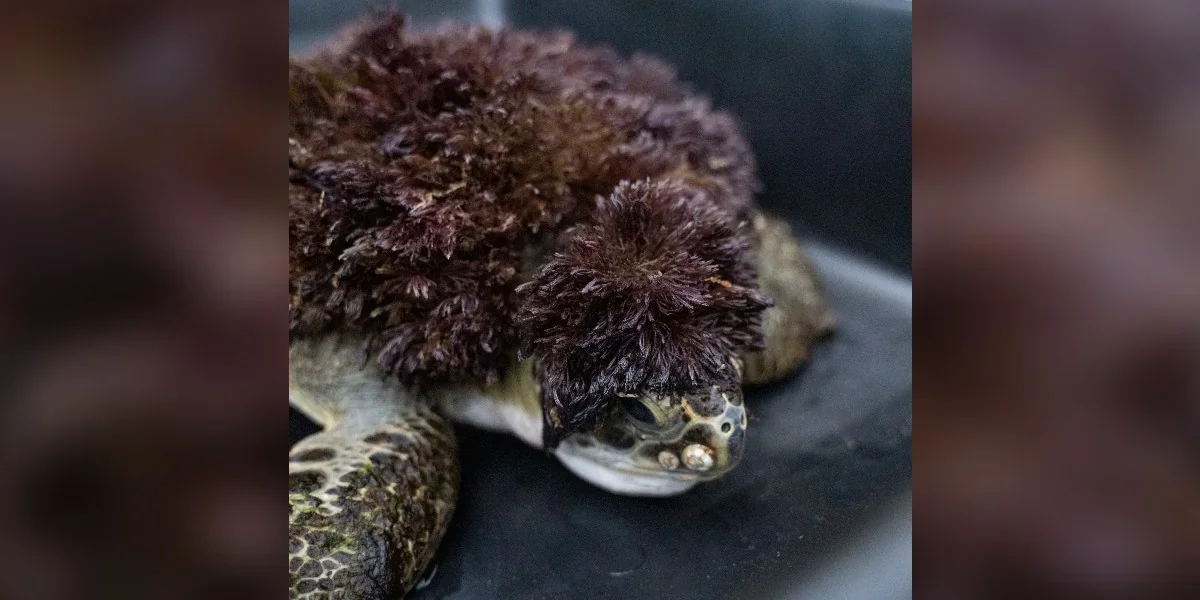
A juvenile green sea turtle nicknamed Bob Moss was rescued in Vero Beach, Florida, arriving at Coastal Connections covered in red algae. Although initially thought to be cold-stunned, rescuers later found he sustained a fatal boat-strike injury and he died at the center. The case highlights the deadly impact of boat strikes on sea turtles (thousands die yearly) and reflects how more than half of Coastal Connections’ rescues involve strikes, underscoring the need for slower speeds in turtle zones and safer boating practices.
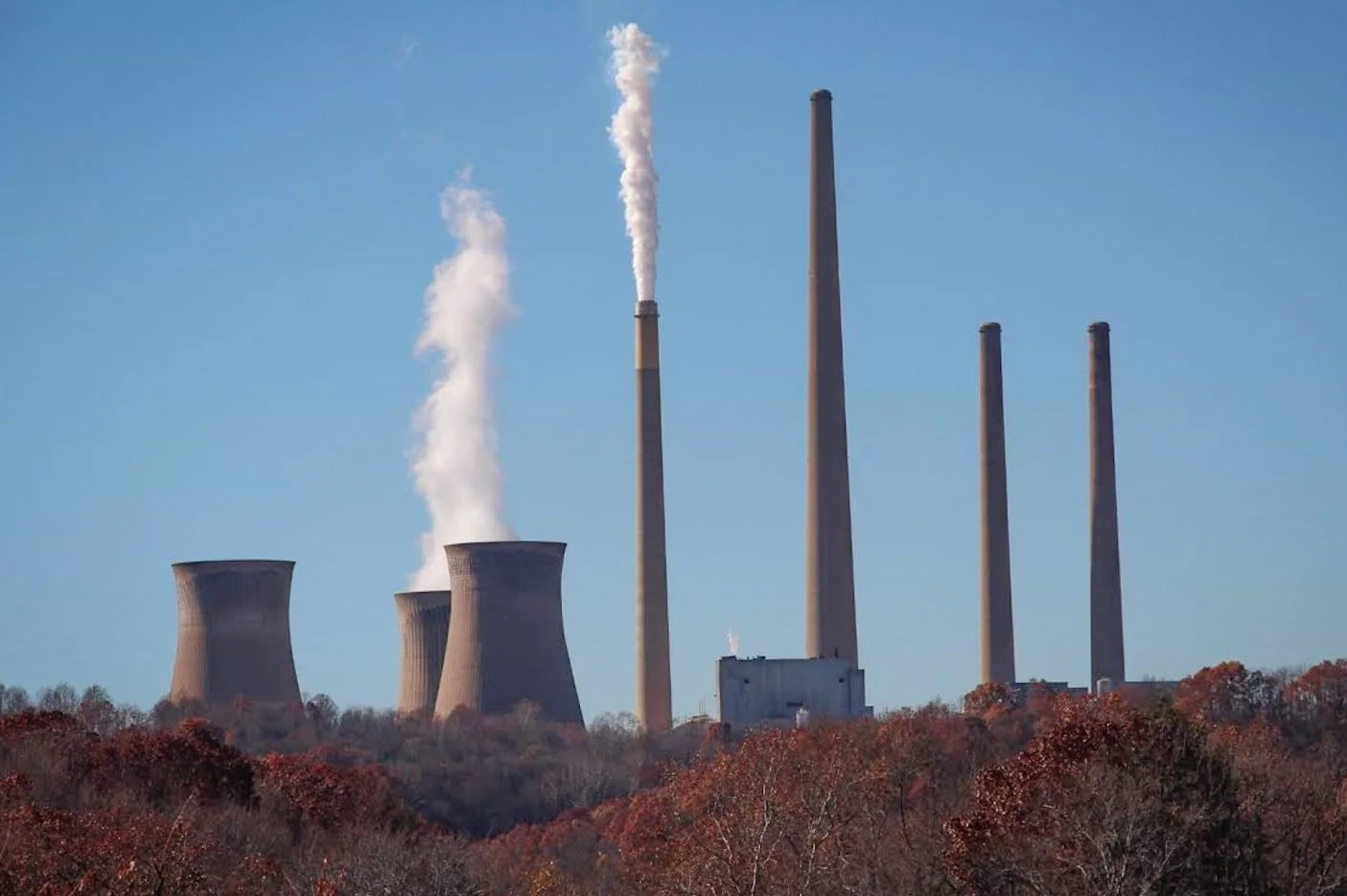
Trump rolled back Biden-era tightening of the Mercury and Air Toxics Standard, restoring coal plants to the 2012 rule and potentially exempting the industry from stricter limits. EPA estimates the rollback would save about $78 million annually (2028–2037), while the tighter 2024 standard would have cut mercury emissions about 23% by 2035. Environmental groups vow to appeal, warning that plants could ease pollution controls and monitoring to save money, with potential impacts on public health and grid reliability.
Florida’s Space Coast is booming as rockets from Kennedy Space Center and SpaceX push launches higher, but environmentalists and commercial fishers warn the growth could degrade Merritt Island’s ecosystems and hurt local fisheries through noise, pollution, water chemistry changes, and debris, prompting calls for wastewater recycling, mitigation measures, and even a relief fund as regulators balance progress with environmental safeguarding.
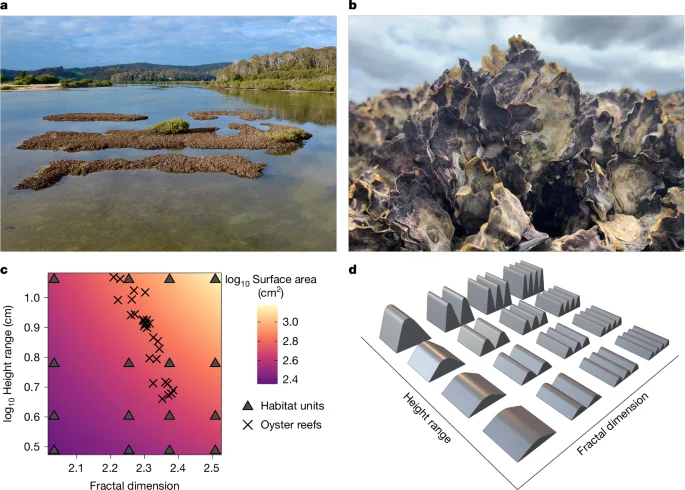
The study shows that oyster recruit survival is maximized not just by surface area but by specific 3D reef architectures. By creating 16 artificial habitats that span fractal dimension and height range and testing them with and without predator access across three estuaries, researchers found a hump-shaped recruitment response driven by predator mediation. Optimal values (fractaI dimension ~2.41, height ~7.96 cm) yielded ~35% higher oyster densities than less favorable configurations, and natural reefs clustered near these optima, offering a blueprint for restoration that integrates geometry with ecosystem engineering to enhance reef persistence.
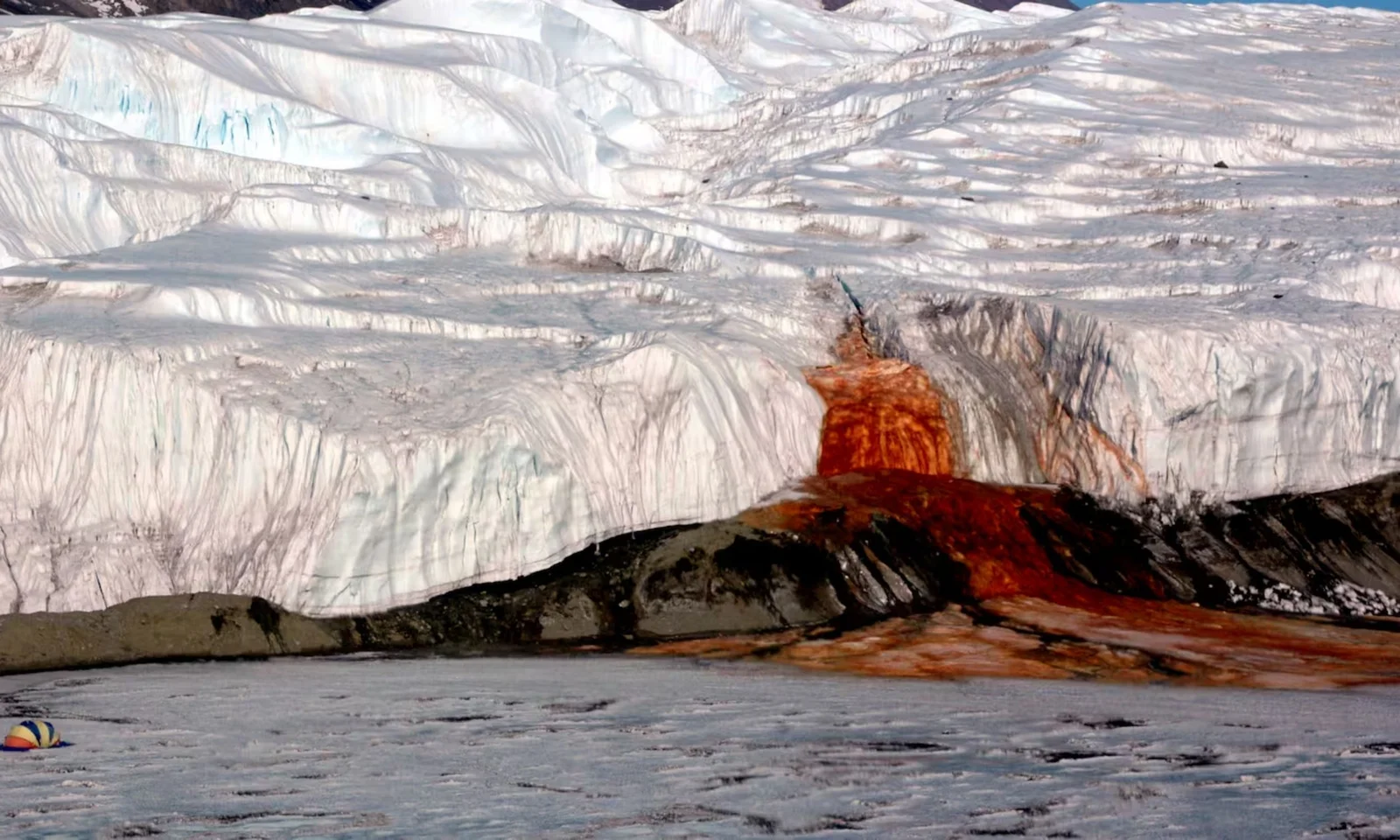
Scientists link Antarctica’s Blood Falls red plume to a subglacial brine drainage event beneath Taylor Glacier, showing the red water is a signal of pressure changes and hidden water movement under the ice. The discharge temporarily lowered surface ice velocity and disturbed lake stratification, highlighting a tight ice–rock–lake connection and suggesting expanded sensor networks for future study.