
food-and-agriculture6.43 min read
The Rise and Risks of Dubai-Inspired Food Trends
4 months ago•Source: DW

The latest food and agriculture stories, summarized by AI

Despite lab-grown meat not yet being widely available, several U.S. states, including Florida and Alabama, have preemptively banned its sale, citing safety concerns and the need to protect traditional agriculture. This backlash comes even as the U.S. approved the sale of cultivated meat in 2023, and companies are working to scale production and reduce costs. The bans have sparked legal considerations and debates over consumer choice and food security, with some states shelving proposed bans and others moving forward. The issue has also seen international pushback, with Italy and France considering similar measures.
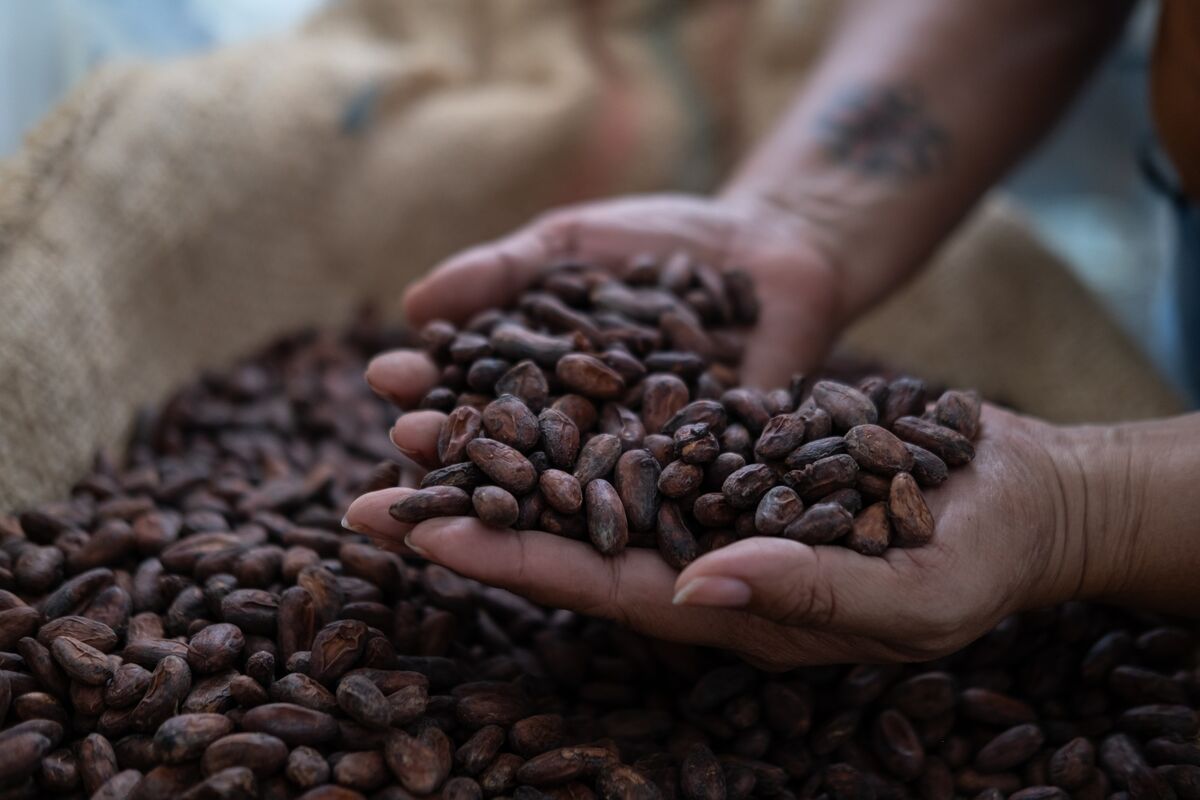
NBC News•1 year ago
Newser•1 year ago
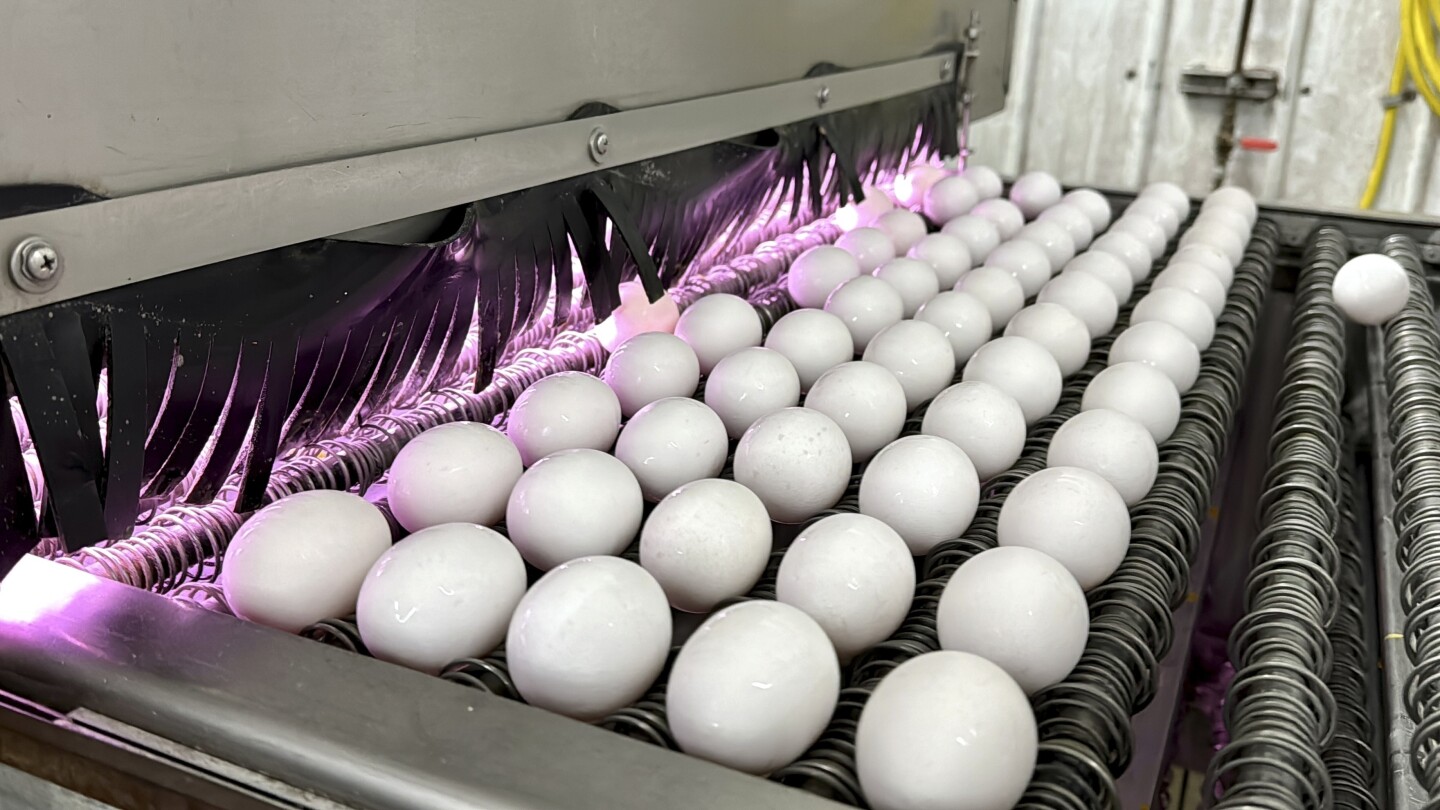
Norwegians are flocking to supermarkets in Sweden to hoard eggs due to a shortage in their own country, with prices in Sweden being significantly lower. Concerns about overproduction and the effects of bird flu have led to the shortage in Norway, where egg prices are at near-historic highs. The high cost of living in Norway, especially for food products, has led many residents to regularly shop in neighboring Sweden, where products and services enjoy a lower value-added tax.

Scientists suggest that python meat could be a sustainable and efficient protein alternative for human consumption due to the snakes' ability to fast, low space and water requirements, and minimal waste production. Python farming is well-established in Asia but has yet to take off in other regions, offering potential benefits in controlling rodent pests and upcycling waste products from other meat industries. However, the limited understanding of keeping thousands of snakes in captivity and human fear toward snakes remain as hurdles to putting python meat on dinner plates.

A blueberry grown in Australia has broken the Guinness World Record for the heaviest blueberry, weighing in at 20.4 grams and measuring over an inch and a half across. Grown at a farm run by Costa Group, the berry is part of the Eterna variety, developed in response to changing consumer needs for larger blueberries. The record-breaking berry may be preserved in resin and mounted on a wall due to its exceptional size.

Researchers have found that farming pythons for meat could offer a sustainable solution to rising food insecurity exacerbated by climate change, as the snakes require less food and water, grow rapidly, and can produce protein more efficiently than other farmed products. Despite being a delicacy in Asia, pythons are unlikely to become a staple in Western diets, but they could provide a climate solution for farmers in regions facing food insecurity. Additionally, commercial snake farming could incentivize the conservation of wild populations and their habitats, offering a low-barrier alternative to lab-grown meat.

Azolla, a fast-growing aquatic fern, has the potential to become a widely cultivated crop for human and livestock consumption, fertilizer, and biofuel production. Research has identified a species, Carolina azolla, with lower levels of polyphenols, making it more suitable for consumption. With further study and potential breeding, azolla could offer high levels of nutrients such as protein, zinc, manganese, iron, calcium, and potassium. However, extensive research is needed to ensure its safety and potential as a food source.
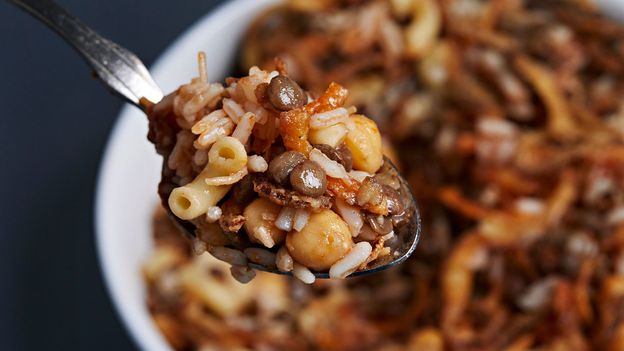
Lentils, cultivated for at least 10,000 years, played a crucial role in early human societies as a significant source of protein alongside wheat and barley. Genetic research has revealed that today's domesticated lentils are descendants of a single wild species, and efforts are underway to identify genetic traits for resistance to extreme conditions and diseases. With increasing demand for plant-based protein sources due to climate concerns, lentils are gaining renewed attention, leading to a rise in production and exploration of their potential in different regions.
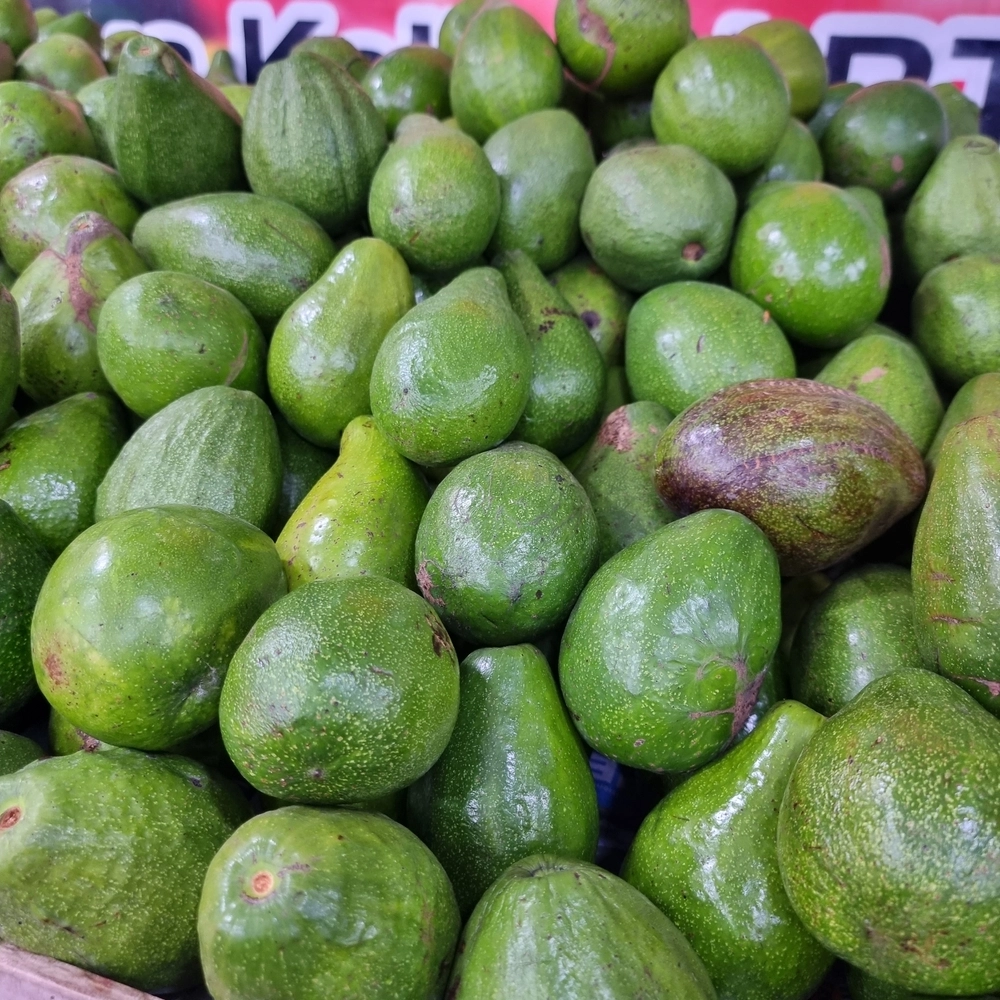
Mexico's Yucatán state produces large, butter avocados that are cheaper than Hass avocados, but trade restrictions prevent their export to the US. Michoacán is the only Mexican state approved to export avocados to the US due to a certification program ensuring pest-free fruit. Other states like Jalisco are seeking approval, but Yucatán's avocados remain unavailable. American consumers also miss out on diverse Mexican ingredients, impacting the flavors of Mexican cuisine in the US. Despite challenges, chefs find ways to adapt and create new culinary experiences, while Mexican producers seek new markets for their products in the US.

The commercial crabbing season has finally begun in the Bay Area, but local crabbers are frustrated with the low prices offered by processors, especially in comparison to Oregon. Customers can support local fishermen by buying fresh crabs directly from the boat at Fisherman’s Wharf or through off-the-boat sales, with prices currently at $10 per pound. Fishers in Humboldt County chose to strike rather than accept lower prices, but their efforts seem to have been unsuccessful as the season opened in San Francisco. There is a call for fishermen to organize and negotiate for higher prices to address the imbalance of power with processors.
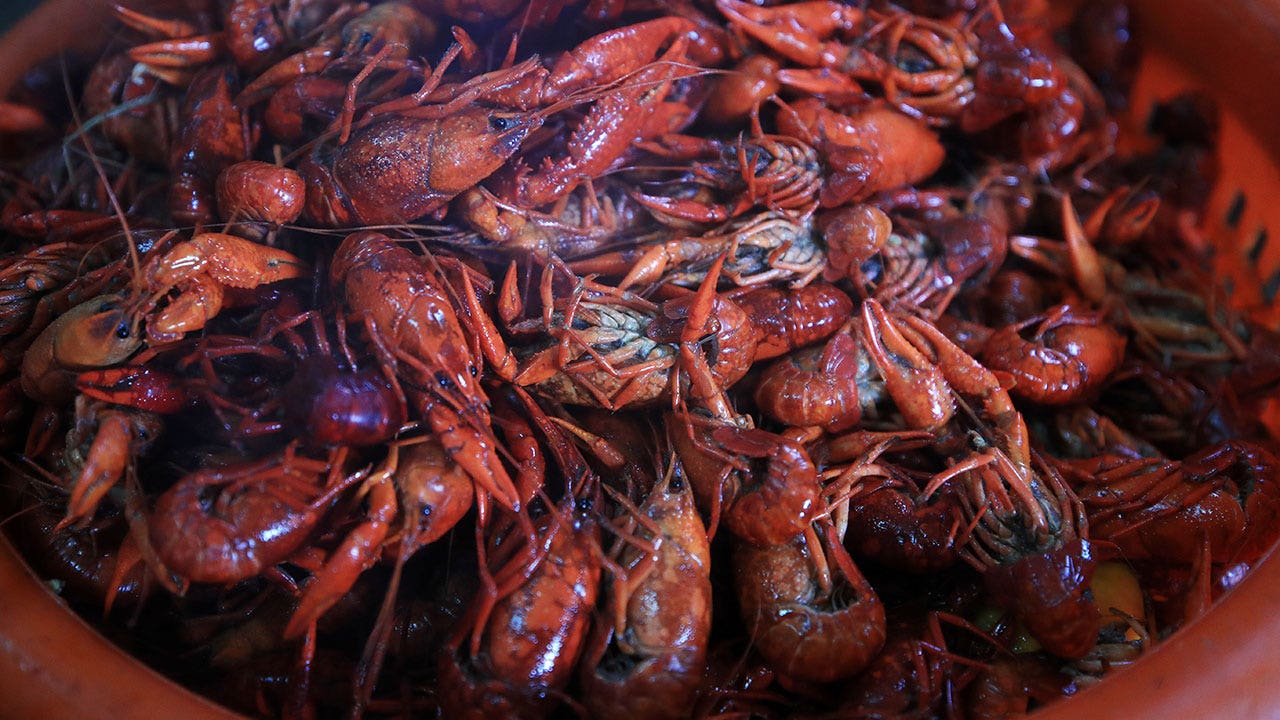
Louisiana's crawfish harvest is expected to be the worst on record due to drought and weather impacts, leading to scarcity and high prices. Heat and recent cold weather have affected the population, with farmers hesitant to invest in bait and labor until conditions improve. The scarcity is impacting seafood suppliers, restaurants, and consumers, with prices nearly double compared to last year. Louisiana, the largest harvester of crawfish in the nation, is hoping for a supply pickup in the coming weeks to normalize prices in time for the Lenten season.
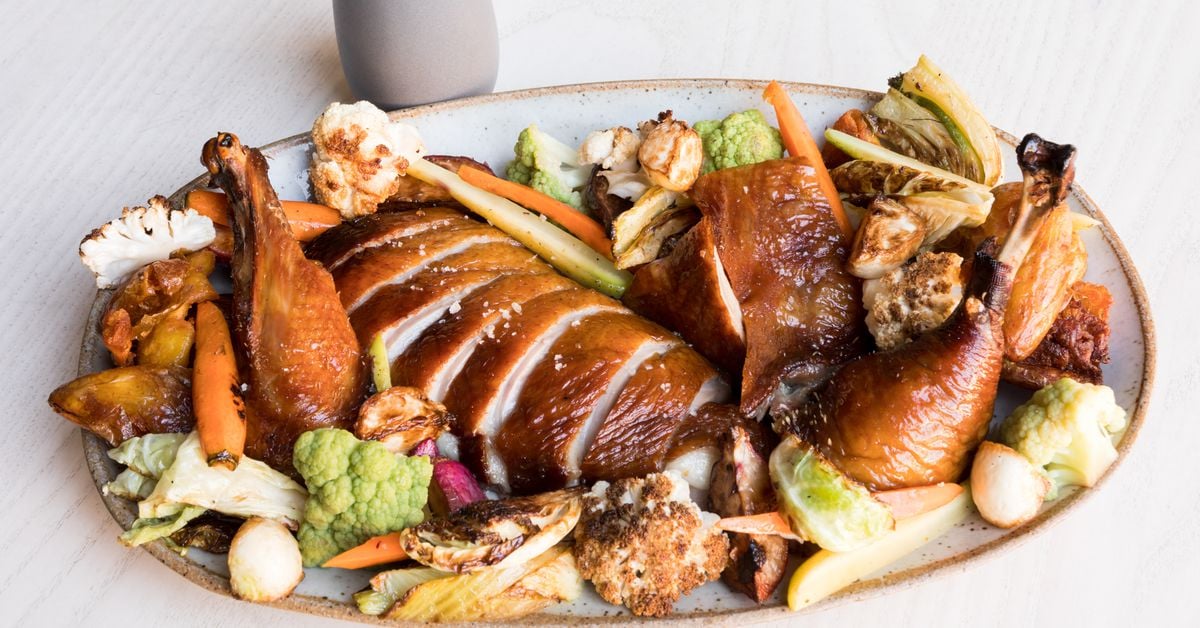
The avian flu outbreak has devastated duck farms in the Bay Area, causing a sharp decline in duck supply and impacting restaurants that heavily feature duck dishes. Sonoma County, particularly, has been hit hard, with millions of birds euthanized. Restaurants are adapting by considering frozen duck alternatives and assuring diners of the safety of consuming duck. While the situation poses challenges for businesses, they are committed to supporting local farms and ensuring food safety for their customers.