space-exploration55.13 min read
NASA reshuffles human spaceflight leadership after Starliner findings
13 hours ago•Source: Space

The latest space exploration stories, summarized by AI
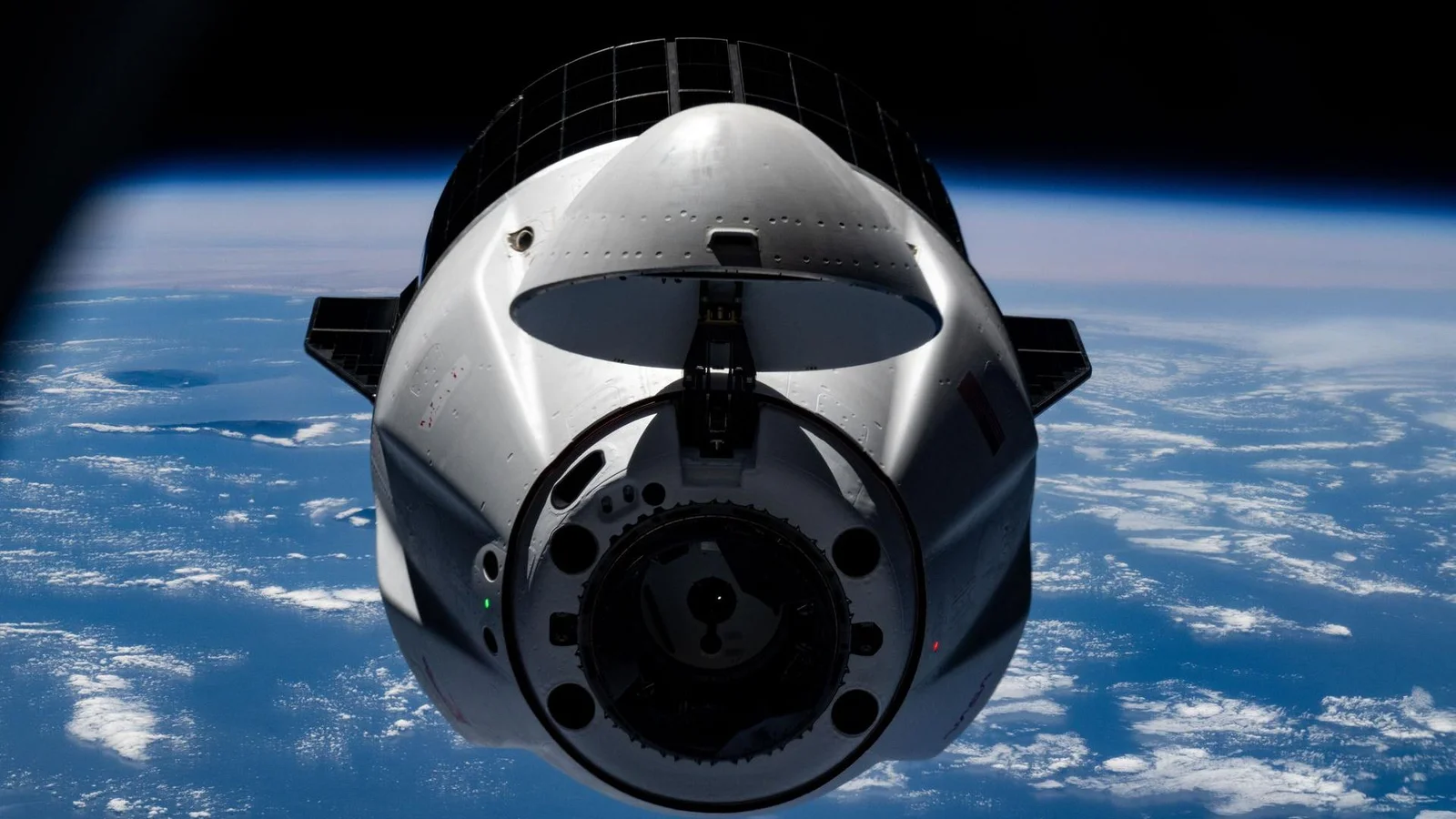
SpaceX’s Dragon cargo capsule is set to undock from the International Space Station today, closing the six‑month CRS‑33 mission that demonstrated a new capability to reboost the station’s orbit. During its stay, Dragon performed six reboosts and is returning experiments (Euro Material Aging samples and Thailand’s Liquid Crystals) and other gear, with splashdown planned in the Pacific off California on Feb. 27 around 2:44 a.m. EST (0744 GMT). The undocking marks another milestone for Dragon’s reusable cargo missions, which can help maintain ISS altitude, a capability previously handled by Russia’s Progress.
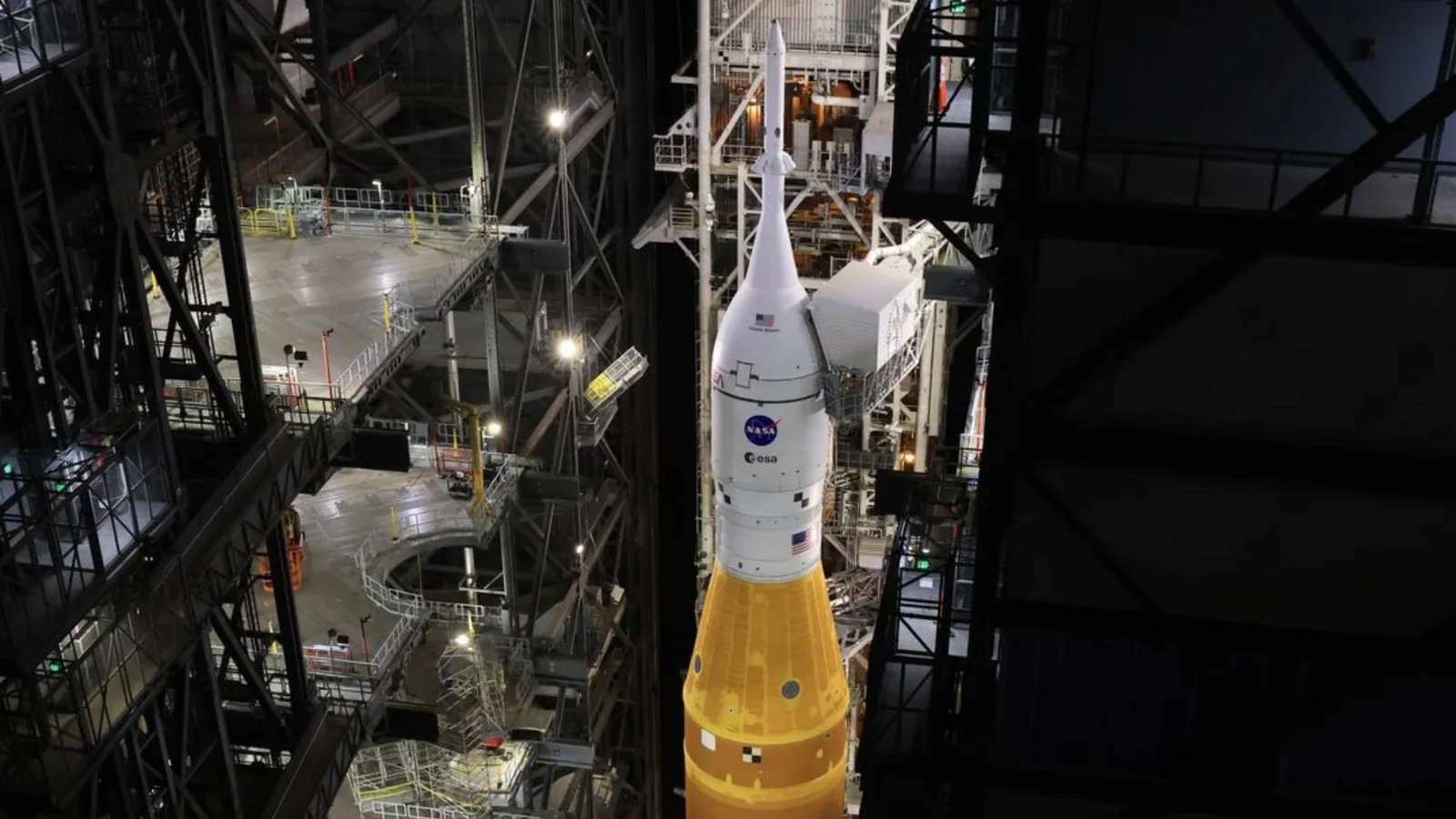
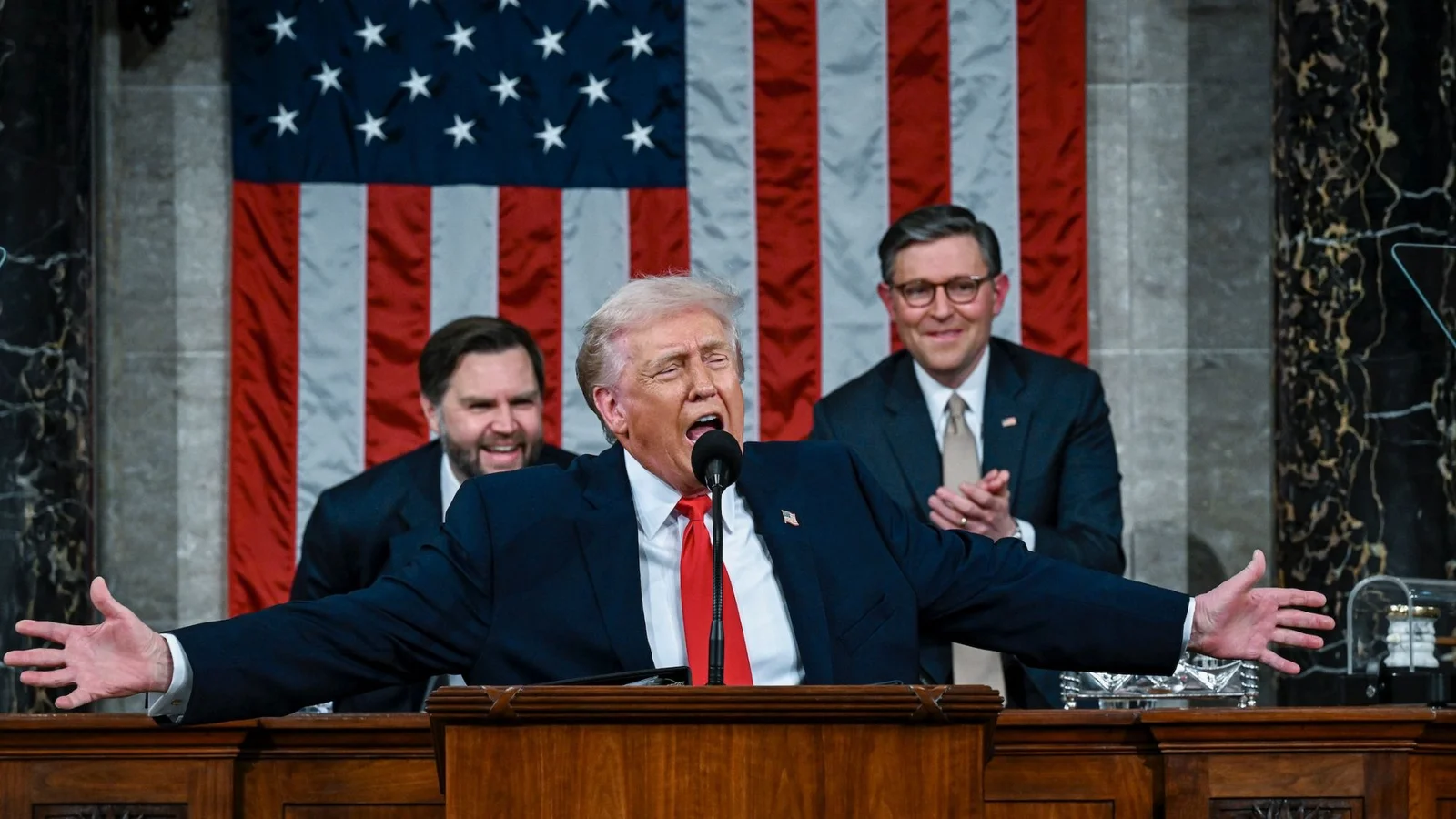
In his State of the Union address, Trump praised Space Force, calling it “my baby,” while Artemis 2 astronauts attended the event but were not named; NASA’s Artemis program has faced delays, with Artemis 2’s launch rolled back due to a rocket glitch and now targeting early April at the soonest, and the speech offered little emphasis on Artemis 2 beyond the attendees.
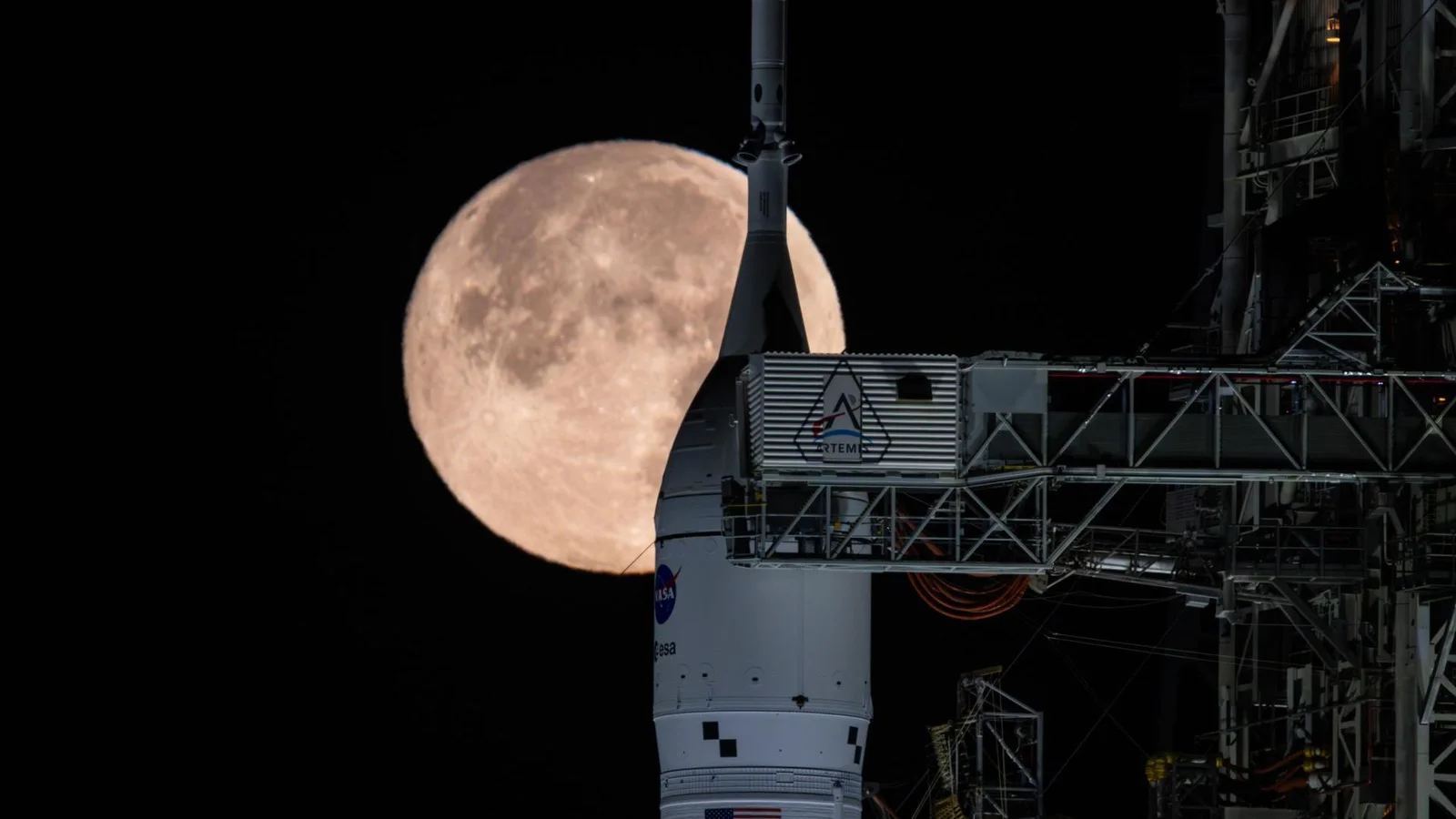
NASA is rolling the Artemis 2 SLS moon rocket from Launch Pad 39B back to the Vehicle Assembly Building to troubleshoot a helium-flow issue that interrupted a wet dress rehearsal; the four-mile rollback could take up to 12 hours, with live coverage available from Space.com and NASA.
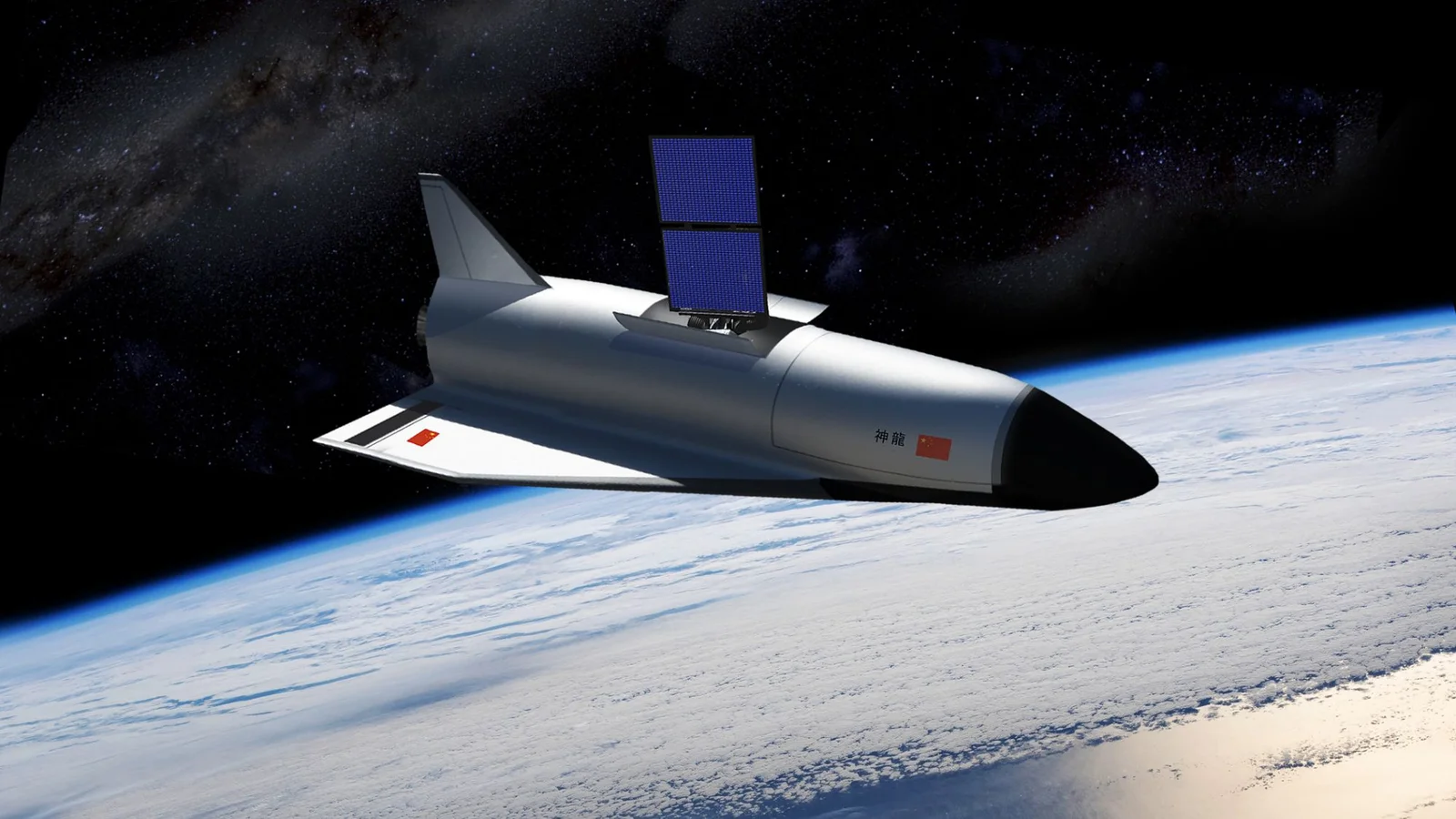
China’s Shenlong, a robotic reusable space plane, launched its fourth orbital mission from Jiuquan on Feb. 6. Details remain scarce, but analysts say the mission likely tests technologies for future reusable space access and has conducted rendezvous/proximity operations with deployed satellites, a capability likened to the U.S. X-37B. Experts caution about the anti-satellite implications, though the exact payloads and objectives are not disclosed.
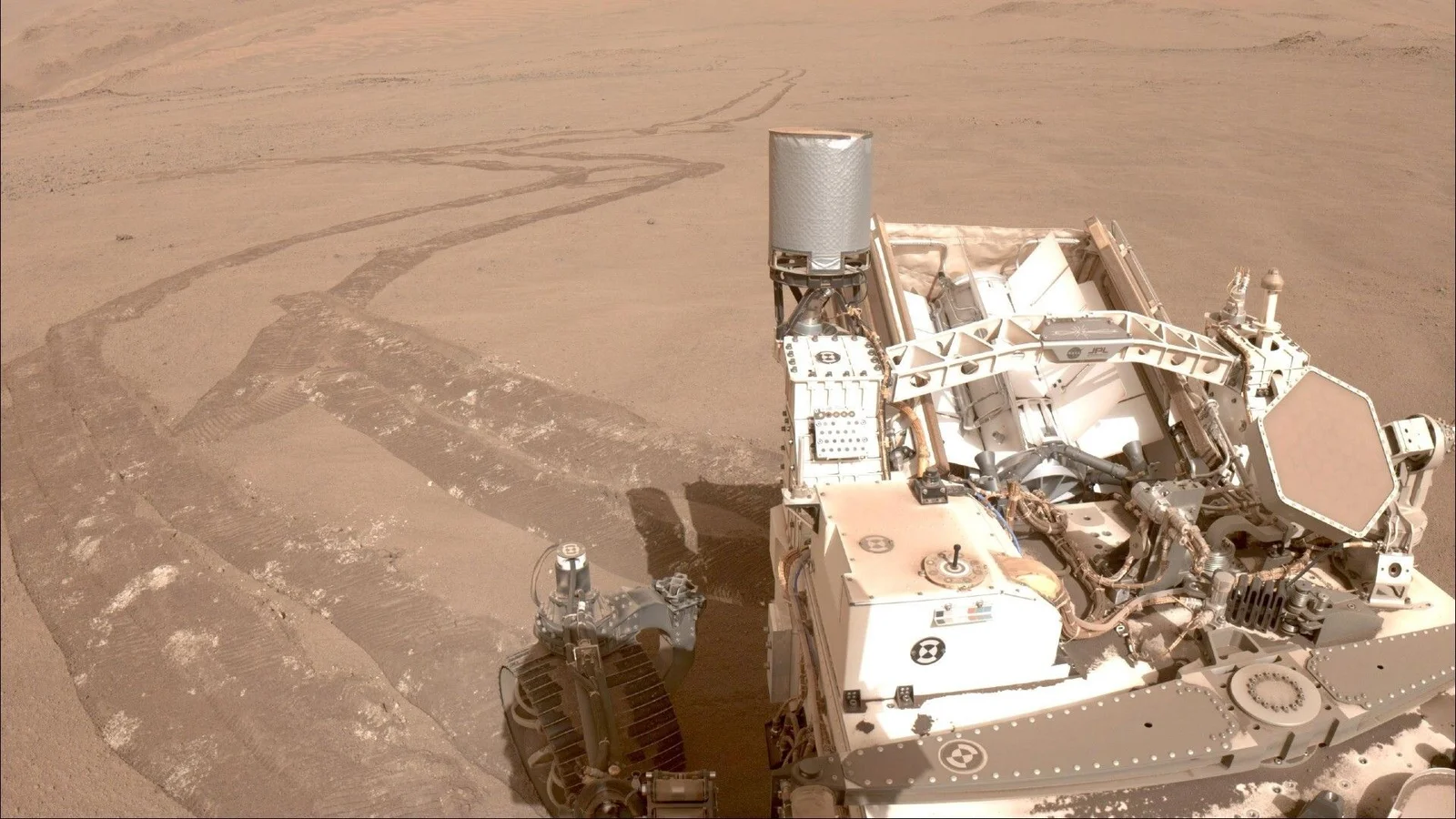
NASA’s Perseverance now uses an onboard system called Mars Global Localization to pin down its exact position on Mars by matching panoramic images to orbital terrain maps, achieving accuracy of about 25 centimeters. This allows the rover to navigate more autonomously and travel farther without Earth-based guidance, building on AI-driven planning and reducing reliance on ground control.
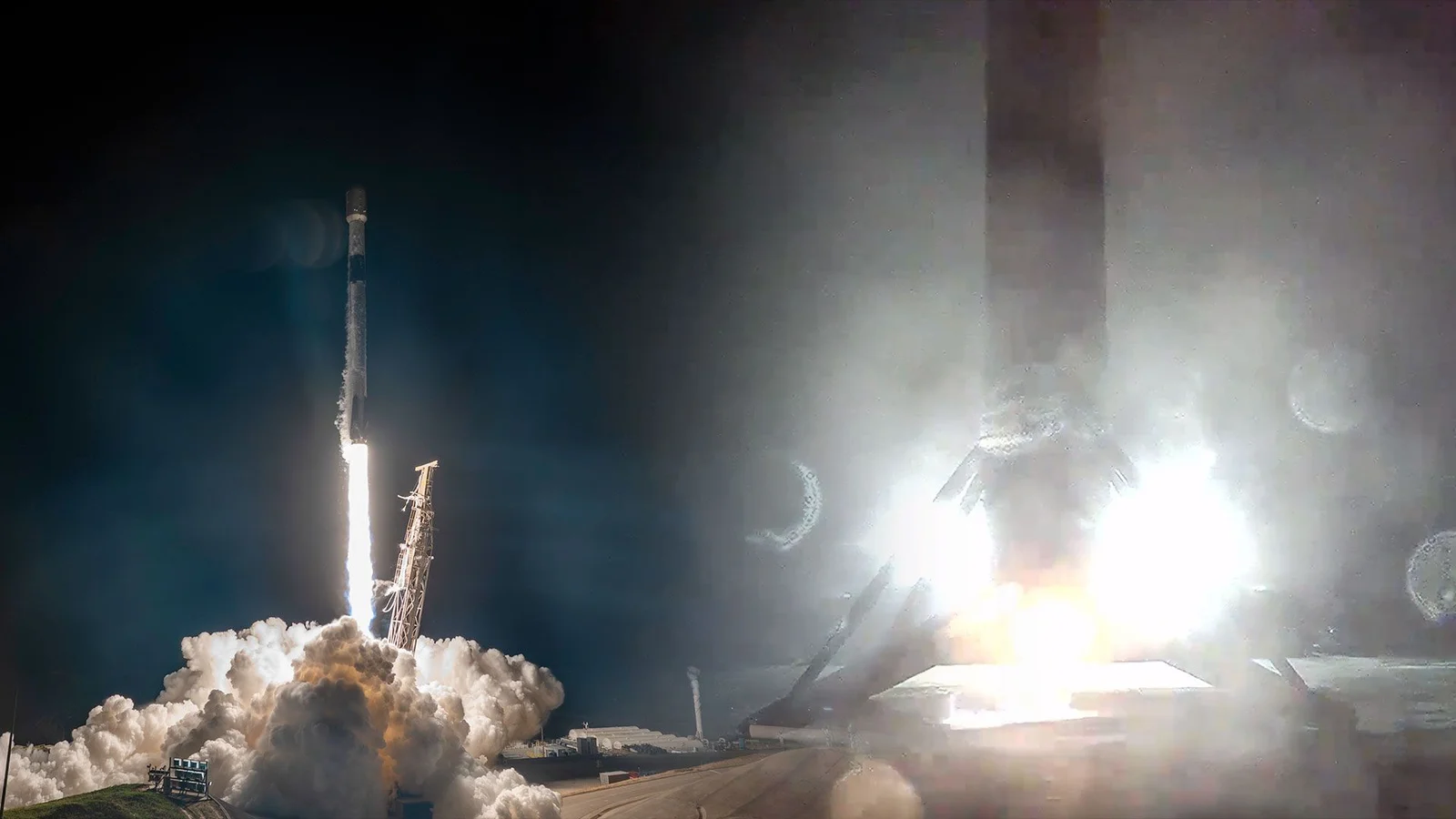
SpaceX launched two Falcon 9 missions to deploy Starlink satellites on Saturday, Feb. 21, 2026. The second booster, B1067, marked a record 33rd flight, delivering 28 satellites and returning to Earth after landing on a droneship in the Atlantic, while the first-stage booster B1063 from the California launch completed its 31st flight and landed on a Pacific droneship. Together the two launches placed a combined 53 Starlink satellites into orbit, marking SpaceX's 21st and 22nd Falcon 9 launches of the year.
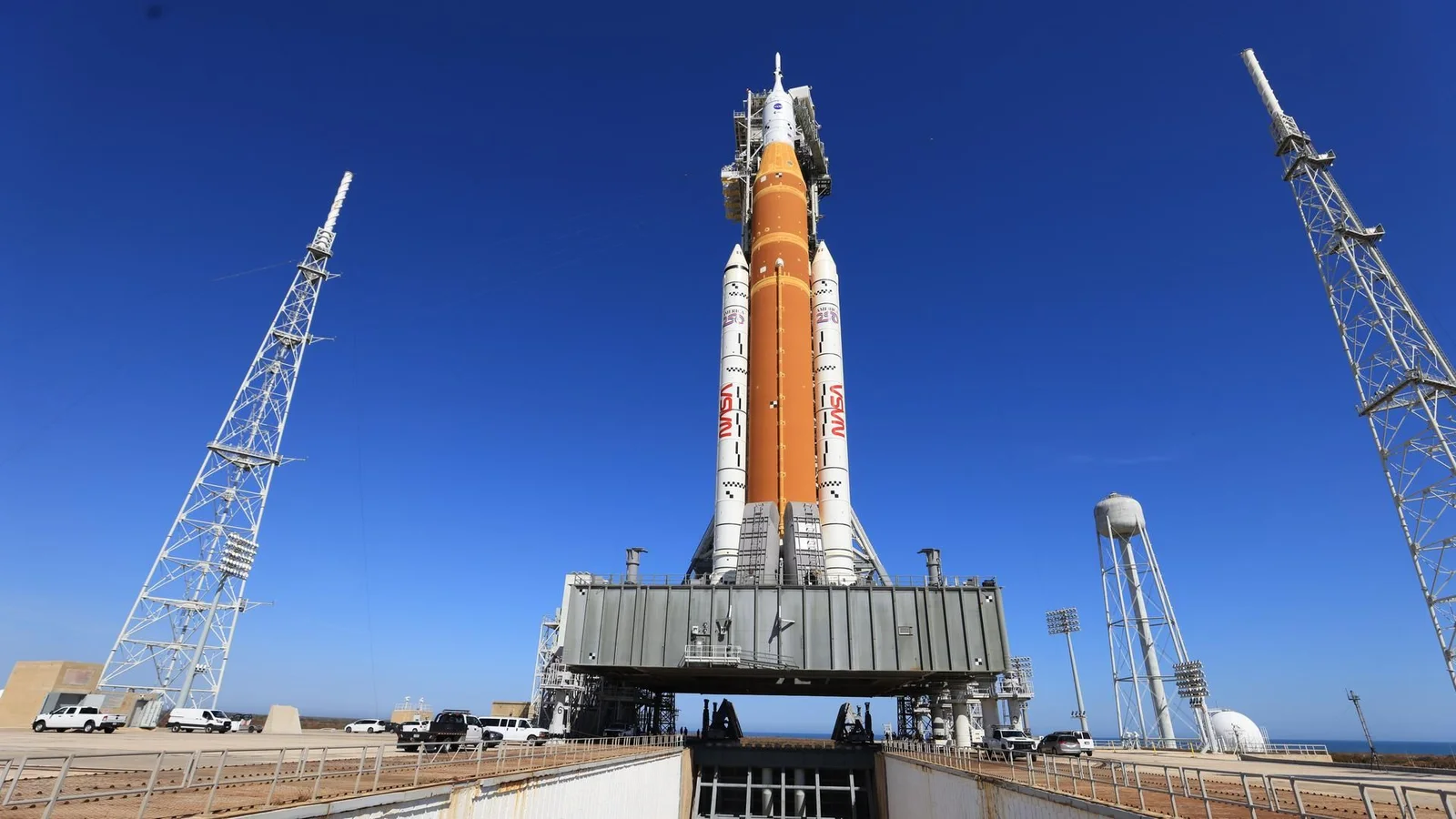
NASA completed Artemis 2’s second wet dress rehearsal at Kennedy Space Center with no LH2 leaks after fixes at the tail service mast umbilical, filling the SLS core and upper stages with about 730,000 gallons of propellants and simulating a countdown to launch. If all goes to plan, Artemis 2 could liftoff on March 6 within a March 6–9 window (March 10 as a backup), on a roughly 10-day crewed mission around the Moon by Reid Wiseman, Victor Glover, Christina Koch, and Jeremy Hansen. Remaining work includes installing two contingency pad access trusses to test the flight termination system and completing a flight readiness review. Artemis 1’s prior hydrogen leak experience influenced fixes and procedures for this test.
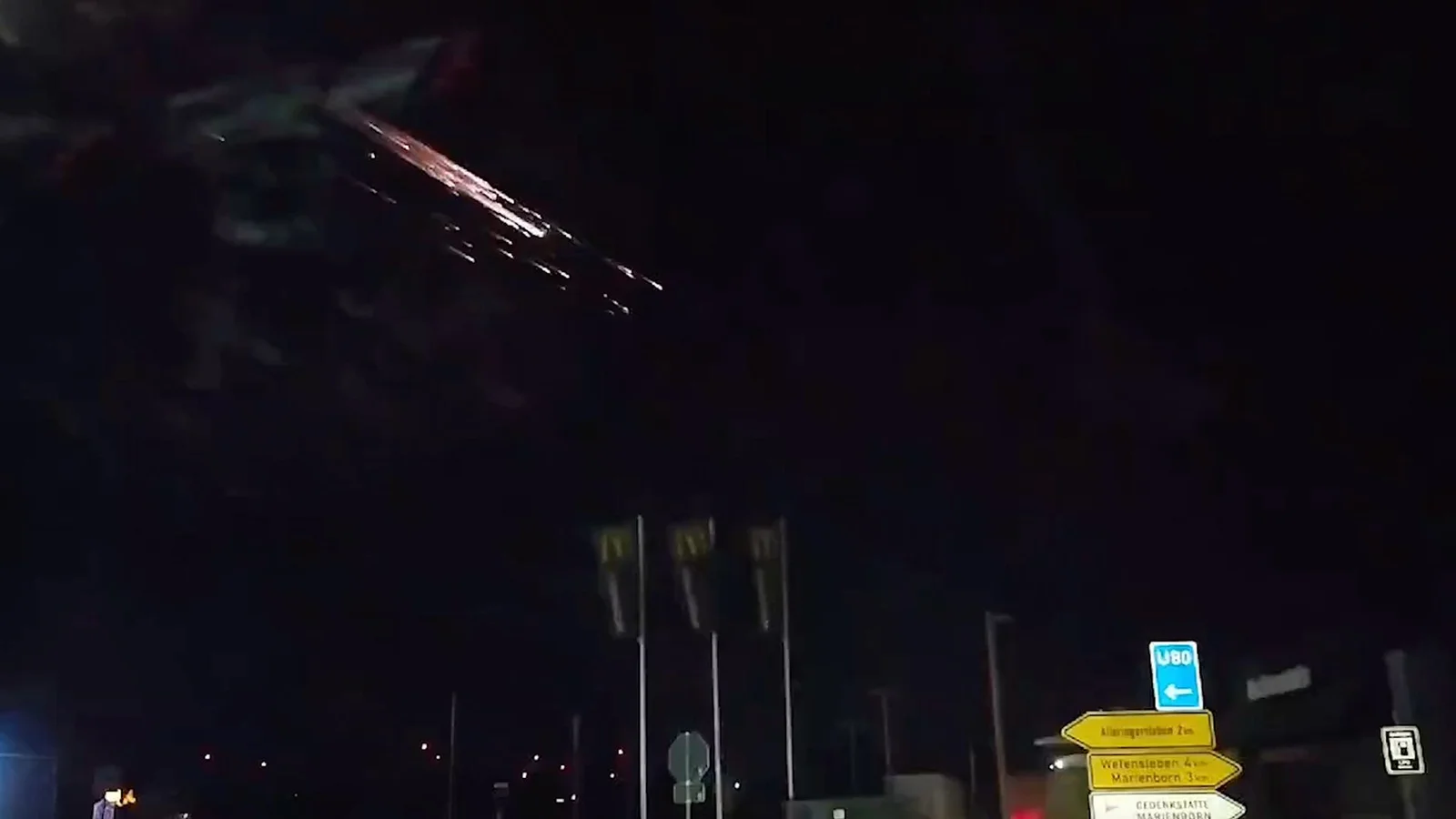
Scientists used a ground-based LiDAR to observe in near real time the air-pollution plume produced when SpaceX Falcon 9 debris burned up on re‑entry. The lithium signal peaked at about 60 miles altitude, and the plume moved across Western Europe (Ireland to Germany) over roughly a day, while the debris crossed from Ireland to Poland in about 2.5 minutes. Lithium is a rare tracer in the atmosphere; the team estimates about 80 grams of lithium enter Earth's atmosphere daily globally, with a Falcon 9 contributing roughly 30 kilograms of aluminum‑lithium hull and batteries per vehicle. Aluminum oxide formation could affect ozone and climate, and researchers plan to measure additional metals in future campaigns; the study was published February 19, 2026 in Communications Earth & Environment.
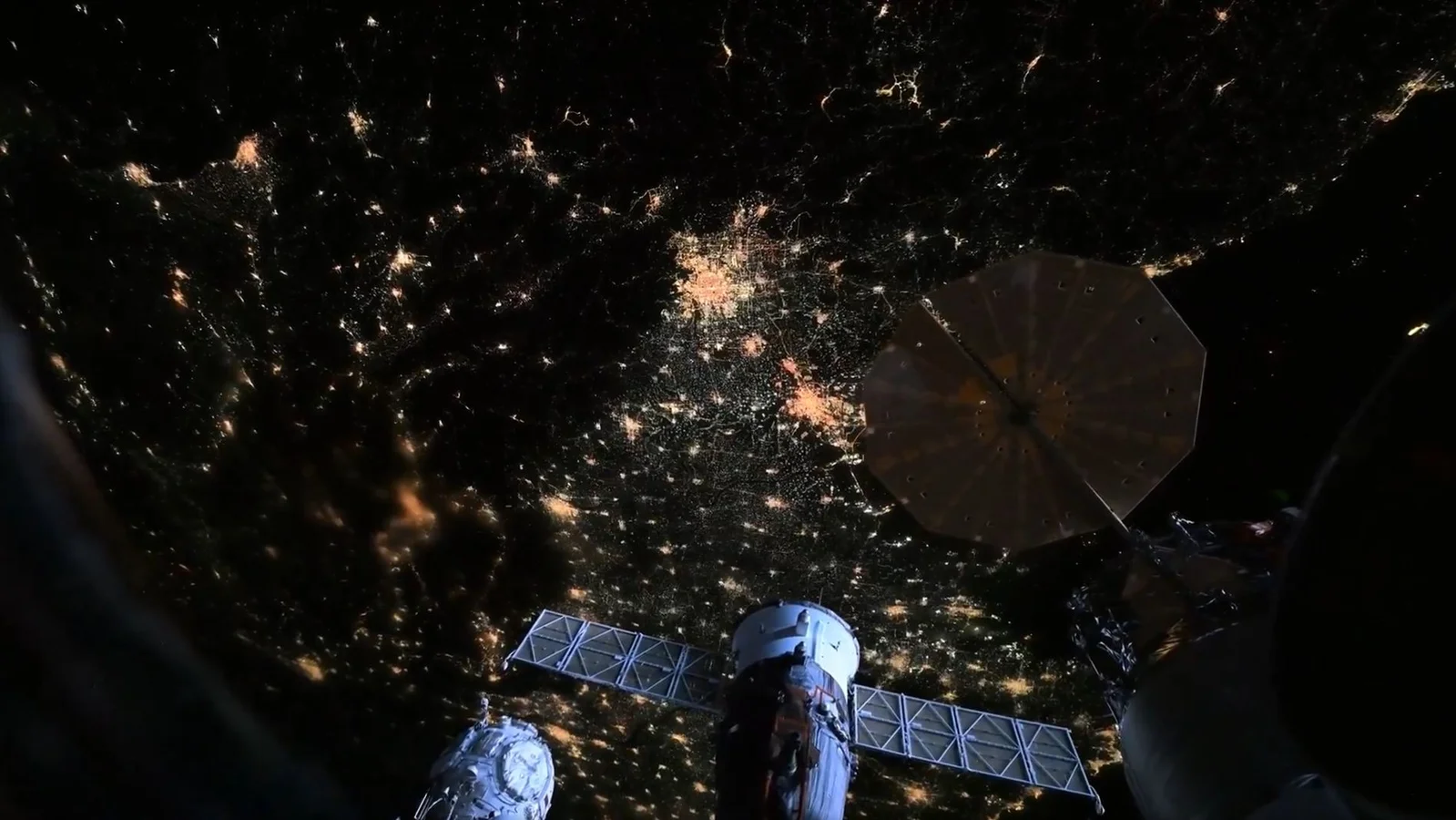
NASA astronaut Chris Williams photographed fireworks over Beijing and Tianjin during Lunar New Year from the ISS Cupola, revealing the city’s lights and highways visible from about 250 miles up. The frame also shows the Cygnus NG-23 cargo spacecraft and the MS-28 Soyuz, while Chinese taikonauts decorated Tiangong and released a space-made music video.
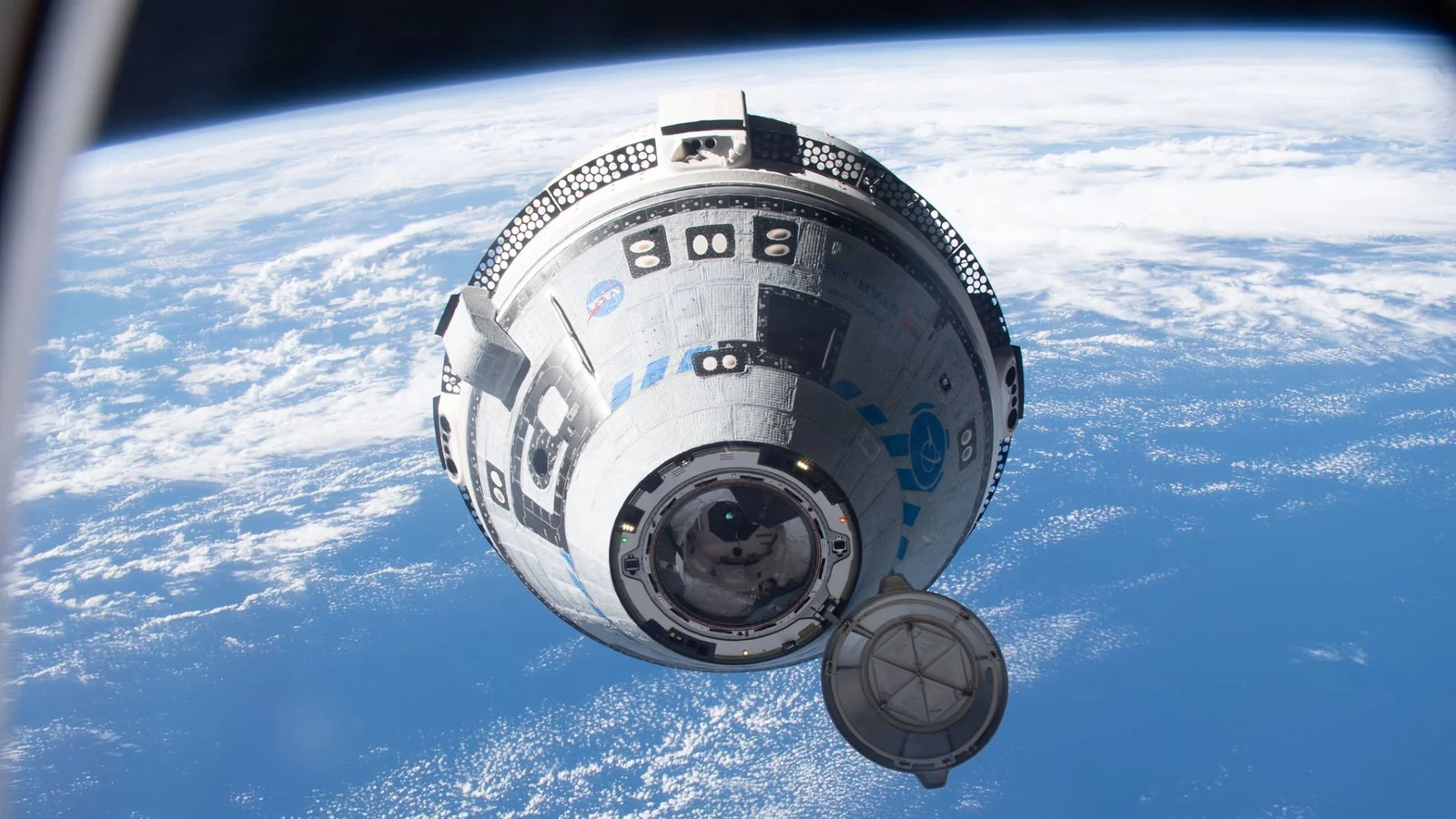
NASA has reclassified Boeing’s Starliner Crew Flight Test as a Type A mishap—the agency’s most serious category—after thruster failures and a temporary loss of control threatened the mission, which nonetheless docked with the ISS. NASA officials stressed that different decisions could have led to a very different outcome and apologized for past classification biases. The investigation is ongoing, Starliner won’t carry astronauts again until thruster issues are resolved, and Boeing/NASA plan a future uncrewed cargo mission to the ISS no earlier than April 2026, with the ISS retirement slated for 2030 and a push for redundant commercial crew options.
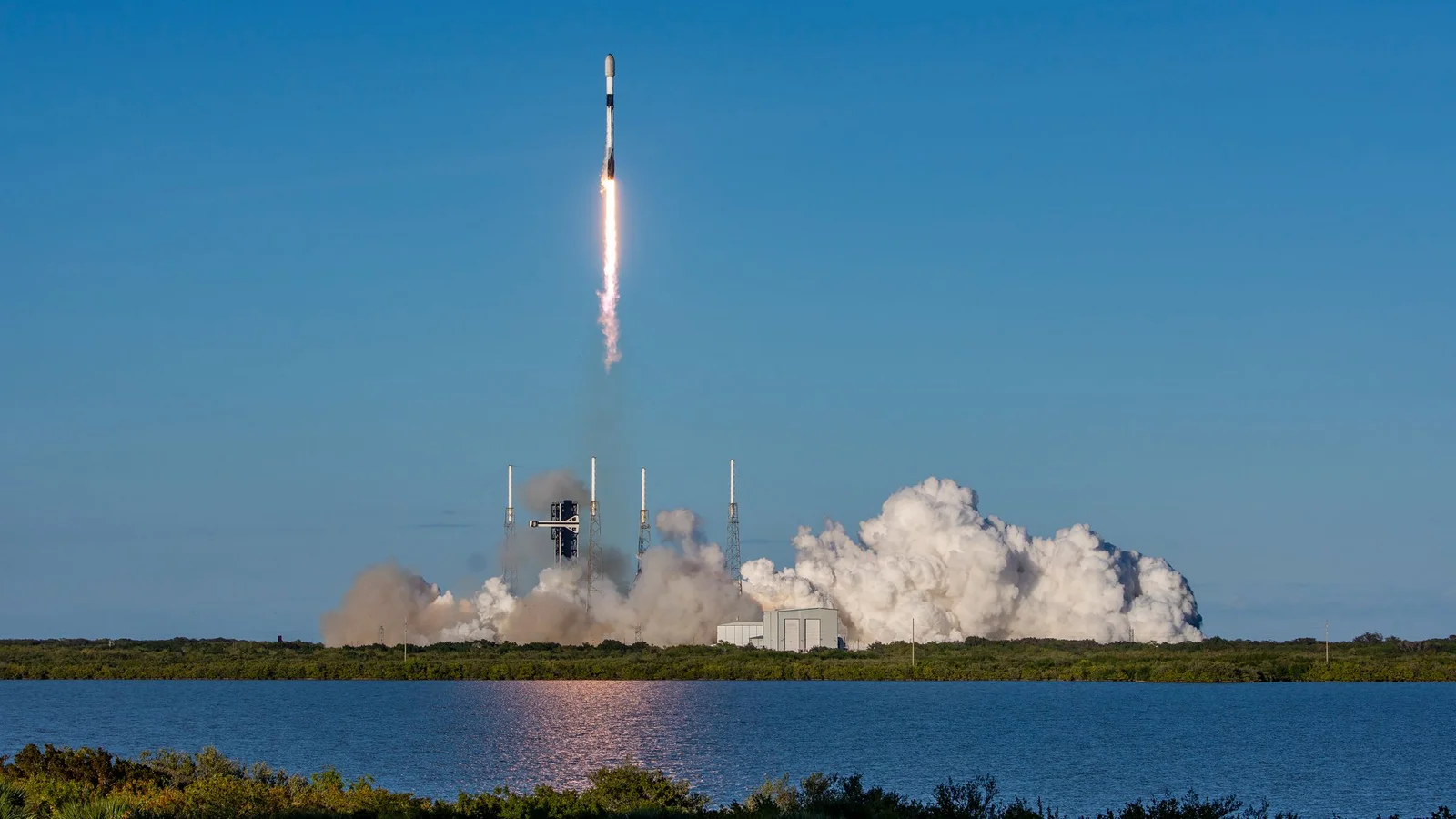
SpaceX is set to launch a Falcon 9 from Cape Canaveral with 29 Starlink satellites in a 5 p.m. ET window. If all goes to plan, the first stage will touch down on the drone ship Just Read the Instructions in Exuma Sound—the company’s second Bahamian landing—about eight minutes after liftoff, while the 29 Starlink satellites will deploy roughly 64 minutes after liftoff. The Bahamas has cleared SpaceX to resume landing rockets in Exuma Sound following last year’s debris rain.