Tag

Bioengineering

All articles tagged with #bioengineering

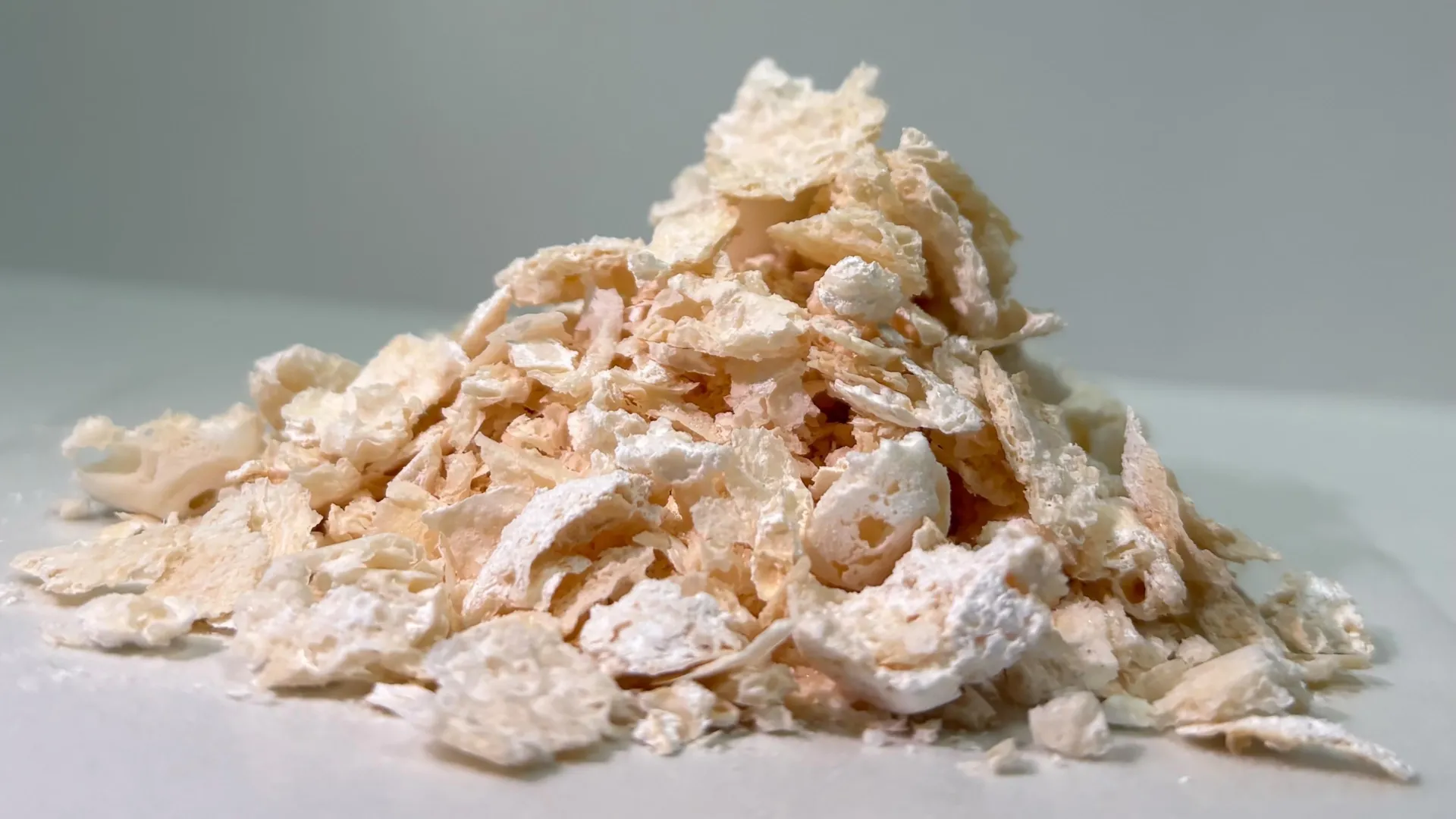
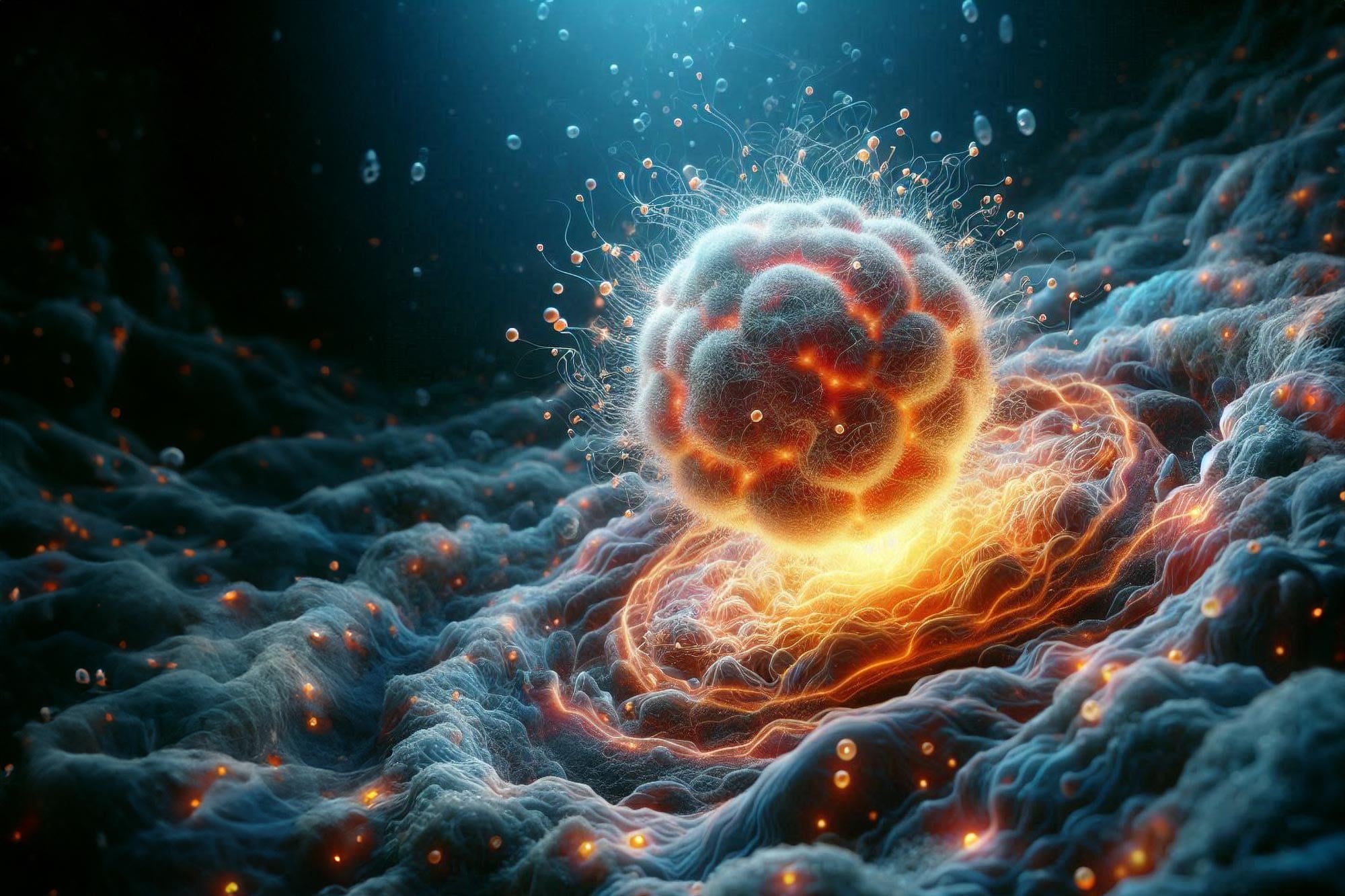
Scientists Address Doomsday Threats of 'Mirror Life'

Originally Published 3 months ago — by Gizmodo

Featured image for Scientists Address Doomsday Threats of 'Mirror Life'
Source: Gizmodo

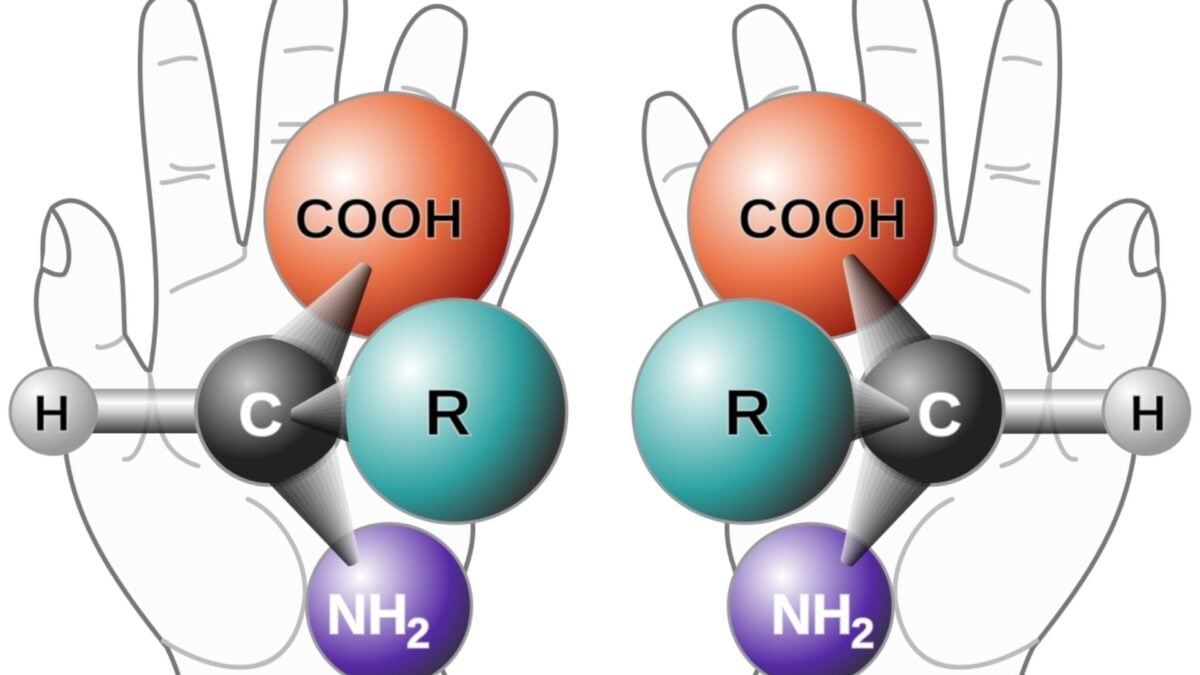
Scientists worldwide are discussing the potential risks and benefits of creating mirror life, synthetic cells made from molecules that are mirror images of natural ones, due to concerns about environmental and health dangers versus potential medical and scientific benefits. The conference in Manchester aims to establish guidelines for safe research in this emerging field.

Scientists Develop Ultra-Strong, Biodegradable Plastic Outperforming PET

Originally Published 4 months ago — by ScienceDaily

Featured image for Scientists Develop Ultra-Strong, Biodegradable Plastic Outperforming PET
Source: ScienceDaily

Scientists at Kobe University have engineered bacteria to produce a biodegradable plastic called PDCA, which is stronger than PET and has potential for sustainable manufacturing, overcoming previous production challenges through innovative metabolic engineering.

Innovative Bioplastics and Living Materials Paving the Way for Martian Colonization

Originally Published 6 months ago — by SciTechDaily

Featured image for Innovative Bioplastics and Living Materials Paving the Way for Martian Colonization
Source: SciTechDaily

Scientists have developed autonomous living materials using synthetic lichens that can turn Martian soil into building structures, potentially enabling sustainable construction on Mars without heavy materials from Earth, using a self-growing microbial system that only requires local resources like regolith, air, and light.

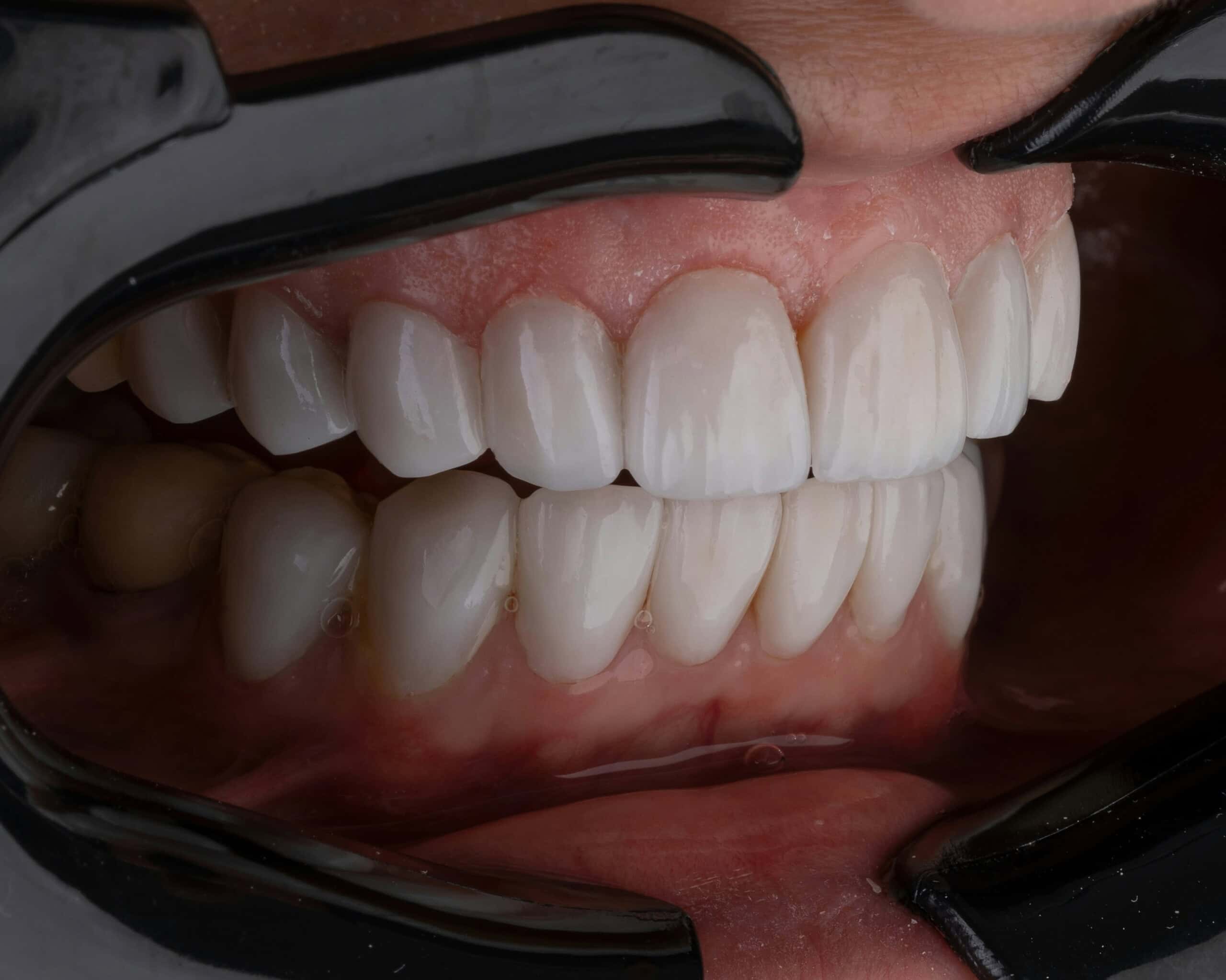
Innovative Bioengineered Dental Implants Mimic Natural Teeth in Function and Feel

Originally Published 7 months ago — by ZME Science

Featured image for Innovative Bioengineered Dental Implants Mimic Natural Teeth in Function and Feel
Source: ZME Science

Researchers from Tufts University have developed a bioengineered dental implant that not only fills the gap but also reconnects with nerves to restore sensory feedback, mimicking real teeth. The implant uses stem cells and growth proteins within a biodegradable coating, and is installed via a less invasive press-fit method, showing promising results in rats. This innovation could significantly improve dental restoration by restoring natural sensation and function, with future plans for larger animal trials and human clinical trials.

Microbe Discovery Offers Clues to Life's Origins and Energy Conversion

Originally Published 1 year ago — by SciTechDaily

Featured image for Microbe Discovery Offers Clues to Life's Origins and Energy Conversion
Source: SciTechDaily

Scientists have discovered a new microbe in California's The Cedars that converts carbon dioxide into energy-rich chemicals through a unique metabolic pathway, offering insights into early life processes and potential applications in biofuel production and carbon sequestration. This archaeon, named Met12, uses a novel gene, MmcX, to enhance its energy metabolism, which could be harnessed to improve microbial manufacturing efficiency. The findings also provide clues about the origins of life and the potential for life in extreme environments, both on Earth and extraterrestrial.

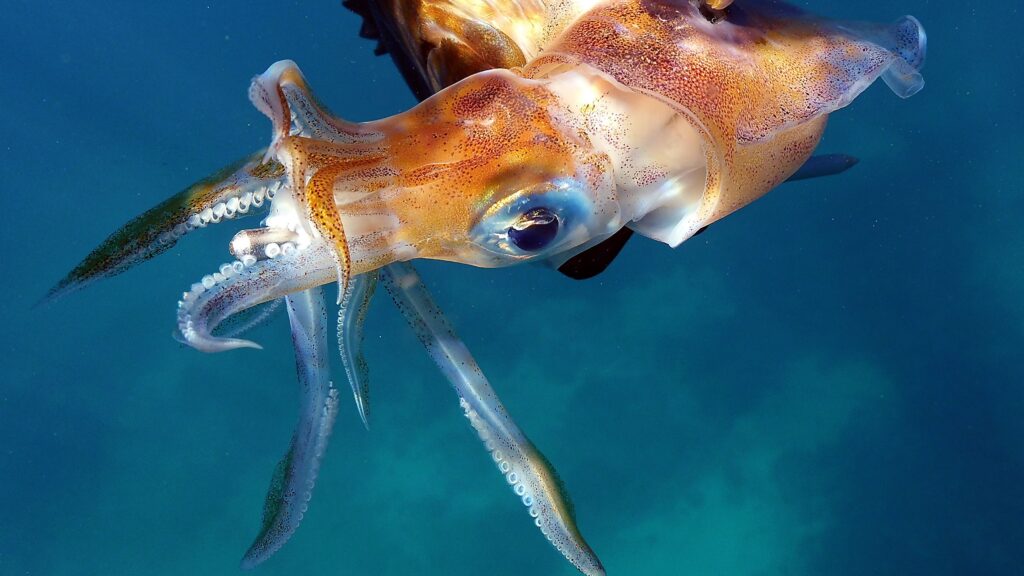
Squid-Inspired Device Offers Needle-Free Drug Delivery Solution

Originally Published 1 year ago — by STAT

Featured image for Squid-Inspired Device Offers Needle-Free Drug Delivery Solution
Source: STAT

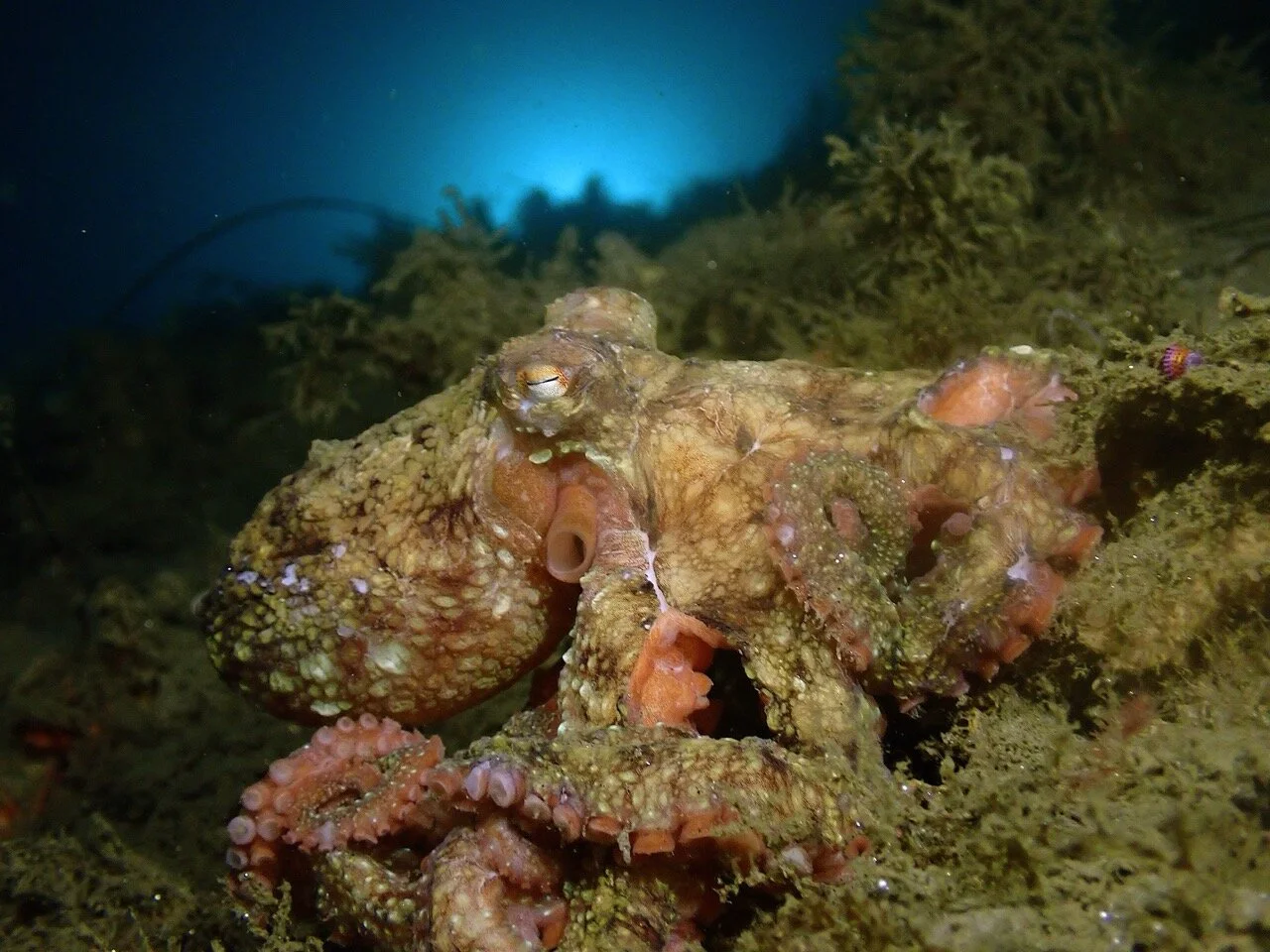
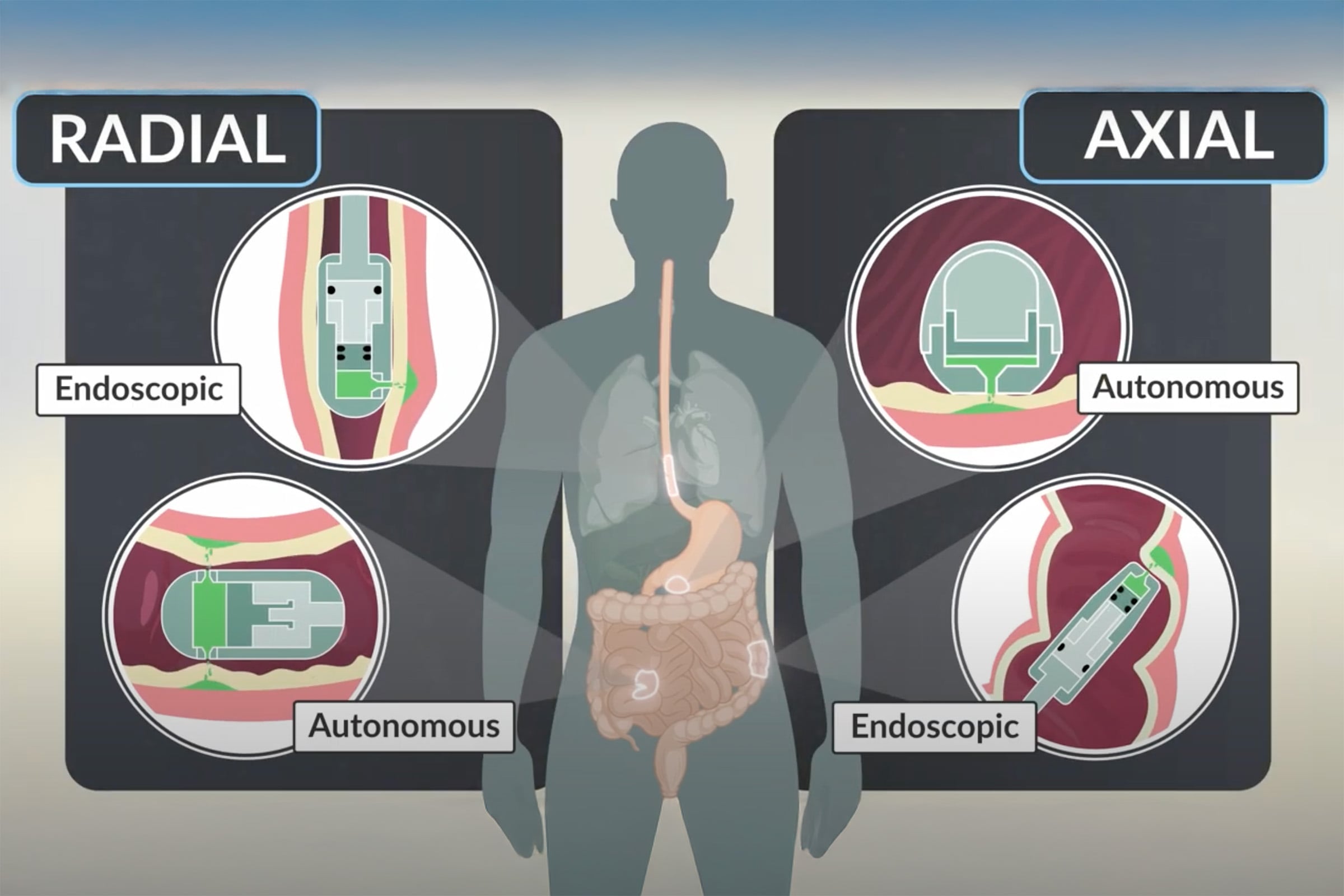
Bioengineers have developed a new drug delivery device inspired by cephalopods, such as cuttlefish, that can be swallowed to deliver drugs typically requiring injections. The device uses jets to inject drugs into the digestive tract lining, improving bioavailability compared to traditional oral methods. This innovation aims to combine the convenience of oral delivery with the efficiency of injections, potentially transforming how medications like insulin are administered. While promising, further testing and human trials are needed to assess long-term efficacy and safety.

Squid-Inspired Device Revolutionizes Needle-Free Drug Delivery

Originally Published 1 year ago — by MIT News

Featured image for Squid-Inspired Device Revolutionizes Needle-Free Drug Delivery
Source: MIT News

Researchers from MIT and Novo Nordisk have developed a bioinspired ingestible capsule that can deliver drugs directly into the walls of the gastrointestinal tract, potentially replacing the need for injections. Inspired by cephalopods, the capsule uses compressed gas or springs to propel drugs into the tissue, offering a needle-free method for delivering large proteins like insulin and RNA. This innovation could significantly improve the administration of drugs that are currently injected, enhancing patient comfort and compliance.

"Neo Px: The Super Plant Battling Air Pollution"

Originally Published 1 year ago — by Phys.org

Featured image for "Neo Px: The Super Plant Battling Air Pollution"
Source: Phys.org

Neo Px, a bioengineered plant developed by French startup Neoplants, can purify indoor air at a scale equivalent to 30 regular houseplants. It uses a symbiotic system where bacteria colonize the plant's roots, soil, and leaves to absorb harmful volatile organic compounds (VOCs). The plant, sold in the U.S. for $120, aims to address indoor air pollution, which can be significantly more polluted than outdoor air due to VOCs from household products. Future plans include genetically modified plants for direct air purification and tackling global warming issues.

Unveiling RNA's Role in Early Life and Bioengineering

Originally Published 1 year ago — by Phys.org

Featured image for Unveiling RNA's Role in Early Life and Bioengineering
Source: Phys.org

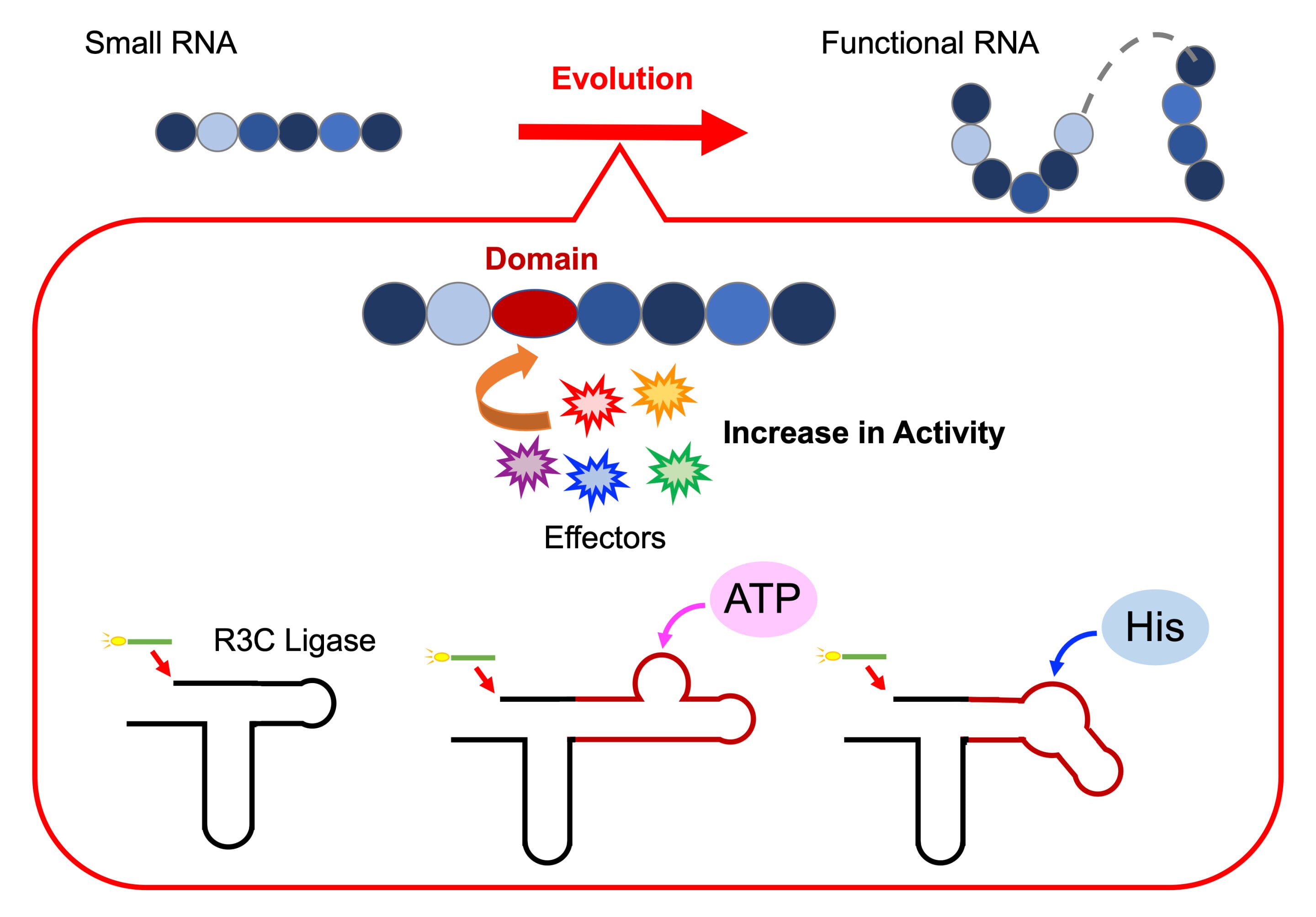
A study from Tokyo University of Science has engineered a ribozyme structure to mimic the early RNA world, shedding light on RNA's role in primitive life and its potential in bioengineering. The research explores the assembly of functional ribozymes and reveals insights into the evolutionary history of protein synthesis systems. The study also demonstrates the allosteric regulation of ribozymes by ATP and histidine, providing new perspectives on the role of RNA in early evolution and its applications in targeted drug delivery, therapeutics, nano-biosensors, and enzyme engineering.

"Advancing mRNA Technology with Lipid Nanoparticles"

Originally Published 1 year ago — by The Philadelphia Inquirer

Featured image for "Advancing mRNA Technology with Lipid Nanoparticles"
Source: The Philadelphia Inquirer

Michael J. Mitchell, an associate professor of bioengineering at the University of Pennsylvania, specializes in designing lipid nanoparticles (LNPs) to deliver mRNA inside human cells for potential applications in medicine, including cancer and other diseases. His lab uses microfluidics to create LNPs and has developed a new LNP that mimics a space shuttle to improve mRNA delivery efficiency. They have also successfully targeted the lungs of mice with LNPs and are working on crossing the blood-brain barrier for potential therapeutic applications.

"Revolutionary Self-Powered Throat Patch Restores Speech with AI Stickers"

Originally Published 1 year ago — by Livescience.com

Featured image for "Revolutionary Self-Powered Throat Patch Restores Speech with AI Stickers"
Source: Livescience.com

A new self-powered throat patch has been developed that can detect neck muscle movements and translate them into speech, potentially helping people with vocal cord damage or paralysis communicate. The patch harnesses movement to generate electricity, eliminating the need for a battery, and uses a machine-learning algorithm to translate muscle movements into speech. While promising, the patch is still in early stages of development and needs further testing. If successful, it could offer a more convenient and less invasive alternative to existing assistive technologies for speech disorders.

"Evolution of Molecular Systems: The Emergence of Nanomachines in the Origin of Life"

Originally Published 1 year ago — by Phys.org

Featured image for "Evolution of Molecular Systems: The Emergence of Nanomachines in the Origin of Life"
Source: Phys.org

Scientists at Université de Montréal have discovered that molecular systems at the origin of life may have evolved by randomly attaching interacting molecules with linkers, creating complex self-regulating functions. By exploring the impact of connectivity, they found that a simple variation in linker length between molecules leads to significant variations in assembly dynamics, including self-inhibition properties. This discovery provides a fundamental framework to create more programmable nanomachines and sheds light on how natural biomolecular assemblies may have acquired their optimal dynamics.