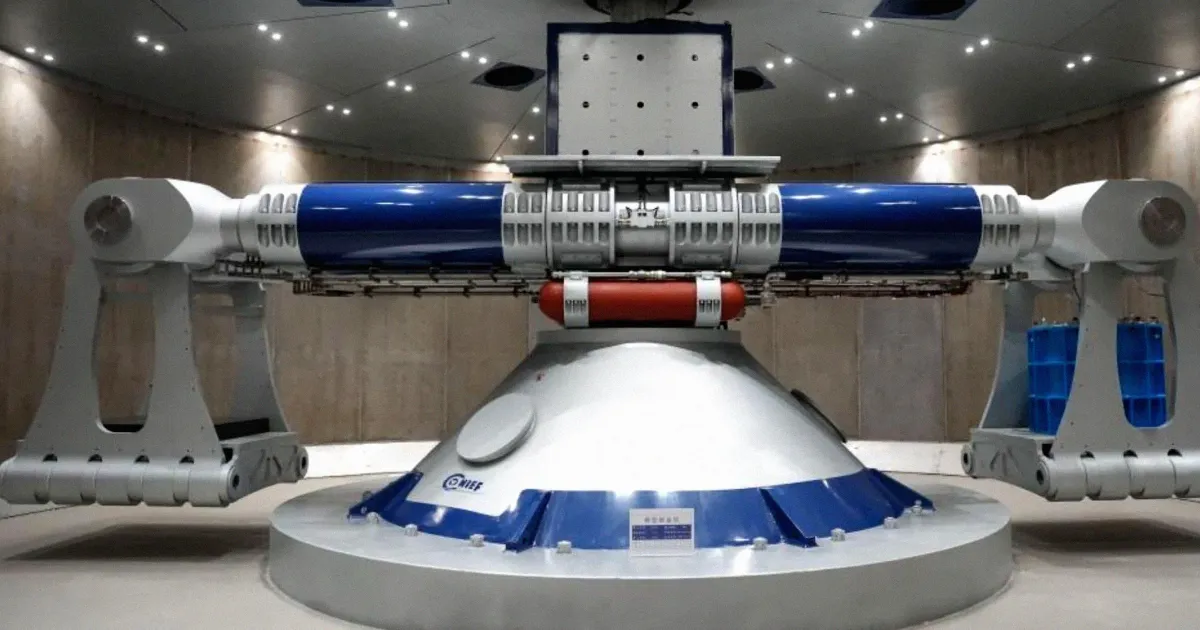
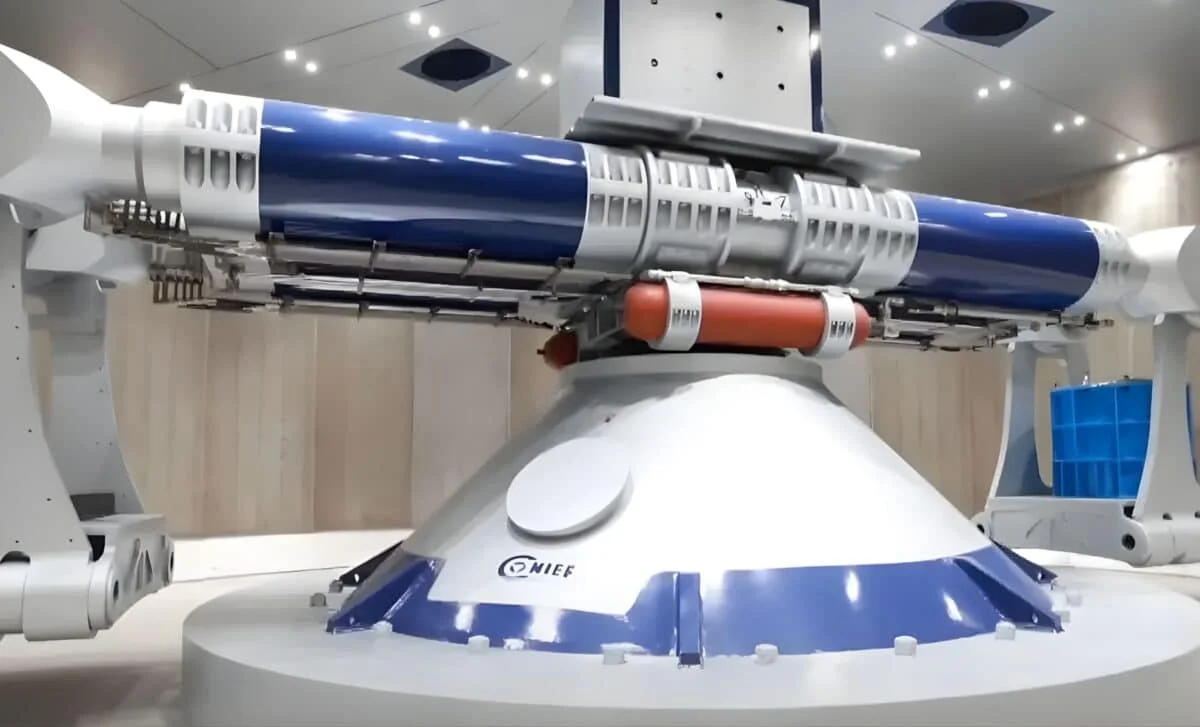
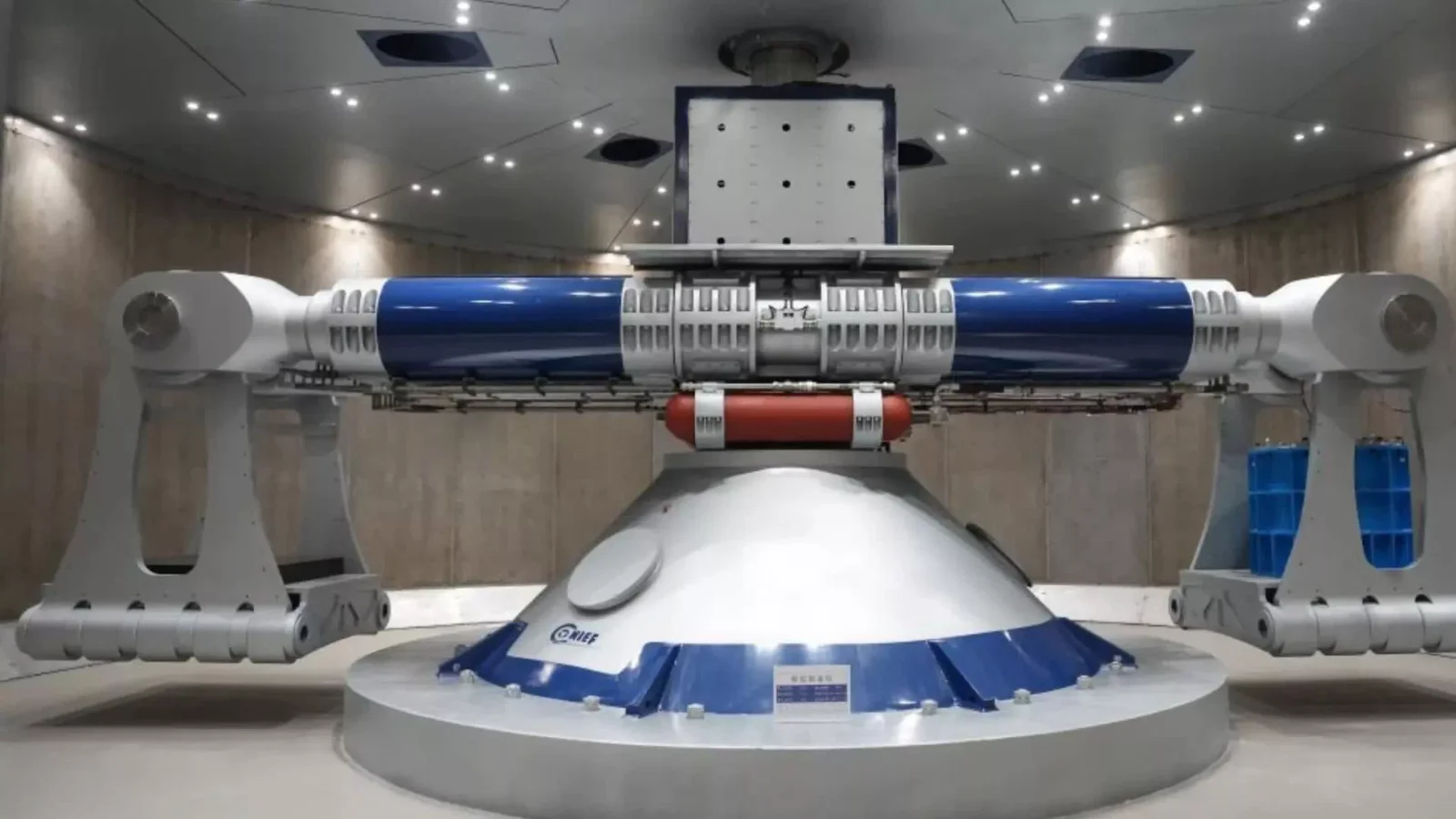
China has developed the CHIEF1900, the world's most powerful hypergravity machine capable of generating forces nearly 2,000 times Earth's gravity, enabling researchers to simulate extreme conditions for studying materials, structures, and catastrophic events, surpassing previous centrifuge records and opening new avenues for scientific discovery.
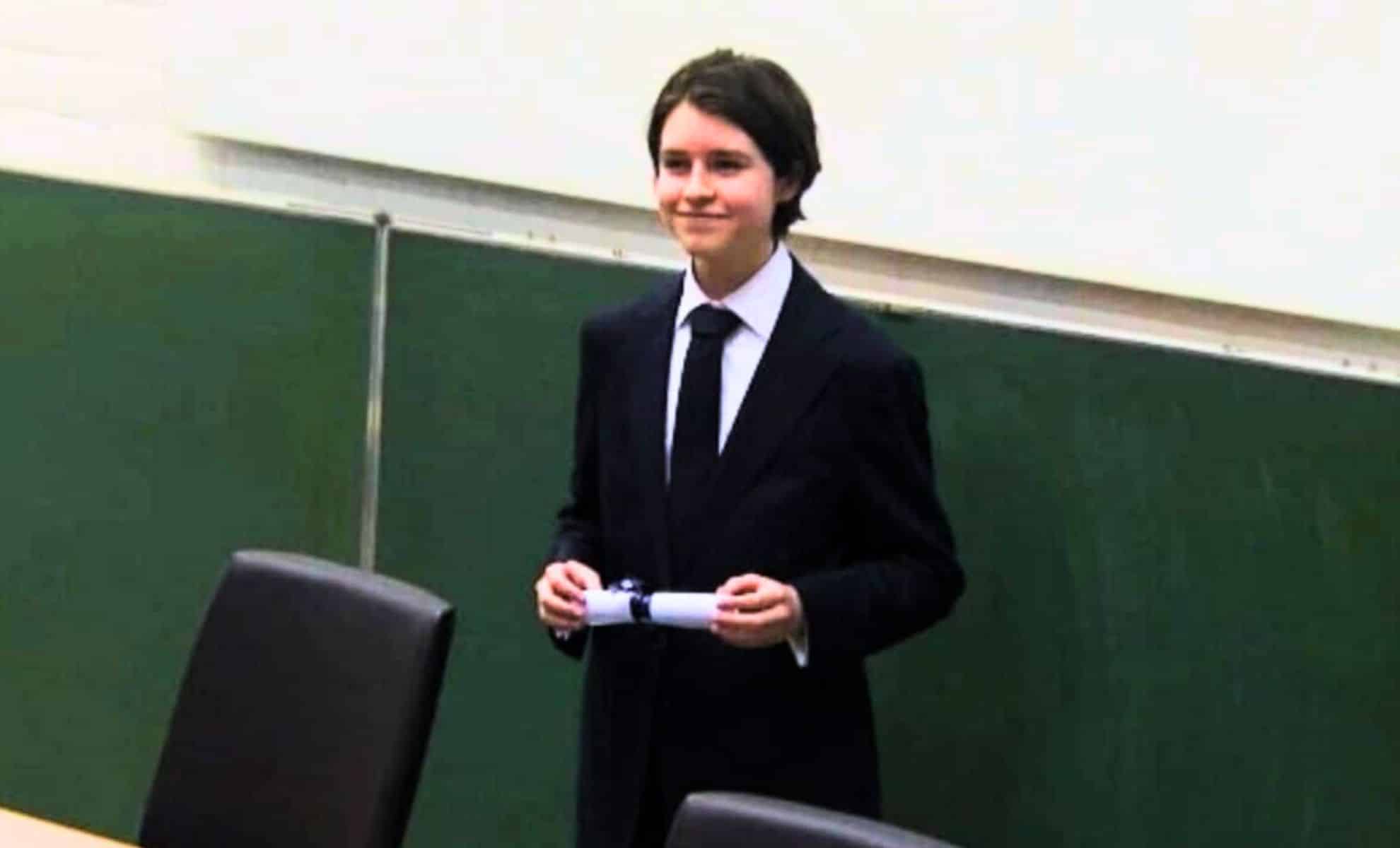
A 15-year-old named Laurent Simons, who completed a PhD in quantum physics through conventional academic channels, is now pursuing a second PhD in medical science and AI with the goal of creating superhumans, raising both scientific and ethical questions about human enhancement and interdisciplinary research.
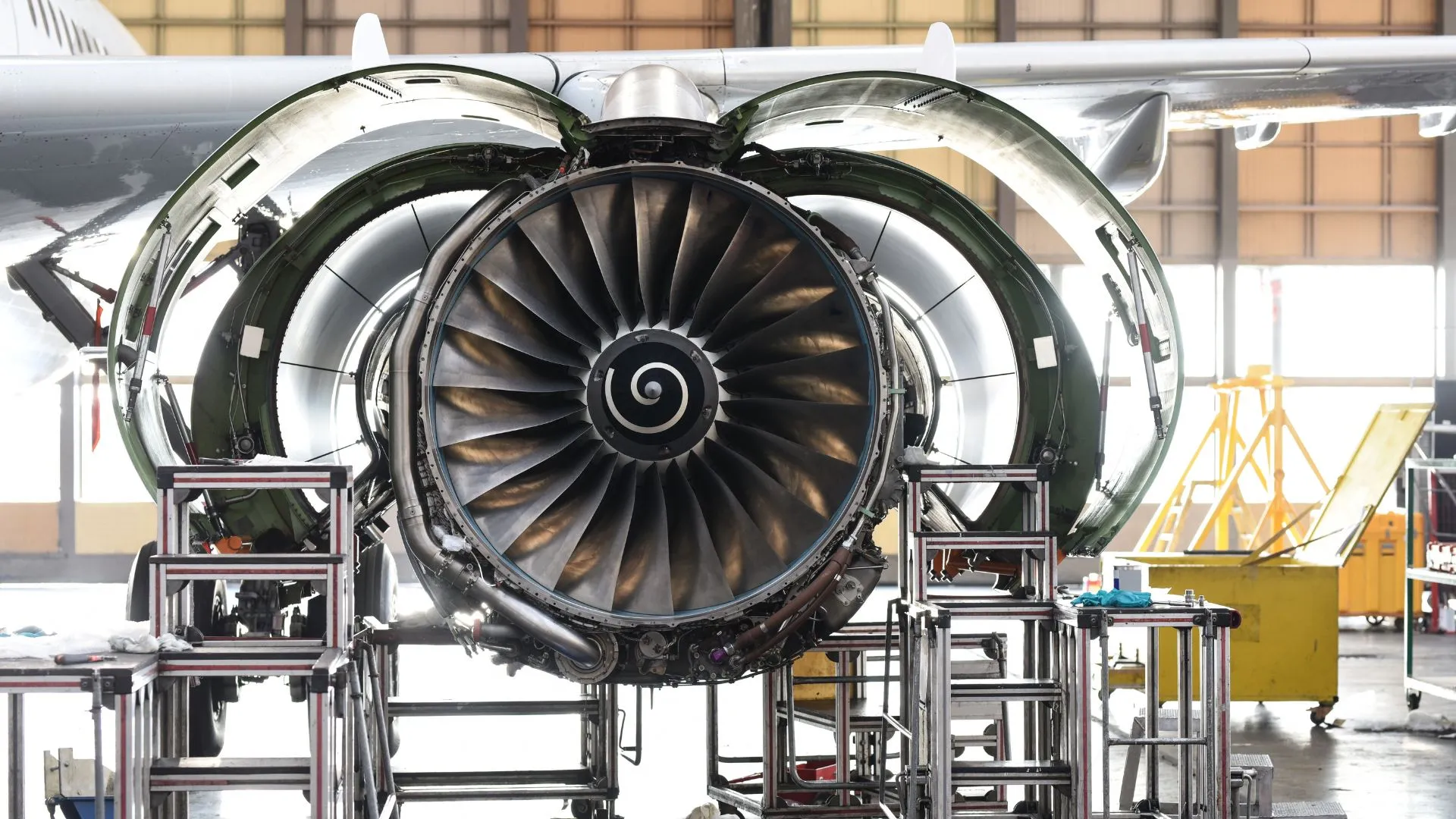
Researchers have developed a new metal material that could enable aircraft wings to change shape during flight, allowing for improved aerodynamics and efficiency.
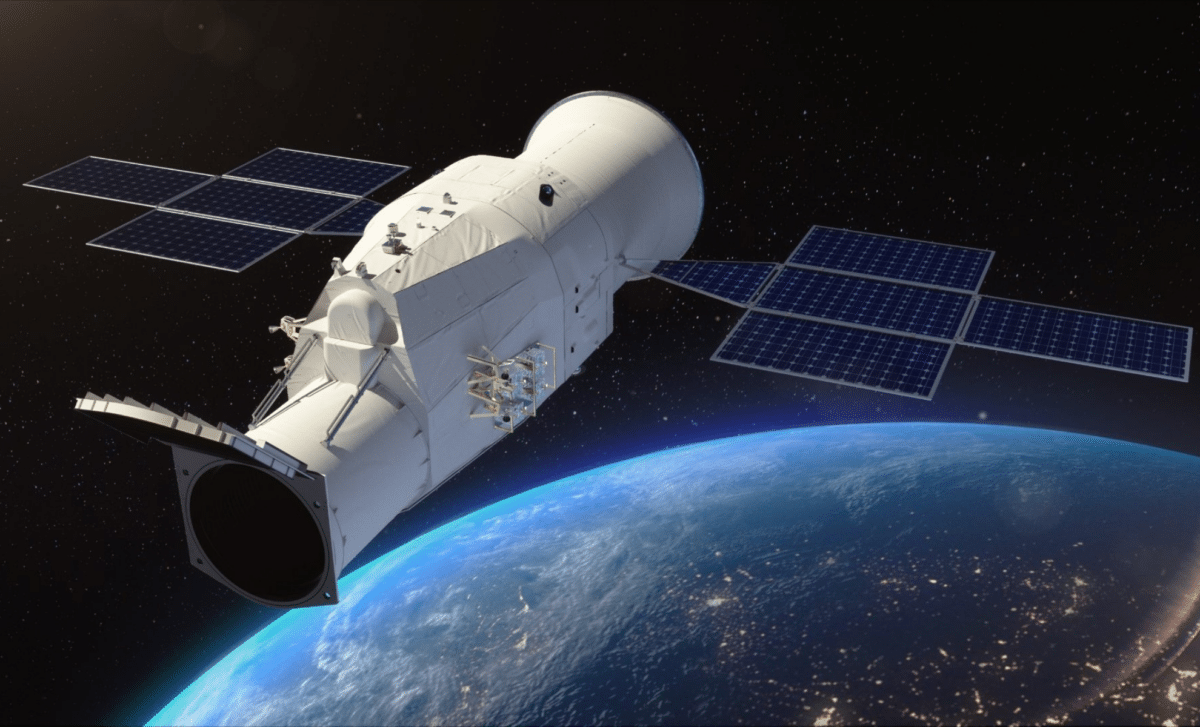
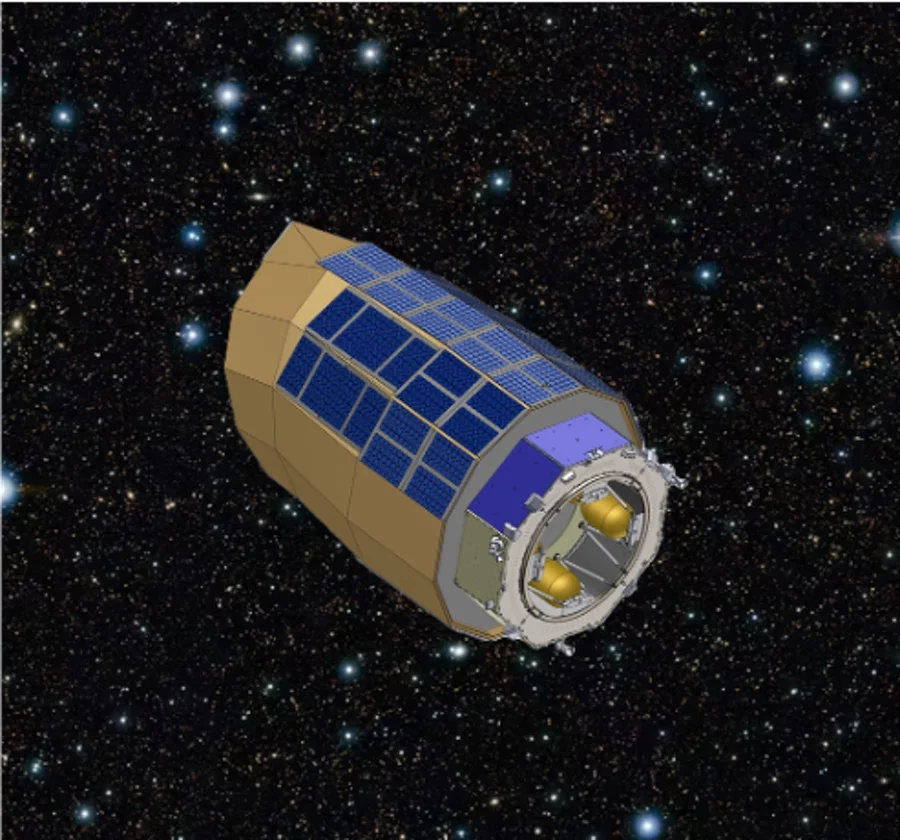
China's Chinese Space Station Telescope (CSST), also known as Xuntian, has completed a high-quality scientific data simulation, marking a key step toward its 2026 launch. The telescope features advanced optical systems with a 2-meter aperture, designed for wide-field, multi-color imaging to study galaxies, stars, and exoplanets, promising significant contributions to astrophysics and cosmology. It will operate independently and dock with China's space station for maintenance, supporting long-term space-based scientific exploration.
A billionaire-backed organization, Schmidt Sciences, is developing a suite of four observatories, including Lazuli, a large space telescope comparable to Hubble but at a fraction of the cost and in a shorter timeframe, aiming for launch around 2028 to advance astrophysics and cosmology research.
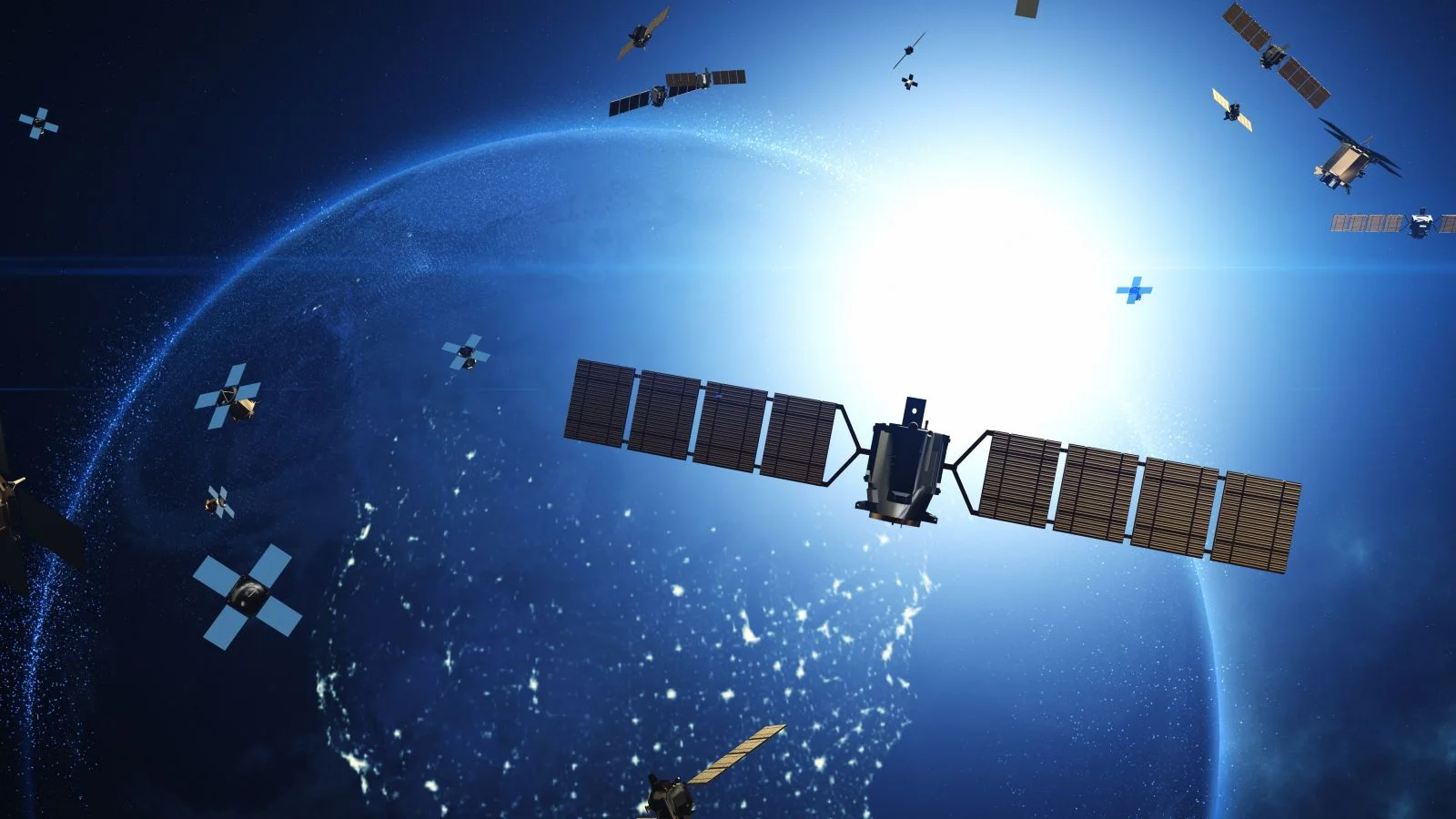
A new 'CRASH Clock' study warns that in a worst-case scenario, Earth-orbiting satellites could start colliding within less than three days, a significant decrease from previous estimates, driven by the rapid increase in satellite numbers and potential space weather events, raising concerns about space debris and the Kessler Syndrome.
China has developed the world's most powerful hypergravity centrifuge, the CHIEF1900, which surpasses previous models by generating extreme g-forces for simulating space and planetary conditions, enabling faster, more accurate experiments in material science, geology, and biomedicine, and reducing reliance on field tests and space missions.
The House and Senate Appropriations Committees have agreed on a FY2026 budget for NASA, approving a slight reduction of $400 million from the previous year, which is a significant improvement over earlier proposed cuts, and supporting NASA's broad range of programs including Artemis, SLS, and lunar missions, with additional funding from the reconciliation bill. The agreement reflects bipartisan support but still needs to pass through Congress and be signed into law.
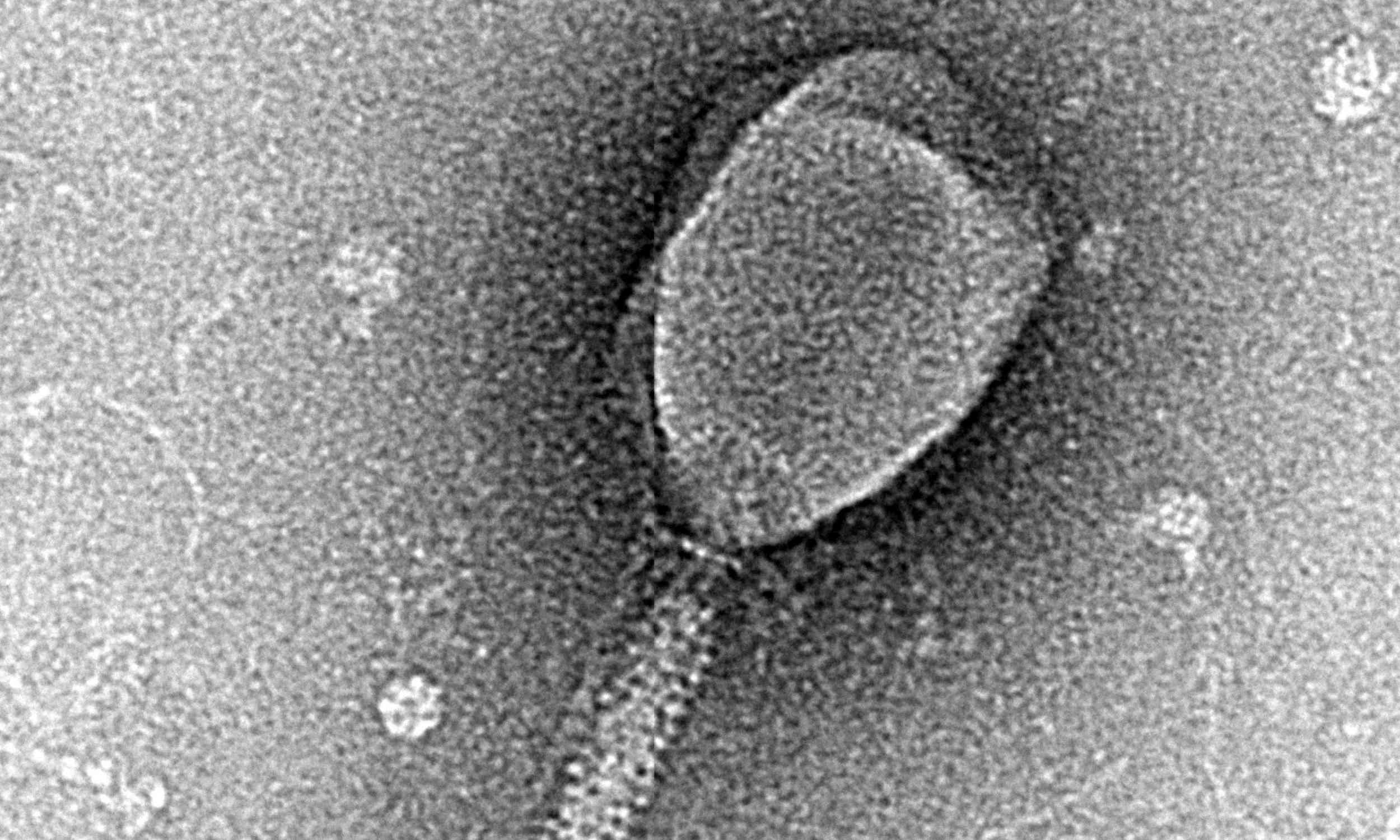
Scientists have used AI to design viruses from scratch and to modify toxins to bypass safety checks, raising concerns about the potential for AI-assisted bioweapons. While these advances can aid in medical treatments like phage therapy, they also pose dual-use risks, prompting efforts to strengthen screening protocols, regulatory policies, and international standards to prevent misuse. Despite technological progress, significant challenges remain before AI-designed pathogens could become a real threat, emphasizing the need for robust biosecurity measures.
A new multilingualism calculator developed by NYU researchers quantifies how multilingual a person truly is by combining age of language acquisition with self-rated proficiency across multiple modalities, providing accurate and streamlined assessments of language strength and dominance across nearly 50 languages, validated against more complex methods.
China has unveiled the world's most powerful hypergravity centrifuge, CHIEF1900, capable of generating 1,900 times Earth's gravity, to advance research in materials, biological systems, and engineering by simulating extreme gravitational conditions efficiently.
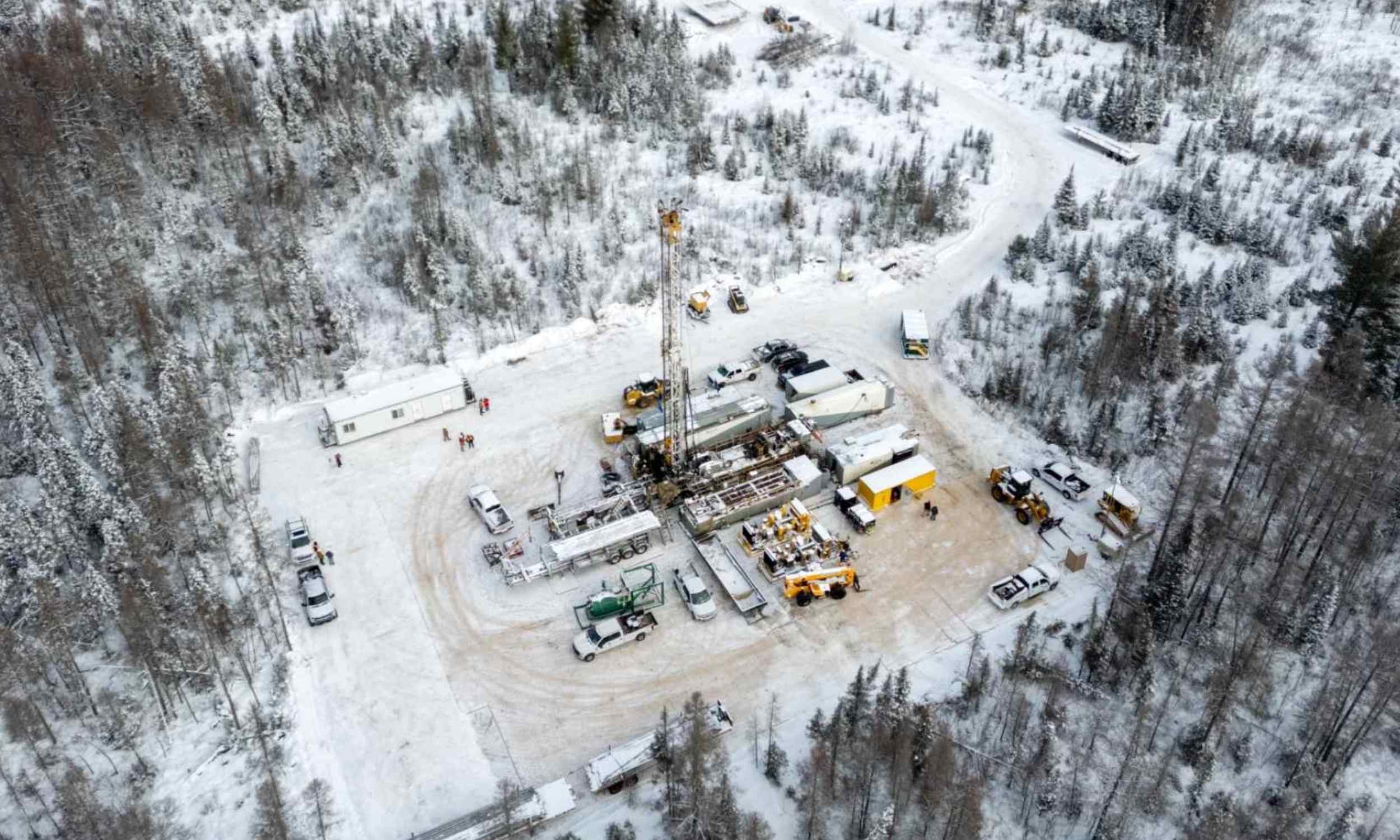
Scientists have discovered significant amounts of helium-3 underground in Minnesota, a rare isotope valuable for fusion energy, quantum computing, and scientific research, potentially providing an alternative source to lunar mining and impacting future energy and technology developments.
The article discusses the increasing risk of space debris hitting airplanes, highlighting the challenges in predicting re-entry of space junk, recent incidents like China's Long March 5B re-entry, and efforts to improve safety through better prediction models, international coordination, and standards, while reassuring that the probability of a collision remains very low.
A recent study suggests that while mining undifferentiated asteroids may not be feasible, certain water-rich and mineral-rich asteroids could be valuable sources of raw materials, supporting future space resource exploitation and exploration efforts. The research emphasizes the need for further missions and technological development to realize asteroid mining's potential, which could benefit humanity by providing resources and reducing Earth's environmental impact.
Sentinel-1D, Europe's latest Earth observation satellite, achieved a record-breaking 50-hour turnaround from launch to first images, capturing high-resolution radar data of Antarctica, Europe, and maritime activity, demonstrating rapid response capabilities and advancing climate and environmental monitoring.