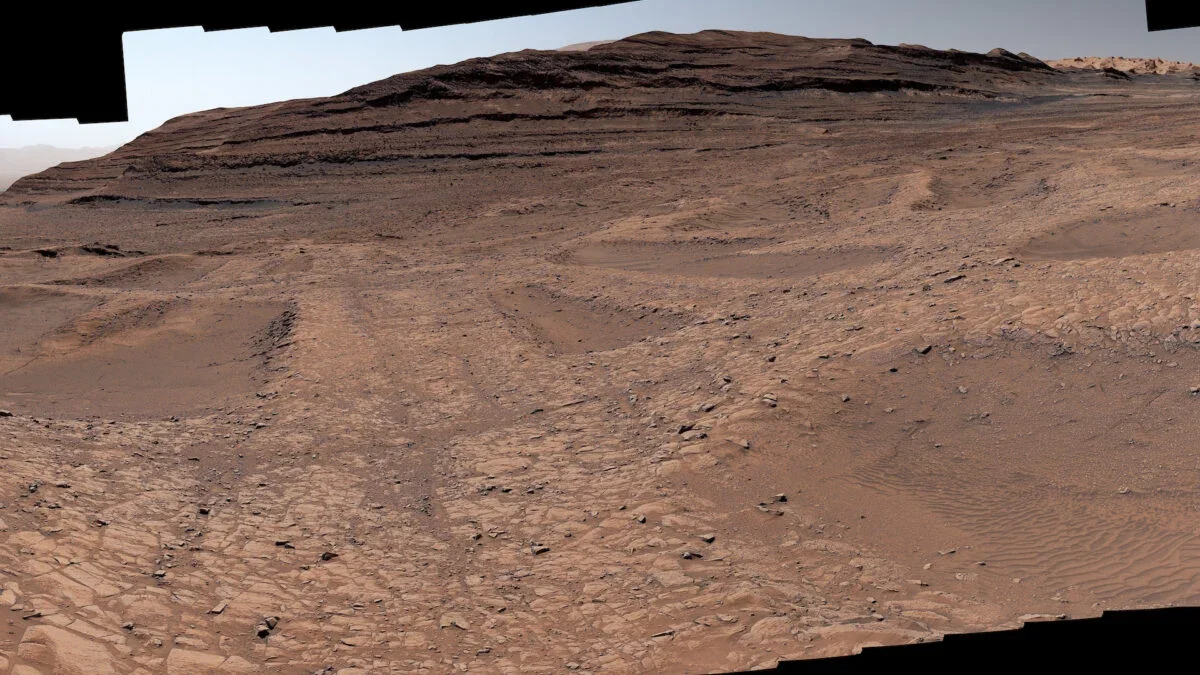
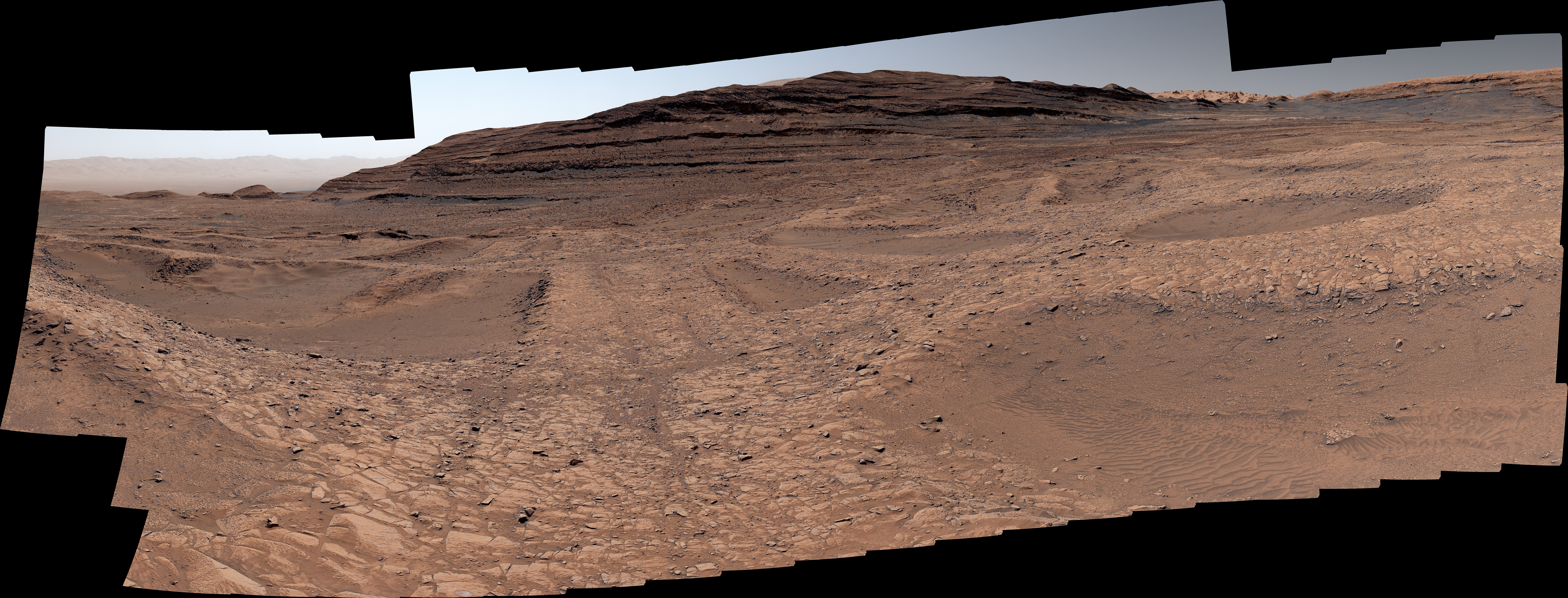
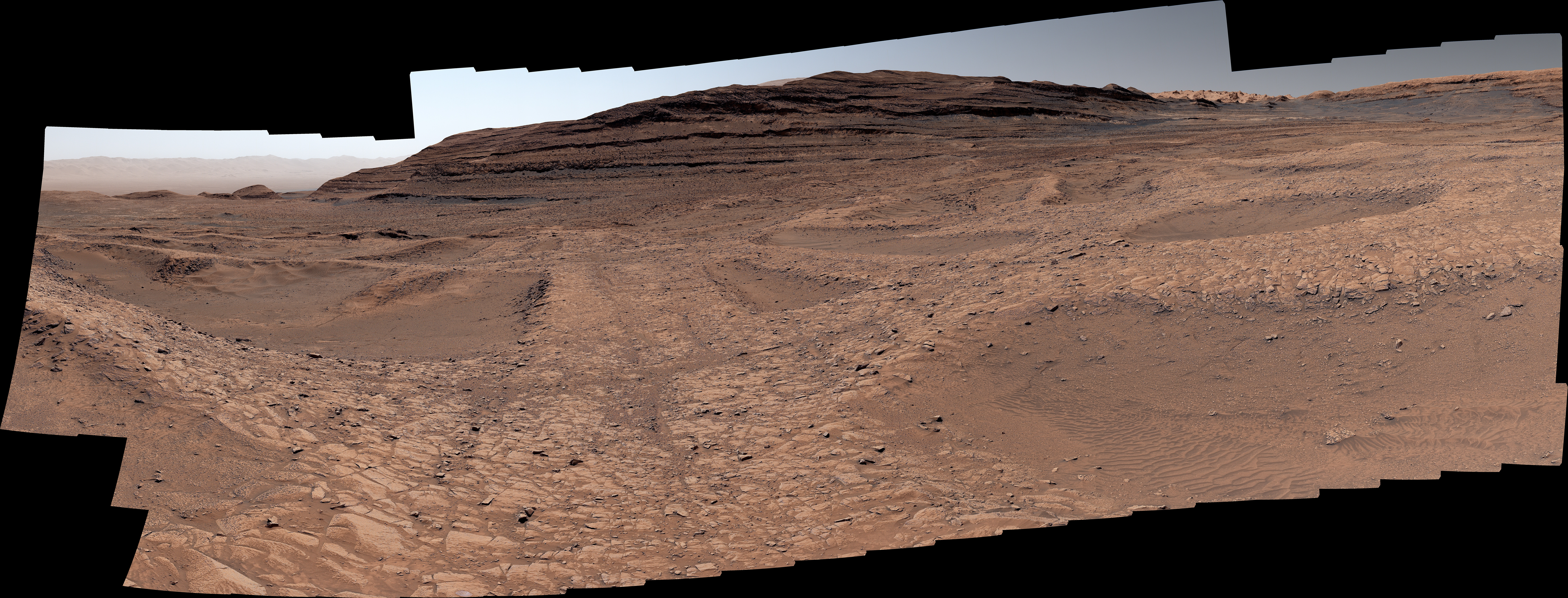
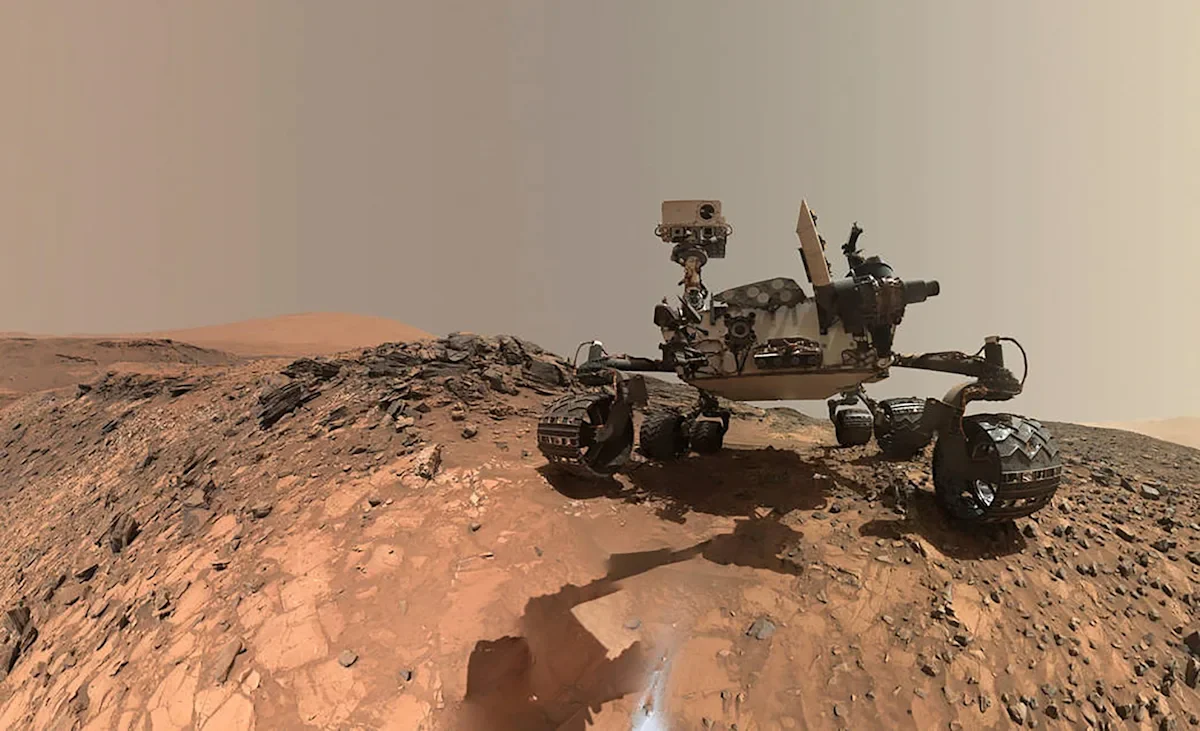
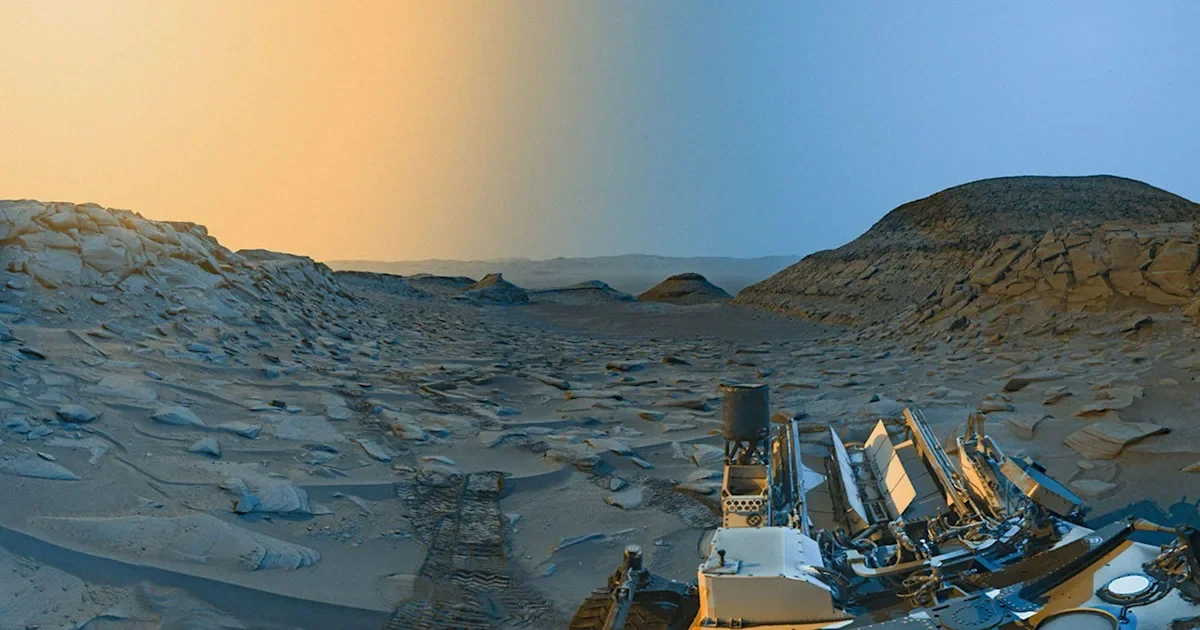
NASA’s Curiosity rover examined boxwork formations on Mount Sharp and found mineral nodules along ridge walls and hollows, formed by ancient groundwater as water flowed through rock cracks. The nodules, plus the height of the groundwater that cemented the ridges, suggest groundwater persisted longer than expected, potentially extending the window for past habitability and microbial life on Mars.
NASA’s Curiosity rover obtained close-up views of Martian boxwork ridges on Mount Sharp, suggesting ancient groundwater flowed through fractures and persisted higher up on the mountain than previously thought. Drill analyses found clay minerals in ridges and carbonates in hollows, with wet-chemistry targeting organic compounds; the findings support a longer-lived habitable window in Mars’ past as the rover continues to explore the sulfate-rich layer.
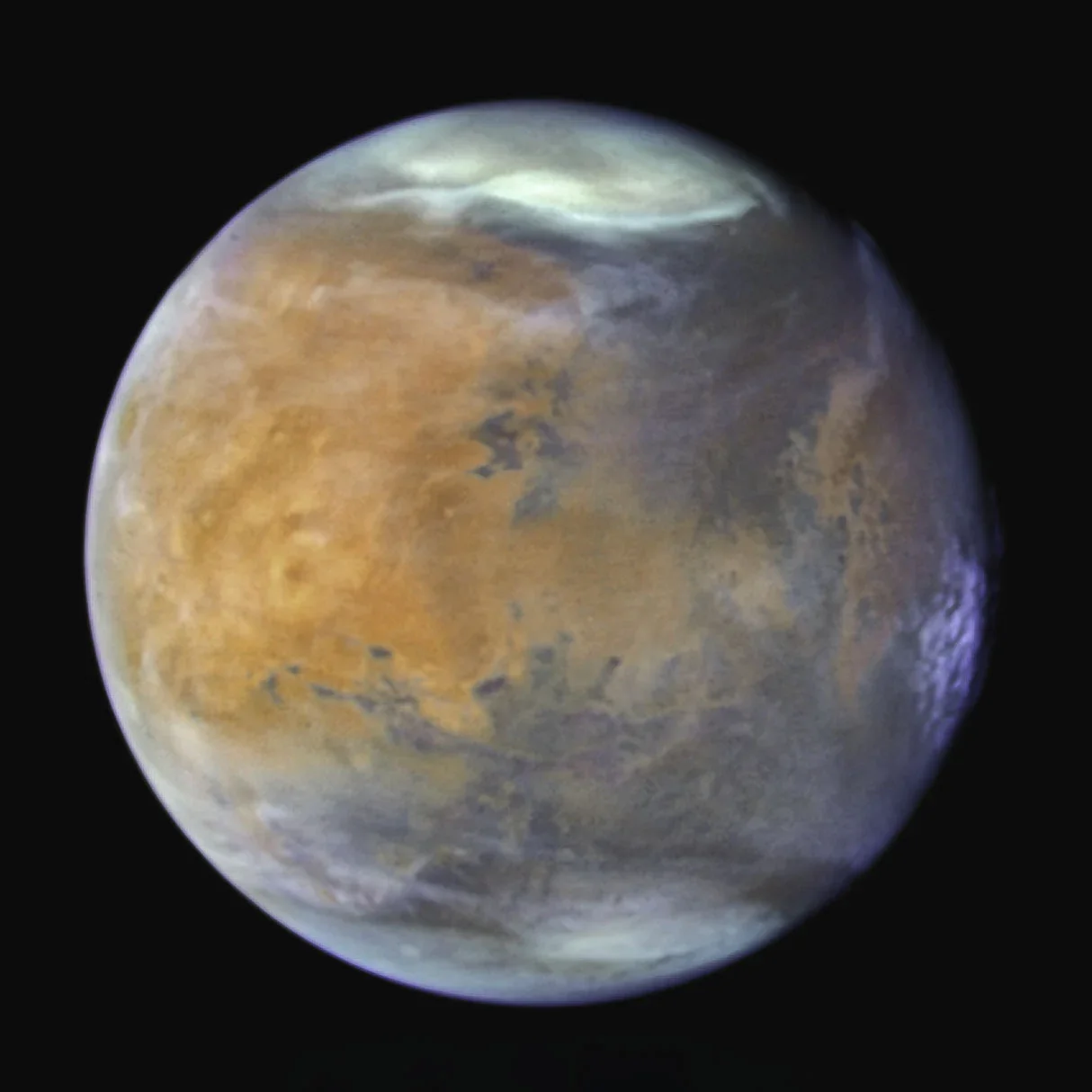
New research links an intense regional dust storm in Mars' northern summer to a surge of water vapor into the upper atmosphere, boosting hydrogen escape and contributing to the planet’s long-term water loss. Observations from the 2022-2023 Martian year show water vapor up to ten times typical levels and hydrogen at the exobase about 2.5 times higher than in previous years, indicating that short, localized events can influence Mars’ climate evolution as much as global storms, challenging earlier emphasis on southern summer dynamics.
Curiosity’s close-up study of Mount Sharp reveals boxwork fractures and nodules formed by ancient groundwater, with clay minerals in ridges and carbonates in hollows; a sample was analyzed with wet chemistry to search for organic compounds, and the rover will move on to explore a sulfate-rich layer to better understand Mars’ changing climate and how long water persisted.
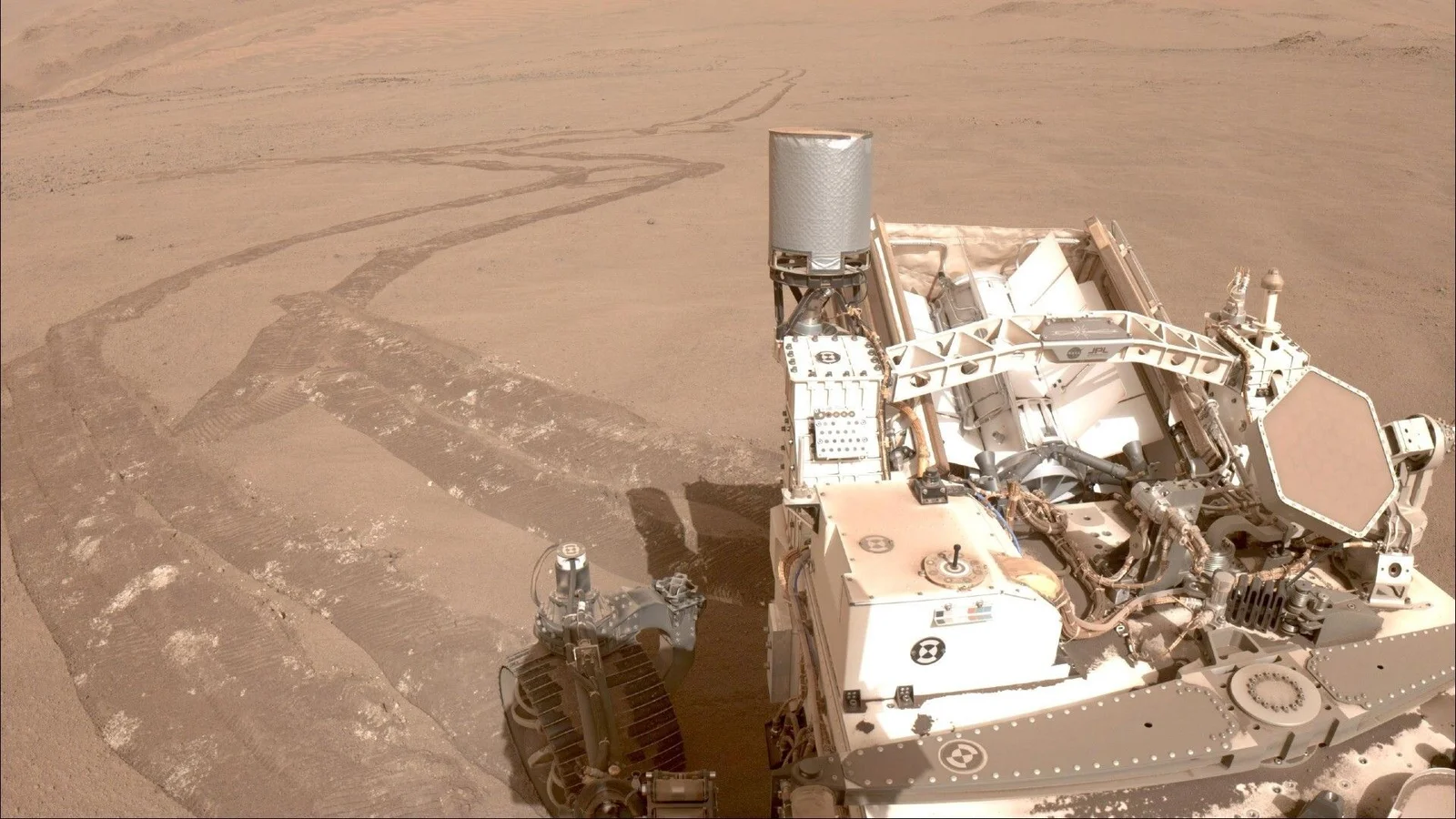
NASA’s Perseverance now uses an onboard system called Mars Global Localization to pin down its exact position on Mars by matching panoramic images to orbital terrain maps, achieving accuracy of about 25 centimeters. This allows the rover to navigate more autonomously and travel farther without Earth-based guidance, building on AI-driven planning and reducing reliance on ground control.
Space.com debunks five common sci-fi myths about living on Mars: that colonies can easily thrive on the surface, that humanity could just terraform the planet, that low gravity is harmless, that Martian soil can support easy farming, and that the main challenge is simply getting there. In reality, viable settlements would likely be buried underground or in lava tubes with hermetically sealed habitats, requiring thick radiation shielding, closed-loop life support, and abundant energy. The Martian atmosphere is extremely thin and lethal without a suit, oxygen must be generated, and surface conditions are brutal (cold, radiation, low pressure). Growing food faces toxic perchlorates in soil, so hydroponics or bioengineered solutions are needed. Psychological stresses from isolation and long travel times add equal weight to physical survival. Overall, any real Mars settlement would demand centuries of Earth-provided resources and massively engineered habitats, making true “colonization” far more complex than sci-fi suggests.
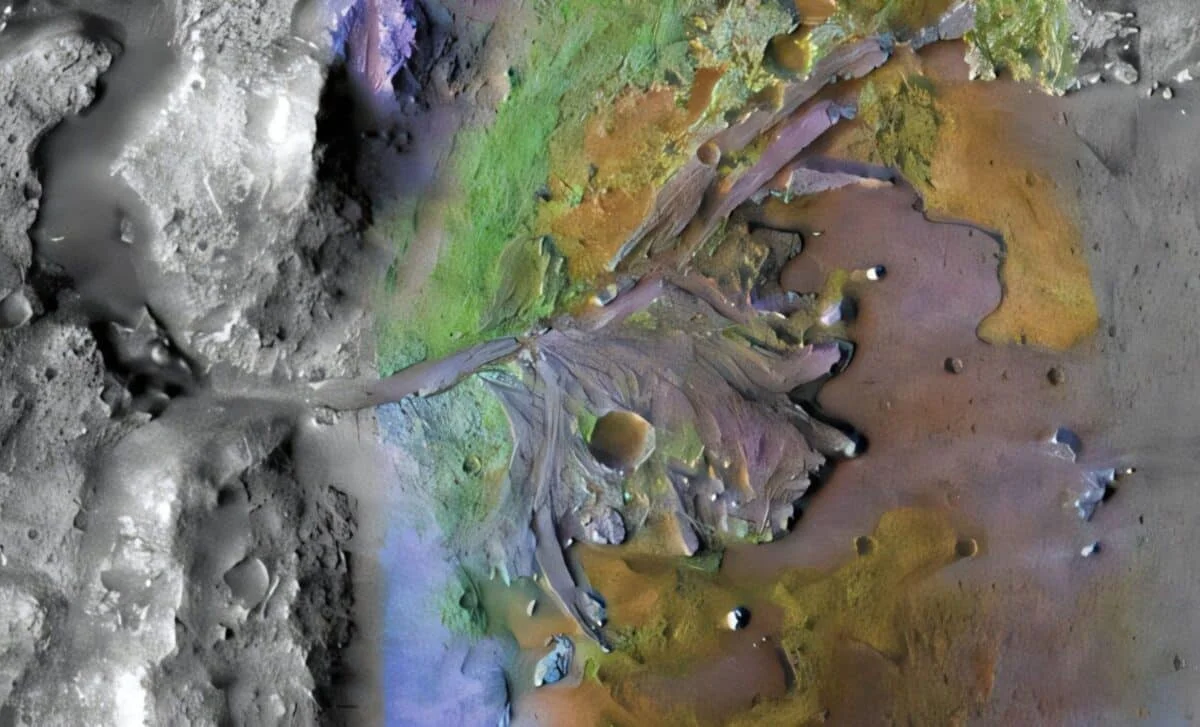
New findings from NASA’s Perseverance in Jezero Crater suggest Mars during the Noachian epoch (about 4.1–3.7 billion years ago) was warmer and wetter than previously believed, with evidence of persistent rainfall indicated by kaolinite-rich clays and weathered rocks, challenging the cold, icy Mars theory and implying habitable conditions in the distant past.
NASA’s Curiosity rover detected organic compounds in a Martian rock sample, raising the possibility that past life could have contributed to these molecules. A Feb. 2026 Astrobiology study argues non-biological processes can’t fully explain the abundance of organics, keeping the door open for life’s past on Mars but stopping short of definitive proof and calling for further study.
A ScienceAlert weekly briefing highlights a Mars organics puzzle unsolved by non-biological processes; TLC-2716 reduces remnant cholesterol by up to 61% in a short trial; an implant-based sleep apnea treatment reports a 93% success rate; Alzheimer's linked to disrupted brain replay in mice; brain-aging reversal seen in lab by boosting DMTF1; and a Milky Way core model proposes fermionic dark matter rather than a black hole.
NASA's Curiosity rover found long-chain organic molecules on ancient Martian rocks; after evaluating non-biological sources, researchers say those processes can’t easily account for the observed abundances, keeping the possibility of past life on Mars in play but stopping short of a definitive life detection and calling for further Mars-analog research to understand the findings.
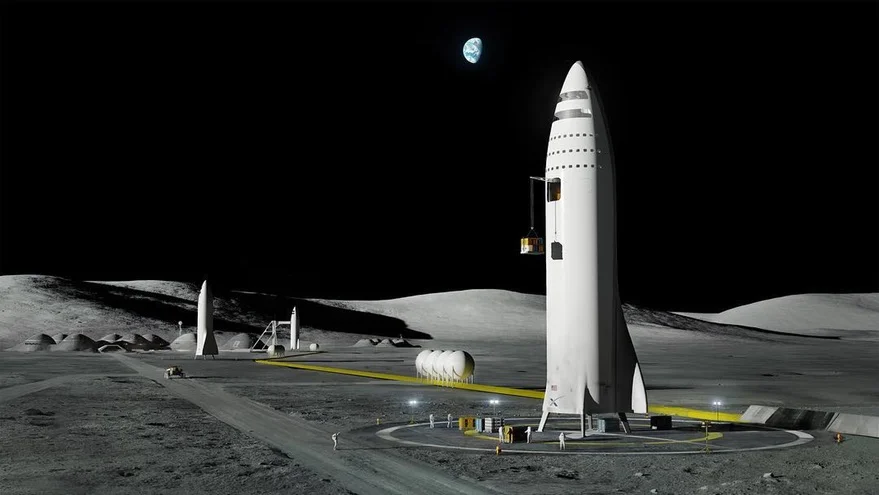
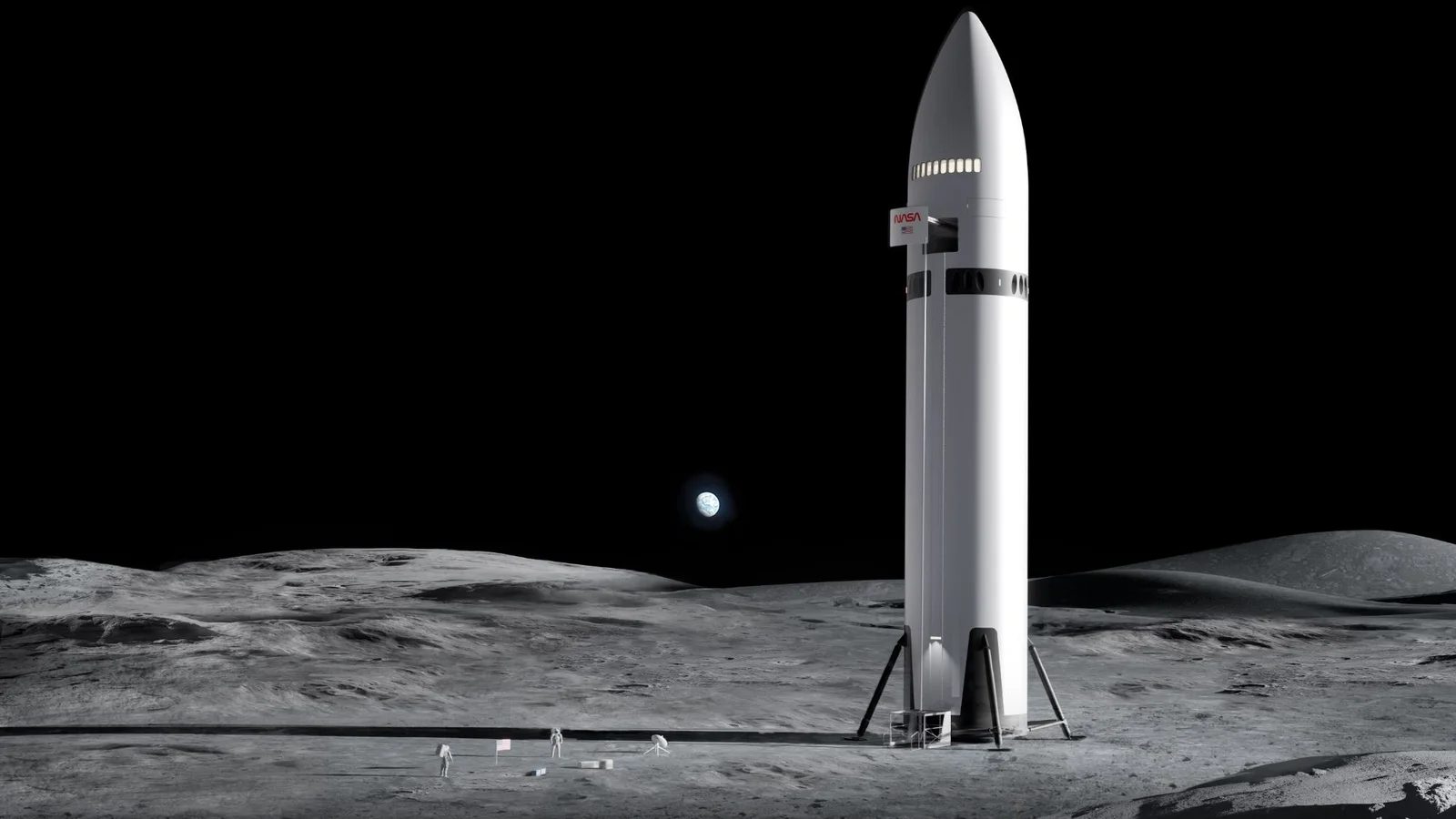
Elon Musk says SpaceX will focus on building a self-sustaining city on the Moon before pursuing a permanent Mars settlement, arguing the Moon allows faster iteration and a shorter timeline; Mars remains an eventual objective with a Mars city targeted in about five to seven years, though lunar development takes priority.
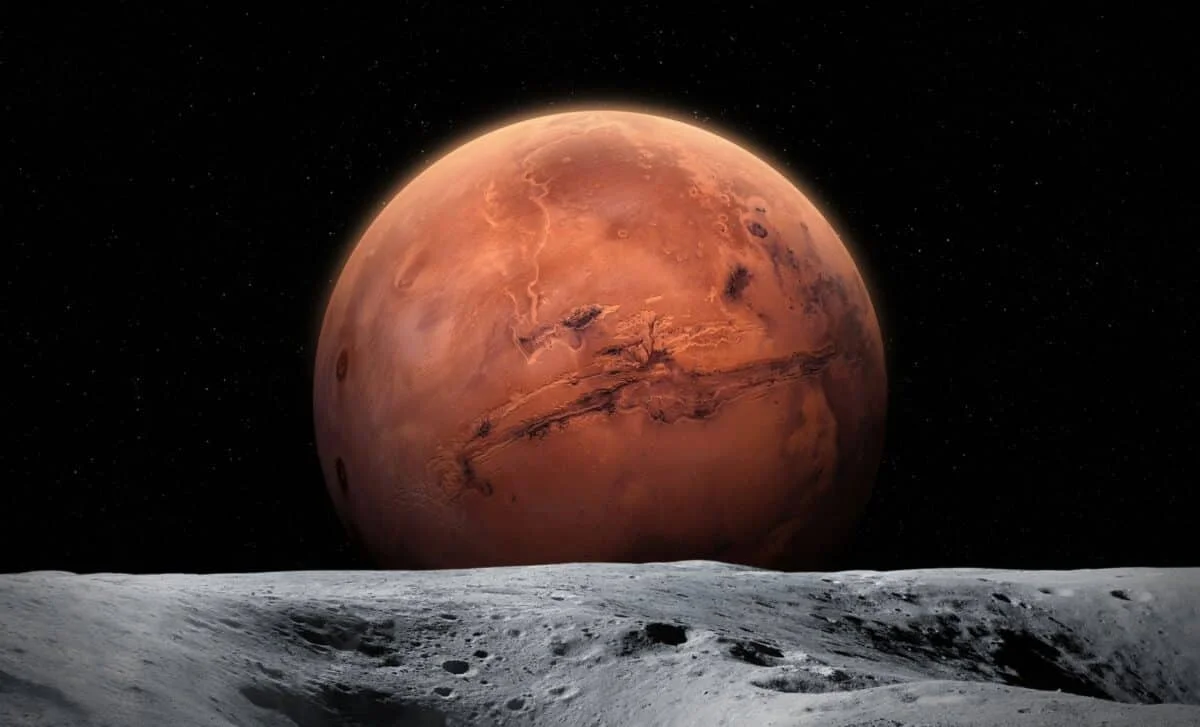
SpaceX has shifted its focus from pursuing Mars to building a self-sustaining city on the Moon, arguing a Moon settlement could be achieved in under a decade thanks to faster round trips (about 2 days to the Moon versus six months to Mars) and quicker iteration. Mars remains a parallel long‑term objective, but Musk says the Moon approach reduces risk from resupply disruptions and leverages Starship’s lunar capabilities and future manufacturing on the Moon, with Artemis‑era timelines and competition (e.g., Blue Origin) still influencing plans.
Sedimentary rhythmites in Gale Crater's Jura outcrop, analyzed by NASA's Curiosity rover, point to Mars once hosting a much larger moon capable of driving tides in an ancient lake. The proposed moon would have been about 18 times the mass of Phobos and may have been tidally destroyed into rings that later formed Phobos and Deimos. While promising, the evidence isn’t definitive and researchers will inspect additional sites to test the idea.
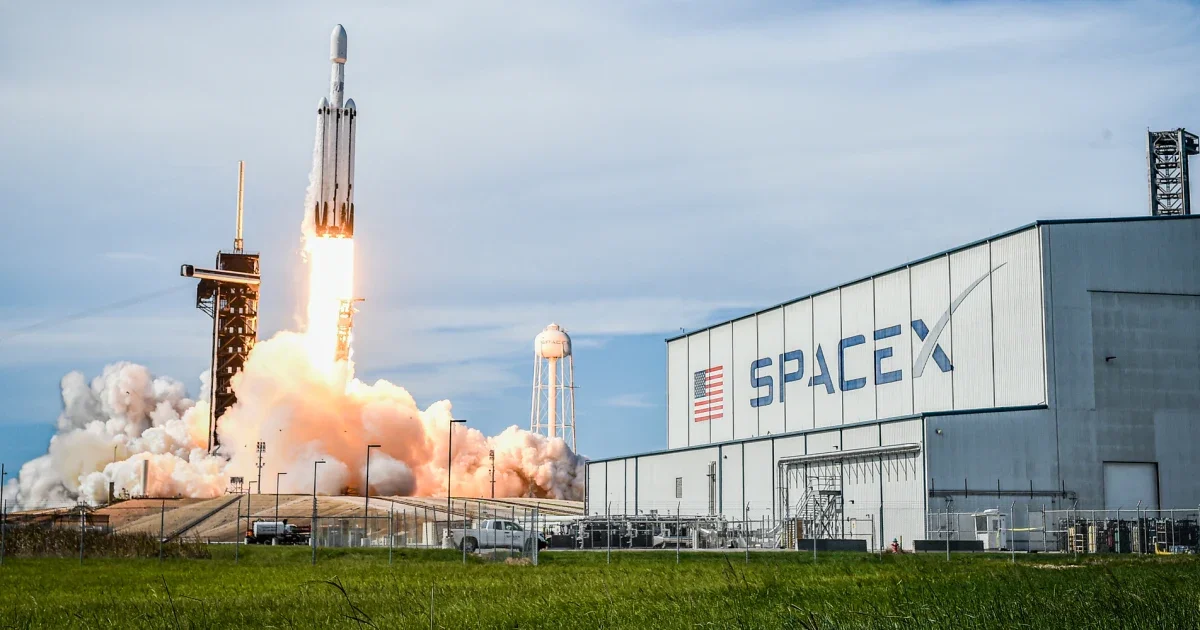
Elon Musk said SpaceX has shifted priority to a self‑growing city on the Moon to be achieved in under 10 years, with Mars still on the roadmap for later; the move aligns with a report that SpaceX told investors it would focus on the Moon first and aim for an uncrewed lunar landing by March 2027, while NASA’s Artemis program remains a smaller portion of its business as Starlink dominates revenue and SpaceX pursues AI ventures and an anticipated IPO.
Elon Musk announced SpaceX is shifting focus from Mars to building a self-growing Moon City, claiming the Moon option could be ready in under a decade while Mars would take 20+ years; the pivot comes as NASA and Blue Origin vie to land astronauts for Artemis 3 and SpaceX faces Starship HLS delays, signaling closer alignment with lunar goals and a potential delay to Red Planet ambitions.