Tag

Supplements

All articles tagged with #supplements

Magnesium hype debunked: foods first, supplements only if needed
nutrition-diet1 day ago

Magnesium hype debunked: foods first, supplements only if needed

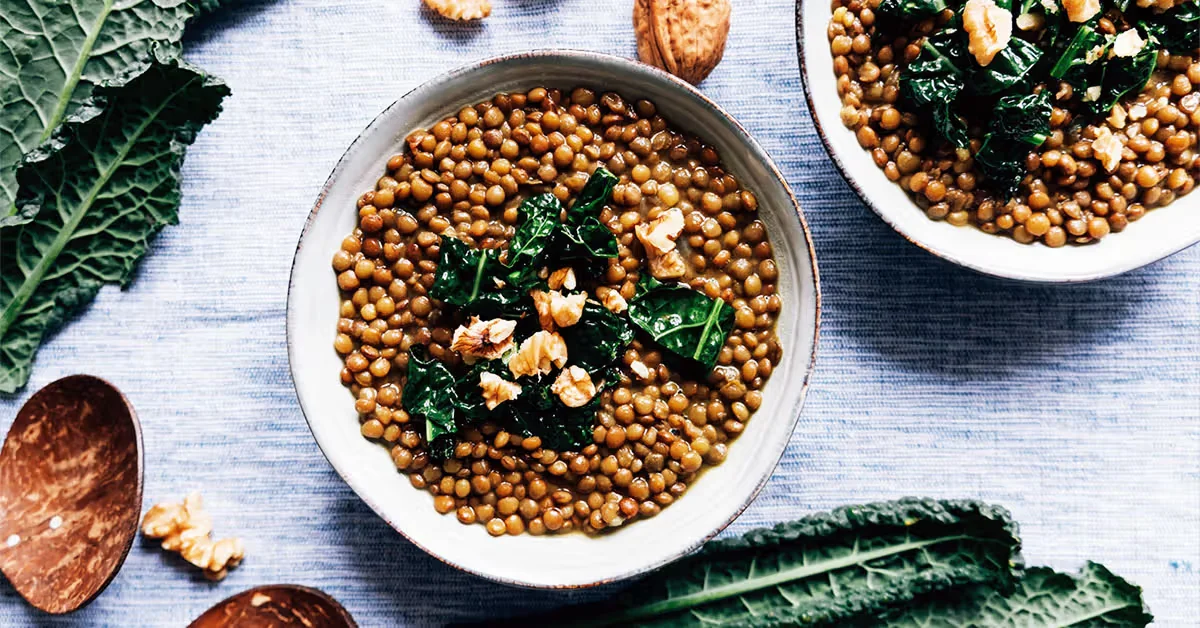
Magnesium is an essential mineral best obtained from a magnesium‑rich diet (legumes, nuts, seeds, leafy greens, whole grains, oily fish). Research links higher intake with lower risk of stroke, heart disease, diabetes, and bone loss, though much of the evidence is observational. Supplements can help when intake or blood levels are low, but a food‑first approach is safest; typical supplement doses range from 100–350 mg daily, with caution urged for kidney disease. Adults generally need about 310–320 mg/day (women) or 400–420 mg/day (men).

Popular brain-boosting supplements may speed brain aging, doctors warn
health1 day ago

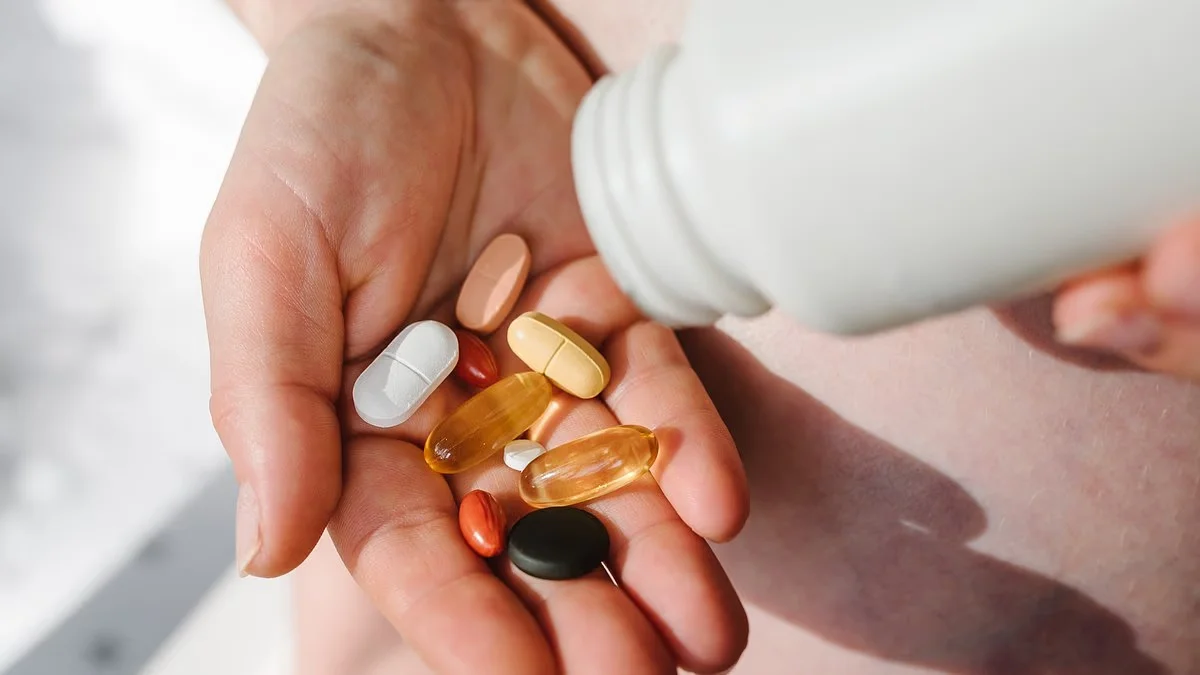
Popular brain-boosting supplements may speed brain aging, doctors warn

US doctors warn that popular brain-boosting supplements may age the brain, flagging six risky supplements or combinations—such as high-dose vitamin E, turmeric and ashwagandha, and fish oil with ginkgo and garlic—that can raise bleeding risk or cause liver waste buildup. Zinc with copper, coffee plus stimulants, and kratom are also cautioned. With little proven benefit, experts advise prioritizing a healthy lifestyle and using supplements only after blood tests show a deficiency and under medical supervision.

NAD Supplements and Aging: Promising biology, limited human proof

NAD Supplements and Aging: Promising biology, limited human proof

Nicotinamide adenine dinucleotide (NAD+) is a cellular coenzyme essential for energy production and DNA repair; NAD+ levels decline with age, prompting interest in supplements like nicotinamide riboside (NR) and NMN, and even IV NAD+. While some studies show NAD+ precursors can raise NAD+ in humans and IV NAD+ is used in certain contexts, there is no definitive evidence that NAD+ supplementation slows aging or extends lifespan. Experts say NAD+ boosting may support mitochondrial health within a broader longevity strategy, but it is not a standalone anti-aging miracle.

GLP-1 Weight-Loss Drugs: Do You Need Supplements?
health8 days ago

GLP-1 Weight-Loss Drugs: Do You Need Supplements?

GLP-1 weight-loss injections can aid short-term weight loss but may raise nutrient-deficiency risks. Most evidence linking GLP-1 use to deficiencies is observational, and there’s no proof the meds directly cause deficiencies. Address nutritional needs with a varied diet and standard vitamin/mineral supplements if needed, rather than pricey “GLP-1” products. Guidance should be personalised and involve a healthcare professional; supplements are most beneficial only when a deficiency is identified or diet cannot meet needs.

Magnesium for Calm: Food First, Supplements If Needed
health29 days ago

Magnesium for Calm: Food First, Supplements If Needed

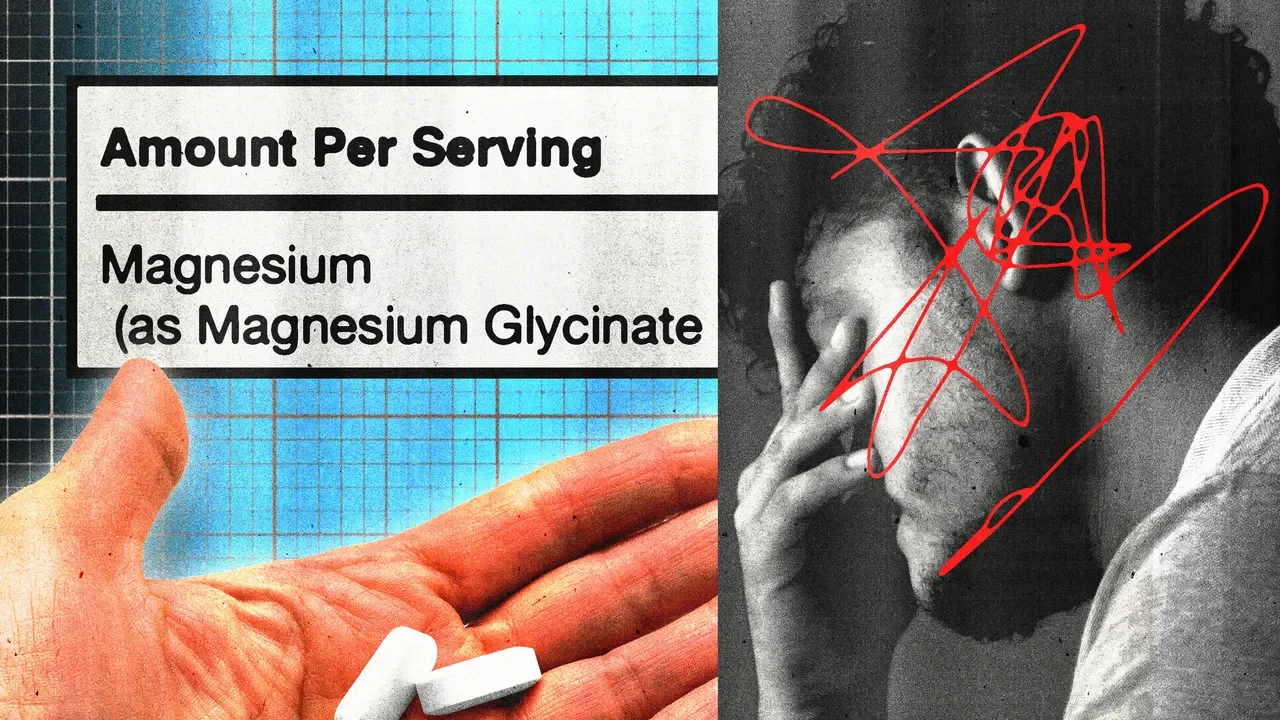
Magnesium supports the nervous system and the brain’s calming GABA pathway, helping the body move from fight‑or‑flight to a calmer state; deficiency is linked to higher anxiety and cortisol, so getting enough magnesium matters. Aim for 400–420 mg daily through a varied diet of magnesium‑rich foods (beans, lentils, avocado, nuts and seeds, whole grains, leafy greens, white potatoes, fish, dark chocolate, pumpkin and chia seeds, tart cherries). If bloodwork shows deficiency, a magnesium glycinate supplement can help, but avoid megadoses and tailor timing to your needs (morning for daytime anxiety, night for sleep, or both). Topical magnesium is less effective than oral forms, and staying hydrated supports anxiety management.

health1 month ago

Omega-3 Supplements Linked to Higher Atrial Fibrillation and Stroke Risk in Healthy Adults

A BMJ study of about 400,000 UK Biobank participants found healthy adults taking fish-oil omega-3 supplements had higher risks of atrial fibrillation (roughly 13%) and stroke (about 5%), though causation isn’t proven and results vary for those with existing heart conditions; experts note missing data on supplement type and dosage and urge cautious interpretation, while NHS guidelines still encourage consuming two portions of fish weekly.

health1 month ago

Winter Vitamin D: Don’t Overdo Supplements, NHS Warns

UK health experts warn that vitamin D is important in darker months, but taking more than the advised amount can cause hypercalcemia and symptoms such as excessive thirst and urination, nausea, stomach pain, headaches, brain fog, and new aches. The NHS recommends about 10 mcg daily during the winter and notes that most people can meet needs through sunlight and diet when possible; use supplements to cover gaps and consult a doctor if unsure.

Too much vitamin D can backfire — spot the warning signs and trim your dose
health1 month ago

Too much vitamin D can backfire — spot the warning signs and trim your dose

The NHS advises a daily 10 microgram vitamin D supplement from October to March, but overdoing it can cause symptoms such as excessive thirst and urination, nausea, stomach upset, headaches or brain fog, and new aches or cramps, which may indicate hypercalcaemia. With many people taking higher-dose products and some supplements delivering up to 12.5 times the safe limit, it’s easy to double up from tablets, sprays, gummies, or fortified foods. Use only one vitamin D source and consult a clinician if warning signs appear.

Think Before You Pop: A Doctor's Guide to Supplements
health1 month ago

Think Before You Pop: A Doctor's Guide to Supplements

More than half of Americans take dietary supplements, but doctors warn that most supplements lack FDA approval and can carry risks, including emergency-room reactions. Before taking anything, verify products with third-party certifications (USP/NSF), avoid multi-ingredient formulas, and monitor dosages as seriously as medications. Bring your supplement bottles to your doctor for review to check for interactions and ensure they address your actual health concerns, while being wary of unverified social-media claims.

Debunking Immune-Boosting Myths: 5 Supplements That Don’t Work
health1 month ago

Debunking Immune-Boosting Myths: 5 Supplements That Don’t Work

A health-focused piece debunks popular immune-boosting remedies, showing that echinacea, mega-dose vitamin C, elderberry, generic immune-support blends, and zinc lozenges lack solid evidence for preventing or shortening colds. It recommends saving money on these products and focusing on proven health habits like adequate sleep, good hygiene, and real, nutritious food.

Essential Guide to Proper Supplement Use and Benefits
health-and-wellness1 month ago

Essential Guide to Proper Supplement Use and Benefits

This article emphasizes the importance of carefully choosing and correctly dosing supplements, highlighting that excessive intake of certain nutrients like vitamin D, calcium, and omega-3s can cause health problems. It advises consulting healthcare providers before starting supplements, checking for third-party certification, and being cautious of label inaccuracies and individual needs to avoid potential risks.

Nature’s Ozempic: Can OTC Supplements Match Prescription Weight Loss?
health1 month ago

Nature’s Ozempic: Can OTC Supplements Match Prescription Weight Loss?

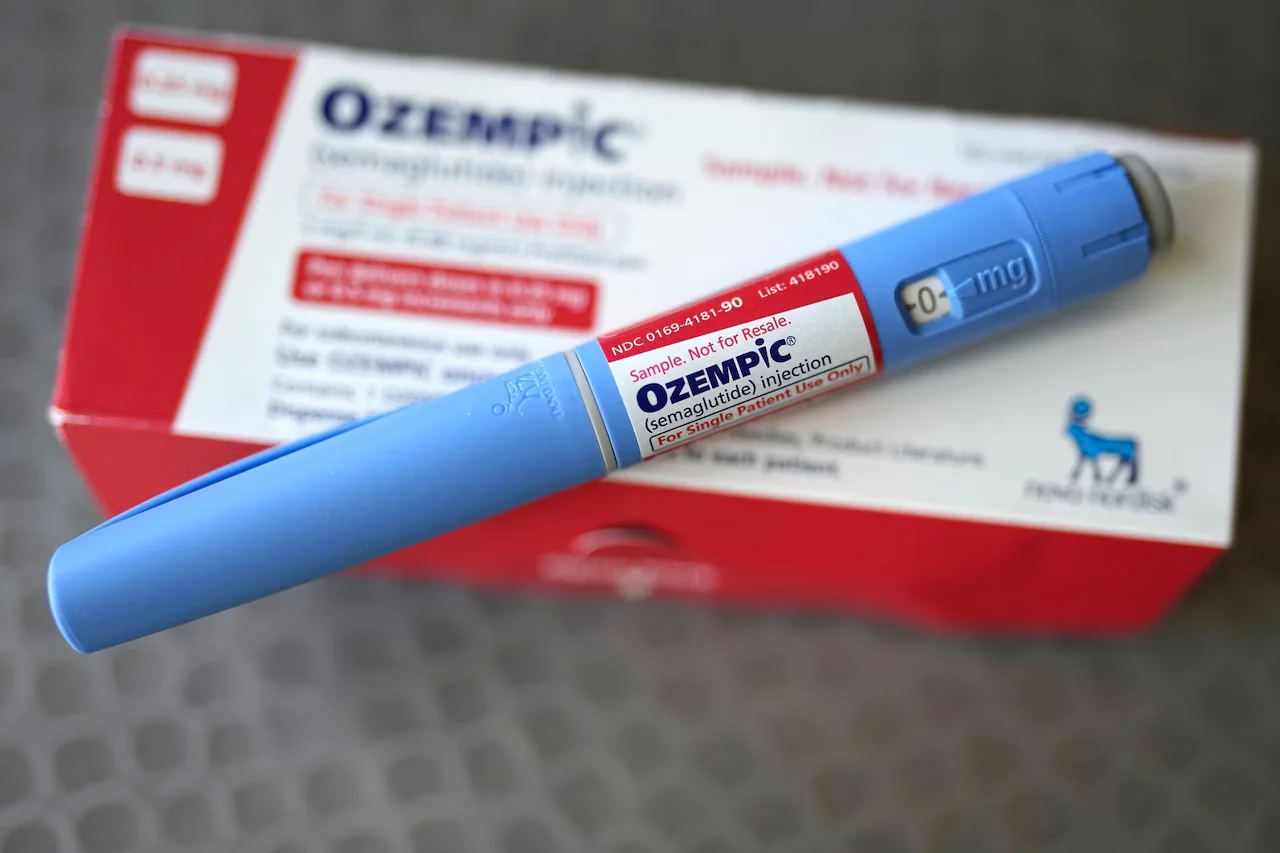
Berberine, often called 'nature's Ozempic,' is a natural supplement that shows promise for weight loss and managing blood sugar, but it is not a miracle cure and should be used cautiously under medical advice. It may help with cholesterol, diabetes, and insulin resistance, and could support weight loss when combined with lifestyle changes, though it is not a direct substitute for prescription medications like Ozempic.