A recent study in mice suggests that restoring NAD+ levels with the compound P7C3-A20 can reverse brain damage and cognitive decline associated with advanced Alzheimer's disease, challenging the notion that the disease is irreversible. The findings highlight the potential for treatments targeting brain energy balance to repair damage and improve function, though further research in humans is needed.
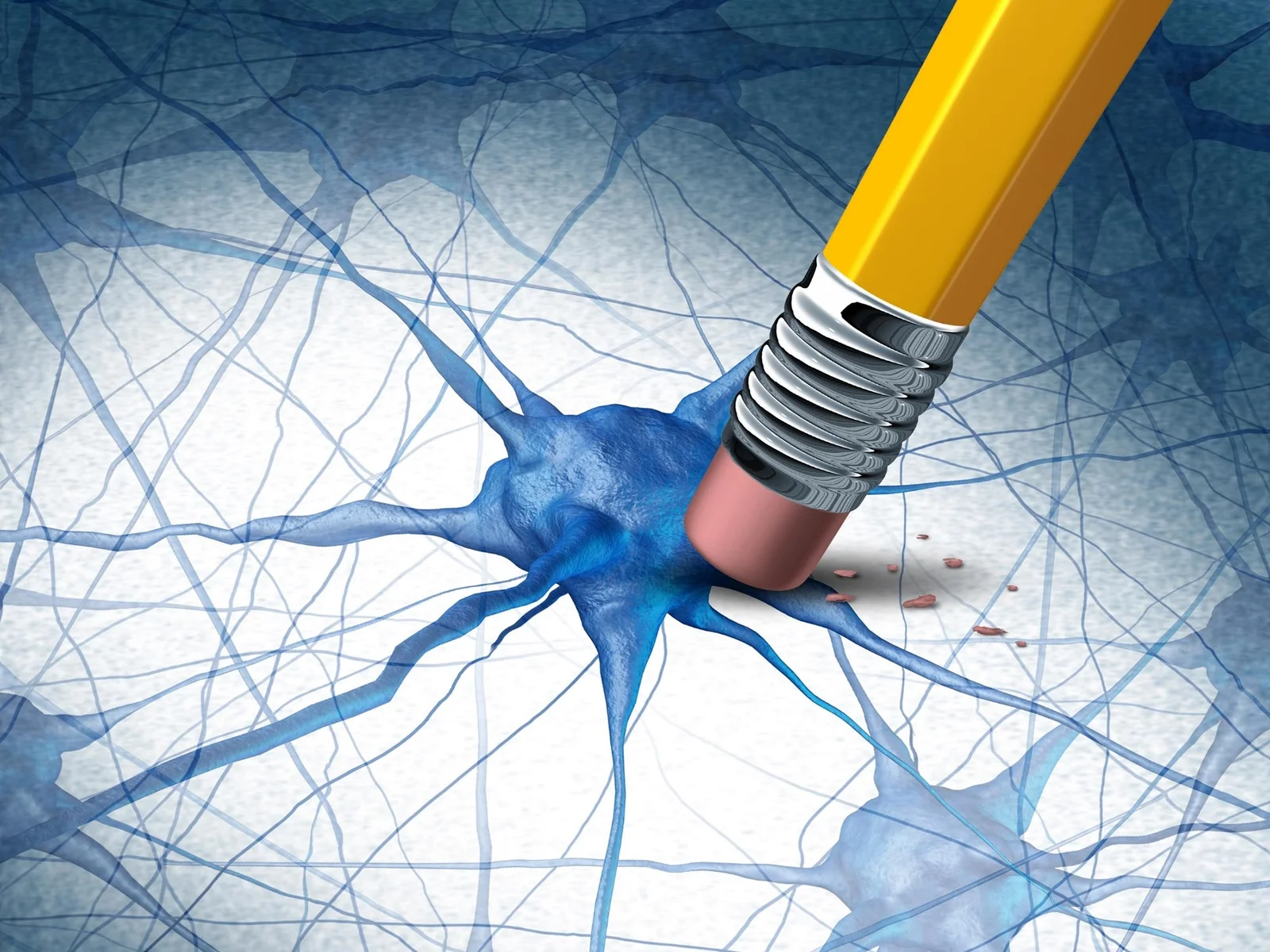
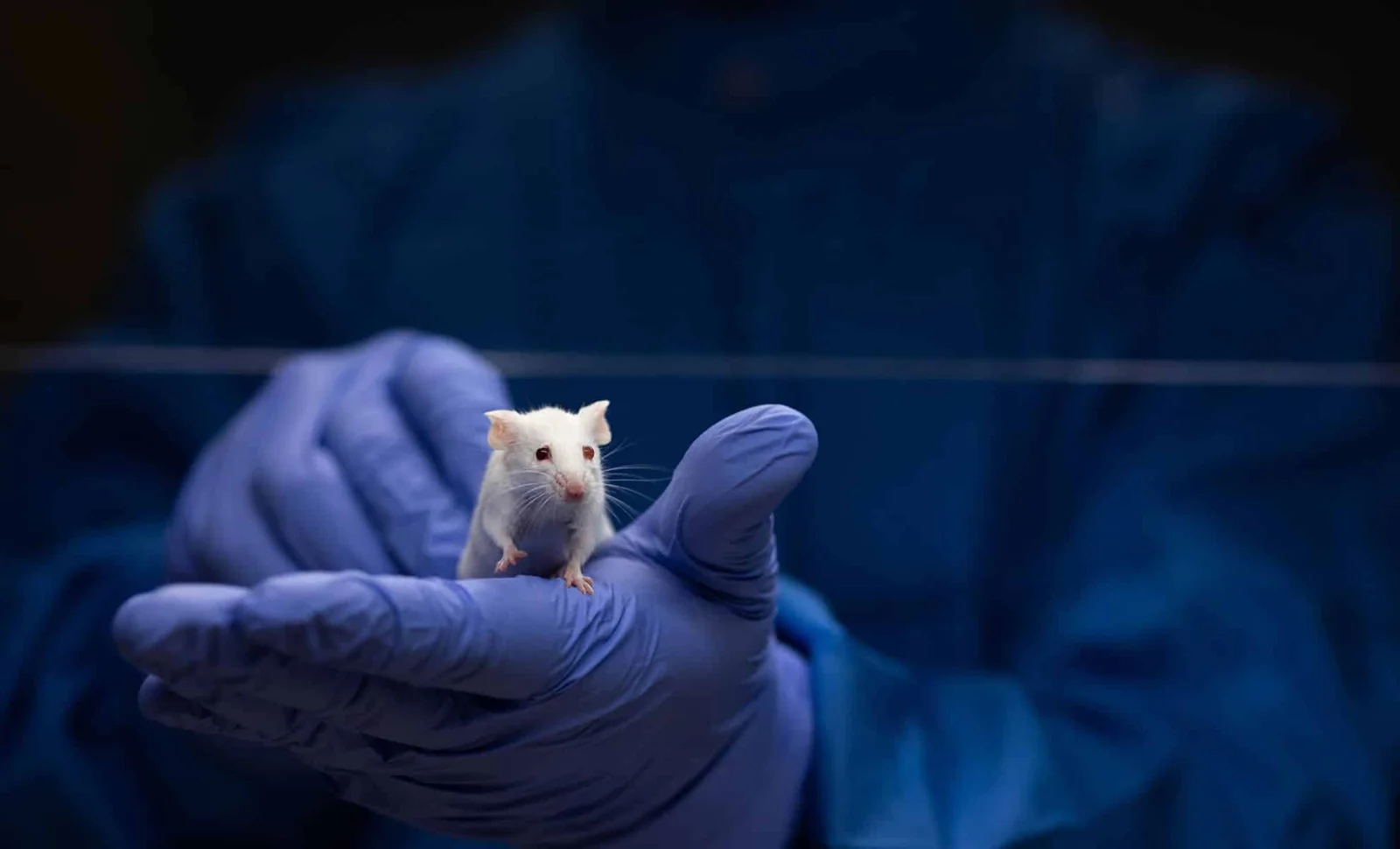
Scientists have successfully reversed Alzheimer's symptoms in mice using a compound called P7C3-A20 that restores NAD+ levels, suggesting potential for human treatment and challenging the belief that brain damage from Alzheimer's is irreversible.
Scientists have discovered that restoring the brain's energy molecule NAD+ can prevent and reverse Alzheimer's damage in animal models, suggesting a potential new approach for treatment and recovery in humans.
A new study shows that the drug candidate P7C3-A20 can restore cognitive functions, reduce brain damage, and repair the blood-brain barrier in mice with advanced Alzheimer's, suggesting potential for future human treatments by restoring NAD+ levels, though more research is needed.
Scientists from Ohio claim to have reversed Alzheimer's in mice using the compound P7C3-A20, which restores NAD+ levels and brain function, offering hope for future human treatments.
A groundbreaking study demonstrates that restoring NAD+ levels with the drug P7C3-A20 can not only prevent but also reverse advanced Alzheimer's disease in mouse models, suggesting a potential new treatment pathway for human patients.
A recent study demonstrates that restoring NAD+ levels in the brain can reverse Alzheimer's symptoms in mice, challenging the belief that the disease is irreversible and opening new possibilities for treatment and recovery in humans.
Scientists have demonstrated in mice that restoring the brain's metabolic balance, specifically through NAD+ levels, can reverse advanced Alzheimer's disease symptoms, challenging the notion that the disease is irreversible and opening new avenues for potential human treatments.
Scientists have found that restoring the brain's energy balance by maintaining NAD+ levels can not only prevent but also reverse Alzheimer's disease in mouse models, suggesting a potential new approach for treatment in humans.
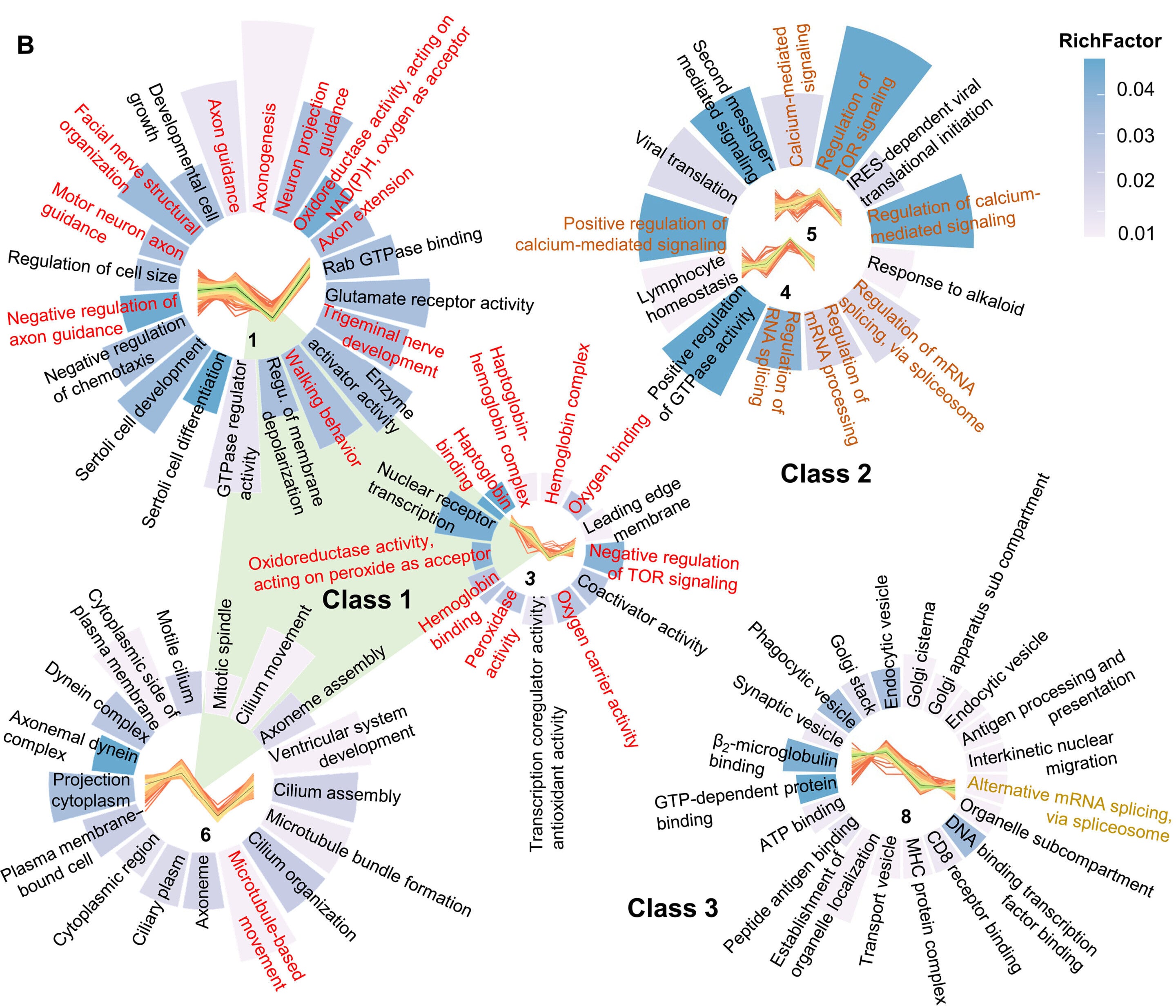
A study published in Science Advances reveals that boosting NAD⁺ levels can restore memory and improve brain function in Alzheimer's disease models by correcting RNA splicing errors through the regulation of EVA1C, offering potential new therapeutic avenues.
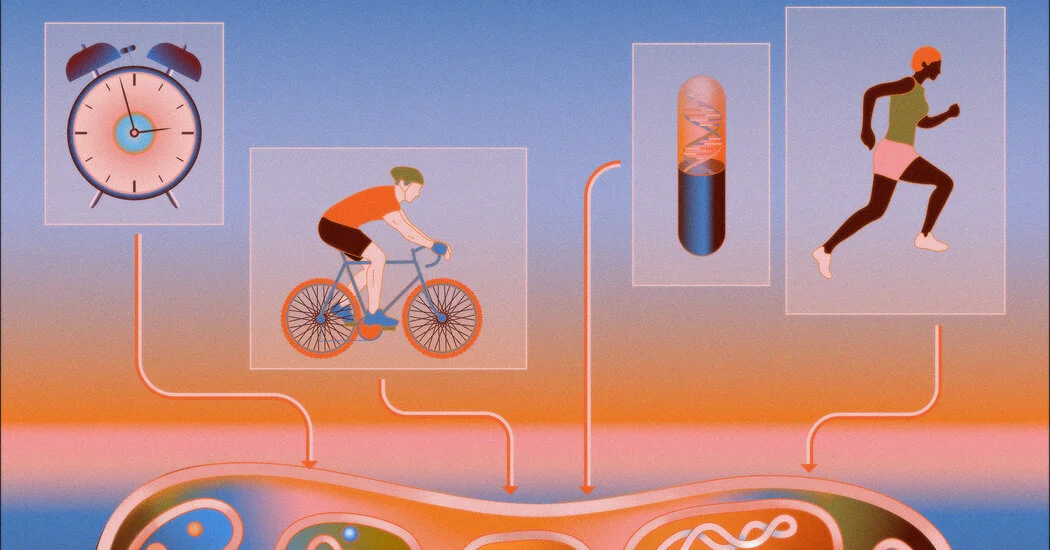
Disrupting the body's internal clock by inhibiting the circadian protein REV-ERBα in mice increases NAD+ levels, reduces tau pathology, and may offer a new approach to slowing or preventing Alzheimer's disease progression.
New research suggests that disrupting the circadian protein REV-ERBα can increase NAD+ levels and reduce tau buildup in mice, potentially offering a novel approach to slowing neurodegeneration in Alzheimer's disease by targeting the body's internal clock mechanisms.
NAD+ is a popular anti-aging treatment used by celebrities, which involves supplementing with nicotinamide adenine dinucleotide to boost cellular energy and repair, potentially increasing lifespan and improving overall health. It is mainly administered through IV therapy, with benefits including increased energy, mental clarity, and better sleep, though research is still in early stages.
NAD+ is a molecule crucial for cellular energy and skin health, supporting collagen production, hydration, and DNA repair. While topical NAD+ has limited penetration, skincare products often contain precursors like niacinamide that boost NAD+ levels, potentially improving skin elasticity, reducing inflammation, and reversing signs of aging. The article reviews various NAD+ skincare products, highlighting their ingredients and benefits.
A small clinical trial suggests that daily intake of vinegar may significantly reduce depressive symptoms in healthy adults, potentially through metabolic pathways involving vitamin B3 and cellular energy production, highlighting a simple, low-cost dietary approach to support mental health alongside traditional treatments.