Tag

Dosage

All articles tagged with #dosage

Essential Guide to Proper Supplement Use and Benefits

Originally Published 4 days ago — by The Guardian

Featured image for Essential Guide to Proper Supplement Use and Benefits
Source: The Guardian

This article emphasizes the importance of carefully choosing and correctly dosing supplements, highlighting that excessive intake of certain nutrients like vitamin D, calcium, and omega-3s can cause health problems. It advises consulting healthcare providers before starting supplements, checking for third-party certification, and being cautious of label inaccuracies and individual needs to avoid potential risks.

Top Signs and Foods to Boost Your Magnesium Levels

Originally Published 4 months ago — by Times of India

Featured image for Top Signs and Foods to Boost Your Magnesium Levels
Source: Times of India

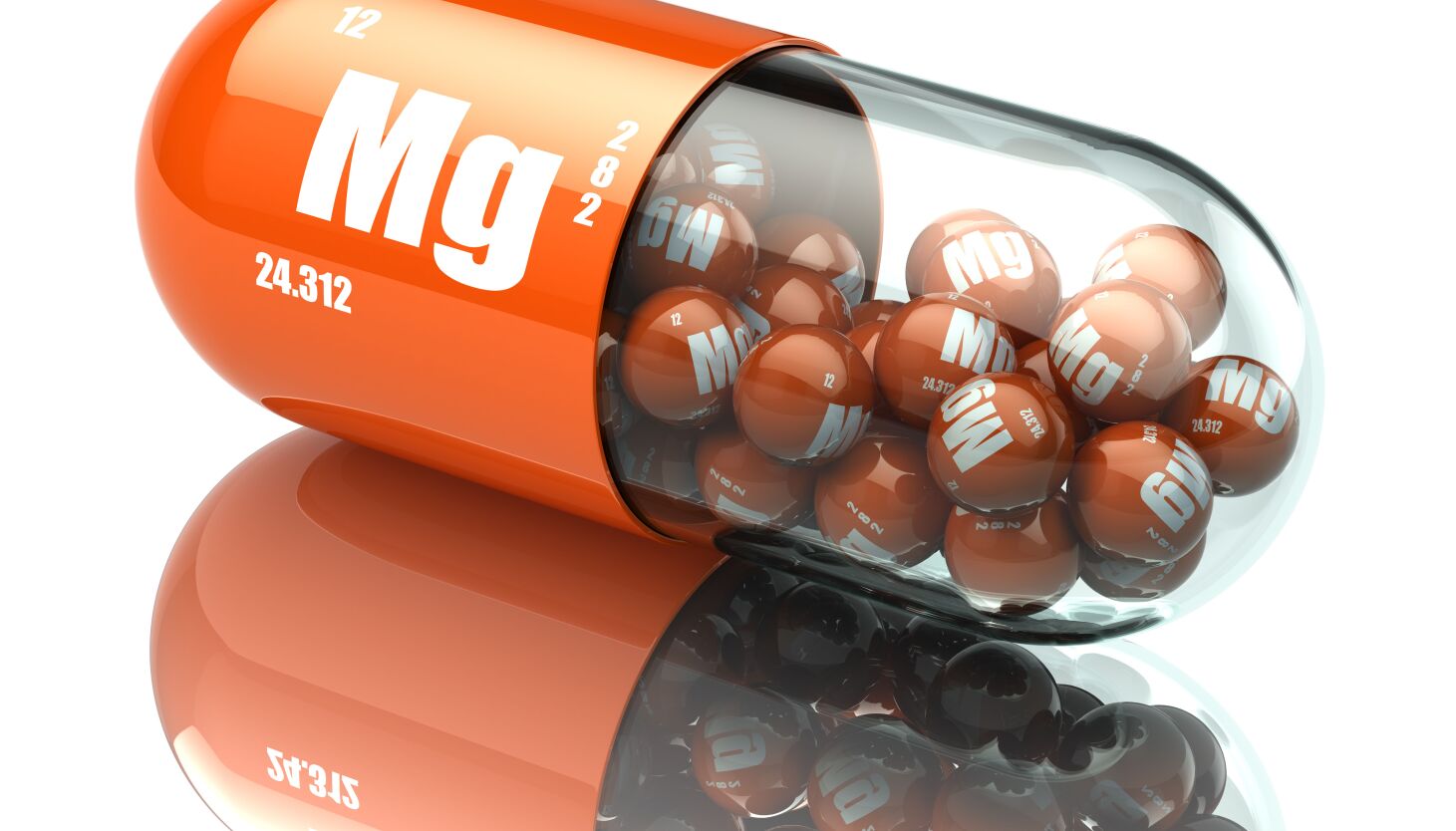
When buying magnesium supplements, consider the type of magnesium for your specific needs, check the elemental magnesium content on the label, avoid unnecessary additives, look for third-party testing or certifications for quality assurance, and ensure the dosage aligns with recommended daily allowances to avoid side effects.

Inaccurate Dosing Found in Children's Melatonin Supplements

Originally Published 1 year ago — by The New York Times

Featured image for Inaccurate Dosing Found in Children's Melatonin Supplements
Source: The New York Times

A recent study has found that melatonin supplements for children often contain inaccurate dosage information, with some products having significantly more or less melatonin than advertised. This discrepancy raises concerns about potential health risks for children who consume these supplements, as incorrect dosages can lead to adverse effects. Parents and healthcare providers are advised to exercise caution and verify the contents of melatonin products before use.

"Top Supplement Mistakes That Harm Your Health, Experts Warn"

Originally Published 1 year ago — by Well+Good

Featured image for "Top Supplement Mistakes That Harm Your Health, Experts Warn"
Source: Well+Good

A registered dietitian highlights six common mistakes people make with dietary supplements, including taking unnecessary supplements, incorrect dosages, wrong forms, interactions with medications, excessive ingredient lists, and doubling up on ingredients. She emphasizes the importance of consulting healthcare providers and getting regular blood tests to ensure safe and effective supplement use.

"The Magnesium Trend: A $20 Supplement That's Changing Lives"

Originally Published 1 year ago — by Deseret News

Featured image for "The Magnesium Trend: A $20 Supplement That's Changing Lives"
Source: Deseret News

Magnesium supplements have gained attention for potential health benefits, including improved sleep, bone health, anxiety and depression relief, migraine relief, and heart health. While magnesium deficiency is rare, it can be caused by certain conditions. Overdosing on magnesium is rare but can lead to side effects. The recommended daily magnesium doses vary by age and gender, and incorporating magnesium-rich foods into the diet is a simple way to prevent deficiency.

Unveiling the Truth About Vinegar: Benefits, Myths, and Practical Uses

Originally Published 1 year ago — by CNET

Featured image for Unveiling the Truth About Vinegar: Benefits, Myths, and Practical Uses
Source: CNET

Apple cider vinegar has a long history of use and shows promising health benefits, including potential effects on blood sugar, weight loss, harmful bacteria, and cholesterol levels. However, it may also have side effects such as tooth enamel erosion and throat damage if consumed undiluted. The recommended dosage varies depending on the intended use, and it's important to consult a doctor before using apple cider vinegar, especially for those with diabetes or on medication.

The Pros and Cons of Taking Ashwagandha Daily

Originally Published 2 years ago — by Health.com

Featured image for The Pros and Cons of Taking Ashwagandha Daily
Source: Health.com

Ashwagandha, a popular botanical supplement, has various reported health benefits, but experts recommend taking it safely and not long-term. The dosage and frequency of ashwagandha supplements vary, and it is important to consult a healthcare provider for guidance. While generally regarded as safe, taking too much ashwagandha can cause side effects such as sleepiness, gastrointestinal distress, and fatigue. There have been rare reports of liver toxicity associated with ashwagandha consumption. People with certain health conditions or taking specific medications should avoid ashwagandha. It is crucial to approach ashwagandha as a supplement and consult a physician when taking prescription medications alongside it.

Unveiling the Truth Behind Sleep Supplements: Side Effects and Efficacy Revealed

Originally Published 2 years ago — by USA TODAY

Featured image for Unveiling the Truth Behind Sleep Supplements: Side Effects and Efficacy Revealed
Source: USA TODAY

Melatonin supplements can be helpful for sleep-related issues, but it's important to be aware of potential side effects. While side effects are rare, higher doses can increase the risk. Some possible side effects include headache, nausea, dizziness, vivid dreams, dry mouth, and itchy skin. Taking excessive doses can lead to rebound insomnia, irritability, depression, and prolonged sedation. Melatonin can also interact with certain medications, so it's important to avoid it in certain conditions and consult with a healthcare professional.

"Pregabalin vs. Gabapentin: Which is the Superior Medication?"

Originally Published 2 years ago — by Verywell Health

Featured image for "Pregabalin vs. Gabapentin: Which is the Superior Medication?"
Source: Verywell Health

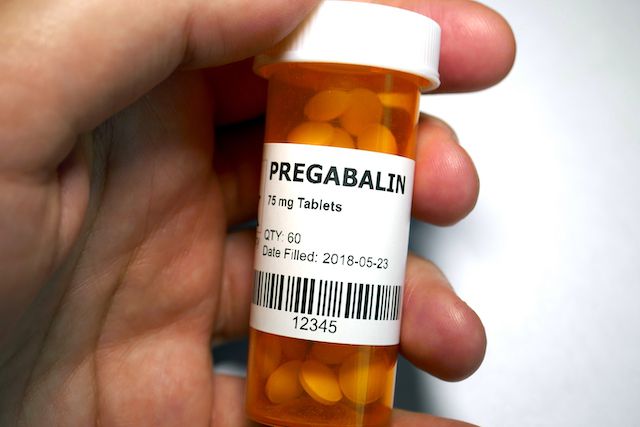
Pregabalin and gabapentin are similar drugs belonging to the anticonvulsant class, but they have different FDA-approved indications and dosages. While both are used to treat postherpetic neuralgia and partial seizures, pregabalin has additional approvals for fibromyalgia and nerve pain. Healthcare providers often prescribe these medications off-label for conditions like anxiety disorders. Pregabalin is more potent than gabapentin on a per-milligram basis and comes in lower strengths. The dosages for both drugs depend on the condition being treated, and they have similar side effects. Pregabalin is a controlled substance, while gabapentin is not. It's important to consult a healthcare provider for proper dosing and to discuss any potential interactions or side effects.

The Risks of Overdosing on Melatonin Supplements.

Originally Published 2 years ago — by Lifehacker

Featured image for The Risks of Overdosing on Melatonin Supplements.
Source: Lifehacker

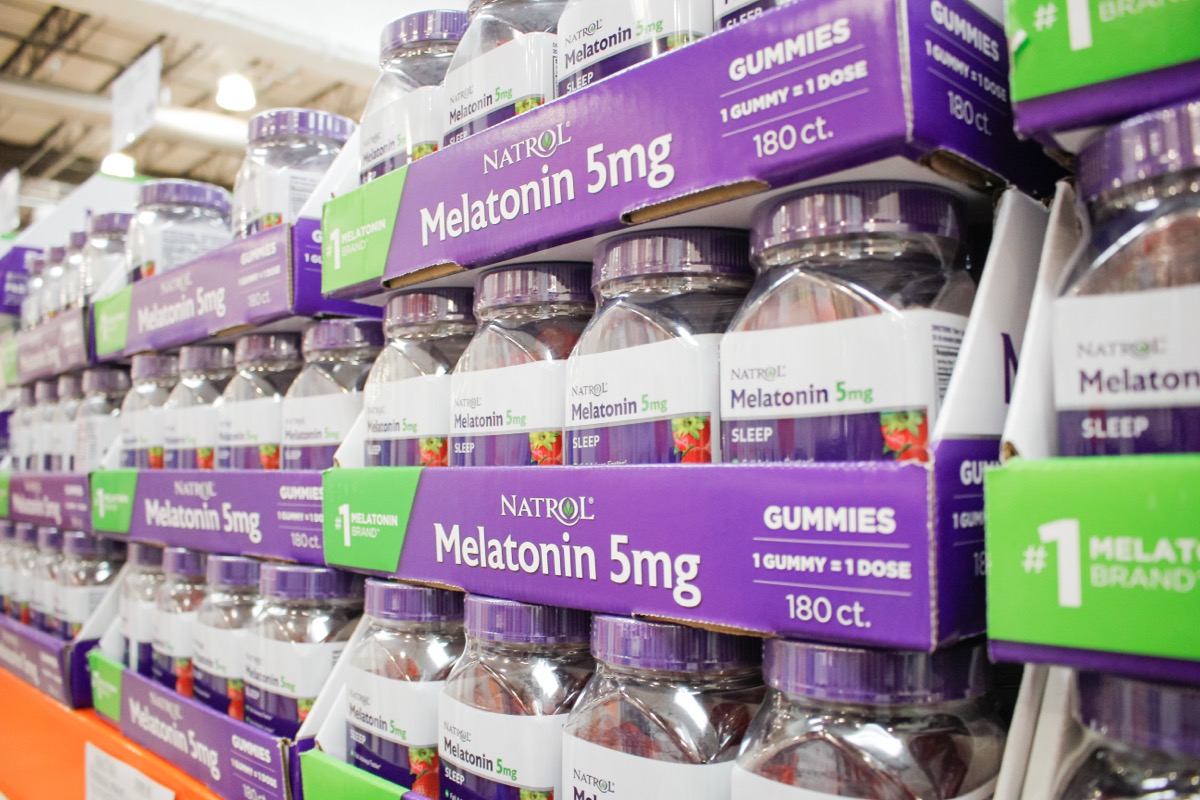
A recent study found that many melatonin gummies contain more of the hormone than advertised, with only three out of 25 samples having a dosage within 10% of what was listed on the label. Taking too much melatonin can lead to grogginess, desensitization, and other potential side effects. The study did not name the brands tested and only analyzed gummies, so it's unclear whether other products may be more accurately dosed. Experts recommend using behavioral interventions for children with sleep issues rather than relying on melatonin supplements.

The Risks of Overusing Melatonin for Sleep

Originally Published 2 years ago — by Best Life

Featured image for The Risks of Overusing Melatonin for Sleep
Source: Best Life

Taking too much melatonin can disrupt your circadian rhythms, cause nausea, raise blood pressure, and give you a headache. The usual safe and effective dose range is 0.5 mg to 5 mg at bedtime, and taking 8-10 milligrams for up to six months can be helpful for some people with severe sleep issues. However, it's important to be mindful of your dosages, as excess melatonin can lead to poorer quality sleep and potentially cause poisoning.