
Russia tightens grip on Telegram as Durov feud deepens
Russia escalates regulatory pressure on Telegram as tensions with founder Pavel Durov deepen, signaling a broader clampdown on the messaging platform.

All articles tagged with #regulation
Russia escalates regulatory pressure on Telegram as tensions with founder Pavel Durov deepen, signaling a broader clampdown on the messaging platform.

Public sentiment toward AI is turning negative as voters worry about children’s safety, job displacement, surveillance, and the energy costs of data centers; polls show high distrust of AI and skepticism about corporate use, with governors noting a looming political backlash that could shape 2028 elections.
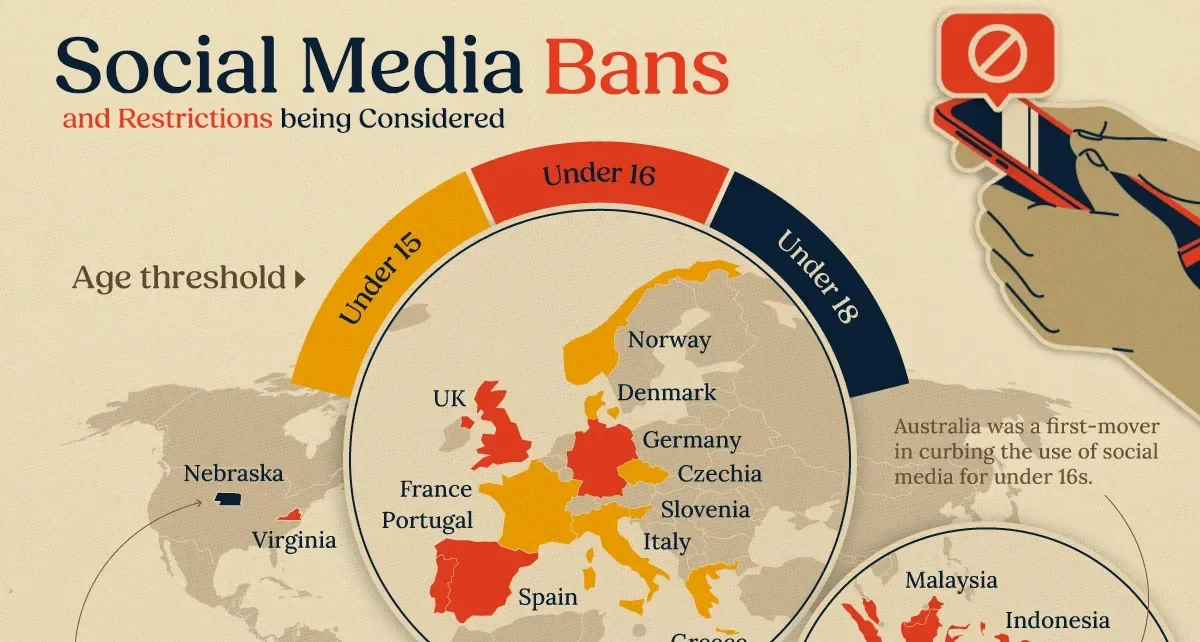
Governments worldwide are increasingly enacting or considering minimum-age rules for social media, mostly targeting 15–16-year-olds and often requiring age verification or parental consent; Australia led with a nationwide under-16 ban in 2025, while several European countries (e.g., France, Portugal) and U.S. states are moving toward similar thresholds or feature restrictions to address online safety and teen mental health, though approaches and enforcement vary.

Live Science’s interview with bioethicist Daphne Martschenko and sociologist Sam Trejo highlights that consumer genetic tests and polygenic embryo screening are advancing, but their predictive power is limited and often ancestry-biased. The pair debunks the 'destiny' myth, notes transparency and data-quality gaps, and cautions that embryo selection for non-medical traits could widen social inequities. They advocate for regulation and clearer communication of limitations to help the public make informed choices.”,

Mind is launching a year-long commission in England and Wales to examine the risks, safeguards, and opportunities of AI in mental health, gathering doctors, patients, policymakers and tech companies to shape a safer digital ecosystem after a Guardian investigation found Google’s AI Overviews could give dangerously misleading medical advice to billions of users.

Trump rolled back Biden-era tightening of the Mercury and Air Toxics Standard, restoring coal plants to the 2012 rule and potentially exempting the industry from stricter limits. EPA estimates the rollback would save about $78 million annually (2028–2037), while the tighter 2024 standard would have cut mercury emissions about 23% by 2035. Environmental groups vow to appeal, warning that plants could ease pollution controls and monitoring to save money, with potential impacts on public health and grid reliability.
The U.S. regulatory fight over prediction markets such as Kalshi and Polymarket is intensifying, with advocates arguing the platforms offer fair, investor-driven markets and regulators pressing for state-agnostic gambling laws; Kalshi operates nationwide while Polymarket, banned in 2022, has returned in a limited form. Dozens of lawsuits target Kalshi, the CFTC asserts exclusive authority, and lawmakers on both sides of the aisle are weighing actions—signaling a long, contentious battle rather than a quick resolution.

Prediction-market platforms Polymarket and Kalshi are expanding rapidly, but experts warn their limited safeguards could fuel problem gambling, especially among young men, as users report substantial losses and regulators consider stricter rules; platforms are beginning to offer limits and partnerships to address the issue.
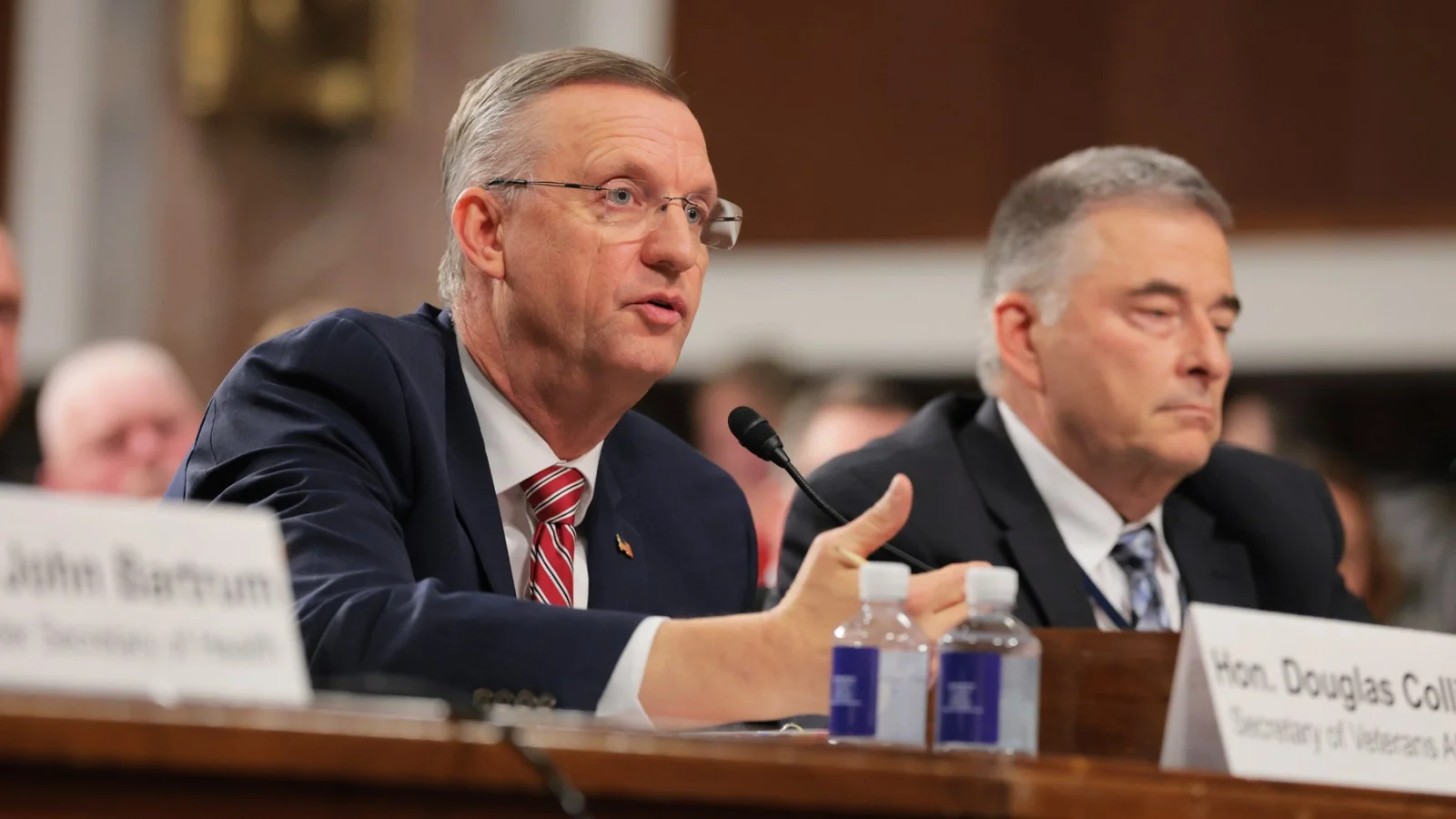
Rolling Stone reports that the VA issued an interim final rule to rate disabilities partly by medications used to treat conditions and by a veteran’s earning capacity, potentially cutting disability and pension payments. The change departs from decades of rating based on medical impairment and cites the 2025 Ingram v. Collins decision; veterans groups oppose it, arguing it reduces benefits, while VA officials say it formalizes longstanding practice. The rule is part of broader reforms such as Project 2025 and could impact a significant share of VA spending.
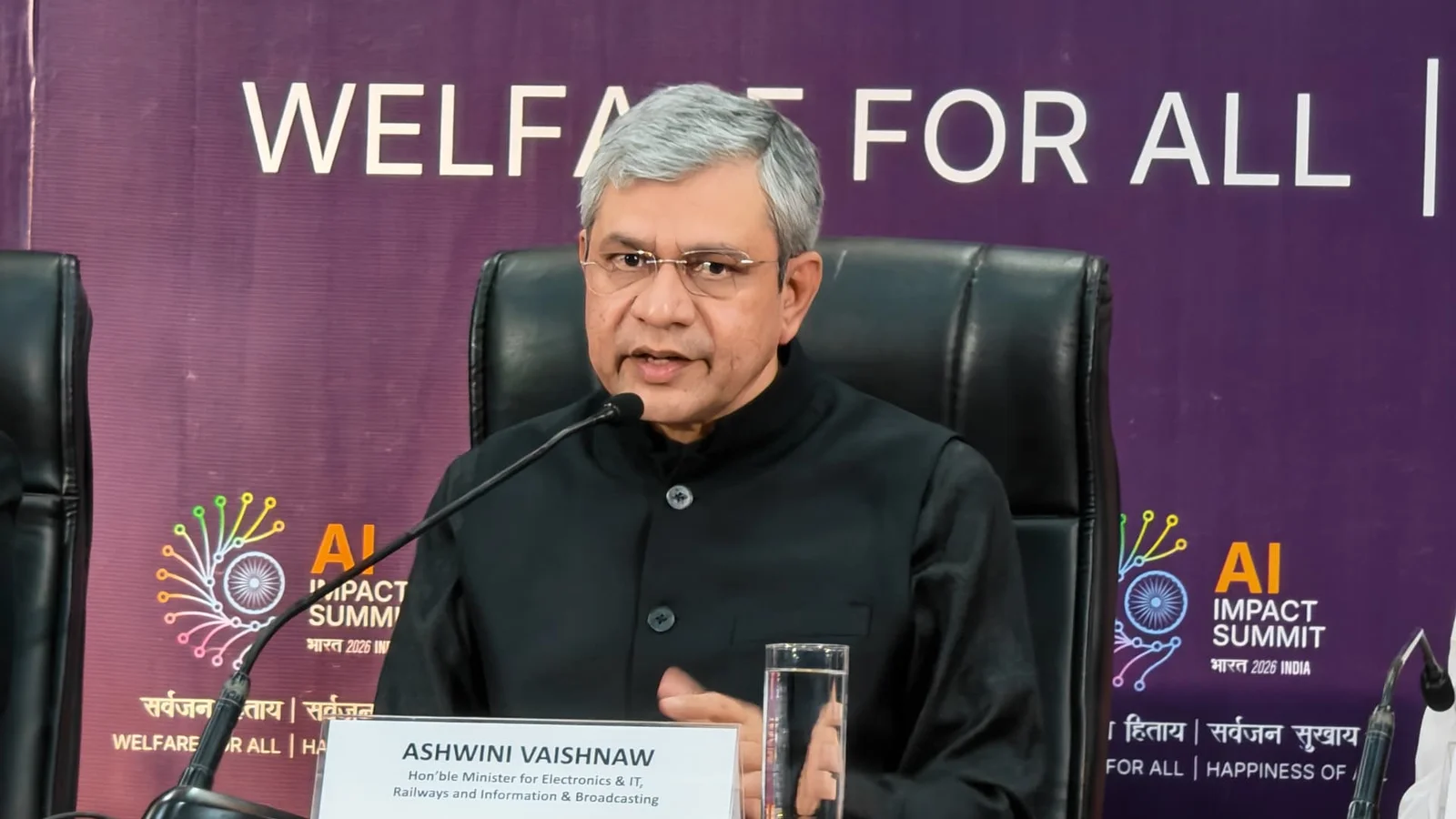
India’s IT minister said the government is in talks with social media platforms on implementing age-based restrictions and related regulation, including concerns around deepfakes; no platforms were named, and the move mirrors global debates after Australia banned under-16s, potentially impacting Meta, Google and other platforms with large Indian audiences.
CFTC Chair Michael Selig argues prediction markets are federally regulated, filing a court brief that counters state gambling laws and places Kalshi and Polymarket under federal oversight, a move that could reshape how sports betting and related platforms are governed.

A global survey of 4,658 adults across 15 countries finds stablecoins, pegged to the dollar and totaling about $300 billion in market cap, are shifting from a trading tool to everyday money used for payments, payroll, and savings. Among crypto users, 54% held stablecoins in the past year and 56% plan to acquire more; freelancers earn roughly 35% of their income in stablecoins, and about three-quarters say it improves cross-border work. Holders allocate about one-third of their savings to crypto/stablecoins, with higher uptake in lower-income regions like Africa. About 52% have bought something specifically because a merchant accepts stablecoins, highlighting growing merchant acceptance. Regulators are moving to clarify rules, potentially accelerating adoption."
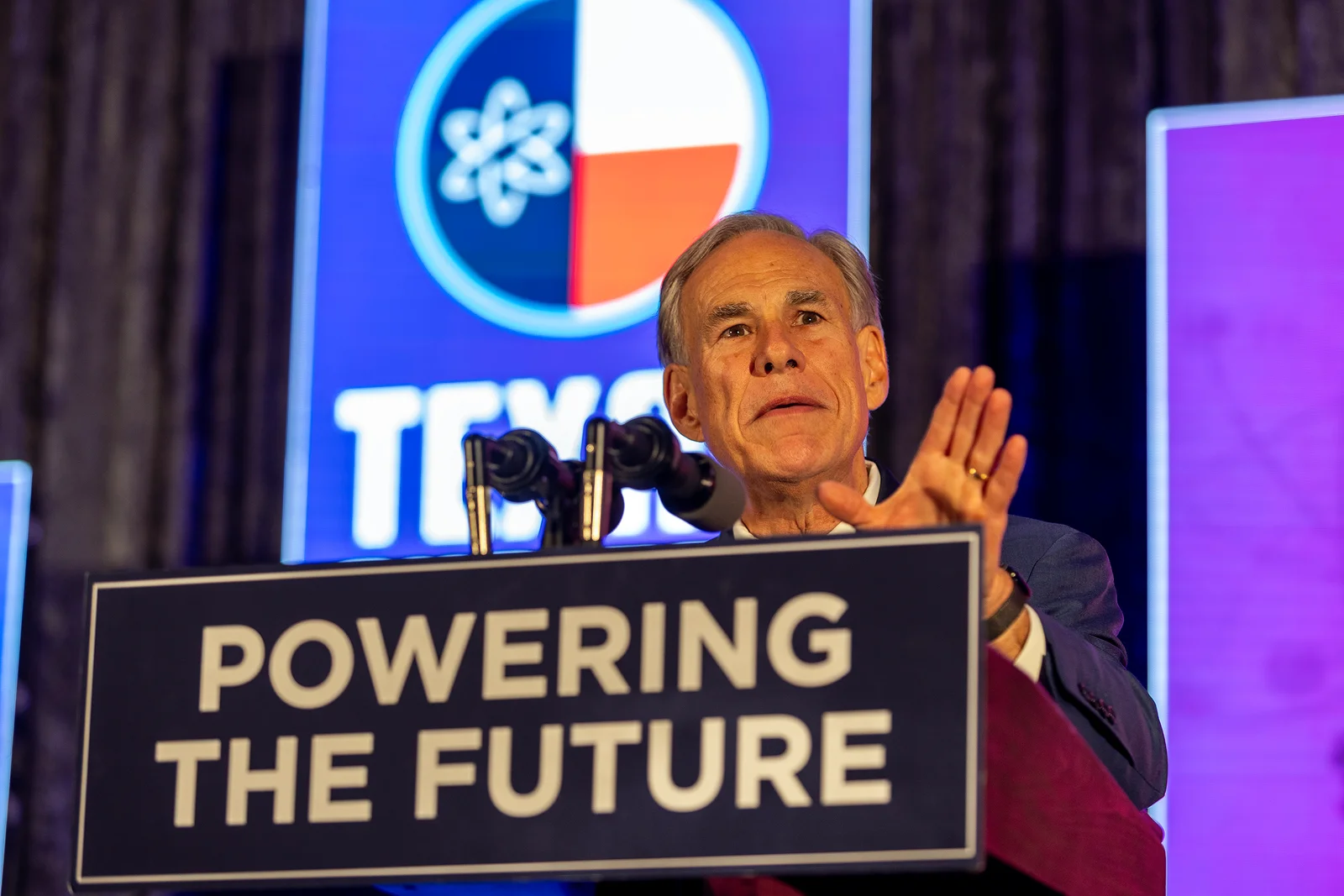
Texas has become a leading test bed for small modular reactors (SMRs), with several designs moving from study to test phases and government backing aiming to strengthen the state’s grid as demand could rise sharply by 2050. Projects include Natura Resources’ 1‑MW molten‑salt test in Abilene and Aalo Atomics’ 10‑MW sodium‑cooled units, plus X-energy’s plan for four 80‑MW reactors at Seadrift, backed by federal funding and state legislation. However, critics warn about high upfront costs, licensing timelines, and unresolved nuclear-waste questions, so deployment hinges on cost reductions, financing, and regulatory reform.
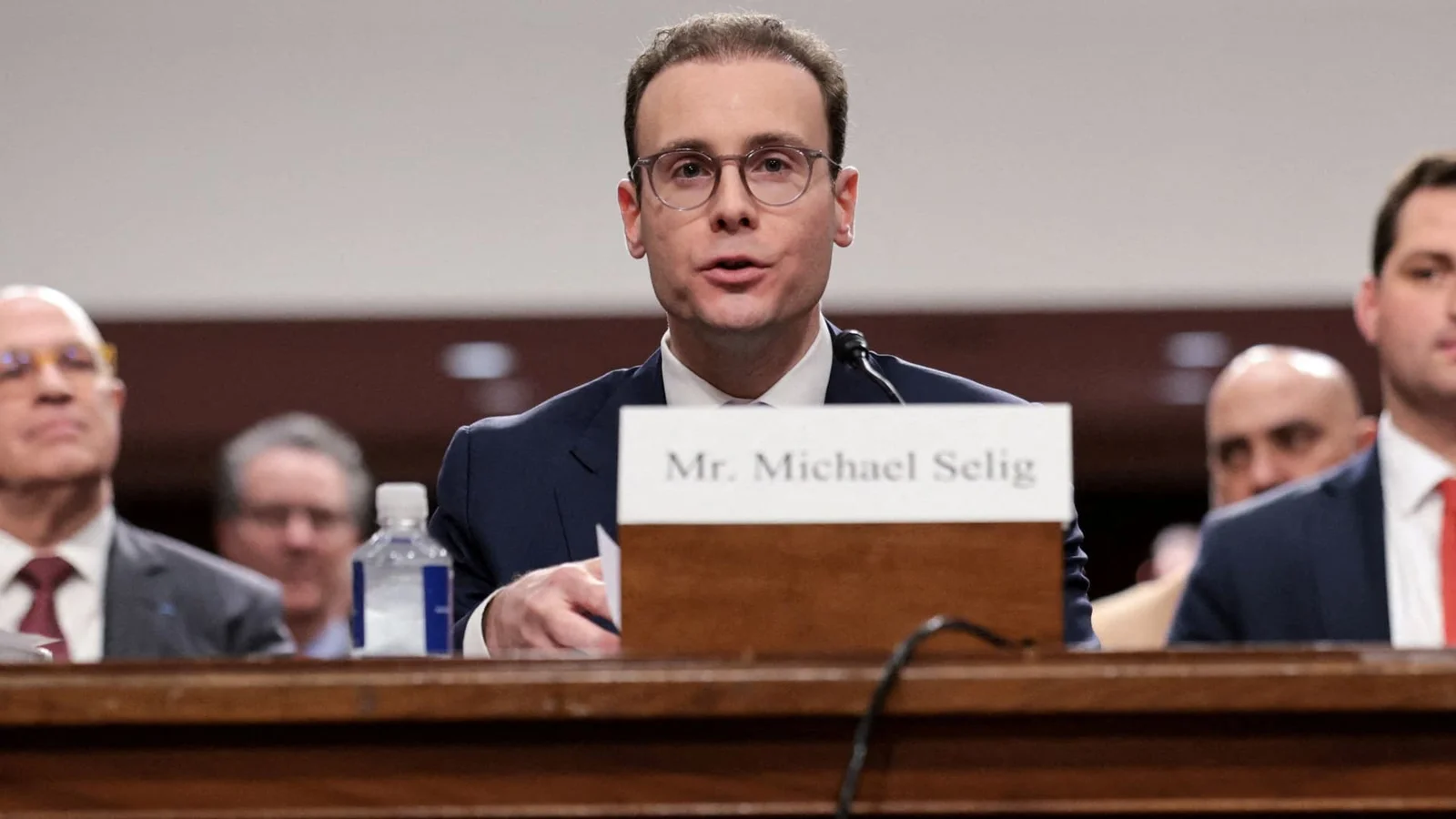
The CFTC, led by Chair Michael Selig, filed an amicus brief in federal court asserting exclusive federal jurisdiction to enforce and regulate prediction markets, arguing these event contracts are swaps under CFTC rules. With nearly 50 active cases against platforms like Kalshi and Polymarket, the agency aims to curb state prohibitions and hints at new rules, while preparing to defend its authority in court, including a related Ninth Circuit case involving Crypto.com and the Nevada Gaming Control Board.
The UK is moving to tighten its online-safety laws to explicitly cover AI chatbots, expanding regulatory reach over how AI is used and presented online.