The Samsung Galaxy S26 Edge is expected to feature a thinner design and a larger battery, potentially up to 4,200mAh, though recent leaks suggest it may not be as slim as previously rumored. The device is also associated with high-end Qualcomm processors and may use traditional lithium-ion batteries instead of silicon-carbon technology, indicating possible changes in its design and capacity. Despite uncertainties, it may still offer better endurance than the iPhone 17 Air.
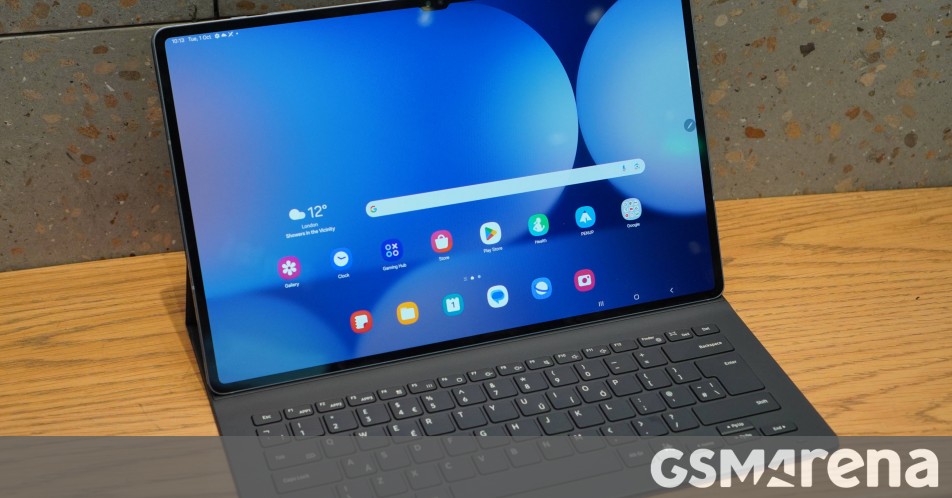
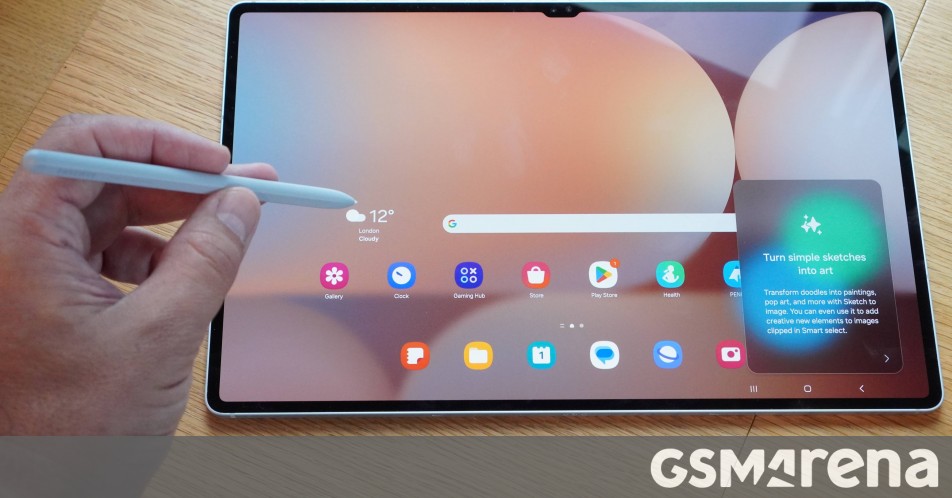
Samsung's upcoming Galaxy Tab S11 Ultra has been certified in China, supporting 45W charging and rumored to feature a MediaTek Dimensity 9400+ chip and an 11,600 mAh battery. The Galaxy A07 has also been certified in Singapore, with details about its specifications still unconfirmed, but expected to include a MediaTek Helio G99 processor and Android 15.
The Samsung Galaxy Tab S11 Ultra has been certified, revealing an 11,600 mAh battery supporting 45W charging, powered by a MediaTek Dimensity 9400+ chipset with 12GB RAM, and running Android 16 with One UI 8.
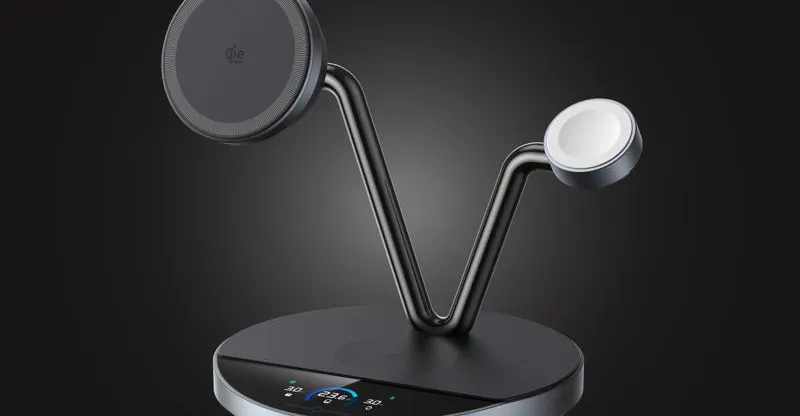
The Wireless Power Consortium has certified eight new Qi2.2 wireless charging products, including power banks and stands, with speeds increasing to 25W. Although products are not yet on sale, several companies like Ugreen, Baseus, Belkin, and others are preparing to launch Qi2.2-compatible devices, which could boost adoption among manufacturers.
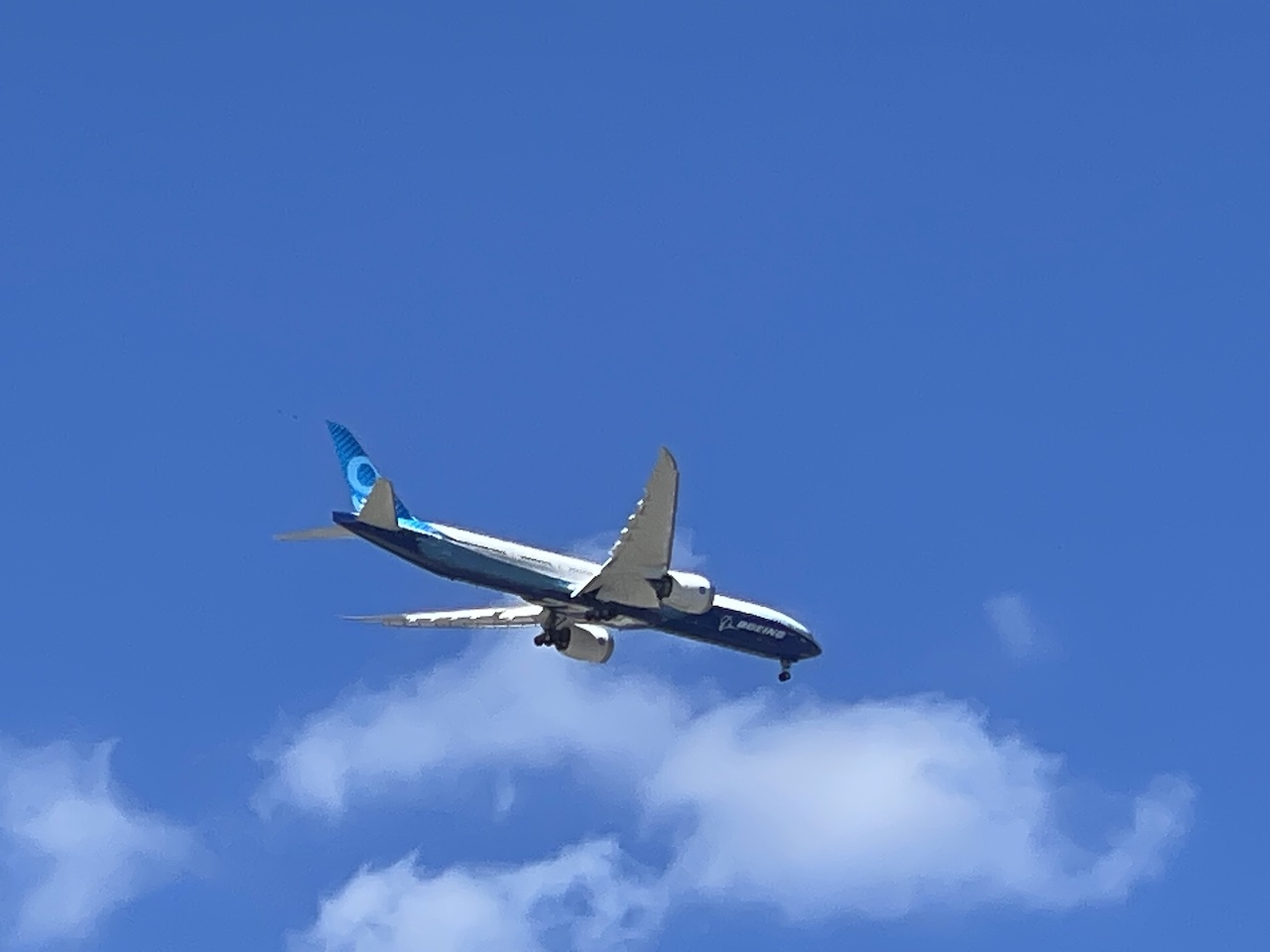
Boeing's 777X program has begun certification flights with the FAA, signaling progress towards its 2025 delivery goal. This development highlights the FAA's independent evaluation of Boeing's aircraft models, separating the 777X from the troubled 737-MAX. The successful certification is crucial for Boeing's competitiveness against Airbus and for maintaining a robust air travel market.
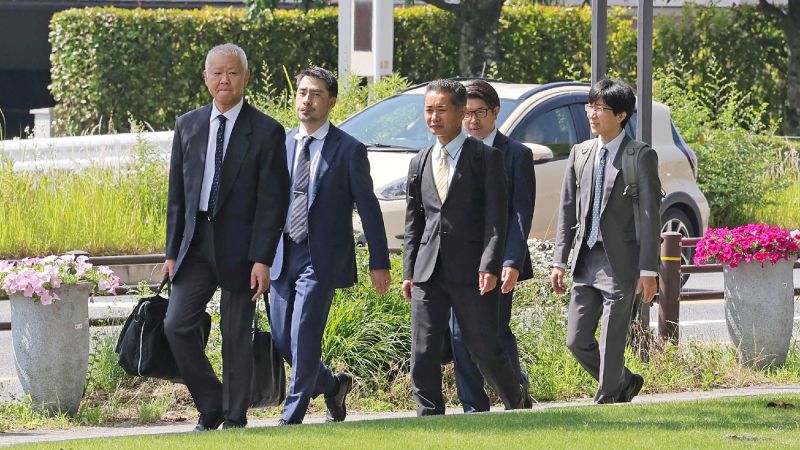
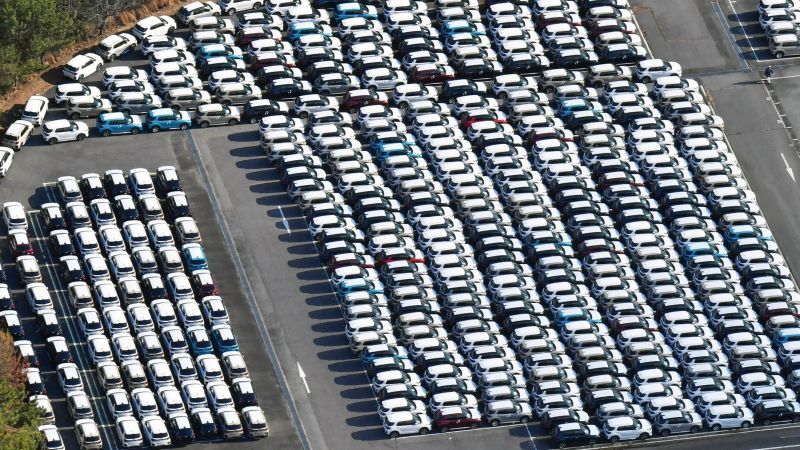
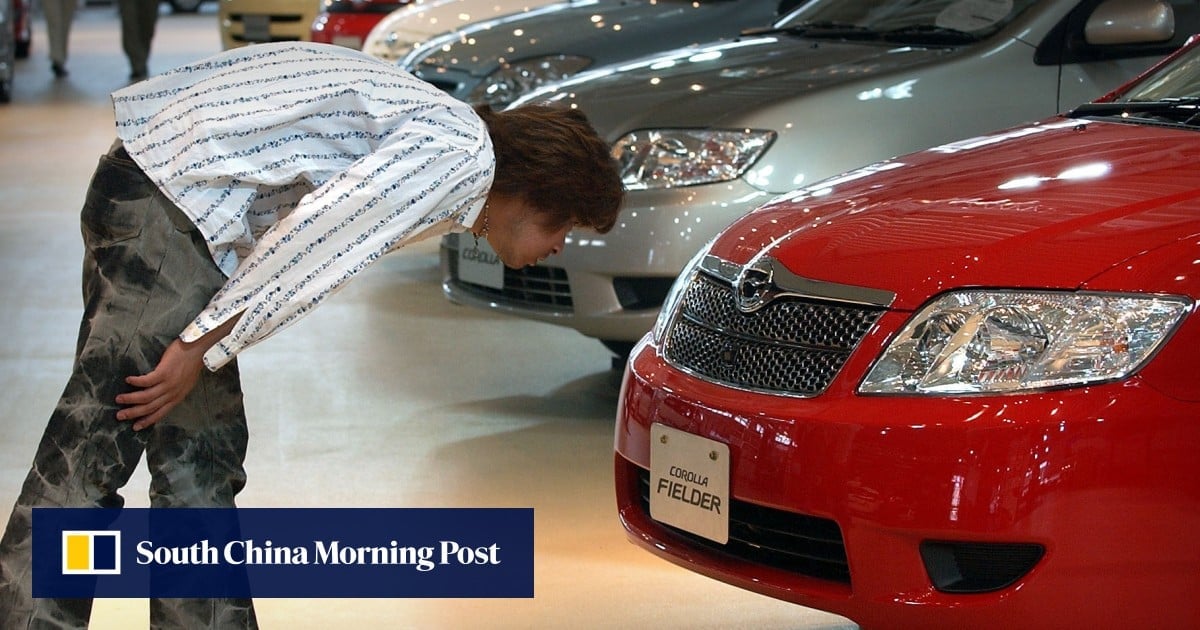
Japanese officials are inspecting Toyota's headquarters following a safety test scandal involving multiple automakers, including Toyota, Mazda, Honda, Suzuki, and Yamaha, who submitted incorrect or manipulated safety test data. Toyota has suspended shipments of some models and is reviewing its safety certification processes. The scandal has become a significant issue for Toyota, despite the company stating that it has not violated safety regulations and that customers do not need to stop using their cars.
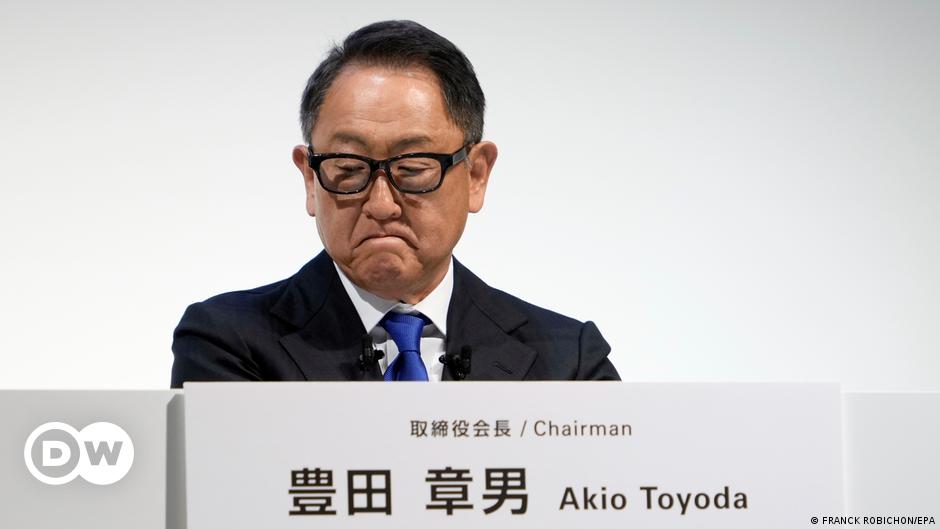
Toyota Motor Corporation has admitted to cheating on certification and safety tests for seven car models sold in Japan, three of which are still in production. Chairman Akio Toyoda apologized, and the company has temporarily halted shipments and sales of the affected models. The issue does not impact the non-Japanese market, but it poses a significant challenge for Japanese car manufacturers. Similar issues have been reported by Mazda and Honda, though all companies assert that the vehicles still meet safety regulations.
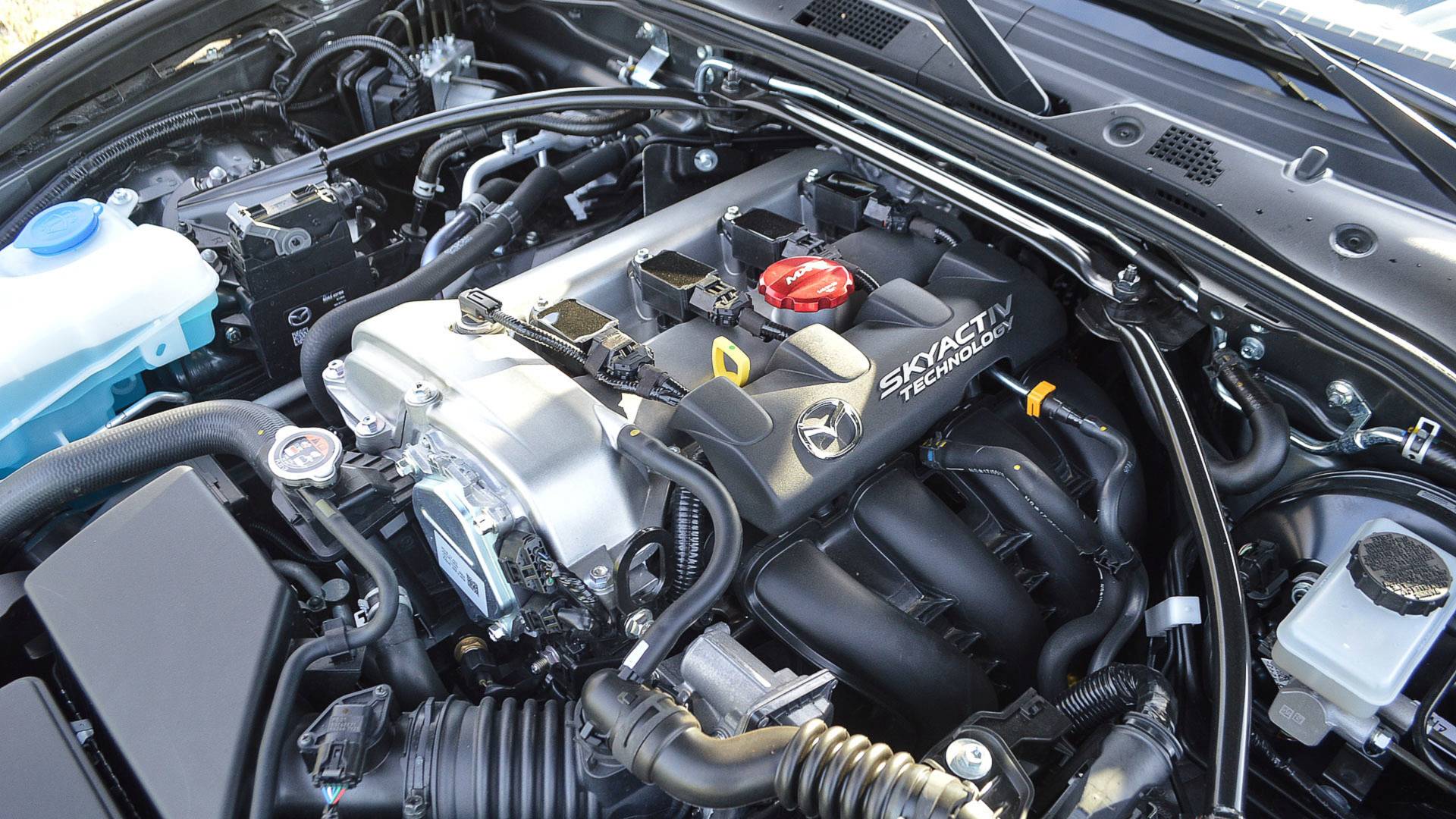
Mazda has paused sales of the MX-5 Miata RF in Japan due to discrepancies in engine control software used during certification versus production. The issue affects 10,930 cars produced since June 2018, with 10,760 already delivered. Mazda is rewriting the software to match the production version and assures customers the vehicles are safe. Similar issues affect the Mazda2, Mazda6/Atenza, and previous-generation Mazda3/Axela.
Toyota, Mazda, and other Japanese automakers have halted shipments of some vehicles after Japan's transport ministry found irregularities in safety test data used for certification. The scandal, which also involves Honda, Suzuki, and Yamaha, has led to calls for Toyota's chairman to step down and has impacted the companies' stock prices. The misconduct includes manipulated test results and incorrect certification processes, but no performance issues that violate regulations have been found.
Japan's car safety scandal has intensified as Toyota halts the sale of three car models due to falsified safety data. Other major automakers, including Honda, Mazda, Yamaha, and Suzuki, are also implicated in the scandal. The Japanese transport ministry has identified 32 vehicles with incorrect certifications and is conducting an on-site investigation at Toyota's headquarters. The scandal has led to a significant drop in the shares of the involved companies and a deepening crisis of trust in Japan's automotive industry.
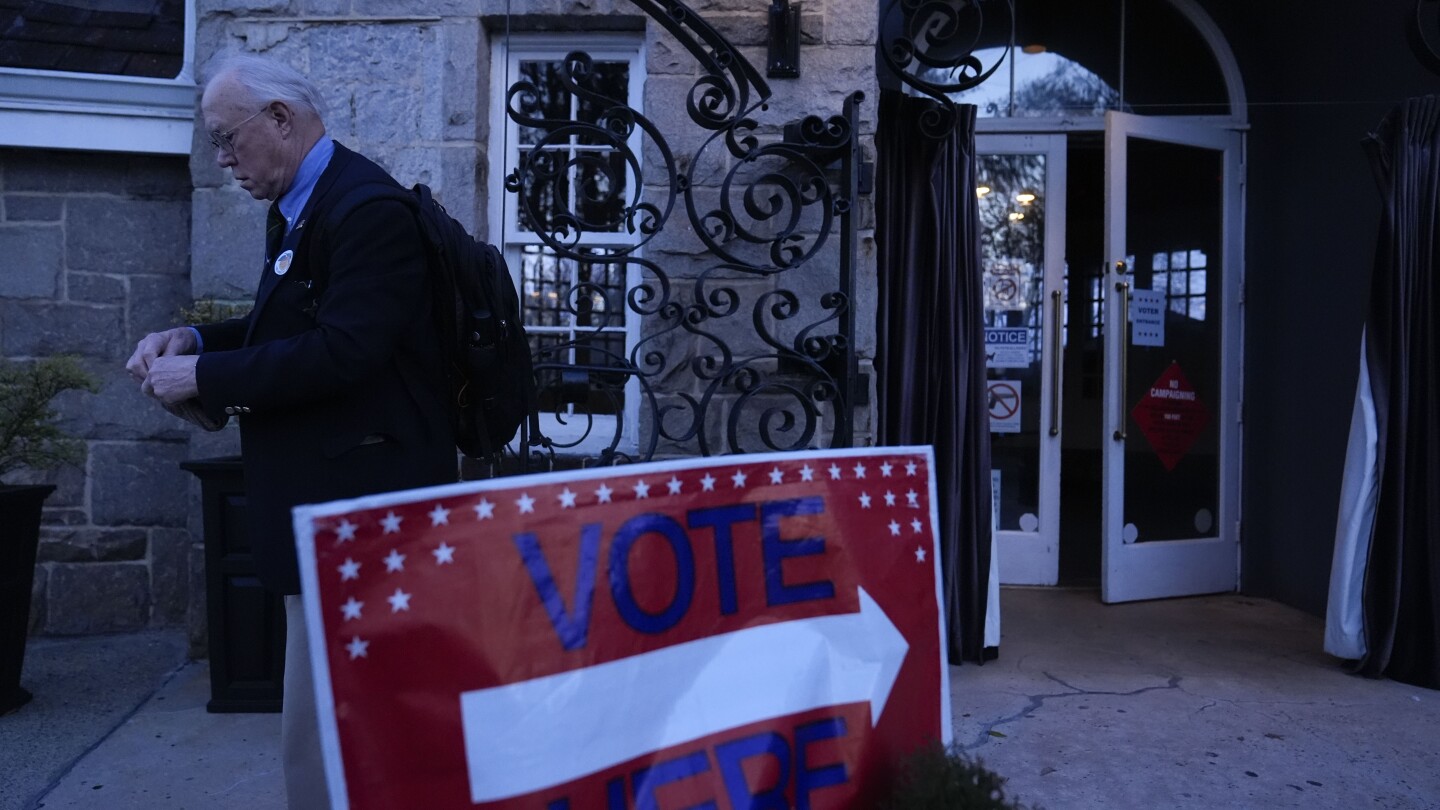
A Republican-appointed member of Georgia's Fulton County election board, Julie Adams, abstained from certifying the May 21 primary election results, citing previous election administration issues and arguing for more control and transparency. Adams' lawsuit seeks a legal ruling allowing county election boards to refuse certification, a move criticized by Democrats as a tactic to block future election certifications. The board's other members, including another Republican, voted to certify the results, and the lawsuit remains unresolved.
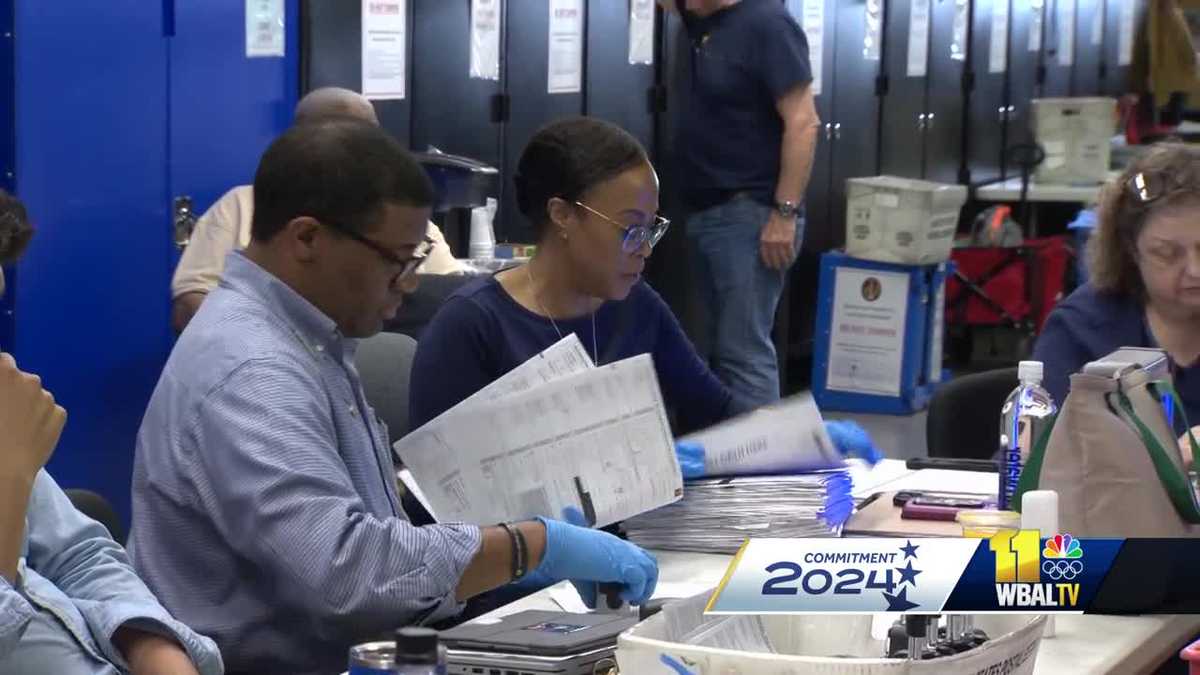
Baltimore City will not meet the state deadline to certify election results as the Board of Elections continues to process remaining ballots, including overseas and provisional ones. Despite this, three new Democratic nominees for the City Council, Zac Blanchard, Paris Gray, and Jermaine Jones, have declared victory in their respective districts. The official certification is expected to occur next Tuesday.
After the successful debut of the Vulcan rocket, United Launch Alliance faces uncertainty over its next launch due to payload readiness, particularly the Dream Chaser spacecraft for Sierra Space. The company aims to obtain certification from the Space Force for national security payloads, but the spacecraft's potential delay may lead to alternative launch options. Additionally, ULA is eager to exit the certification phase and begin flying contracted missions, but the availability of BE-4 rocket engines remains a pacing item in the supply chain. ULA has reportedly sought an expedited certification process from the Space Systems Command based on the rocket's initial launch data, similar to SpaceX's single-flight certification for the Falcon Heavy rocket in 2018.
The Pixel Watch 3 has been spotted for battery certification, revealing a slight increase in capacity to 307mAh, only marginally higher than its predecessor. Despite hopes for improved battery life, the listing suggests minimal enhancements, although rumors hint at potential improvements later this year. Additionally, the device may feature a digital bezel and a larger size variant, addressing previous issues with the series.
The FAA is increasing its oversight of United Airlines following a series of safety incidents, with potential delays in certification activities and a closer review of the carrier's safety processes. United's corporate safety vice president acknowledged the need for a closer evaluation and welcomed the FAA's engagement. The increased oversight comes after a string of safety incidents involving United aircraft, including missing parts, landing mishaps, and engine issues.