Tag

Nutrient Deficiencies

All articles tagged with #nutrient deficiencies

health2 months ago

8 Nutrient Deficiencies in Women: Signs and Dietary Tips

Modern diets and lifestyles have led to common nutrient deficiencies in women, including zinc, magnesium, vitamin C, omega-3s, iron, vitamin D, calcium, and vitamin B12. Recognizing signs like fatigue, skin issues, or mood changes and incorporating nutrient-rich foods such as seeds, fruits, vegetables, and animal products can help address these deficiencies naturally. Regular blood tests and professional guidance are recommended for optimal health.

health3 months ago

Longevity Expert Warns of 5 Key Nutrient Deficiencies Impacting Health and Lifespan

Nutrient deficiencies, such as iron, vitamin D, folate, selenium, and omega-3s, can significantly impact long-term health and lifespan by increasing vulnerability to diseases and accelerating aging processes. Experts recommend getting tested to identify deficiencies and adjusting diet or supplements accordingly, but caution against excessive intake.

health-and-wellness6 months ago

7 common mistakes vegans make that cause fatigue

The article outlines seven common mistakes vegans make that can lead to fatigue, including under-eating calories, neglecting vitamin B12 and iron, consuming processed carbs, ignoring omega-3s, sacrificing sleep, and not monitoring health data. It offers practical tips to address these issues, emphasizing balanced nutrition, supplementation, sleep hygiene, and regular health check-ins to maintain energy and well-being on a vegan diet.

health7 months ago

Medical Research Links Veganism to Mental Health Effects

A comprehensive review highlights that vegan diets may increase risks of depression, anxiety, and other mental health issues, primarily due to nutrient deficiencies like vitamin B12, zinc, iron, vitamin D, and calcium. Vulnerable groups such as women and pregnant women are particularly affected, and the rise of orthorexia nervosa among vegans is concerning. Experts emphasize the importance of proper planning and supplementation to mitigate these risks while acknowledging the health and environmental benefits of plant-based diets.

health1 year ago

Study Reveals Toxic Metals in Prenatal Vitamins Linked to Autism Risk

A study published in The American Journal of Clinical Nutrition reveals significant deficiencies and toxic metal contamination in prenatal vitamins. Researchers found that many products lack adequate levels of essential nutrients like choline and iodine, while some exceed safety limits for toxic metals such as arsenic, lead, and cadmium. The findings highlight the need for stricter quality controls and regulatory oversight in the supplement industry to ensure the safety and efficacy of prenatal vitamins.

health-and-wellness2 years ago

"Boost Your Energy with 5 Iron-Rich Veg Recipes for Winter"

As winter approaches, it's important to make dietary changes to stay healthy and energized. Iron-rich foods are particularly beneficial during this season to combat nutrient deficiencies and boost immunity. Vegetarian options like spinach, lentils, tofu, cashews, and pumpkin seeds are excellent sources of iron and can be incorporated into various recipes such as palak dal, stuffed chickpea paratha, tofu bhurji, cashew balls, and roasted pumpkin seeds. These recipes provide a delicious way to increase iron intake and combat feelings of sluggishness during winter.

health2 years ago

The Hidden Dangers of Nutrient Deficiencies for Heart Health

Nutrient deficiencies can impact heart health, and some common deficiencies include magnesium, potassium, vitamin D, calcium, and B vitamins. Magnesium deficiency is associated with high blood pressure, while low potassium levels can lead to cardiac rhythm abnormalities. Inadequate vitamin D levels increase the risk of heart attacks and strokes, while low calcium levels can raise blood pressure. B vitamins, particularly B6, B9, and B12, are known to boost heart health. Including foods rich in these nutrients or consulting a doctor for supplements can help maintain a healthy heart.

health2 years ago

"Unlocking the Power of Vitamin Supplements: A Comprehensive Guide"

Taking vitamin supplements can help address nutrient deficiencies, detoxify the body, reduce nutrient imbalances, and meet increased nutritional demands caused by factors such as over farming and dietary changes. They can also support the body's needs during illness, high stress levels, and regular exercise. However, it is important to remember that supplements should not replace a balanced diet.

health2 years ago

"Simple DIY Test for Low Stomach Acid: Identify and Treat the Issue"

Symptoms such as heartburn and a sour taste in the mouth may actually be caused by low stomach acid, rather than too much. Low stomach acid, or hypochlorhydria, can lead to poor digestion, bloating, undigested food in stools, chronic constipation or diarrhea, nutrient deficiencies, fatigue, hair loss, brittle nails, increased risk of food poisoning, and nausea. An easy at-home test involves taking hydrochloric acid (HCL) and pepsin capsules with a meal and monitoring for a warming sensation. Apple cider vinegar and foods high in B-12 and zinc can also help restore stomach acid levels. One woman's success story highlights how addressing low stomach acid improved her energy levels and overall health.

health2 years ago

Uncovering the Truth Behind Hair Loss

Hair loss can be caused by genetics, hormonal imbalances, stress, and nutrient deficiencies. Treatments for hair loss include medication, red light therapy, and hair transplant surgery. Hair loss caused by cancer treatment is typically unavoidable, but wearing a cooling cap and avoiding hair damage can help manage hair loss. Nutrient deficiencies, such as biotin, iron, protein, and zinc, can lead to hair loss over time. If your hair starts to thin or fall out in clumps, contact your healthcare provider or dermatologist to determine the root cause and treatment options.

health2 years ago

"Signs You Need a Multivitamin"

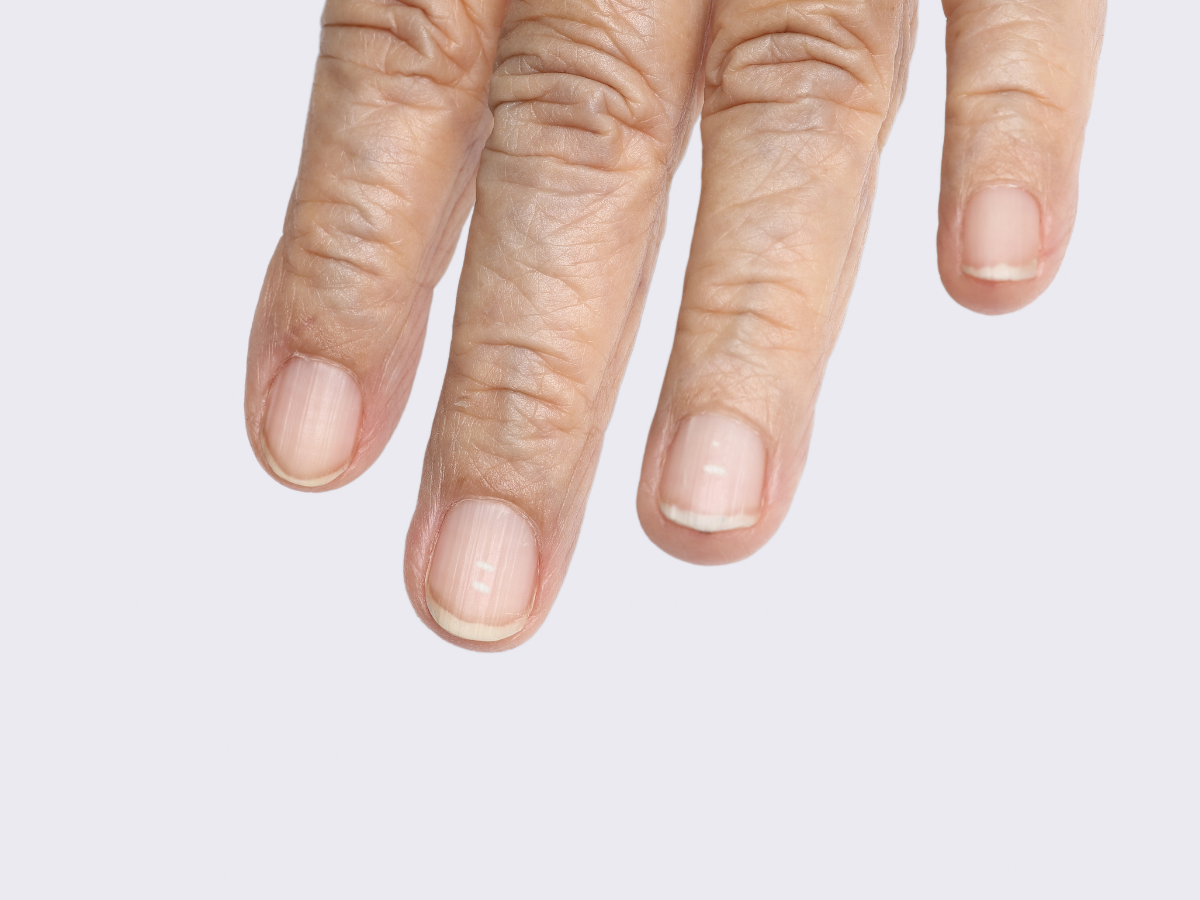
Multivitamins can help fill nutritional gaps in your diet, especially if you have difficulty eating a balanced diet, have nutritional needs higher than what you can eat, or have difficulty absorbing nutrients. Signs of nutrient deficiencies include poor nail health, impaired night vision, cracked corners around your mouth, and easy bruising. While generally safe, it's important to check with your doctor before starting any new supplement, especially if you have nutrient deficiencies or any medical conditions that may affect how you absorb and store nutrients.

health2 years ago

"Recognizing the Signs of Under-Eating: Insights from a Nutritionist"

Nutritionist Nmami Agarwal warns that undereating can lead to poor quality sleep, hair fall, low energy levels, irritability, and increased hunger. It is important to eat a balanced intake of nutrients and pay attention to portion sizes. Avoid high-sugar foods and drinks and eat foods at the right time. Consult experts before making any rash decisions and rely on reliable resources.