Tag

Magnesium

All articles tagged with #magnesium

Magnesium in Diet Linked to Slower Brain Aging and Lower Dementia Risk
health2 days ago

Magnesium in Diet Linked to Slower Brain Aging and Lower Dementia Risk

A UK Biobank study found higher dietary magnesium intake (around 550 mg/day from food) is associated with slower brain aging and reduced dementia risk, with stronger benefits for postmenopausal women. While excess magnesium from supplements can cause GI issues, experts say most people should focus on foods rich in magnesium (e.g., leafy greens, nuts, whole grains) and consult a clinician before taking supplements; the NIH notes daily needs vary by age and sex (about 310–420 mg).

Magnesium hype debunked: foods first, supplements only if needed
nutrition-diet3 days ago

Magnesium hype debunked: foods first, supplements only if needed

Magnesium is an essential mineral best obtained from a magnesium‑rich diet (legumes, nuts, seeds, leafy greens, whole grains, oily fish). Research links higher intake with lower risk of stroke, heart disease, diabetes, and bone loss, though much of the evidence is observational. Supplements can help when intake or blood levels are low, but a food‑first approach is safest; typical supplement doses range from 100–350 mg daily, with caution urged for kidney disease. Adults generally need about 310–320 mg/day (women) or 400–420 mg/day (men).

Optimal Timing for Everyday Supplements, According to Dr. Amir Khan
health-and-wellbeing10 days ago

Optimal Timing for Everyday Supplements, According to Dr. Amir Khan

Dr. Amir Khan outlines a practical timetable to maximize supplement absorption: take iron first thing in the morning on an empty stomach with a splash of vitamin C (avoid taking it with tea, coffee, or magnesium); after breakfast, take fat‑soluble nutrients like vitamin D and omega‑3 with a meal; magnesium is best in the evening; creatine can be taken at any time; if you’re taking omega‑3 or a multivitamin, take them with food, and consult a doctor with any questions about your regimen.

Rethink Your Morning Vitamins: Iron, Magnesium, and Fat-Soluble Essentials
health24 days ago

Rethink Your Morning Vitamins: Iron, Magnesium, and Fat-Soluble Essentials

Dietitians say timing matters for vitamins. Iron is best absorbed on an empty stomach but can cause nausea, so take it with a snack away from coffee/tea and calcium-rich foods, ideally with fruit or orange juice to boost absorption. Magnesium can promote sleep, so evening or before-bed dosing is often best. Fat-soluble vitamins A, D, E, and K require dietary fat for optimal absorption and are typically better taken with a main meal (Lunch or Dinner). In short, pair each vitamin with the right timing and meal to maximize absorption and minimize side effects.

Magnesium for Calm: Food First, Supplements If Needed
health1 month ago

Magnesium for Calm: Food First, Supplements If Needed

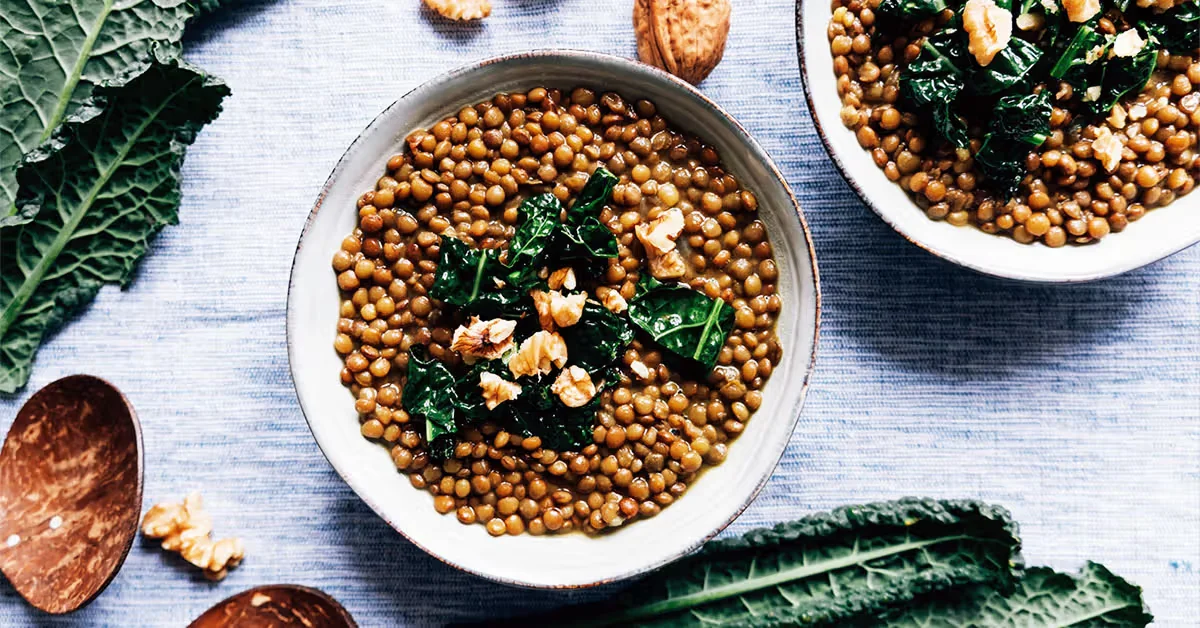
Magnesium supports the nervous system and the brain’s calming GABA pathway, helping the body move from fight‑or‑flight to a calmer state; deficiency is linked to higher anxiety and cortisol, so getting enough magnesium matters. Aim for 400–420 mg daily through a varied diet of magnesium‑rich foods (beans, lentils, avocado, nuts and seeds, whole grains, leafy greens, white potatoes, fish, dark chocolate, pumpkin and chia seeds, tart cherries). If bloodwork shows deficiency, a magnesium glycinate supplement can help, but avoid megadoses and tailor timing to your needs (morning for daytime anxiety, night for sleep, or both). Topical magnesium is less effective than oral forms, and staying hydrated supports anxiety management.

Magnesium May Help Lower Colorectal Cancer Risk for Some, Study Finds
health1 month ago

Magnesium May Help Lower Colorectal Cancer Risk for Some, Study Finds

A small study suggests magnesium supplementation may alter gut bacteria and boost vitamin D activity in the colon, potentially lowering colorectal cancer risk in people with functioning TRPM7 genes; results vary by genetics, and more research is needed before recommendations. Experts advise not starting magnesium specifically to prevent cancer yet and to consult a healthcare provider, while maintaining adequate dietary magnesium.

Sleep Experts Compare Magnesium and Zinc for Better Rest
health2 months ago

Sleep Experts Compare Magnesium and Zinc for Better Rest

Magnesium and zinc are minerals that can support sleep, with magnesium helping to relax the nervous system and zinc playing a supporting role in hormone production related to sleep. Magnesium may be more effective for those struggling to fall asleep, while zinc supports overall sleep health. Both have potential side effects and should be used cautiously, ideally under medical guidance. Lifestyle changes are also recommended to improve sleep quality.

Essential Nutrients and Foods to Boost Vitamin D Absorption and Bone Health
health2 months ago

Essential Nutrients and Foods to Boost Vitamin D Absorption and Bone Health

Vitamin D deficiency is widespread, but its effectiveness depends on magnesium, which activates vitamin D in the body. Without enough magnesium, vitamin D remains inactive, impairing bone health, immunity, and muscle function. Consuming magnesium-rich foods or supplements, under medical guidance, can enhance vitamin D absorption and overall health.