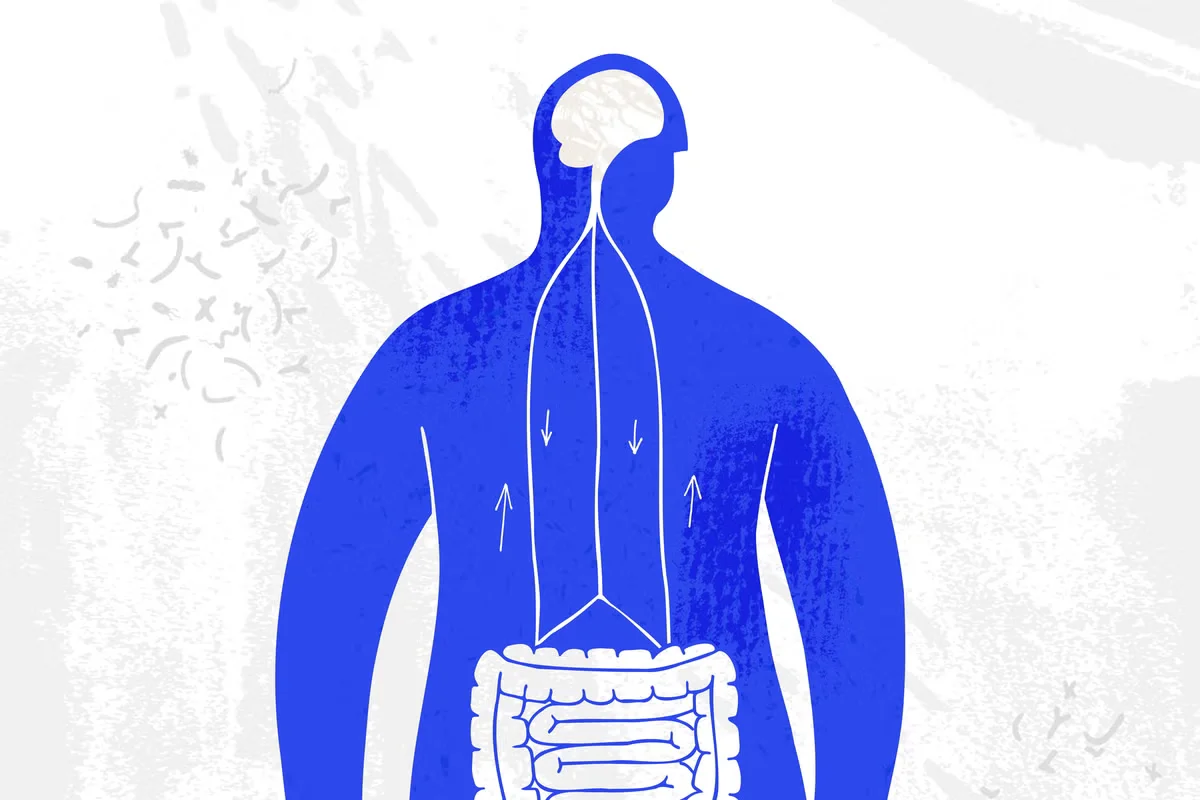
The piece explains how the vagus nerve might regulate inflammation via bioelectric medicine, notes potential therapies like vagus nerve stimulation for conditions, but warns that hype from unverified experts and questionable devices can mislead, urging cautious, evidence-based approaches.
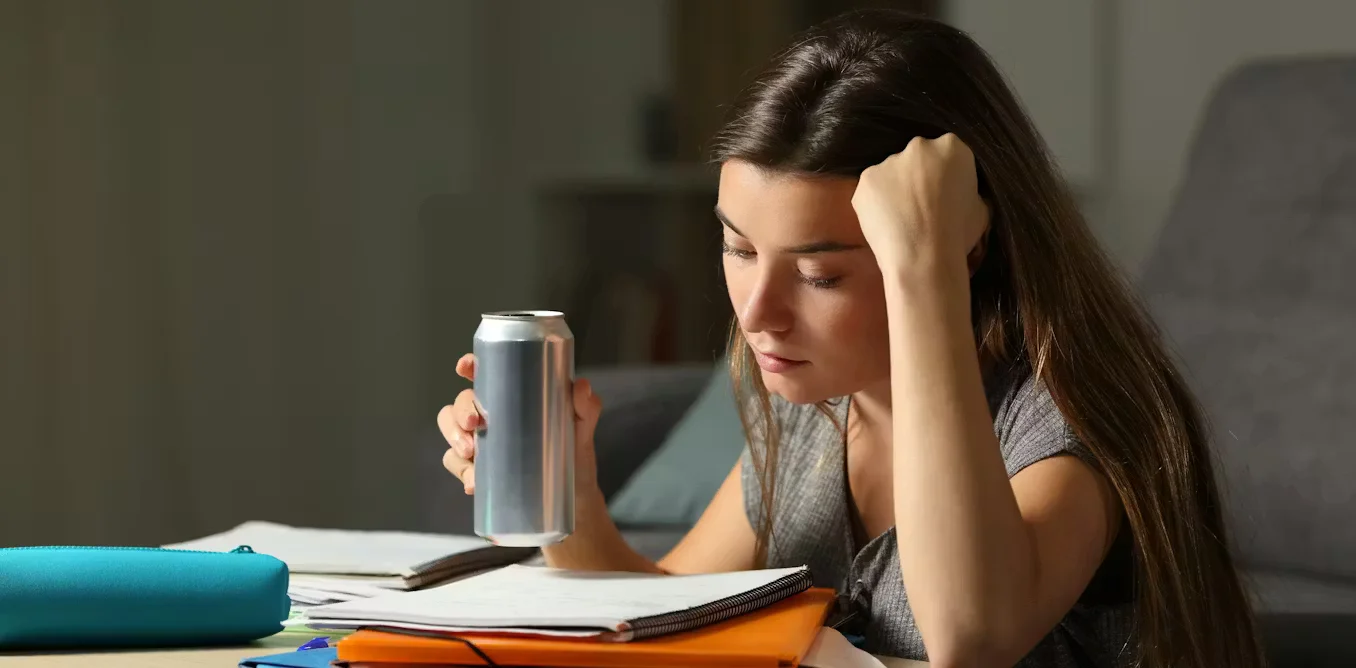
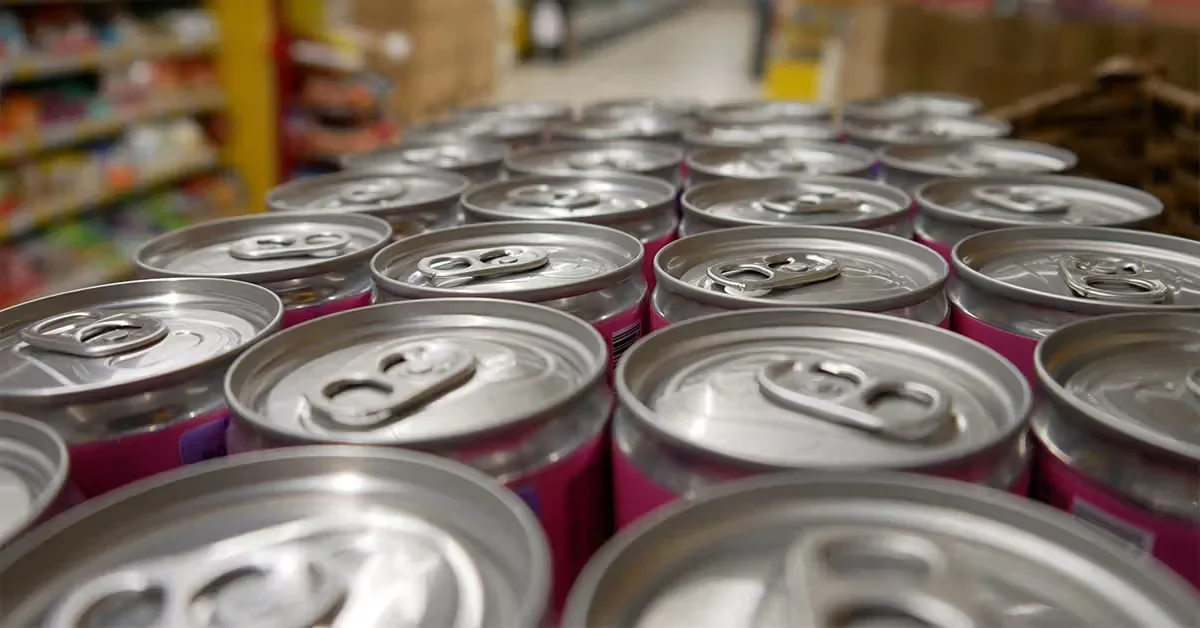
A review of nine observational studies (ages 10–19) finds teens who consume more sugary drinks have about 34% higher odds of an anxiety disorder, but causation can’t be established and reverse factors may play a role; reducing sugary intake could support adolescent mental health.
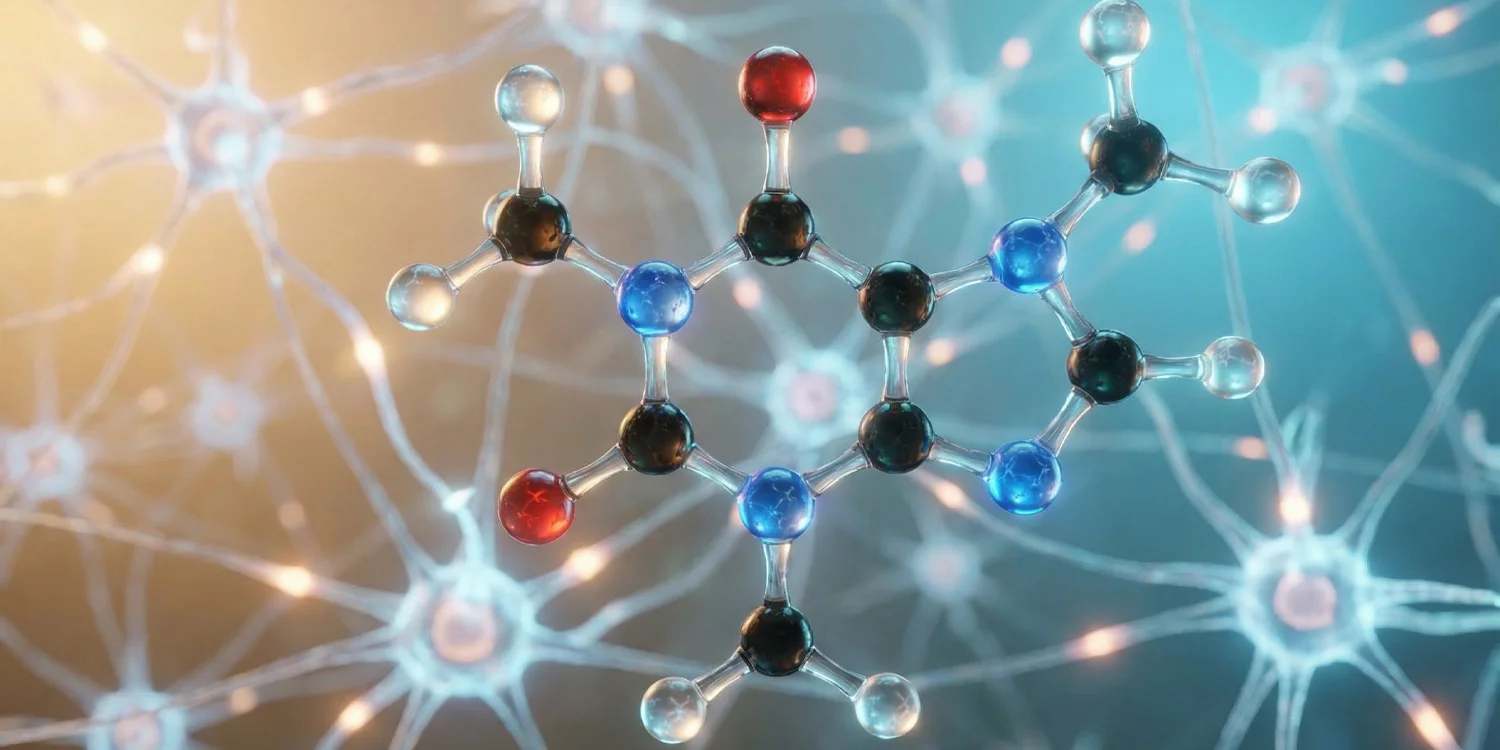
A systematic review of 17 rodent experiments finds caffeine consistently lowers brain inflammation and improves anxiety- and depression-like behaviors, likely via adenosine receptor blockade, increased brain-derived neurotrophic factor, and reduced pro-inflammatory cytokines and oxidative stress; caffeine's effects are comparable to some antidepressants in animals, but most data come from adult male rodents with varied dosing, so human studies are needed to determine safety and applicability.
America’s use of anxiety medications jumped from 11.7% of adults in 2019 to 14.3% in 2024—roughly 38 million people—driven by easier telehealth access and pandemic-related stress. SSRIs like Lexapro, Prozac, and Zoloft are frontline treatments for disorders such as generalized anxiety and panic, with studies showing meaningful relief for many despite side effects; experts caution that they are most effective when paired with therapy, and note benzodiazepines carry dependence risks. Public figures, including RFK Jr., have questioned expanding SSRI use and potential links to behavior or pregnancy outcomes, fueling a broader debate about medicalization, safety, and access. The rise is greatest among young adults, women, and those with higher education or LGBTQ+ identification, while talk therapy and broader mental-health support also grew during this period.
A Bournemouth University–led systematic review and meta-analysis of nine studies finds that high consumption of sugar-sweetened beverages is associated with a 34% increased risk of anxiety symptoms in adolescents. Seven of nine studies showed a significant link. While causation isn’t proven, experts suggest blood sugar spikes and crashes from sugary drinks may affect mood, and reducing intake or choosing alternatives like sparkling water, herbal tea, or unsweetened milk could help.
A study published in Acta Psychologica found that physically active people show greater stress resilience and lower anxiety; those with below-average cardiorespiratory fitness had up to 775% higher peak anxiety when shown disturbing images, while regular exercisers exhibited better emotional control and faster recovery. The 40-participant study needs replication but suggests exercise could help manage stress.
Wonder, a shy senior cat at Animal Care Centers of NYC, arrived terrified with flat, airplane-like ears, but with time, patience, and help from the feline behavior team and volunteers, he’s become more confident; staff note he’s a sweetheart who just needs a calm, patient home, and they hope an experienced adopter will give him a chance.
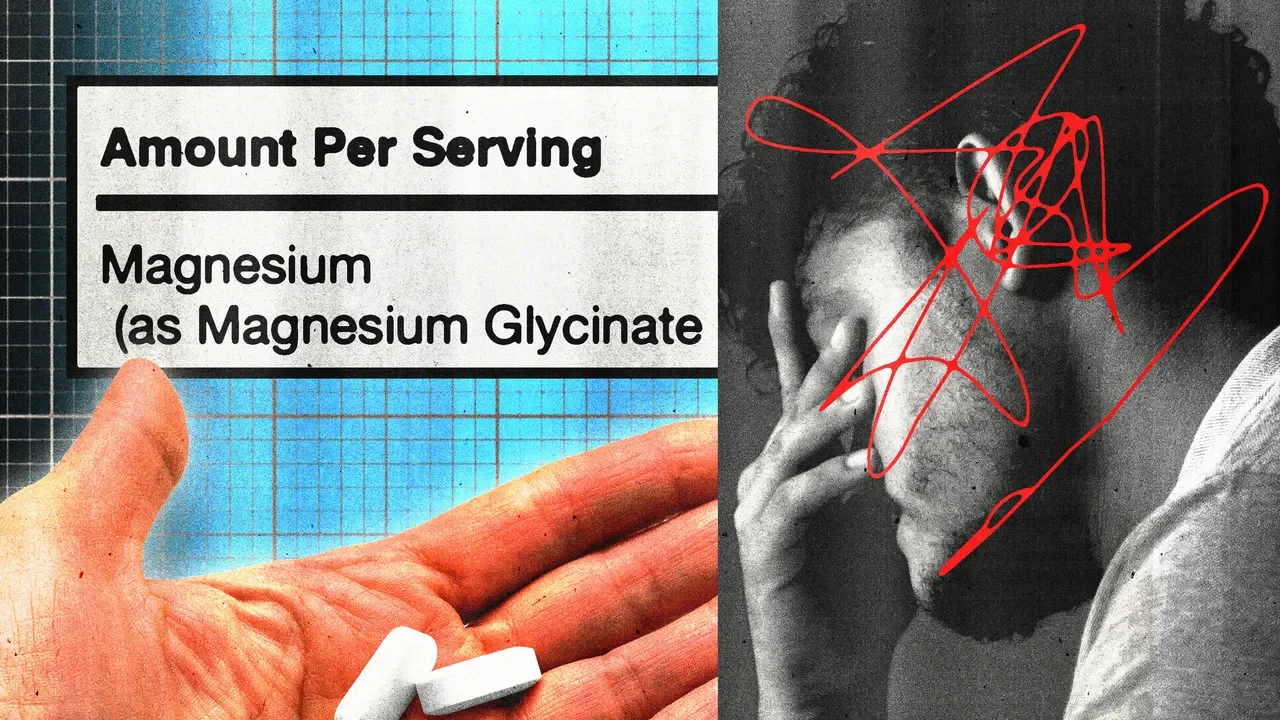
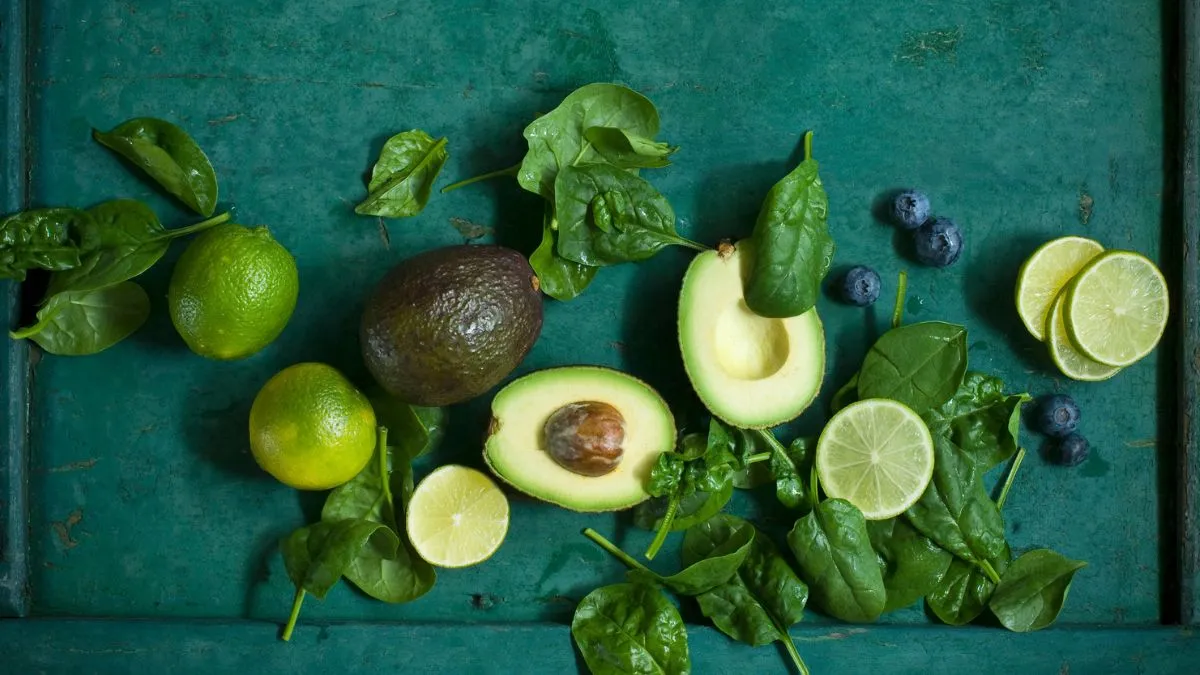
Magnesium supports the nervous system and the brain’s calming GABA pathway, helping the body move from fight‑or‑flight to a calmer state; deficiency is linked to higher anxiety and cortisol, so getting enough magnesium matters. Aim for 400–420 mg daily through a varied diet of magnesium‑rich foods (beans, lentils, avocado, nuts and seeds, whole grains, leafy greens, white potatoes, fish, dark chocolate, pumpkin and chia seeds, tart cherries). If bloodwork shows deficiency, a magnesium glycinate supplement can help, but avoid megadoses and tailor timing to your needs (morning for daytime anxiety, night for sleep, or both). Topical magnesium is less effective than oral forms, and staying hydrated supports anxiety management.
A comprehensive survey in Wales reveals concerning levels of anxiety, loneliness, and emotional difficulties among primary school children aged 7-11, with one in seven experiencing significant emotional issues. The survey highlights the impact of social media, online dangers, and pandemic-related isolation on young children's mental health, prompting calls for improved support and interventions in schools.
A mother reflects on her addiction to tracking her sons via their phones, highlighting how it provides her with a sense of closeness and security but also causes anxiety and hampers her ability to accept their independence as they grow up. She discusses the balance between safety and autonomy, acknowledging that while tracking offers reassurance, it may not be healthy for her or her children in the long run.
Researchers discovered that rebalancing activity in a specific amygdala circuit in mice can reverse anxiety and social withdrawal, highlighting a potential target for mental health treatments.
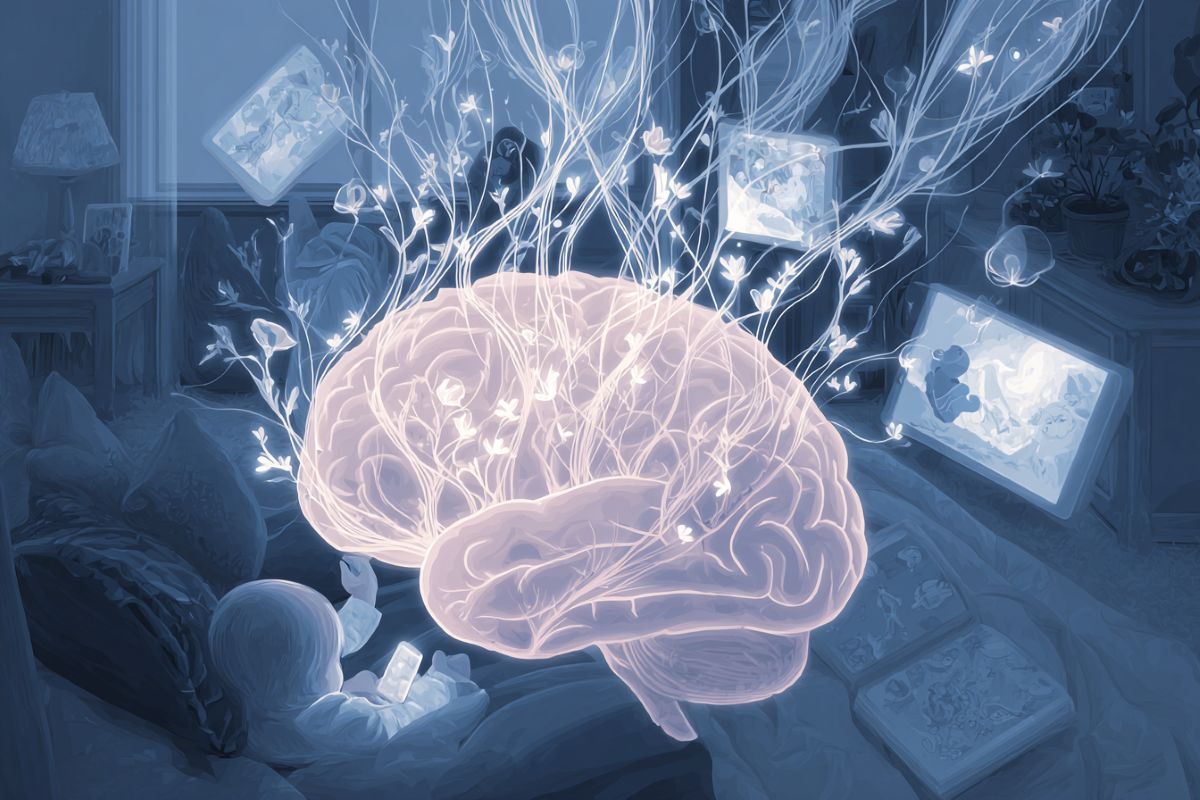
New research shows that high screen exposure before age two accelerates brain maturation in visual and cognitive networks, leading to slower decision-making and increased anxiety in adolescence, highlighting infancy as a critical period for screen exposure and the potential benefits of parental engagement like reading.
A decade-long study from Singapore links early screen exposure in infants to accelerated brain network development, which correlates with slower decision-making and higher anxiety in adolescence, emphasizing the importance of limiting screen time and promoting active parental engagement like reading.
Researchers discovered that two types of brain immune cells, microglia, act as internal 'accelerators' and 'brakes' to regulate anxiety levels in mice, suggesting new avenues for understanding and treating anxiety disorders in humans.
Eating specific foods like leafy greens, blueberries, avocados, fermented foods, and walnuts can help naturally reduce anxiety by supporting brain chemistry and reducing inflammation, offering a complementary approach to managing anxiety symptoms.