
Magnesium hype debunked: foods first, supplements only if needed
TL;DR Summary
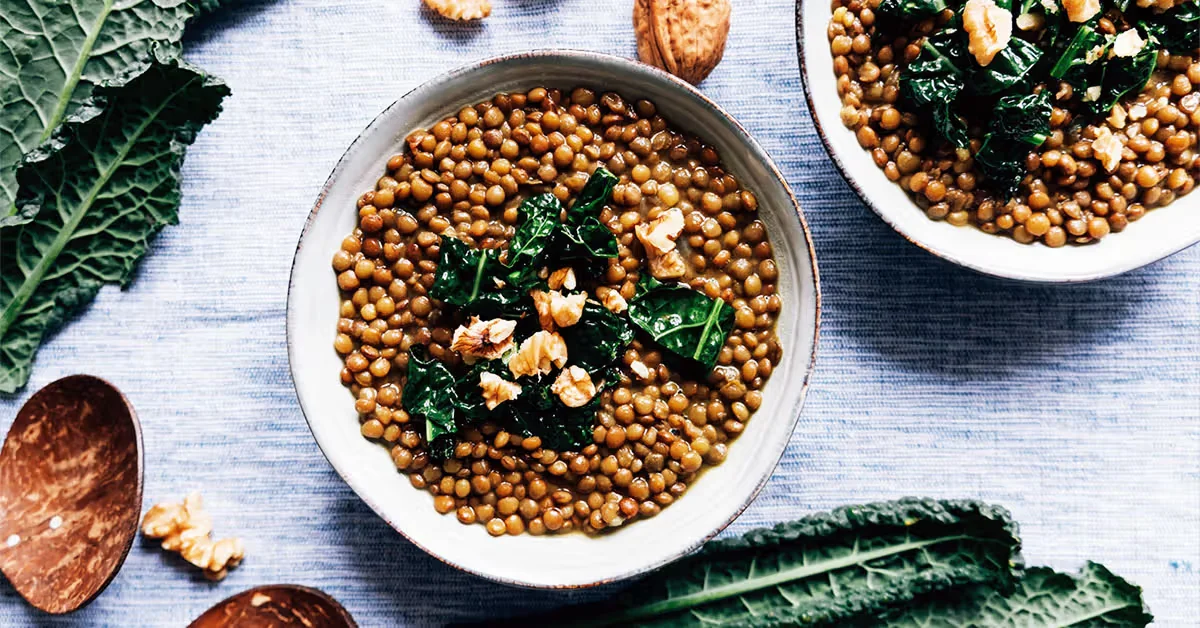
Magnesium is an essential mineral best obtained from a magnesium‑rich diet (legumes, nuts, seeds, leafy greens, whole grains, oily fish). Research links higher intake with lower risk of stroke, heart disease, diabetes, and bone loss, though much of the evidence is observational. Supplements can help when intake or blood levels are low, but a food‑first approach is safest; typical supplement doses range from 100–350 mg daily, with caution urged for kidney disease. Adults generally need about 310–320 mg/day (women) or 400–420 mg/day (men).
Topics:health#dietary-sources#heart-health#magnesium#magnesium-deficiency#nutrition-diet#supplements
- Magnesium: Do the health benefits match the hype? Experts weigh in Medical News Today
- Should you take a magnesium supplement? The Independent
- Getting More of This Important Mineral May Stave Off Dementia, Scientists Find Prevention
- What Happens to Your Blood Pressure When You Start Taking Magnesium Health: Trusted and Empathetic Health and Wellness Information
- Magnesium can help you sleep – but check the dose and how to take it South China Morning Post
Reading Insights
Total Reads
1
Unique Readers
3
Time Saved
27 min
vs 27 min read
Condensed
98%
5,389 → 83 words
Want the full story? Read the original article
Read on Medical News Today