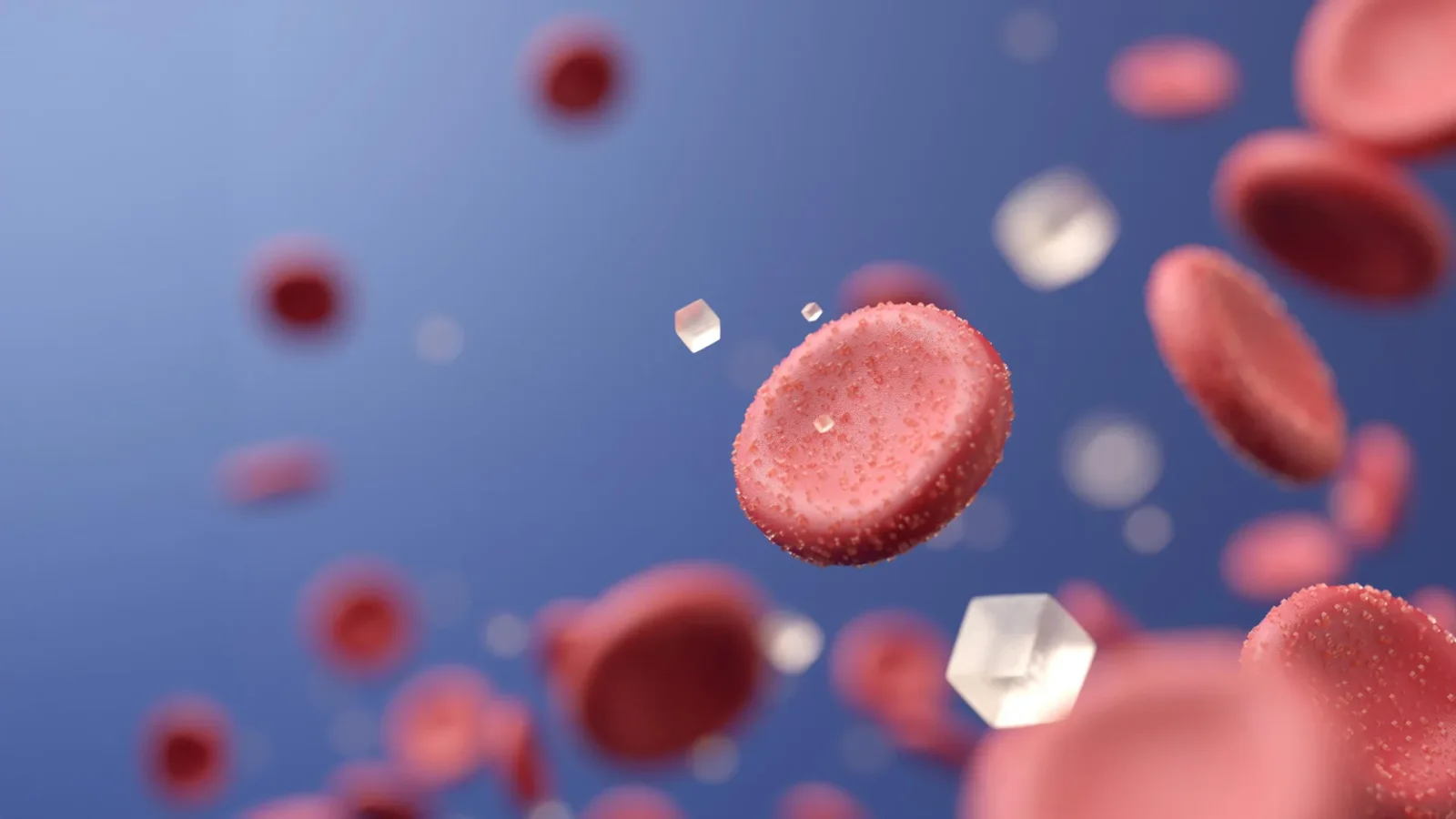
Berberine, often called 'nature's Ozempic,' is a natural supplement that shows promise for weight loss and managing blood sugar, but it is not a miracle cure and should be used cautiously under medical advice. It may help with cholesterol, diabetes, and insulin resistance, and could support weight loss when combined with lifestyle changes, though it is not a direct substitute for prescription medications like Ozempic.

Lifestyle and dietary changes such as increasing soluble fiber, plant sterols, healthy fats, regular exercise, weight management, and stress reduction can lower LDL cholesterol by about 30% without the need for statins, supported by clinical research and health guidelines.
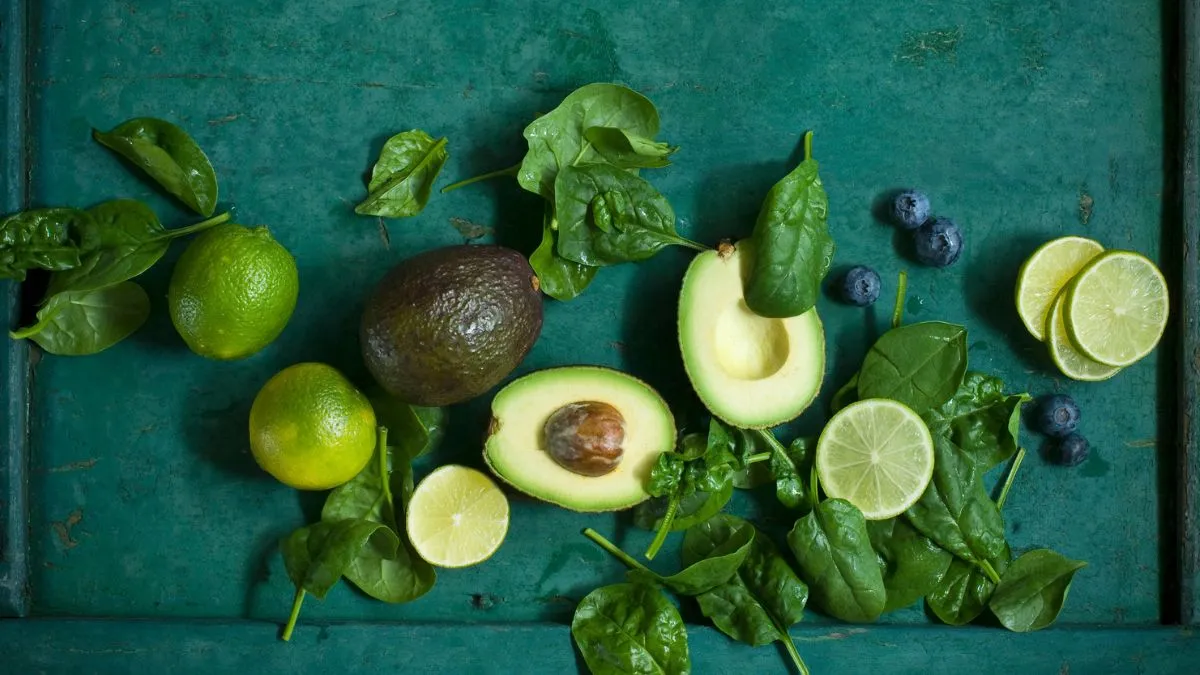
Eating specific foods like leafy greens, blueberries, avocados, fermented foods, and walnuts can help naturally reduce anxiety by supporting brain chemistry and reducing inflammation, offering a complementary approach to managing anxiety symptoms.
Parasites are more common than thought and can cause subtle symptoms like sugar cravings, night-time teeth grinding, itchy skin, bloating, and anemia. Diagnosis typically involves lab tests, and natural remedies may help, but professional medical advice is essential.
The article discusses four infused water remedies—coriander seed water for acidity, black raisin water for low iron, fennel seed water for bad breath, and clove water for sore throat—highlighting their benefits and simple methods to prepare them at home, emphasizing water's role in managing common health issues naturally.
Researchers are exploring natural foods and compounds like cinnamon, ginger, fermented green tea, whey protein, and dietary fibers as potential drug-free ways to stimulate GLP-1 hormones, which regulate appetite and blood sugar, mimicking the effects of drugs like Ozempic for managing diabetes and weight.
The article discusses six morning drinks—hibiscus tea, tomato juice, pomegranate juice, green tea, beetroot juice, and lemon water—that can help lower blood pressure when consumed regularly, though they are not substitutes for medication. These beverages contain antioxidants, potassium, nitrates, and other nutrients that support blood vessel relaxation and overall heart health.
The article shares five doctor-approved natural food combinations, such as prunes with cumin-coriander-fennel water and papaya with lemon water, that can help alleviate constipation by promoting digestion and gut motility, emphasizing lifestyle habits like hydration, fiber intake, and regular movement.
A cardiologist shares nine evidence-based lifestyle habits, including reducing salt intake, eating a DASH diet, exercising regularly, managing stress, and quitting smoking, to naturally lower and maintain healthy blood pressure levels without medication.
Scientists have discovered that the desert berry Nitraria roborowskii, traditionally used in Chinese medicine, shows promising potential to treat diabetes by restoring metabolic balance and improving insulin sensitivity in mice, through activation of the PI3K/AKT pathway, suggesting a natural, holistic approach to managing the disease.
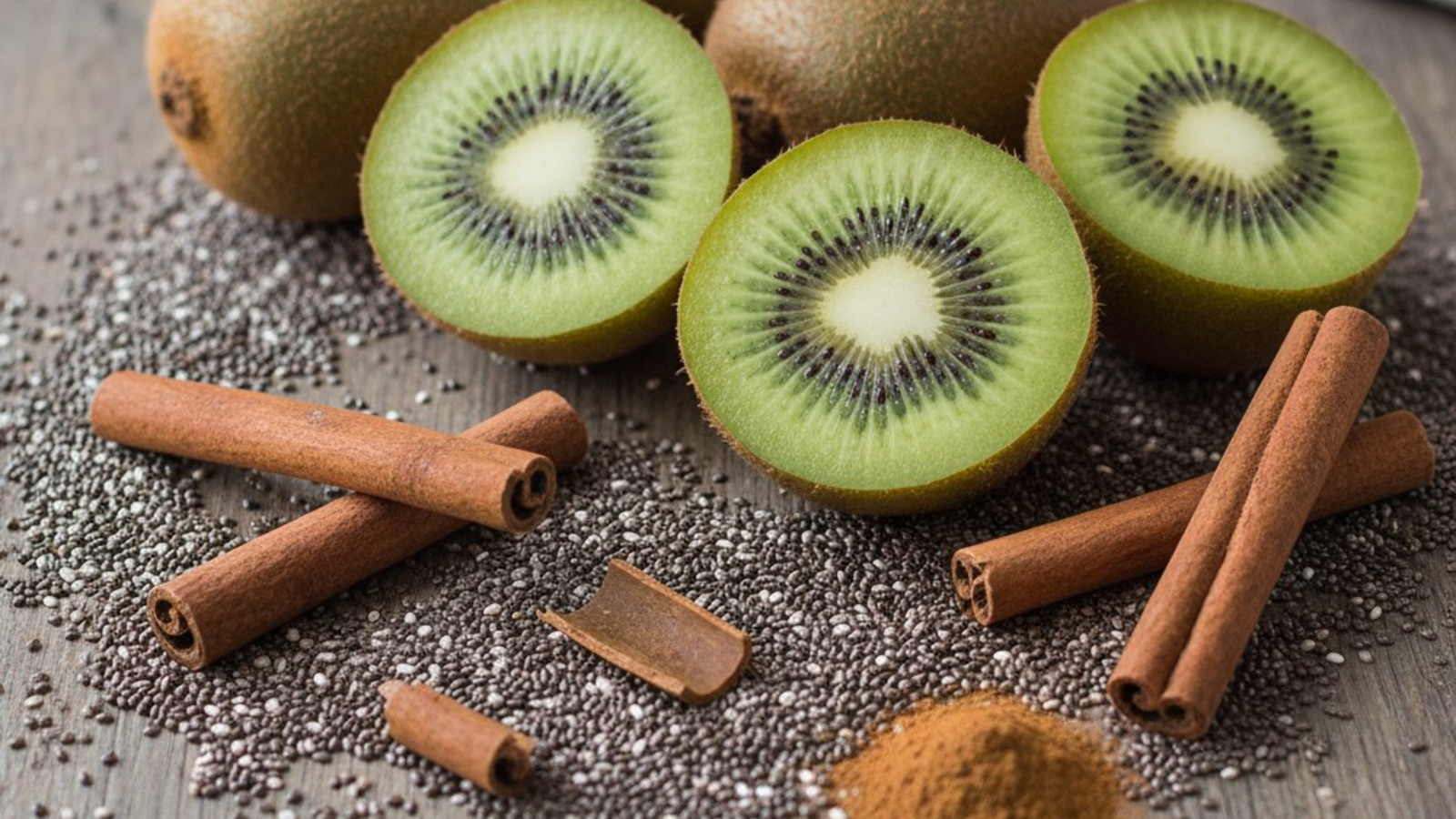
Nutritionist Khushi recommends a natural remedy for constipation using a daily mix of kiwi, chia seeds, and cinnamon, which helps improve gut motility, hydrate the colon, and promote regular digestion without laxatives, to be taken for three days on an empty stomach with adequate hydration.
A cardiologist with 40 years of experience emphasizes that everyday kitchen ingredients like ghee, herbs and spices, legumes, and dry fruits can significantly support heart health, potentially reducing the need for pills, when used in moderation and as part of a balanced diet.
This article highlights five herbal teas—ginger, green, hibiscus, rooibos, and chamomile—that have been shown to lower cholesterol and support cardiovascular health through their antioxidant and anti-inflammatory properties. Incorporating these teas into daily routines can serve as a natural complement to lifestyle changes and medical treatments for better heart health.
A metabolic doctor shares 11 natural tips to reduce high uric acid levels within a week, including avoiding purine-rich foods, staying hydrated, exercising, managing stress, and consuming low-fat dairy and cherries, emphasizing lifestyle changes for better metabolic health.
Sadhguru recommends incorporating neem, turmeric, and copper water storage into daily routines to naturally boost immunity and support overall health, especially during seasonal changes.