Oprah Winfrey reflects on decades of weight struggles, describing a biologically driven “enough point” and a shift from self-blame to a science-informed approach outlined in her book Enough with Dr. Ania Jastreboff. After resisting weight-loss medications for years due to shame, she started GLP-1–type drugs about two years ago, paired with daily hiking and resistance training, and now weighs about 155 pounds—the marathon weight—and says she feels healthier and stronger at 71 than at 40. Medical experts emphasize obesity as a treatable disease, not a personal fault, and Oprah’s openness aims to reduce stigma and encourage sustainable, health-focused strategies.
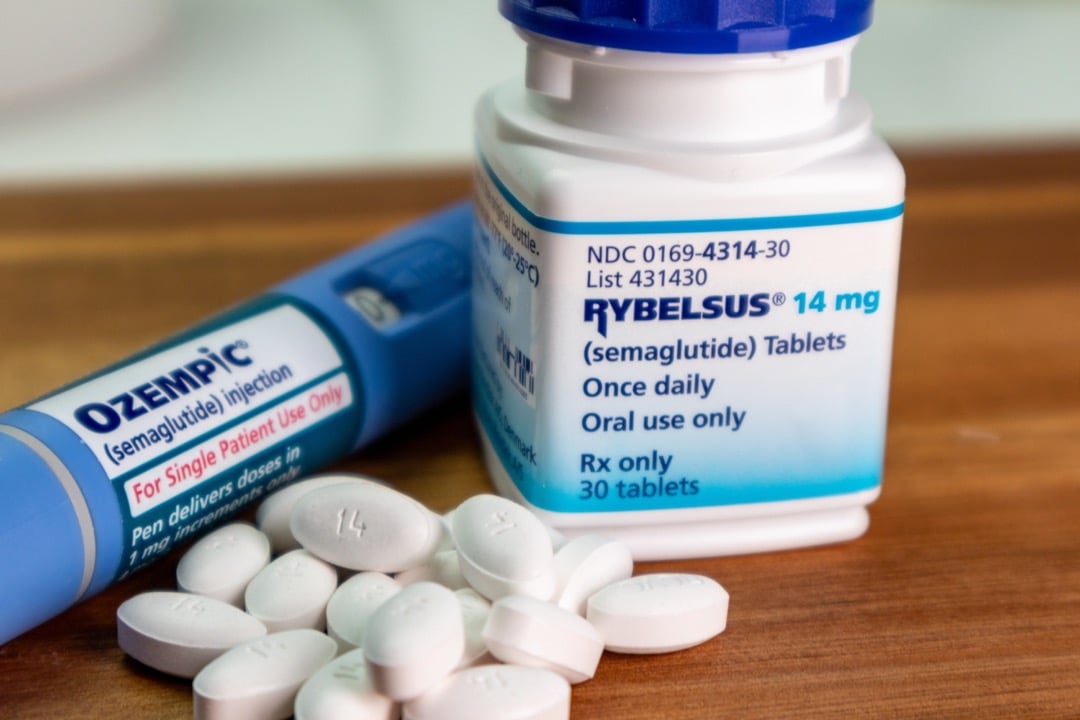
A recent study shows that bariatric surgery results in about five times more weight loss over two years compared to GLP-1 medications like Ozempic, highlighting surgery's superior long-term effectiveness for obesity treatment.
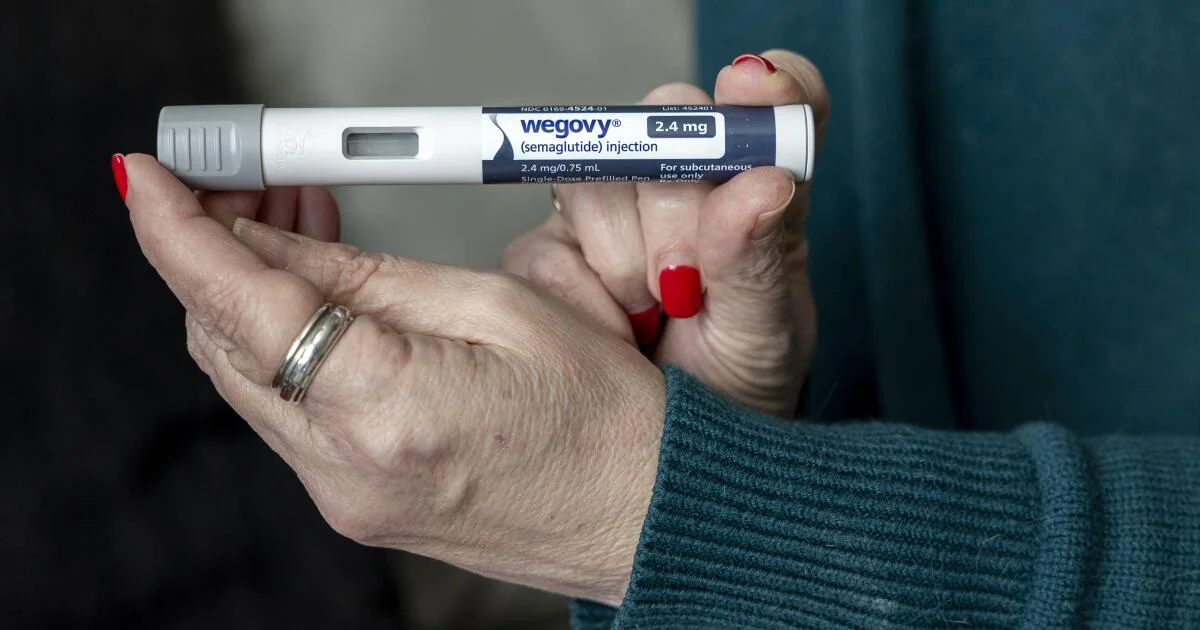
California will cease Medicaid coverage for weight-loss drugs like Wegovy and Zepbound starting January 1, citing high costs and budget constraints, despite their effectiveness and popularity. The state recommends diet and exercise as alternatives, though experts say this may be unrealistic for many patients. Other states are also restricting coverage due to financial pressures, even as negotiated price reductions aim to lower drug costs. The move could impact thousands of low-income Californians relying on these medications for weight management and related health conditions.
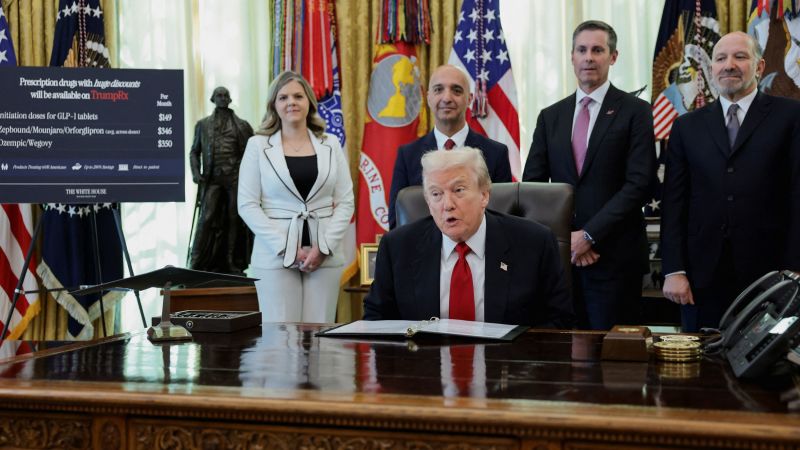
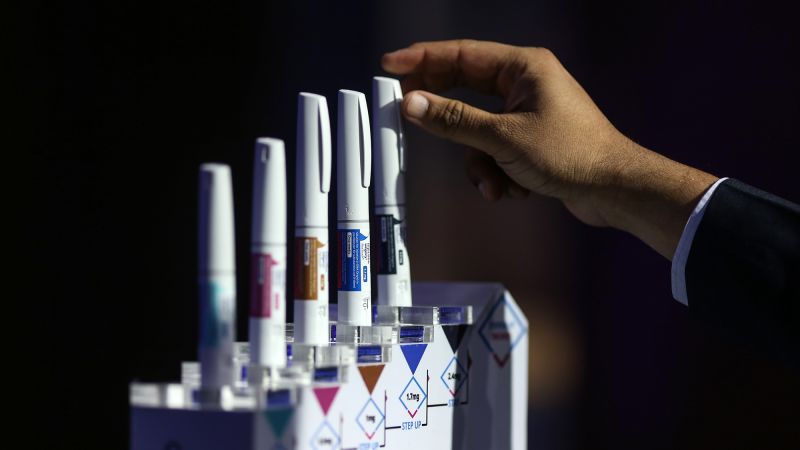
The Trump administration announced deals with Eli Lilly and Novo Nordisk to lower the prices of blockbuster obesity drugs, making them as affordable as $149 for oral forms and reducing Medicare copays to expand access, with prices set to take effect in mid-2026, as part of efforts to lower drug costs and broaden treatment options for obesity and related conditions.
President Trump is set to announce a deal aimed at lowering the prices of GLP-1 medications like Ozempic and Mounjaro, which he has previously highlighted as a key example in his efforts to reduce U.S. drug costs.
The White House is close to a deal with Eli Lilly and Novo Nordisk to lower the cost of weight loss drugs Zepbound and Wegovy to as little as $149 a month, in exchange for limited Medicare coverage, as part of efforts to reduce prescription drug prices.
The popularity of weight loss drugs, especially GLP-1 medications, among workers with employer health insurance is increasing, leading to higher costs for employers and prompting some to reconsider coverage policies. Larger firms are more likely to cover these drugs, but rising usage and prices are impacting their budgets, potentially affecting future insurance premiums and employee costs.
Women using weight loss drugs like Ozempic are experiencing a rare side effect dubbed 'Ozempic vulva,' which involves changes such as sagging of the labia and vaginal dryness due to rapid weight loss. While not officially recognized by manufacturers, this phenomenon has caused discomfort and concern among users, highlighting the importance of medical supervision when using these medications.
Women using Ozempic and similar GLP-1 medications have reported a rare side effect called 'Ozempic vulva,' characterized by sagging, muscle weakness, and dryness in the vulva and vagina, likely due to rapid weight loss and fat loss in the area. While not officially recognized, some are seeking treatments like dermal fillers or surgery, and users are advised to consult healthcare professionals for any concerns.
The rise in popularity of weight-loss drugs like Ozempic has led to an increase in 'Ozempic face,' a sagging appearance caused by rapid weight loss, prompting more cosmetic procedures such as facelifts and fillers. While these medications are effective short-term, most users stop within a year, raising concerns about long-term facial effects and the need for surgical intervention.
The use of weight-loss drugs like Ozempic has led to a rise in cosmetic procedures due to side effects like sagging skin and facial hollowing, prompting a boom in cosmetic surgery and treatments to restore facial volume, with ongoing debates about long-term effects and the impact of weight regain.
The use of weight-loss drugs like Ozempic has led to a rise in 'Ozempic face,' a sagging and hollowed appearance due to facial volume loss, prompting more people to seek cosmetic procedures such as fillers and facelifts, with the trend impacting overall aesthetic surgery rates.
The rise in use of GLP-1 drugs like Ozempic and Mounjaro for weight loss is linked to an increase in eating disorder cases, as these medications can trigger or worsen restrictive eating behaviors, especially among those with a history of eating disorders, raising concerns about their long-term health impacts and the lack of proper screening in medical settings.
A recent study emphasizes that diet and exercise remain crucial during treatment with GLP-1 medications like Wegovy and Zepbound, highlighting strategies to reduce side effects, preserve muscle mass, and ensure proper nutrition for successful weight loss outcomes.
Real-world use of semaglutide and tirzepatide results in less weight loss than clinical trials, mainly due to early discontinuation and lower doses, but still shows benefits in glycemic control and diabetes prevention, highlighting the importance of persistence and optimal dosing.