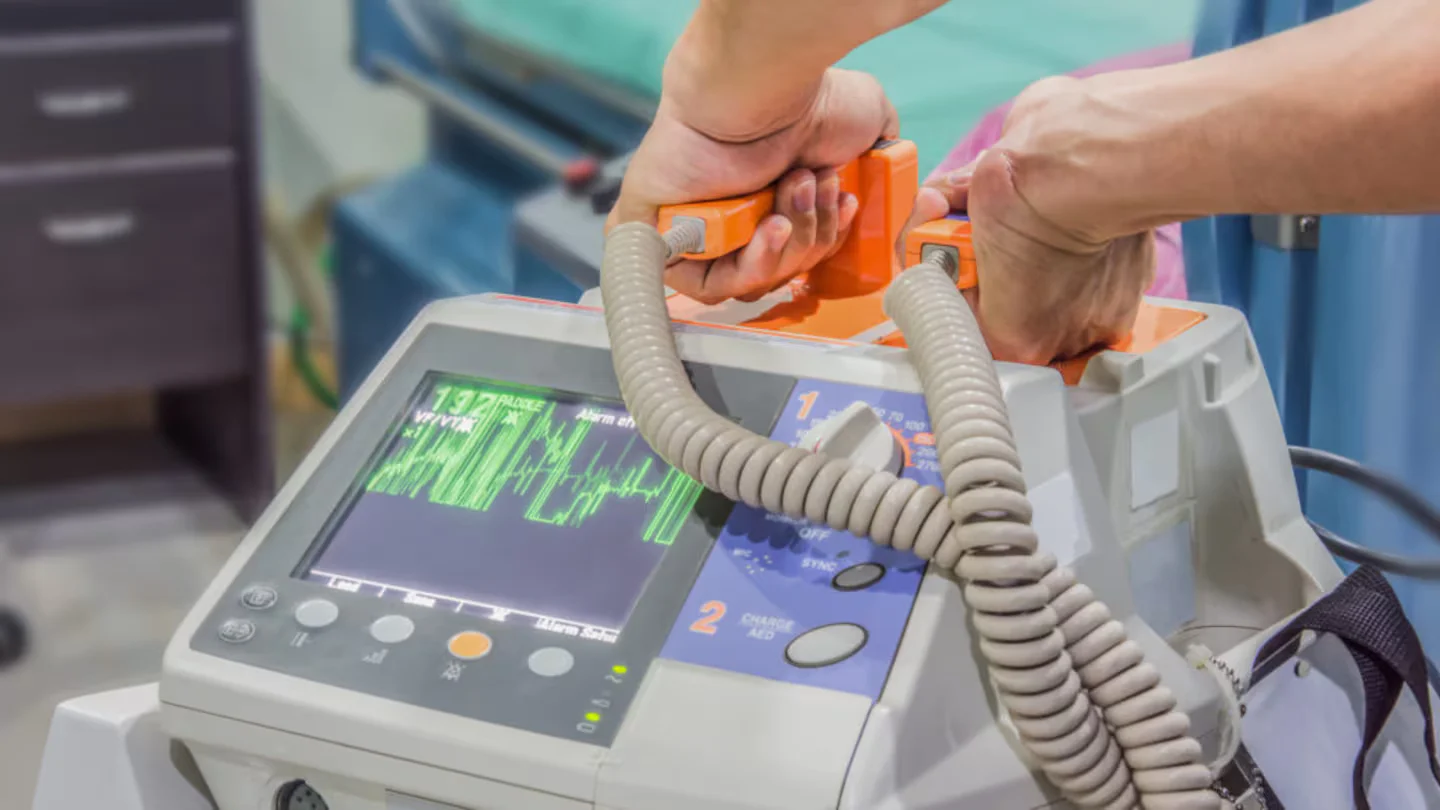
A-fib on the rise as treatments and diagnosis improve
Atrial fibrillation is becoming more common, with doctors noting improving diagnosis and a range of treatment options to manage symptoms and reduce risk.

All articles tagged with #atrial fibrillation
Atrial fibrillation is becoming more common, with doctors noting improving diagnosis and a range of treatment options to manage symptoms and reduce risk.
A BMJ study of about 400,000 UK Biobank participants found healthy adults taking fish-oil omega-3 supplements had higher risks of atrial fibrillation (roughly 13%) and stroke (about 5%), though causation isn’t proven and results vary for those with existing heart conditions; experts note missing data on supplement type and dosage and urge cautious interpretation, while NHS guidelines still encourage consuming two portions of fish weekly.

Phil Cavell, a veteran cyclist and author, recounts how years of endurance riding masked Mobitz type-II heart block, a dangerous heart‑conduction issue, leading to a hospital stay and the implantation of a pacemaker. He notes that atrial fibrillation is more common in masters endurance athletes and stresses the importance of heart screening (QRISK), moderating extreme training and alcohol, and listening to warning signs. The piece underscores that, with timely diagnosis and care, midlife athletes can return to cycling with greater awareness and safety.
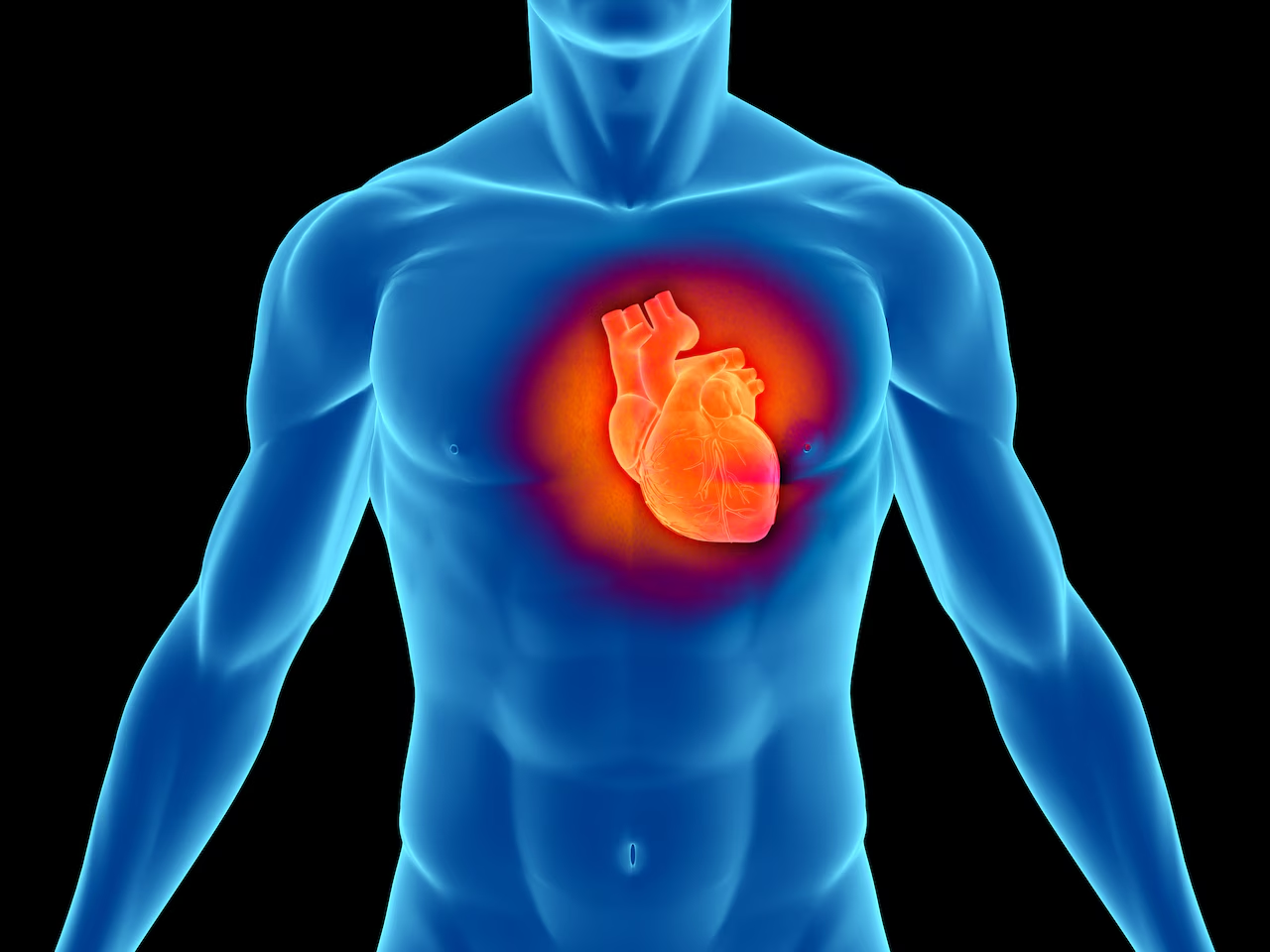
Holiday heart syndrome, often triggered by binge drinking and salty foods during holidays, can cause atrial fibrillation, a serious heart rhythm disorder. While modern treatments and monitoring have improved outcomes, awareness and moderation are key to preventing these preventable episodes, especially for those with underlying risk factors.

Abbott's Volt™ Pulsed Field Ablation System has received FDA approval to treat atrial fibrillation, offering a minimally invasive, effective, and safer option for patients, with clinical trials demonstrating strong safety and efficacy results.

A recent study suggests that drinking coffee may reduce the recurrence of atrial fibrillation, challenging the traditional advice for heart patients to avoid caffeine, with coffee drinkers experiencing a 39% lower risk of AF episodes compared to abstainers.

A US study suggests that drinking coffee may reduce the risk of irregular heartbeats, specifically atrial fibrillation, challenging the common advice to avoid caffeine for those with the condition. The Decaf trial found coffee drinkers had a lower recurrence of irregular heartbeats and longer intervals before episodes, though limitations exist. The findings could influence future dietary recommendations for individuals with atrial fibrillation.

A recent study suggests that drinking a cup of caffeinated coffee daily may reduce the risk of atrial fibrillation by 39%, challenging the common advice for heart patients to avoid caffeine, and indicating potential protective effects of coffee on heart rhythm disorders.
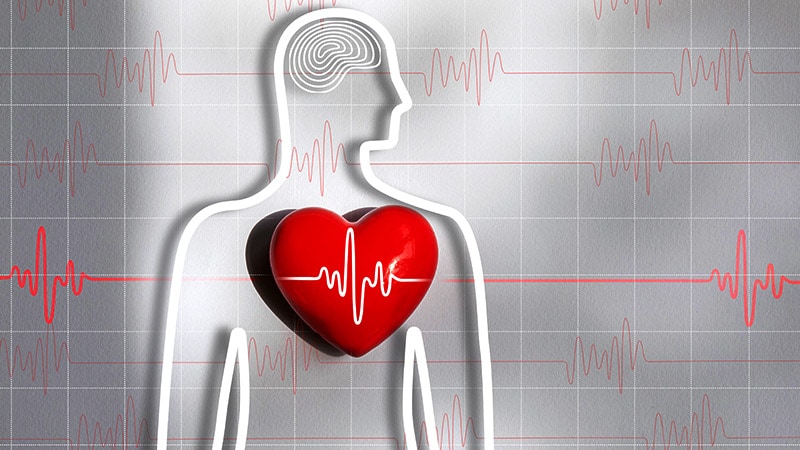
The CLOSURE-AF trial found that percutaneous left atrial appendage closure (LAAC) was inferior to best medical therapy in preventing stroke and related outcomes in high-risk atrial fibrillation patients, with procedural risks and signals of inefficacy raising concerns about its use.

Atrial fibrillation (AFib) is an irregular heartbeat that can be life-threatening due to its association with increased stroke risk. Common signs include heart palpitations, fatigue, shortness of breath, dizziness, chest pain, and sometimes no symptoms at all. Risk factors include age, high blood pressure, diabetes, obesity, smoking, alcohol use, thyroid issues, and sleep apnea. Early detection and treatment are crucial to prevent serious complications, and individuals should consult a doctor if they experience symptoms or have risk factors.

Atrial fibrillation (AFib) is an irregular heartbeat that can be symptomless but increases the risk of stroke, heart failure, and dementia. Common signs include heart palpitations, fatigue, shortness of breath, dizziness, chest pain, and underlying medical conditions. Regular check-ups and monitoring are crucial, especially for those over 50 or with risk factors, as early detection and treatment can significantly reduce serious health risks.
Francis Ford Coppola was hospitalized in Italy due to atrial fibrillation but is now reported to be well after a scheduled medical update with his long-time doctor, and he was in Italy to present a film and scout locations for his next project.
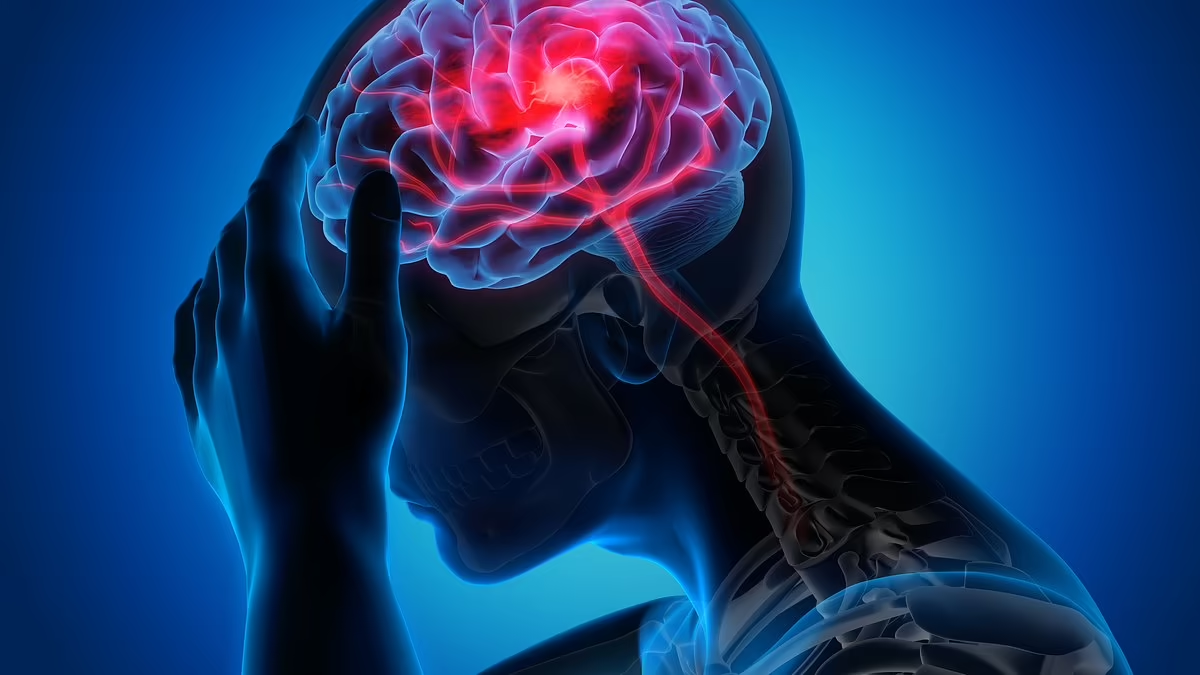
A study published in the journal Nutrition, Metabolism and Cardiovascular Diseases suggests that climbing at least 110 steps daily can reduce the risk of developing atrial fibrillation, a major stroke risk factor, by 31%. Researchers tracked nearly half a million people over 12 years and found that regular stair climbing significantly lowered the likelihood of this heart condition. The study highlights stair climbing as a simple, effective preventive measure against strokes, which are often caused by blood clots resulting from atrial fibrillation.
A trial investigating the use of the anticoagulant rivaroxaban to prevent cognitive decline in atrial fibrillation (AF) patients was halted due to lack of efficacy. The BRAIN-AF study found no significant difference in cognitive decline between patients taking rivaroxaban and those on placebo, despite a high overall rate of cognitive decline. The study, which involved low-risk AF patients, suggests that other mechanisms beyond microemboli may contribute to AF-related cognitive decline, warranting further research.

A study by NYU Langone Health researchers, presented at an American Heart Association meeting, reveals that adding just an hour of physical activity per week can reduce the risk of atrial fibrillation (Afib) by 11%. The study utilized data from over 6,000 Fitbit users, showing that moderate activities like walking or gardening can significantly lower the risk of this common heart arrhythmia, which affects over 10 million Americans. The research highlights the importance of regular exercise, even in small amounts, for heart health.