Tag

Gaba

All articles tagged with #gaba

science1 month ago

Balanced Brain Inhibition Key to Recognition Memory

A study from the University of Nottingham found that balanced neural inhibition in the hippocampus is essential for recognition memory, with both excessive and insufficient inhibition disrupting object recognition, while inhibition in the prefrontal cortex has no effect. These findings highlight the importance of neural balance for memory function and could inform treatments for cognitive disorders like schizophrenia and dementia.

science5 months ago

Astrocytes Orchestrate Neural Coordination and Visual Processing

A study from MIT reveals that astrocytes use the protein Gat3 to regulate ambient GABA levels, which is crucial for coordinating neuronal activity and encoding visual information. Knocking out Gat3 in mice's visual cortex disrupted neural ensemble synchronization and impaired information processing, providing insights into how astrocytes influence brain function and potential links to neurological disorders.

neuroscience1 year ago

"Unlocking Young Women's Anxiety: The Role of Brain Chemistry Balance"

A study from the University of Surrey suggests that the development of anxiety in young women may be linked to an imbalance between the brain chemicals GABA and glutamate. As young women mature, the levels of GABA increase while those of glutamate decrease, potentially indicating anxiety levels. This discovery offers promising insights into potential treatment avenues for girls and women dealing with anxiety, with the aim of empowering them to lead healthier, more fulfilling lives.

health1 year ago

Understanding "Hangxiety": The Psychological Impact of Post-Drinking Anxiety

"Hangxiety" refers to the combination of anxiety and physical symptoms experienced after drinking alcohol, and it's not just psychological – there are physiological reasons behind it. Alcohol affects neurotransmitters in the brain, leading to a depletion of gamma-aminobutyric acid (GABA) and an overabundance of glutamate, causing increased anxiety when the alcohol leaves the system. Chronic drinkers may take longer to find equilibrium, and "hangxiety" could also be a symptom of alcohol withdrawal. Relief drinking is not an effective remedy for "hangxiety" and can contribute to the cycle of addiction.

health1 year ago

The Science Behind Hangxiety: Understanding the Aftermath of a Hangover

Hangxiety, or post-drinking anxiety, is a common symptom of hangovers that is often overlooked. It is caused by alterations in brain chemicals such as GABA and glutamate due to alcohol consumption. Hangxiety can occur in occasional and chronic drinkers, and may be accompanied by other hangover symptoms or appear alone. Various biological processes, such as alcohol metabolism, poor sleep, and reduced blood sugar, can also contribute to hangxiety. While there are many folk remedies for hangover symptoms, the best way to prevent post-drinking anxiety is to limit alcohol consumption, and non-alcoholic beverage options are increasingly available for social settings.

health-and-wellness1 year ago

"Say Goodbye to Grogginess: Embrace a Natural Alternative to Melatonin for Better Sleep"

Certified Sleep Science Coach McKenzie suggests considering gamma-aminobutyric acid (GABA) as a natural alternative to melatonin for improving sleep quality. GABA, an amino acid that promotes a calming effect, has shown potential as a sleep aid by reducing sleep latency and promoting early sleep stages without causing grogginess in the morning. Tips for taking GABA include consuming it 30 to 60 minutes before bed and consulting a doctor, especially for individuals at higher risk of negative reactions. Additionally, GABA may also offer stress and anxiety relief, but it's important to seek medical advice before incorporating it into your sleep routine.

health-and-wellness2 years ago

"Revitalize Your Slumber: Beyond Melatonin for Enhanced Sleep Quality"

CNET introduces gamma-aminobutyric acid (GABA) as a potential alternative to melatonin for those struggling with sleep quality. GABA, a naturally occurring amino acid in the body, has been shown to promote calmness and may help reduce sleep latency without the grogginess associated with other sleep aids. While research is limited, small studies suggest benefits for sleep, stress, and anxiety relief. It's recommended to take GABA 30 to 60 minutes before bedtime, and always consult a doctor before starting any new supplement regimen.

health2 years ago

"Uncovering the Brain Chemical Imbalance in Obsessive-Compulsive Disorder"

Researchers have discovered an imbalance in brain chemicals in individuals with obsessive-compulsive disorder (OCD), which could lead to improved treatments. OCD is a severe and disabling disorder characterized by obsessions and compulsions. While cognitive behavioral therapy and antidepressant drugs are commonly used treatments, many patients do not respond fully to medication. The study found that individuals with OCD had increased levels of glutamate and lower levels of Gaba in certain brain regions, potentially making those areas hyperactive. This finding raises hopes for better treatments that focus on re-balancing glutamate and Gaba levels in key brain regions, offering hope for improved quality of life for OCD patients.

health2 years ago

Uncovering the Chemical Imbalance Behind OCD: A Potential Treatment Breakthrough

Researchers have discovered an imbalance in brain chemicals, specifically glutamate and Gaba, in patients with obsessive-compulsive disorder (OCD). The study found that OCD patients had increased levels of glutamate and lower levels of Gaba in certain brain regions, potentially making those areas hyperactive. The severity of compulsive symptoms correlated with glutamate levels, suggesting a potential target for treatment. Future treatments could focus on re-balancing glutamate and Gaba levels, such as using drugs that reduce glutamate release or deep brain stimulation. Early diagnosis and detection of the chemical imbalance could lead to improved treatments and quality of life for OCD patients.

neuroscience2 years ago

OCD Linked to Brain Chemical Imbalance.

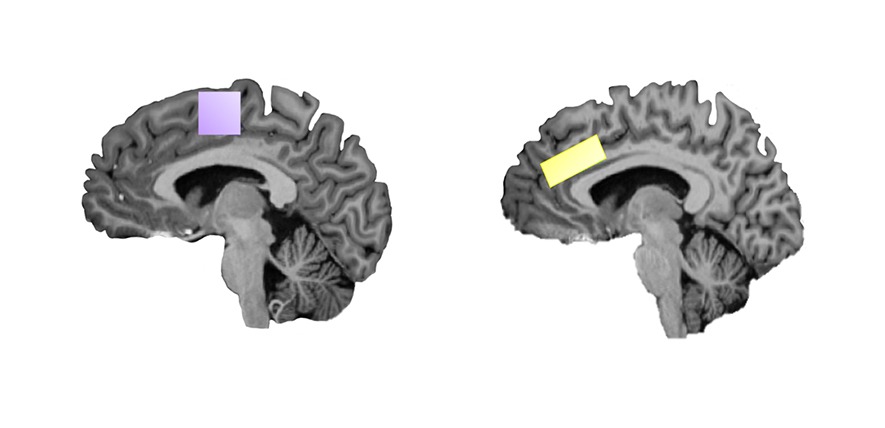
Researchers have discovered a neurochemical imbalance in the brains of patients with Obsessive-Compulsive Disorder (OCD), using magnetic resonance spectroscopy, they found a disrupted balance between neurotransmitters glutamate and GABA in two specific regions of the frontal lobes. The imbalance was linked to both the severity of OCD symptoms and tendencies towards habitual behavior. This groundbreaking research could provide avenues for better treatment strategies.

health2 years ago

Uncovering the Chemical Imbalance Behind OCD

Researchers at the University of Cambridge have discovered a neurochemical imbalance in the frontal lobes of patients with obsessive-compulsive disorder (OCD). The study found that the balance between glutamate and GABA, two major neurotransmitters, is disrupted in OCD patients. Additionally, individuals prone to habitual and compulsive behavior, even without OCD, showed increased glutamate levels in one of these brain regions. The findings provide new insights into the mechanisms behind OCD and may lead to the development of new treatment strategies targeting glutamate regulation.

neuroscience2 years ago

Astrocytes and Serotonin: Key Players in Sensory Perception

Astrocytes, a type of brain cell, play a critical role in olfactory perception or smell detection. During olfactory stimulation, serotonin transporter Slc22a3 in astrocytes mediates serotonin transport into the cells, influencing gene expression. This process contributes to the production of the neurotransmitter GABA, a crucial component in the neural circuit for sensory perception. The findings highlight the plasticity of astrocytes and their ability to change their characteristics and functions in response to environmental stimuli, playing a pivotal role in sensory processing and behavior.

neuroscience2 years ago

Glutamate Imbalance Linked to Psychotic Disorders in Meta-Analysis.

People with a genetic risk for psychosis have an imbalance of glutamate and GABA neurotransmitters in their brains, specifically in the hippocampus, which is associated with hippocampal atrophy and may lead to the development of psychotic symptoms. The study suggests that changes in the hippocampus may drive downstream pathology and that preventing excitatory-inhibitory imbalance and volume loss could potentially mitigate the cognitive decline typically observed in psychotic patients.